How Well a Bengal Cat Travels
Thinking about traveling with your Bengal cat can bring up a lot of questions and a fair bit of anxiety. These aren't your average couch potatoes; their energetic, curious, and sometimes demanding nature makes you wonder if they'll cope with a change of scenery, let alone a long car ride or a flight. This guide is here to shed some light on how well a Bengal cat travels, giving you insights and actionable tips to make journeys smoother and less stressful for everyone involved.
Understanding the Bengal Cat's Nature and Travel
Bengal cats are a breed apart, aren't they? Their unique blend of wild ancestry and domestic charm means they come with a distinct personality that impacts every aspect of their lives, including how they handle travel. It's not as simple as tossing them into a carrier; understanding their innate traits is the first step to successful journeys.
Their Innate Curiosity and Energy
One of the most defining characteristics of a Bengal cat is their boundless energy and insatiable curiosity. They thrive on exploration, mental stimulation, and physical activity. In their home environment, they're often scaling cat trees, investigating every nook and cranny, and engaging in vigorous play sessions. This active lifestyle is usually what draws people to them, but it can present challenges when you're cooped up in a car or a small cabin.
A Bengal that usually spends hours chasing wand toys or running on a cat wheel might find the confines of a carrier incredibly frustrating. They’re not designed for stillness; they're built for movement and interaction. Imagine trying to keep a toddler perfectly still for hours – that's often what it feels like to travel with a bored or restless Bengal. Their inquisitive nature means they'll want to see everything, smell everything, and potentially try to get out to explore. This isn't naughtiness; it's simply who they are.
Bengal Reactions to New Environments
While many cats are creatures of habit who prefer their familiar territory, Bengal cats often possess a surprising adaptability when properly introduced to new stimuli. However, this adaptability comes with a caveat: it needs to be managed and introduced thoughtfully. A sudden, jarring change can still trigger stress and fear, just like in any animal. Think about their early wild ancestors; they were constantly alert to new environments, assessing for both opportunities and threats. That instinct is still very much alive in your domesticated Bengal.
When faced with an entirely new environment – a new room, a new house, or even just a noisy car – your Bengal's senses will go into overdrive. They'll process every new scent, sound, and sight. Some Bengals might react with nervous energy, pacing and vocalizing, while others might become withdrawn and hide. It's crucial not to mistake their initial boldness or curiosity for a lack of fear. They are processing, and how they express that processing varies wildly from one cat to another. They also pick up on your stress, so a calm demeanor from you can make a huge difference.
Why Some Bengals Take to Travel More Easily
You might have heard stories of Bengal cats who happily adventure on leashes, hike trails, or even travel long distances without a fuss. These Bengals exist, and often, their adaptability is a result of early, consistent socialization and positive exposure to new experiences. If a Bengal kitten is regularly introduced to car rides, different sights and sounds, and even a harness and leash from a young age, they're far more likely to see these things as normal parts of life rather than frightening novelties.
Another factor is their individual personality. Some Bengals are simply more confident and outgoing than others. A cat with a naturally bold and resilient temperament will likely handle changes better than a shy or anxious one. This is why getting to know your specific Bengal's personality is so important before planning any major travel. What works for one highly adventurous Bengal might be a nightmare for another. For example, some may just adore joining you in the car, while others might protest the entire time. Understanding your cat's baseline comfort level is key.
Preparing Your Bengal Cat for Travel Success
Successful travel with a Bengal cat isn't about magic; it's about meticulous planning and patient preparation. Skipping these crucial steps is often where owners hit roadblocks, leading to stressed cats and frustrated humans.
Early Socialization and Exposure
The earlier you start exposing your Bengal cat to the concept of travel, the better. This isn't just about the physical act of being in a car or carrier, but about normalizing the sensations, sounds, and routines associated with it. Start with the carrier itself: leave it out in the living room, make it a cozy bed with a favorite blanket or toy, and offer treats inside. The goal is for your Bengal to associate the carrier with positive experiences, not just vet visits.
Once they're comfortable with the carrier, introduce short car rides. Start with just sitting in the parked car, then short trips around the block, gradually increasing the duration. Reward calm behavior with praise and treats. Consider how to leash train a Bengal cat from a young age, as this can open up possibilities for safe exploration at rest stops or new destinations. The more positive experiences they have with unfamiliar places and sounds while you are present and reassuring, the more adaptable they will become. This gradual desensitization is paramount.
Choosing the Right Carrier
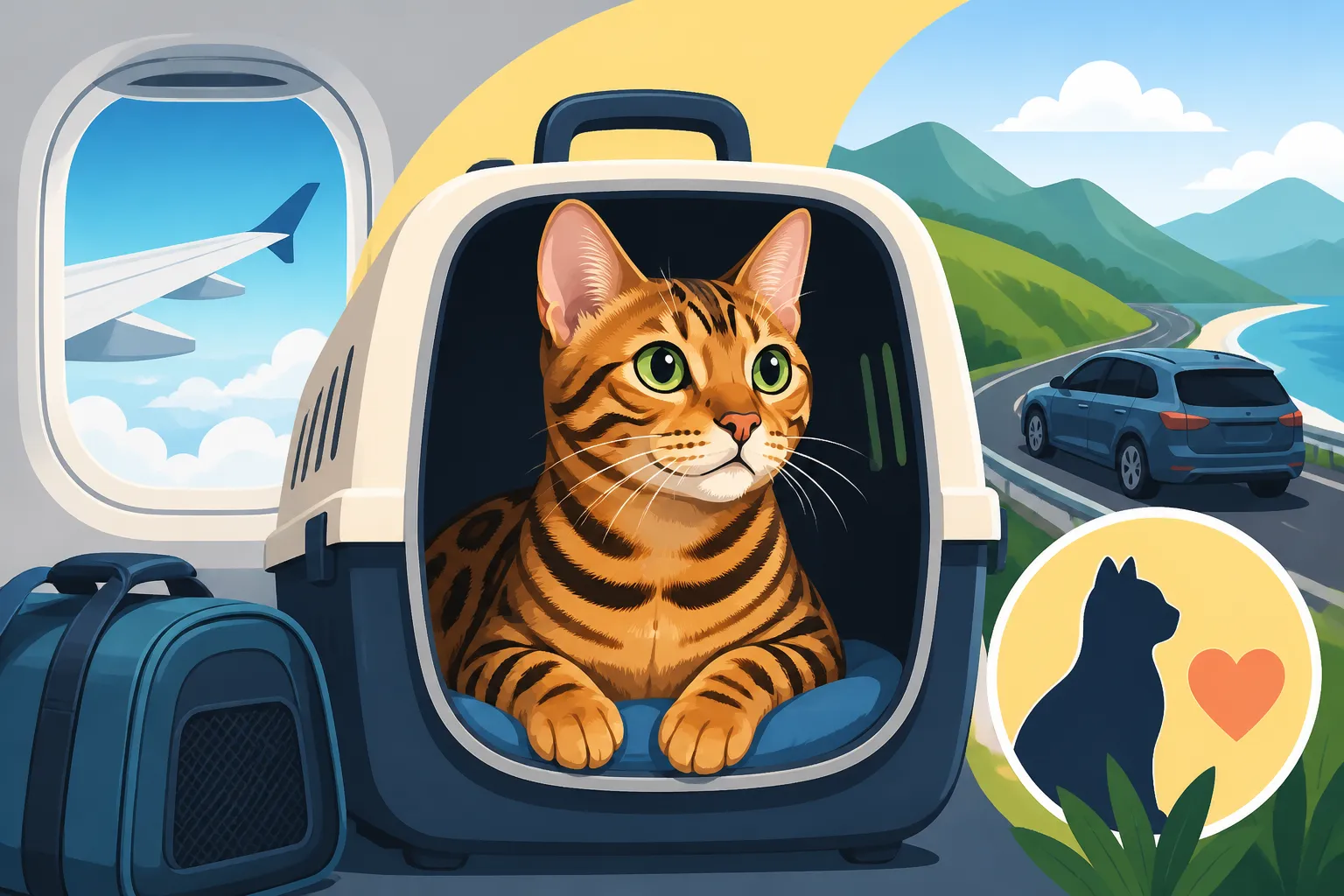
Selecting the right carrier is non-negotiable for safe and comfortable travel. For a Bengal cat, you'll need something sturdy, secure, well-ventilated, and appropriately sized. While they might be content in a small carrier for a quick vet trip, longer journeys require more space for them to stand, turn around, and lie down comfortably. Look for carriers that offer multiple entry points (top and front access can be very helpful) and are easy to clean.
A soft-sided carrier might be lighter and collapsible, but a robust plastic or metal kennel often provides better protection, especially for car travel where it can be securely buckled in. Think about what your Bengal might do if they feel trapped or stressed – a flimsy carrier won't stand a chance against their determined paws. For airline travel, specific dimensions and construction requirements are usually in place, so always check with the airline well in advance. Brands available on platforms like Amazon offer a wide array of options, from airline-approved carriers to larger wire crates, so you can find one that fits both your cat's needs and travel regulations. Remember, the investment in a good quality carrier is an investment in your Bengal's safety and comfort.
Pre-Travel Routine and Vet Check-ups
Before any significant journey, a visit to your veterinarian is highly recommended. Your vet can assess your Bengal's overall health and discuss any potential concerns related to travel, especially if it's a long trip or involves flying. They can also advise on motion sickness medication or mild sedatives if your cat is particularly anxious or prone to car sickness. This isn't about knocking your cat out, but sometimes a low dose of an anti-anxiety medication can make a world of difference for a genuinely fearful traveler.
Beyond medication, establish a calm pre-travel routine. Feed your Bengal a lighter meal a few hours before departure to minimize stomach upset. Make sure they've had ample opportunity to use their litter box. Pack a familiar blanket or an unwashed t-shirt with your scent to place in the carrier for comfort. If you're going away for an extended period, remember to consider how often a Bengal cat needs a wellness exam to ensure they're in top shape before they encounter new environments or potential stressors.
Travel Methods and Considerations for Bengal Cats
The mode of transport you choose will significantly impact your Bengal's travel experience. Each method comes with its own set of rules, challenges, and preparation needs.
Car Travel Tips and Tricks
Car travel is arguably the most common way people travel with their pets, offering the most control over the environment. For Bengal cats, this can be a double-edged sword. On one hand, you can stop when needed, adjust the temperature, and provide comfort. On the other hand, a bored or anxious Bengal in a car can be very vocal and disruptive. Start with the preparatory steps mentioned earlier, making car rides a normal, even pleasant, part of their life.
When traveling by car, always keep your Bengal in a secure carrier. Never let them roam freely in the vehicle, as this can be incredibly dangerous in case of an accident or if they interfere with your driving. Secure the carrier with a seatbelt or anchor it so it doesn't slide around. Place a favorite blanket or a soft bed inside. You can also cover the carrier with a light sheet to reduce visual stimulation if your Bengal seems overwhelmed, or uncover it if they enjoy watching the scenery. Provide water periodically, especially on long trips, but be mindful not to overdo it to avoid accidents. For more specific advice, check out how a Bengal cat rides in a car.
Flying with Your Bengal Cat
Flying with a Bengal cat is a more complex undertaking and generally should be a last resort for their comfort and safety. The rules and regulations for pet travel vary significantly between airlines and destinations, so thorough research is essential, often months in advance. Most airlines allow small cats to travel in the cabin if they fit under the seat in front of you, within specific carrier dimensions. If your Bengal is too large or if the cabin allowance is full, they may have to travel in cargo, which carries significantly higher risks due to temperature fluctuations, noise, and separation anxiety.
If cabin travel is an option, ensure the carrier meets the airline's exact specifications and is comfortable for your Bengal. Familiarize your cat with the carrier well before the flight. On the day of travel, avoid sedating your cat unless explicitly recommended by your vet and the airline, as sedatives can interfere with their ability to regulate body temperature at altitude. Pack essential documents, food, and any calming sprays or pheromone diffusers your vet recommends. Remember to take them on a leash and harness for potty breaks in designated pet relief areas at the airport if needed, keeping in mind how far a Bengal cat will walk and their high energy.
Other Forms of Travel (Trains, RVs)
While less common, other travel methods like trains or RVs can sometimes be more cat-friendly than flying, offering a calmer, more predictable environment. Train travel usually involves stricter pet policies, with some routes only allowing small pets in carriers, while others may have pet cars or compartments. Always confirm pet policies directly with the train operator before booking. The gentle motion of a train can often be less stressful than a car or plane, and you might have more space to manage your Bengal.
RV travel can be an excellent option for Bengal cats who adapt well, as it essentially brings their "home" with them. They have a familiar space, their scent is already present, and you can establish routines. This allows for frequent stops, access to their litter box, and regular play sessions. However, even in an RV, secure the carrier while driving, and ensure your Bengal has plenty of enrichment to prevent boredom. A catio attached to an RV, if feasible, could be a game-changer for a Bengal that loves outdoor access but needs to be kept safe.
Keeping Your Bengal Cat Safe and Calm While Traveling
Even with the best preparation, travel can still be stressful. Focusing on minimizing anxiety and ensuring their basic needs are met is crucial for a smooth journey.
Minimizing Stress and Anxiety
Bengal cats, despite their confident appearance, can easily become stressed by unfamiliar situations. During travel, visual barriers, calming pheromones, and familiar objects can all help. Covering a portion of their carrier with a light blanket can create a den-like space, offering a sense of security. Pheromone sprays or diffusers (available from major retailers like Amazon or pet stores) can release calming scents that mimic natural feline pheromones, helping to soothe their nerves. Always spray the carrier or bedding well in advance, never directly on your cat.
Avoid loud noises, sudden movements, and excessive human interaction with your cat from strangers during travel. If you're on a road trip, try to maintain a relaxed atmosphere in the car. Play calming music, speak in a soft voice, and take regular breaks. If your Bengal is particularly vocal, resist the urge to constantly reassure them with words; sometimes your quiet, calm presence is enough. Remember that how long a Bengal cat copes alone is usually tied to their level of enrichment and comfort, so plan your breaks accordingly.
Food, Water, and Litter on the Go
Hydration is vital, especially during travel. Offer fresh water regularly, even if your Bengal isn't asking for it. Portable, spill-proof water bowls are invaluable. During long journeys, small, frequent meals of their usual food are better than one large meal to prevent digestive upset. Some Bengals might refuse to eat or drink due when stressed, which is normal, but keep offering. Pack a sufficient supply of their regular food, as sudden changes in diet can cause stomach issues, something Bengal owners are particularly wary of due to their sensitive guts.
Litter box access is another critical consideration. For car travel, you can bring a small, covered litter box in a discreet location or use disposable litter box liners. At rest stops, if you have a harness-trained Bengal, you can let them use a portable litter box in a private area, always keeping them on a leash. For airplane travel, this becomes more challenging. Airlines rarely provide facilities, so you'll need to rely on the cat's ability to hold it or use pee pads if they are trained to them. Always have cleaning supplies, paper towels, and enzymatic cleaner on hand for accidents, because they will happen.
Emergency Preparedness for Travel
Being prepared for the unexpected is key to responsible pet travel. Always carry a copy of your Bengal's veterinary records, including vaccination history, and any current medications they are on. A first-aid kit specific for pets is also a smart addition, containing basics like wound cleaning solution, gauze, and tweezers.
Ensure your Bengal wears a comfortable harness with ID tags that have your current contact information, including your cell phone number. It's also critical that your Bengal is microchipped and that your registration details are up to date. In the unfortunate event they get separated from you, a microchip is often their best chance of being reunited. Consider checking whether a Bengal cat should be microchipped for more detailed information. Keep a recent photo of your Bengal on your phone, which can be invaluable if you need to create "lost pet" posters quickly.
| Aspect of Travel | Considerations for Bengal Cats | Recommendation |
|---|---|---|
| Carrier Choice | Needs to be secure, well-ventilated, appropriate size for comfort. Bengals are strong and can escape flimsy carriers. | Choose sturdy hard-sided for cars, airline-approved for flights. Ensure enough space for standing/turning. |
| Acclimation | Bengals can be sensitive to new things. Carrier must be a safe space. | Leave carrier out, make it cozy, use treats and positive reinforcement. Practice short trips. |
| Stress Reduction | High energy, curiosity, and sensitivity can lead to anxiety or boredom. | Pheromones, familiar scents, limited visual stimulation, regular breaks, interactive toys. |
| Vocalization | Bengals are known for their strong voices, which can be amplified by stress. | Acknowledge, but don't reinforce excessive vocalization with attention. Address underlying stress. |
| Leash Training | Useful for safe breaks and exploring new, safe areas. | Start early with a comfortable harness. Ensure a secure fit – Bengals are escape artists. |
| Food & Water | Sensitive stomachs, need consistent hydration. | Pack familiar food and water. Offer small amounts frequently. Use spill-proof bowls. |
| Litter Access | Essential for hygiene and comfort. | Portable litter box for cars/RVs. Plan for breaks. Keep cleaning supplies handy. |
| Safety Measures | Prone to escapes if not secured, need identification. | Microchip, ID tags on harness, secure carrier at all times, emergency vet info. |
Ultimately, how well a Bengal cat travels boils down to their individual temperament, your dedication to preparation, and a healthy dose of patience. It’s not always easy, but with the right approach, many Bengals can become surprisingly good travel companions, ready to explore the world with you—as long as it’s on their terms, of course!
Disclaimer
This article is for general informational purposes only and does not constitute professional advice. Laws, prices and regulations vary by location and change over time. Consult a qualified professional for guidance on your specific situation.