When a Bengal Cat Finally Goes Quiet
One of the biggest surprises for new Bengal cat parents is often just how much they talk. You might have envisioned a sleek, quiet leopard-spotted companion, only to find yourself living with a chatty character who has an opinion on everything from the state of their water bowl to the specific type of bird outside the window. This constant vocalization can be endearing, sure, but also, let's be honest, a little overwhelming sometimes. You might even find yourself wondering if this magnificent creature will ever quiet down. This guide is here to shed some light on the Bengal cat's unique vocal nature, what makes them so communicative, and what you can realistically expect in terms of their "quiet time" as they grow and mature.
Understanding the Bengal Cat's Natural Voice
Bengal cats aren't just your average housecats with a cute meow. Their vocal repertoire is incredibly varied and expressive, a direct nod to their wild Asian Leopard Cat ancestors. If you’ve ever had a conversation with a Bengal, you know it’s rarely a simple "mew." It's a complex symphony of sounds, each with its own nuance and purpose.
The Wild Ancestry and Vocalizations
The distinctive vocalizations of a Bengal cat are deeply rooted in their lineage. Unlike many domestic breeds that have had generations to distance themselves from their wild roots, Bengal cats still carry a strong echo of their wild ancestors, the Asian Leopard Cat. These wild felines aren't known for delicate meows; rather, they communicate through a range of chirps, growls, hisses, and even a unique "ow-ow" sound. Your Bengal cat's chirps as they watch a squirrel, the deep rumble in their chest when they want attention, or the insistent yowl for food aren't just random noises; they are expressions directly inherited from a more primal form of feline communication. It's truly fascinating when you think about it – you're hearing echoes of the wild in your living room!
Why Bengal Cats Are So Vocal
Bengals are incredibly intelligent and highly social creatures, and they use their voices as a primary tool for interaction. They don't just vocalize when they need something; they vocalize to express joy, curiosity, frustration, and sometimes, it seems, just to let you know they're still there and thinking about you. Many owners describe their Bengals as having full-blown conversations. If you're busy on a phone call, your Bengal might decide it's the perfect time to join in, adding their two cents with a series of chirps and trills. They are masters of getting your attention, and their varied vocalizations are often a deliberate tactic to engage you. They've learned that certain sounds elicit specific responses from you, whether it's getting up to play or investigating what the fuss is about. It's part of their highly interactive nature, which many Bengal owners adore, even when it interrupts their peace. The Bengal Cat Voice Is a Demand, Not a Greeting is a topic many of us know all too well!
Different Types of Bengal Cat Vocalizations
The range of sounds a Bengal cat can make is truly impressive, far beyond the standard "meow." Learning to decipher these sounds can help you better understand your feline companion.
- Chirps and Trills: These are often softer, bird-like sounds. They are typically used as greetings, especially when a Bengal is happy to see you or another cat. They might also chirp excitedly when observing prey outside, like birds or insects. This sound is a clear indicator of interest and often a positive emotion. What a Bengal Cat's Chirp Means explains this in more detail.
- Meows: While they do meow, a Bengal's meow often has more depth and varies in tone and intensity. A short, sharp meow might be a demand, while a drawn-out, questioning meow could be them looking for you. They can also use a soft, contented meow during petting.
- Growls and Hisses: These are unmistakable signs of displeasure, fear, or aggression. While less common in a happy, well-adjusted Bengal, they might surface during territorial disputes with other pets, during vet visits, or if they feel threatened.
- Yowls and Howls: These are the big, loud vocalizations that can sometimes feel like a demand or a complaint. A prolonged yowl can indicate boredom, loneliness, or an urgent desire for something, like food or attention. If you've ever heard a Bengal "singing the song of their people" at 3 AM, you know what a full-throated yowl sounds like! It's their way of broadcasting their feelings loudly and clearly. Why a Bengal Cat Yowls at You explores this behavior.
Factors Influencing a Bengal Cat's Vocal Levels
While some vocalization is inherent to the breed, several factors can significantly influence just how chatty your Bengal becomes. Understanding these can help you address or even anticipate changes in their volume.
Age and Maturation
It’s a common hope among new Bengal owners that their kitten will eventually "grow out of" being quite so loud. And while there's some truth to the idea that kittens are often more boisterous and demanding, the reality for Bengals is a bit more nuanced. Bengal kittens are, indeed, little bundles of energy and noise. They're exploring their world, learning how to communicate, and constantly seeking reassurance and play from their human family. This often translates into frequent meows, chirps, and demands for attention.
As they mature into adulthood, usually around 1-2 years of age, their boundless kitten energy might temper slightly, and with it, some of the incessant vocal demands. They might settle into a more predictable rhythm of communication, but they rarely become truly "quiet" cats in the way some other breeds might. Instead, their vocalizations might become more refined, more specific, and perhaps less frequent, but the inherent desire to communicate remains. Don't expect a silent transition; think of it more as a shift from a child's constant chatter to a more articulate adult conversation. The Age a Bengal Cat Settles touches on how their overall activity levels change with age, and this can indirectly affect vocal output.
Environmental Enrichment and Boredom
A bored Bengal cat is often a vocal Bengal cat. These are highly intelligent and active felines who thrive on mental and physical stimulation. If their environment doesn't offer enough to keep their minds engaged and their bodies moving, they will quickly become restless, and this restlessness often manifests as excessive vocalization. A Bengal that is constantly yelling for attention might simply be telling you, in the loudest way possible, that they are bored and need something to do.
This isn't just about giving them a few toys; it's about providing a dynamic and challenging environment. Think vertical space like tall cat trees and shelves, regular interactive play sessions, and puzzle feeders that make them work for their meals. Without these outlets, they might resort to destructive behaviors in addition to vocal ones, so prevention is key. What a Bored Bengal Cat Destroys goes into how a lack of engagement can lead to more than just noise. Providing ample enrichment can channel their energy positively and reduce their need to vocalize out of sheer lack of anything better to do. You can find some fantastic puzzle feeders on Amazon that really challenge their minds and keep them occupied.
Health and Comfort
Any sudden or unusual increase in vocalization from your Bengal cat should always be a red flag that warrants investigation. Unlike humans, cats can't simply tell us when they're not feeling well. Instead, changes in behavior, including their vocal habits, are often their primary way of signaling distress or discomfort. A Bengal who is typically chatty but suddenly becomes withdrawn and quiet might be ill, but equally, a Bengal who suddenly starts yowling incessantly, especially at odd hours or in conjunction with other symptoms, could be experiencing pain, nausea, urinary issues, or anxiety.
It’s easy to dismiss persistent vocalizations as "just being a Bengal," but it's crucial to rule out underlying health problems first. A visit to the vet for a thorough check-up is always the first step if you notice a significant change in their vocal patterns, particularly if it's accompanied by changes in appetite, litter box habits, or energy levels. Never assume it's "just behavior" without ruling out a medical cause, as early detection can make a huge difference in treatment and prognosis.
Social Interaction and Companionship
Bengal cats are incredibly social creatures who thrive on interaction with their human family and, often, other animal companions. Their vocal levels can be significantly influenced by the amount and quality of social interaction they receive. A Bengal who is left alone for long periods without adequate stimulation or companionship might become very vocal out of loneliness or anxiety. They might yowl as soon as you walk in the door, not just as a greeting, but as a release of pent-up emotional energy from being by themselves.
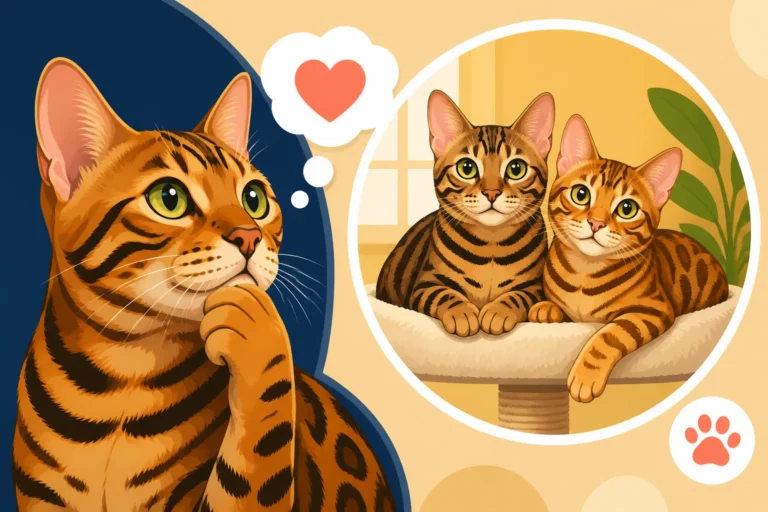
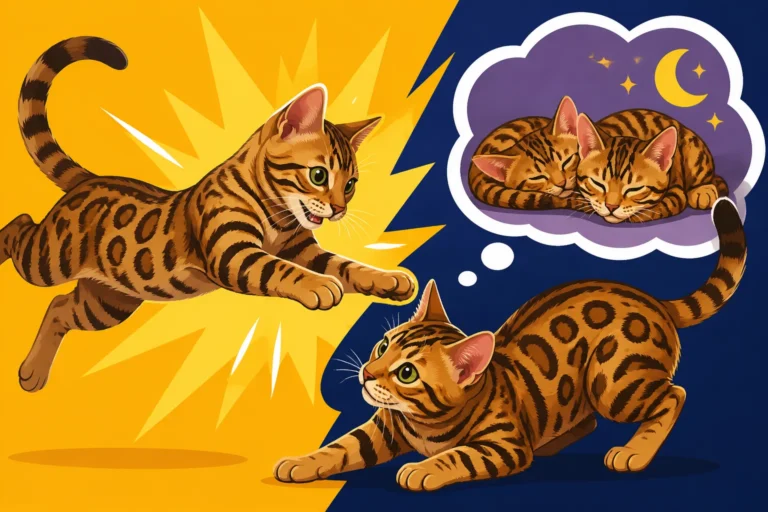
Conversely, a Bengal living in a multi-cat household might direct some of their vocal energy towards their feline housemates, communicating through chirps, growls, or even playful yowls during chase games. Some Bengals might even be more vocal if they feel they need to compete for attention or resources in a multi-pet household. If you’re often out of the house for extended periods, considering whether When a Bengal Cat Needs a Second Cat is a good idea might help curb some of the excessive vocalizations stemming from loneliness. Even if they have companions, ensuring each cat gets individual attention and play can help manage overall noise levels.
Strategies to Manage Excessive Bengal Cat Vocalization
While you’ll never silence a Bengal completely (nor would you want to, really!), there are definite strategies you can employ to manage excessive or unwanted vocalizations. It’s all about understanding their needs and redirecting their communication.
Establishing Routines and Consistent Communication
Bengal cats, like many intelligent animals, thrive on routine and predictability. A chaotic or inconsistent environment can lead to anxiety, which often manifests as increased vocalization. If your Bengal doesn't know when their next meal is coming, when they'll get playtime, or when you'll pay attention to them, they might resort to constant vocal demands to try and prompt these things.
Establishing clear, consistent routines for feeding, playtime, and even cuddle sessions can significantly reduce stress and, consequently, their need to vocalize excessively. For example, if they know that after your morning coffee, it's wand toy time, they might be less inclined to yowl for play beforehand. Similarly, responding consistently to certain vocal cues (e.g., chirps for greetings, but ignoring incessant yowling unless it's an emergency) teaches them what kind of communication is effective. They're smart cookies; they'll quickly learn which sounds get the desired response from you. Consistency is truly your best friend here.
Enhancing Environmental Stimulation
As mentioned earlier, a bored Bengal is a loud Bengal. Providing a rich, stimulating environment is paramount to keeping their vocalizations at a manageable level. This goes beyond just having a few toys scattered on the floor. Think vertical space: tall, sturdy cat trees that reach the ceiling, shelves mounted on walls, or even cat superhighways that allow them to climb and survey their kingdom from above. These options satisfy their innate desire to climb and explore.
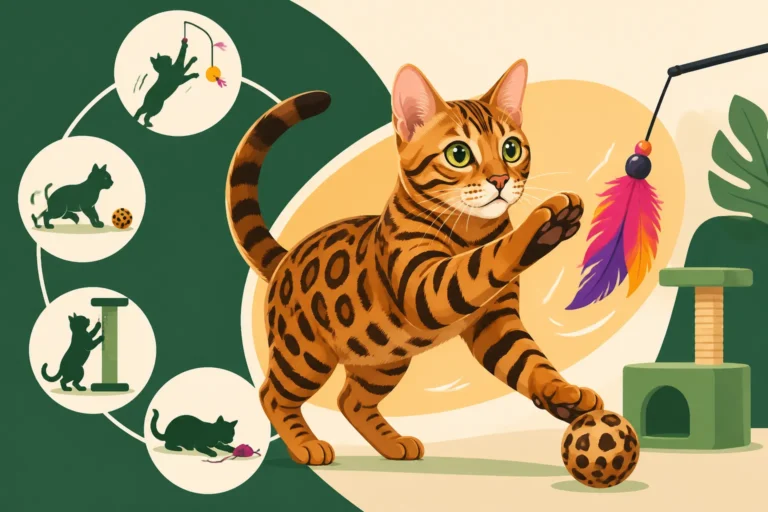
Interactive toys are also crucial. Look for wand toys that mimic prey, allowing for satisfying "hunt, catch, kill" cycles. Puzzle feeders, available widely on Amazon, challenge their intelligence and make mealtime an engaging activity rather than a quick gobble. Rotate toys regularly to keep things fresh and interesting. A Cat Wheel for a Bengal Cat can provide an excellent outlet for their boundless energy. Don't forget the importance of window perches, too, offering them a "cat TV" to watch the world go by. The more engaged and physically tired your Bengal is, the less likely they are to resort to disruptive vocalizations out of sheer under-stimulation. How Much Enrichment a Bengal Cat Actually Needs is a topic that can't be stressed enough for this breed.
Addressing Medical and Behavioral Concerns
If you've noticed a sudden or marked increase in your Bengal's vocalizations, especially if it's accompanied by other behavioral changes, it's always best to consult with your veterinarian first. As discussed, cats are masters at hiding pain and illness, and excessive vocalization can be a key indicator of underlying medical issues like urinary tract infections, dental pain, hyperthyroidism, or even chronic conditions that cause discomfort. Your vet can perform a thorough examination and recommend any necessary tests to rule out health problems.
Once medical causes are excluded, if the vocalization persists and seems problematic, it might be a behavioral issue. This is where consulting a qualified feline behaviorist can be incredibly helpful. They can help identify the root cause of the behavior, which might be anxiety, stress, or even a learned behavior that needs to be unlearned. They can then work with you to develop a tailored behavior modification plan using positive reinforcement techniques to address the specific vocalization issues. Sometimes, certain anti-anxiety medications or supplements might be considered in conjunction with behavioral therapy, but always under professional guidance.
Training and Redirection
Bengal cats are incredibly smart, and their intelligence means they are highly trainable. While you might not be able to stop them from ever chirping again, you can certainly train them to reduce incessant or demanding vocalizations. The key is consistent positive reinforcement.
First, identify why they are being vocal. If they are demanding food, don't immediately give it to them if they're being overly loud. Wait for a moment of quiet, even a second, before you place the food down. They will quickly learn that silence, not yowling, gets them what they want. Similarly, if they're loudly demanding playtime, ignore the loud sounds and only engage when they use a softer chirp or a quiet nudge.
You can also actively train them with commands. Many Bengals enjoy learning tricks, and you can teach them commands like "quiet" or "calm" using clicker training. When they are quiet during a moment you'd expect them to be vocal, click and reward them. Over time, they'll associate quietness with positive reinforcement. Redirecting their energy is also effective. If they're starting a noisy phase, immediately engage them with a wand toy or a game that requires their focus. This shifts their attention away from vocalizing and towards an acceptable, stimulating activity. Consistency and patience are vital here; training takes time, but Bengals are quick learners. How to Clicker Train a Bengal Cat is a great skill to develop for this purpose.
Realistic Expectations: When "Quiet" is a Relative Term for a Bengal
Let's face it: if you're hoping for a Bengal cat that is truly silent, you might be setting yourself up for disappointment. These are not typically quiet, demure lap cats. Their vocalizations are a core part of their personality and breed heritage. The goal isn't to silence them, but to understand and manage their communication in a way that creates a harmonious home environment.
Embracing Their Unique Personality
One of the most important things to understand about owning a Bengal cat is that their vocal nature is simply part of who they are. It's a hallmark of the breed, stemming directly from their wild ancestry and their highly intelligent, social disposition. To expect a Bengal to be silent is akin to expecting a bird not to sing. Their chirps, trills, and occasional dramatic yowls are part of their charm and how they express themselves. Instead of fighting against it, learning to appreciate and interpret their wide range of sounds can actually deepen your bond.
Think of it this way: your Bengal is constantly engaging with you, sharing their thoughts and feelings. While it might sometimes be a little much, it also means you have a cat that is highly communicative and interactive, a trait many Bengal enthusiasts cherish. Embracing their vocal nature means accepting them fully, unique voice and all. You'll soon learn to distinguish a happy greeting chirp from a demanding yowl, becoming fluent in your cat's distinct language. How Vocal a Bengal Cat Is is something every potential owner should consider.
The Difference Between Quiet and Content
The quest for a "quiet" Bengal cat often misses the point. What most owners truly desire isn't silence, but a content cat whose vocalizations are not born of stress, boredom, or medical issues. A content Bengal cat might still be vocal, but their sounds will likely be more positive – happy chirps, purrs, and conversational meows, rather than incessant, demanding yowls or distressed cries.
Achieving a content Bengal means fulfilling their needs for physical exercise, mental stimulation, consistent routines, and plenty of positive social interaction. When these needs are met, their vocalizations often become more balanced and less overwhelming. They're less likely to "yell" at you for attention if they know they're receiving it regularly and positively. The focus shifts from trying to suppress a natural behavior to ensuring that the communication they do engage in is largely indicative of a happy, well-adjusted feline. They might never be as quiet as some other breeds, but a happy Bengal's voice is often a welcome sound. How Long a Bengal Cat Copes Alone directly impacts their contentment and potential vocalization.
Long-Term Management and Adaptation
Living with a Bengal cat is a journey of mutual adaptation. You learn their quirks, and they learn your routines (and how to occasionally manipulate them!). Over the long term, managing a Bengal's vocalizations becomes less about "stopping" them and more about coexisting harmoniously. This involves consistent application of the strategies we've discussed: maintaining stimulating environments, adhering to routines, ensuring their health, and responding thoughtfully to their cues.
Many long-time Bengal owners find that they adapt to the level of vocalization, and it simply becomes background noise, or a cherished part of their daily interactions. You'll learn to filter out the less urgent sounds and respond promptly to those that signal a true need. You might even find yourself missing their chatter if they're unusually quiet! It's about finding a balance where your Bengal can express themselves without overwhelming the household. It's a commitment to a vibrant, chatty companion, and for many, that vibrant personality, vocalizations and all, is precisely what makes the Bengal cat such a unique and rewarding pet. Signs a Bengal Cat Is Bored can help you proactively manage their energy before they become too vocal.
Disclaimer
This article is for general informational purposes only and does not constitute professional advice. Laws, prices and regulations vary by location and change over time. Consult a qualified professional for guidance on your specific situation.