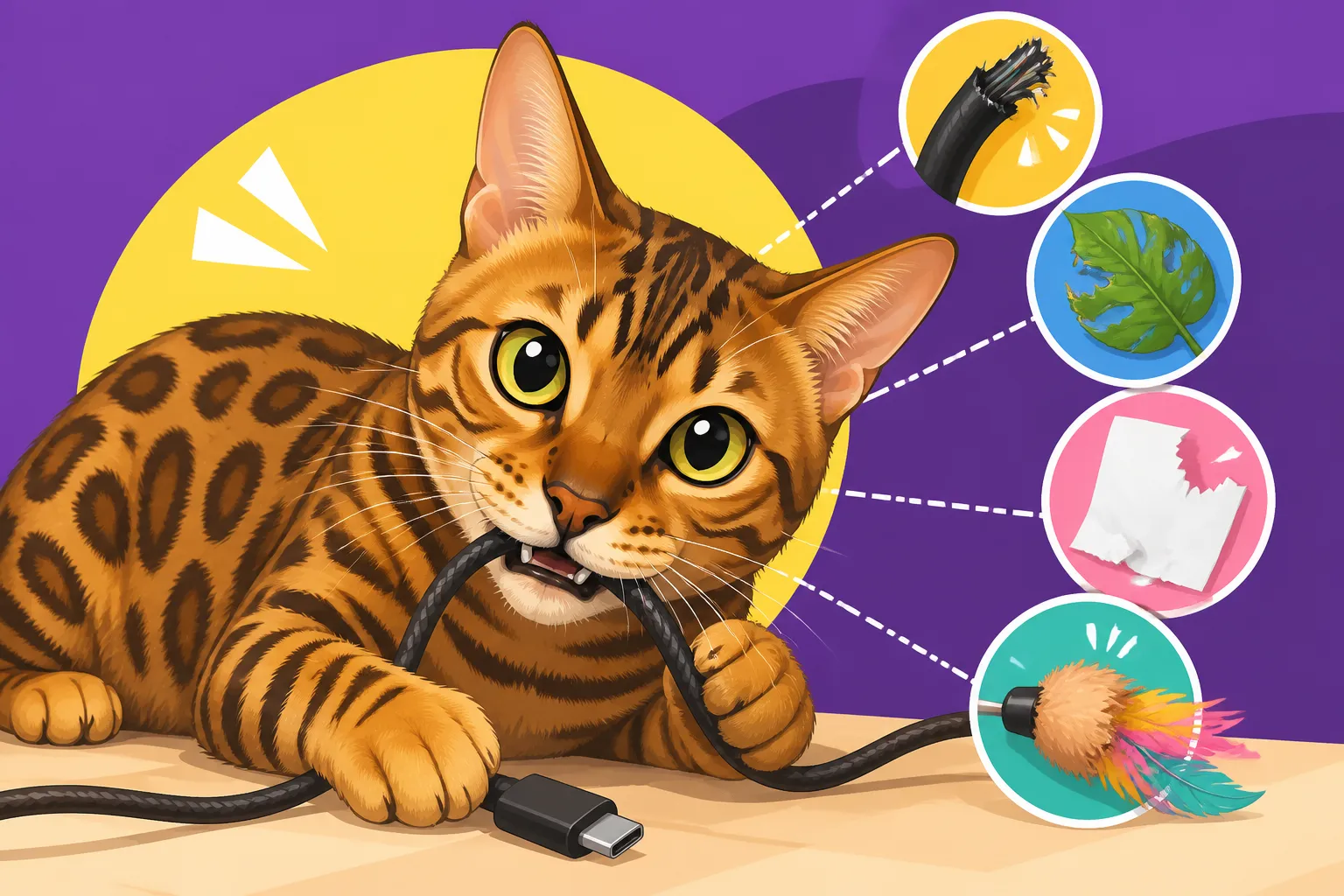
What a Bored Bengal Cat Chews
Finding your favorite phone charger gnawed to bits, discovering your houseplant suddenly looks like it lost a fight with a lawnmower, or worse, witnessing your beloved Bengal cat attempting to "redecorate" your sofa with their teeth – these are frustrating scenarios many Bengal owners face. This guide is here to shed light on why your incredibly energetic and intelligent Bengal might be turning into a little chewing machine, what common household items become their targets, and, most importantly, how to redirect this natural behavior into safer, more appropriate channels.
Why Bengal Cats Chew: The Instinctual Drive
Let's be real, a Bengal cat isn't your average couch potato feline. They're magnificent, athletic, and notoriously clever. When they start chewing on things they shouldn't, it's often not out of malice, but a deeply ingrained instinct screaming for an outlet.
High Energy and Natural Instincts
Think about the wild ancestors lurking just a few generations back in your Bengal's pedigree: the Asian Leopard Cat. These are lean, agile hunters with a lot of energy to burn and a strong drive to explore their environment. Your domestic Bengal cat still carries a significant amount of that wild spirit. When that energy isn't adequately channeled through appropriate play and stimulation, it has to go somewhere. Chewing can be a fantastic way for a bored Bengal to release pent-up energy, satisfy their predatory instincts, and simply explore the world with their mouths. It's a natural behavior that needs redirection, not suppression. If you've ever felt like your Bengal has boundless energy, you're not wrong – The Bengal Cat Is the Most Active Cat You Can Own, and that activity needs an outlet!
Intelligence and Problem Solving
Bengals are notoriously intelligent. This isn't just a cute trait; it's a double-edged sword when it comes to destructive behaviors like chewing. If their brilliant minds aren't constantly engaged, they will find ways to entertain themselves, and those ways might not align with your interior decorating choices or safety concerns. Chewing can be a complex problem-solving activity for a Bengal. They might be trying to get to something, dismantle something, or simply figure out how an object works by testing its structural integrity with their teeth. It's their way of investigating, and if there's nothing else to challenge their minds, your possessions become their personal science experiment. How Clever a Bengal Cat Is means they're always thinking, always strategizing.
Oral Health and Exploration
Sometimes, the drive to chew is a simpler, more primal one. For Bengal kittens, chewing is a crucial part of exploring their new world and can help alleviate the discomfort of teething. Just like human babies, they want to put everything in their mouths. As they grow, this exploratory chewing can continue. For adult Bengals, chewing can sometimes be a sign of dental issues, like gum disease or a painful tooth. They might chew on things to try and relieve the discomfort. However, often it's just about the texture and the satisfaction of a good chew. They might simply enjoy the feel of certain materials against their teeth or the way an object yields under pressure.
Common Household Items a Bored Bengal Cat Targets
It feels like no item is safe sometimes, doesn't it? Bengals have a knack for finding the most inconvenient things to gnaw on. Understanding what they target and why can help you cat-proof your home more effectively.
Wires, Cords, and Cables
This is perhaps one of the most dangerous chewing habits. Phone chargers, laptop cords, lamp wires, headphone cables – you name it, a Bengal might chew it. Why? Often, it's the dangling, snake-like quality that mimics prey. They might bat at it, then pounce, then chew. The texture can also be appealing. The risk here is immense, from electrical burns to electrocution. It's not just about replacing a chewed cord; it's about life-threatening danger. You need to be incredibly diligent about securing these items.
Textiles and Furniture
Your favorite wool blanket, the corner of your upholstered armchair, a throw pillow, even the hem of your curtains – these can all become targets. Bengals might be drawn to the soft, yielding texture of fabric, or the satisfying resistance of furniture. It could be a form of comfort chewing, a way to mark territory, or an extension of their playful hunting instincts, as if they're "killing" the sofa. Some Bengals might even be trying to create a cozy spot for themselves, tearing at fabric to make a nest. This can be heartbreaking for your furniture, but also concerning if they ingest threads, which can lead to serious intestinal blockages.
Small Objects and Plastics
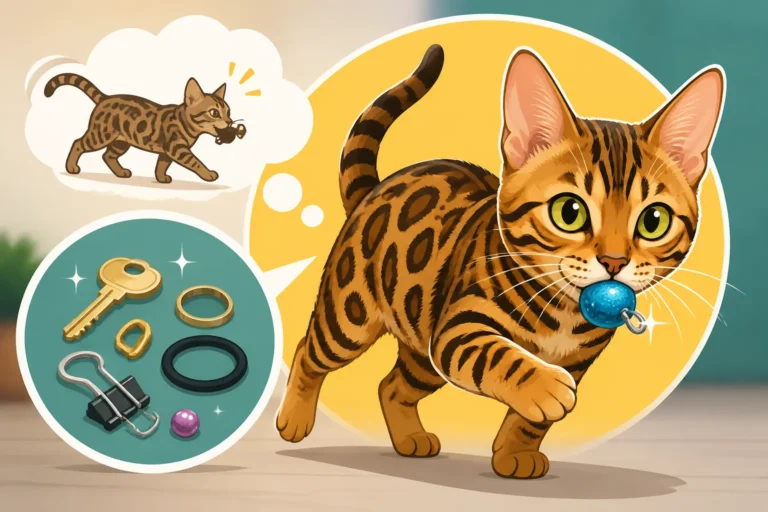
Pens, remote controls, hair ties, rubber bands, plastic bottle caps, toy pieces – these are often irresistible to a curious Bengal. They're lightweight, easy to bat around, and offer a variety of interesting textures. A Bengal will often "fetch" these items, bringing them back for you to throw again, but the danger comes when they decide to chew them into smaller, ingestible pieces. Rubber bands and hair ties are particularly hazardous as they can cause linear foreign bodies in the intestines, which is a life-threatening emergency. Make sure anything small and tempting is put away. Amazon sells great organizers for small items if you're constantly losing them to your feline friend.
Plants
Many Bengals have a penchant for nibbling on houseplants, even if they have plenty of other stimulation. This could stem from a natural instinct to chew on greens, or simply curiosity about a new texture or smell. Unfortunately, many common houseplants are toxic to cats, ranging from mildly irritating to severely poisonous. Lilies, sago palms, oleander, and even common philodendrons can cause serious health issues. Always research every plant in your home to ensure it's cat-safe, or consider getting rid of anything potentially harmful.
| Item Type | Why Bengals Chew It | Potential Risks | Suggested Alternatives (Available on Amazon) |
|---|---|---|---|
| Wires/Cords | Mimics prey, interesting texture, dangling | Electric shock, burns, fire | Cord protectors, cable wraps, secured routing |
| Textiles/Furniture | Soft texture, resistance, nesting instinct | Ingestion (blockage), damage | Durable scratchers, chew toys, cat trees |
| Small Objects/Plastics | Easy to bat, varied texture, "prey" size | Choking, ingestion (blockage) | Puzzle toys, interactive toys, sturdy fetch toys |
| Houseplants | Natural instinct, curiosity, texture | Toxicity, digestive upset | Cat grass, catnip plants, safe chew sticks |
Redirecting Destructive Chewing: Solutions and Strategies
The good news is that destructive chewing isn't usually a permanent sentence. With consistency, patience, and the right approach, you can redirect your Bengal's chewing habits to appropriate outlets.
Providing Appropriate Chew Toys and Enrichment
The first step is to give them something they are allowed to chew. This sounds simple, but it's often overlooked. Invest in a variety of durable, cat-safe chew toys. Look for toys made from tough rubber, silicone, or compressed catnip that can withstand a Bengal's strong jaws. Think about textures – some Bengals love crinkly plastic, others prefer a firmer chew. Rotate their toys regularly to keep things interesting. A toy they haven't seen in a week feels new again! You can find an excellent selection of durable and engaging cat toys on Amazon, often with reviews from other Bengal owners. Remember, Which Wand Toy a Bengal Cat Destroys Fastest will likely be different from a good chew toy – choose wisely for the purpose!
Beyond just chew toys, provide ample enrichment. This includes puzzle feeders that make them "work" for their food, encouraging mental engagement rather than destructive behavior. Whether a Puzzle Feeder Tires a Bengal Cat is a resounding yes for many, as it uses their intelligent minds. Cat trees, scratching posts, and interactive toys are also vital. Vertical space is key for Bengals, so shelves and tall cat trees give them safe places to climb and survey their kingdom, reducing boredom.
Environmental Management and Cat-Proofing
Prevention is always easier than cure. Before you can teach your Bengal what to chew, you need to remove the temptation of what they shouldn't chew. This means rigorous cat-proofing:
- Wires: Secure all electrical cords. Use cord protectors, run cables through conduits, or tape them firmly to walls. Unplug unused electronics.
- Small, tempting items: Put away pens, rubber bands, hair ties, jewelry, remotes, and anything small enough to be swallowed or chewed.
- Cabinets and Drawers: Bengals are notorious for opening cabinets. Consider child-proof locks or magnetic latches for any cabinets containing food, cleaning supplies, or breakable items. Which Locks Stop a Bengal Cat often involves something more robust than a simple hook-and-eye.
- Plants: Remove all toxic plants from your home. If you love plants, choose cat-safe varieties like spider plants, Boston ferns, or cat grass, and place them in areas where your Bengal can enjoy them safely.
The goal is to make it impossible or unappealing for your Bengal to access inappropriate chewing targets, especially dangerous ones.
Increasing Playtime and Mental Stimulation
A tired Bengal is a well-behaved Bengal! These cats need significant interactive playtime every single day. Aim for multiple play sessions throughout the day, each lasting 15-20 minutes, where you actively engage with them using wand toys, laser pointers (with a treat at the end to "catch" the dot), or fetch games. This satisfies their hunting drive and burns off physical energy. How Many Play Sessions a Bengal Cat Needs will vary, but more is usually better.
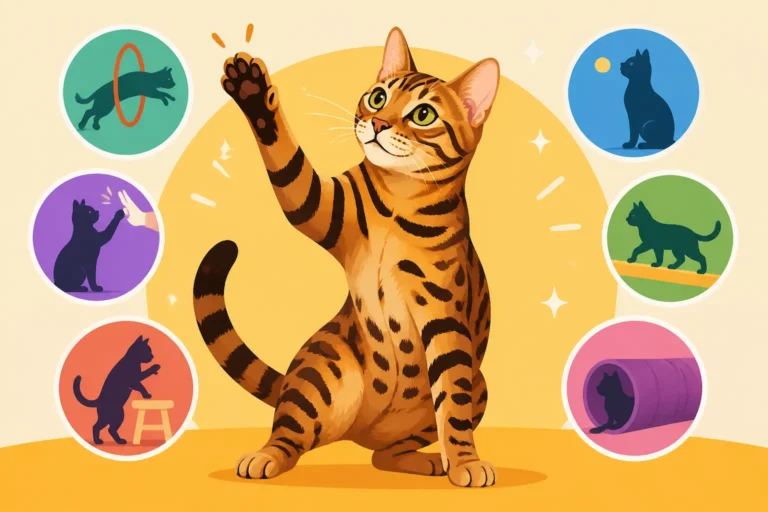
Consider teaching them tricks using positive reinforcement and clicker training – Bengals love to learn! Leash training is another fantastic way to provide outdoor stimulation safely. While it takes patience, many Bengals adore exploring the world on a harness and leash. Finally, for an extra boost of energy release, a cat wheel can be a game-changer. It allows them to run to their heart's content indoors.
Considering a Companion
If you have a solo Bengal and you're out of the house for long periods, consider whether a compatible feline companion might help. Another playful cat can provide a much-needed outlet for wrestling, chasing, and burning off energy. This can significantly reduce boredom-induced behaviors, including destructive chewing. Of course, introducing a new cat requires careful planning and observation to ensure a harmonious household, but it's worth considering if your Bengal seems lonely or chronically under-stimulated. Check out articles on How Long a Bengal Cat Can Be Left Alone for more insights on companionship needs.
When Chewing is More Than Just Boredom
While boredom and instinct are often the culprits, sometimes excessive or unusual chewing can be a red flag for underlying health or behavioral issues. It's crucial not to dismiss these signs.
Dental Issues and Pain
Just like us, cats can suffer from dental problems. Gum disease, tooth resorption, broken teeth, or even abscesses can cause significant pain and discomfort. A Bengal might chew excessively, or on unusual items, in an attempt to alleviate this pain or to shift a loose tooth. If you notice your Bengal showing any of the following signs along with chewing, a vet visit is in order: bad breath, drooling, difficulty eating, pawing at their mouth, reluctance to play with hard toys, or visible redness/swelling of the gums. Regular dental check-ups are vital for Bengals, just like any cat. For more information, read What a Bengal Cat Gets Dental Disease.
Pica and Dietary Deficiencies
Pica is the persistent craving and chewing or ingesting of non-food items. While occasional plant chewing or a curious nibble might be normal, consistent consumption of things like fabric, plastic, or dirt could indicate pica. This can be caused by various factors, including nutritional deficiencies, underlying medical conditions (like gastrointestinal issues or hyperthyroidism), genetic predisposition, or even extreme stress. Ingesting non-food items can lead to serious health problems, including intestinal blockages or poisoning. If your Bengal is eating things they shouldn't, a vet visit is absolutely essential to rule out medical causes. Bengal cats can be prone to sensitive stomachs, so Why a Bengal Cat's Gut Is So Sensitive is always something to consider.
Anxiety and Stress
Cats are creatures of habit, and Bengals, despite their robust nature, can experience stress and anxiety. Changes in their environment, such as moving to a new home, the introduction of a new pet or family member, or even a shift in your daily routine, can trigger anxious behaviors. Destructive chewing can be a coping mechanism for stress, much like a human might bite their nails. If your Bengal's chewing suddenly increases or changes in nature, and you've ruled out boredom and medical causes, consider what might be causing them stress. Providing a stable environment, consistent routines, and plenty of safe hiding spots can help an anxious cat.
Seeking Professional Help
If you've tried everything – increasing enrichment, cat-proofing, providing appropriate chew toys – and your Bengal is still engaging in destructive or dangerous chewing, it's time to bring in the professionals. Your veterinarian can perform a thorough physical exam and blood work to rule out any underlying medical conditions causing the behavior. If medical issues are cleared, a certified feline behaviorist can offer tailored strategies and help you understand the root cause of your Bengal's specific chewing habits. They can provide guidance on environmental changes, training techniques, and sometimes, even medication to help manage anxiety. Don't feel like you're failing; sometimes, specialized expertise is exactly what's needed to help your unique and wonderful Bengal thrive.
Disclaimer
This article is for general informational purposes only and does not constitute professional advice. Laws, prices and regulations vary by location and change over time. Consult a qualified professional for guidance on your specific situation.