What a Clouded Rosette Bengal Cat Costs
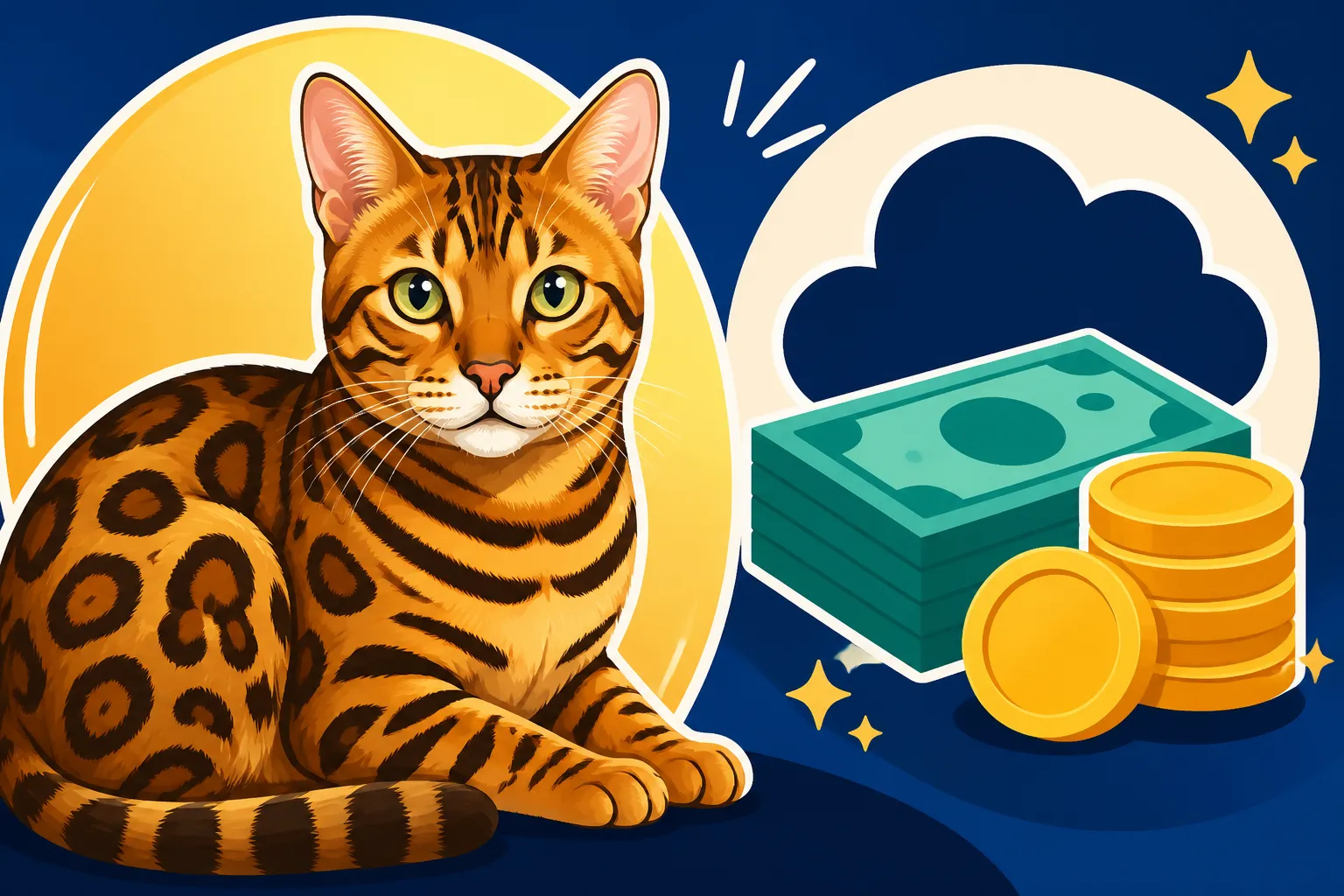
Falling head over heels for a Bengal cat is easy, especially when you see those absolutely breathtaking clouded rosettes. But then reality hits, and you start to wonder, "Just what does a Bengal cat with such a unique pattern cost?" It's a completely fair question, and the answer isn't always straightforward. This guide will help you navigate the various factors that influence the price of a clouded rosette Bengal cat, from the initial adoption fee to the lifelong commitment, giving you a clearer picture of the financial journey ahead.
Understanding the Clouded Rosette and Its Premium Value
When you talk about a "clouded rosette" on a Bengal cat, you're not just talking about any spot. You're describing a truly magnificent and complex pattern that commands significant attention, both in the show ring and in the hearts of admirers. This isn't just a simple round spot; it's a design reminiscent of the larger, irregular spots seen on wild leopards and jaguars, where the inner part of the rosette is lighter than the darker outline, creating a three-dimensional, almost marbled effect within the spot itself.
What Makes a Clouded Rosette So Special?
A clouded rosette stands out because it's a true hallmark of the Bengal's wild ancestry, the Asian Leopard Cat. Unlike simple "single spots" or "arrowhead" rosettes, the clouded variety involves multiple colors and intricate shapes, often large and flowing, making the cat look incredibly exotic and majestic. Imagine a map of small islands, each outlined by a darker ocean – that's the kind of depth and detail we're talking about. These rosettes aren't just aesthetically pleasing; they're harder to achieve consistently in breeding programs. Breeders strive for high contrast and well-defined patterns, and a perfect clouded rosette is considered a triumph. It's this rarity and the striking resemblance to their wild cousins that elevates the perceived value and, consequently, the cost.
For a Bengal cat to truly exhibit clouded rosettes, the underlying genetics must be just right, and even then, the expression can vary widely within a litter. Breeders dedicate years to developing lines that reliably produce such patterns, carefully selecting breeding pairs with the right genetic potential. This isn't a quick or easy process; it requires deep understanding of genetics and a keen eye for conformation and pattern. When you see a Bengal with stunning clouded rosettes, you're looking at the result of deliberate, skilled breeding. It's no wonder that judges often have a preference for these complex patterns, as they exemplify the breed's wild beauty. Which Rosette Type Judges Prefer in a Bengal Cat
Supply, Demand, and the Breeder's Investment
The principle of supply and demand plays a huge role in the price of a clouded rosette Bengal. Because these patterns are more challenging to produce, the supply of truly outstanding examples is naturally lower than that of Bengals with simpler spots or marbled patterns. When demand is high for a rare and beautiful trait, prices will inevitably reflect that. People are willing to pay more for something distinctive and difficult to find.
Beyond the genetic lottery, a reputable breeder invests significantly in their program. This isn't just about feeding and housing the cats; it includes extensive health screening for both parents, top-tier nutrition, professional veterinary care for the queens and kittens, and meticulous record-keeping. They often invest in genetic testing for common Bengal health issues like Pyruvate Kinase Deficiency and progressive retinal atrophy (PRA-b), and regular cardiac screenings for hypertrophic cardiomyopathy (HCM). These preventative measures ensure that the kittens they sell are as healthy as possible, reducing potential heartache and massive vet bills for new owners down the line. All of these overheads contribute to the final price tag of a kitten, especially one with a highly desirable trait like clouded rosettes.
Factors Beyond the Rosette Influencing Price
While the breathtaking clouded rosette pattern certainly adds to a Bengal cat's price, it's far from the only factor. A myriad of elements, from their lineage to their overall quality, can significantly sway the final figure you'll encounter. Understanding these additional influences is crucial for any prospective Bengal owner.
Generation and Pedigree: The Foundation of Cost
One of the most significant determinants of a Bengal cat's price, regardless of its pattern, is its generation. Bengals are categorized by their "F-number," which indicates how many generations removed they are from their wild ancestor, the Asian Leopard Cat. An F1 Bengal has one Asian Leopard Cat parent, an F2 has an F1 parent, and so on. The further down the generations you go, the more domesticated the cat becomes.
Generally, early-generation Bengals (F1, F2, F3) are considerably more expensive due to their closer genetic ties to their wild ancestors, their rarity, and the specific care requirements that often come with them. These early generations are rarely sold as typical "pets" and are often subject to strict ownership laws. Most pet Bengals are SBT (Studbook Tradition), which means they are at least F4 or further removed from the Asian Leopard Cat, ensuring a fully domesticated temperament. The price ladder for Bengals truly illustrates this generational impact. The F1 to F5 Price Ladder for a Bengal Cat Even an SBT Bengal with clouded rosettes will command a higher price than one with a simpler pattern, but an F1 with clouded rosettes would be astronomically more expensive (and incredibly rare). The pedigree itself, detailing a cat's championship lines and ancestry, also adds value, as it reflects proven quality and adherence to breed standards.
Quality, Color, and 'Glitter'
Beyond the generation, the overall "quality" of the Bengal plays a pivotal role in pricing. Breeders often classify kittens into pet quality, breed quality, and show quality.
- Pet quality kittens are still purebred Bengals but may have minor traits that don't quite meet the strict show standards. They make wonderful companions and are typically the most affordable.
- Breed quality kittens possess excellent traits and genetic potential, suitable for a responsible breeding program.
- Show quality kittens are the cream of the crop, almost perfectly matching the breed standard, destined for the show ring or for a breeder looking to improve their lines. A clouded rosette Bengal deemed "show quality" will naturally be at the top end of the price spectrum.
Then there's the captivating "glitter" gene. This unique trait makes the tips of a Bengal's hair shafts translucent, causing their coat to shimmer in the light, as if dusted with gold or silver. It's a highly prized characteristic that adds a truly magical touch to the Bengal's appearance and undeniably increases its value. What Rosettes and Glitter Add to a Bengal Cat's Price Not every Bengal has glitter, and the presence of it on a clouded rosette cat can further elevate its cost. What the Glitter Gene Does to a Bengal Cat
Finally, color variations also influence price. While traditional brown (black spotted) Bengals are most common, other accepted colors like snow (lynx point, mink, sepia), silver, and charcoal can also affect the price. A snow Bengal with well-defined clouded rosettes and glitter, for instance, might be seen as even more unique and consequently more expensive.
Breeder Reputation and Location
The breeder you choose also significantly impacts the price. A highly reputable breeder, one known for their ethical practices, extensive health testing, and excellent conformation to breed standards, will almost always have higher prices than a less established or backyard breeder. This is because they invest more into their breeding program, prioritizing the health, temperament, and quality of their cats. They perform all necessary health screenings, including regular echocardiograms for HCM, DNA tests for PRA-b and PK Deficiency, and ensure proper socialization for their kittens. While the initial outlay might be higher, buying from such a breeder can save you considerable heartache and veterinary expenses in the long run. Why a Bengal Cat Breeder Must Show an Echo, Not a Gene Test
Geographic location can also play a role. Prices might vary from one region to another, depending on local demand, cost of living for the breeder, and the number of reputable Bengal breeders in a given area. A high-demand urban area with fewer breeders might see higher prices compared to a more rural region with multiple catteries.
Here's a quick look at how various factors contribute to the overall purchase cost of a Bengal cat:
| Factor | Impact on Initial Purchase Cost | Description |
|---|---|---|
| Clouded Rosette Pattern | High | Rare, complex, and highly desirable pattern, harder for breeders to consistently achieve. |
| Generation (F1-SBT) | F1-F3: Very High; SBT: Moderate | Early generations (F1-F3) are significantly more expensive due to wild genetics. SBT (F4+) are most common as pets. What an SBT Bengal Cat Costs |
| Show Quality / Conformation | High | Kittens that perfectly match the breed standard for pattern, structure, and temperament. |
| Pet Quality | Moderate | Still purebred, but may have minor "flaws" not suitable for show/breeding, yet still make excellent companions. |
| Glitter Gene | High (if present) | The shimmering, iridescent quality of the coat, which is highly sought after and adds to aesthetic value. |
| Rare Color/Pattern | Variable, can be High | Unique colors like snow, charcoal, or blue (though blue is not always accepted by registries) can command higher prices due to rarity. |
| Breeder Reputation | High | Experienced, ethical breeders with proven health programs and excellent lineage often have higher, but justifiable, prices. |
| Location | Variable | Prices can differ based on regional demand, cost of living, and the number of local breeders. |
| Health Testing of Parents | Moderate (included in cost) | Comprehensive health screening (HCM, PRA-b, PK Def) for breeding cats, ensuring healthier kittens; reflected in the price. What a Bengal Cat Breeder Should Have Tested |
The Long-Term Financial Picture: Beyond the Initial Purchase
Bringing home a clouded rosette Bengal cat is just the first financial step. The initial purchase price, while substantial, is merely an introduction to the lifelong financial commitment of caring for this active, intelligent, and often vocal companion. Many first-time owners are surprised by the ongoing expenses, which can easily overshadow the initial cost over the cat's lifetime. What a Bengal Cat Costs Over Its Lifetime
Essential Health Clearances and Ongoing Vet Care
A responsible breeder will have performed initial health screenings on their breeding cats for conditions common in Bengals, such as Pyruvate Kinase Deficiency (PK Def), progressive retinal atrophy (PRA-b), and Hypertrophic Cardiomyopathy (HCM). These tests are not inexpensive, and their cost is factored into the kitten's price. But your responsibility doesn't end there. Regular veterinary check-ups, vaccinations, parasite control, and dental care are non-negotiable for maintaining your Bengal's health.
For Bengals, especially, ongoing cardiac screening for HCM is vital. This genetic heart condition is prevalent in the breed, and annual or biannual echocardiograms with a board-certified veterinary cardiologist are strongly recommended, sometimes required by breeders. HCM Is What Kills Bengal Cats Early These specialized scans are an additional expense that you must budget for throughout your cat's life. Considering pet insurance from providers like Healthy Paws can be a real lifeline, helping to mitigate the costs of unexpected illnesses or accidents. While insurance might seem like an extra bill, it can prevent a financial crisis if your Bengal needs advanced medical care or a surgical procedure.
Nutrition and Enrichment: Fueling an Active Cat
Bengal cats are athletic, high-energy animals, and their diet needs to support their active lifestyle. They thrive on high-quality, high-protein food that mirrors the diet their wild ancestors would have consumed. The High Protein Argument for a Bengal Cat This isn't the place to cut corners, as poor nutrition can lead to a host of health problems. Whether you opt for premium dry kibble, wet food, or even a balanced raw diet, be prepared for these foods to be more expensive than generic brands. Fresh, human-grade meal options can also be beneficial for a Bengal's sensitive digestive system.
Beyond food, Bengals require an incredible amount of mental and physical enrichment to stay happy and prevent destructive behaviors. We're talking sturdy cat trees tall enough to climb, interactive toys that can withstand their intense play, puzzle feeders to challenge their minds, and perhaps even a dedicated cat wheel. Many Bengal owners find a secure outdoor enclosure, or "catio," to be an invaluable investment for safely satisfying their cat's urge to explore. A Catio Is the Answer to a Bengal Cat These enrichment items, particularly durable, high-quality ones that can stand up to a Bengal's antics, represent a significant ongoing cost. After all, a bored Bengal is a destructive Bengal, and replacing chewed furniture can quickly add up (see How Much a Bengal Cat Eats to Fuel That Activity).
Unexpected Expenses and Lifelong Commitment
Life with a Bengal cat is an adventure, but it also comes with the possibility of unexpected expenses. Despite all preventative measures, accidents happen, or a health issue might develop that wasn't covered by initial screenings. These emergencies, from a sudden illness requiring hospitalization to a broken bone from an enthusiastic leap, can lead to substantial veterinary bills.
Other ongoing costs include litter (and a sturdy, large litter box, as Bengals are known for their enthusiastic digging), grooming supplies (though their pelts are relatively low maintenance, they still need basic care), and boarding or pet-sitting services if you travel. Finding a pet sitter experienced with the unique energy and needs of a Bengal cat can sometimes be more expensive than for a more laid-back breed.
Considering the potential for unforeseen circumstances and the extensive ongoing care, the total cost of owning a Bengal cat over its lifetime, typically 12 to 16 years, can be quite significant. Fifteen Years of a Bengal Cat, Priced Out This is why it's crucial to budget for far more than just the initial purchase price. Owning a clouded rosette Bengal cat is a true privilege, and while the initial cost reflects their rarity and beauty, the long-term financial commitment reflects the profound responsibility of providing them with a happy, healthy, and enriched life. Whether a Bengal Cat Is Expensive to Own
Disclaimer
This article is for general informational purposes only and does not constitute professional advice. Laws, prices and regulations vary by location and change over time. Consult a qualified professional for guidance on your specific situation.