Whether a Bengal Cat Fishes in an Aquarium
One of the most common worries new Bengal cat owners have, especially if they're also fish enthusiasts, is the inevitable question: will my Bengal cat try to fish in my aquarium? It's a perfectly valid concern, born from their renowned love of water and their incredibly strong prey drive. This guide will dive deep into why your Bengal might be drawn to your finned friends, the very real risks involved for both your cat and your aquatic setup, and practical, realistic ways to keep your fish safe and your mischievous Bengal entertained without disaster striking.
The Irresistible Lure: Why Bengal Cats are Drawn to Aquariums
Bengal cats are a breed apart, truly. They’re known for their stunning wild looks, but underneath that glorious spotted coat lies an intelligence and an energy level that can often catch first-time owners off guard. Their fascination with aquariums isn't just a quirky habit; it’s deeply rooted in their genetics and natural instincts.
Their Innate Love for Water
It’s no secret that Bengal cats break the mold when it comes to water. While most domestic cats view a bath with the same enthusiasm they reserve for a trip to the vet, many Bengals will happily play in running water, join you in the shower, or even dunk their toys in their water bowl. This isn't just a cute personality quirk; it harks back to their wild ancestor, the Asian Leopard Cat, which is quite at home near water sources and is known to fish for its meals.
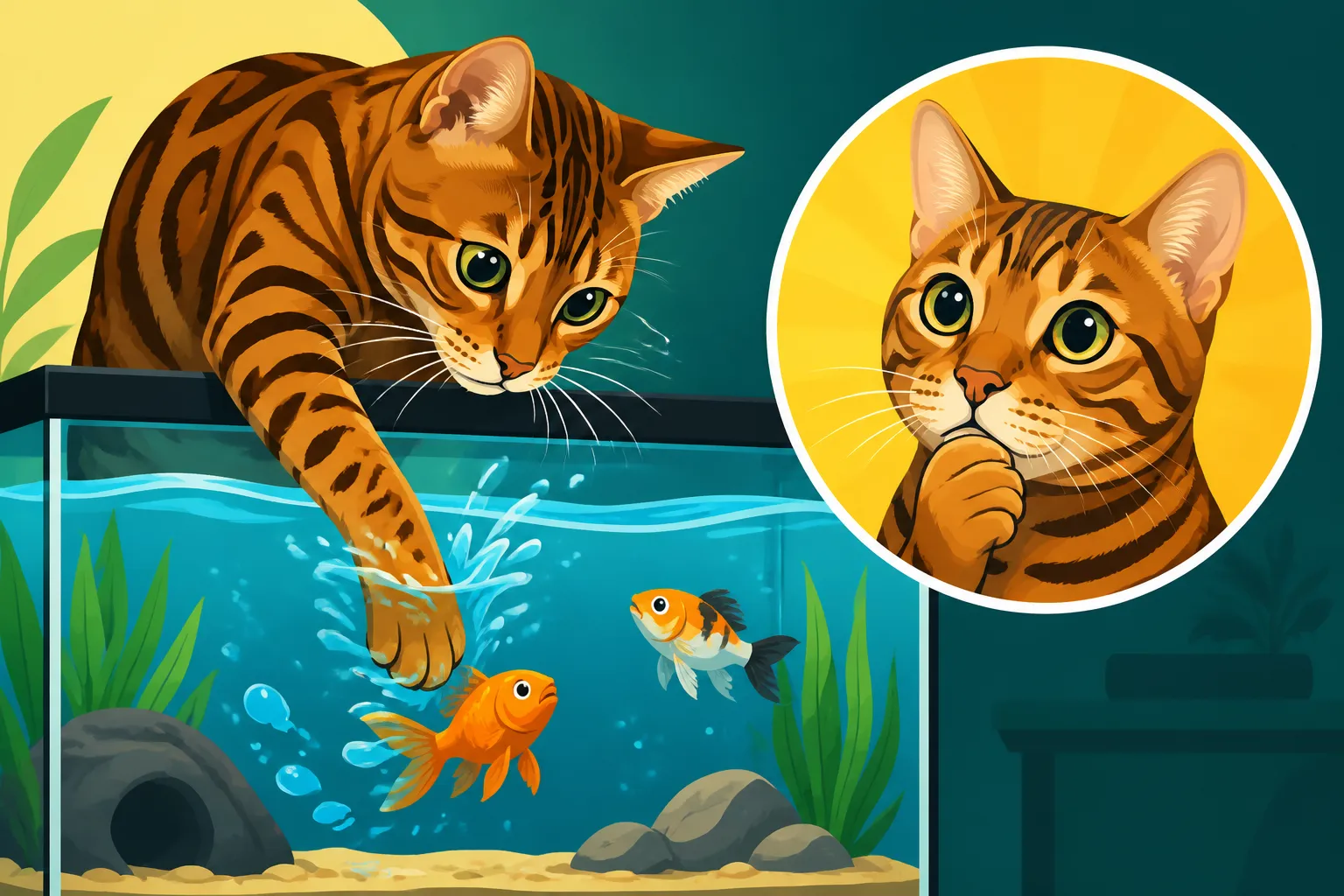
This genetic predisposition means that standing or moving water is often incredibly appealing to a Bengal. A fish tank, with its shimmering surface, bubbling filters, and the constant, mesmerizing movement of its inhabitants, creates an almost irresistible draw. It's like a living, breathing, interactive television show tailor-made for their curious minds. They aren't just looking at it; they're studying it, trying to figure out how to get closer. You might find your Bengal perched on the edge, pawing at the glass, or even trying to dip a curious paw into the water. This natural inclination means you can't just assume they'll ignore it; you have to actively assume they won't. For more on this unique trait, check out Why a Bengal Cat Loves Water.
The Unwavering Hunting Drive
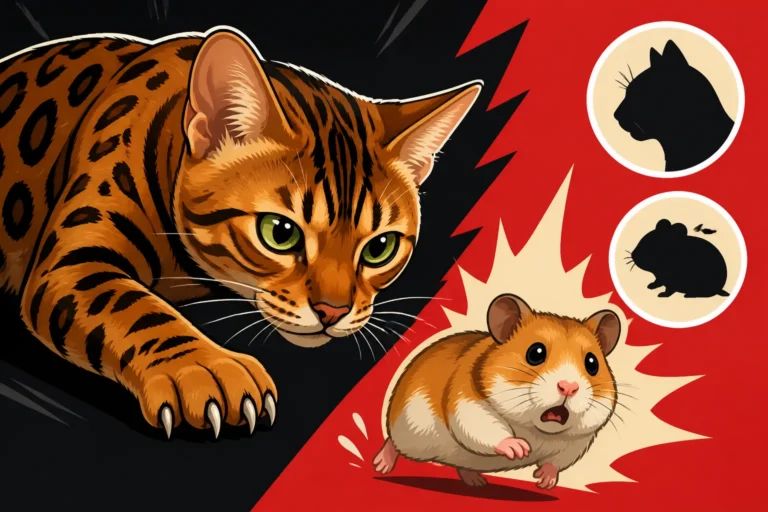
Beyond the simple love of water, there's the undeniable hunting instinct. Bengal cats possess a powerful prey drive, another direct link to their wild heritage. Those fish swimming gracefully in your tank are, to your Bengal, simply moving targets. It's not malice; it's instinct. They see movement, and their brains register "prey." This drive is incredibly strong, manifesting in their intense focus, stalking behavior, and lightning-fast pounces on toys.
An aquarium represents a contained, fascinating hunting ground. The fish are always there, always moving, providing endless stimulation for their predatory instincts. A Bengal will often spend extended periods watching the tank, eyes dilated, tail twitching, mapping out their strategy. It’s not just about catching the fish; it’s about the thrill of the chase, even if it’s through glass. This persistent fascination, combined with their intelligence and dexterity, means that if there’s a way for them to interact more directly with their "prey," they will absolutely try to find it. This can be exhilarating for them, but obviously, a huge concern for you and your fish.
The Double-Edged Sword: Risks of Aquariums for Bengals and Their Fish
It's easy to focus on the cute, playful side of a Bengal batting at the tank glass, but the reality is that an unguarded aquarium poses significant dangers to both your beloved cat and your aquatic pets. These aren't just minor annoyances; they can lead to serious health issues or even fatalities.
Dangers to Your Finny Friends
Let's be blunt: a Bengal cat views your fish as dinner, or at the very least, as highly interactive toys. Even if your cat can't directly reach the water, their persistent efforts can cause immense stress to the fish. Fish are sensitive creatures, and constant stalking, tapping on the glass, or even just the shadow of a large predator looming overhead can trigger a severe stress response. This stress weakens their immune systems, making them more susceptible to disease and shortening their lifespans. Imagine living in a glass box while a tiger constantly stares at you – not exactly relaxing!
If your Bengal does manage to breach the tank – even just by dipping a paw in – the consequences can be dire. Cat claws carry bacteria, which can introduce harmful pathogens into the delicate ecosystem of your aquarium, leading to widespread infection among your fish. Furthermore, a cat could accidentally knock over decorations, damage equipment, or even physically injure the fish with their claws. The chemicals and treatments used in aquariums, from water conditioners to medications, are also not meant for feline consumption, and a curious lick could cause digestive upset or worse.
Hazards for Your Adventurous Cat
While the fish are certainly at risk, your Bengal is also venturing into a dangerous territory. The most obvious hazard is the water itself. While many Bengals love water, falling into a large tank or getting soaked in treated aquarium water isn't necessarily safe. The water might contain chlorine, chloramine, heavy metals, or even medications that are toxic if ingested by a cat. A single curious lap could lead to stomach upset, vomiting, or more severe poisoning depending on what chemicals are present.
Beyond the water, there's the equipment. Heaters, filters, air pumps – all rely on electricity and are connected to power outlets. A determined Bengal could chew through cords, leading to electrocution for themselves or a house fire. They might pull down external filters or lights, causing severe injury. Furthermore, if the aquarium is large and heavy, an attempt to climb on top of it or push at its structure could result in the entire tank toppling over. This is not just a huge mess; it's a life-threatening scenario for your cat, who could be crushed by glass, water, and heavy rocks. Even a smaller tank knocked over could result in severe cuts from broken glass or chemical burns from tank additives.
Potential Damage to Your Home and Aquarium
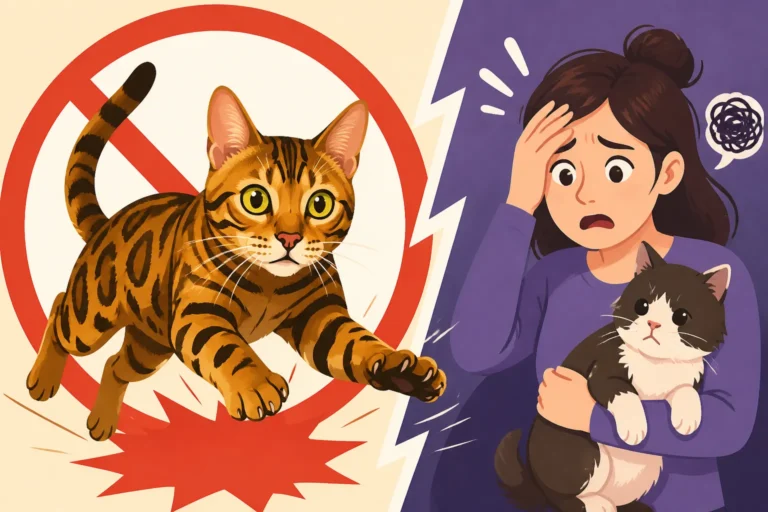
It’s not just the living creatures at risk. Your home and the aquarium setup itself can suffer significant damage. A Bengal cat's relentless curiosity and strength can lead to knocked-over lids, dislodged filtration systems, or even the entire tank being pushed off its stand if it's not sufficiently secured. This, of course, means water everywhere – soaking carpets, damaging wooden floors, and potentially shorting out electrical outlets. Imagine coming home to a flooded room, ruined furniture, and the heartbreaking sight of your beloved fish perished.
Beyond catastrophic spills, there's the constant wear and tear. Scratches on the glass from persistent pawing, damage to the cabinet or stand as they attempt to climb, or even broken decorations inside the tank are all possibilities. External equipment like lights or power filters can be pulled down, damaged, or chewed through, leading to costly replacements. This isn't just about protecting the fish; it's about protecting your investment in your aquarium and maintaining a safe, dry home environment.
Fortifying Your Aquatic Sanctuary: Safeguarding Your Aquarium
If you have both a Bengal cat and an aquarium, you absolutely need to implement robust security measures. This isn't a suggestion; it's a necessity. Their intelligence and determination mean that "good enough" usually isn't good enough when a Bengal is involved.
Physical Barriers and Secure Lids
The most effective line of defense is a physical barrier that prevents your Bengal from accessing the water directly. A heavy, sturdy lid is paramount. Standard aquarium hoods that simply rest on top or have flimsy plastic clips won't cut it. Your Bengal will figure out how to push them off or pry them open. Look for lids that can be securely fastened, ideally with clips, clamps, or even weights that make it impossible for a curious paw to dislodge.
Some owners even construct custom wooden or mesh covers that can be latched shut. If your tank has an open-top design, consider building a wire mesh cage or a solid wooden frame that sits around and over the tank, securely screwed into the wall or heavy furniture to prevent tipping. This essentially creates a "cage" for the aquarium, protecting it from all angles. For tank stands, consider securing the tank to the stand itself using strong adhesive or brackets to prevent it from being pushed or pulled over. Remember that Bengals are incredible climbers and jumpers; How High a Bengal Cat Can Jump will give you an idea of their vertical capabilities. Anything within jumping distance is fair game, so ensure the lid can withstand their weight and curiosity. Many options for sturdy tank covers or child-proof latches for cabinets can be found on online retailers like Amazon, which often has specialized pet-proofing solutions.
Deterrents and Strategic Placement
Sometimes, physical barriers alone aren't enough, or you need an extra layer of persuasion. Deterrents can help teach your Bengal that the aquarium is off-limits. Motion-activated air cans, like those often used to keep pets off counters, can be placed near the tank. When your cat approaches, a harmless puff of air deters them without causing pain. Some cats are also sensitive to certain smells, though this varies widely. Citrus sprays (ensure they are pet-safe and won't harm your tank's materials) can be used around the base of the tank or stand, making the area less appealing.
Strategic placement of the aquarium is also crucial. Avoid placing the tank on low, easily accessible tables or near furniture that your Bengal can use as a launching pad. If possible, situate the tank in a room that can be closed off when you're not home to supervise. Avoid placing tanks near windows where birds or squirrels might attract your Bengal's attention to the tank area. Consider elevating smaller tanks on very sturdy, heavy stands that are difficult to topple. For larger tanks, ensure the stand is robust and ideally anchored to the wall to prevent any accidental tipping. Think about the path your Bengal takes through your home; if the aquarium is a prominent feature in a high-traffic play area, it will likely get more attention.
Enriching Safely: Alternative Water Play and Entertainment
Since a Bengal cat's fascination with water and prey is so strong, simply blocking access to the aquarium might not fully satisfy their intrinsic urges. It's crucial to provide safe, appropriate outlets for these behaviors to prevent frustration and redirected mischief.
Water Fountains and Dedicated Water Play
Instead of trying to completely suppress their love for water, embrace it with safe alternatives. A high-quality cat water fountain can be a fantastic way for your Bengal to interact with running water. Look for models that are sturdy, easy to clean, and perhaps even offer different flow settings. Many Bengals enjoy batting at the stream, drinking from it, or even just watching the water move. This provides sensory enrichment without the risk of an aquarium. You can find a wide range of durable cat fountains on Amazon that are designed to withstand enthusiastic feline interaction.
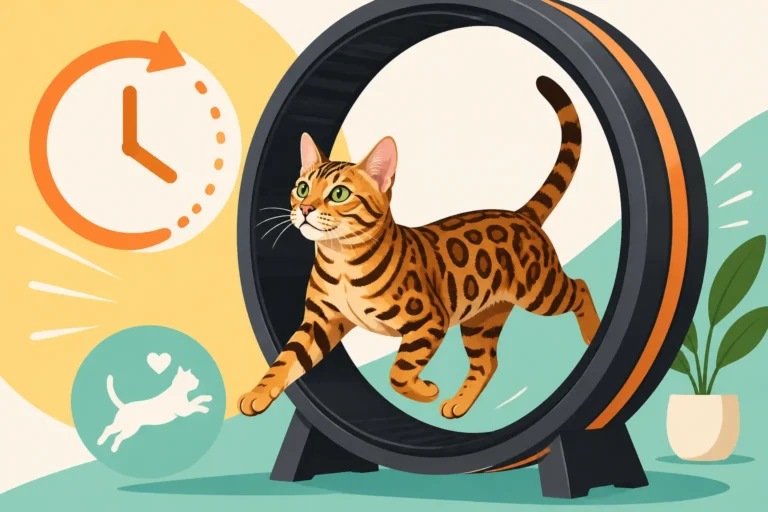
Beyond fountains, consider supervised water play sessions. Fill a shallow basin or a clean bathtub with a few inches of water and add some floating cat toys or even a few ice cubes. Your Bengal can safely bat at the items, splash around, and "hunt" the floating toys to their heart's content. This direct interaction satisfies their curiosity and provides an excellent form of mental and physical exercise. Always ensure the water is clean and fresh, and never leave your cat unsupervised during these sessions, especially if they are new to water play. Remember, they will make a mess – that’s part of the fun for them!
Puzzle Toys and Interactive Games
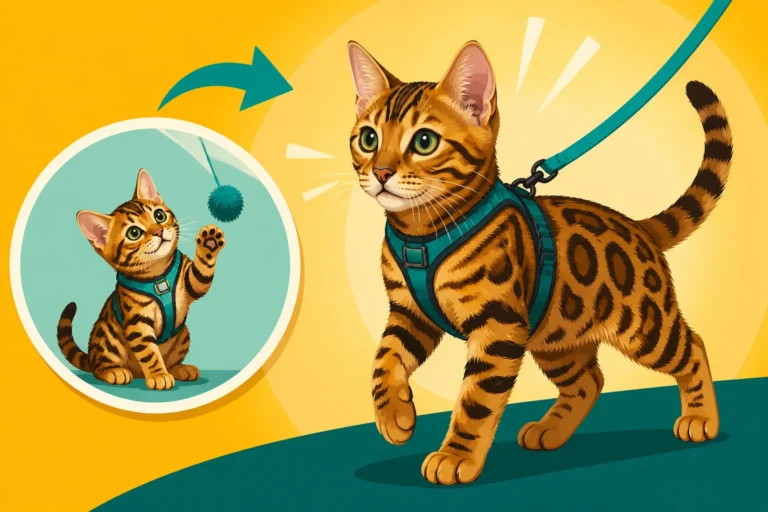
To engage their predatory instincts away from the fish, incorporate plenty of puzzle feeders and interactive toys into their daily routine. These toys make your Bengal "work" for their treats or kibble, stimulating their minds and channeling their hunting drive into a safe activity. Toys that mimic prey, like wand toys with feathers or small plush animals, are excellent for channeling their stalking and pouncing behaviors. Be prepared for Which Wand Toy a Bengal Cat Destroys Fastest – these cats are tough on toys!
Consider rotating toys regularly to keep things fresh and exciting. Laser pointers can also be used, but always end a laser play session by directing the laser onto a physical toy or treat that your cat can "catch" to prevent frustration. Remember, a bored Bengal is a mischievous Bengal. If they aren't getting enough mental and physical stimulation, they are far more likely to seek out forbidden fun, like trying to "fish" in the aquarium. For ideas on keeping them occupied, exploring topics like How Long a Bengal Cat Copes Alone can provide valuable insights into managing their energy levels and preventing boredom.
Here’s a quick overview of different approaches to safeguarding your aquarium and providing alternatives:
| Strategy | Description | Pros | Cons |
|---|---|---|---|
| Secure Lid/Cover | Heavy, latching lid; custom mesh or solid frame around the tank. | Direct physical barrier; highly effective. | Can be expensive; may obstruct tank viewing slightly. |
| Anchoring Tank/Stand | Brackets, adhesive, or wall anchors to prevent tipping. | Prevents catastrophic accidents; secures investment. | May require drilling; semi-permanent solution. |
| Deterrent Sprays | Pet-safe bitter sprays or citrus scents around the tank perimeter. | Non-physical deterrent; can train avoidance. | Varies in effectiveness by cat; needs reapplication. |
| Motion-Activated Air | Cans that release a puff of air when cat approaches. | Immediate, harmless deterrent; consistent. | Can be noisy; batteries need changing; cat might learn to avoid sensor. |
| Elevated Placement | Placing tank on high, stable, hard-to-reach surfaces. | Reduces easy access; utilizes vertical space. | Limited by room layout; still within jumping range for determined Bengals. |
| Cat Water Fountain | Provides safe, flowing water for drinking and play. | Satisfies water curiosity; encourages hydration. | Requires regular cleaning; may still splash water. |
| Interactive Toys | Wand toys, puzzle feeders, laser pointers (with a catch). | Engages prey drive; mental and physical exercise. | Requires active owner participation; toys get destroyed. |
| Supervised Water Play | Shallow basin with water and floating toys. | Direct, safe water interaction; highly engaging. | Requires owner presence; can be messy. |
In conclusion, yes, your Bengal cat will likely find your aquarium fascinating and probably try to "fish" in it if given the chance. Their wild instincts and love of water make it an irresistible combination. However, with thoughtful preparation, robust security measures, and plenty of safe, stimulating alternatives, you can protect both your aquatic pets and your adventurous Bengal, ensuring a harmonious household for everyone. It’s all about understanding their nature and planning ahead!
Disclaimer
This article is for general informational purposes only and does not constitute professional advice. Laws, prices and regulations vary by location and change over time. Consult a qualified professional for guidance on your specific situation.