When a Bengal Cat Kitten’s Fuzzies Clear
Bringing home a Bengal kitten is an exciting time, full of anticipation for that magnificent, wild-looking coat you've admired. But sometimes, new owners are a little surprised, and maybe even a bit concerned, when their vibrant, patterned kitten starts looking a little… well, fuzzy. It's a completely normal phase, often called the "fuzzies," and understanding when it starts, what it means, and when you can expect your kitten's stunning adult coat to emerge is key to appreciating your growing companion.
Understanding the "Fuzzy" Phase in Bengal Kittens
That initial soft, slightly blurry look on your Bengal kitten, affectionately known as the "fuzzies," is a unique and completely natural part of their development. It's often one of the first things a new Bengal owner notices, sometimes with a little alarm, wondering if their kitten's beautiful rosettes are destined to stay hidden. Rest assured, this is a temporary camouflage stage, a fascinating nod to their wild heritage.
What Exactly Are These "Fuzzies"?
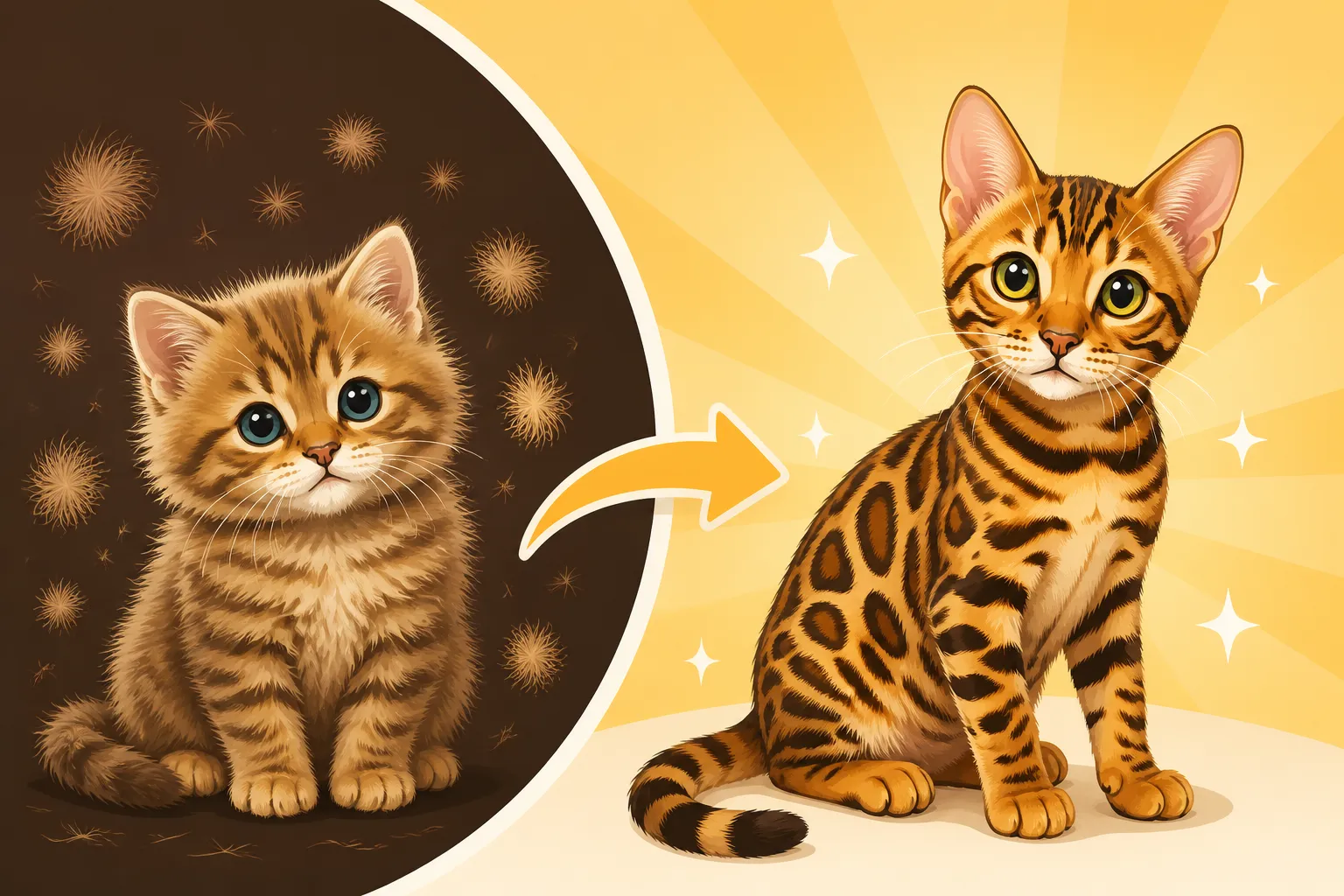
When we talk about fuzzies, we're referring to a period where a Bengal kitten's coat develops a longer, often duller layer of guard hairs that effectively obscure their underlying pattern. Instead of crisp, clear rosettes or flowing marble patterns, you might see a more muted, somewhat blurred appearance. These aren't extra layers of fur, but rather the way the existing guard hairs grow in during this specific developmental stage. They don't feel quite like the silky, pelted coat you expect from an adult Bengal, often having a softer, almost baby-like texture that can feel a bit shaggy compared to their eventual sleekness. Think of it as nature's way of hitting the "blur" filter on your kitten's coat. If you've ever wondered What Fuzzies Are on a Bengal Cat Kitten, this describes it perfectly.
The Biological Reason Behind This Phase
The fuzzies aren't just a quirky Bengal trait; they're a direct evolutionary leftover from their wild ancestor, the Asian Leopard Cat. In the wild, young leopard cats are vulnerable prey. A distinct, high-contrast pattern, while stunning to us, would make them stand out to predators in the dappled light and shadows of their natural habitat. This fuzzy stage, sometimes called "grizzling," acts as a form of natural camouflage. It helps them blend into their surroundings more effectively, blurring their outlines and making them harder for predators to spot. It's a clever survival mechanism that, while no longer strictly necessary for our pampered domestic Bengals, persists in their genetics. It's a clear illustration of Why a Bengal Cat's Coat Came From the Asian Leopard Cat.
The Typical Timeline: When Fuzzies Start and Clear
The fuzzy phase usually begins quite early in a Bengal kitten's life, typically around 3 to 4 weeks of age. You might notice the patterns that were once quite clear at birth starting to look a bit "cloudy" or less defined. This dullness often intensifies, reaching its peak between 8 to 12 weeks of age. This is the period when owners might feel the most concern, as their kitten can look significantly less "wild" and vibrant than expected.
However, once they hit around 12 weeks, the clearing process usually starts. It's not an overnight transformation; rather, it's a gradual process where those longer, duller guard hairs begin to shed, allowing the true brilliance of their adult pattern to emerge. Most Bengal kittens will have largely cleared their fuzzies by 6 to 9 months of age, with some individuals taking a bit longer, even up to a year. So, if you're asking Why a Bengal Cat Kitten Looks Dull for Months, this extended timeline is the answer.
The Visual Transformation: From Dull to Dazzling
During the fuzzy stage, it's easy to wonder if your Bengal kitten will ever truly develop the stunning, clear coat you envisioned. The transformation from a fuzzy, often muted kitten to a sleek, brilliantly patterned adult is one of the most rewarding aspects of owning a Bengal. It truly is a journey from dullness to dazzle, and it requires a little patience.
How Fuzzies Obscure the Pattern
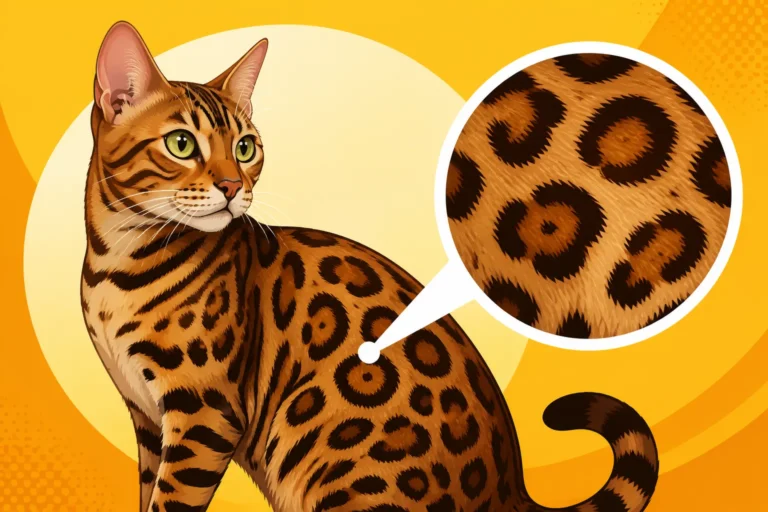
The primary effect of the fuzzies is to obscure the intricate patterns that make Bengals so captivating. Those beautiful rosettes – whether they are arrowhead, paw-print, or donut shaped – can appear blurred, indistinct, or even completely faded during this period. The "grizzling" hairs are often longer and have a less reflective quality than the underlying coat, creating a kind of haze over the kitten's spots or marble patterns. It's like looking at a masterpiece through a slightly foggy pane of glass. What should be a sharp contrast between the dark markings and lighter background becomes a softer, less defined transition. This can be especially noticeable in brown Bengals, where the deep brown or black markings might appear a lighter, more muted brown against an already subdued background.
The Temporary Absence of "Glitter"
Another key feature that often seems to be missing during the fuzzy phase is the famous "glitter." Bengal glitter is a unique trait where the tips of each hair shaft are translucent, catching the light and making the coat appear as if it's been dusted with gold or diamond dust. It gives the Bengal coat a truly luxurious, shimmering quality. However, during the fuzzy stage, this glitter is often not apparent. The longer, duller fuzzy hairs don't have the same light-catching properties, and they effectively hide the translucent tips of the developing adult coat hairs beneath. It's not that your kitten lacks the glitter gene; it's simply that the fuzzies are preventing it from showing through. Learning about The Glitter Gene and What It Does to a Bengal Cat's Coat can help you understand this unique feature even better. Don't worry, the glitter will come!
Patience is Key: A Worthwhile Wait
It's natural to feel a bit impatient when you're waiting for your kitten's coat to mature. You've seen photos of those magnificent adult Bengals, and your little fuzzy potato might not look anything like them. But remember, this is a normal and healthy part of their growth. The wait is truly worthwhile. As the fuzzies recede, you'll start to see those patterns sharpen, the colors deepen, and that magical glitter begin to sparkle. Each week brings subtle changes, and it's a joy to watch their true coat develop. It's a slow reveal, not an instant unmasking, and it makes the eventual beauty all the more striking.
Supporting Your Bengal Kitten Through the Fuzzy Stage
While the fuzzy stage is a natural part of a Bengal kitten's development, you can still support their overall health and coat quality. Good care during this time lays the groundwork for a magnificent adult coat and a happy, healthy cat. It's less about specific treatments for the fuzzies and more about excellent general care.
Grooming Best Practices for Fuzzy Coats
Even though Bengal cats are known for being low-shedding and low-maintenance in the grooming department – their "pelted" coats really are something else! – getting your kitten accustomed to gentle handling and light brushing is a good idea. During the fuzzy stage, their coat is still quite soft, and over-brushing isn't necessary and might even be uncomfortable. A soft rubber brush or a grooming glove can be used for short, gentle sessions. This helps remove any loose hairs and stimulates circulation, but more importantly, it helps your kitten associate grooming with positive attention.
You can find excellent options for soft brushes on platforms like Amazon or Chewy. Look for brushes designed for sensitive skin or for kittens. The goal isn't to "brush out" the fuzzies faster, but to create a positive routine. Remember, a Bengal's short, sleek How a Bengal Cat's Pelt Differs From Ordinary Fur means they rarely get tangles or mats, even with fuzzies.
Nutritional Support for a Healthy Coat
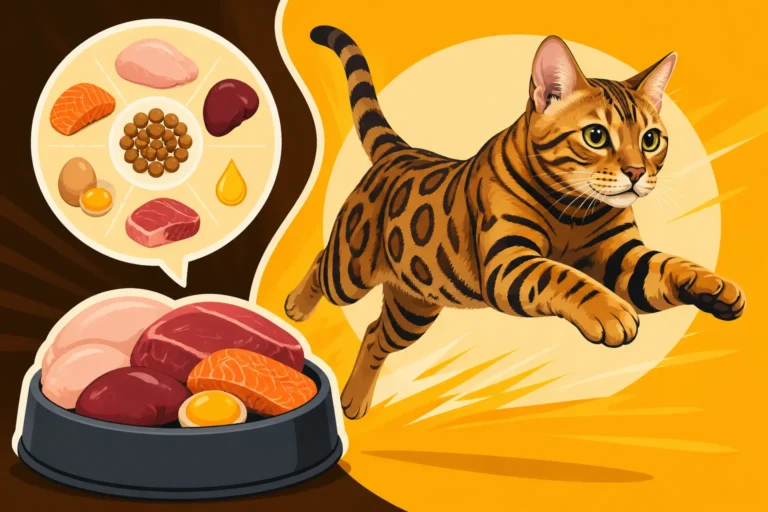
A healthy coat starts from within, and proper nutrition is paramount for your growing Bengal kitten. During the fuzzy phase and beyond, focus on providing a high-quality diet rich in animal protein. Look for foods where meat is the first ingredient, and avoid excessive fillers. Protein provides the building blocks for healthy skin and fur. Omega-3 and Omega-6 fatty acids are also crucial for coat luster and skin health. Many premium kitten foods are formulated with these essential nutrients.
Some Bengal owners explore fresh food options, which can provide human-grade meals often rich in the nutrients needed for a healthy coat. While there's a lot of debate among Bengal enthusiasts about raw diets, ensuring a balanced, complete nutritional profile is the most important thing. If you're concerned about Which Protein Percentage Suits a Bengal Cat, discussing it with your vet or breeder is always a good idea. A well-nourished kitten will have a healthier coat, regardless of its fuzzy stage.
Environmental Factors: Comfort and Enrichment
While not directly about coat care, a happy, stress-free kitten is more likely to thrive overall, and that includes their coat development. Ensure your kitten has a warm, comfortable environment, especially during cooler months, as their coats might not be as dense as some other breeds. Regular exercise and mental enrichment are also crucial for Bengals. Their high energy levels mean they need plenty of opportunities to play and explore. A stimulated and content kitten is generally a healthy kitten, and health manifests in their skin and coat. Provide plenty of toys, climbing structures, and interactive play to keep them engaged, contributing to their overall well-being.
The Grand Reveal: When the Adult Coat Emerges
The excitement truly builds when you notice those first signs that the fuzzies are receding. It's a gradual but definite process, leading to the breathtaking coat that Bengal cats are celebrated for. Seeing the patterns sharpen and the glitter appear is a moment of pure joy for any Bengal owner.
The Clearing Process and Pattern Sharpening
As your Bengal kitten matures, those longer, duller fuzzy hairs that have been shrouding their beautiful patterns will gradually shed away. This isn't usually a dramatic shedding event, but rather a slow replacement process. What you'll start to notice is that the rosettes or marble patterns beneath become increasingly clear and defined. The edges of the markings will sharpen, and the contrast between the pattern and the background color will intensify. You'll see the richness of their true coat color come through, often much deeper and more vibrant than it appeared during the fuzzy phase. It's a truly amazing transformation, making it clear When a Bengal Cat's Adult Pattern Comes Through. This is the stage where your kitten truly starts to look like the wild mini-leopard you fell in love with.
The Arrival of the Glitter and Its Radiance
One of the most anticipated aspects of the fuzzy clearing is the appearance of the famous "glitter." As the duller kitten hairs are replaced by the adult coat, the unique translucent tips of the Bengal's hair shafts become visible. This is when your cat's coat will truly begin to sparkle, appearing as if it's been sprinkled with gold or silver dust. The glitter is most noticeable in direct sunlight or bright indoor lighting, giving the coat an almost metallic sheen.
The type of glitter will often depend on your Bengal's color. For a brown Bengal, the glitter will often be a warm, golden shimmer, making their rosettes pop. If you have a Snow Bengal, the glitter might have a more silvery or pearlescent quality. Whether a Bengal Cat Kitten Shows Glitter at Birth is rarely the case, so this emergence is a true milestone. This radiant quality adds an incredible dimension to their already stunning patterns, turning heads and inviting admiration.
Long-Term Coat Development: Beyond the Fuzzies
Even after the fuzzies have completely cleared, a Bengal's coat isn't necessarily "finished." Their coat can continue to mature and refine over their first couple of years. The color may deepen further, the patterns can become even more defined, and the glitter may become more pronounced. Factors like diet, overall health, and even sun exposure can influence the final appearance of their coat.
It's also interesting to note how their patterns evolve. While the core pattern is set, the nuances of the rosettes can subtly change over time, sometimes becoming larger or more expressive. Whether a Bengal Cat's Rosettes Change With Age is a common question, and while major shifts are rare, subtle refinements are definitely possible. Enjoy the journey of watching your Bengal's coat develop, not just from fuzzy kitten to sleek juvenile, but as it continues to mature into its full, glorious potential throughout their early adulthood.
| Feature | Bengal Kitten Coat (Fuzzy Stage) | Adult Bengal Coat (Post-Fuzzy) |
|---|---|---|
| Appearance | Muted, dull, less vibrant | Rich, high-contrast, sharp patterns |
| Pattern Clarity | Blurred, "ghosting," indistinct | Defined rosettes or marbling |
| Texture | Softer, sometimes slightly shaggy | Sleek, short, "pelted" feel |
| Glitter | Often not visible, hidden by fuzzies | Prominent, shimmering, light-catching |
| Timing | Starts ~3-4 weeks, peaks ~8-12 weeks | Begins clearing ~12 weeks, fully clear ~6-12 months |
| Purpose | Natural camouflage for protection | Display unique beauty and markings |
Disclaimer
This article is for general informational purposes only and does not constitute professional advice. Laws, prices and regulations vary by location and change over time. Consult a qualified professional for guidance on your specific situation.