Whether Grain Causes a Bengal Cat’s Loose Stools
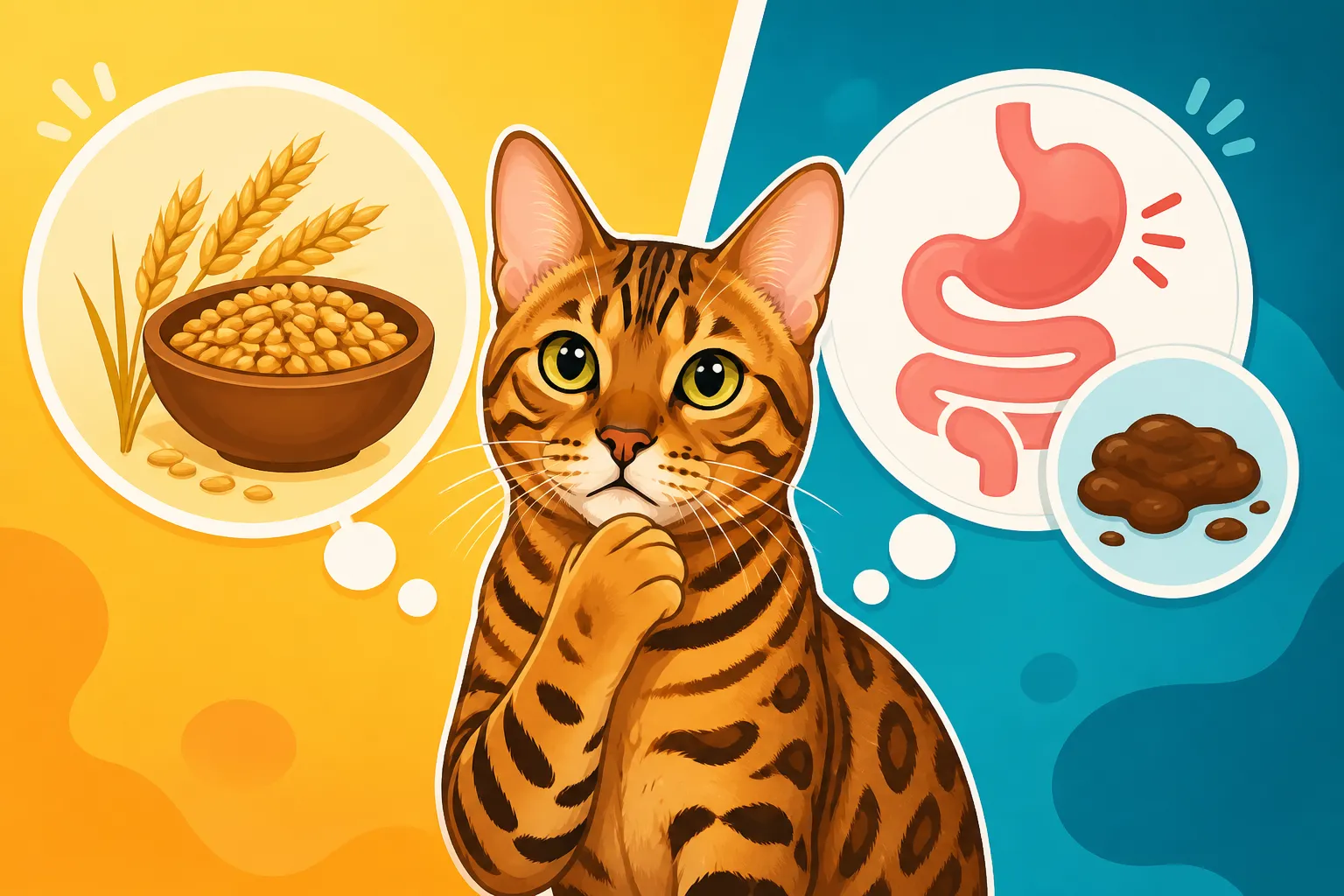
It's a familiar and frustrating scenario for many Bengal cat owners: you find yourself constantly cleaning up loose stools, and your beloved, energetic companion just doesn't seem to have a settled tummy. It's easy to jump to conclusions, and one of the most common theories that circulates is that grain in their food is the root of all evil. This guide is here to unravel that mystery, exploring the nuances of the Bengal cat's digestive system and whether those grains are truly the culprit behind your feline friend's chronic diarrhea.
The Bengal Cat's Unique Digestive System and Why It's So Sensitive
Bengal cats are magnificent, but their wild heritage means they come with a few quirks, and their digestive system is definitely one of them. Unlike some domestic breeds that have evolved over centuries alongside human diets, the Bengal is relatively new on the scene, and that close connection to their wild ancestor means their internal workings are still very much wired for a specific type of fuel. It’s not just about what they like to eat; it’s about what their bodies are truly designed to process efficiently.
Navigating their sensitive tummies can feel like a full-time job. You want to give them the best, but sometimes even the most expensive, highly-rated food can lead to a mess. It's truly disheartening when you see your vibrant Bengal struggling, and the constant worry about their health can take a toll on you too. This sensitivity isn't just a myth; it's a very real challenge that many Bengal owners face daily.
Tracing Back to the Wild Ancestor: The Asian Leopard Cat's Diet
To truly understand why your Bengal cat's stomach can be so finicky, we need to look back at their wild roots. Every Bengal cat, no matter how many generations removed, has the Asian Leopard Cat (ALC) in its lineage. These small, agile wildcats are obligate carnivores, meaning their diet in the wild consists almost entirely of meat. Think small rodents, birds, insects, and other prey – all packed with protein and fat, and very, very little plant matter. When they do consume plant matter, it's typically indirectly, from the stomach contents of their herbivorous prey.
This ancient diet has shaped the Bengal's digestive tract over millennia. Their bodies are optimized to extract nutrients from animal tissue, with a short, acidic digestive tract designed for quick protein breakdown. They lack the long digestive systems and specific enzymes that herbivores or even omnivores possess to efficiently process significant amounts of carbohydrates, especially complex ones like grains. This genetic blueprint means that while your Bengal might tolerate some non-meat ingredients, their system is inherently geared towards a protein-rich, low-carbohydrate intake.
In a real-life scenario, you might observe this innate preference when your Bengal turns up their nose at a kibble heavy in plant-based ingredients but goes absolutely wild for a high-quality meat treat or a raw chicken wing. It’s not just pickiness; it’s their biology speaking. This fundamental difference in how their bodies are designed to process food is the primary reason Why a Bengal Cat's Gut Is So Sensitive and why they can react poorly to diets that stray too far from their ancestral needs. It's a constant reminder that these aren't just ordinary housecats with fancy patterns; they're truly special.
Common Digestive Woes in Bengal Cats
So, while we're focusing on grain today, it's crucial to understand that grain isn't the only reason a Bengal cat might experience loose stools. Their digestive systems are, simply put, high-maintenance. Many owners find themselves on a never-ending quest for the perfect food, only to discover that sometimes it's not the food at all, but something else entirely upsetting their cat's delicate balance. This can be incredibly frustrating, leaving you feeling helpless when your Bengal is clearly uncomfortable.
Beyond food sensitivities, a host of other factors can contribute to digestive upset in Bengals. Parasites like Giardia and Tritrichomonas foetus are notoriously common in catteries and can persist, causing chronic, smelly diarrhea even after a kitten has gone to a new home. Stress, changes in routine, new environments, or even just a sudden switch in food can throw their system into disarray. It's a complex puzzle, and pinning it down to one single cause, like grain, can often be an oversimplification. This is precisely why Chronic Diarrhea Is the Bengal Cat Complaint Nobody Warns About – it's often a multi-faceted issue that requires patience and veterinary detective work.
Consider a new Bengal kitten brought home. They might have perfect stools at the breeder's, but within days of arriving, they develop diarrhea. Is it the new food? Perhaps. But it could also be the stress of moving, a parasite that flared up due to the stress, or even just a reaction to the change in water. These cats are highly intelligent and sensitive creatures, and their bodies often reflect their emotional state. This means that solving the loose stool riddle often requires looking beyond the food bowl to their overall environment and health.
Unpacking the Grain Debate: Does It Really Cause Loose Stools?
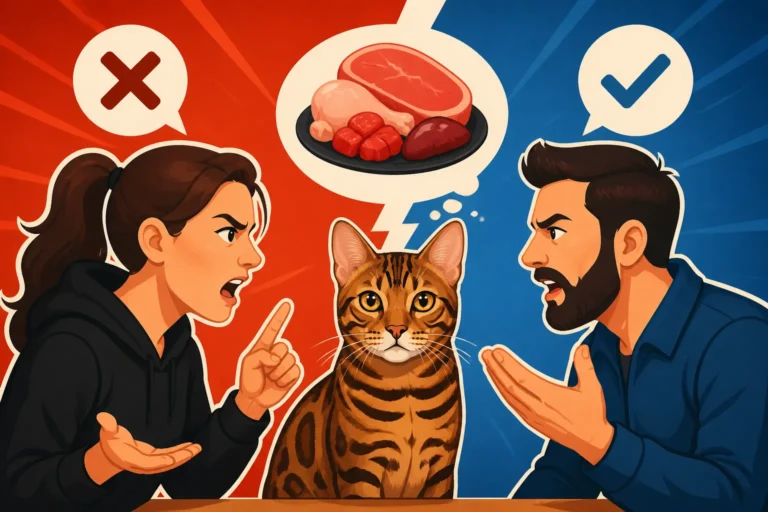
The term "grain-free" has become a huge buzzword in the pet food industry, often marketed as the ultimate solution for cats with sensitive stomachs. It's easy to assume that if a food is grain-free, it must be healthier and solve all digestive problems. But the reality is a bit more nuanced, especially for a breed like the Bengal cat. While some individual cats absolutely thrive on grain-free diets, it's not a universal cure-all, and understanding why or if grain causes issues for your particular Bengal is key.
Many owners have been told by well-meaning friends or online forums that grains are inherently bad, and switching immediately to a grain-free option seems like the logical first step. However, this often leads to disappointment if the underlying issue isn't grain at all. The debate around grains in pet food can be confusing, with strong opinions on both sides, making it hard to know what's truly best for your Bengal.
The Role of Carbohydrates and Fillers in Cat Food
When we talk about grains in cat food, we're typically referring to ingredients like corn, wheat, rice, barley, and sometimes soy. Historically, these have been used as sources of carbohydrates and as binders in kibble production. Kibble needs some form of starch to hold its shape during the extrusion process. For pet food manufacturers, grains can also be a more cost-effective source of calories and nutrients compared to high-quality animal proteins.
However, a cat's digestive system, particularly that of an obligate carnivore like the Bengal, is not designed to efficiently process large quantities of these ingredients. Cats lack a key enzyme called amylase in their saliva, which is the first step in carbohydrate digestion for many other animals. While their pancreas produces some amylase, it's less potent than in omnivores or herbivores. When a Bengal cat consumes a diet heavy in grains, these carbohydrates might not be fully broken down and absorbed in the small intestine. Instead, they can travel to the large intestine, where they ferment, leading to gas, bloating, and yes, often loose stools or diarrhea.
It's not necessarily that grains are "toxic" to Bengals, but rather that their digestive system simply isn't equipped to handle them in large amounts. Think of it like trying to run your car on the wrong kind of fuel; it might run, but it won't perform optimally and could eventually cause problems. This is why many owners see an improvement when they switch to lower-carb, higher-protein diets, regardless of whether those carbs are from grains or other sources.
Distinguishing Grain Intolerance from Allergies
It’s really important to draw a clear line between a grain intolerance and a true grain allergy in your Bengal cat. The terms are often used interchangeably, but they represent very different physiological responses, and understanding the difference can guide your approach to dietary changes. Many times, what people suspect is an allergy is actually an intolerance, which has a different set of symptoms and management.
A grain intolerance primarily manifests as digestive upset. This is when your Bengal’s body simply struggles to process certain grains, leading to symptoms like loose stools, diarrhea, gas, bloating, or even vomiting after eating. It's a direct reaction in the gastrointestinal tract due to poor digestion, as discussed above. It's uncomfortable for your cat and messy for you, but it doesn't involve the immune system mounting a full-blown attack. This is far more common in Bengal cats due to their carnivorous digestive physiology.
A true grain allergy, on the other hand, is an immune system response. The body mistakenly identifies a protein in the grain as a threat and reacts with an allergic cascade. Symptoms of a food allergy in cats are broader and can include skin issues like intense itching, hair loss, recurrent ear infections, and skin lesions, in addition to digestive problems. While food allergies can be to any protein, including common animal proteins, true grain allergies are actually less prevalent than general food sensitivities or intolerances. If your Bengal is just having loose stools without any skin issues, it's more likely an intolerance than a full-blown allergy.
Navigating Food Choices: Grain-Free vs. Grain-Inclusive
Choosing the right food for your Bengal cat can feel like a minefield. With so many options on the market, each claiming to be the best, it's hard to cut through the noise and figure out what truly benefits your unique feline. The grain-free trend has certainly dominated the conversation, but it's not always the straightforward answer some might hope for. It really boils down to understanding what your individual Bengal needs and how different ingredients interact with their digestive system.
The sheer volume of choices, from boutique brands to mainstream options, can make grocery shopping for your Bengal cat feel overwhelming. You want to make an informed decision, but often you're left guessing, hoping the next bag of food will finally be the one that brings peace to your cat's tummy and your household. Don't worry; we're going to break down how to approach this.
When Grain-Free Might Be an Option
If you've consistently observed that your Bengal cat experiences digestive upset, particularly loose stools, after eating foods containing common grains like corn or wheat, then exploring grain-free options is a perfectly logical step. For some Bengals, removing these specific ingredients can indeed lead to a noticeable improvement in stool consistency and overall comfort. The key here is observation and consistency in their diet. If you’re seeing a pattern, it’s worth investigating.
However, a crucial point to remember is that "grain-free" doesn't automatically equate to "low-carb" or "better." Many grain-free foods replace grains with other carbohydrate sources like peas, potatoes, or sweet potatoes. While these might be easier for some cats to digest than, say, corn, if they are present in very high quantities, they can still contribute to digestive issues. When a Bengal Cat Needs a Special Diet for Its Gut, the focus should be on high-quality, digestible protein as the primary ingredient, with carbohydrates (whether grain or alternative) taking a secondary, much smaller role. When browsing options on Chewy or Amazon, always make sure to scrutinize the ingredient list, not just the "grain-free" label. Look for real meat as the first few ingredients, rather than vegetable proteins or heavy starch loads.
Before making any drastic changes, especially if your Bengal has a history of chronic loose stools, it's always best to consult with your veterinarian. They can help rule out underlying medical conditions and guide you towards appropriate dietary trials. For many Bengals, a diet that prioritizes animal protein and has a minimal, digestible carbohydrate content, regardless of whether those carbs are from a tiny amount of rice or peas, is often the most successful strategy for maintaining digestive health.
The Importance of High-Quality Protein and Digestible Carbs
Regardless of the grain-free debate, the overarching principle for feeding a Bengal cat successfully is a diet rich in high-quality animal protein. This is what their bodies are truly designed for, harkening back to their Asian Leopard Cat ancestors. Their systems thrive on meat, poultry, and fish, which provide the essential amino acids they need for muscle development, energy, and overall health. When examining cat food labels, aim for real meat (chicken, turkey, salmon, beef) as the first one or two ingredients, not "meat meal" or plant-based proteins.
The percentage of protein in a Bengal cat's diet is incredibly important. Active Bengals burn a lot of calories, and that energy should largely come from protein and healthy fats, not excessive carbohydrates. Generally, you're looking for a diet that's at least 40-50% protein on a dry matter basis, if not higher. Which Protein Percentage Suits a Bengal Cat often varies slightly depending on their age and activity level, but the emphasis on animal protein remains constant. Look for foods that explicitly state high protein content.
When it comes to carbohydrates, whether they are grains or alternative sources like peas or sweet potatoes, the key is digestibility and quantity. Small amounts of highly digestible carbohydrates can provide some fiber and energy, but they should never be the bulk of the diet. Avoid foods where carbohydrate sources are listed before protein sources. A good quality wet food often naturally has a lower carbohydrate content than kibble, which is another reason Why Wet Food Suits a Bengal Cat's Gut for many Bengals.
The Elimination Diet: Your Best Detective Tool
If you're truly stumped by your Bengal's persistent loose stools and suspect a food sensitivity, an elimination diet is often the most reliable way to pinpoint the problematic ingredient. This isn't a quick fix; it requires patience and strict adherence, but it can provide invaluable answers. It feels like a challenging commitment, especially when your cat is already struggling, but the results can be life-changing for their comfort and your peace of mind.
An elimination diet typically involves switching your Bengal to a novel protein source that they have never eaten before, such as venison, duck, rabbit, or kangaroo, often paired with a single, uncommon carbohydrate source like potato or pea. You feed only this new food for an extended period, usually 8-12 weeks. During this time, absolutely no other treats, table scraps, or flavored medications are allowed, as even tiny amounts of the offending ingredient can disrupt the trial. The goal is to allow your cat's system to completely clear out any previous irritants and for their digestive tract to settle.
Once your Bengal's stools have normalized and their digestive symptoms have resolved, you slowly reintroduce previous ingredients one by one, monitoring for any adverse reactions. If loose stools reappear after reintroducing chicken, for example, you've likely found your culprit. This methodical approach can be arduous, but it's far more effective than simply guessing or continually switching foods. Your vet might recommend a prescription hydrolyzed protein diet, where proteins are broken down into particles too small to trigger an immune response. Fresh food options could also be considered if they feature novel proteins suitable for an elimination trial, but always check with your vet first to ensure it fits the strict criteria. This process truly highlights When a Bengal Cat Needs a Food Trial and emphasizes the importance of a structured approach.
Beyond Grain: Other Factors Affecting Bengal Cat Stool Consistency
It's tempting to put all the blame for loose stools squarely on diet, especially grain. But the truth is, a Bengal cat's digestive health is a complex tapestry woven from many threads. While food plays a significant role, ignoring other potential factors can lead to endless frustration and a prolonged search for answers. Many owners feel like they're going in circles, trying diet after diet, when the real problem might be hiding in plain sight. Let's broaden our perspective and look at other common culprits.
Understanding these other elements is critical for a holistic approach to your Bengal's well-being. Sometimes, the solution isn't found in a different bag of kibble, but in a trip to the vet, a tweak in their environment, or even just adding a simple supplement. Don't get disheartened if a diet change doesn't instantly solve everything; it's often a process of elimination on multiple fronts.
Parasites and Pathogens: The Usual Suspects
Before you embark on an expensive and time-consuming diet trial, one of the first things to rule out when your Bengal cat has chronic loose stools is the presence of internal parasites or bacterial pathogens. These are incredibly common, especially in multi-cat environments or kittens, and can cause persistent diarrhea that no dietary change alone will fix. It's easy to assume your cat is "clean," but many parasites are microscopic and aren't always visible.
Two of the most common culprits for chronic diarrhea in Bengal cats are Giardia and Tritrichomonas foetus. Giardia is a tiny protozoan parasite that can cause intermittent to chronic, often foul-smelling, loose stools. How a Bengal Cat's Giardia Is Treated usually involves specific medications and strict hygiene to prevent re-infection. Tritrichomonas foetus is another protozoan, notorious for causing persistent, sometimes bloody, and very smelly diarrhea, often described as "cow pat" consistency. What Tritrichomonas Does to a Bengal Cat can be debilitating, and it requires a specific medication that isn't always standard dewormer. It's often diagnosed via a fecal PCR test, which is more sensitive than a routine fecal float.
If your Bengal cat, particularly a kitten, arrived with persistent diarrhea, it is paramount to have multiple fecal samples checked by your veterinarian, potentially including specialized PCR tests. A simple deworming might not cover these specific parasites, and until they are identified and properly treated, no diet, no matter how perfect, will fully resolve the issue. This is a common real-life scenario: an owner spends months trying different foods, only to find out a stubborn parasite was the underlying issue all along. A thorough veterinary workup, including a What a Bengal Cat's Fecal Panel Costs is an essential first step.
Stress, Environment, and Sudden Dietary Changes
Our Bengal cats are creatures of habit and remarkably sensitive to their surroundings and routine. What might seem like a minor change to us can be a significant source of stress for them, and that stress often manifests physically, especially in their digestive system. You might be meticulously managing their diet, only to overlook something simple in their environment that's causing them distress and, consequently, loose stools.
Moving to a new home, the introduction of a new pet (or even a new person), changes in your work schedule, or construction noises can all trigger anxiety in a Bengal cat. Their keen intelligence means they're highly attuned to their environment, and any perceived threat or disruption can put their sensitive gut into overdrive. For instance, a Bengal cat who suddenly starts having loose stools shortly after a new puppy arrives might be reacting more to the stress and territorial shifts than to a change in food. Creating a stable, predictable, and enriching environment is just as important as the food you put in their bowl.
Furthermore, sudden changes in diet are a huge no-no for Bengal cats. Their sensitive stomachs need time to adjust to new proteins, fats, and carbohydrates. Switching foods abruptly can almost guarantee a digestive upset. If you need to transition your Bengal to a new food, do it slowly over 7-10 days, gradually mixing increasing amounts of the new food with decreasing amounts of the old. This gentle approach gives their digestive enzymes and gut flora time to adapt, minimizing the chances of loose stools.
Hydration, Probiotics, and Digestive Support
Beyond food and environment, several other factors can significantly impact your Bengal cat's stool consistency and overall gut health. These are often overlooked but can make a substantial difference, particularly if your cat already has a sensitive system. It's about building a robust digestive ecosystem from the inside out.
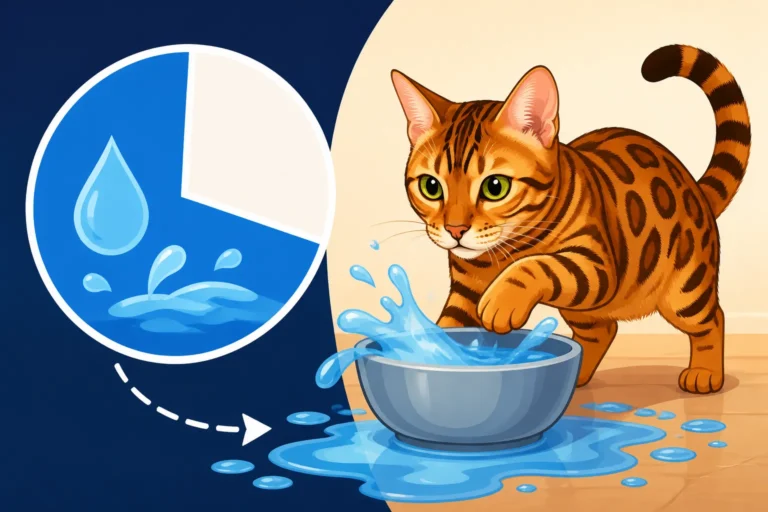
Hydration is fundamental. Cats, by nature, don't have a strong thirst drive, often getting much of their water from their prey in the wild. If your Bengal is primarily eating dry kibble, ensuring they drink enough water is crucial. Dehydration can lead to harder, constipated stools, but paradoxically, sometimes a lack of sufficient water in their diet can also stress their system and contribute to intermittent loose stools. A fresh water fountain can encourage drinking, and incorporating wet food into their diet is an excellent way to boost their fluid intake. Why Wet Food Suits a Bengal Cat's Gut for many reasons, not least its high moisture content.
Probiotics are beneficial bacteria that help maintain a healthy balance of microorganisms in the gut. For Bengals prone to digestive issues, a high-quality probiotic supplement can be incredibly helpful. These supplements can aid digestion, strengthen the gut barrier, and even help manage stress-induced diarrhea. Whether Probiotics Help a Bengal Cat is a question many owners ask, and for many, the answer is a resounding yes. You can find a wide range of veterinary-approved probiotic supplements available on platforms like Amazon; just make sure to choose one specifically formulated for felines.
In some cases, especially for older Bengals or those with diagnosed pancreatic insufficiency, your veterinarian might also recommend digestive enzymes. These supplements help break down food more efficiently, allowing for better nutrient absorption and potentially reducing the burden on an already sensitive digestive system. Always consult your vet before introducing any new supplements, as they can guide you to the most appropriate options for your Bengal's specific needs.
| Factor | Potential Impact on Stool Consistency | Why it Matters for Bengals |
|---|---|---|
| Grain in Diet | Fermentation, loose stools, gas | Carnivorous digestive tract not optimized for high carbs |
| High-Quality Protein | Firm, well-formed stools, good nutrient absorption | Essential for obligate carnivores |
| Parasites/Pathogens | Chronic diarrhea, foul odor, blood | Common in catteries, requires vet diagnosis/treatment |
| Stress/Environmental Change | Temporary or intermittent loose stools | Highly sensitive, intelligent breed; anxiety affects gut |
| Sudden Diet Change | Immediate digestive upset, diarrhea | Gut flora needs time to adjust to new ingredients |
| Hydration | Too little water can lead to constipation or general gut upset | Cats have low thirst drive, especially on dry food |
| Probiotics | Improved gut flora balance, firmer stools | Supports a healthy microbiome for sensitive systems |
Disclaimer
This article is for general informational purposes only and does not constitute professional advice. Laws, prices and regulations vary by location and change over time. Consult a qualified professional for guidance on your specific situation.