How to Slim an Overweight Bengal Cat
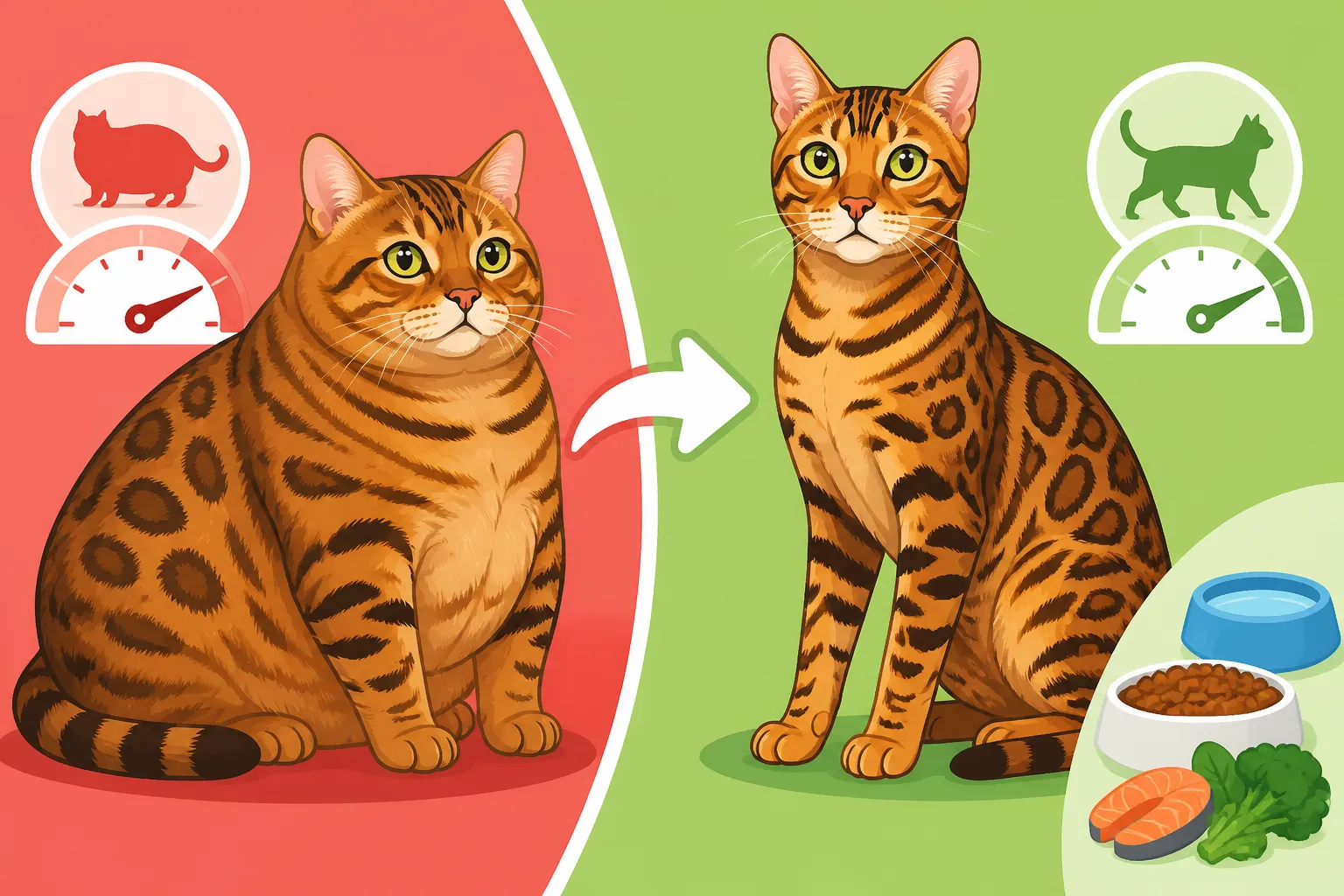
It’s a strange feeling, isn't it? You own one of the most athletic and energetic cat breeds on the planet, yet you’re noticing a little extra padding around their middle. It can be frustrating, even a bit baffling, to see your typically lean, bounding Bengal cat start to carry more weight than they should. But you’re not alone, and this guide is here to walk you through exactly how to safely and effectively help your cherished Bengal shed those extra pounds.
Understanding Why a Bengal Cat Might Get Overweight
You might scratch your head, wondering how your Bengal, a cat that practically lives on a treadmill (or a cat wheel!), could possibly pack on extra weight. After all, they’re known for their boundless energy and sleek, muscular physiques. But just like us, even the most active felines can fall victim to circumstances that lead to weight gain, and it's often a combination of factors we, as loving owners, might inadvertently contribute to.
The Misconception of the "Always Lean" Bengal
There’s a common misconception that because Bengal cats are so active and have a wild heritage, they'll naturally stay lean no matter what. While they do burn a tremendous amount of calories compared to many domestic breeds, this doesn't make them immune to weight gain. Think of a human athlete who trains hard but also overeats — the calories can still win. Your Bengal might spend hours playing and climbing, but if the caloric intake consistently exceeds the output, those pounds will creep on. It can be particularly disheartening when you see your high-flying cat struggling with jumps they used to nail effortlessly, or showing less enthusiasm for play.
Furthermore, not all Bengal cats are created equal in terms of energy. While the breed as a whole is incredibly active, individual personalities and energy levels can vary. Some Bengals are true daredevils, constantly in motion, while others might be more inclined to cuddle and observe, especially as they mature. An older Bengal, for instance, might naturally slow down a bit, burning fewer calories without a corresponding adjustment in their diet. It's easy to assume their activity level alone is enough, but sometimes, a deeper look at their daily routine and food intake is necessary to understand How Easily a Bengal Cat Becomes Overweight.
Common Dietary Pitfalls for Bengal Cats
The primary culprit behind weight gain, even in an active Bengal, is almost always diet. We love to spoil our pets, and food often feels like the most direct way to show affection. However, this can backfire when it leads to overfeeding. Free-feeding, where a bowl of kibble is left out all day, is a major problem for many cats, including Bengals, because it allows them to graze endlessly, often consuming more calories than they need. Their instinct to eat frequently, combined with easily accessible, calorie-dense dry food, can quickly lead to an expanding waistline.
Beyond just the quantity, the quality of the food plays a massive role. Many commercial cat foods, especially dry kibble, are packed with carbohydrates and fillers that are not ideal for a carnivore like a Bengal cat. These ingredients can lead to blood sugar spikes and fat storage. Bengals thrive on a high-protein diet, which supports their muscular build and energy levels. If their food is too low in protein and high in carbs, they might feel hungry more often or not get the proper nutrients their bodies demand, leading to continued overconsumption. Treats are another common pitfall. A few extra crunchy treats here and there might seem insignificant, but those calories add up surprisingly fast, especially for a cat that weighs, say, ten or twelve pounds.
Lifestyle Factors That Add Pounds
While diet is often the biggest factor, other lifestyle elements can contribute to a Bengal cat becoming overweight. A lack of consistent and engaging enrichment can lead to boredom, which in some cats can manifest as overeating. If your Bengal isn't getting enough mental and physical stimulation, they might turn to the food bowl as a source of entertainment or comfort. This is particularly true if they’re accustomed to a certain level of activity and that suddenly drops off. For instance, if you've recently moved to a smaller space, or your work schedule has changed, leaving less time for interactive play, your Bengal might find their outlet in snacking.
Age also plays a significant role. As Bengals get older, their metabolism can slow down, and their overall activity level naturally decreases. An aging Bengal might not be tearing up the house quite as much as they did in their prime, but if their food portions remain the same, weight gain is inevitable. It's a subtle shift, often hard to notice day-to-day, but over months and years, it can lead to a significant change in their body condition. For senior Bengals, issues like arthritis can make movement painful, further reducing their activity and predisposing them to weight gain. Additionally, certain medical conditions, though less common as primary causes, can contribute to weight gain or make weight loss more challenging. Always consider if there's an underlying issue making your Bengal less active or more prone to holding onto weight.
Assessing Your Bengal Cat's Current Weight and Condition
Before you dive headfirst into a weight loss program, it's crucial to accurately assess your Bengal cat's current condition. What looks overweight to one person might be perfectly normal for another, especially with a breed as muscular as a Bengal. You want to avoid putting your cat on an unnecessary diet or, conversely, underestimating the problem. The goal is a healthy, athletic physique, not just a skinny one.
The Rib and Waistline Test
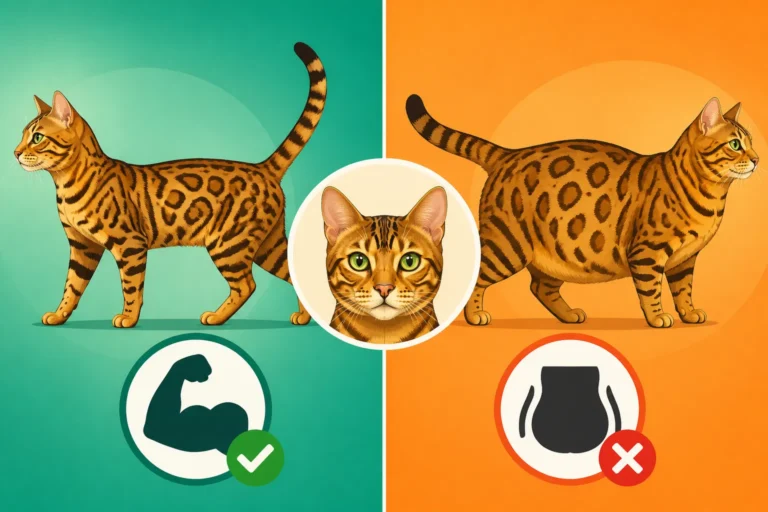
One of the simplest and most effective ways to gauge your Bengal's weight is through a hands-on assessment. This is often referred to as the "rib test" and "waistline test." Gently run your hands along your Bengal's sides, just behind their shoulder blades. You should be able to easily feel their ribs without pressing hard. If you have to dig your fingers in to feel them, your cat is likely carrying too much weight. If the ribs are visibly prominent with no fat covering, they might be underweight. You're aiming for that sweet spot where you feel the bones just under a thin layer of muscle and skin.
Next, look at your Bengal from above while they're standing. You should see a distinct waistline, an indentation behind their ribs, before their hips. If your cat looks like a straight, torpedo shape, or if their sides bulge out, they're likely overweight. From the side, their abdomen should tuck up slightly, rather than hanging low or bulging out. A healthy What a Healthy Bengal Cat Weighs will typically show these characteristics. Remember, a Bengal's musculature can make them feel dense, but you should still be able to discern those anatomical landmarks.
Body Condition Scoring (BCS) Explained for Bengals
To get a more objective measure, veterinarians often use a Body Condition Score (BCS) system, usually on a 1-to-5 or 1-to-9 scale. This system helps assess fat reserves and muscle mass. For a Bengal, who naturally has a strong, athletic build, it’s important to interpret the BCS correctly. A score of 5/9 or 3/5 is generally considered ideal, where the ribs are easily palpable, a visible waist is present, and there’s a minimal fat pad on the abdomen.
A Bengal that is overweight might score 7/9 or 4/5, meaning the ribs are difficult to feel, the waist is absent, and there's a noticeable abdominal fat pad. Severely obese Bengals would be even higher. The BCS helps standardize the assessment, making it easier to track progress over time. It’s a tool that provides a more holistic view than just the number on the scale, as muscle weighs more than fat. Here's a simplified version of a BCS scale:
| Score | Description for a Bengal Cat (9-point scale) |
|---|---|
| 1 (Emaciated) | Ribs, lumbar vertebrae, pelvic bones easily visible from a distance. No discernible body fat. Severe abdominal tuck. |
| 2 (Very Thin) | Ribs easily visible. No abdominal fat. Marked abdominal tuck. Minimal muscle mass. |
| 3 (Thin) | Ribs easily palpable with minimal fat. Obvious waist. Slight abdominal tuck. |
| 4 (Underweight) | Ribs easily palpable. Minimal waist. Slight abdominal tuck. |
| 5 (Ideal) | Ribs easily palpable without excess fat covering. Waist discernible. Abdomen tucked up. |
| 6 (Overweight) | Ribs palpable with slight difficulty, covered by excess fat. Waist indiscernible or only slightly apparent. Abdominal fat pad present. |
| 7 (Heavy) | Ribs difficult to feel under moderate to heavy fat covering. No waist. Obvious rounding of abdomen. |
| 8 (Obese) | Ribs not palpable under thick fat layer. Severe abdominal distension. Heavy fat deposits over lumbar area and face. |
| 9 (Severely Obese) | Massive fat deposits everywhere, pronounced abdominal distension. Unable to groom or move easily. |
When to Consult Your Vet
Before starting any significant diet or exercise changes, a trip to your veterinarian is non-negotiable. This is particularly important if your Bengal has suddenly gained a lot of weight, or if you suspect there might be an underlying health issue contributing to their increased size. Your vet can perform a thorough physical examination, potentially including blood tests, to rule out medical conditions like hypothyroidism (though rare in cats), diabetes, or other metabolic disorders that can affect weight. They can also provide a professional assessment of your cat's BCS and help you determine a realistic target weight.
A veterinarian can also help you calculate a safe daily caloric intake for weight loss, taking into account your Bengal's current weight, ideal weight, and activity level. Rapid weight loss can be dangerous for cats, potentially leading to a serious liver condition called hepatic lipidosis. Your vet will ensure any weight loss plan is gradual and healthy, making adjustments based on your Bengal's individual needs. Think of them as your primary partner in this journey, offering guidance and support to keep your cat safe and healthy. This professional guidance is crucial, as they can also advise on appropriate How Often a Bengal Cat Needs a Wellness Exam and What a Bengal Cat's Yearly Bloodwork Should Cover.
Crafting a Safe and Effective Weight Loss Plan for Your Bengal
Once you've identified that your Bengal needs to slim down and you've consulted your vet, it's time to put a plan into action. This isn't about starvation or punishing your cat; it's about making smart, sustainable changes to their diet and lifestyle to promote long-term health. Patience and consistency are your best friends here.
Re-evaluating Your Bengal's Diet: Quality Over Quantity
The cornerstone of any successful weight loss plan for a Bengal cat is a critical look at their food. Forget free-feeding; portion control is paramount. Your vet will give you a target daily calorie count, and you'll need to measure out their food precisely. Investing in a digital kitchen scale for accuracy is highly recommended, as scoop sizes can be notoriously inconsistent. Divide their daily allowance into at least two or three smaller meals. This mimics their natural hunting patterns, keeps their metabolism more active, and can help prevent excessive hunger between meals.
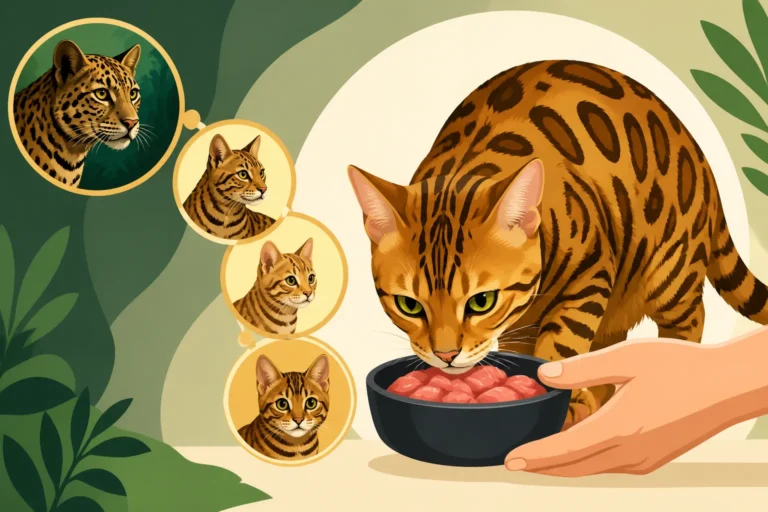
Focus on high-quality, high-protein, low-carbohydrate foods. Wet food is often a better choice for weight loss than dry kibble because it typically has fewer carbohydrates and a higher moisture content, which helps your cat feel fuller. Look for brands with meat as the first ingredient and minimal fillers like corn, wheat, or soy. Many owners find success with specialized “weight management” formulas, but always check the ingredient list to ensure they align with a high-protein, low-carb philosophy. Some prefer to explore fresh-cooked or raw options, which can be tailored to a cat's specific needs and often provide excellent protein sources without excessive fillers. If you're considering a raw diet, be sure to research Whether a Raw Diet Suits a Bengal Cat's Gut and consult your vet to ensure it's nutritionally complete and safe. For more general guidance, understand Which Protein Percentage Suits a Bengal Cat to make informed choices.
Boosting Activity Levels Through Play and Enrichment
Diet is key, but increasing activity levels will accelerate weight loss and improve your Bengal's overall well-being. This is where their natural athleticism truly shines. Structured play sessions are vital. Aim for two to three sessions of 10-15 minutes each day, engaging them with wand toys, laser pointers (used carefully to avoid frustration), or toys they can chase and fetch. Since Bengals often love water, shallow water play can be an excellent low-impact way to get them moving. Make it fun and interactive, tiring them out without pushing them too hard initially.
Vertical space is a Bengal's playground. If you don't already have them, consider tall cat trees, wall-mounted shelves, or climbing structures. These encourage jumping, climbing, and exploring, all of which burn calories. A cat wheel is also an incredible investment for a Bengal, allowing them to run off energy indoors. While they might learn to use it on their own, some cats need encouragement. You can use toys or treats to entice them onto the wheel. Puzzle feeders, which require your cat to "work" for their food, are another fantastic way to combine mental stimulation with physical activity. You can find a wide variety of these on Amazon or Chewy. Distributing their meals in several puzzle feeders around the house, or even hiding small portions, encourages natural foraging behavior and gets them moving. Remember, a Bengal who engages in What a Bengal Cat Does All Day with varied activities is a happier, healthier cat. Make sure to choose durable toys, as Which Wand Toy a Bengal Cat Destroys Fastest can be an issue with these energetic cats.
The Role of Treats and Human Food
When your Bengal is on a weight loss journey, treats need to be re-evaluated. Those little crunchy tidbits or bits of cheese add up quickly. It's not about eliminating them entirely, but being strategic. Switch to low-calorie, high-protein treats, or even better, use a portion of their regular kibble (from their daily allowance) as treats during training or play. Remember that many "cat treats" are just as carb-heavy as cheap dry food. Read labels carefully.
Absolutely cut out human food scraps. While it's tempting to share a bit of chicken or a spoonful of yogurt, human foods are often too rich, too fatty, or contain ingredients that are harmful to cats. Even small amounts can sabotage a diet. If you absolutely must share, make sure it's a tiny piece of plain, cooked meat (like chicken or turkey), well within their daily caloric allowance, and only as a rare reward. It's about retraining ourselves as much as it is about retraining our cats. The idea is to make food a functional and nourishing aspect of their day, rather than a constant source of comfort or an emotional exchange.
Monitoring Progress and Adjusting as Needed
Weight loss is rarely a straight line. There will be good weeks and frustrating weeks. The key is to stay consistent, be patient, and know when to adjust your strategy. This journey requires vigilance and an understanding that your Bengal is an individual, and what works for one might need tweaking for another.
Regular Weigh-ins and Progress Tracking
Once you've started your Bengal on their new diet and exercise regimen, consistent monitoring is essential. Weigh your cat weekly, ideally on the same day and at the same time, using a sensitive pet scale. Keep a log of their weight. A healthy and safe rate of weight loss for a cat is typically 0.5% to 2% of their body weight per week. For a 12-pound Bengal, that means losing about 1 to 4 ounces a week. Slower is always safer than faster.
Don't just rely on the scale. Continue with your hands-on rib and waistline tests. Notice changes in their energy levels, their coat condition, and their overall enthusiasm for play. Are they jumping higher? Running faster? These are all signs of positive progress. Celebrate those small victories, like when you can finally feel their ribs a little more easily, or when they dash up the cat tree with renewed vigor. This progress is what will keep you motivated, especially on those weeks when the scale doesn't seem to budge.
Recognizing Plateaus and Setbacks
It’s almost guaranteed that at some point during the weight loss journey, your Bengal will hit a plateau. This is normal. Their metabolism adapts, and what worked initially might become less effective over time. If your cat stops losing weight for a couple of weeks, don't despair. It might be time to slightly reduce their caloric intake further (with vet approval), or increase the intensity or duration of their play sessions. Sometimes, switching up their exercise routine can also re-engage muscles and kickstart metabolism.
Setbacks, like an accidental extra treat or a few days where play falls by the wayside, can happen. Don't let a small slip-up derail the entire effort. Get right back on track with the plan. If your Bengal is struggling, or you’re seeing no progress despite strict adherence to the diet and exercise, it's time for another vet consultation. They can help you troubleshoot, adjust the plan, or investigate if there's an underlying medical reason making weight loss difficult. Remember, The Age a Bengal Cat Is Considered Senior might also influence their metabolism and ability to lose weight.
Maintaining a Healthy Weight for Life
Achieving the ideal weight is a huge accomplishment, but the journey doesn't end there. The goal is long-term weight management. Once your Bengal reaches their target weight, you'll need to transition them from a weight loss diet to a weight maintenance diet. This usually means a slight increase in calories, but the principles of high-protein, low-carb, and controlled portions remain. Continue to monitor their weight regularly, perhaps monthly, to catch any creeping pounds early.
Maintaining an active lifestyle is just as important as diet for the rest of your Bengal's life. Continue with regular play sessions, utilize their catio or cat wheel, and keep them mentally stimulated. These habits aren't just for weight loss; they're integral to a Bengal's overall health and happiness. By instilling these healthy routines, you're not just helping them stay trim; you’re ensuring they live a vibrant, fulfilling life for The Twelve to Sixteen Years a Bengal Cat Gets. Investing in their health now pays dividends in their quality of life for years to come.
Disclaimer
This article is for general informational purposes only and does not constitute professional advice. Laws, prices and regulations vary by location and change over time. Consult a qualified professional for guidance on your specific situation.