Whether an Aging Bengal Cat Needs More Grooming
As our beloved Bengal cats transition into their golden years, it's natural to start wondering if their care routine needs to change, especially when it comes to grooming. Many cat owners find themselves asking if their active, sleek-coated Bengal will suddenly require more brushing and bathing as they age, perhaps thinking of other breeds with long, mat-prone fur. This comprehensive guide will delve into the unique grooming needs of an aging Bengal cat, debunking myths and offering practical advice to keep your senior companion comfortable and looking their best.
The Bengal Cat Coat: A Lifetime of Low Maintenance (Mostly)
One of the most remarkable things about a Bengal cat is its incredible coat. It’s not just beautiful; it's also incredibly functional and, for the most part, wonderfully low-maintenance throughout their lives, including their senior years.
The Unique "Pelted" Coat and Minimal Shedding
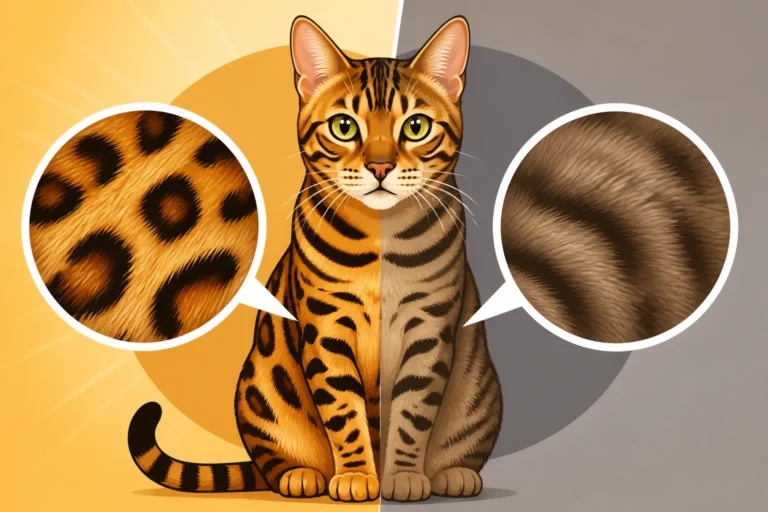
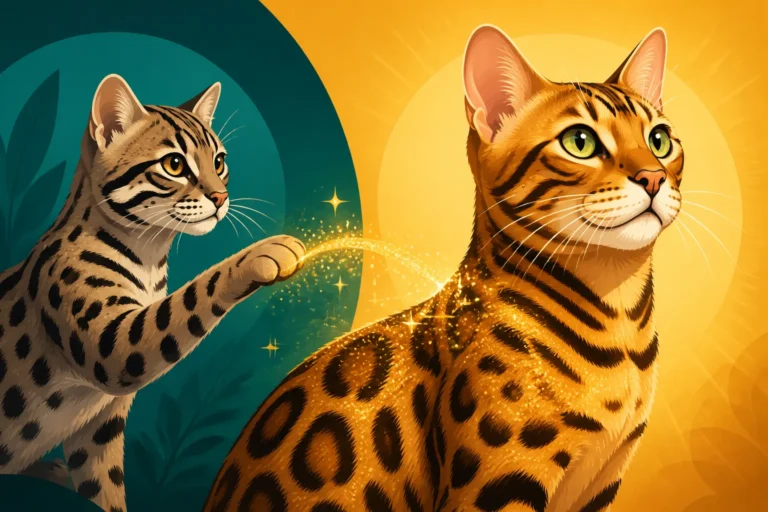
Unlike many domestic cats with a fluffy, thick undercoat that sheds profusely, the Bengal cat boasts a unique "pelted" coat. This term perfectly describes the short, dense, and incredibly soft texture that feels more like a wild animal's hide than a typical house cat's fur. This distinctive coat comes directly from their wild Asian Leopard Cat ancestors. The individual hairs are often ticked, meaning they have bands of color, and lie exceptionally flat against the body, contributing to that sleek, almost painted-on appearance.
Because of this specific coat structure, Bengal cats inherently shed much less than many other breeds. There isn't a thick, fluffy underlayer to be constantly discarded, which is a huge relief for many owners. Even as they age, this characteristic generally holds true. You won't typically find your senior Bengal suddenly developing huge fur balls or massive shedding issues unless there's an underlying health problem. The "glitter" gene, which gives many Bengals their shimmering, iridescent quality, primarily affects the translucency of the hair shaft and its reflective properties; it doesn't add to the grooming burden. So, the good news right off the bat is that your aging Bengal's coat likely won't demand significantly more brushing just because of shedding. For more on this unique feature, take a look at A Bengal Cat's Coat Is a Pelt, Not Fur.
Why Self-Grooming Remains Strong in Most Senior Bengals
Bengal cats are renowned for their athleticism, agility, and incredibly clean habits. They are meticulously self-grooming creatures, often spending a good portion of their day ensuring every speck of dust is removed and their coat is in pristine condition. This strong instinct for self-care typically persists well into their senior years. Their natural flexibility and muscular build usually mean they can still reach most areas of their body for a thorough lick-bath, even when they're past their prime.
Compare this to some heavily-boned, less agile breeds, or those with very long, dense fur that can easily mat if not constantly tended to. A Bengal cat's sleek physique and powerful hind legs mean they can often still contort into positions that allow them to clean their back, tail, and hindquarters effectively. Their innate love for water, a trait many Bengal owners affectionately know all too well, can also contribute to their cleanliness. Whether it's playing in a running faucet or even joining you in the shower, some Bengals might even "bathe" themselves through their water antics, adding another layer to their self-maintenance. Generally speaking, you won't suddenly need to become your Bengal's personal groomer every day just because they've hit double digits. Their self-sufficiency in this regard is often remarkable. You might even find that Why a Bengal Cat Barely Needs Brushing at All remains true even for your aging companion.
When Age Does Impact Grooming Needs for Your Bengal
While an aging Bengal's coat itself might not demand more care, the physiological changes that come with age can definitely affect their ability to self-groom. This is where a loving owner steps in to offer support.
Monitoring Mobility and Joint Health
One of the most common age-related challenges for any cat, including the spry Bengal, is the onset of conditions like arthritis or other joint issues. What was once an effortless leap onto the kitchen counter or a graceful stretch to reach their back might become a painful ordeal. When a cat is no longer flexible enough to comfortably twist and turn, certain areas of their body can become difficult to reach for self-grooming.
You might start to notice your senior Bengal struggling to clean their lower back, the base of their tail, or even under their chin. These areas are prime spots for mats to form, especially if they have some residual undercoat that becomes more prominent with age or if their skin oils change. Look for subtle signs: a slight stiffness in their gait, a reluctance to jump as high as they used to, or even a change in their preferred sleeping positions. If you spot small tangles or dull, slightly greasy patches in areas they can't easily reach, it's a clear signal they need your help. Gentle, short brushing sessions can not only prevent mats but also be a comfortable way to bond and inspect their body for any other issues. It's important to understand Whether an Aging Bengal Cat Gets Stiff so you can provide the right support.
Dental Health and Its Ripple Effects
Just like in humans, dental health can significantly decline in cats as they age. Plaque and tartar buildup are common, leading to gingivitis, painful tooth resorption, or even lost teeth. When a cat has a sore mouth, even the simple act of licking their fur can become uncomfortable, if not outright painful. They might groom less frequently or less thoroughly, particularly around their face and front paws where they tend to 'wash' themselves.
Poor dental health can also lead to other issues that indirectly affect grooming. Cats with dental disease might drool more, leading to damp fur around their mouth and chin, which can then become matted or stained. Bad breath, a tell-tale sign of dental problems, is also a good indicator that they're likely not feeling their best and their overall grooming habits might suffer. Regular veterinary dental check-ups are crucial, and your vet might recommend cleanings to alleviate pain and discomfort. By addressing dental issues, you’re not just improving their oral health; you're often restoring their ability and desire to keep themselves clean. Thinking about How Often a Bengal Cat Needs a Dental is a wise step for any senior cat owner.
Skin Changes and Dulling Coat
As Bengals get older, their skin and coat can sometimes undergo subtle changes, even without significant health problems. Metabolic rate slows down, and the skin's ability to produce natural oils might change. This can lead to a coat that appears a bit duller, feels drier, or even becomes slightly flaky, particularly if they are dehydrated or their diet isn't providing optimal nutrients. You might also notice that the vibrant "glitter" that once made their coat sparkle starts to dull a little with age, a natural process for many senior Bengals.
Underlying health conditions, such as kidney disease, thyroid issues, or even certain cancers, can also manifest through changes in skin and coat quality. A sudden increase in oiliness, excessive dryness, dandruff, or patches of thinning fur could all be red flags that warrant a vet visit. In these cases, gentle grooming isn't just about aesthetics; it’s a chance to inspect their skin for lumps, bumps, or any signs of irritation they might be unable to reach or too uncomfortable to address themselves. Brushing can stimulate blood flow to the skin and help distribute natural oils, offering some relief. Knowing Why an Aging Bengal Cat's Glitter Dulls can help you differentiate between normal aging and a cause for concern.
Practical Grooming Tips for Your Senior Bengal
Even if your senior Bengal is still a self-grooming champion, a little assistance from you can go a long way in ensuring their comfort and well-being. Think of these as supportive measures, not burdensome tasks.
Gentle Brushing and Coat Care
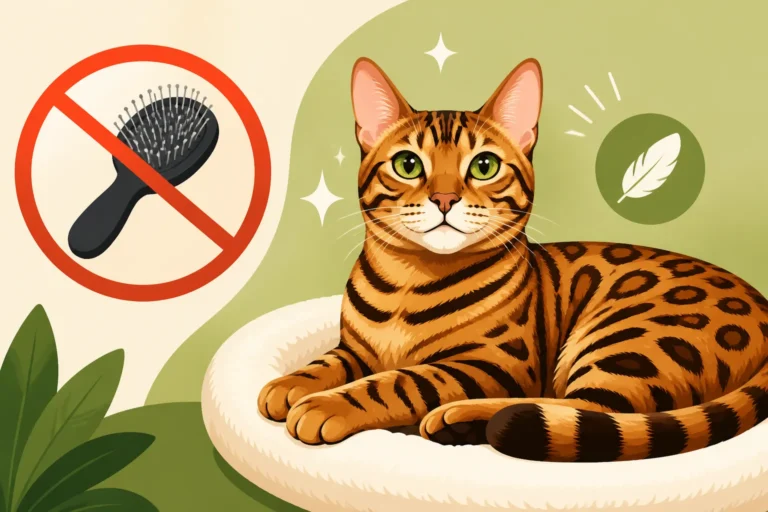
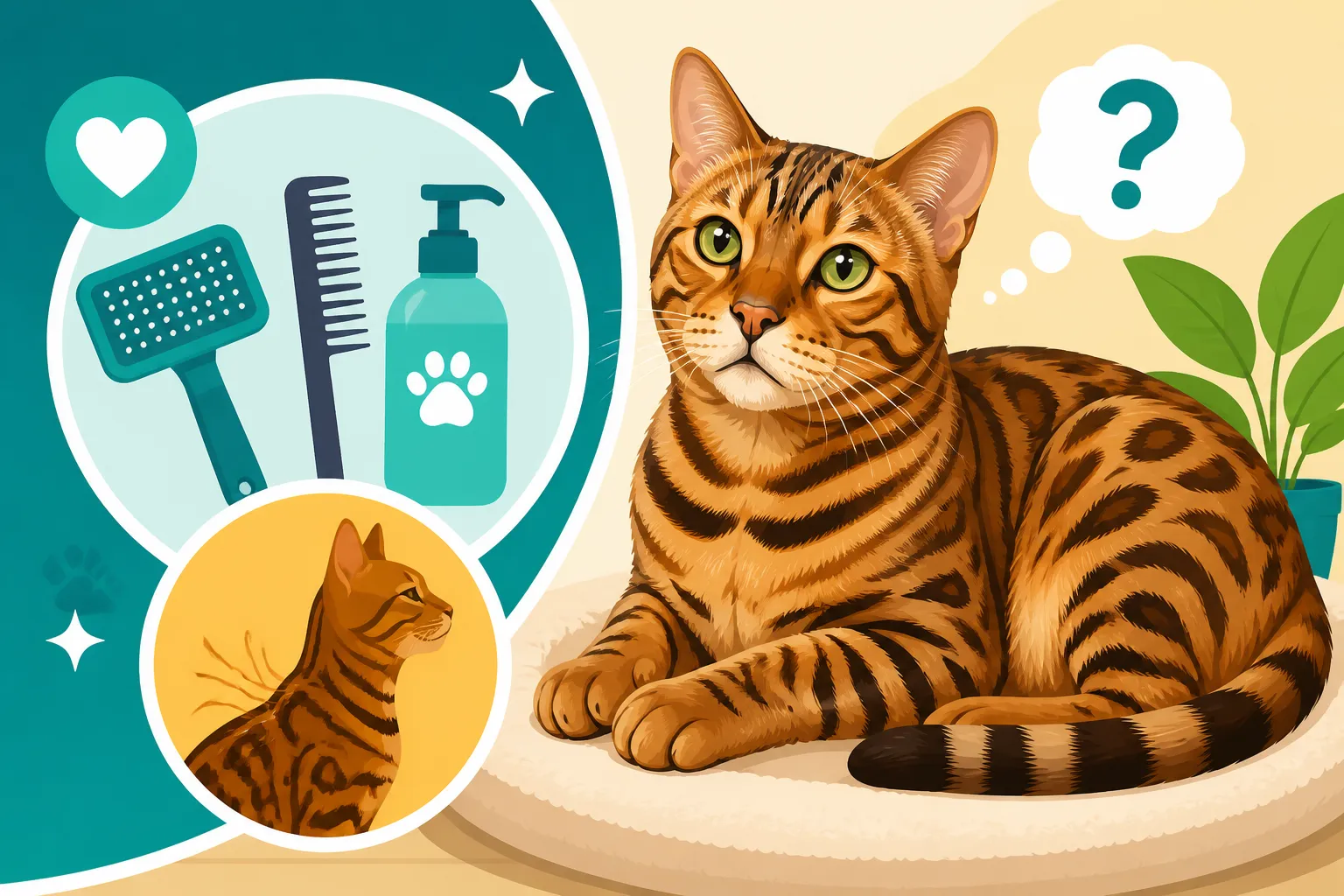
While your Bengal might not need extensive brushing due to matting, incorporating short, gentle brushing sessions can be incredibly beneficial. For a senior Bengal, the goal is often more about comfort, stimulation, and inspection than heavy detangling. Opt for a soft-bristled brush, a rubber grooming mitt, or even just a damp cloth. The soft bristles will gently massage their skin, stimulating circulation and distributing natural oils without pulling or irritating their possibly more sensitive skin.
Focus on areas they might struggle to reach, like their back, the top of their head, and the base of their tail. These quick sessions are also a perfect opportunity to feel for any new lumps, bumps, tender spots, or skin irritations that might indicate a health issue. If you do encounter a small mat, try to gently tease it apart with your fingers or a wide-toothed comb rather than pulling. Always make these sessions positive, maybe offering a treat afterwards. You can find excellent soft brushes and grooming mitts on platforms like Amazon or Chewy that are perfect for sensitive senior cats. For specific tool recommendations, consider exploring Which Brush a Bengal Cat Will Tolerate.
Nail Trims and Paw Care
As cats age, their activity levels often naturally decrease. This means they might not be running, climbing, and scratching as much as they used to, which helps wear down their claws. Consequently, their nails can become overgrown, sharp, and even curl into their paw pads, causing pain, infection, or difficulty walking. This is a common issue for senior cats of all breeds, and Bengals are no exception.
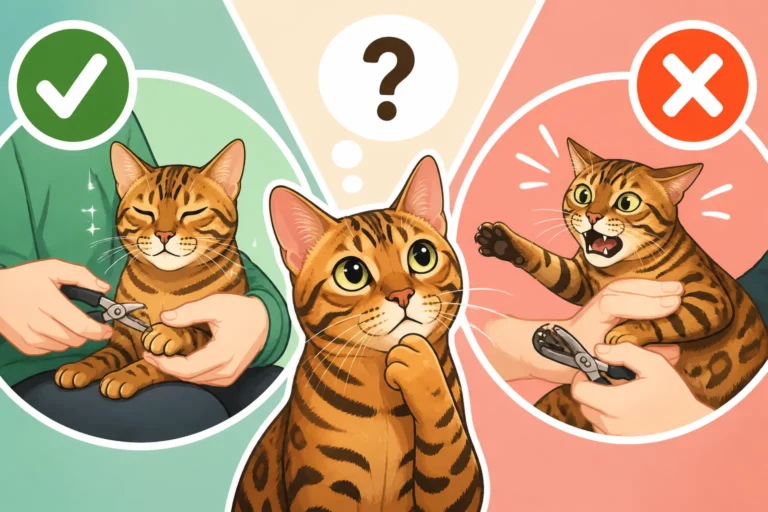
Regular nail trims become even more critical for older Bengals. Aim to trim their nails every few weeks, carefully clipping just the sharp tip, avoiding the quick. If you’re unsure, ask your vet or a professional groomer to show you how. While trimming, also take a moment to examine their paw pads. Older cats can sometimes develop drier, cracked pads, or even have issues with hair growing between the pads that can get matted and uncomfortable. Keeping their paws clean and trimmed will ensure they can walk comfortably and prevent painful ingrown nails. Learning Whether a Bengal Cat Sits for a Nail Trim and how to make it a positive experience is key.
Ear and Eye Checks
Beyond their coat and claws, an aging Bengal may benefit from a bit more attention to their ears and eyes. While Bengal cats typically have relatively clean ears, thanks to their active grooming habits and often large, open ear shape, age can sometimes bring subtle changes. You might notice a slight increase in ear wax production, or perhaps they're not as diligent about cleaning their ears as they once were. Gently check their ears weekly for any excessive wax, redness, odor, or discharge, which could indicate an infection or mites. If you need to clean them, use a vet-approved ear cleaner and a soft cotton ball, never inserting anything deep into the ear canal. For more insights on this, read Why a Bengal Cat's Big Ears Stay Clean.
Similarly, keep an eye on their beautiful, expressive eyes. Some older cats can develop a bit more tearing or discharge, especially if they have allergies, dental issues affecting tear ducts, or other age-related eye conditions. Gently wipe away any crusts or discharge with a soft, damp cloth. Any significant changes in eye appearance, excessive redness, cloudiness, or persistent discharge should always prompt a visit to your veterinarian. Early detection is always best for eye health.
The Holistic Approach: More Than Just Brushing
Truly caring for an aging Bengal cat’s grooming needs extends beyond just the physical acts of brushing and trimming. It involves a holistic view of their health, where good nutrition and regular veterinary care play foundational roles.
Nutrition as a Foundation for Skin and Coat Health
You are what you eat, and the same goes for your Bengal cat! A high-quality diet is absolutely paramount for maintaining healthy skin and a lustrous coat throughout their life, but it becomes even more critical in their senior years. As cats age, their metabolism can change, their ability to absorb nutrients might decrease, and they may have different dietary requirements. Ensuring they receive a balanced diet rich in essential fatty acids (like Omega-3 and Omega-6), vitamins, and minerals can directly impact the health and appearance of their skin and coat.
If your senior Bengal's coat seems dull or dry despite your best efforts, talk to your veterinarian about their diet. They might recommend a senior-specific formula designed to support aging bodies, or perhaps a supplement to boost skin and coat health. Tailored meal plans could also be beneficial. Remember, a healthy coat starts from within. So, while you might be wondering Whether an Aging Bengal Cat Needs Less Protein, the overall nutritional balance is key.
Regular Vet Check-ups and Early Detection
Perhaps the most crucial aspect of caring for an aging Bengal, which indirectly impacts their grooming needs, is consistent veterinary care. Regular check-ups are not just about vaccinations; they are an opportunity for your vet to thoroughly assess your cat’s overall health, including their mobility, dental status, skin condition, and organ function. Many age-related health issues, from arthritis to kidney disease to diabetes, can first show subtle signs in a cat's grooming habits or the quality of their coat.
A Bengal cat, being the stoic and independent creature they are, is often very good at hiding pain or discomfort. It's an evolutionary trait that kept their wild ancestors safe. This means that by the time you notice overt signs of a problem, it might be quite advanced. Your vet can often detect these issues much earlier during a routine examination. Addressing underlying health problems promptly can alleviate discomfort that might be hindering their self-grooming, and it ensures they receive the care they need to live their senior years as happily and comfortably as possible. Understanding What Changes in a Bengal Cat After Ten and maintaining consistent vet visits will be your best defense against age-related challenges. A lifetime of care is an investment, but it's an investment in the health and happiness of your cherished companion. For a broader picture, you might be interested in What Fifteen Years of Bengal Cat Care Looks Like.
| Grooming Aspect | Young Bengal Cat | Aging Bengal Cat | Key Considerations for Aging |
|---|---|---|---|
| Coat Brushing | Rarely needed, mainly for bonding/inspection | Increased need for assisted brushing | Mobility issues (arthritis) may limit self-reach, potential dullness from health changes. |
| Shedding | Minimal | Still minimal, but watch for changes | Excessive shedding can signal underlying health issues. |
| Nail Trimming | Regular, as activity wears down claws | More frequent and vigilant | Decreased activity means less natural wear; overgrowth can cause pain. |
| Paw Pad Care | Usually self-maintained | Requires more inspection | Drier pads, matted fur between toes can become issues. |
| Dental Care | Prevention through diet/brushing | Crucial, often requires professional attention | Painful teeth limit self-grooming, can lead to secondary health problems. |
| Ear Cleaning | Rarely needed beyond inspection | Routine checks for wax/infection | Increased wax or decreased self-cleaning may occur. |
| Eye Care | Clear, bright | Watch for discharge/cloudiness | More prone to discharge or age-related eye conditions. |
| Skin Health | Supple, healthy | Monitor for dryness, lumps, flakes | Metabolic changes, dehydration, or disease can affect skin. |
| Overall Self-Grooming | Highly effective, thorough | May decline due to physical limitations | Need for owner intervention increases based on individual health. |
Disclaimer
This article is for general informational purposes only and does not constitute professional advice. Laws, prices and regulations vary by location and change over time. Consult a qualified professional for guidance on your specific situation.