Why F1 to F3 Bengal Cat Males Cannot Breed
Many potential Bengal cat owners find themselves a bit baffled when they first encounter the intricate world of filial generations, especially the perplexing fact that early-generation male Bengals often cannot breed. It's a truth that often sparks curiosity, sometimes confusion, and occasionally even a little frustration among those trying to understand these magnificent animals. This isn't just an oddity; it's a fundamental biological characteristic deeply rooted in the breed's unique wild ancestry. This guide aims to clear up the mystery, diving into the fascinating genetic reasons why F1, F2, and F3 Bengal cat males are typically sterile, what this means for breeders and owners, and the larger implications for the Bengal cat breed as a whole.
The Foundations of the Bengal Cat: Filial Generations Explained
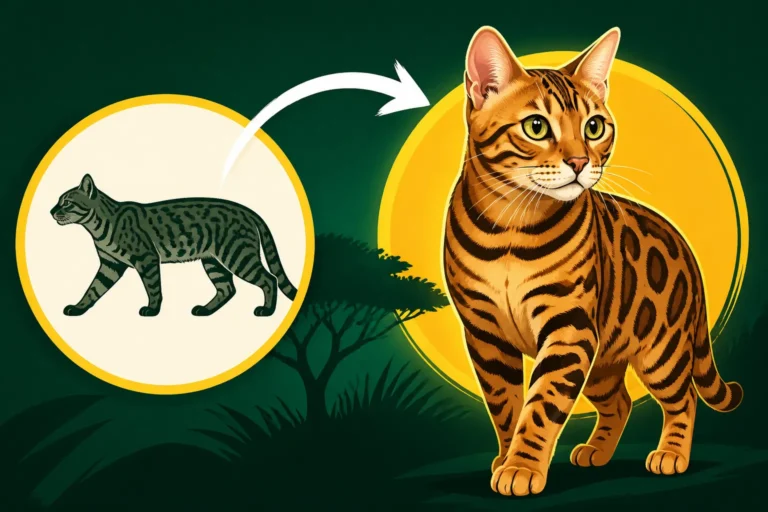
To truly grasp why early-generation male Bengals are sterile, we first need to understand what "F1," "F2," and "F3" actually mean in the context of this breed. These "F" numbers, or filial generations, are essentially a roadmap of how far removed a Bengal cat is from its wild ancestor, the Asian Leopard Cat (ALC). It's a crucial distinction that impacts not only breeding potential but also temperament, size, and overall care needs.
What Do F1, F2, and F3 Really Mean?
Let's break down these generation markers. An F1 Bengal cat is the direct result of a pairing between a domestic Bengal (or sometimes another domestic cat breed, though pure Bengals are preferred in modern programs) and a wild Asian Leopard Cat. They carry the most genetic material from their wild parent, typically around 50%. As you might imagine, these cats often exhibit pronounced wild instincts, a larger size, and a more challenging temperament. Moving on, an F2 Bengal cat is the offspring of an F1 female bred to a domestic Bengal male. The "wild blood" in an F2 is approximately 25%. They still possess many striking wild traits but are generally a step closer to domesticity. Finally, an F3 Bengal cat comes from an F2 female bred to a domestic Bengal male, bringing their ALC genetic contribution down to around 12.5%. With each generation, the goal is to retain the captivating wild appearance while increasingly solidifying a predictable, domestic temperament. Understanding How a Bengal Cat's Generation Is Counted is key to appreciating the breed's development.
It's important to note that while the physical appearance often retains that striking wild look, the temperament gradually shifts towards being more amenable to a typical home environment. The journey from wild cat to cherished companion is a multi-generational process, and these early numbers mark significant steps along that path.
Moving Towards Domesticity: The SBT Bengal
The ultimate goal for Bengal cat breeders is to produce what's known as an SBT Bengal, which stands for "Stud Book Traditional." An SBT Bengal is an F4 generation or later cat where all parents and grandparents were Bengals, meaning they are at least four generations removed from their wild Asian Leopard Cat ancestor. This is the point where the breed is considered fully domesticated, consistently breeding true to type, and, crucially, where both males and females are reliably fertile.
SBT Bengals are the darlings of the show ring and the most common type of Bengal cat found in pet homes. They still boast the stunning rosetted or marbled coats, the powerful, athletic physique, and the playful, intelligent nature that Bengals are known for, but with a temperament that is generally more suited to living as a companion animal. Breeders dedicate significant effort to selecting SBT Bengals for breeding programs, carefully evaluating them for health, temperament, and adherence to the breed standard, ensuring they pass on desirable traits to future generations. For a deeper dive into the starting point, you might read What F1 Means in a Bengal Cat, and then move to What F2 and F3 Mean in a Bengal Cat, before concluding with What SBT Means in a Bengal Cat to see the full progression.
The Biological Phenomenon of Hybrid Sterility
Now we get to the heart of the matter: why are those early-generation male Bengals sterile? It's not a flaw in the cats, but rather a fascinating, and quite common, biological consequence of hybridizing two distinct species. This phenomenon is known as hybrid sterility, and it's a testament to the delicate balance of genetics.
The Genetic Mismatch: Why Wild x Domestic Is Tricky
At its core, hybrid sterility in Bengal males stems from a genetic incompatibility between the Asian Leopard Cat and the domestic cat. While these two species are close enough to produce offspring, their genetic blueprints aren't perfectly aligned, especially when it comes to the complex process of reproduction. Imagine trying to assemble a finely tuned machine using parts from two slightly different models. Some parts might fit, but others, particularly those critical for intricate functions like creating viable sperm, simply won't mesh correctly.
The specific challenge lies in meiosis, the cell division process that creates sperm and egg cells. During meiosis, chromosomes from both parents pair up, exchange genetic material, and then divide to form new cells with half the original number of chromosomes. In hybrid males, the chromosomes from the Asian Leopard Cat and the domestic cat struggle to pair correctly. This disruption leads to errors in sperm production, often resulting in sperm that are either non-existent, malformed, or simply not viable. The genetic material is there, but the intricate machinery required to package it into functional reproductive cells just doesn't work as it should.
The "Rule" of Male Hybrid Sterility
This isn't a unique predicament for Bengal cats; male hybrid sterility is a well-documented biological principle observed across many different hybrid animals. Think of a mule, the offspring of a horse and a donkey – while robust and strong, male mules (and most female mules, too) are sterile. It’s often referred to as "Haldane's Rule," which, in simplified terms, states that if one sex of hybrid offspring is sterile or inviable, it's usually the heterogametic sex – the one with two different sex chromosomes. In mammals, that's the male (XY).
Why males more than females? It's believed that the X and Y chromosomes, along with other genes involved in male fertility, are particularly sensitive to these genetic mismatches. The delicate balance required for successful spermatogenesis (sperm production) is more easily disrupted by the differing genetic contributions of the two parent species. Female hybrids (XX), on the other hand, tend to be fertile for more generations. This is why you can have fertile F1, F2, and F3 Bengal females who are essential for carrying on the lineage, even though their male counterparts cannot. The journey from wild cat to domestic companion is intricate, and understanding Whether F1 Bengal Cat Females Are Fertile helps paint a complete picture of the early generations.
Implications for Bengal Cat Breeding Programs
The sterility of F1, F2, and F3 male Bengal cats presents a significant, yet managed, challenge for breeding programs. It fundamentally shapes how breeders work to develop and improve the breed, emphasizing careful selection and a deep understanding of genetics.
The Bottleneck of Early Generations
Because early-generation males cannot reproduce, breeders are effectively working with a "bottleneck" in the initial stages of establishing new lines or introducing desired traits from the Asian Leopard Cat. If a breeder creates an F1 litter, any stunning F1 male kittens, no matter how spectacular their rosettes or how magnificent their build, cannot be used to further the breed. Their genetic line effectively ends with them.
This means that breeders heavily rely on the fertility of F1, F2, and F3 females. These females are typically bred back to fertile SBT (Stud Book Traditional) Bengal males to produce the next generation. This strategy allows for the careful introduction and dilution of Asian Leopard Cat traits while simultaneously reinforcing domestic cat characteristics over time. It's a meticulous process, requiring patience and a strong understanding of genetics and breed standards. Breeders must track pedigrees carefully, sometimes going back many generations, to ensure genetic diversity and desirable traits are maintained, and undesirable ones are bred out.
The Importance of the SBT Male
Given the sterility of early-generation males, the fertile SBT male becomes the cornerstone of any successful Bengal breeding program. These F4 and subsequent generation males are the ones responsible for continuing the lineage and passing on the desirable traits that define the Bengal cat. Responsible breeders pour considerable effort into selecting SBT males that not only meet the breed standard for appearance but also possess excellent health, a truly domestic temperament, and proven fertility.
These males undergo rigorous health screenings for common Bengal ailments like HCM (Hypertrophic Cardiomyopathy), PRA-b (Progressive Retinal Atrophy), and PK Deficiency (Pyruvate Kinase Deficiency), alongside general veterinary check-ups. Breeders often look to high-quality nutrition for their breeding stock, readily available from pet supply retailers like Chewy, to ensure optimal health and reproductive fitness. The importance of these fertile males cannot be overstated; they are the bridge between the wild ancestry and the fully domesticated, show-quality Bengals we see today. If you're considering getting involved in breeding, understanding What a Bengal Cat Breeder Should Have Tested is absolutely paramount.
Living with an Early Generation Bengal Male
While the topic of sterility might seem daunting from a breeding perspective, for those considering an F1, F2, or F3 Bengal male as a pet, it actually comes with some distinct advantages and responsibilities.
Beyond Breeding: A Pet Perspective
For a pet owner, the fact that early-generation male Bengals are sterile is rarely a disadvantage; in fact, it's usually a blessing. These cats are almost always neutered at an appropriate age by responsible breeders or at the advice of a veterinarian, removing any concerns about unwanted pregnancies or the more challenging behaviors often associated with intact male cats, such as territorial spraying, incessant yowling, or a strong urge to roam.
Neutering early-generation males allows them to live a calmer, more focused life as a pet. They can still exhibit strong personalities and high energy levels, but the hormonal drives that might otherwise lead to frustration and undesirable behaviors are mitigated. This means you can focus on providing the enriching environment these intelligent and active cats thrive on, without the added complexities of managing an intact, wild-leaning male. Many owners find their early-generation male Bengals to be incredibly affectionate and loyal companions, once their unique needs are understood and met. Exploring How an Early Generation Bengal Cat Behaves Differently can provide further insight into their character.
Managing the "Wilder" Traits
It's crucial to remember that while early-generation Bengal males can't reproduce, they often retain more of the "wilder" traits from their Asian Leopard Cat ancestors than their later-generation counterparts. This means they typically have higher energy levels, a stronger prey drive, and a need for significant mental and physical stimulation. They might be more vocal, exhibiting a range of chirps and growls, and are often intensely curious and intelligent, capable of opening cabinets and solving complex puzzles. For an owner, this translates into a commitment to providing an environment that satisfies these instincts.
Think multi-level climbing structures, sturdy cat trees, and dedicated play sessions with interactive toys. A cat wheel can be an absolute godsend for burning off excess energy, and many early-generation Bengals thrive on leash training and outdoor adventures in a secure harness. A securely built catio is often considered essential, providing safe outdoor access that appeals to their natural hunting and exploring instincts. Reputable pet supply retailers, including Chewy, offer a vast selection of durable puzzle feeders and interactive toys designed to challenge even the cleverest Bengals. Providing How Much Enrichment a Bengal Cat Actually Needs is key to a happy and well-adjusted early-generation Bengal.
Ethical Considerations and the Future of the Breed
The existence of hybrid sterility in early-generation Bengal males naturally brings up broader ethical considerations regarding hybrid breeding and the long-term health and welfare of the breed.
The Ethics of Hybrid Breeding
The practice of creating hybrid cats like Bengals has, at times, sparked debate among animal welfare advocates and even within the cat fancy community. Concerns often revolve around the initial cross (F1 generation), the inherent wild instincts in early generations, and the potential for these cats to end up in homes unprepared for their unique needs. The sterility of early-generation males is a clear biological indicator that these are not just "fancy domestic cats" but truly hybrid animals with distinct genetic makeup.
Responsible breeders operate with a deep understanding of these challenges. They are dedicated to health testing, meticulous record-keeping, and above all, ensuring that every kitten is placed in a home where its specific needs can be met. This includes educating prospective owners about the commitment involved, especially with early generations, and requiring spay/neuter contracts for pet-quality kittens. The ethical foundation of Bengal breeding rests on prioritizing the well-being of the cats and the suitability of their homes. This is why discussions around Whether Breeding Hybrids Like the Bengal Cat Is Ethical are so important.
Preserving the Breed's Legacy
Despite the hurdle of male hybrid sterility, the Bengal cat breed has flourished, largely due to the dedication of breeders committed to a long-term vision. Their goal is to continue refining the breed, maintaining the breathtaking wild aesthetic while consistently selecting for robust health and a stable, domestic temperament that makes them wonderful companions. The sterile F1, F2, and F3 males, though they cannot pass on their genes directly, serve as living examples of the breed's origins and the genetic journey from wild to domestic. Their physical presence reminds us of the power and beauty of their Asian Leopard Cat heritage.
Modern breeding programs heavily rely on comprehensive genetic testing to screen for inherited diseases such as PRA-b Blinds a Bengal Cat by Two and There Is a DNA Test, Pyruvate Kinase Deficiency in a Bengal Cat, and regularly conducting cardiac screenings to monitor for HCM Is What Kills Bengal Cats Early. These health protocols, combined with careful temperament assessment, ensure that the fertile SBT generations are as healthy and well-adjusted as possible. The collective effort of breeders to navigate the complexities of hybrid genetics is what allows the Bengal cat to continue enchanting cat lovers worldwide, a truly unique and active companion that carries a whisper of the wild in every leap and purr.
| Generation | Approximate ALC DNA | Male Fertility | Female Fertility | Key Behavior & Size Notes | Breeding Role |
|---|---|---|---|---|---|
| F1 | 50% | Sterile | Usually fertile | Strongest wild traits, largest, most demanding | Mothers of F2s |
| F2 | 25% | Sterile | Often fertile | Significant wild traits, large, high energy | Mothers of F3s |
| F3 | 12.5% | Sterile | Usually fertile | Moderated wild traits, energetic, can be large | Mothers of SBTs |
| SBT (F4+) | 6.25% or less | Fertile | Fertile | Domestic temperament, standard size, adaptable | Primary breeding stock |
Disclaimer
This article is for general informational purposes only and does not constitute professional advice. Laws, prices and regulations vary by location and change over time. Consult a qualified professional for guidance on your specific situation.