Whether the CFA Recognizes the Bengal Cat
It's a common aspiration for many cat owners, especially those with unique breeds like the Bengal, to see their beloved feline recognized by every major cat registry. There's a certain pride in knowing your cat's lineage and breed standards are acknowledged across the board. However, if you're a Bengal cat enthusiast wondering about the Cat Fanciers' Association (CFA), you might have encountered some confusing information. This guide aims to clear up that mystery, explaining the CFA's stance on the Bengal cat and what it truly means for you and your patterned companion.
The Big Question: Is the Bengal Cat Recognized by the CFA?
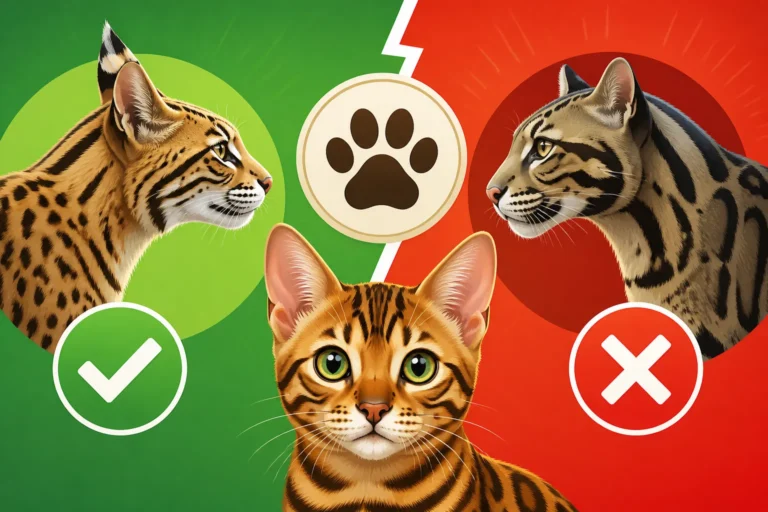
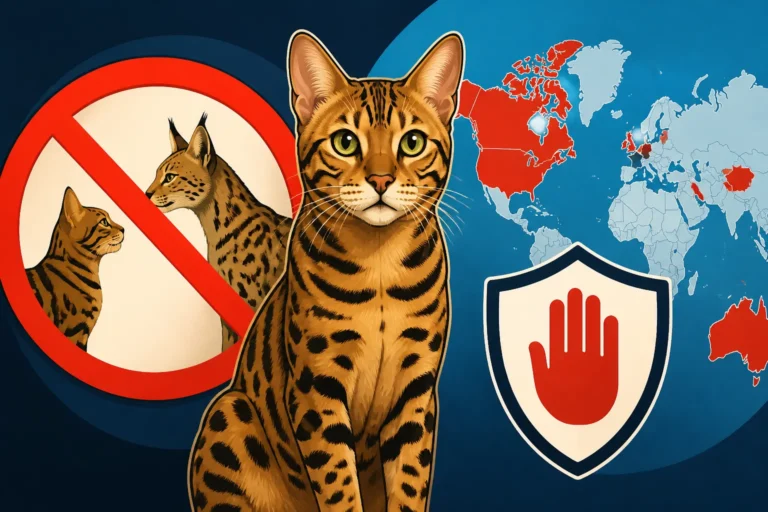
Let's get straight to the heart of the matter, as I know many new Bengal owners wrestle with this question right out of the gate. The simple, direct answer to whether the Cat Fanciers' Association (CFA) recognizes the Bengal cat breed is no, they do not. This can be a bit of a shock, especially when you consider how popular and well-known Bengal cats are in the wider world of feline companions. It often leaves people scratching their heads, wondering why such a magnificent and established breed wouldn't be on the list of one of the oldest and most respected cat registries.
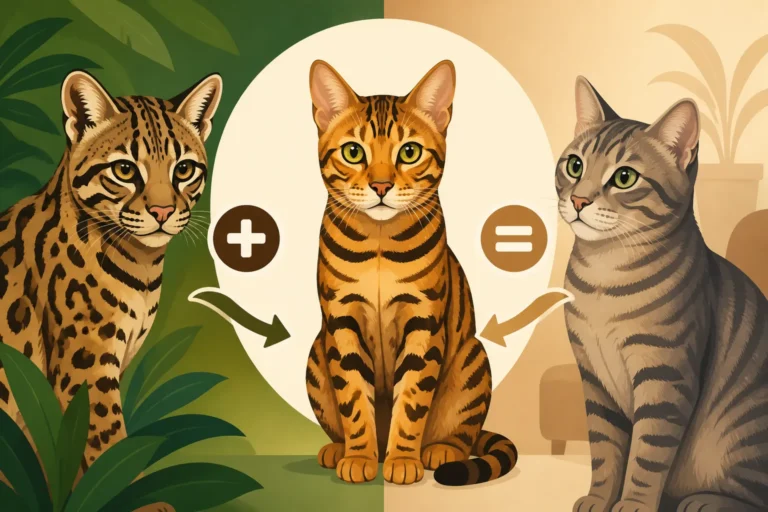
The CFA has a very specific and long-standing policy regarding breed recognition, and it primarily focuses on breeds that are considered "natural" or those that have been developed exclusively from other domestic cats over many, many generations. The core issue for the Bengal cat, in the CFA's eyes, stems directly from its foundational origins. Because the Bengal cat began as a hybrid cross between a domestic cat and the wild Asian Leopard Cat, it falls outside the CFA's strict criteria for what constitutes a domestic breed worthy of their recognition. They maintain a firm stance against registering any breed that has wild blood in its recent ancestry, regardless of how many generations removed the current cats are from the original wild cross.
The Official Stance of the CFA
The Cat Fanciers' Association has been clear and consistent on its position regarding hybrid cat breeds like the Bengal. Their breed acceptance policies prioritize breeds with a history of purely domestic lineage. This means that if a breed's foundational history includes a cross with a wild furbearer, no matter how many generations back, it typically won't meet their stringent requirements for entry into their studbook or participation in their championship shows.
This policy reflects a more traditional approach to cat fancy, where the emphasis is often placed on preserving established domestic lines and ensuring a clear separation from wild species. While the Bengal cat has achieved full domestic status and is recognized by many other reputable registries, the CFA's guidelines remain unyielding. It's not a judgment on the Bengal's temperament or domesticity, but rather an adherence to their foundational philosophy about what constitutes a "recognized breed" within their specific framework.
Comparing CFA with TICA and Other Registries
When you start researching Bengal cats, you'll quickly notice a pattern: most discussions about their official registration, pedigrees, and show careers will inevitably lead to The International Cat Association, or TICA. TICA stands in stark contrast to the CFA when it comes to hybrid breeds. From its inception, TICA has adopted a more inclusive approach, opening its arms to new and developing breeds, including those with recent wild ancestry.
TICA was instrumental in the early days of the Bengal, recognizing its potential and working with breeders to establish breed standards and health protocols. TICA Accepted the Bengal Cat in 1986, a pivotal moment that allowed the breed to flourish and gain international recognition. This foresight by TICA provided the platform for Bengal cats to be shown, championed, and officially registered, ensuring their pedigrees were meticulously tracked. Other smaller, regional, or national cat associations might also recognize the Bengal, but TICA remains the primary global registry for the breed, offering comprehensive support for breeders and owners alike.
Why Breed Recognition Matters to Cat Owners and Breeders
For those new to the world of purebred cats, the intricacies of breed recognition can seem like a lot of bureaucratic red tape. However, for both passionate cat owners and dedicated breeders, the recognition (or lack thereof) by a major registry like the CFA carries significant weight. It's not just about a fancy piece of paper; it influences everything from a cat's eligibility to compete to the perceived legitimacy of its lineage and the overall standards applied to its breeding.
Imagine dedicating years to a specific bloodline, ensuring perfect health and temperament, only to find out your chosen cats can't participate in certain events simply because of a registry's policy. This is the reality for Bengal owners regarding the CFA. The difference in recognition between organizations like the CFA and TICA isn't just a technicality; it shapes the entire experience of owning, showing, and breeding. It highlights why understanding these distinctions is so important when you bring a beautiful Bengal into your life.
Show Participation and Titles
For many, the world of cat fancy culminates in the show hall, where beautiful felines are judged against exacting breed standards. This is where the rubber truly meets the road regarding recognition. If a breed is not recognized by a particular association, it cannot participate in that association's championship shows. This means no CFA titles, no regional wins, no national accolades through their system for Bengal cats.
While this might not bother a pet owner whose Bengal is purely a beloved companion, it's a significant consideration for breeders and show enthusiasts. The ability to compete for titles like Grand Champion or Regional Winner not only brings prestige but also helps to validate breeding programs and showcase exceptional examples of the breed. In contrast, TICA offers a vibrant show circuit where Bengal cats are championship eligible, allowing them to earn numerous titles and compete fiercely among their peers. It's a completely different landscape, and one where the unique beauty and athleticism of the Bengal cat truly shines.
Pedigree and Lineage Verification
One of the most fundamental aspects of breed recognition is the official verification of a cat's pedigree and lineage. A recognized registry maintains a studbook, meticulously recording every registered cat's ancestry, ensuring the purity and integrity of the breed lines. For breeders, this is absolutely critical. It allows them to trace back generations, ensuring genetic diversity, identifying potential health concerns, and verifying that their breeding stock meets the established breed standard.
For a pet owner, a verified pedigree from a recognized registry offers peace of mind. It's an assurance that your Bengal cat is indeed a purebred Bengal, not a mix, and that its ancestors come from reputable lines. While the CFA does not verify Bengal pedigrees, TICA meticulously tracks the breed's lineage, providing comprehensive documentation. This allows owners to confidently say their cat is a Bengal, backed by a global organization. You can learn more about how this is structured in How to Find a Bengal Cat's Generation on Its Pedigree.
Breeder Standards and Ethics
Cat registries aren't just about showing cats; they play a vital role in setting and maintaining ethical breeding standards. These standards often include requirements for health testing, proper cattery conditions, and responsible placement of kittens. A breeder who operates within a recognized registry commits to adhering to these guidelines, which are designed to promote the health and well-being of the breed.
The CFA, for its recognized breeds, has its own robust set of rules and a breeder code of ethics. However, since they don't recognize the Bengal, Bengal breeders aren't subject to CFA's specific oversight. This doesn't mean Bengal breeders are without standards; quite the opposite. Reputable Bengal breeders adhere to TICA's comprehensive guidelines, which include specific health testing recommendations to screen for common Bengal issues such as HCM Is What Kills Bengal Cats Early and PRA-b Blinds a Bengal Cat by Two and There Is a DNA Test. Always ensure your breeder provides documentation for these tests, regardless of which registry they operate under.
The History of the Bengal Cat and Major Registries
To fully grasp why the CFA and the Bengal cat have taken divergent paths, it helps to understand the breed's origins and how it came to be recognized (or not recognized) by the major players in the cat fancy world. The Bengal cat's story is a fascinating tale of selective breeding, genetic preservation, and a journey from a medical research project to one of the most beloved and visually striking domestic breeds today.
The breed's relatively recent development and its unique hybrid ancestry are key factors in its acceptance by some organizations and its exclusion by others. This historical context illuminates the reasons behind the varied approaches to breed recognition and helps us understand the foundational principles that guide different cat registries. It's a story that showcases both the innovation of breeders and the traditionalism of certain institutions.
Jean Mill and the Founding of the Breed
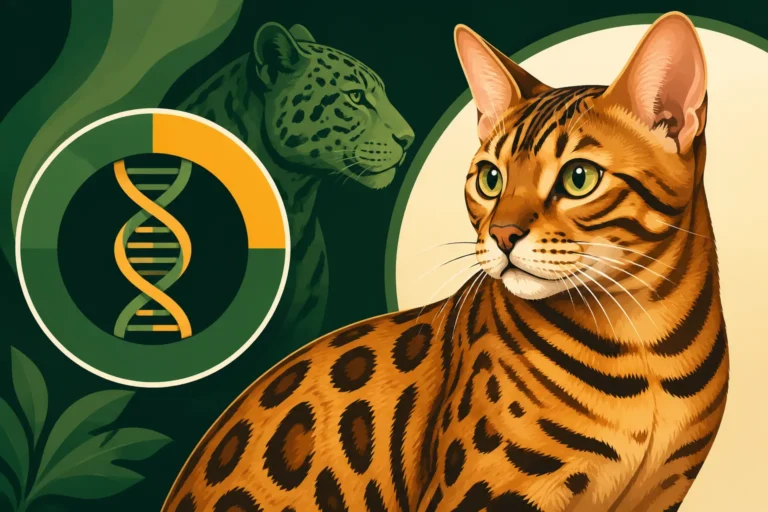
The story of the Bengal cat truly begins with one visionary woman: Jean Mill. A remarkable geneticist and breeder, Who Jean Mill Was to the Bengal Cat is inextricably linked to the breed's existence. In the early 1960s, she began experimenting with crosses between domestic cats and the wild Asian Leopard Cat (Prionailurus bengalensis). Her initial motivations weren't necessarily about creating a new show breed, but rather to understand feline leukemia immunity, as the Asian Leopard Cat appeared to be naturally resistant.
What started as a scientific endeavor eventually blossomed into the creation of a stunning new domestic breed. Jean Mill saw the incredible potential in these hybrids: the striking wild patterns, the athleticism, and a truly unique personality. She painstakingly worked for generations to breed out the less desirable "wild" traits, focusing on domesticating the temperament while retaining the exotic look. Her efforts laid the groundwork for what we know today as the Bengal cat. You can trace this fascinating journey further by exploring How Old the Bengal Cat Breed Is.
TICA's Early Embrace of the Bengal
While Jean Mill was meticulously developing the Bengal cat, the cat fancy world was largely dominated by organizations with traditional views on breed development. However, TICA, founded in 1979, emerged as a breath of fresh air, embracing a more progressive and forward-thinking approach. They recognized the importance of supporting new and developing breeds, including those with hybrid origins, as long as they met strict health and temperament criteria.
This open-mindedness proved crucial for the Bengal cat. When TICA Accepted the Bengal Cat for registration, it provided a legitimate pathway for the breed to gain acceptance and grow. TICA understood that while the Bengal had wild ancestry, subsequent generations (specifically SBT or Stud Book Tradition Bengals, which are at least F4, or four generations removed from the wild cat) were fully domesticated and deserved recognition. This embrace by TICA allowed the breed to move beyond experimental status and truly establish itself in the global cat community.
Divergent Paths: CFA's Hybrid Stance
The historical development of the Cat Fanciers' Association (CFA) tells a story of tradition and adherence to long-established lineages. Founded in 1906, the CFA grew up in an era where cat breeds were primarily natural developments or crosses of entirely domestic stock. Their philosophy has always leaned towards preserving and promoting breeds with clear, documented domestic ancestry, emphasizing genetic purity within those domestic lines.
Because of this foundational philosophy, the introduction of a hybrid breed like the Bengal, which directly descended from a wild species—the What an Asian Leopard Cat Is Behind Every Bengal Cat—posed a fundamental challenge to their core principles. While the Bengal cat has been carefully bred for many generations to be a domestic companion, the origin of its exotic pattern and some physical traits traces back to that initial wild cross. The CFA's strict adherence to a "no wild blood" policy for their recognized breeds meant that the Bengal, despite its popularity and domesticity, simply didn't fit into their established framework. This is why, even as The Bengal Cat Is the Hybrid Most Registries Fully Accept, the CFA remains a notable exception.
What CFA Recognition Means for Other Breeds
To fully appreciate the CFA's position on the Bengal cat, it's helpful to understand how they typically operate and what their recognition process entails for other breeds. The CFA is known for its rigorous standards and a rather lengthy, multi-stage process for new breeds to gain full championship status. This approach is rooted in their desire to ensure genetic stability, sufficient breed population, and a clear, consistent breed standard.
This meticulous process, while ensuring the quality and integrity of the breeds they do recognize, also explains why some breeds are included and others, like the Bengal, are not. It's a system designed for a specific type of breed development, one that doesn't easily accommodate the unique origins of a hybrid cat. Understanding this context helps to clarify that the CFA's stance isn't a judgment on the Bengal itself, but rather a reflection of their distinct historical and philosophical framework.
The CFA's Traditional Approach
The Cat Fanciers' Association has a long and storied history, recognizing many of the cat breeds that are household names today. Their roster is filled with breeds that have either ancient origins (like the Siamese or Abyssinian) or have been developed over many decades through careful selective breeding of entirely domestic cats (such as the Persian or Maine Coon). These breeds exemplify the "traditional" cat fancy ideal, with clear lineage tracing back through generations of domestic felines.
Their approach emphasizes genetic stability and a long history within the domestic gene pool. For the CFA, the purity of a breed's domestic ancestry is paramount. This tradition is deeply ingrained in their policies, which is why any introduction of wild blood, even generations removed, conflicts with their core definition of a recognized breed. They aim to safeguard the distinction between truly domestic animals and those with recent wild heritage.
How New Breeds Gain Recognition
Gaining recognition from the CFA is a significant undertaking, a multi-stage journey that can take many years, even decades. It's not a quick process, and it's certainly not for every breed. Typically, a new breed must start in an "experimental" class, demonstrating a consistent look, temperament, and health over several generations. Breeders need to show a growing population, a clear breed standard, and a commitment to rigorous health testing.
From experimental, a breed might move to "provisional" status, allowing them to be shown in certain capacities, though not for championship titles. This period is crucial for gathering more data, refining the standard, and ensuring there's a strong, dedicated breeder base. Only after proving itself across these demanding stages can a breed hope to achieve full championship status. This stringent, slow-and-steady path is designed for breeds developed entirely from domestic stock, and the initial hybrid cross of the Bengal cat simply does not align with this established trajectory.
Navigating a World Without CFA Recognition for Your Bengal
So, you've got a beautiful Bengal, or you're dreaming of bringing one home, and now you know the CFA isn't going to be part of your journey. It's easy to feel a little let down, especially if you had visions of strutting your leopard-spotted friend in a CFA show. But here's the honest truth: the lack of CFA recognition truly doesn't diminish the incredible experience of owning a Bengal cat one bit. Your cat's striking beauty, playful antics, and boundless energy are just as real and wonderful, regardless of which official body gives it a nod.
This situation simply means you'll focus your energy and passion for the breed through other, equally reputable channels that do celebrate the Bengal. It's about shifting your perspective and understanding where the breed's community thrives. There's a huge, supportive world of Bengal enthusiasts out there, and navigating it successfully is all about connecting with the right resources and communities.
| Feature | Cat Fanciers' Association (CFA) | The International Cat Association (TICA) |
|---|---|---|
| Bengal Cat Recognition | No | Yes, Championship Status |
| Stance on Hybrid Breeds | Generally not recognized | Embraces and registers hybrid breeds |
| Focus | Traditional, established breeds | Diverse, including newer and hybrid breeds |
| Earliest Founding (approx) | 1906 | 1979 |
| Role for Bengal Owners | No official role | Primary registry for pedigrees, shows, titles |
Enjoying Your Bengal Without CFA Papers
Let's be real: for most pet owners, whether their cat is recognized by a specific association like the CFA makes absolutely no difference to their daily lives or the immense joy their feline companion brings. Your Bengal's vibrant personality, its fascination with water, its uncanny ability to open cabinets, and its constant craving for interaction are all part of its charm. These are the traits that make a Bengal a Bengal, not a stamp of approval from an organization.
Focus on providing the best life for your adventurous friend. This means engaging them with interactive toys, giving them plenty of vertical space to climb, and a high-quality diet. You can find an amazing array of enriching toys and top-tier nutritional options at retailers like Chewy, helping to keep your active Bengal healthy and stimulated. Remember, the true value of your Bengal lies in the bond you share, the laughter they inspire, and the unique spark they bring to your home.
Finding Reputable Breeders Outside the CFA
Since the CFA doesn't register Bengal cats, you won't find CFA-affiliated Bengal breeders. This means your search for a healthy, well-socialized Bengal kitten will naturally lead you to breeders who are registered with TICA, the primary international registry for the breed. When looking for a reputable TICA-registered breeder, there are several key things to keep in mind to ensure you're getting a healthy and happy kitten.
Always ask to see the pedigrees of the parent cats and their TICA registration papers. A responsible breeder will be transparent about their breeding practices, including the health testing performed on their breeding stock. They should be testing for genetic conditions relevant to the breed, such as PK Deficiency and HCM. They will also provide a detailed contract and typically offer a health guarantee. Don't be shy about asking questions and take the time to visit the cattery if possible, or arrange thorough video calls, to see the environment in which the kittens are raised.
Supporting the Breed Through Recognized Channels
Even without CFA recognition, there are abundant ways to support and engage with the Bengal cat breed. TICA offers a vibrant community for Bengal enthusiasts, from participating in local cat shows (where Bengals can compete for championship titles) to joining breed-specific clubs and forums. These communities provide a fantastic resource for learning more about What the Bengal Cat Standard Asks For, connecting with other owners, and staying updated on breed health and welfare initiatives.
For those who are interested in the genetic health and future of the breed, supporting research and responsible breeding practices within the TICA framework is crucial. This helps ensure that the Bengal cat continues to be a healthy, well-adjusted, and cherished companion for generations to come. And when you're stocking up on essentials for your energetic friend, remember that places like Chewy are excellent resources for everything from premium food that supports their active lifestyle to innovative toys that cater to their clever minds. Your passion and support, directed through the right channels, are what truly make a difference for the Bengal cat.
Disclaimer
This article is for general informational purposes only and does not constitute professional advice. Laws, prices and regulations vary by location and change over time. Consult a qualified professional for guidance on your specific situation.