How PK Deficiency Destroys a Bengal Cat’s Red Cells
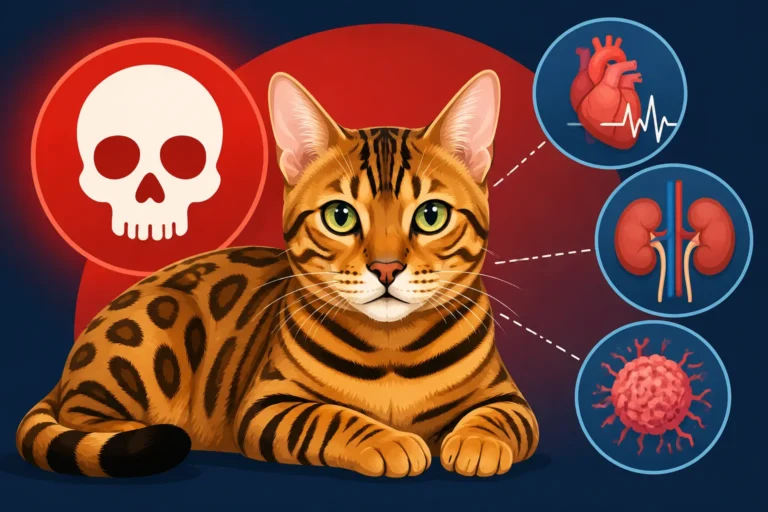
It's absolutely heartbreaking to see your usually vibrant and energetic Bengal cat suddenly lethargic, withdrawn, or just not themselves. When your beloved feline companion starts showing signs of illness, especially a mysterious one that affects their very lifeblood, it can be incredibly frightening. This guide is here to unravel the complex science behind Pyruvate Kinase (PK) Deficiency, a genetic condition that relentlessly attacks a Bengal cat's red blood cells, so you can understand what's happening and how to best support your cherished pet.
Understanding Pyruvate Kinase Deficiency in Bengal Cats
PK Deficiency isn't just a fancy medical term; it's a serious inherited disorder that specifically affects the red blood cells, which are the very vehicles that carry oxygen throughout your cat's body. Imagine these tiny cells as miniature delivery trucks, tirelessly working to bring oxygen to every tissue and organ. When something goes wrong with them, the entire system struggles.
The Critical Function of Red Blood Cells
Think about what makes your Bengal cat so active – their boundless energy for playtime, their impressive jumps, their zoomies around the house. All of this is fueled by oxygen, and red blood cells are the unsung heroes of this process. These microscopic powerhouses are packed with hemoglobin, the protein that binds to oxygen in the lungs and releases it in the tissues. Their journey from the bone marrow, where they're produced, to every corner of your cat's body is typically a long and efficient one, lasting about 70-80 days in cats before they're naturally recycled.
However, when something disrupts their production or integrity, the consequences are profound. If these "delivery trucks" aren't working properly or are destroyed prematurely, the oxygen supply falters, leading to a cascade of problems that affect everything from their muscle function to their mental alertness. Without enough healthy red blood cells, your cat's body essentially starves for oxygen, even if they're breathing normally.
Pyruvate Kinase's Role in Energy Production
Now, for these red blood cells to do their job effectively and survive their journey, they need energy. This energy comes from a process called glycolysis, a metabolic pathway that occurs right inside the red blood cell itself. And at a crucial step in this pathway, there's a vital enzyme called pyruvate kinase (PK).
This enzyme acts like a gatekeeper, allowing glucose (sugar) to be converted into adenosine triphosphate (ATP), which is the cell's main energy currency. Think of ATP as the fuel that keeps the red blood cell's machinery running smoothly, helping it maintain its shape, flexibility, and overall integrity as it squeezes through tiny capillaries. Without enough working PK, that gate is effectively closed, and the red blood cell can't produce the energy it desperately needs. This is the core of what Which Enzyme PK Deficiency Removes From a Bengal Cat reveals.
The Mechanism of Red Blood Cell Destruction
The real tragedy of PK Deficiency lies in how it systematically destroys these vital red blood cells, leading to a debilitating condition known as hemolytic anemia. It's not just a simple lack of red cells; it's an active process of destruction caused by their inherent fragility.
Energy Starvation and Cell Fragility
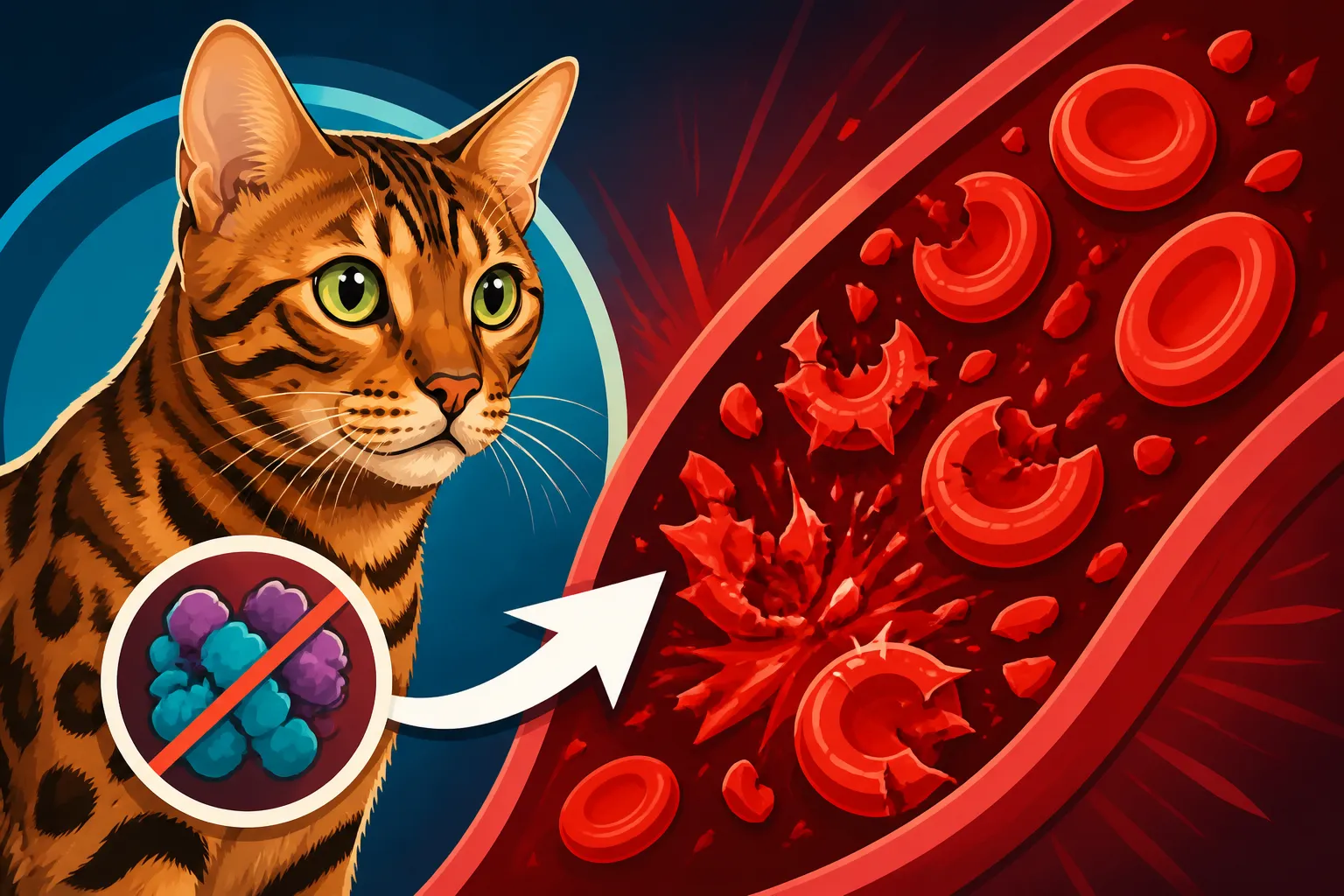
When a red blood cell is deficient in pyruvate kinase, it can't generate enough ATP. Imagine trying to run a marathon without eating anything – you'd quickly run out of steam, right? Similarly, these red blood cells, starved of energy, become incredibly vulnerable. They lose their normal flexibility, becoming stiff and rigid instead of pliable. This makes it difficult for them to navigate the intricate maze of blood vessels, especially the tiny capillaries where they need to deliver oxygen.
This energy deprivation directly impacts the cell membrane, making it unstable and prone to damage. It's like a car with weak tires; it might still move, but it's far more likely to get a flat or break down under pressure. These fragile, malformed cells are then easy targets for the body's own filtering system, mistaking them for old or damaged cells that need to be removed.
The Spleen's Overactive Role and Hemolytic Anemia
The spleen, an organ often overlooked, plays a critical role in filtering the blood, removing old or damaged red blood cells from circulation. It's the body's quality control department. However, in a Bengal cat with PK Deficiency, the spleen becomes overzealous. Because the PK-deficient red blood cells are fragile and abnormally shaped due to their energy starvation, the spleen interprets them as defective. It starts to prematurely "pull" these cells out of circulation, even though they might still be relatively young and capable of carrying oxygen if only they had enough energy.
This premature destruction of red blood cells by the spleen is called extravascular hemolysis. The body tries to compensate by producing more red blood cells in the bone marrow, but the new cells are also PK deficient and suffer the same fate. This creates a vicious cycle that leads to a chronic, regenerative hemolytic anemia, meaning the body is constantly trying to replace cells that are constantly being destroyed. This is What PK Deficiency Does to a Bengal Cat at a fundamental level. You might even notice your cat's gums look incredibly pale, a classic sign that your pet is suffering from Signs a Bengal Cat Is Anemic.
The Impact on Your Bengal and Management
Living with a Bengal cat affected by PK Deficiency can be a roller coaster of emotions, marked by good days and bad. Understanding what to look for and how to manage the condition is key to providing them the best possible quality of life.
Signs and Symptoms in Your Bengal Cat
The signs that your Bengal cat is struggling with PK Deficiency are directly linked to the lack of oxygen-carrying red blood cells. You might notice your once-lively cat becoming unusually quiet, sleeping more, or showing less interest in their favorite toys. This lethargy is a primary symptom, a direct result of their tissues not getting enough oxygen. Their gums, which are usually a healthy pink, might appear pale or even whitish, indicating severe anemia. You may also observe a general weakness or a reluctance to engage in strenuous activity, such as their usual impressive jumps or long play sessions. Sometimes, you might even see yellowing of the skin or eyes (jaundice) if red blood cell destruction is particularly rapid, leading to an overload of bilirubin in the system.
One of the most frustrating aspects for owners is the waxing and waning nature of the disease. Your Bengal might have periods where they seem relatively normal, only to suddenly experience a crisis with severe anemia. These fluctuations can make it incredibly difficult to know when to worry and when your cat is just having an "off" day. This unpredictable course makes consistent monitoring and veterinary care essential. For many pet parents, this can be incredibly stressful, which is why having robust pet insurance like Healthy Paws can provide immense peace of mind, knowing you can afford the best care during these unpredictable periods.
Diagnostic and Supportive Care Strategies
If you suspect PK Deficiency, the first step is always a visit to your veterinarian. They will likely start with a complete blood count (CBC) to check for anemia and evaluate the red blood cells. While these initial blood tests can indicate anemia, a definitive diagnosis for PK Deficiency requires a specific DNA test. This test is non-invasive, usually involving a simple cheek swab, and can confirm the presence of the genetic mutation. How a Vet Confirms PK Deficiency in a Bengal Cat often starts with these initial observations and blood work, but the DNA test is the gold standard.
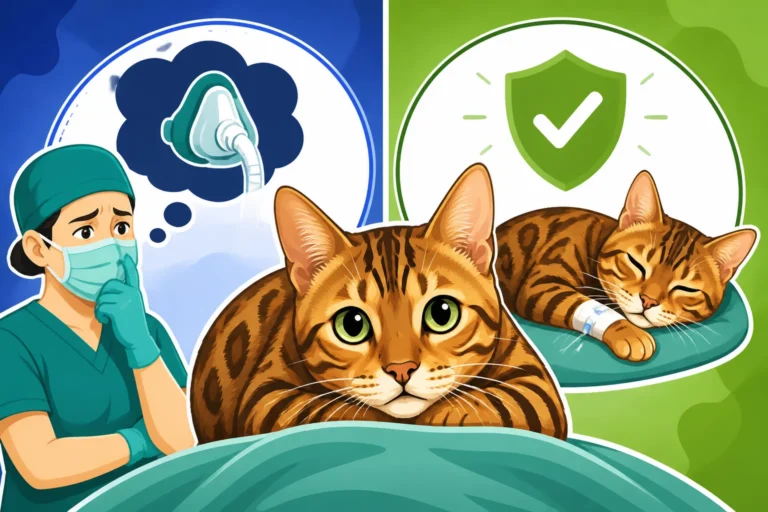
Unfortunately, there is no cure for PK Deficiency, but supportive treatments can significantly improve your cat's quality of life. During an anemic crisis, your cat might need a blood transfusion to temporarily boost their red blood cell count, helping their body get the oxygen it needs. In some cases, if the spleen is overly aggressive in destroying red blood cells, a splenectomy (surgical removal of the spleen) might be considered. This can reduce the rate of red blood cell destruction, but it's a major surgery and carries its own risks. However, Whether a Spleen Removal Helps a Bengal Cat is a complex decision that needs careful discussion with your veterinary specialist.
Managing the condition also involves keeping your cat in a low-stress environment, as stress can exacerbate health issues. Your vet might also recommend specific dietary changes to support their overall health and potentially alleviate some symptoms, though diet alone cannot stop the red cell destruction. Regular veterinary check-ups are crucial to monitor their condition and adjust treatments as needed. The financial burden of managing a chronic condition like PK Deficiency can be substantial, and pet insurance, such as Healthy Paws, can be a lifesaver, covering a significant portion of diagnostic tests, emergency treatments, and ongoing care.
| Feature | Normal Red Blood Cells | PK-Deficient Red Blood Cells |
|---|---|---|
| Pyruvate Kinase | Abundant and fully functional | Deficient or non-functional |
| Energy Production | Efficient ATP generation | Severely impaired ATP generation |
| Flexibility/Shape | Flexible, biconcave disc shape, resilient | Rigid, fragile, prone to abnormal shapes |
| Lifespan | ~70-80 days | Significantly shortened, prematurely destroyed |
| Oxygen Transport | Highly efficient | Compromised due to destruction |
| Spleen Interaction | Filtered when old or damaged | Prematurely removed as "defective" |
| Anemia Risk | Low | High (chronic hemolytic anemia) |
Preventing PK Deficiency in Future Generations
The good news is that PK Deficiency is a preventable genetic condition. Responsible breeding practices are the cornerstone of eradicating this disease from the Bengal cat population. As a concerned owner, understanding these practices is vital, even if you’re not a breeder yourself, as it impacts the health of kittens available.
Genetic Testing for Breeders and Owners
The single most powerful tool in preventing PK Deficiency is genetic testing. A simple DNA test, usually performed with a cheek swab collected by a vet or breeder, can determine a Bengal cat's PK Deficiency status. There are three possible results:
- N/N (Clear): The cat does not carry the gene mutation and cannot develop PK Deficiency or pass it on.
- N/K (Carrier): The cat carries one copy of the gene mutation. They will not develop the disease themselves, but they can pass the gene to their offspring.
- K/K (Affected): The cat has two copies of the gene mutation, meaning they are affected by PK Deficiency and will develop the disease. They will pass a copy of the gene to all of their offspring.
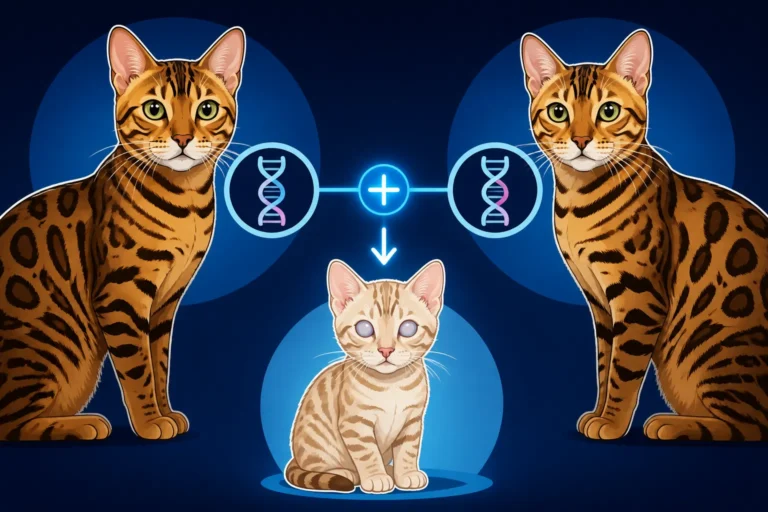
A responsible Bengal cat breeder will always test their breeding stock for PK Deficiency. The goal is to avoid breeding two carrier cats (N/K x N/K), as this pairing has a 25% chance of producing affected (K/K) kittens, a 50% chance of producing carrier (N/K) kittens, and a 25% chance of producing clear (N/N) kittens. By testing, breeders can make informed decisions, ensuring that at least one parent in a mating pair is always N/N (clear), thereby guaranteeing that no affected kittens are born. This is why it's so important to ask Whether a Bengal Cat Kitten Comes PK Tested when you're looking for a new family member.
The Ethical Imperative for Responsible Breeding
The health and well-being of the Bengal cat breed depend heavily on the ethical choices made by breeders. By consistently testing for PK Deficiency and carefully selecting breeding pairs, breeders can actively work towards reducing and eventually eliminating the prevalence of this debilitating disease. It's not just about producing beautiful kittens; it's about ensuring they have the best possible chance at a long, healthy life. This commitment to genetic health is a hallmark of a reputable breeder.
As a potential pet owner, you have a crucial role to play too. Don't be afraid to ask your breeder for documentation of their cats' PK Deficiency test results. This transparency is a sign of a responsible and ethical operation. By supporting breeders who prioritize genetic health testing, you're not only increasing the chances of getting a healthy kitten but also contributing to the overall health and integrity of the Bengal cat breed for generations to come. This commitment helps ensure that conditions like What PK Deficiency Does to a Bengal Cat become rarer. Remember, understanding How Many Bengal Cats Carry PK Deficiency underscores the need for widespread testing. Ultimately, responsible pet ownership begins with informed choices, and understanding these genetic conditions is a vital part of that journey, ensuring your Bengal cat can live The Twelve to Sixteen Years a Bengal Cat Gets.
Disclaimer
This article is for general informational purposes only and does not constitute professional advice. Laws, prices and regulations vary by location and change over time. Consult a qualified professional for guidance on your specific situation.