Signs a Bengal Cat Is Anemic
It’s incredibly disheartening when your usually vibrant, energetic Bengal cat starts to slow down, becoming more withdrawn or just generally "off." As a Bengal owner, you know these cats are living, breathing bundles of wild energy, so any noticeable shift in their boundless enthusiasm can send a shiver of concern down your spine. Anemia, a serious condition where a cat lacks enough healthy red blood cells to carry adequate oxygen to its tissues, can manifest subtly at first, making it difficult to pinpoint. This guide will help you understand the crucial signs to watch for, so you can recognize when your beloved Bengal might be silently struggling with anemia and get them the prompt veterinary care they need.
Understanding Anemia in Bengal Cats: More Than Just Being Tired
When we talk about anemia, it's easy to just think of it as "low iron," but it's a bit more complex than that, especially in a breed like the Bengal cat. It's not a disease in itself, but rather a symptom of an underlying health issue that needs to be identified and addressed. For a Bengal, who thrives on high activity and robust health, anemia can quickly lead to a dramatic decline in their quality of life if left unchecked.
What Anemia Truly Means for Your Feline Friend
At its heart, anemia signifies a problem with your cat's red blood cells. These microscopic powerhouses, packed with hemoglobin, are responsible for transporting oxygen from the lungs to every single tissue and organ in the body. They also carry carbon dioxide back to the lungs to be exhaled. When your Bengal is anemic, it means there aren't enough of these vital cells, or the cells themselves aren't functioning correctly. This leads to a systemic oxygen deficiency, and you can imagine the cascade of problems that might cause, from their muscles feeling weak to their heart working overtime to compensate. It's like trying to run a marathon on a half-empty tank – eventually, everything starts to sputter.
Imagine your Bengal, known for its sleek, muscular physique and incredible athleticism, suddenly struggling to make even a small jump onto the counter. This isn't just a sign of old age or a lazy day; it could be a dire indicator that their body isn't getting the fuel it needs. Every cell, from the tips of their expressive ears to the pads of their paws, relies on a steady supply of oxygen. Without it, your Bengal's body literally starts to suffocate at a cellular level, making even the simplest actions feel monumental.
Why Bengal Cats Can Be Prone to Specific Types of Anemia
While any cat can develop anemia from various causes like trauma, parasites, or poor nutrition, Bengal cats have a predisposition to certain genetic conditions that can specifically lead to it. One significant concern in the breed is Pyruvate Kinase Deficiency in a Bengal Cat. This inherited disorder affects an enzyme crucial for the survival of red blood cells. Without sufficient pyruvate kinase, these cells become fragile and break down prematurely, leading to a chronic, often severe, form of anemia.
It’s truly a heartbreaking situation when a young, seemingly healthy Bengal starts to show signs of this condition. As a caring owner, understanding What PK Deficiency Does to a Bengal Cat is vital. The breakdown of red blood cells, a process called hemolysis, can cause intermittent bouts of lethargy and weakness, as your cat's body struggles to keep up with the demand for oxygen. Beyond genetic predispositions, other causes of anemia in Bengal cats can include chronic kidney disease, which impairs the production of a hormone vital for red blood cell formation, or severe parasitic infestations, especially fleas, which can literally suck the blood right out of a smaller or younger cat. This is why regular vet check-ups and preventative care are so important.
The Physical Telltale Signs of Anemia in Your Bengal
When your Bengal isn't feeling well, their body often gives away subtle clues long before they might appear overtly sick. Being familiar with what a healthy Bengal looks and feels like can empower you to spot these changes early. It’s not about being a vet yourself, but about being an observant and proactive cat parent.
Checking Gums and Mucous Membranes for Color Changes
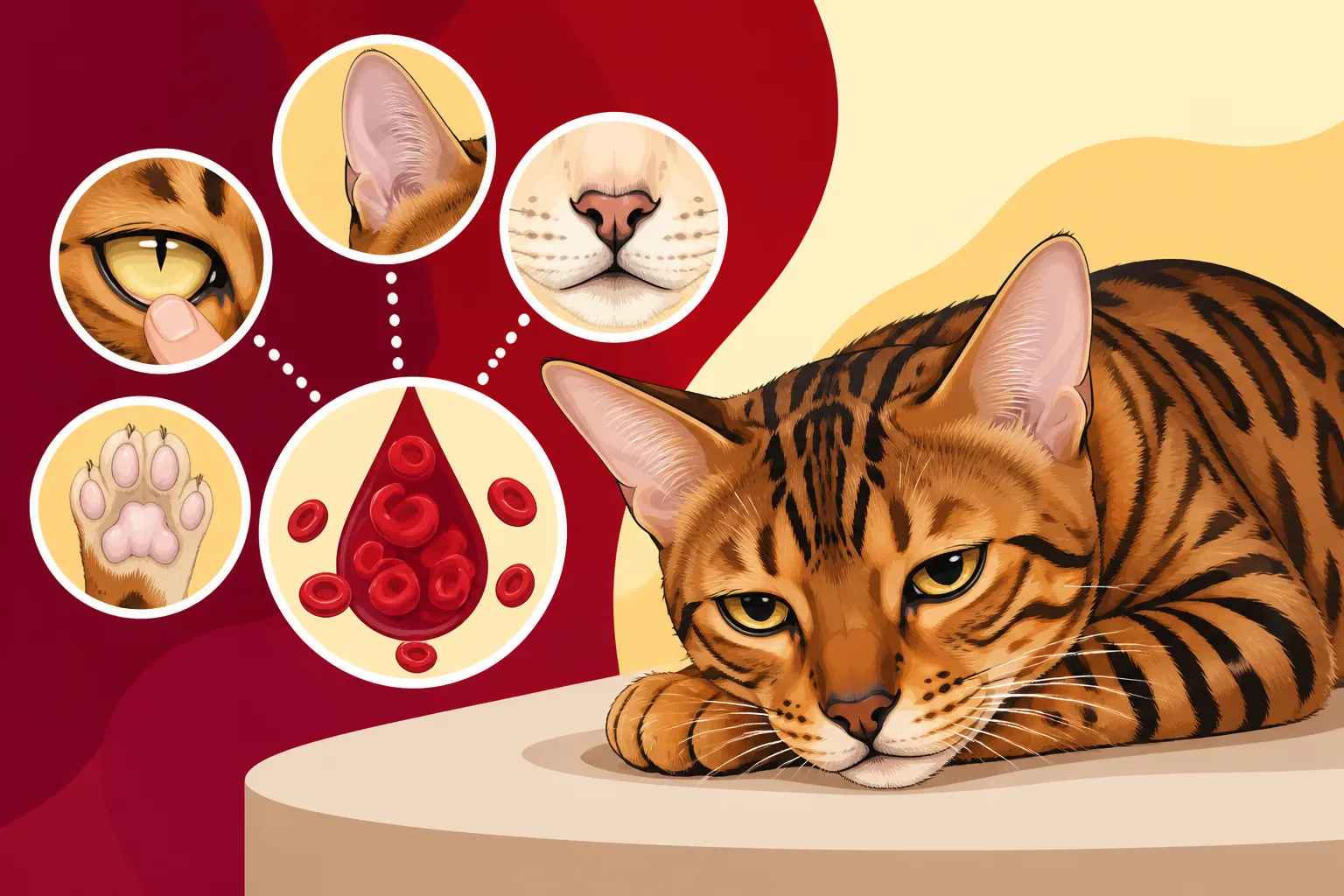
One of the most immediate and reliable indicators of anemia is the color of your Bengal’s gums and other mucous membranes. In a healthy Bengal, the gums should be a vibrant, salmon-pink color. They should also feel slightly moist to the touch. If your cat is anemic, these tissues will appear significantly paler, ranging from a very light pink to almost white in severe cases. This paleness is a direct result of the reduced number of red blood cells circulating under the surface.
To check this effectively, gently lift your Bengal's upper lip to expose their gums. Don't be afraid to get in there; they might not love it, but it's a quick and non-invasive check. You should also check the inside of their eyelids. Gently pull down their lower eyelid to expose the conjunctiva, which should also be a healthy pink. If these areas are pale, it's a huge red flag. Another quick test is the capillary refill time (CRT). Press your finger gently but firmly against the gum for a few seconds until the spot blanches white, then release. In a healthy cat, the color should return almost instantly, within 1-2 seconds. If it takes longer, or if the initial color is already very pale, it suggests poor circulation or a lack of red blood cells, both indicative of anemia.
Changes in Coat and Skin Health
While not as direct a sign as gum color, a Bengal cat's coat and skin can also reflect their overall health, including anemia. Your Bengal's coat should be naturally sleek, shiny, and feel incredibly soft – like a luxurious pelt, not just typical fur. This famous "glitter" and fine texture are hallmarks of the breed. When a Bengal is anemic, their body diverts resources away from non-essential functions, and maintaining a lustrous coat often falls by the wayside. You might notice their coat appears dull, dry, and perhaps even a bit sparse in places.
Their skin might also lose some of its elasticity. If you gently pinch a small fold of skin on their neck or shoulder and release it, it should snap back into place almost immediately. If it's slow to return, or "tents" for a moment, it could indicate dehydration, which can sometimes accompany anemia or worsen its effects. These aren't definitive signs on their own but, combined with other symptoms, they paint a clearer picture of an underlying issue. Keeping an eye on these subtle changes means you’re picking up on signals that your cat's body isn't allocating nutrients effectively to maintain its usual pristine condition.
Breathing and Heart Rate Indicators
Anemia significantly impacts the cardiovascular and respiratory systems because the heart and lungs have to work much harder to compensate for the lack of oxygen-carrying red blood cells. You might notice subtle changes in your Bengal's breathing patterns. A healthy cat typically has a resting respiratory rate of 20-30 breaths per minute. If your anemic Bengal is struggling to get enough oxygen, you might observe that they are breathing faster or with more effort, even when at rest or asleep. This isn't always obvious, as cats can be adept at hiding discomfort, but if you notice their flanks moving rapidly or their abdomen visibly heaving, it’s a cause for concern.
Similarly, their heart rate might increase as their heart tries to pump more blood, faster, to deliver what little oxygen is available throughout the body. While checking a cat's heart rate at home can be tricky without practice, you might feel a more pronounced, rapid beat if you place your hand gently over their chest. A faster heart rate, also known as tachycardia, is the body's compensatory mechanism for oxygen deprivation. If you're noticing these changes, especially after even minimal exertion, it points strongly toward a need for immediate veterinary assessment. These are classic Signs a Bengal Cat Has Heart Disease, but also very relevant to anemia.
Other Visual Cues: Weight Loss and Jaundice
In more chronic or severe cases of anemia, other visual signs can emerge that are harder to miss. Unexplained weight loss is often a concurrent symptom. If your Bengal isn't getting enough oxygen or nutrients, their body struggles to maintain muscle mass and overall condition. You might notice their prominent muscles appear to waste away, making them look gaunt or less filled out than usual, despite their appetite potentially remaining the same. This can be especially concerning in a breed known for its athletic build.
Additionally, some types of anemia, particularly hemolytic anemia where red blood cells are destroyed, can lead to jaundice. This is a yellowing of the skin, gums, and whites of the eyes (sclera) due to a buildup of bilirubin, a byproduct of red blood cell breakdown. If you notice a yellowish tinge, especially on their gums or the inside of their ears, it's a serious sign that requires immediate veterinary attention. This symptom is a direct indicator that red blood cells are being destroyed at an abnormally high rate, as is the case in conditions like PK Deficiency. Observing these Signs a Bengal Cat Has Hemolytic Anemia is critical for timely intervention.
Here's a quick comparison of healthy vs. anemic signs:
| Characteristic | Healthy Bengal Cat | Anemic Bengal Cat |
|---|---|---|
| Gum Color | Vibrant, salmon pink | Pale pink to white |
| Capillary Refill Time | ~1-2 seconds | >2 seconds, or no blanching due to severe paleness |
| Coat Appearance | Sleek, shiny, soft "pelt" | Dull, dry, possibly sparse |
| Skin Elasticity | Snaps back immediately when pinched | Slow to return to normal, "tents" |
| Breathing Rate | 20-30 breaths per minute at rest, calm | Faster, more labored breathing, even at rest |
| Activity Level | Energetic, playful, agile | Lethargic, reluctant to move, sleeps excessively |
| Appetite | Robust, consistent | Reduced or inconsistent, pickier |
| Overall Demeanor | Alert, curious, engaged | Withdrawn, less interactive, weak |
Behavioral Shifts: Your Bengal's Silent Cry for Help
Bengal cats are renowned for their outgoing personalities and relentless energy. They are not typically couch potatoes. So, when their behavior starts to shift, it's often the loudest alarm bell they can ring, even if it seems subtle to the untrained eye. These changes are their way of telling you something is profoundly wrong.
Lethargy and Reduced Activity Levels
Perhaps the most common and noticeable behavioral change in an anemic Bengal is a significant drop in their usual activity levels. Your Bengal, who normally greets you at the door with excited chirps and demands for play, might start staying in bed longer, showing less interest in their favorite toys, or even ignoring their cat wheel. Imagine your cat, usually a whirlwind of activity, chasing laser pointers and scaling cat trees, now preferring to nap in a quiet corner all day. This isn't just a mood swing; it's a symptom.
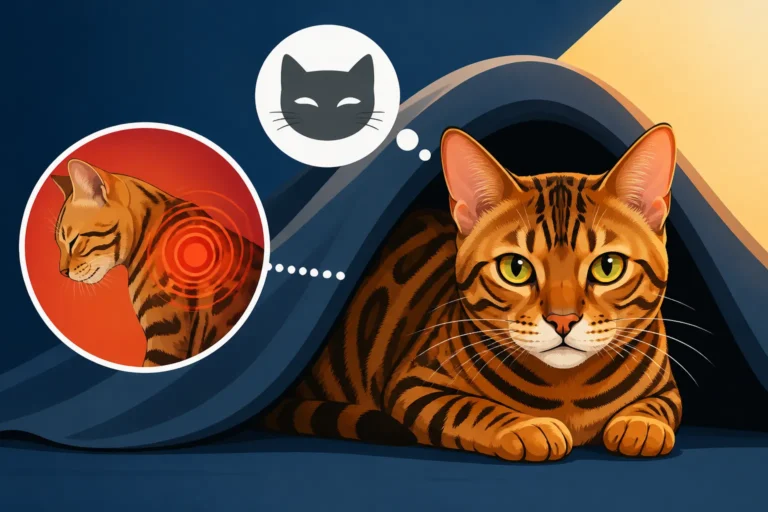
This lethargy isn't just about being tired; it's a profound lack of energy that stems from their body not getting enough oxygen. Even short bursts of play might leave them panting and needing to rest. They might become more clumsy or hesitant to jump onto furniture they previously scaled with ease. This reduced stamina can be one of the earliest behavioral clues, indicating that their muscles aren't receiving the oxygenated blood they need to perform their usual feats of agility. If you notice your Bengal opting out of their usual shenanigans more often than not, it's time to pay closer attention to their physical well-being. This is where you might also see How a Bengal Cat Hides Pain, as they instinctively try to mask their weakness.
Appetite Changes and Generalized Weakness
Anemia can profoundly affect a cat's appetite and overall strength. A Bengal that usually devours their meals with gusto might suddenly become finicky, pick at their food, or refuse to eat entirely. This loss of appetite can be due to a general feeling of malaise, nausea, or simply a lack of energy to engage in eating. When a cat doesn't eat, it exacerbates weakness and can further complicate any underlying health issues, creating a vicious cycle.
Beyond just a reduced appetite, you might observe a general weakness or even wobbliness in their gait. An anemic cat's muscles don't receive enough oxygen, leading to muscle fatigue and even atrophy. They might struggle to hold themselves up, appear unsteady on their feet, or have difficulty maintaining balance. Simple actions like getting into the litter box or grooming themselves might become arduous tasks. If your Bengal, typically a picture of feline grace, seems suddenly frail or wobbly, it's a serious sign that their body is struggling to function properly. This generalized weakness ties directly into How PK Deficiency Destroys a Bengal Cat's Red Cells, where the body is literally losing its ability to transport essential oxygen.
Changes in Litter Box Habits
While not a direct sign of anemia itself, changes in litter box habits can sometimes be an indirect indicator or a related symptom of an underlying condition causing anemia. For instance, if internal bleeding is the cause of anemia (perhaps from a severe injury or an internal ulcer), you might notice dark, tarry stools, known as melena. This is digested blood and looks distinctly different from normal fecal matter. Any blood in the stool, whether dark or bright red, warrants immediate veterinary investigation.
Conversely, a severely anemic and weak cat might become too lethargic to even make it to the litter box consistently, leading to accidents outside the box. Or, if they are severely dehydrated due to illness accompanying the anemia, you might notice less frequent urination. While these signs aren't exclusive to anemia, they are certainly cause for concern and point to a cat that is not feeling well and potentially in critical need of medical attention. Don't dismiss these changes as simple behavioral issues; they could be crucial clues to a much larger health problem.
Taking Action: When to Call the Vet and What to Expect
Spotting these signs in your Bengal is only the first step. The crucial next step is to act swiftly and get professional veterinary help. Time is often of the essence when dealing with anemia, as it can worsen rapidly and lead to life-threatening complications.
The Importance of Early Veterinary Intervention
It can be tempting to wait and see if your cat "snaps out of it," especially with a breed known for its resilience and sometimes quirky behaviors. However, with symptoms pointing towards anemia, waiting is a dangerous gamble. Anemia can quickly progress, leading to organ damage and a greatly diminished quality of life. The sooner a diagnosis is made, the better the prognosis for recovery, as the underlying cause can be identified and treated. This is particularly true for conditions like Pyruvate Kinase Deficiency, where early management can help stabilize your Bengal.
A delay could mean the difference between a treatable condition and a severe crisis. Remember, Bengal cats are instinctively adept at hiding illness and pain, a trait inherited from their wild ancestors. By the time they show obvious symptoms, they might have been struggling for a while. Therefore, if you notice any combination of the signs discussed – pale gums, lethargy, reduced appetite, or changes in breathing – it’s paramount to contact your veterinarian immediately. It’s always better to be safe than sorry, and a vet visit for peace of mind is always worth it. Regular check-ups are also key; remember How Often a Bengal Cat Needs a Wellness Exam to catch issues before they become emergencies.
Diagnostic Steps and Treatment Options
When you bring your Bengal to the vet suspected of having anemia, the first step will likely be a thorough physical examination, similar to your regular What a Bengal Cat's Yearly Bloodwork Should Cover exam, but with a specific focus on anemia indicators. This will undoubtedly include checking their gum color, capillary refill time, heart rate, and lung sounds. The definitive diagnosis of anemia, however, comes from blood tests. A complete blood count (CBC) will measure the number of red blood cells, hemoglobin levels, and packed cell volume (PCV) – all crucial indicators of anemia. Your vet will also look at the size and shape of the red blood cells to determine the type of anemia, which can help pinpoint the cause.
Further diagnostics might include a blood smear analysis, fecal tests to check for internal parasites, and potentially imaging like X-rays or ultrasound to look for internal bleeding, tumors, or chronic organ disease. For Bengals, specifically, your vet may recommend a genetic test for Pyruvate Kinase Deficiency to confirm How a Vet Confirms PK Deficiency in a Bengal Cat. Treatment will always target the underlying cause. This could range from deworming for parasites, medication for kidney disease, surgery for internal bleeding, or specific supportive care for genetic conditions like PK Deficiency. In severe cases, a blood transfusion might be necessary to stabilize your cat while the primary issue is addressed. This is where having pet insurance like Healthy Paws can truly alleviate the financial stress of unexpected diagnostics and treatments.
Supporting Your Anemic Bengal at Home
While veterinary treatment is absolutely essential, there are things you can do at home to support your Bengal during their recovery, always under the guidance of your vet. Providing a quiet, comfortable, and warm environment is paramount. An anemic cat will tire easily, so minimize stressors and give them plenty of soft bedding in their favorite resting spots. Ensure fresh water is always available, and consider offering small, frequent meals of highly palatable, nutritious food to encourage eating, especially if their appetite is low. Your vet might recommend a specific diet or supplements.
Strictly follow all medication instructions given by your vet, and monitor your Bengal closely for any changes, positive or negative. Keep track of their energy levels, appetite, litter box habits, and gum color. This information will be invaluable for your vet during follow-up appointments. This can be a challenging time, and having a reliable pet insurance plan from providers like Healthy Paws can help manage the costs associated with ongoing care, specialized diets, and regular vet visits needed to monitor their progress. Understanding How Long a PK Deficient Bengal Cat Lives can also help you prepare for long-term supportive care.
Disclaimer
The information provided in this guide is for general educational purposes only and should not be considered a substitute for professional veterinary advice. Always consult with a qualified veterinarian for any health concerns or before making any decisions related to your Bengal cat's health and treatment.