The Age HCM Appears in a Bengal Cat
It's a heartbreaking reality that many Bengal cat owners face: the worry of their energetic, charismatic companion developing heart disease. Specifically, hypertrophic cardiomyopathy (HCM) casts a long shadow over the breed, often striking without obvious warning. This guide aims to shed light on when HCM typically appears in Bengal cats, what factors influence its onset, and most importantly, how we can proactively manage this serious condition to give our beloved Bengals the longest, happiest lives possible.
Understanding Hypertrophic Cardiomyopathy in Bengal Cats
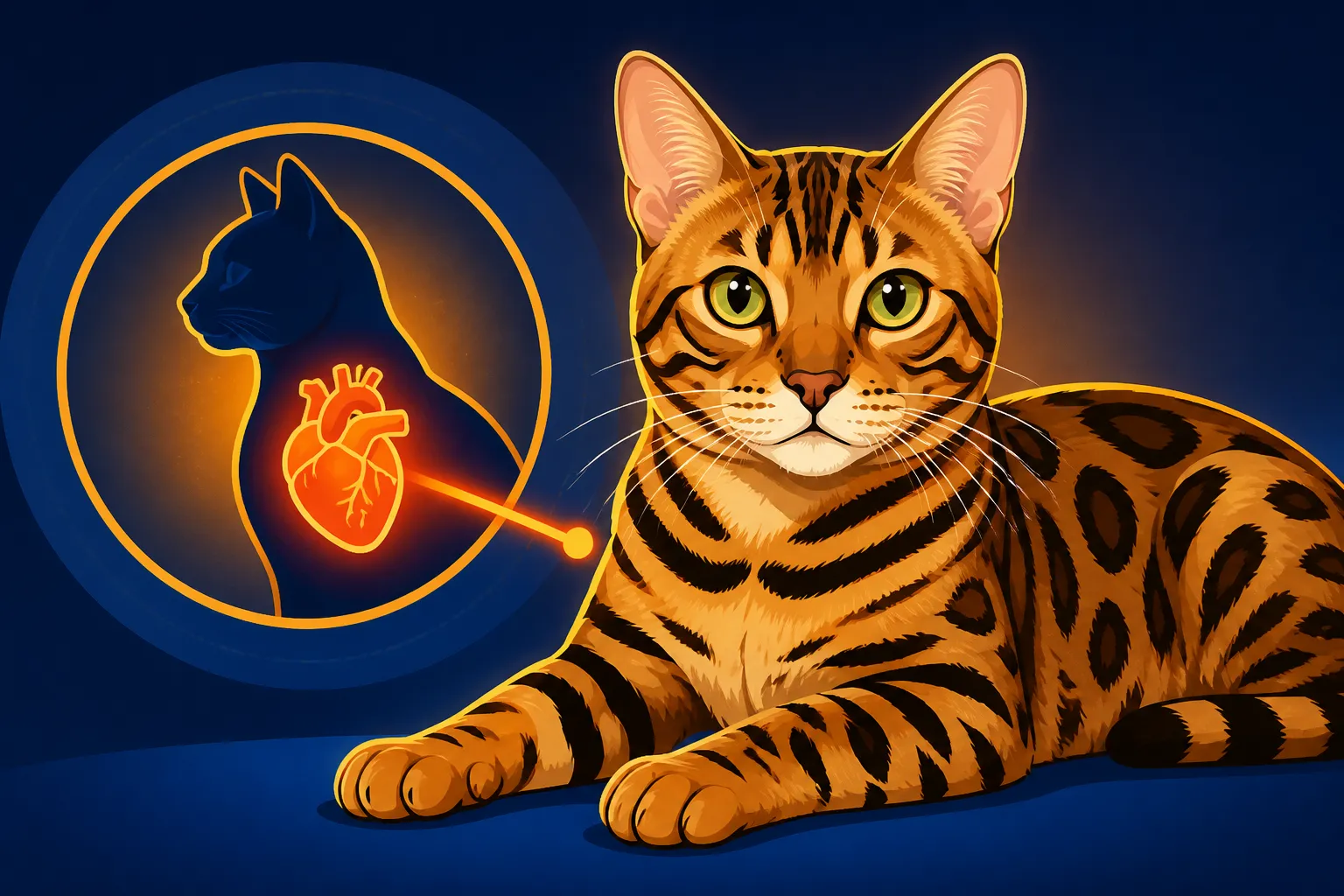
Hypertrophic cardiomyopathy, or HCM, is a disease that affects the heart muscle, causing it to thicken. Imagine your cat's heart as a finely tuned pump; when the walls, particularly the left ventricle, become abnormally thick, the heart struggles to relax and fill with blood effectively between beats. This reduced pumping efficiency can lead to a cascade of problems, ultimately impacting the entire body.
What Exactly is HCM and Why It Matters
In essence, What HCM Does to a Bengal Cat's Heart is make it work harder and less efficiently. The thickened muscle walls reduce the chamber's volume, meaning less blood can be pumped out with each beat. Over time, this can lead to fluid buildup in the lungs (congestive heart failure) or even blood clots forming in the heart, which can then travel and block blood flow to the limbs. For Bengal cats, this condition is particularly significant because it's considered a prevalent genetic predisposition within the breed. It's not just a concern for older cats; it can affect Bengals at any stage of life, though certain ages are more common for diagnosis.
The Silent Threat: How HCM Progresses
One of the most insidious aspects of HCM is its silent nature. Cats are masters at hiding illness, and a Bengal cat with HCM can appear perfectly healthy and full of boundless energy even as their heart muscle is thickening. This makes routine screening incredibly important. The progression isn't always linear; some cats may have a mild form that progresses slowly over many years, while others can develop severe, rapidly progressing disease. This unpredictability is precisely why every Bengal owner needs to be vigilant. It's often discovered incidentally during a routine vet visit or, tragically, only after a severe event like sudden collapse or the onset of congestive heart failure. This quiet progression is what makes HCM Is What Kills Bengal Cats Early so often, catching owners off guard.
The Typical Onset of HCM in Bengal Cats
The question of "when" HCM appears is complex, as it’s not a one-size-fits-all answer. While it can technically manifest at any age, there are certainly patterns that veterinarians and cardiologists observe in Bengal cats.
When Symptoms Often First Appear
Generally, HCM in Bengal cats is most commonly diagnosed in middle-aged cats, typically between 1 to 7 years old. However, it's crucial to understand that "diagnosis" doesn't necessarily mean "onset." The disease process often begins much earlier, silently progressing before it causes noticeable symptoms or is detected during a screening. Some Bengals might show signs as early as 6 months to a year, while others may not develop noticeable issues until they are seniors, well past ten years of age.
For example, I remember a client, Sarah, who had a beautiful two-year-old Bengal named Raja. Raja was the picture of health, zooming around the house and playing endlessly. During a routine wellness exam, the vet heard a subtle heart murmur. Sarah was devastated when the subsequent echocardiogram revealed early-stage HCM. Raja had shown no outward signs, proving how sneaky this condition can be. Conversely, another client's 9-year-old Bengal, Luna, had yearly echoes that were always clear until a sudden onset of labored breathing led to an HCM diagnosis. This highlights the wide range of presentation.
Why Some Bengals Show Signs Earlier or Later
Several factors contribute to the varied age of HCM onset in Bengal cats:
- Genetic Predisposition: While Why There Is No Bengal Cat HCM Gene Test available for Bengals like there is for some other breeds (such as Maine Coons), genetics play a significant role. Specific bloodlines may carry a higher risk, and kittens inheriting certain genetic markers might develop the condition earlier or more aggressively. If a Bengal's parents or grandparents were diagnosed with HCM, especially at a young age, that individual kitten might be at a higher risk of early onset.
- Severity of the Disease: The rate at which the heart muscle thickens can vary. In some Bengals, the thickening might be slow and gradual, allowing the heart to compensate for years before symptoms become apparent. In others, it can be rapid and severe, leading to clinical signs much earlier in life.
- Environmental Factors: While genetics are primary, factors like diet, stress, and overall health could potentially influence the progression, although their exact impact on the age of onset is less understood compared to genetics. A cat living a low-stress, well-nourished life might manage the condition for longer without symptoms, but this is not a guarantee.
- Owner Observation: Sometimes, earlier detection comes down to a highly observant owner who notices subtle changes that a less attentive person might miss. A slight decrease in playfulness, a new reluctance to jump, or very faint breathing changes can be early indicators.
The Role of Genetics and Environment in Onset
As mentioned, genetics are king when it comes to HCM in Bengal cats. Reputable breeders are keenly aware of this and strive to select breeding pairs with no history of HCM in their lineage, and they conduct regular echocardiograms on their breeding cats. However, because there isn't a specific gene test for Bengals, and because the disease can manifest later in life, it's a constant battle. A breeding cat could test clear for years and then suddenly develop HCM at an older age, having already passed on the predisposition to its offspring. This is why a thorough pedigree check and transparent communication from a breeder about their cats' health histories are so vital. Whether HCM Runs in Particular Bengal Cat Lines is a very real concern for responsible breeders.
Environmental factors are often considered secondary, but they shouldn't be entirely dismissed. Maintaining a healthy weight, providing a low-stress environment, and ensuring a high-quality diet are generally beneficial for heart health in all cats. However, these measures are more likely to support a cat living with HCM rather than preventing its onset or significantly altering its age of appearance, which is primarily genetically driven.
Early Detection and the Importance of Regular Screening
Given the silent nature and varied onset of HCM, regular, proactive screening is the single most important tool we have to detect the condition early in Bengal cats. Early detection doesn't cure HCM, but it allows for timely intervention, potentially slowing progression and improving quality of life.
The Essential First Echo and Subsequent Scans
The gold standard for diagnosing HCM is an echocardiogram (echo), which is an ultrasound of the heart. This non-invasive procedure allows a veterinary cardiologist to visualize the heart's structure, measure the thickness of its walls, assess blood flow, and identify any abnormalities.
For Bengal cats, the recommendation for a first echo is typically around 1 year of age. This allows time for the kitten's heart to mature but is still early enough to catch juvenile-onset HCM. After the initial clear scan, How Often a Bengal Cat Needs an Echo depends on a few factors:
- Breeding Cats: These cats should be scanned annually or biennially (every 1-2 years) by a board-certified veterinary cardiologist, ideally until they are retired from breeding. This helps ensure they aren't passing on genetic predispositions. When a Bengal Cat Should Have Its First Echo and subsequent scans are crucial for responsible breeding programs.
- Pet Bengals with No Known History: For pet Bengals from lines with no known HCM, annual or biennial scans are often recommended. If finances are a concern, even an echo every 2-3 years after the initial clear scan is better than none at all.
- Pet Bengals with a Family History of HCM: If your Bengal comes from a line where HCM is present, even if their direct parents are clear, more frequent screening (e.g., annually) might be advised by your cardiologist.
It's paramount that these echoes are performed by a board-certified veterinary cardiologist. Why a Cardiologist Should Scan a Bengal Cat is because they have specialized training and equipment to accurately interpret the intricate structures of the heart, making precise measurements and identifying subtle changes that a general practitioner might miss.
What an Echocardiogram Reveals
An echocardiogram provides a wealth of information about your Bengal's heart. The cardiologist will look for:
- Ventricular wall thickness: This is the primary indicator of HCM. Measurements are taken of the left ventricle's walls.
- Left atrial size: An enlarged left atrium can indicate that the heart is working harder to pump blood, a common consequence of HCM.
- Blood flow velocity: Doppler ultrasound helps assess how blood is moving through the heart valves and chambers.
- Valve function: To ensure the valves are opening and closing properly.
- Presence of blood clots: Although less common in early stages, clots can be detected.
A clear echo means that, at the time of the scan, there is no evidence of HCM. However, it's important to remember that a clear echo is only a snapshot in time. How Long a Clear Bengal Cat Echo Is Good For varies, but it doesn't mean the cat can never develop HCM later. This is why ongoing screening is so vital throughout their lives.
Here's a general guide for Bengal cat echo screening:
| Age of Bengal Cat | Recommendation | Rationale |
|---|---|---|
| 1 Year Old | First baseline echocardiogram by a cardiologist | To establish initial heart health and detect early-onset HCM. |
| 1-7 Years Old | Annual or biennial (every 1-2 years) echocardiogram | Critical period for HCM manifestation. More frequent for breeding cats/high-risk. |
| 7+ Years Old | Biennial (every 2 years) or as advised by cardiologist | Continued monitoring, as HCM can still develop or progress in older cats. |
| Any Age (with murmur/symptoms) | Immediate echocardiogram by a cardiologist | To investigate any potential signs of heart disease promptly. |
Screening Protocols for Breeders and Pet Owners
Responsible Bengal cat breeders adhere to strict screening protocols. They typically scan their breeding cats annually or biennially and will not breed cats diagnosed with HCM. They should also be transparent about the echo results of their breeding animals, providing documentation from a board-certified cardiologist. If you are looking to purchase a Bengal kitten, always ask to see the echo certificates of both parents. Whether a Bengal Cat Breeder Shows Echo Results is a key question to ask.
For pet owners, while annual echoes might seem like a lot, consider it an essential part of responsible Bengal ownership. The breed's lively nature means they often mask discomfort, making early diagnosis through screening invaluable. If a heart murmur is detected during a routine veterinary examination, it's imperative to follow up with a cardiologist for an echo, as a murmur can be the first audible sign of HCM, even if the cat seems otherwise well. What a Bengal Cat's Murmur Means is that an immediate follow-up is necessary.
Recognizing Subtle Signs of Developing HCM
Because Bengal cats are so adept at hiding illness, it’s often up to their keen-eyed human companions to spot the first, most subtle indicators that something might be amiss. These signs are rarely dramatic and can often be mistaken for normal aging or minor behavioral quirks.
Observing Behavioral Changes
Your Bengal's usual zest for life is a hallmark of the breed. Any deviation from this high-energy norm could be a very subtle sign of developing heart disease. Don't dismiss these changes as "just getting older" too quickly:
- Decreased Activity Levels: Has your Bengal, who once chased toys for hours, started preferring naps? Are they less enthusiastic about their cat wheel or How Many Hours a Day a Bengal Cat Plays? A subtle but consistent drop in energy or playfulness can be an early red flag. They might still play, but for shorter bursts or with less intensity.
- Increased Hiding or Solitude: While some cats are naturally more independent, a sudden increase in hiding, especially in a normally social Bengal, can indicate discomfort. They might retreat to quiet, out-of-the-way spots more often.
- Changes in Appetite: While a significant loss of appetite is a more advanced sign, even a slight decrease in enthusiasm for food or treats can be an early indicator that something isn't right.
- Reluctance to Jump or Climb: HCM can eventually lead to exercise intolerance. If your Bengal hesitates before jumping onto their favorite cat tree or no longer scales the cabinets with ease, it could be a sign of reduced stamina or even muscle weakness related to poor circulation.
- Restlessness or Discomfort: Some cats with early HCM might seem restless, constantly shifting positions, or struggling to find a comfortable spot to rest. This might be linked to subtle breathing discomfort or general unease.
Remember, Why a Bengal Cat Hides Heart Failure is a survival instinct. In the wild, showing weakness makes them vulnerable. Our domesticated Bengals retain this instinct, which means by the time symptoms are obvious, the disease is often quite advanced.
Physical Indicators to Watch For
Beyond behavior, there are a few physical cues that, while still subtle, warrant immediate veterinary attention:
- Slightly Labored Breathing: This is perhaps one of the most critical early signs. It's not usually panting, which is rare in cats unless they're extremely stressed or overheated. Instead, look for a subtle increase in respiratory rate (breaths per minute) while resting or sleeping, or a slight abdominal effort with each breath. Normal resting respiratory rate for a cat is usually between 15-30 breaths per minute. Count your cat's breaths while they're sleeping peacefully. If it's consistently higher, or if you see their belly heaving with each breath, it’s time to call the vet. This is often one of the first Signs a Bengal Cat Has Heart Disease that owners might notice.
- Open-Mouth Breathing or Panting: This is a serious emergency. Cats do not typically pant unless they are severely overheated, extremely stressed, or in respiratory distress. If your Bengal is breathing with an open mouth, it requires immediate veterinary care. This can be a sign of fluid in the lungs (pulmonary edema) due to congestive heart failure.
- Coughing: While less common in cats than in dogs, coughing can sometimes be a sign of fluid buildup in the lungs.
- Weakness or Lethargy: General weakness, especially after exertion, or a persistent lack of energy are reasons for concern.
- Pale Gums: While not specific to HCM, pale gums can indicate poor circulation or anemia, both of which can be secondary issues in advanced heart disease.
The Urgency of Veterinary Consultation
If you notice any of these behavioral or physical changes, or if your vet hears a heart murmur during a routine check-up, it is absolutely essential to schedule an appointment with a board-certified veterinary cardiologist for an echocardiogram without delay. Waiting can allow the disease to progress to a more severe stage, making treatment more challenging and potentially reducing your cat's quality of life. Even if the signs are vague, trusting your gut feeling as an owner is crucial. It’s always better to be safe than sorry when it comes to heart health.
Living with a Bengal Cat Diagnosed with HCM
Receiving an HCM diagnosis for your beloved Bengal can feel devastating, but it's not a death sentence. Many cats with HCM, especially if diagnosed early, can live fulfilling lives with proper management and veterinary care.
Treatment Options and Goals
The primary goals of HCM treatment are to improve heart function, manage symptoms, prevent complications like congestive heart failure or blood clots, and ultimately, improve your cat's quality of life and prolong their life. Treatment typically involves a combination of medications tailored to your cat's specific condition:
- Beta-blockers (e.g., Atenolol): These help the heart muscle relax, reducing its workload and improving its ability to fill with blood.
- Calcium channel blockers (e.g., Diltiazem): Similar to beta-blockers, these also help the heart muscle relax and can reduce heart rate.
- ACE Inhibitors (e.g., Benazepril, Enalapril): These medications help dilate blood vessels, reducing the pressure the heart has to pump against.
- Diuretics (e.g., Furosemide): If congestive heart failure develops (fluid in the lungs), diuretics are used to remove excess fluid from the body.
- Anticoagulants (e.g., Clopidogrel): These "blood thinners" are often prescribed to prevent the formation of dangerous blood clots, particularly in the left atrium, which can lead to a condition called saddle thrombus. What Saddle Thrombus Does to a Bengal Cat is block blood flow, often to the hind legs, causing acute pain and paralysis.
The specific combination and dosage of medications will be determined by your veterinary cardiologist based on the severity of the HCM and your cat's response to treatment. Regular follow-up appointments and repeat echocardiograms will be necessary to monitor the disease progression and adjust medications as needed.
Managing Daily Life with a Heart Condition
Beyond medication, managing daily life for a Bengal with HCM involves several considerations:
- Stress Reduction: Try to maintain a calm and predictable environment. Loud noises, sudden changes, or anything that causes significant stress can put extra strain on the heart.
- Monitoring Breathing: Continue to monitor your Bengal's resting respiratory rate at home. Any increase or signs of Signs a Bengal Cat Is Breathing Hard should be reported to your vet immediately.
- Diet and Weight Management: Your vet might recommend a specific diet, especially if your cat is overweight. Maintaining a healthy weight reduces the overall workload on the heart.
- Limited Exertion: While some play is fine, especially if your cat seems to enjoy it and isn't showing signs of distress, high-intensity exercise that leaves them winded or excessively tired should be avoided. Your cardiologist will advise on appropriate activity levels.
- Regular Veterinary Check-ups: These are crucial to monitor medication effectiveness and adjust the treatment plan. Your Bengal might also need periodic blood tests to ensure their kidneys and other organs are handling the medications well.
It’s important to remember that this isn't about eliminating your Bengal's joy but about adapting their lifestyle to support their heart health.
The Lifespan After an HCM Diagnosis
Predicting How Long a Bengal Cat Lives After an HCM Diagnosis is challenging, as it varies greatly depending on the individual cat, the severity of the disease at diagnosis, the specific treatment plan, and how well the cat responds to medication.
- Some Bengals with very mild HCM, diagnosed early and managed effectively, can live for many years with a good quality of life. They might even reach a normal The Twelve to Sixteen Years a Bengal Cat Gets.
- Others with more aggressive forms of the disease, or those diagnosed at a more advanced stage, might have a shorter life expectancy, even with treatment.
- The development of congestive heart failure or a saddle thrombus significantly impacts prognosis.
The key is early diagnosis and consistent, diligent management with your veterinary cardiologist. They can provide the most accurate prognosis based on your cat's specific situation and the findings of their echocardiograms.
Financial Considerations and Pet Insurance
Bringing a Bengal cat into your life is a significant commitment, and managing a chronic condition like HCM adds another layer of financial responsibility. Understanding the potential costs and exploring options like pet insurance can help alleviate some of the burden.
The Cost of Diagnosis and Ongoing Care
The journey of diagnosing and managing HCM can be costly. Here's a breakdown of potential expenses:
- Echocardiograms: A single echocardiogram performed by a board-certified veterinary cardiologist can range from $300 to $800 or more, depending on your location and the specific clinic. This is a recurring cost, especially for breeding cats or those at higher risk, meaning What a Bengal Cat's Echo Costs can add up over a lifetime.
- Initial Consultations and Exams: Beyond the echo, there are costs for initial veterinary visits and cardiologist consultations.
- Medications: The cost of daily medications can vary widely. For example, some blood thinners or heart medications can cost $50 to $200 per month or more, depending on the drug and dosage. These are ongoing expenses for the rest of your cat's life.
- Emergency Care: If your Bengal experiences a crisis like congestive heart failure or a saddle thrombus, emergency veterinary care can run into thousands of dollars, including hospitalization, oxygen therapy, and intensive medications.
- Follow-up Tests: Regular blood tests to monitor organ function (especially kidney values while on medication) and repeat echoes will add to the ongoing costs.
These expenses can quickly accumulate, making it a significant financial strain for many pet owners. It's a realistic concern, and one that potential Bengal owners should consider before committing to the breed.
How Pet Insurance Can Help
This is where pet insurance can be a real lifeline. Companies like Healthy Paws offer various plans that can cover a substantial portion of veterinary costs related to accidents, illnesses, and even chronic conditions like HCM.
- Coverage: Most pet insurance plans, including those from Healthy Paws, will cover diagnostic tests (like echocardiograms), medications, emergency treatments, and specialist consultations once your deductible is met.
- Timing is Key: It’s crucial to enroll your Bengal in a pet insurance plan before any signs or diagnoses of HCM appear. Pet insurance generally considers pre-existing conditions as ineligible for coverage. So, if your cat is diagnosed with HCM before you have a policy, or during the waiting period of a new policy, it likely won't be covered. This is why enrolling your Bengal kitten or young cat is a smart proactive step.
- Peace of Mind: Knowing you have coverage can give you immense peace of mind, allowing you to make medical decisions based on what's best for your Bengal, rather than solely on what you can afford out-of-pocket. When faced with an emergency or ongoing medication needs, having a plan like Healthy Paws in place can make all the difference. Whether Insurance Pays for a Bengal Cat's Echo is a common question, and with a good policy, the answer is often yes, which significantly reduces the financial stress associated with these critical diagnostic tools.
Investing in pet insurance early can be one of the best decisions you make for your Bengal's long-term health and your own financial well-being. It helps ensure that should your Bengal be among those who develop HCM, you'll be better equipped to provide them with the best possible care throughout their life.
Disclaimer
The information provided in this article is for general informational purposes only and does not constitute veterinary advice. Always consult with a qualified veterinarian or board-certified veterinary cardiologist for any health concerns or before making any decisions related to your Bengal cat's health and treatment.