What the DNA Panel a Bengal Cat Breeder Runs Costs
Bringing a Bengal cat into your home is an incredibly exciting time, full of dreams of a playful, energetic companion. But amidst all the joy and anticipation, many new owners quickly realize there’s a whole world of health considerations they weren't fully prepared for, especially when breeders start talking about "DNA panels" and "health clearances." This can feel overwhelming, like a sudden plunge into complex veterinary jargon, leaving you wondering what these tests are, why they're necessary, and frankly, what the whole process is going to cost. This comprehensive guide is here to demystify the DNA panel a Bengal cat breeder runs, breaking down what these tests entail, why they’re so important, and what you can expect in terms of financial investment.
Why Genetic Health Testing is Absolutely Non-Negotiable for Bengal Cats
It’s easy to get swept away by a Bengal’s stunning looks and captivating personality. Their wild ancestry gives them an undeniable allure, but it also means they can be predisposed to certain genetic conditions that might not be immediately obvious. Ignoring these potential health issues isn't just a risk; it's a gamble with a cat’s future well-being and your wallet. Genetic testing isn't just a fancy add-on; it's a foundational step in responsible breeding and ownership, ensuring that you're bringing home the healthiest possible companion.
The Hidden Dangers of Untested Lines
Imagine falling head over heels for a Bengal kitten, only to discover a few months or years down the line that they're suffering from a debilitating genetic disease that could have been prevented with proper screening. This heartbreaking scenario is unfortunately a reality for many who purchase from breeders who skimp on genetic testing. These hidden dangers are precisely why reputable breeders emphasize health screenings, and why you, as a prospective owner, should too. It’s not about finding a perfect cat, as no animal is entirely free of health risks, but about minimizing the known, preventable ones. A breeder's commitment to testing speaks volumes about their dedication to the breed's long-term health.
Protecting Your Pet and Your Peace of Mind
Beyond the ethical considerations for the cat itself, understanding potential genetic predispositions can save you immense emotional distress and significant veterinary bills down the road. Knowing what you're dealing with upfront, or having the assurance that your kitten comes from a well-screened lineage, provides incredible peace of mind. Think of it as investing in your future together. While a DNA panel doesn't guarantee a lifetime free of illness, it drastically reduces the risk of inherited diseases that can lead to chronic conditions, expensive treatments, or a shortened lifespan. When you consider the lifetime of a Bengal cat, which can span over The Twelve to Sixteen Years a Bengal Cat Gets, this initial investment in knowledge is invaluable.
Deciphering the Standard Bengal Cat DNA Health Panel
When a breeder talks about a "DNA panel," they’re usually referring to a group of tests designed to screen for several common genetic diseases known to affect the Bengal breed. These aren't just random checks; they target conditions that can be particularly nasty or prevalent within the breed. It’s a bit like a health checklist specifically tailored for the Bengal.
Progressive Retinal Atrophy PRA-b
One of the most talked-about genetic tests for Bengal cats is for Progressive Retinal Atrophy (PRA-b). This cruel disease is a genetic condition that causes the cells in the retina to degenerate over time, ultimately leading to blindness. It's truly heartbreaking to watch a vibrant, active Bengal slowly lose its sight, often by the age of two. For more insight, you can read about how PRA-b Blinds a Bengal Cat by Two and There Is a DNA Test.
The DNA test for PRA-b identifies whether a cat is clear, a carrier, or affected. A "clear" cat has two normal genes and will not develop PRA-b nor pass it on. A "carrier" has one normal gene and one affected gene; they won't develop the disease themselves but can pass the affected gene to their offspring. An "affected" cat has two copies of the affected gene, meaning they will develop the disease and pass the gene to all their offspring. Understanding this is vital, especially when considering Whether Two PRA-b Carrier Bengal Cats Should Be Bred.
Pyruvate Kinase Deficiency PK-def
Another critical test on a Bengal DNA panel is for Pyruvate Kinase Deficiency (PK-def). This is a genetic blood disorder that leads to a deficiency in the pyruvate kinase enzyme, which is crucial for the survival of red blood cells. Without enough of this enzyme, red blood cells break down prematurely, causing chronic anemia. This condition can manifest as lethargy, pale gums, and reduced stamina, and can range from mild to severe, significantly impacting a cat’s quality of life. Learn more about Pyruvate Kinase Deficiency in a Bengal Cat.
Similar to PRA-b, the PK-def test determines if a cat is clear, a carrier, or affected. A "carrier" Bengal cat, while not showing symptoms, can pass the gene to its kittens, which is why testing breeding cats is so important. Many prospective owners also wonder Whether a PK Carrier Bengal Cat Gets Sick and the answer is generally no, but they can produce affected offspring if bred with another carrier. Responsible breeders use these results to make informed decisions and prevent the pairing of two carriers, thereby avoiding affected kittens.
Other Important Genetic Markers and Screenings
While PRA-b and PK-def are primary concerns, some comprehensive DNA panels might include other genetic markers, depending on the lab and the breeder's specific focus. These could include tests for certain blood types, coat colors, or other breed-specific conditions that researchers are continually discovering. However, it's important to distinguish between DNA tests for genetic diseases and screenings for other conditions that don't have a genetic test.
For example, Hypertrophic Cardiomyopathy (HCM) is a devastating heart condition prevalent in Bengals, but there is no reliable DNA test for it in this breed, unlike in some other breeds like the Maine Coon. Instead, HCM screening involves regular echocardiograms performed by a veterinary cardiologist. This is why a Bengal breeder must show an echo, not a gene test, for HCM, as highlighted in "Why a Bengal Cat Breeder Must Show an Echo, Not a Gene Test". While not part of the DNA panel, it is an absolutely vital health screening that reputable breeders perform. When considering What a Bengal Cat Breeder Should Have Tested, this distinction between DNA tests and other health screenings is crucial.
Here’s a quick overview of key genetic tests and screenings for Bengal cats:
| Condition | What it Affects | Type of Test/Screening | Purpose |
|---|---|---|---|
| Progressive Retinal Atrophy (PRA-b) | Retina (eyes) | DNA Test (buccal swab) | Detects if cat is clear, carrier, or affected; prevents blindness. |
| Pyruvate Kinase Deficiency (PK-def) | Red blood cells (blood disorder/anemia) | DNA Test (buccal swab) | Detects if cat is clear, carrier, or affected; prevents anemia. |
| Hypertrophic Cardiomyopathy (HCM) | Heart muscle | Echocardiogram (vet cardiologist) | Screens for heart thickening; no DNA test available for Bengals. |
| Tritrichomonas Foetus | Intestines (chronic diarrhea) | PCR Fecal Test | Detects parasite causing chronic diarrhea, often a concern for kittens. |
| Gastrointestinal Sensitivity | Digestive system | Observation, food trials, vet diagnosis | Not a specific test, but a common Bengal trait requiring careful management. |
Unpacking the Cost of a Bengal Cat DNA Panel
Now, let's get down to the numbers that often cause the most anxiety for prospective Bengal owners: the cost. The price tag for a DNA panel isn't a fixed figure; it can fluctuate quite a bit depending on several factors. Understanding these variables will help you gauge what a fair price looks like and what you should expect from a responsible breeder.
Factors Influencing the Price of Genetic Testing
The cost of a Bengal cat's DNA panel can vary based on several key elements:
- The Specific Lab Chosen: Just like human medical tests, different laboratories offer different pricing structures. Some labs specialize in feline genetics and may have bulk pricing for breeders, while others might be more expensive for individual tests. Reputable labs that are well-recognized within the feline breeding community often come with a certain price point, but they also offer reliability and accuracy.
- The Number of Tests Included in the Panel: A basic panel might only cover PRA-b and PK-def, while a more comprehensive panel could include additional genetic markers. Naturally, the more tests bundled into a panel, the higher the overall cost. Some labs allow breeders to customize their panels, adding tests for specific concerns in their lines or region.
- Individual vs. Bulk Testing: Breeders who test multiple cats at once, or routinely send samples to the same lab, might receive a discounted rate. This is a common practice in catteries and can influence how the cost is ultimately factored into a kitten's price.
- Location: While DNA tests are often done via mail-in samples, the lab's location and any associated shipping costs can play a small role. More importantly, if a vet collects the sample (which is common for official documentation), their consultation fee will add to the expense.
The Typical Price Range You Can Expect
For a standard Bengal cat DNA panel covering PRA-b and PK-def, you can generally expect the cost to be in a certain range per cat. This usually covers the lab's processing fee for analyzing the buccal (cheek) swab. If the breeder is doing the swab themselves and mailing it in, this would be the primary cost. However, if a vet performs the collection, there will be an additional charge for the vet visit and sample collection.
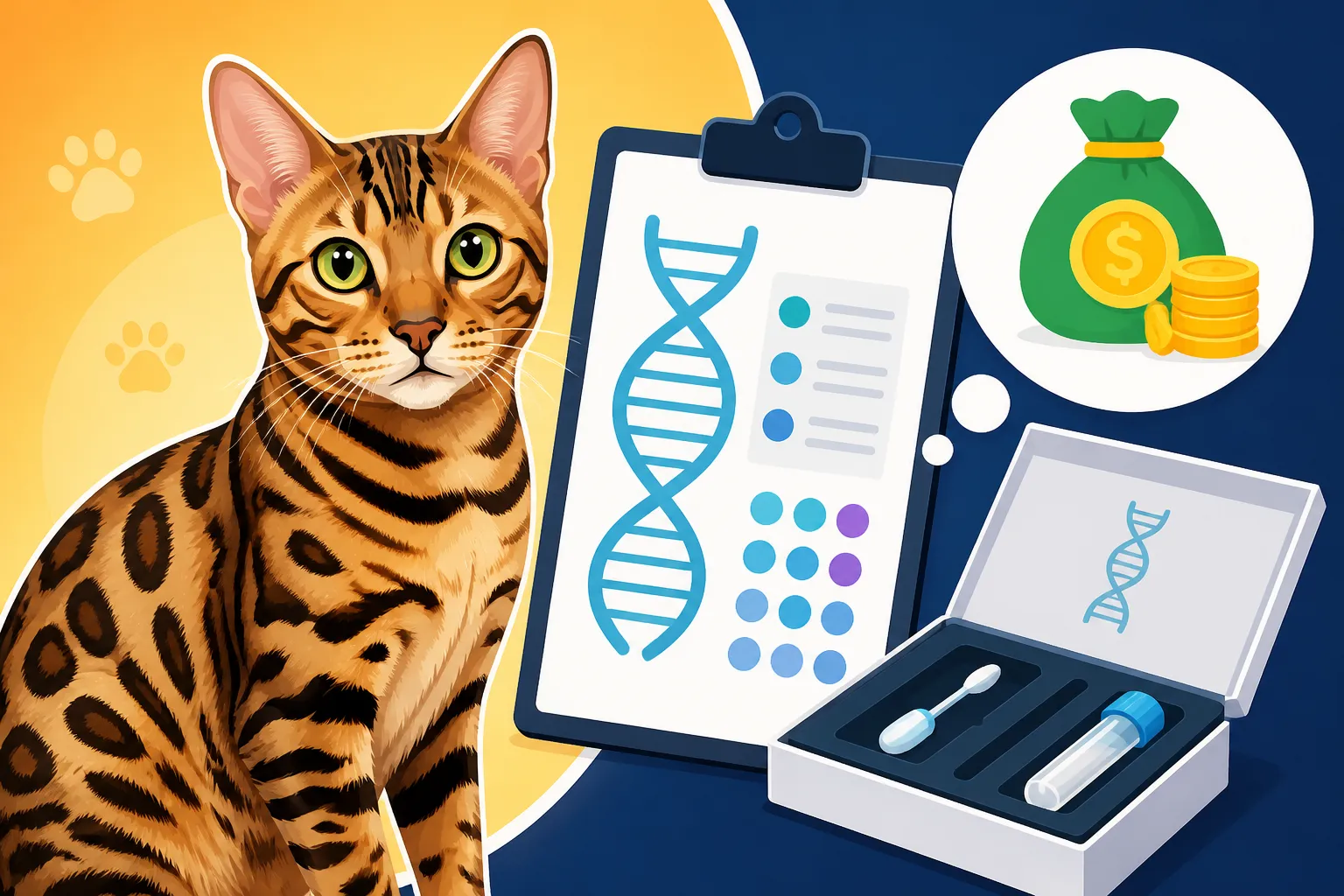
For instance, What the Bengal Cat PRA-b Test Costs and What the Bengal Cat PK Deficiency Test Costs individually can give you an idea, but combined into a panel, the cost is often more efficient. When a breeder advertises that their cats are "fully health tested," this DNA panel is a significant part of that claim. For a general estimate, expect a full DNA panel to run somewhere in the realm of a couple of hundred dollars, potentially more if very extensive or including vet fees. This is why What a Bengal Cat's DNA Panel Costs can vary, but it's always an investment in the cat's future.
Who Bears the Burden: Breeder or Buyer?
This is a really important question that often leads to confusion and sometimes even conflict. When you're looking to bring a Bengal into your home, it's natural to wonder whether these DNA panel costs are something you need to budget for directly, or if they're already factored into the kitten's price. The answer usually falls squarely on the shoulders of the breeder, but understanding why is key.
The Breeder's Responsibility in Genetic Testing
Responsible breeders view genetic testing not as an optional extra, but as a fundamental part of their breeding program. It’s their ethical obligation to ensure that the kittens they produce are as healthy as possible and free from known inheritable diseases. This means testing their breeding cats – the mother and father of your potential kitten – before they are ever bred. These tests confirm that the parent cats are clear of genetic diseases, or if they are carriers, that they are only bred with a clear mate to avoid producing affected offspring.
Therefore, the cost of the DNA panel for the parent cats is always the breeder's responsibility. It’s an operational cost of running a reputable cattery, much like feeding the cats or paying for vet check-ups. They factor these costs into the overall price of their kittens, just like they factor in food, vaccinations, and microchipping. When you purchase a kitten from a reputable breeder, you should expect them to provide documentation of the parent cats' clear genetic health tests as part of the sales process. This transparency is a hallmark of a good breeder.
When the Buyer Might Encounter Testing Costs
There are very few scenarios where a new owner would be expected to pay for a DNA panel on their new kitten. The primary testing should already be done on the parents. However, there might be a few exceptions:
- Buying an Adult Cat for Breeding: If you are purchasing an adult Bengal cat with the intent to breed them, the seller might provide documentation of the cat’s DNA panel, or they might expect you to conduct new tests as part of your own breeding program. This would be clearly outlined in a breeding contract.
- Testing a Pet for Curiosity: Sometimes, an owner might decide, out of curiosity or a newfound interest in genetics, to have their pet Bengal DNA tested, even if the parents were cleared. This is an entirely optional choice and would be at the owner’s expense.
- Follow-Up or Confirmation Tests: In very rare cases, if there's a specific concern or an ambiguous result, a vet might recommend a re-test or additional specific genetic tests. Again, this would be a vet-directed expense incurred by the owner.
For the vast majority of pet buyers, the DNA panel cost for the kitten’s genetic health should be entirely covered and demonstrated by the breeder. If a breeder asks you to pay for the kitten’s initial DNA panel, it should raise a red flag. Always ask to see the genetic test results for both parent cats, proving they are clear or appropriately managed carriers, before committing to a purchase. It's one of the Which Questions to Ask a Bengal Cat Breeder.
Decoding Your Bengal Cat's DNA Results: Clear, Carrier, Affected
Receiving the results of a DNA panel can feel a bit like deciphering a secret code if you're not familiar with the terminology. Terms like "clear," "carrier," and "affected" are standard in genetic testing, but their implications for your Bengal cat and any potential offspring are vastly different. Understanding what each of these means is crucial, especially if you're considering a breeding career for your Bengal, or simply want to grasp the full health picture of your companion.
"Clear": The Gold Standard for Genetic Health
When a Bengal cat tests "clear" for a particular genetic disease, it means they have two normal copies of the gene associated with that condition. This is the ideal result. A clear cat will neither develop the disease nor pass the defective gene on to their offspring. They are, essentially, genetically free of that specific concern.
For pet owners, a "clear" result offers immense peace of mind. It means your beloved Bengal won't suffer from that particular inherited condition, and you won't face the emotional and financial burden of managing it. For breeders, having clear breeding stock is the goal, as it allows them to confidently produce kittens free from these genetic predispositions. This is what you want to see on the health certificates provided by your breeder.
"Carrier": Healthy But Hereditary Implications
A "carrier" result indicates that your Bengal cat has one normal copy of the gene and one copy of the defective gene for a specific condition. Here's the critical part: a carrier cat will generally not develop the disease themselves because the single normal gene is usually sufficient to prevent symptoms. They are typically healthy and live a normal life. However, they can pass the defective gene on to approximately 50% of their offspring.
For pet owners, a carrier status for conditions like PRA-b or PK-def usually has no practical implications for the cat's health. Your pet Bengal will be just as vibrant and healthy as a "clear" cat. The concern primarily arises in breeding scenarios. A reputable breeder will never breed two carrier cats together, as this pairing has a 25% chance of producing "affected" kittens, a 50% chance of producing "carrier" kittens, and a 25% chance of producing "clear" kittens. This is why understanding Whether a PK Carrier Bengal Cat Gets Sick is important – usually, they don't, but their genetic makeup is vital for breeders.
"Affected": The Most Serious Outcome
An "affected" result is the most serious outcome of a genetic test. It means the Bengal cat has two copies of the defective gene, one from each parent. A cat with an "affected" status will develop the genetic disease in question and will pass one copy of the defective gene to all of its offspring.
For conditions like PRA-b, an affected cat will eventually go blind. For PK-def, an affected cat will suffer from chronic, often severe, anemia. These cats often require significant veterinary care, which can be emotionally draining and financially costly. Reputable breeders work diligently to prevent "affected" kittens from ever being born by carefully screening their breeding stock. If you were ever to encounter an affected Bengal cat, understanding their condition would be paramount for their quality of life. This is why the comprehensive DNA panel is so vital to prevent such outcomes, providing insight into Which Tests the Bengal Cat Health Panel Covers.
The Nuances of Genetic Testing for Pet vs. Breeding Bengals
The role and importance of DNA testing can look quite different depending on whether your Bengal cat is destined to be a beloved pet or an integral part of a breeding program. While all Bengals benefit from coming from genetically screened parents, the depth and ongoing nature of testing change significantly for those involved in breeding.
Essential for Breeding Programs
For breeders, genetic testing is not just a recommendation; it's a moral and ethical imperative. A breeder’s primary responsibility is to improve the breed and ensure the health of future generations. This means meticulously screening every single cat in their breeding program before any mating takes place. This isn't a one-and-done affair; it's an ongoing commitment to understanding their lines and making informed decisions.
A breeder will invest in comprehensive DNA panels for all potential breeding cats, ensuring they understand the genetic makeup for conditions like PRA-b and PK-def. They will carefully select pairings to avoid producing affected kittens, for example, by ensuring a carrier cat is only ever bred with a clear cat. Beyond DNA, breeding Bengals also undergo regular health screenings like echocardiograms for HCM to catch issues that genetic tests can't, showing a thorough approach to What a Bengal Cat Breeder Should Have Tested. This dedication helps maintain the health and integrity of the Bengal breed.
Peace of Mind for Pet Owners
For those bringing home a Bengal purely as a pet, your direct involvement in genetic testing is minimal, but the benefits are enormous. You should absolutely expect your breeder to have done their due diligence. This means asking to see the genetic test results for both the mother and father of your kitten. These results, indicating "clear" status for key genetic diseases or responsible management of carrier parents, should be a standard part of the information you receive.
Knowing that your kitten comes from parents who are clear of PRA-b and PK-def means you can enjoy your lively companion without the constant worry of these specific devastating diseases emerging. It’s an investment in a healthy start, ensuring your Bengal can focus on being the active, affectionate, and sometimes mischievous companion you dreamed of. While your pet Bengal doesn't need its own DNA panel (unless you choose it out of personal interest), relying on the breeder’s comprehensive testing provides invaluable peace of mind. This peace is especially important considering a Bengal cat's temperament and energy level, where health issues could severely impact their quality of life.
Navigating Labs and Documentation for Bengal Cat DNA Panels
Once you understand why DNA panels are crucial and what they test for, the next step is often about how these tests are conducted and where you get reliable results. For prospective owners, it's about verifying the information provided by breeders. For breeders, it's about choosing the right partners for their health screening efforts.
Choosing a Reputable Genetic Testing Laboratory
Not all genetic testing labs are created equal. When it comes to something as important as your Bengal cat's health, you want to ensure the lab is reputable, accurate, and recognized within the feline genetics community.
Key considerations for choosing a lab:
- Accreditation and Reputation: Look for labs that are accredited or widely trusted by veterinary professionals and feline breed organizations (like TICA). Labs that specialize in animal genetics are often preferred.
- Comprehensive Panels: Does the lab offer a comprehensive Bengal-specific panel that includes PRA-b and PK-def? Can additional tests be added if needed?
- Clear Reporting: Do they provide clear, easy-to-understand results that distinguish between clear, carrier, and affected statuses?
- Sample Requirements: Most DNA tests require a simple buccal (cheek) swab, which can often be collected by the owner or breeder at home, or by a vet for official verification. Make sure the instructions are clear.
- Turnaround Time: While health is paramount, knowing the expected turnaround time for results can be helpful for breeders planning matings or owners awaiting confirmation.
Some of the well-known labs frequently used by cat breeders worldwide include Optimal Selection, Paw Print Genetics, and Langford Vets. Each has its own specific panels and pricing. Healthy Paws, while a pet insurance company, is a strong advocate for responsible pet ownership, often seeing firsthand the benefits of proactive health screening and how it can mitigate future health issues.
Verifying a Breeder's Health Claims
This is perhaps the most important part for you as a buyer. Any reputable Bengal cat breeder will be transparent about their health testing and will gladly provide documentation to support their claims. Don't be shy about asking to see these documents!
What to look for in documentation:
- Official Lab Reports: The results should come directly from the genetic testing laboratory, clearly stating the name of the cat tested, its microchip number (if applicable), the date of the test, and the specific results (clear, carrier, affected) for each condition.
- Parental Results: You should specifically request to see the DNA panel results for both the mother and father of the kitten you are interested in. This is how you confirm that the pairing was done responsibly.
- HCM Echo Certificates: Remember, while not a DNA test, HCM screening is crucial. Ask to see current echocardiogram reports from a board-certified veterinary cardiologist for both parents. These are typically annual or biennial screenings.
If a breeder hesitates, makes excuses, or provides vague answers when you ask for health documentation, consider it a significant red flag. A truly dedicated breeder understands that transparency builds trust and is essential for the future well-being of their kittens. It's an integral part of What the DNA Panel a Bengal Cat Breeder Runs Costs and is a key indicator of their commitment to ethical breeding.
Beyond the DNA Panel: Long-Term Health Considerations
While DNA panels are a fantastic first step in proactive health management for Bengal cats, they are by no means the only consideration for a long, healthy life. Responsible ownership means understanding that health is a journey, not a destination, especially with an active and intelligent breed like the Bengal.
The Ongoing Importance of Veterinary Check-ups
Even with comprehensive genetic testing, regular veterinary check-ups remain paramount. Your Bengal cat needs annual wellness exams, vaccinations, and parasite control, just like any other cat. These routine visits allow your vet to catch any developing issues early, monitor your cat's weight, dental health, and overall condition. Bengal cats are masters at hiding pain or discomfort, a trait inherited from their wild ancestors, making attentive observation and professional check-ups even more critical.
As your Bengal ages, these check-ups become even more important. An aging Bengal cat might experience changes in activity levels, appetite, or even their coat pattern. Vets can recommend appropriate screenings for senior cats, such as blood work to check organ function. Taking care of Caring for a Bengal Cat Past Ten involves a holistic approach to their health.
Nutrition and Lifestyle: Supporting Genetic Health
A healthy diet and an enriching lifestyle also play a huge role in supporting your Bengal's overall health, potentially even mitigating the expression of some genetic predispositions. Bengal cats are incredibly active, requiring a high-quality, protein-rich diet to fuel their energy. Brands like Chewy offer a wide selection of premium cat foods, including those formulated for active breeds or sensitive stomachs, which can be beneficial for Bengals.
Beyond food, Bengals need ample physical and mental stimulation. Think vertical climbing spaces, puzzle toys, and interactive play sessions. A bored Bengal can become a destructive Bengal, and chronic stress can impact physical health. Providing a stimulating environment and plenty of exercise goes hand-in-hand with good genetic health, helping your Bengal thrive physically and emotionally.
Pet Insurance: A Safety Net for Unexpected Costs
Even with the best genetic testing and preventative care, unexpected health issues can arise. This is where pet insurance, like plans offered by Healthy Paws, can be an absolute lifesaver. Accidents and illnesses are a part of life, and the cost of emergency veterinary care, specialized diagnostics, or ongoing treatment can quickly become overwhelming.
Pet insurance can help cover a significant portion of these costs, giving you the freedom to make medical decisions based on what’s best for your Bengal, rather than solely on your budget. While genetic testing helps to screen for known inherited conditions, insurance provides a safety net for everything else that might come up over your Bengal's long and active life. It's another layer of protection that truly contributes to your peace of mind and your Bengal's well-being.
The True Value of Investing in a Health-Tested Bengal
It's clear that bringing a Bengal cat into your life is a significant decision, not just emotionally, but financially too. The initial cost of a Bengal kitten can be substantial, and the DNA panel costs for their parents are an integral part of that. However, viewing these costs as a necessary investment, rather than an arbitrary expense, changes the entire perspective.
When a breeder invests in comprehensive DNA panels and other health screenings, they are demonstrating a deep commitment to the welfare of the breed and the individual kittens they produce. They are actively working to reduce the prevalence of devastating genetic diseases, sparing countless cats and their future families from heartbreak and financial strain.
For you, the prospective owner, choosing a Bengal from health-tested parents means you are making an informed decision. You're increasing your chances of bringing home a healthy, vibrant companion who will enrich your life for many years to come. It allows you to anticipate a joyful journey, rather than a worrying one filled with unexpected medical crises that could have been avoided. Ultimately, the cost of a DNA panel for a Bengal cat is a small price to pay for a lifetime of health and happiness with your extraordinary feline friend.
Disclaimer
This article is for general informational purposes only and does not constitute professional advice. Laws, prices and regulations vary by location and change over time. Consult a qualified professional for guidance on your specific situation.