How to Apply for an Early Generation Bengal Cat Permit
Falling head over heels for the wild beauty of an early generation Bengal cat is an experience unlike any other, but the journey to bring one home can feel like navigating a dense jungle of paperwork and rules. Many aspiring owners are surprised, and frankly, a bit frustrated, to learn that these magnificent F1, F2, or F3 Bengals aren't always as straightforward to own as a typical domestic housecat due to their close wild ancestry. This guide is here to demystify the often-confusing process of applying for an early generation Bengal cat permit, offering a clear path through the regulations to help you provide a safe, legal, and loving home.
Understanding Early Generation Bengal Cat Classifications and Legalities
When you first start looking into bringing a Bengal cat into your life, especially one that's closer to its wild roots, you quickly encounter terms like "F1," "F2," and "F3." These aren't just fancy labels; they are crucial legal distinctions that determine whether you can even own one, let alone what hoops you'll need to jump through.
What "Early Generation" Truly Means for Bengal Cats
The "F" in F1, F2, and F3 stands for "filial," which essentially means "generation." It's a way to track how many generations removed a Bengal cat is from its wild ancestor, the Asian Leopard Cat. An F1 Bengal cat is a direct cross between a domestic cat and an Asian Leopard Cat. This means it has a very high percentage of wild blood, often around 50%. Moving down the line, an F2 Bengal cat has an F1 parent and a domestic Bengal parent, making it about 25% Asian Leopard Cat. An F3 Bengal cat has an F2 parent and a domestic Bengal parent, bringing its wild lineage down to around 12.5%. After F3, most jurisdictions consider Bengal cats "SBT" (Studbook Tradition) or simply "domesticated" enough not to require special permits, though it's always wise to check.
The closer a Bengal cat is to its wild ancestor, the more pronounced certain wild traits might be – think energy levels, vocalizations, and even specific dietary needs. This is precisely Why the Generation Number Decides Whether You Can Own a Bengal Cat in many places. Understanding these classifications is the very first step in determining if you need a permit at all. You can dive deeper into How a Bengal Cat's Generation Is Counted to fully grasp the nuances.
Why Certain Generations Require Permits
The regulations surrounding early generation Bengal cats stem from their wild heritage. Governments and local municipalities often view F1, F2, and sometimes F3 Bengals as exotic animals or hybrids that pose potential risks to public safety, local wildlife, or even the cats' own welfare if not properly cared for. These concerns aren't unfounded; an F1 Bengal, for example, can be incredibly high-energy, notoriously difficult to litter train if not raised correctly, and may retain strong hunting instincts. They also require a specific environment that might not be suitable for a typical household.
Permits are essentially a way for authorities to ensure that owners of these unique animals are prepared, responsible, and capable of providing an appropriate environment. They want to know you understand the commitment involved, that your property is secure, and that you have a plan for their care. Without these permits, ownership could lead to legal penalties, including fines and even confiscation of your beloved cat. It’s a serious matter that deserves careful attention and respect for the local laws.
How to Research Your Local Laws and Ordinances
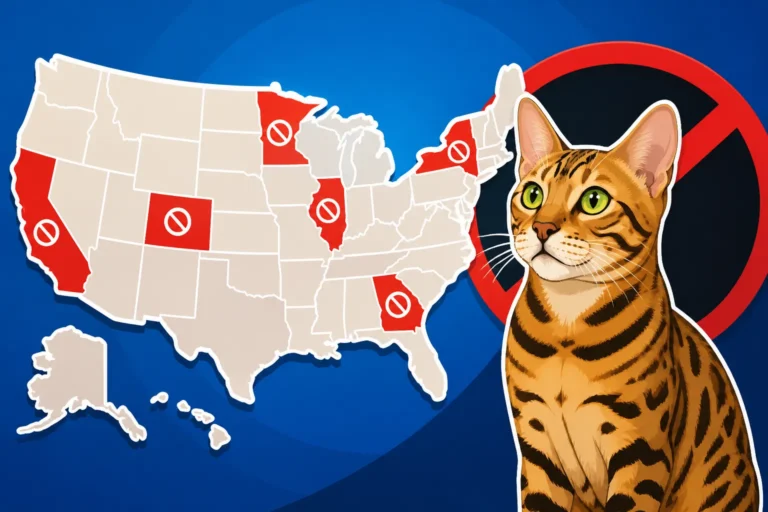
This is where the rubber meets the road, and it can be the most daunting part. Laws regarding Bengal cats, especially early generations, vary wildly from state to state, county to county, and even city to city. What's perfectly legal and straightforward in one town might be completely banned just a few miles down the road. You can't assume anything.
Your first stop should always be your local city or county animal control department, followed by your state's wildlife or fish and game commission. Their websites often have sections dedicated to exotic or hybrid animal ownership. Don't be shy about calling them directly. Explain clearly that you are inquiring about owning an F1, F2, or F3 Bengal cat. Be prepared for some confusion, as not all officials are familiar with the specific distinctions of the Bengal breed. It helps to have the scientific name of the Asian Leopard Cat ( Prionailurus bengalensis bengalensis ) handy, as this can sometimes clarify its hybrid status.
It’s also crucial to check your homeowner's association (HOA) rules or rental agreement if applicable. Even if the city permits it, your HOA might have stricter rules. I've heard too many heartbreaking stories of families having to rehome their cats because they didn't check every layer of regulation. This initial research phase will clarify if permits are required, what generation lines are drawn, and which specific department handles the applications, which is vital before you think about What an F1 Bengal Cat Costs or What an F2 Bengal Cat Costs to bring home.
Gathering the Necessary Documentation and Information
Once you've confirmed that a permit is indeed required in your area, it's time to roll up your sleeves and start assembling your application. This often involves more than just filling out a form; you'll need to provide solid proof of your cat's lineage, health, and your preparedness as an owner.
Proving Your Bengal Cat's Pedigree and Generation
One of the most critical pieces of information for an early generation Bengal cat permit application is definitive proof of your cat's generation. This isn't just a "he said, she said" situation. Authorities will typically require official documentation from the breeder or a recognized cat registry.
This usually means providing a certified pedigree from an organization like The International Cat Association (TICA) or the Cat Fanciers' Association (CFA), if they register your specific generation. The pedigree clearly lists the cat's ancestors and their generations, demonstrating the lineal distance from the Asian Leopard Cat. Breeders should be able to provide this without hesitation. If a breeder can't or won't provide a registered pedigree, it's a huge red flag, and you should probably walk away. You can also research How to Prove Your Bengal Cat's Generation to ensure you're getting the right paperwork. Some jurisdictions might even ask for DNA testing to confirm the wild cat percentage, although this is less common for F3 and later generations. Remember, the goal is to show the authorities that you're acquiring a cat whose lineage is traceable and verified, removing any doubt about its classification.
Essential Health and Veterinary Records
Beyond lineage, authorities want to see that your early generation Bengal is healthy and receiving appropriate veterinary care. This demonstrates responsible ownership and mitigates concerns about disease transmission or neglect. You'll typically need to provide a complete copy of your cat's veterinary records, including:
- Vaccination History: Proof of current vaccinations, especially rabies, even if your cat is strictly indoor.
- Spay/Neuter Certificate: Many permits require early generation Bengals to be spayed or neutered unless you are a licensed breeder. This is primarily to prevent accidental breeding and control populations.
- Health Exam Records: Documentation of a recent general health check-up from a licensed veterinarian, confirming your cat is in good health.
- Microchip Information: Proof of microchipping is often a requirement, providing a permanent form of identification if your cat ever gets lost.
Having an established relationship with a vet who is familiar with Bengal cats or exotic felines can be a huge asset. They can also help write letters of recommendation or provide statements attesting to your cat's good health and temperament. This also highlights the ongoing commitment to veterinary care, which can be considerable, so it's a good idea to research pet insurance options like Healthy Paws that might help with future costs.
Preparing Your Home for Inspection
Many jurisdictions that issue permits for early generation Bengal cats will require a home inspection before approval. This isn't just a formality; it's a serious evaluation of your ability to provide a safe, secure, and enriching environment for your cat. They're looking for specific things, especially regarding containment and enrichment that caters to How an Early Generation Bengal Cat Behaves Differently.
- Secure Enclosures: Early generation Bengals are master escape artists and jumpers. Inspectors will want to see that your home and any outdoor access are completely secure. This might mean secure fencing, reinforced windows and doors, and perhaps even a dedicated outdoor enclosure or "catio." The idea of a Why a Bengal Cat Needs a Catio becomes incredibly pertinent here, as it offers a safe way for these active cats to enjoy the outdoors without risk of escape or harming local wildlife. Be prepared to show how your home prevents them from getting out.
- Enrichment and Space: Permits often require evidence of adequate space and enrichment. This includes tall cat trees (Bengal cats love to climb!), puzzle toys, and plenty of opportunities for play and exercise. Think about How Much Enrichment a Bengal Cat Actually Needs. A bare apartment won't cut it.
- Food and Water Stations: Clean, accessible food and water stations are a given. For active cats, you might even consider specialized feeders or water fountains, which you can find readily on sites like Chewy.
- Litter Box Setup: Demonstrate an appropriate litter box setup, especially understanding that these cats often need larger boxes or more options.
The inspector is looking for reassurance that you understand the unique needs of an early generation Bengal and have taken proactive steps to meet them. Being upfront, organized, and showing you've truly considered their specific requirements will go a long way. This might mean investing in specialized items, and understanding What a Catio Costs to Build for a Bengal Cat can help you budget accordingly.
Navigating the Application Process Itself
Once your documentation is in order and your home is ready, it's time to submit your application. This stage involves identifying the correct channels, presenting your case clearly, and being prepared for follow-ups and inspections.
Identifying the Correct Department and Forms
As mentioned earlier, the exact department handling permits for early generation Bengal cats can vary. It might be animal control, a local wildlife agency, or even a specific exotic animal permit office within a larger municipal government. Double-check your initial research to ensure you're submitting your application to the right place. Sending it to the wrong department can cause significant delays and frustration.
Once you've identified the department, ask for the specific permit application forms for hybrid or exotic felines. Don't just assume a general pet license form will suffice. These specialized forms often require detailed information about the cat's lineage, your housing situation, emergency contacts, and veterinary care. Some departments might have these forms available online, while others may require you to pick them up in person or have them mailed. Be meticulous in filling out every section, leaving no blanks, and attach all the supporting documents you've gathered. A checklist from the department, if available, is invaluable here.
Crafting a Persuasive Application
Think of your permit application as your opportunity to tell a compelling story: "I am a responsible, prepared, and loving individual who understands the unique needs of an early generation Bengal cat and is fully equipped to provide an exceptional home." While the forms are largely factual, you may have an opportunity to write a letter of intent or explanation.
In this letter, highlight:
- Your Research and Understanding: Emphasize that you've done your homework on the breed, their specific needs, and the local regulations.
- Your Preparedness: Detail the steps you've taken to secure your home, such as building a catio, installing special locks, or creating vertical climbing spaces. Mention the specific food or enrichment items you plan to use, such as a high-protein diet or a particular type of puzzle feeder.
- Your Commitment to Care: Discuss your chosen veterinarian, your plans for regular check-ups, and how you will ensure your cat's physical and mental well-being.
- Emergency Plan: Outline what you would do in case of an emergency, escape, or if you ever needed to rehome the cat responsibly.
The more comprehensive and thoughtful your application, the better your chances of approval. This is your chance to alleviate any concerns the authorities might have about you owning such a unique animal. The cost of this permit can vary significantly, so also be prepared for What an Early Generation Bengal Cat Permit Costs and include the payment with your application if required.
What to Expect During the Permit Review and Inspection
After submitting your application, there will typically be a review period. This can range from a few weeks to several months, depending on the municipality's workload and the complexity of the permit process. During this time, the department may contact you for additional information or clarification. Be responsive and provide whatever they request promptly.
The home inspection, as previously mentioned, is a critical step. An officer or designated inspector will visit your home to verify the information on your application and assess the suitability of your environment. They will be looking at things like:
- Security: Are windows and doors truly escape-proof? Is the yard secured? Is the catio robust?
- Space and Enrichment: Is there enough vertical space? Are there stimulating toys and activities?
- Hygiene: Is the home clean, and are litter boxes appropriately managed?
- Overall Suitability: Does your home genuinely seem like a place where an active, intelligent, and sometimes demanding early generation Bengal will thrive?
Be present during the inspection, answer all questions honestly, and be prepared to show them around. This is your opportunity to demonstrate your dedication firsthand. The inspector might offer suggestions for improvements, and it's wise to listen and implement them if possible, as it shows your willingness to comply. Understanding What an Inspection for a Bengal Cat Permit Involves can help you prepare mentally and physically for this crucial visit. Once the inspection is passed and all criteria are met, you should receive your permit, officially welcoming your magnificent early generation Bengal into your home.
| Document/Information Required | Purpose | Common Requiring Authority |
|---|---|---|
| Certified Pedigree (F1-F3) | Verifies generation and wild lineage percentage | City/County Animal Control |
| Veterinary Records | Proof of vaccinations, spay/neuter, general health | City/County Animal Control |
| Microchip Information | Permanent identification for lost animal recovery | City/County Animal Control |
| Site Plan/Photos of Enclosures | Demonstrates secure containment (home, catio) | City/County Animal Control |
| Proof of Property Ownership/Lease | Confirms legal right to make property modifications | City/County Animal Control |
| Letter of Intent/Responsible Care | Outlines owner's understanding and commitment to specialized care | City/County Animal Control |
| Emergency Contact Information | Ensures cat's welfare in owner's absence | City/County Animal Control |
| Permit Fee Payment | Covers administrative costs of application and review | City/County Animal Control |
Disclaimer
This article is for general informational purposes only and does not constitute professional advice. Laws, prices and regulations vary by location and change over time. Consult a qualified professional for guidance on your specific situation.