Whether a Breeder Quality Bengal Cat Costs More
When you're dreaming of bringing a magnificent Bengal cat into your home, one of the first things that pops up is often the price tag. And if you’ve started looking, you've probably seen a big difference between a "pet quality" kitten and one described as "breeder quality." It's enough to make your head spin and wonder if you really need to spend more for a cat that simply has excellent genes. This guide is here to unravel the mystery of what "breeder quality" truly means, why it commands a higher price, and if it's genuinely the right choice for your family and lifestyle.
Understanding "Breeder Quality" vs. "Pet Quality" in Bengal Cats
The terms "breeder quality," "show quality," and "pet quality" are thrown around a lot in the world of purebred cats, and it can be incredibly confusing for someone just starting their search. It often feels like you're navigating a secret language. Let's break down what each truly signifies, especially for a breed as distinctive as the Bengal.
What Defines a "Breeder Quality" Bengal Cat?
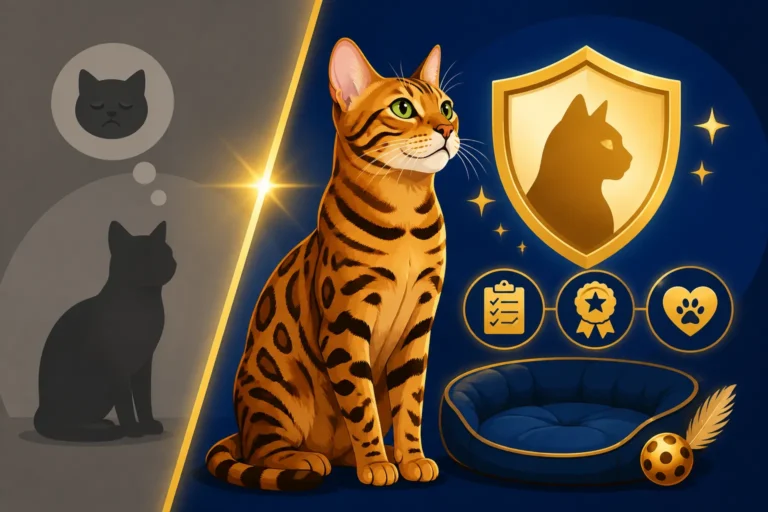
When a breeder refers to a "breeder quality" Bengal cat, they're talking about an individual cat that possesses exceptional physical attributes, temperament, and genetic health, making it suitable for a breeding program. This isn't just about a pretty face; it’s about upholding and improving the breed standard. These cats are generally expected to produce offspring that also meet or exceed the rigorous standards set by associations like The International Cat Association (TICA). They exhibit the distinctive rosetted or marbled patterns with high contrast, the striking glitter in their coat, and the athletic, wild-type body structure that defines the Bengal. A breeder quality cat usually means the cat is also "show quality," as the traits desirable for breeding are often the same ones that win ribbons in the show hall. This means they are often heavily socialized from a young age, accustomed to handling, and possess a calm, confident demeanor that allows them to thrive in various environments, including the busy show circuit.
Distinguishing from "Pet Quality" Bengals
Now, let's talk about "pet quality." This designation often creates a misconception that a "pet quality" Bengal is somehow inferior or less worthy of love. Nothing could be further from the truth! A pet quality Bengal is still a purebred Bengal cat, often with the same fantastic personality, intelligence, and playful nature. The difference lies in minor deviations from the strict breed standard that would prevent it from being a top contender in a show or from being ideal for a breeding program aiming for specific traits. For instance, a pet quality Bengal might have a pattern that isn't quite as defined, a color that isn't perfectly vibrant, or a body type that's a touch less extreme than what the standard calls for. These subtle differences have absolutely no bearing on their health, longevity, or ability to be a beloved family member. In fact, many pet owners find these "flaws" endearing. The crucial point is that a reputable breeder will still ensure a pet quality kitten comes with the same health screenings and early socialization as a breeder quality one. They just won't be sold with breeding rights.
| Trait Category | Pet Quality Bengal | Breeder/Show Quality Bengal |
|---|---|---|
| Purpose | Beloved companion, family member | Future breeding cat, potential show champion |
| Physical Traits | May have minor deviations from breed standard (e.g., pattern, color depth) | Closely adheres to or exceeds breed standard; ideal pattern, contrast, glitter, body type |
| Temperament | Excellent pet temperament, socialized | Exceptional temperament, calm under pressure, highly socialized for showing and breeding |
| Health Testing | Parents are health tested, kitten generally comes with health guarantee | Parents are extensively health tested, kitten comes with robust health guarantee, often extra vet checks |
| Genetics | Sound genetics for pet home | Strong genetic lines, no undesirable recessive traits for breeding |
| Breeding Rights | Always spayed/neutered before leaving or via contract | Includes breeding rights; usually higher price for this privilege |
| Price | Lower entry cost | Significantly higher due to breeding rights, show potential, and investment into lines |
The Importance of Health and Temperament Above All
Regardless of whether a Bengal is deemed "pet quality" or "breeder quality," two things should never be compromised: health and temperament. A truly reputable breeder, whether they are selling a pet or a future breeding cat, will always prioritize these aspects. They invest heavily in health screening their breeding cats for common Bengal issues like PRA-b Blinds a Bengal Cat by Two and There Is a DNA Test, Pyruvate Kinase Deficiency in a Bengal Cat, and HCM Is What Kills Bengal Cats Early. They will also work diligently to socialize their kittens, ensuring they are confident, friendly, and well-adjusted. So, while you might pay less for a pet quality Bengal, you should still expect the same foundational health guarantees and a wonderful temperament that comes from ethical breeding practices. If a breeder is cutting corners on health testing for their pet quality kittens, that's a huge red flag, no matter the price.
Key Factors That Drive the Cost of a Breeder Quality Bengal
So, why does a breeder quality Bengal cat cost more? It’s not just an arbitrary number. There's a significant amount of investment, expertise, and ongoing commitment that goes into producing a cat that meets the high bar of "breeder quality." When you see that higher price tag, you're essentially paying for a combination of these critical elements.
Pedigree, Bloodlines, and Championship Titles
One of the most significant factors is the pedigree and the reputation of the cat's bloodline. A breeder quality Bengal will typically come from parents with impressive championship titles, often tracing back to some of the most sought-after and influential Bengal cats in the breed's history. These champion lines are not achieved overnight; they represent years, if not decades, of careful, selective breeding, extensive showing, and significant financial investment by breeders to acquire and maintain these lines. When you purchase a breeder quality cat, you are essentially buying into this established genetic legacy. The argument is that these cats carry the most desirable traits for future generations, ensuring the integrity and continued improvement of the breed. This translates into more predictable outcomes for breeders hoping to produce high-quality kittens themselves.
Extensive Health Testing and Screening
Another major cost driver is the comprehensive health testing performed on the breeding cats. Reputable breeders invest heavily in screening their breeding stock for genetic diseases prevalent in Bengal cats. This includes DNA tests for How the Bengal Cat PRA-b DNA Test Works and How Many Bengal Cats Carry PK Deficiency, as well as regular cardiac screening for Hypertrophic Cardiomyopathy (HCM) via echocardiograms performed by a veterinary cardiologist. These tests are not cheap, and they need to be done regularly, especially for HCM. For instance, When a Bengal Cat Should Have Its First Echo is usually around one year old, but How Often a Bengal Cat Needs an Echo can be yearly or every other year for breeding cats. The results of these tests offer peace of mind, not just for the breeder, but for any potential buyer, ensuring that the cat is as healthy as possible and free from known genetic issues that could be passed down. This proactive approach significantly reduces the risk of serious health problems for the kitten and its future offspring, which is a substantial part of the cat's intrinsic value.
Exemplary Type, Pattern, and Temperament
The physical appearance, or "type," and the cat's temperament play a crucial role. A breeder quality Bengal will exhibit the ideal physical characteristics according to the breed standard, such as distinct, clear rosettes or marbling, vibrant colors, "glitter" in their coat, and a wild-looking yet domestic body structure. The high contrast of their patterns and the sheen of their coat contribute to their visual appeal and desirability. Beyond aesthetics, temperament is paramount. A breeder quality Bengal is expected to be confident, outgoing, and well-socialized, making them excellent candidates for showing and ensuring they are calm and adaptable, traits vital for a successful breeding program. Achieving this consistent quality requires dedicated effort in kitten rearing, early handling, and thoughtful pairing of breeding cats. You can learn more about how genetics influence appearance in What Rosettes and Glitter Add to a Bengal Cat's Price.
Breeder Reputation and Support
Finally, the reputation of the breeder itself significantly impacts the price. Breeders who consistently produce high-quality, healthy, and well-socialized Bengals, who are transparent with their health testing, and who offer ongoing support and mentorship to their buyers, command higher prices. This reputation is built on years of hard work, ethical practices, and a deep understanding of the breed. When you purchase a breeder quality Bengal from such a breeder, you're not just buying a cat; you're gaining access to their expertise, guidance, and a supportive community. This invaluable support can be particularly beneficial if you are new to breeding or showing, as navigating the complexities of feline genetics and breed standards can be daunting.
The Added Value: Breeding Rights and Show Potential
The term "breeder quality" isn't just about the cat's inherent characteristics; it also implicitly includes the permission to utilize those characteristics for breeding. This is where a significant portion of the higher cost comes from. It's an investment in the future of the breed and a business venture for the buyer.
The Privilege of Breeding Rights
The primary reason a breeder quality Bengal cat costs more is the inclusion of breeding rights. When you purchase a cat with breeding rights, the breeder is granting you permission to use that cat to produce offspring, which you can then sell. This is a massive distinction from a pet quality cat, which is typically sold on a spay/neuter contract, meaning they must be altered and cannot be bred. The value of breeding rights is substantial because it represents the potential for future income through selling kittens, as well as the opportunity to contribute to the Bengal breed's lineage.
Think about it from the breeder's perspective: they have invested years into developing their lines, ensuring health, temperament, and type. Allowing someone else to breed one of their cats is entrusting a piece of that legacy. The higher price reflects this trust, the inherent genetic value of the animal, and the potential future revenue stream for the buyer. This also covers the additional responsibilities and ongoing support a reputable breeder might provide to someone new to breeding, offering mentorship and advice on everything from genetics to kitten care. Whether an Affected Bengal Cat Should Be Bred is a key question if you're considering buying a breeder quality cat for breeding purposes, reinforcing the importance of those health checks.
Maximizing Show Potential
A breeder quality Bengal is often, by default, a show-quality Bengal. This means it has the conformation, pattern, and temperament that makes it an excellent candidate for competition in cat shows sanctioned by organizations like TICA. While not every owner of a breeder quality cat chooses to show, the potential is there. Participating in cat shows is a passion for many, and winning titles adds prestige to the cat's pedigree and the cattery.
The extra cost covers the meticulous selection process the breeder undertakes to identify kittens with superior conformation and attributes. They've spent countless hours evaluating kittens against the breed standard, looking for that perfect head shape, ear set, eye shape, and, of course, the stunning coat pattern and glitter. For someone aspiring to show, starting with a cat that has this inherent potential saves a lot of time, effort, and money compared to trying to show a cat that only marginally meets the standard. It gives you a stronger foundation for success in the ring. You might find it interesting to read What a Show Quality Bengal Cat Costs for more detail on this specific aspect.
Comprehensive Health Guarantees
While pet quality kittens from reputable breeders will always come with a health guarantee, a breeder quality Bengal often comes with an even more robust and extensive guarantee. This might include longer warranty periods for genetic health issues or more comprehensive terms regarding replacement or reimbursement should a significant problem arise. This extended assurance reflects the immense confidence the breeder has in their lines and their commitment to the health of the animals they produce, especially those destined to continue the breed.
These guarantees are a vital safety net, protecting your significant investment. For instance, if you're concerned about potential health issues like How Common HCM Is in Bengal Cats, a strong health guarantee from a breeder offers a measure of protection that a less scrupulous seller simply wouldn't provide. It means the breeder stands behind the health of their animals, which is invaluable.
Making an Informed Decision: Is Breeder Quality Right for You?
Choosing a Bengal cat, especially one designated as "breeder quality," is a significant decision. It involves not just the initial financial outlay, but also a deep understanding of your own goals, lifestyle, and commitment. It's easy to get swept up in the excitement, but taking a step back to consider all angles is crucial.
Assessing Your Goals: Pet, Show, or Breeding?
The first, and arguably most important, question to ask yourself is: what are your intentions for this Bengal cat?
- If you primarily want a cherished companion: A "pet quality" Bengal from a reputable breeder is likely your best and most economical choice. You'll get all the wonderful personality, activity, and striking looks of the breed, often with all the same health testing and socialization, but without the premium price tag associated with breeding rights or exceptional show potential. These cats are still spectacular, full of life, and will provide years of joy.
- If you dream of showing your Bengal: Then investing in a "show quality" (which often overlaps with breeder quality) Bengal makes perfect sense. These cats are specifically selected for their conformation to the breed standard and their temperament, giving you the best chance of success in the show ring. Be prepared for the commitment of travel, entry fees, and grooming that showing entails.
- If you aspire to become a Bengal breeder: Then a "breeder quality" cat is essential. This is where the higher cost is fully justified, as you are acquiring an animal with the genetic potential to contribute positively to the breed. However, understand that breeding is a massive responsibility, requiring extensive knowledge, time, and significant financial resources. It's not a quick way to make money; it's a dedication to preserving and improving the breed. You'll need to research topics like What the DNA Panel a Bengal Cat Breeder Runs Costs and Which Health Results a Bengal Cat Breeder Must Show to understand the financial and ethical commitment.
The Financial Realities Beyond the Purchase Price
It's tempting to focus solely on the initial purchase price, but any experienced cat owner will tell you that the upfront cost is just the tip of the iceberg. Owning a Bengal cat, regardless of its quality designation, is a long-term financial commitment.
Consider ongoing expenses such as:
- Food: Bengals are active cats and often thrive on high-quality, protein-rich diets. Many premium foods cater to the specific nutritional needs of energetic breeds.
- Veterinary Care: Regular check-ups, vaccinations, and potential unexpected vet visits can add up. Even with health guarantees, routine care is essential.
- Enrichment: Bengals are intelligent and active, requiring ample enrichment like tall cat trees, puzzle toys, and potentially a cat wheel or a catio. You can find excellent options for durable toys on Chewy that can stand up to a Bengal's playful nature.
- Pet Insurance: This can be a lifesaver for unexpected medical emergencies. Providers like Healthy Paws offer comprehensive plans that can help mitigate the financial impact of unforeseen illnesses or accidents. While insurance might not cover pre-existing conditions or routine check-ups, it can provide invaluable peace of mind for major health events.
A breeder quality cat might have a higher initial cost, but the ongoing care costs are similar for any Bengal. Ensure you budget for the full lifespan of your cat, which can be The Twelve to Sixteen Years a Bengal Cat Gets or even longer. Many people ask Whether a Bengal Cat Is Worth the Money, and for those prepared for the commitment, the answer is a resounding yes!
The Importance of a Reputable Breeder, Always
No matter what "quality" of Bengal you're seeking, the breeder you choose is paramount. A reputable breeder will prioritize health, temperament, and ethical practices above all else. They will:
- Be transparent about health testing results for their breeding cats.
- Allow you to visit their cattery (if local and safe) or provide video tours.
- Be knowledgeable about the breed and eager to answer all your questions.
- Provide a comprehensive contract and health guarantee.
- Offer ongoing support and advice after you take your kitten home.
- Socialize their kittens extensively.
- Ensure their kittens are vaccinated and dewormed appropriately.
Avoid any breeder who pushes for a quick sale, doesn't offer health guarantees, or refuses to provide information about the kitten's parents or upbringing. A higher price for "breeder quality" from an unreputable source is still a risky investment. Always do your homework. Understanding What F1 to SBT: How a Bengal Cat's Generation Is Counted is also key to understanding the breeding landscape.
Ultimately, the decision to buy a "breeder quality" Bengal cat depends on your specific desires and readiness to commit to the additional responsibilities and financial investment involved. For most families seeking a vibrant, loving pet, a well-socialized "pet quality" Bengal from a reputable breeder offers all the joy without the extra cost of breeding potential.
Disclaimer
This article is for general informational purposes only and does not constitute professional advice. Laws, prices and regulations vary by location and change over time. Consult a qualified professional for guidance on your specific situation.