A Bengal Cat Gets in the Shower With You
One of the most surprising, and often hilarious, realities of owning a Bengal cat is their absolute fascination with water. If you’ve found yourself navigating a feline shower companion, you’re not alone; many Bengal owners discover their privacy is no match for their cat’s aquatic curiosity. This guide will dive deep into why your Bengal cat loves the shower, how to embrace this unique trait, and practical tips for managing their wet and wild adventures around your home.
The Deep Dive into Bengal Water Obsession
It’s a common trope that cats hate water, and for many domestic breeds, this is largely true. But then there’s the Bengal cat, who seems to delight in splashing, playing, and even swimming. This isn't just a quirky individual preference; it’s deeply rooted in their unique heritage and energetic personality. Understanding the origins of this aquatic love affair can help you appreciate and even encourage safe water play.
Tracing Their Wild Roots: The Asian Leopard Cat Connection
At the heart of every Bengal cat is the Asian Leopard Cat (ALC), a small wild feline native to Southeast Asia. Unlike their desert-dwelling domestic cousins, ALCs are quite comfortable with water. Their natural habitats often include forests near rivers and streams, and they are known to be adept at fishing and even swimming across water bodies when necessary. It's a fundamental part of their survival and hunting strategy in the wild.
When domestic cats were bred with ALCs to create the Bengal, many of these powerful primal instincts were carried over. This includes not just their striking wild appearance but also their extraordinary energy, intelligence, and, yes, their comfort and curiosity around water. So, when your Bengal is batting at the stream from the faucet or attempting to join you in the tub, they’re not being disobedient; they’re simply expressing an ancient, inherited behavior. It's an echo of their ancestors that sets them apart from typical housecats. If you've ever wondered why your Bengal acts so differently around water, it all comes back to their original blueprint. Why a Bengal Cat's Water Love Comes From the Wild truly explains the genetic predisposition.
Beyond Instinct: The Playful Predatory Drive
While their ancestry provides the foundational comfort with water, the way a Bengal interacts with it is often driven by their highly developed predatory instincts. Think about it: running water, whether from a faucet, a garden hose, or the shower, moves. It creates ripples, reflections, and unpredictable patterns. To a Bengal, this isn't just a liquid; it's a dynamic, enticing target, mimicking the movement of small prey.
Their eyes, sharp and alert, track every drop, and their paws, quick and precise, are ready to pounce, bat, and "catch" the elusive water. This isn't necessarily about drinking; it's a game, a hunt, and a fantastic way for them to burn off some of that boundless energy. The sound of running water also adds to the allure, stimulating their keen hearing and drawing them closer to investigate this exciting, moving target. It taps into their need for constant stimulation and challenges their intelligent minds.
Curiosity Killed the Bathtub? Not for a Bengal!
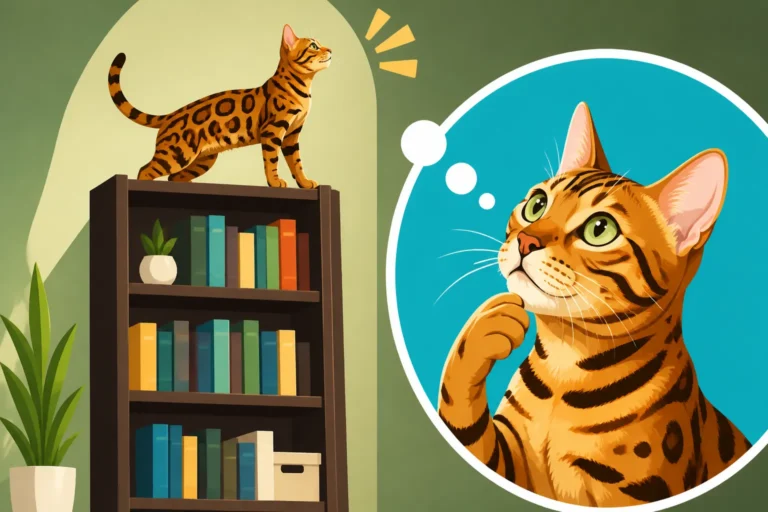
Beyond the primal instincts and predatory play, Bengals possess an insatiable curiosity that drives much of their behavior. They are incredibly intelligent creatures, always observing, learning, and seeking to understand their environment. A closed bathroom door or the sound of running water behind it is not a barrier but an irresistible puzzle. They want to know what’s going on, what that intriguing sound is, and how they can be a part of it.
This curiosity often leads them to explore every nook and cranny, every cupboard, and every potential source of entertainment in your home. The bathroom, with its shiny surfaces, intriguing sounds, and especially the running water, becomes a prime target for investigation. They're not content to merely observe from a distance; they want to engage, to touch, to taste, and to fully immerse themselves in the experience. This strong drive to explore, combined with their comfort in water, is why your shower is likely to become a regular fixture on their daily adventure itinerary.
From Trickle to Torrent: How a Bengal Cat Learns to Love the Shower
Few Bengals leap into a full-blown shower experience on day one. Their journey into the misty depths of your bathroom often begins with smaller, more manageable water encounters, slowly building their confidence and deepening their fascination. Recognizing this progression can help you understand your cat's behavior and even guide their water play safely.
The Early Encounters: Faucets, Toilets, and Bowls
Long before your Bengal considers joining you in the shower, they're likely experimenting with other water sources around the house. A dripping kitchen faucet can become an endless source of batting practice, with tiny paws trying to "catch" the elusive drops. Many Bengal owners report finding their cats perched on the sink edge, fascinated by the stream of water, often trying to drink directly from it rather than their bowl. This isn’t just cute; it's a clear indication of their strong innate attraction to moving water.
The toilet bowl, unfortunately, is another common target for their early water exploration. The fresh, cool water can be appealing, and the flushing mechanism provides both sound and movement that captivates their attention. While it’s certainly not the most hygienic drinking fountain, it's a testament to their investigative nature. It’s important to keep toilet lids closed to discourage this habit and prevent accidental exposure to cleaning chemicals. These early, smaller interactions serve as their initial training ground, building their confidence and affirming that water is indeed a fun, interesting element. For a deeper dive into their faucet obsession, read Why a Bengal Cat Turns on a Faucet.
The Sound of Opportunity: How Shower Noises Attract Them
The moment you turn on the shower, a unique symphony begins: the sudden rush of water, the steady patter against the tiles, the humid hiss filling the bathroom. To a Bengal cat, this isn't just background noise; it's an auditory beacon signaling an exciting, new activity. The sounds are distinct from a running faucet or a filling sink, suggesting a larger, more immersive water event that simply must be investigated.
Their keen hearing picks up on these cues instantly, often prompting them to race to the bathroom, perhaps scratching at the door or meowing insistently to gain entry. The combination of sound and the perceived "secret" activity behind the closed door creates an irresistible pull. It's a full-sensory experience that calls to their adventurous spirit, igniting their curiosity and compelling them to discover the source of this fascinating new aquatic environment.
Gradual Immersion: From Observer to Participant
Once your Bengal has navigated the initial auditory lure and gained access to the bathroom, their journey into the shower is typically a gradual process. Initially, they might position themselves on the edge of the tub or a nearby bath mat, observing the cascading water with intense focus. Their head might tilt, their ears swiveling, trying to process this novel experience. They watch your movements, assessing the safety and excitement of the situation.
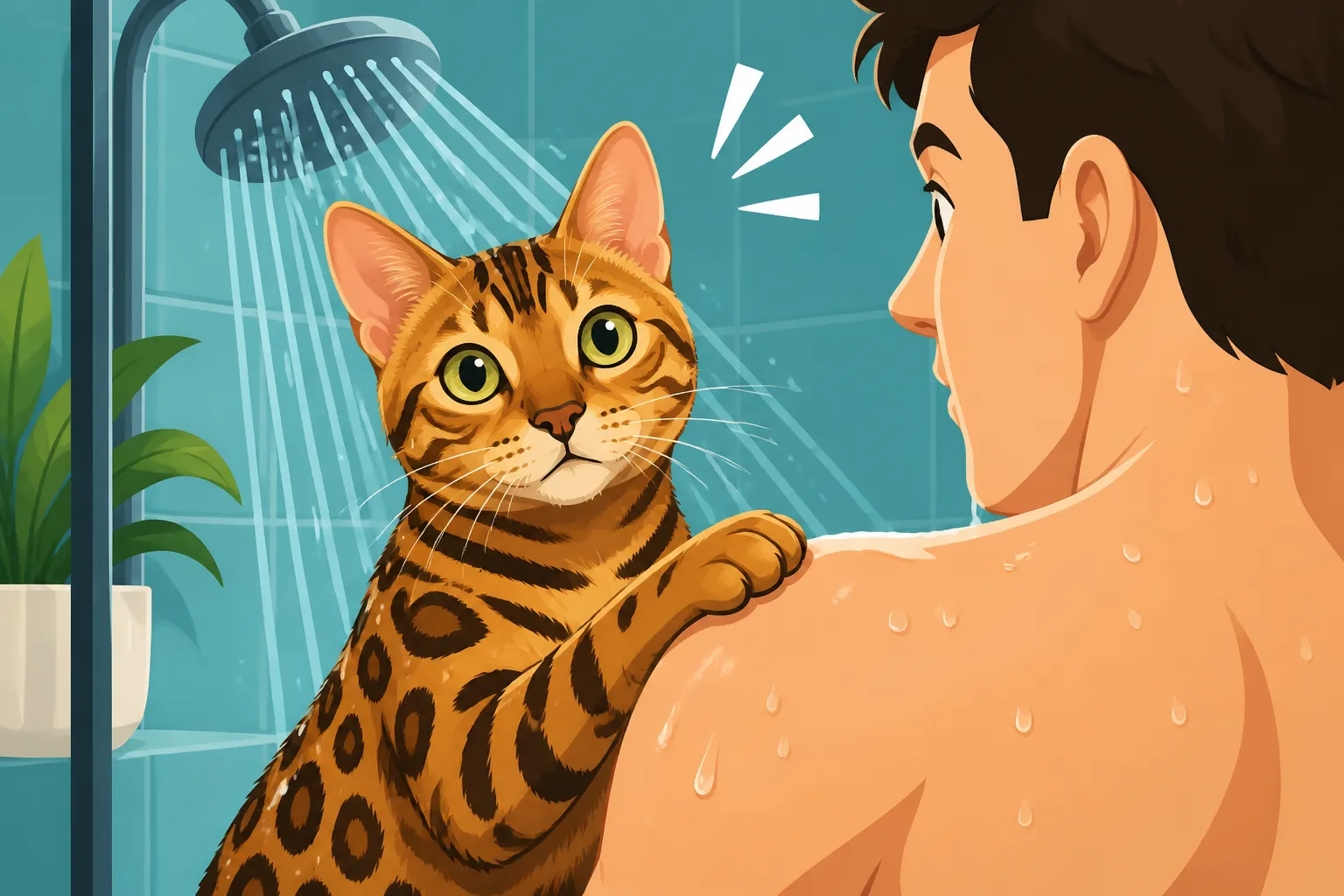
Then comes the tentative paw-dip. A single paw might extend into the spray, testing the temperature and the sensation of the water. This is often followed by a quick retreat, a shake of the paw, and another curious approach. This experimental phase can last for several sessions before they build up the courage for a fuller immersion. Eventually, for many Bengals, curiosity and their love for water win out, and they will tentatively step into the shower stream, often with a look of delighted surprise. It’s rarely a sudden, dramatic plunge, but rather a calculated and brave exploration that turns them into a regular shower companion. The joy they get from this kind of interaction is evident, as explored in How Much a Bengal Cat Enjoys a Bath.
Preparing for Your Shower Buddy: Bengal Cat Proofing Your Bathroom
While sharing your shower with a Bengal can be a delightful and unique bonding experience, it's crucial to ensure their safety. Bathrooms are full of potential hazards for curious felines, from slippery surfaces to toxic chemicals. Taking the time to cat-proof your bathroom is not just a good idea; it's an essential part of responsible Bengal ownership.
Securing the Space: What to Remove or Lock Away
Before inviting your Bengal into your private aquatic sanctuary, or even just leaving the bathroom door ajar, a thorough sweep for hazards is paramount. Think like a curious, agile cat. Any razors, sharp manicure tools, or delicate glass bottles are immediate no-gos. These can cause cuts or break into dangerous shards on a tile floor if knocked over. Beyond the obvious, everyday items like shampoo, conditioner, liquid soaps, and even fancy bath bombs contain chemicals that are not safe for ingestion. Even a small taste could lead to an upset stomach or worse.
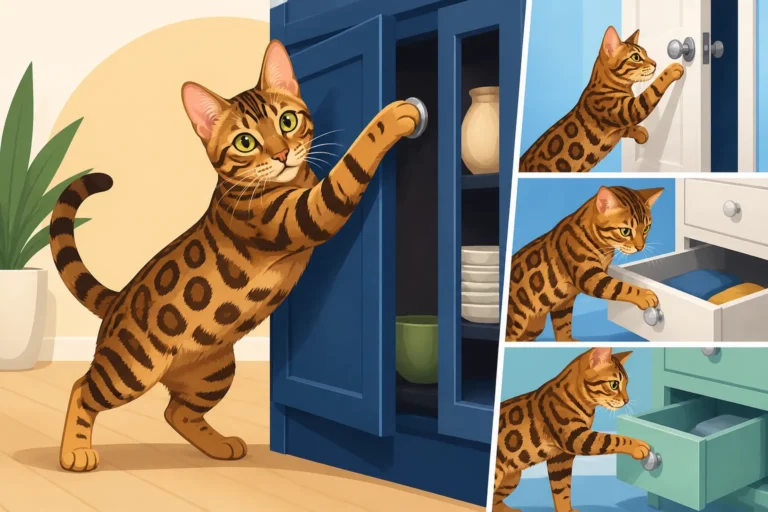
Medications, whether prescription or over-the-counter, should always be stored in a secure, cat-proof cabinet, well out of reach. A Bengal's intelligence means they often learn to open drawers and cabinets, so simply placing items behind a closed door might not be enough. Consider child-proof locks for lower cabinets or invest in high, secure shelving for all potentially dangerous items. This proactive approach ensures that your shower buddy’s adventure doesn’t turn into an emergency vet visit. For more tips on securing your home, check out How to Cat Proof Cabinets From a Bengal Cat.
Temperature Checks: Ensuring the Water is Safe
A comfortable shower for you might be too hot or too cold for your feline friend. Cats have sensitive skin, and extreme water temperatures can be uncomfortable or even harmful. Before your Bengal steps into the shower, take a moment to regulate the water temperature. Aim for lukewarm water, similar to what you would use for a baby – not too hot to scald, and not too cold to cause a shock.
A sudden burst of cold water could scare your Bengal away from the shower experience permanently, while overly hot water could cause burns. Test the water with your hand first, and ensure it remains consistent throughout their shower time. If you use particularly hot water, ensure your Bengal only enters once the temperature has settled. By being mindful of the water temperature, you can create a safe and enjoyable experience that encourages their continued participation rather than deterring it.
Slip and Slide: Making the Tub Safe for Paws
Bathtubs and shower floors, especially when wet and soapy, can be incredibly slippery for a cat with four paws and limited traction. A sudden slip or fall could lead to injury, a traumatic experience that might make them wary of water in the future. To mitigate this risk, consider placing a non-slip mat specifically designed for bathtubs on the shower floor. Many bath mats adhere with suction cups, providing a stable, textured surface that gives your Bengal's paws better grip.
Even though Bengals have sharp claws, these are not always enough to provide adequate traction on slick porcelain or acrylic. A non-slip surface allows them to move more confidently, reducing the chance of them startling or getting hurt. This small addition can make a big difference in ensuring their safety and comfort during their aquatic adventures. If your Bengal feels secure, they're more likely to relax and enjoy the experience alongside you.
Beyond the Shower: Other Water Adventures for Your Bengal
While the shower might be the most iconic water activity for a Bengal, their love for H2O extends far beyond the confines of your bathroom stall. Providing various safe and engaging water play opportunities is a fantastic way to enrich their lives, stimulate their minds, and satisfy their natural instincts.
Sink Shenanigans: Turning Faucets into Playgrounds
The sink is often a Bengal cat's first foray into intentional water play. Running a gentle, slow trickle from the kitchen or bathroom faucet can provide hours of mesmerizing entertainment. They’ll bat at the stream, try to “catch” the water, and often drink directly from it, finding the moving water more appealing than a stagnant bowl. This controlled environment is perfect for satisfying their curiosity without the full immersion of a shower.
You can even enhance sink play with a few simple additions. Place a small, cat-safe floating toy in a stoppered sink with an inch or two of water, and watch your Bengal "fish" for it with their paws. This engages their predatory drive in a safe, contained space. Just remember to always supervise, especially with a running faucet, to prevent them from turning it on themselves and potentially flooding your space. Many Bengals also adore cat-specific water fountains, which keep water circulating and fresh, tapping into their preference for moving water. If you’re looking for a durable option, Which Water Fountain Survives a Bengal Cat offers great insights.
Outdoor Water Fun: Hoses, Kiddie Pools, and Ponds
If you have a secure outdoor space, the possibilities for water fun expand greatly. A gentle spray from a garden hose on a warm day can become an exhilarating game, with your Bengal pouncing and chasing the moving water jet. Always ensure the water pressure is low and the temperature is comfortable, avoiding any shocking cold sprays. Many Bengals also adore a shallow kiddie pool filled with just a few inches of water. You can toss in some floating toys, or even some catnip-infused fish, to encourage them to splash and play.
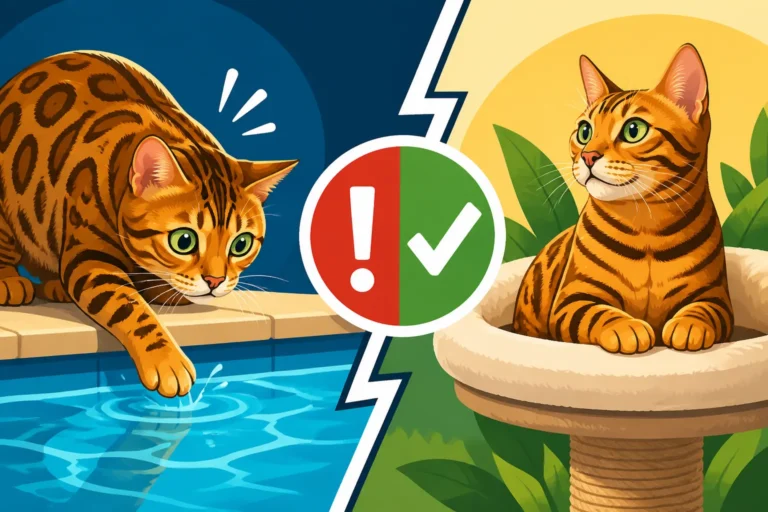
For the truly adventurous Bengal, a controlled, supervised visit to a natural pond or very shallow, clean stream could be an unforgettable experience. However, outdoor water activities come with increased risks. Always ensure the area is secure and free from hazards like toxic plants, chemicals, or other animals. Never leave your Bengal unsupervised near any body of water, no matter how shallow, as unexpected dangers can arise. Safety is paramount when exploring nature’s aquatic playgrounds with your adventurous feline, so ensure you understand Whether a Bengal Cat Swims in a Pool.
Interactive Water Toys: Puzzles and Drinking Fountains
Beyond the natural and direct water sources, there's a whole world of interactive water toys designed to engage your Bengal's keen mind and body. Puzzle feeders that involve water or treat-dispensing toys that float can provide mental stimulation while satisfying their aquatic leanings. These kinds of toys challenge their problem-solving skills and reward them with treats or the satisfaction of a "catch."
Consider investing in an automatic pet water fountain. Many Bengals prefer to drink from moving water, and a fountain provides a continuous stream of fresh, filtered water, encouraging hydration and engaging their senses. Brands like those found on Amazon offer a variety of styles, from ceramic to stainless steel, some with multiple streams or bubbling features that captivate a Bengal's attention. These aren’t just about providing water; they're about transforming a basic need into an enriching play opportunity, catering directly to their inherent love for running water.
When Water Play Becomes Too Much: Managing a Bengal's Wet Habits
While a Bengal's love for water can be endearing and entertaining, it can also, at times, become a bit… excessive. From persistent faucet-turning to aggressive water bowl excavation, their aquatic antics can lead to mess, potential damage, and frustration for owners. Learning to set boundaries and manage these behaviors is key to maintaining harmony in a water-loving Bengal household.
Setting Boundaries: Discouraging Unwanted Water Behavior
Sometimes, a Bengal's natural inclination towards water can manifest in ways that are less than ideal. This might include continuously batting all the water out of their bowl, attempting to turn on faucets, or even splashing in the toilet when you'd rather they didn't. The key is redirection and consistent management rather than punishment, which can damage your bond. For instance, if your Bengal constantly splashes their water bowl, try a heavier, ceramic bowl that's harder to move, or an anti-splash design. You can also place their water bowl inside a larger, shallow tray to catch spills.
For faucet-obsessed Bengals, securing taps with child-proof locks when not in use can be effective. If they are persistently trying to open cabinets with water pipes, similar child-proof latches will be your best friend. Instead of trying to eliminate their water drive, provide acceptable outlets. Offer designated water playtimes with toys in a controlled environment like a bathroom sink or a shallow tub. This teaches them when and where water play is allowed, channeling their energy constructively. To tackle specific flooding issues, How to Stop a Bengal Cat Flooding the Bathroom offers practical solutions.
The Mess Factor: Containing the Splashes
Let's be realistic: a water-loving Bengal is going to make a mess. Accepting this is the first step, but containing it is the practical next. High-sided water bowls are a simple yet effective tool to reduce splashes. Some owners even opt for large dog bowls, which offer more volume and less surface area for mischievous paws to exploit. Placing a waterproof mat, such as a silicone pet mat or even a large, absorbent bath mat, under their water and food bowls is a game-changer. These catch spills, making cleanup much easier and protecting your floors from water damage.
For shower-loving Bengals, be prepared for damp paw prints leading from the bathroom. Keep extra towels handy, and consider placing an absorbent bath mat right outside the shower door. While you can't completely eliminate the wet trails, you can certainly minimize their reach and the effort required to clean them up. This preventative approach helps manage the inevitable splash-zone that comes with a Bengal cat.
Protecting Your Home: Dealing with Persistent Water Mischief
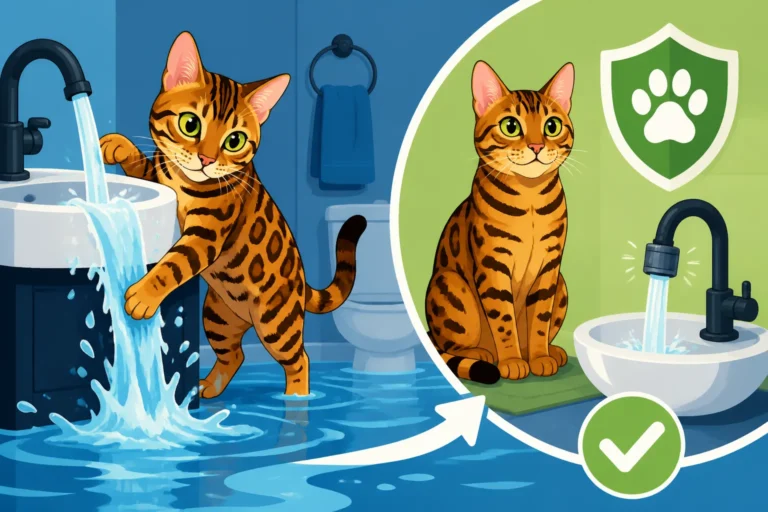
In some cases, a Bengal's water fascination can escalate beyond simple messes to behaviors that threaten your home. A particularly clever or determined Bengal might learn to turn on faucets consistently, leading to potential flooding if left unsupervised for too long. If you're dealing with a true "water engineer," more robust measures might be necessary. Consider installing lever-style faucet locks that physically prevent the handle from turning, or even turning off the main water valve to sinks if you're going to be away for an extended period.
Investing in water sensors that alert you to leaks can also provide peace of mind, especially in areas where your Bengal is known to frequent. For bathrooms, ensure all cabinet doors are securely latched, particularly those under sinks where pipes are accessible. In homes with older plumbing or wooden floors, persistent water damage can be costly. While Bengals are typically very smart and learn routines, their instinctual drive can sometimes override learned behavior. Therefore, a multi-layered approach to water damage prevention is crucial to protect your home from your enthusiastic aquatic feline.
Safety First: Ensuring Your Water-Loving Bengal Stays Safe
A Bengal’s boundless curiosity and deep love for water, while charming, can also expose them to a range of household dangers. Ensuring their safety around water sources requires vigilance and proactive measures from every owner. A few simple precautions can prevent playtime from turning into a potential health crisis or serious accident.
Chemical Hazards: Keeping Toxins Away from Water
The bathroom is often a repository of numerous household chemicals and personal care products, many of which are highly toxic to cats. A Bengal's penchant for playing in sinks or exploring puddles means they are at a higher risk of accidental exposure. Cleaning products like toilet bowl cleaners, drain openers, bleach, and even many all-purpose bathroom sprays contain harsh chemicals that can cause severe internal burns, organ damage, or poisoning if ingested. Even seemingly innocuous items like scented bath bombs, essential oils, or certain soaps can be harmful if a curious cat decides to take a lick or splash in them.
It is absolutely crucial to store all cleaning supplies and personal care products in securely latched cabinets that your intelligent Bengal cannot open. Never leave a toilet lid up if you've used a cleaning tablet or liquid, and always rinse bathtubs thoroughly after cleaning before allowing your cat access. A Bengal's oral curiosity is strong, and if they're exploring a wet surface, they might taste it. Prevention is the only truly safe approach here.
Electrical Dangers: Water and Appliances Don't Mix
The combination of water and electricity is inherently dangerous, and a bathroom is often home to both. Hair dryers, curling irons, electric shavers, and other plugged-in appliances pose a serious electrocution risk if they come into contact with water, or if a curious Bengal bats them into a wet sink or tub. Cats are naturally drawn to cords and might chew on them, especially if they’re left dangling.
Always unplug all electrical appliances immediately after use and store them away from water sources and out of reach of your cat. Never leave appliances plugged in, even if they're turned off, particularly when a water-loving Bengal is on the prowl. If your Bengal enjoys joining you in the shower, ensure no electrical items are close enough to the tub to be knocked in or to pose a risk of splashing. Creating a strict habit of unplugging and putting away prevents potentially fatal accidents.
Drowning Risks: Shallow Water, Big Danger
While Bengals are often skilled swimmers due to their ancestry, even relatively shallow water can pose a drowning risk under certain circumstances. A Bengal could slip, hit their head, and become disoriented, or get tangled in a towel or bath toy while struggling. A filled bathtub, even if only partially, should never be left unsupervised if your Bengal has access. The same applies to deep sinks or large buckets of water.
Always keep toilet lids down to prevent your cat from falling in, especially small kittens, and to discourage them from drinking or playing in potentially unsanitary water. If you're using a kiddie pool outdoors, ensure the water level is extremely shallow and your cat is constantly supervised. Never assume your Bengal is entirely safe around water simply because they enjoy it. Their natural instincts for play can sometimes override their sense of caution, making your constant supervision essential for their safety.
Grooming and Water: A Bengal's Unique Approach
For most cat breeds, the idea of a bath conjures images of scratched arms and a traumatized feline. But for many Bengals, their innate love for water transforms necessary grooming into a less stressful, sometimes even enjoyable, experience. Their unique coat and adventurous spirit mean their grooming routine often deviates from that of a typical domestic cat.
The Self-Bathing Bengal: Less Need for Human Intervention
One of the less-talked-about benefits of a water-loving Bengal is their willingness, and sometimes eagerness, to get wet. Unlike other cats who treat bath time as a cardinal sin, many Bengals will tolerate, and some will even revel in, a warm shower or a shallow bath. This can be a huge advantage when they genuinely need cleaning, whether they’ve rolled in something unpleasant outdoors or simply need a refresh. The stress of a forced bath is often significantly reduced because they are already comfortable with the sensation of water.
Their short, dense coats are also designed for efficiency; they dry relatively quickly compared to longer-haired breeds. While they still groom themselves meticulously, as all cats do, their acceptance of water means you can more easily intervene when needed without the epic struggle usually associated with bathing a cat. This makes keeping them clean and fresh a far more manageable task, proving that Why a Bengal Cat Barely Needs Brushing at All extends to their self-grooming habits with water assistance.
Shedding and the Shower: A Natural Helper
Bengal cats are known for their beautiful, pelt-like coats that shed considerably less than many other cat breeds. This is due to their unique hair structure and often a lack of a thick undercoat, a trait inherited from their Asian Leopard Cat ancestors. However, "less shedding" doesn't mean "no shedding." Like all animals, they do shed dead hair, especially during seasonal changes.
The shower can actually become a natural, effective tool in managing this minimal shedding. The warm water helps to loosen and rinse away dead hairs that might otherwise accumulate on furniture or be ingested during self-grooming. A quick, gentle rub-down in the shower or after a swim can physically remove these loose hairs, leaving their coat smoother and shinier. It's a low-effort way to assist their natural shedding process, reducing the amount of hair they might otherwise swallow, which can contribute to hairballs. It's a win-win: they enjoy the water, and you get a cleaner cat and a cleaner home. Indeed, How Little a Bengal Cat Sheds for a Shorthair is one of their attractive qualities.
Post-Shower Rituals: Drying and Comfort
After an invigorating shower or a splash-filled play session, your Bengal will appreciate a thoughtful post-water ritual. While their coats are short and dry relatively fast, ensuring they are thoroughly dry, especially in cooler environments, is important for their comfort and health. Have a soft, absorbent towel ready to gently rub them down immediately after their water adventure. Most Bengals tolerate toweling well, sometimes even enjoying the attention.
For those who are particularly sensitive to lingering dampness or if the ambient temperature is cool, a low-heat, low-speed setting on a hairdryer can be used, but always keep it at a safe distance and monitor their comfort level closely. Many will simply find a warm, sunny spot or a cozy bed to finish drying themselves, often purring contentedly. Providing a comfortable, warm spot for them to relax and dry off completely is key to making the entire water experience a positive one, ensuring they're ready for their next aquatic escapade.
Living with a Water-Obsessed Bengal: Daily Life and Enrichment
Owning a Bengal cat means embracing their unique characteristics, and their love for water is undoubtedly one of the most prominent. Instead of viewing it as an oddity or a nuisance, integrating safe water play into their daily routine can significantly enhance their enrichment, solidify your bond, and make living with these active and intelligent felines even more rewarding.
Incorporating Water Play into Daily Enrichment
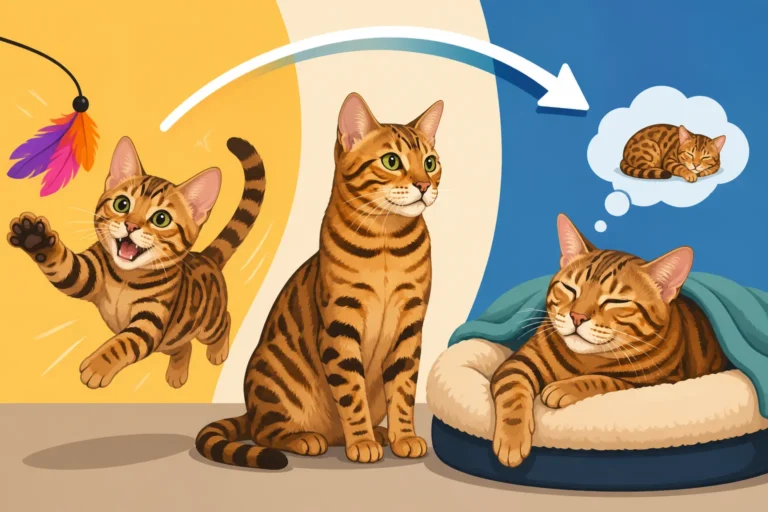
For a breed as intelligent and energetic as the Bengal, enrichment isn't just a bonus; it's a necessity. Their love for water provides a fantastic avenue for fulfilling this need. Instead of trying to curb their water instincts, actively incorporate them into their daily play. Set aside specific times for "water play" – perhaps a few minutes with a running faucet in the sink, a shallow basin with floating toys, or even a supervised session in a kiddie pool. These dedicated times provide a controlled outlet for their energy and curiosity, making them less likely to seek out unsupervised (and potentially messier) water adventures.
You can make these sessions even more stimulating by introducing new water-safe toys, rotating locations, or even playing hide-and-seek with a floating treat. For a breed that demands constant engagement, water play offers both physical exercise and mental stimulation, tapping into their predatory instincts in a fun and safe way. This proactive approach to enrichment is vital for their overall happiness and well-being, as highlighted in How Much Enrichment a Bengal Cat Actually Needs.
The Joy of a Shared Experience: Bonding Through Water
One of the most profound aspects of a Bengal’s water affinity is the unique opportunity it creates for bonding. When your Bengal chooses to join you in the shower, or happily splashes alongside you in a designated play area, it’s more than just a quirky habit; it’s a shared experience. This can be a delightful and intimate moment, fostering a deeper connection between you and your feline companion.
Unlike many cat owners who struggle to get their pet near a bathtub, Bengal owners often share laughter and unique memories surrounding their cat’s aquatic antics. These shared moments, whether it’s your cat batting at the shower stream or trying to "help" you wash your hair, become endearing stories and strengthen the unique bond you have. Embracing and participating in their water love is a way to acknowledge and celebrate a fundamental part of who they are, turning a potentially odd behavior into a cherished aspect of your relationship. Their unique temperament, detailed in What a Bengal Cat's Temperament Is Really Like, truly shines in these moments.
Understanding, Patience, and a Sense of Humor
Living with a water-obsessed Bengal ultimately requires a healthy dose of understanding, patience, and perhaps most importantly, a robust sense of humor. Your Bengal isn't trying to be mischievous or destructive when they turn on a faucet or track wet paw prints across your clean floor; they are simply following deeply ingrained instincts and expressing their innate curiosity and love for play. Punishing them for these natural behaviors is counterproductive and can damage your relationship.
Instead, practice patience as you implement boundaries and redirection strategies. Understand that some messes are inevitable and learn to laugh off the occasional surprise. A sense of humor becomes your greatest asset when you find your Bengal attempting to "fish" in the toilet, or leaping into the shower just as you're rinsing your hair. These cats are known for their high energy and clever antics, making them truly unique companions. By accepting and appreciating their vibrant, water-loving personalities, you can create a happy, enriching home for both you and your extraordinary Bengal, living up to the statement that The Bengal Cat Is the Most Active Cat You Can Own.
Water Play Activities for Your Bengal Cat
To help you manage and enjoy your Bengal's water fascination, here's a table summarizing various water activities, their engagement levels, and important safety considerations.
| Water Activity | Description | Bengal Cat Engagement Level | Safety Considerations | Brands/Notes (e.g., Amazon) |
|---|---|---|---|---|
| Shower | Joining owner in the shower stream. | High | Regulate water temperature (lukewarm), ensure non-slip surface, remove all toxic products. | Ensure quality showerhead for consistent spray. |
| Faucet Play | Batting at a slow, running stream from a tap (sink, tub). | Medium to High | Ensure no sharp objects in the sink, supervise to prevent turning taps on/off. | Easy to set up in any household sink. |
| Water Fountain | Drinking from a circulating pet water fountain. | Medium | Regular cleaning (prevent biofilm), ensure proper assembly, stable placement. | Many options on Amazon; look for stainless steel or ceramic. |
| Kiddie Pool | Shallow pool (a few inches of water) in a secure outdoor or indoor area. | High | Constant supervision (drowning risk), water quality, temperature, sun protection outdoors. | Inexpensive plastic pools from Amazon or local stores. |
| Toilet Drinking | Drinking from the toilet bowl. | Low (Discourage) | Keep lid down, chemical cleaners (bleach, tablets) are highly toxic. | Not recommended due to hygiene and chemical risks. |
| Wet Toys/Puzzles | Playing with floating toys in a shallow basin or water-activated puzzle feeders. | Medium | Ensure toys are cat-safe and cannot be swallowed, clean basin regularly. | Floating cat toys, some puzzle feeders can be adapted. |
| Hose Spray (gentle) | Chasing and batting at a low-pressure stream from a garden hose. | Medium to High | Low pressure only, appropriate temperature, secure outdoor area, supervision. | Standard garden hose with adjustable nozzle. |
| Aquarium Viewing | Watching fish in a secure, covered aquarium. | Low (Passive) | Ensure aquarium is completely sealed/covered to prevent jumping in or harming fish. | Observe from outside, no direct interaction with water. |
Disclaimer
This article is for general informational purposes only and does not constitute professional advice. Laws, prices and regulations vary by location and change over time. Consult a qualified professional for guidance on your specific situation.