Whether a Bengal Cat Reaches the Top of a Bookcase
Many Bengal cat owners quickly learn that what they thought was "cat-proof" vertical space is merely a fun challenge for their agile felines. The question isn't if your Bengal cat can reach the top of a bookcase, but when they'll decide to conquer it. This comprehensive guide will delve into the remarkable climbing abilities of Bengal cats, helping you understand their instinctual drive to ascend, and offering practical strategies to both protect your home and safely indulge their need for height.
The Bengal Cat's Innate Climbing Prowess
Bengal cats aren't just pretty faces; they're athletic marvels, hardwired for climbing and exploring vertical realms. If you've ever watched a wild cat documentary, you'll see echoes of that agility in your own home. This isn't just a quirky habit; it's a fundamental part of who they are, rooted deeply in their genetics and physical makeup.
Their Wild Ancestry and Instincts
Let's face it, your Bengal cat comes from some pretty impressive stock. The Asian Leopard Cat (ALC), their wild ancestor, is a master climber, spending significant time in trees for hunting, observing, and escaping predators. This isn't just about survival; it's about their entire worldview. They survey their territory from above, feeling safer and more in control. That primal instinct is incredibly strong in Bengal cats, even generations removed from their wild relatives. They aren't just looking for a cozy spot; they're fulfilling a deep-seated need to be high up, to see their world from a commanding vantage point, just like their ancestors did in the jungle canopy. It's less about mischief and more about instinctual satisfaction.
This ancestral urge means that a Bengal isn't just able to climb; they want to climb. It’s part of their daily mental and physical exercise routine. Denying them vertical space is like telling a marathon runner they can only walk short distances – it goes against their very nature. They thrive on the challenge, the perspective, and the sheer joy of reaching new heights. Understanding this intrinsic motivation is the first step in creating a harmonious home environment for your high-flying feline friend. When you realize The Bengal Cat Is the Most Active Cat You Can Own, their need for vertical exploration makes perfect sense.
Physical Attributes for Vertical Ascent
Take a good look at your Bengal cat. Notice their strong, muscular hind legs? Those aren't just for running. They provide incredible power for explosive jumps, launching them upwards with surprising force. Their sleek, athletic bodies are built for agility and balance, allowing them to navigate narrow ledges and precarious heights with remarkable grace. And let's not forget those paws! Their claws are exceptionally sharp and retractable, acting like natural climbing hooks that grip almost any surface – from tree bark to your expensive wooden bookcase. This combination of powerful legs, agile bodies, and formidable claws makes them natural born climbers.
Their excellent coordination and spatial awareness also play a huge role. They can calculate jumps with astonishing precision, assessing distances and landing spots with a confidence that would make a human gymnast envious. This isn't just random leaping; it's a calculated maneuver. They learn quickly what they can and cannot grip, adapting their technique as they go. So, when your Bengal is eyeing that gap between the bookshelf and the ceiling, they're not just guessing; they're actively planning their ascent, using all their physical gifts to achieve their goal. It's a truly amazing display of feline athleticism, and a strong indicator of How High a Bengal Cat Can Jump.
The Drive for High Perches
Why do they want to be up high so much? It's multifactorial, but safety, observation, and warmth are key motivators. From a high vantage point, a Bengal cat feels secure. They can see everything happening below them, giving them an early warning system against perceived threats (like the vacuum cleaner or an unexpected guest). It’s also a prime spot for observation – they love to watch the world go by, whether it's out a window or simply observing the mundane activities of their human family. This elevated position provides mental enrichment, keeping their sharp minds engaged.
Furthermore, some Bengals simply enjoy the warmth that can collect closer to the ceiling, especially in older homes or during colder months. It’s a cozy, protected spot that satisfies multiple needs at once. If your home has multiple pets, particularly dogs, a high perch offers an invaluable escape route and personal sanctuary where they can truly relax without being disturbed. This desire for elevated relaxation and surveillance means that if a bookcase offers the highest, most secluded spot, your Bengal will see it as an irresistible invitation.
Factors Influencing a Bengal Cat's Climbing Height
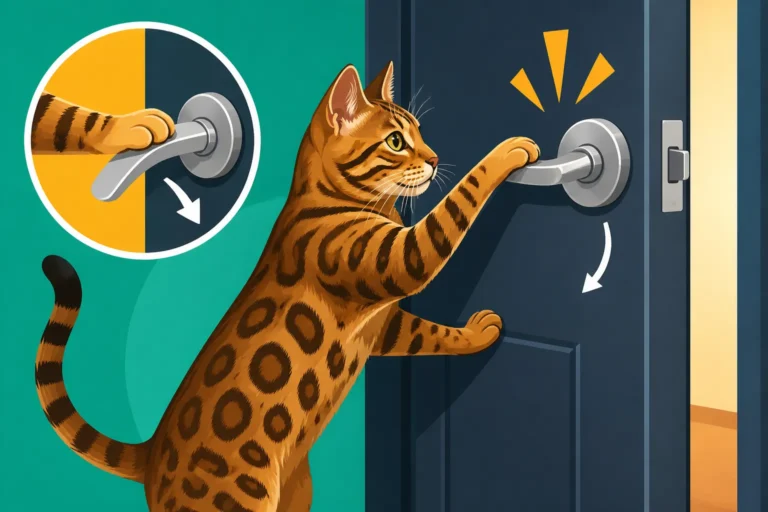
It's one thing to know your Bengal can climb, but understanding how and why they choose certain heights can help you better manage their adventures. Their impressive vertical range isn't just about raw athletic ability; it's also about environmental factors and their inherent problem-solving skills. They are incredibly clever, and will use their surroundings to their advantage, often in ways you hadn't anticipated. How Intelligent a Bengal Cat Is is a topic many owners discover firsthand when their cat outsmarts their latest "cat-proofing" efforts.
Leveraging Household Objects
A Bengal cat doesn't necessarily need a sheer rock face to climb to the top of your bookcase. They are masters of using intermediate steps. That side table next to the shelf? The armchair placed just so? Even a stack of magazines that you thought was stable enough – these all become launchpads or stepping stones for an ambitious Bengal. They can chain together multiple small jumps and climbs to reach impressive heights. It's like watching a furry parkour expert, utilizing every available surface to achieve their goal.
Think about the path your Bengal might take to reach the top of a tall piece of furniture. They might jump from the floor to a low bookshelf, then to a chair, then onto the next shelf, and finally, a graceful leap to the very top. This isn't just random; it's often a calculated route. They're constantly assessing the stability and accessibility of objects in their environment. This means that merely having a tall bookcase isn't the only concern; it's about all the surrounding furniture that could potentially aid their ascent. To truly cat-proof a high area, you need to consider the entire vertical pathway they might construct.
Motivation: What Drives Them Up
While instinct is strong, specific motivations often push a Bengal to conquer new heights. Is there a sunny spot at the top of the bookcase that looks particularly inviting? Is there a spider they've been eyeing? Or perhaps, most commonly, are they just plain bored? A bored Bengal cat is a creative Bengal cat, and creativity often manifests as exploring forbidden territories. If they aren't getting enough How Much Exercise a Bengal Cat Needs a Day or mental stimulation, that towering bookcase might become the most exciting thing in the room.
Sometimes, the motivation is even simpler: "My human doesn't want me up there, so it must be interesting!" Bengals are notoriously curious and love a challenge. If you've ever shooed them off a counter, you know they often just jump right back up as soon as your back is turned. The higher the forbidden fruit, the more appealing it often becomes. This adventurous spirit, combined with a lack of appropriate outlets, can easily turn your living room into an Olympic climbing gym for your feline friend. Remember that What a Bored Bengal Cat Destroys can often be the result of insufficient outlets for their natural energy.
Age and Dexterity
While Bengal kittens are bundles of boundless energy and fearlessness, their dexterity and judgment are still developing. They might try to climb anything and everything, but sometimes lack the finesse of an adult. They might tumble more often or misjudge a jump. As they mature, their coordination becomes truly exceptional. An adult Bengal, especially one in their prime, possesses peak athleticism, allowing them to scale heights with incredible ease and confidence. The age a Bengal cat is considered full-grown is also when they truly hit their stride physically, capable of scaling impressive heights.
However, it’s also important to remember that as Bengals age, their physical capabilities can start to wane. A senior Bengal cat might not be as agile or have the same explosive power in their jumps. Joint issues or other age-related health concerns can make climbing more difficult or even painful. While they may still desire high places, their ability to reach them safely might be compromised. This is a crucial consideration for owners of aging Bengals, as falls can lead to serious injury. Always be mindful of your cat's current physical condition when assessing their climbing capabilities and providing safe access to elevated spots.
Protecting Your Home and Your Bengal from Unwanted Climbs
It’s clear that a Bengal cat will find a way to the top of that bookcase if they set their mind to it. The key isn't necessarily to stop them from climbing altogether – that's a losing battle against instinct – but rather to redirect their efforts and make your home safer. After all, a falling Bengal can cause damage, but more importantly, a falling bookcase can seriously injure your cat, or even a person.
Assessing Your Home's "Climbability"
Before you can implement solutions, you need to think like a Bengal cat. Walk around your home and identify all potential vertical pathways. Look at your bookcases, shelving units, wardrobes, and even kitchen cabinets. Are there objects nearby that serve as easy stepping stones? Are shelves sturdy enough to support a cat's weight? What a Healthy Bengal Cat Weighs can range significantly, so ensure any climbing surface can handle it. Are there valuable or fragile items on high shelves that could be knocked down? Consider everything from knick-knacks to heavy books. It’s surprising what a determined Bengal can dislodge.
Pay particular attention to the stability of the furniture itself. Tall, freestanding bookcases can be incredibly unstable, especially if your Bengal uses them as a launchpad or a scratching post on the way up. A Bengal landing hard after a jump can easily destabilize a top-heavy unit. This assessment should be ongoing, as your Bengal's ingenuity might reveal new pathways you hadn't considered initially. You might realize you need to factor in How Much Vertical Space a Bengal Cat Needs not just for them to climb, but to understand how they navigate your existing furniture.
Securing Bookcases and Shelves
The absolute number one priority is to anchor any tall, freestanding furniture to the wall. This is non-negotiable for anyone living with an active Bengal cat. Furniture tipping straps or brackets are readily available at hardware stores and on platforms like Amazon. They are relatively inexpensive and can literally be life-savers. Even if your Bengal does manage to scale the bookcase, anchoring it prevents it from toppling over, protecting both your cat and your family.
Once the furniture is secure, consider what's on the shelves. Relocate fragile, dangerous, or valuable items to drawers or enclosed cabinets. For items you wish to display, use museum putty or earthquake wax to secure them firmly to the shelf, making them much harder for a curious paw to dislodge. Also, ensure that books are pushed back fully on shelves to create fewer precarious ledges. This simple act can reduce the number of potential "launch zones" or items to bat at.
Deterrents and Redirection
Sometimes, you just don't want your Bengal on a specific surface, like that antique display cabinet or the top of your kitchen cupboards. Deterrents can be helpful, but they need to be consistent and safe. Double-sided sticky tape applied to the surface can be off-putting for their paws, as can crinkled aluminum foil. Commercial cat-specific deterrent sprays (often with citrus or bitter apple scents) can also be effective for some cats, but always test them on an inconspicuous area first to ensure they don't stain your furniture.
The most effective deterrent, however, is providing better alternatives. If you want them off the bookcase, you need to offer them an even more appealing place to be on. This is where enrichment comes in. Investing in appropriate vertical spaces that are designed for climbing and perching is crucial. Without a positive outlet for their natural instincts, a Bengal will simply find other, less desirable places to express them.
Creating Safe and Engaging Vertical Spaces
Since your Bengal cat's desire to climb is deeply ingrained, the best approach is not to fight it, but to harness it. Provide them with ample, safe, and exciting vertical opportunities that satisfy their instincts while keeping your home and possessions intact. This means creating a personal "Bengal cat playground" that rivals the appeal of your bookcase.
The Importance of Cat Trees and Shelves
Think of a sturdy, tall cat tree as a multi-story mansion for your Bengal. It offers scratching surfaces, cozy hideaways, and, most importantly, multiple levels for climbing and perching. Don't skimp on size or quality; a flimsy, short cat tree meant for a placid housecat simply won't cut it for an active Bengal. They need something robust that won't wobble when they launch themselves onto the highest platform. Many excellent options are available on Amazon that are designed for larger, more active breeds, offering stability and durability. This isn't just a luxury; it's a necessity for their well-being and your peace of mind. Check out resources like Which Cat Tree a Bengal Cat Needs for guidance.
In addition to cat trees, consider wall-mounted cat shelves. These are fantastic because they utilize vertical wall space, often otherwise unused, and can be arranged in creative, challenging configurations. You can create an entire "cat highway" along your walls, leading to high perches, hammocks, or even access to the top of an otherwise inaccessible cabinet. This satisfies their climbing urge without sacrificing floor space or risking your furniture. If you're handy, How to Build Shelves for a Bengal Cat can provide some excellent DIY options.
| Vertical Enrichment Option | Description | Pros | Cons |
|---|---|---|---|
| Tall Cat Trees | Multi-level structures with platforms, perches, and scratching posts. | Provides varied climbing and resting spots; often has hiding areas; readily available in various sizes and materials from retailers like Amazon. | Can be bulky and take up floor space; cheaper models may lack stability for a Bengal; some cats may quickly destroy fabric or sisal. |
| Wall-Mounted Shelves | Individual shelves, steps, or complete "cat highways" installed directly onto walls. | Saves floor space; highly customizable; allows for creative pathways and high vantage points; modern aesthetic can blend with decor. | Requires drilling into walls; initial setup can be time-consuming; ensuring stability for Bengal's weight is crucial; may not be suitable for renters. |
| Window Perches | Small platforms that attach to windowsills or suction to glass. | Offers prime bird-watching spots; great for sunbathing; relatively inexpensive and easy to install. | Limited climbing opportunity; may not be large enough for bigger Bengals; suction cups can fail; can block window access for humans. |
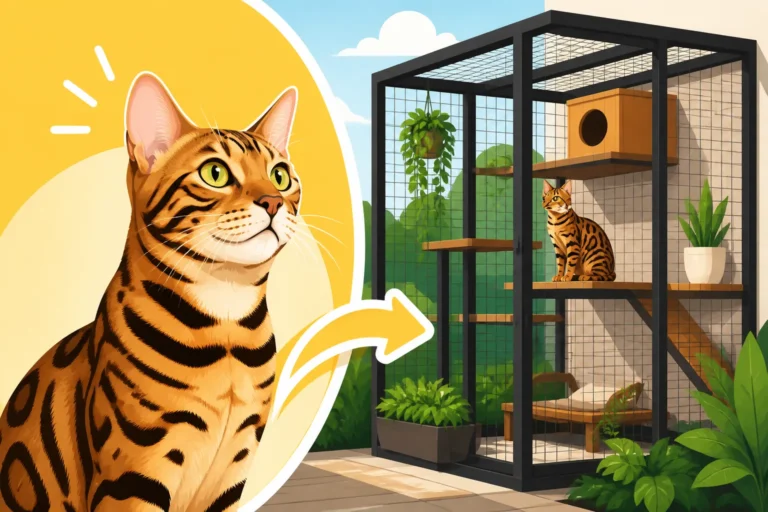
| Catios (Cat Patios) | Enclosed outdoor structures with shelves, ramps, and safe climbing opportunities. | Provides safe outdoor access; immense enrichment and stimulation; allows for climbing natural elements like branches; highly secure. | Significant initial cost and construction effort; requires outdoor space; permits may be needed; regular maintenance for weather exposure. |
Designing a Bengal-Friendly Vertical Environment
When designing these vertical spaces, think about your Bengal's natural behaviors. They love to survey their domain, so ensure some perches offer clear views of the room or out a window. They enjoy basking in sunbeams, so place a shelf or cat tree near a sunny window if possible. Vary the textures of their climbing surfaces – sisal rope, carpeted platforms, even plain wood – to provide different sensory experiences for their paws and claws.
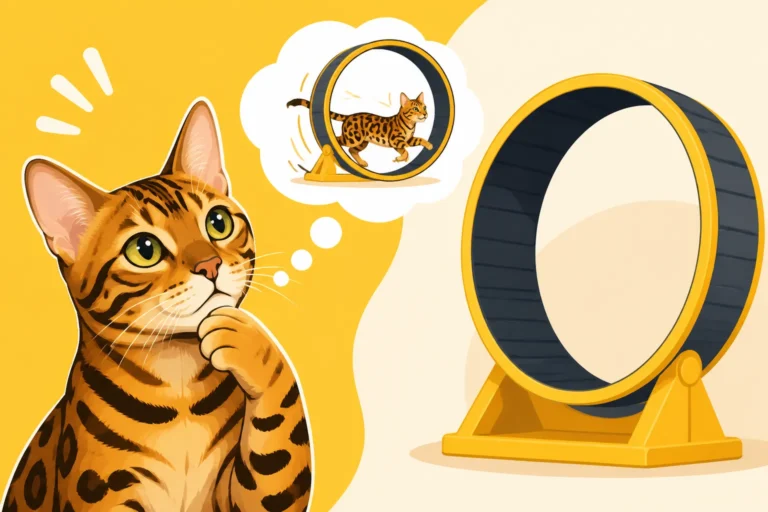
Consider the flow of your vertical playground. Can they easily move from one level to the next? Are there multiple routes up and down to prevent bottlenecks if you have more than one cat? Remember that Bengal cats are not typically sedentary creatures; they want to move, jump, and explore. For this reason, many owners find Why a Bengal Cat Destroys Cheap Cat Furniture because it simply can't keep up with their rigorous play. Integrating a cat wheel into their environment can also provide a fantastic outlet for their immense energy, complementing their climbing adventures.
Making High Spaces Safe and Engaging
Even dedicated cat furniture needs to be safe. Ensure all platforms are securely attached and can bear the weight of a powerful Bengal launching onto them. Regularly check for any loose screws, frayed ropes, or wobbly connections. If you're building your own shelves, use strong brackets and proper wall anchors. Consider adding soft bedding or mats to higher perches to make them more comfortable and cushion any accidental slips.
Beyond safety, make these spaces truly engaging. Rotate toys on their cat trees or shelves to keep things fresh. Hide treats in puzzle feeders on different levels to encourage exploration and problem-solving. Use wand toys, perhaps one you picked up on Amazon, to entice them up and down their vertical gym, turning playtime into an interactive climbing session. Remember, the goal is to make their designated climbing areas so much more interesting than your bookcase that they naturally gravitate towards the approved zones. This thoughtful approach to their environment will not only keep your Bengal happy and healthy, but it will also help protect your home from their boundless vertical ambitions, ensuring a harmonious existence for everyone involved. Ultimately, understanding Whether a Bengal Cat Is Right for You means accepting their need for vertical exploration and planning accordingly.
Disclaimer
This article is for general informational purposes only and does not constitute professional advice. Laws, prices and regulations vary by location and change over time. Consult a qualified professional for guidance on your specific situation.