A Bengal Cat Walks on a Leash
One of the biggest dreams for many Bengal cat owners is the idea of taking their energetic, curious feline companion out into the big wide world, exploring side-by-side. But let's be real, the thought of trying to get a cat – especially one as active and independent as a Bengal – to walk politely on a leash can feel like an impossible task, often leading to visions of wrestling matches, indignant meows, and escape artistry. This guide is here to tell you that it's not only possible but incredibly rewarding, and we’ll walk you through every step to make those outdoor adventures a reality.
The Allure and Challenge of Leash Walking a Bengal Cat
Let's face it, the image of a cat strolling calmly on a leash is often met with skepticism, even outright laughter. People imagine a dog, perfectly heel-trained, and then picture their own independent, often mischievous, feline. But for Bengal cat parents, this isn't just a whimsical fantasy; it's a genuine desire to provide extra enrichment and satisfy that incredible innate curiosity that defines the breed. The challenge, of course, lies in overcoming our preconceived notions about cats and understanding the unique personality of a Bengal.
Why Your Bengal Cat Might Actually Love a Leash
Bengals are not your average couch potato housecats. They are a breed renowned for their intelligence, high energy levels, and insatiable curiosity. Think about it: a regular housecat might be content watching birds from a window, but a Bengal often wants to be out there, climbing the tree, chasing the squirrel, or investigating every rustle in the bushes. This is where leash walking comes in. It's an incredible outlet for their natural instincts, providing mental stimulation that indoor life alone often struggles to match. Giving them a safe way to explore new sights, sounds, and smells can significantly reduce boredom and destructive behaviors born from pent-up energy. For a Bengal, a leash isn't a restraint; it's a ticket to adventure.
The Common Misconceptions About Leash Training Cats
Many people believe cats simply cannot be leash trained, or that it's cruel to try. These misconceptions often stem from comparing cats to dogs, which have been selectively bred for thousands of years to work alongside humans. Cats, especially domestic shorthairs, are often content within their known territory. However, Bengals, with their wild ancestry, often possess a stronger drive for exploration and physical activity. The idea isn't to make them walk like a dog, but to allow them supervised exploration on their terms. It’s about letting them sniff, stalk, and observe, with you as their safety net. The goal isn't a brisk walk around the block, but a "sniffari" where they lead, and you follow, preventing them from running into danger or getting lost.
Essential Gear for Your Leash-Walking Bengal
Before you even think about stepping outside, having the right equipment is paramount. Skimping on quality here can lead to a scared cat, a frustrated owner, or worse, an escaped Bengal. Remember, a Bengal cat is often described as a feline escape artist, so security is key!
Choosing the Right Harness for a Bengal Cat
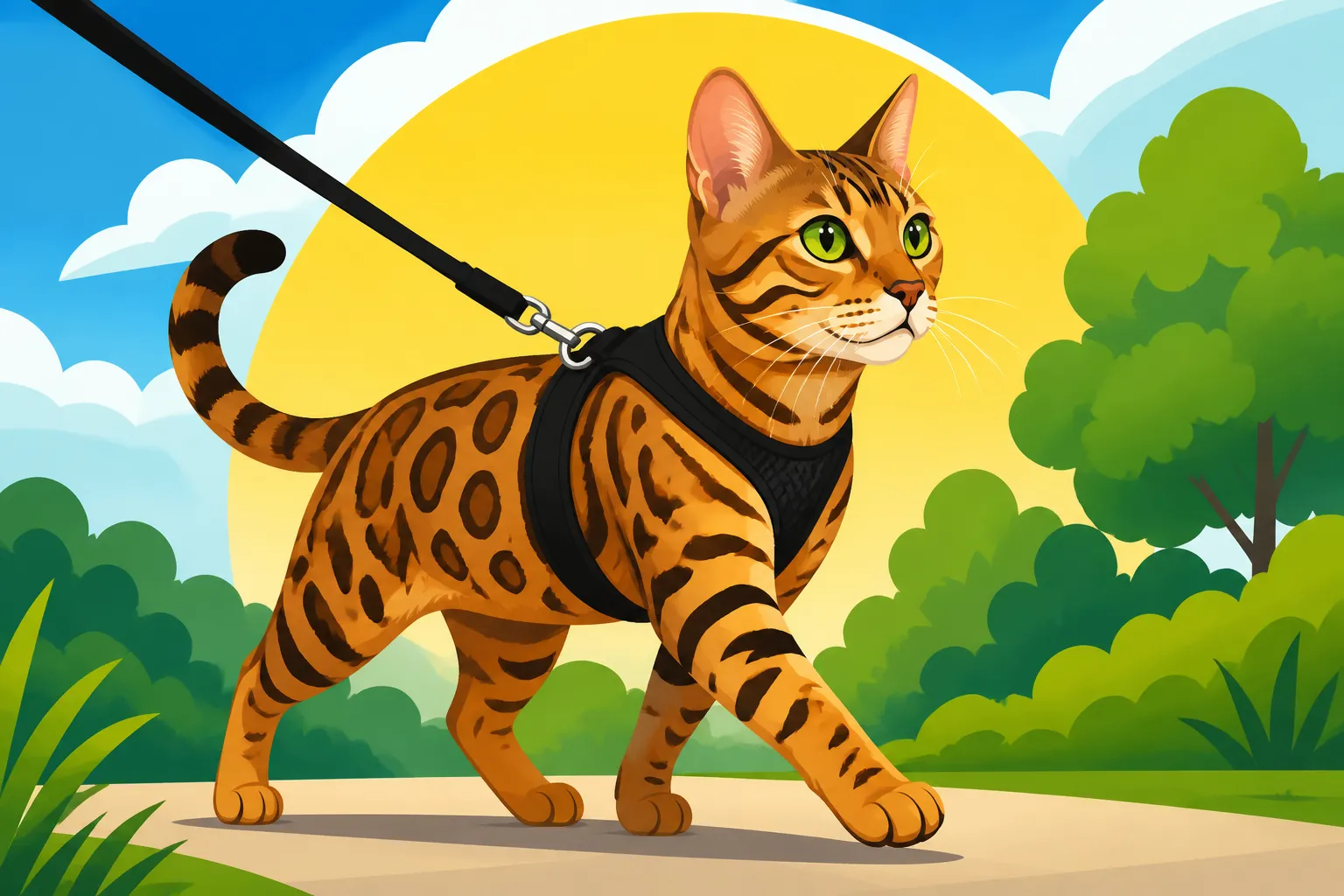
This is probably the most critical piece of equipment. You absolutely cannot use a collar for leash walking a cat – they can easily slip out, or worse, injure their delicate tracheas. For Bengals, you need a secure, comfortable, and escape-proof harness. There are a few main types, but the "H-style" or "vest-style" harnesses are generally recommended.
- H-style harnesses: These are popular and consist of two loops (one for the neck, one for the chest) connected by a strap on the back and another underneath. They offer good security if fitted correctly, ensuring the cat can't back out. Many find them less bulky, which some cats prefer.
- Vest-style harnesses: These cover a larger portion of the cat's torso, distributing pressure more evenly and making them very difficult to escape. They often have Velcro closures in addition to buckles, offering an extra layer of security. Some Bengals might find them a bit more restrictive initially, but they can offer superior peace of mind, especially for very active or anxious cats.
When choosing, look for adjustable straps to ensure a snug fit – you should be able to comfortably slide two fingers under the harness, but no more. Materials like breathable mesh are great for comfort, especially in warmer weather. A quick search on Amazon will reveal a plethora of options, but always prioritize security and fit over fancy aesthetics. Think of the harness as a second skin, not a temporary accessory. To understand how athletic your Bengal can be, you might want to read How High a Bengal Cat Can Jump, which emphasizes their need for secure enclosures.
Selecting a Safe and Practical Leash
Once you have the harness, you'll need a leash. Again, simplicity and practicality win here.
- Length: A lightweight 4-6 foot leash is ideal. This gives your Bengal enough room to explore a reasonable radius without getting tangled, but also keeps them close enough for you to maintain control and intervene if necessary. Avoid excessively long leashes or retractable leashes initially, as these can be harder to manage and teach bad habits, like pulling.
- Material: Nylon or lightweight rope leashes are excellent choices. They're durable, easy to clean, and not too heavy for your cat. Ensure the clasp that attaches to the harness is sturdy and secure.
- Comfort: The handle should be comfortable for you to hold, even if your Bengal decides to make a sudden dash. Padding is a nice bonus.
Remember, the leash is an extension of your control, a gentle guide, not a tool for yanking.
Must-Have Accessories for Outdoor Adventures
Beyond the harness and leash, a few other items can make your outings safer and more enjoyable:
- Treats: High-value treats are absolutely essential for positive reinforcement during training and to reward good behavior during walks. Think small, delicious, and easy-to-eat morsels that your Bengal goes wild for.
- Poop Bags: Yes, cats can do their business outdoors too! Be a responsible pet parent and carry bags for waste.
- Water and Collapsible Bowl: Especially on warmer days or longer excursions, hydration is crucial.
- Carrier: If you're venturing further afield, a secure, comfortable carrier is vital for transport to and from your walking spot, and for a safe haven if your cat gets overwhelmed.
- ID Tag and Microchip: This is non-negotiable. Even with the best harness, accidents happen. Ensure your Bengal has an ID tag with your contact information and is microchipped. Why a Bengal Cat Should Be Microchipped elaborates on this critical safety measure.
- Reflective Gear: For evening or early morning walks, reflective strips on the harness or a reflective vest for yourself can increase visibility.
Starting Your Leash Training Journey: The Indoor Phase
Leash training isn't something you can rush. It's a gradual process built on positive association, patience, and understanding. You start indoors, in a familiar and safe environment, before ever contemplating the great outdoors.
Introducing the Harness: Patience is Key
The first step is simply getting your Bengal comfortable with wearing the harness. This isn't a one-and-done event; it's a series of short, positive experiences.
- Scent Familiarization: Let your Bengal sniff and investigate the harness. Leave it near their bed or food bowl for a few days so it becomes part of their environment. You can even rub it on them gently to transfer their scent.
- First Fitting (Super Short): When they seem curious or indifferent, try putting the harness on for just a few seconds. Distract them immediately with a high-value treat or a favorite toy. The goal is to make them associate the harness with something positive. Don't force it. If they struggle, take it off and try again later.
- Gradual Increase: Over several days, gradually increase the time they wear the harness. Start with a minute, then five, then ten, always coupled with treats, play, or mealtime. Never leave them unsupervised in the harness, as they could get tangled or chew through it.
- Normalizing: Once they're comfortable wearing it for extended periods indoors, let them wander, eat, and play with it on. This helps them understand it's not a temporary annoyance but a part of their routine. If they try to chew or escape, gently distract them. Patience during this phase is paramount, as a rushed introduction can lead to a cat who forever associates the harness with negativity. Remember, a Bengal's intelligence means they learn quickly, both good and bad associations!
Acclimating to the Leash Indoors
Once your Bengal is a pro at wearing the harness, it's time to introduce the leash – still indoors!
- Leash Introduction: Attach the leash to the harness while your cat is wearing it, but let the leash drag freely on the floor. Supervise them closely. Again, offer treats and play. This helps them get used to the feel and sound of the leash trailing behind them.
- Gentle Guidance: After a few sessions of dragging, pick up the leash. Don't pull or drag your cat. Simply hold it and follow them as they explore. If they move, you move. If they stop, you stop. The idea is to teach them that the leash is not a tool for force but a gentle connection.
- Positive Association with Movement: When they walk in the direction you'd like to go (even if it's just a few steps), offer praise and treats. If they resist, stop applying pressure, wait for them to relax, and then try again. This phase is all about positive reinforcement. Make it a fun game, not a chore. You might find some useful insights on their activity levels in How Active a Bengal Cat Is or How Much Exercise a Bengal Cat Needs a Day to tailor your indoor training sessions.
Positive Reinforcement and Rewards
This is the cornerstone of all cat training, especially for independent breeds like Bengals. Cats don't respond to punishment; they shut down or become fearful. They respond incredibly well to positive reinforcement.
- High-Value Treats: These are your secret weapon. Find what your Bengal absolutely loves – whether it's freeze-dried chicken, a tiny dab of wet food, or a specific crunchy treat. Save these only for training sessions to maximize their impact.
- Clicker Training: Many owners find clicker training incredibly effective. The clicker marks the exact moment your cat performs the desired behavior, followed immediately by a treat. This clear communication helps them understand what they're being rewarded for.
- Praise and Affection: Don't underestimate the power of a happy voice, a gentle stroke, or a favorite scratch behind the ears. Combine these with treats to create a multi-sensory positive experience.
- Keep it Short and Sweet: Cats have shorter attention spans than dogs. Keep training sessions brief – 5 to 10 minutes at most – and end on a positive note, even if it's just for a tiny step in the right direction. Multiple short sessions throughout the day are far more effective than one long, frustrating one.
Taking the First Steps Outdoors: Building Confidence
Once your Bengal is comfortable in their harness and walking calmly on the leash indoors, it's time for the momentous first outdoor excursion! This stage requires even more patience and careful planning.
Choosing the Right Environment for Early Walks
The first few outdoor experiences should be as low-stress and positive as possible. Avoid busy, noisy areas.
- Your Own Yard/Garden: If you have a secure, enclosed yard, this is the absolute best starting point. It's familiar in scent, but offers new visual and auditory stimuli. Your Bengal can sniff around at their own pace without feeling overwhelmed by strangers or unfamiliar dogs.
- Quiet, Secluded Spots: If a yard isn't an option, consider a very quiet park or green space during off-peak hours. Look for areas with natural cover where your cat can feel safe, like bushes or trees. Avoid open, exposed areas where they might feel vulnerable.
- Avoid High-Traffic Areas: Definitely stay away from busy streets, dog parks, or areas with a lot of foot traffic initially. The goal is to build confidence, not instill fear. Your Bengal's natural caution needs to be respected. The ideal setting lets them indulge their How Intelligent a Bengal Cat Is nature through exploration without overstimulation.
Managing Stimuli and Potential Overwhelm
The outdoor world is a sensory explosion compared to your home. Your Bengal will be bombarded with new sights, sounds, and smells. It's your job to manage this so they don't get overwhelmed.
- Short Sessions: Keep first outdoor walks very short – just 5-10 minutes. The goal is positive exposure, not marathon exploration.
- Observe Body Language: Pay close attention to your Bengal's cues. Are their ears flattened? Tail tucked? Are they trying to bolt or hide? These are signs of stress. If they seem overwhelmed, scoop them up and bring them inside or retreat to the carrier.
- Gradual Exposure: Slowly increase the duration and variety of your walks as your cat gains confidence. One day it might be just sniffing the grass, the next they might take a few steps. Celebrate every tiny victory.
- Safe Retreat: Always have a plan for a quick retreat. Whether it's picking them up and carrying them, or having their carrier nearby, they need to know they can count on you for safety. This sense of security builds trust.
Reading Your Bengal Cat's Body Language
Understanding your Bengal's signals is paramount to a successful and enjoyable walk. They communicate through their entire body, from whisker position to tail flick.
- Confident and Curious: Ears up and swiveling, tail held high with a slight curl, whiskers forward, eyes bright and scanning. This is a cat ready to explore.
- Cautious or Alert: Ears slightly flattened or twitching, tail lower or swishing gently, body low, pupils dilated, whiskers forward but tense. They're observing and assessing. This is a good time to slow down, offer reassurance, and be ready to move.
- Scared or Stressed: Ears flattened back, tail tucked tightly or puffed up, crouching low, dilated pupils, hissing, growling, or trying to bolt. This is a clear sign they are past their comfort zone. Immediately remove them from the situation.
- Happy and Relaxed: Slow blinks, purring, rubbing against you, a relaxed posture. These are signs they're enjoying themselves.
Your ability to interpret these signals will dictate the success of your outdoor adventures. Never push a scared cat; it will only create negative associations and make future attempts harder.
Mastering the Art of the Bengal Cat Walk
Leash walking a Bengal is less about walking a dog and more about accompanying a miniature explorer. You're not dictating the pace or the path; you're providing a safe framework for their natural curiosity.
Understanding Your Bengal's Pace and Preferences
Unlike dogs, cats aren't typically driven by a desire to "go for a walk" in the human sense. They prefer "sniffaris."
- Let Them Lead (Within Reason): Allow your Bengal to explore at their own pace. They'll stop, sniff, rub against things, perhaps climb a small tree stump, or stalk an imaginary prey. Your job is to hold the leash gently, follow their lead, and prevent them from venturing into unsafe areas.
- Embrace the Stops: Expect frequent stops. A cat's nose is a powerful tool, and they're gathering a wealth of information from every blade of grass. Don't rush them; this is their enrichment.
- Vary the Routes (or not): Some Bengals love new adventures and different routes each time. Others prefer consistency and feel more secure walking the same familiar path. Observe your cat and see what they enjoy most. The important thing is that it's their walk, not yours. For more on their natural exploratory drive, consider reading What a Bengal Cat's Temperament Is Really Like.
Navigating Different Terrains and Distractions
As your Bengal becomes more confident, you can gradually introduce them to more varied environments.
- Different Surfaces: Start with grass, then move to pavement, gravel, or even small rocky paths. Observe if they have a preference or aversion.
- Controlled Distractions: When ready, introduce very mild distractions. Maybe a distant bird, a person walking quietly far away, or the faint sound of traffic. Reward calmness and curiosity. Never force an interaction with another animal or person if your cat seems hesitant.
- High Alert Moments: If your Bengal spots something of interest – a bird, a bug, or a rustling leaf – allow them to observe. They might go into a stalk, crouch low, and prepare to pounce. This is natural predatory behavior, and it's fantastic enrichment. Just ensure they can't actually catch anything unsafe, like a venomous insect. You'll definitely want to ensure your harness is secure when they exhibit this behavior!
Safety Considerations for Every Outing
Safety should always be your number one priority when leash walking.
- Weather: Avoid extreme temperatures. Hot pavement can burn paws, and extreme cold can be dangerous. Be mindful of rain or snow, too. Bengals are less tolerant of cold due to their short, pelt-like coat.
- Predators/Hazards: Be acutely aware of your surroundings. Dogs off-leash, aggressive wildlife (coyotes, large birds of prey), busy roads, toxic plants, or even curious children can pose a threat. Always scan ahead.
- Poisons/Toxins: Prevent your cat from eating anything off the ground. Many common garden plants are toxic to cats, as are pesticides, antifreeze, and rodenticides.
- Escape Prevention: Always check the harness fit before heading out. An Which Harness Fits a Bengal Cat article provides more specific guidance. Ensure you have a firm grip on the leash. If you spot a potential danger, scoop your cat up immediately.
- Microchip and ID: Reiterate the importance of a microchip and an up-to-date ID tag on the harness. Even the most careful owner can have an accident.
Troubleshooting Common Leash Training Hurdles
It's rare for leash training to go perfectly smoothly. There will be bumps in the road, but understanding how to address them can keep you both moving forward.
When Your Bengal Refuses the Harness
This is a common sticking point. If your Bengal absolutely refuses to wear the harness, it's usually because the initial introduction was rushed or negative.
- Backtrack: Go back to square one. Reintroduce the harness by simply letting it sit in their space, rewarding any positive interaction (even just sniffing it).
- Smaller Steps: Break down the process even further. Reward them for looking at the harness, then for touching it with their nose, then for you draping it over their back for a second, then for actually clipping one buckle.
- Different Harness Type: Sometimes, a different style of harness makes all the difference. Some cats prefer the minimal feel of an H-style, while others might feel more secure in a vest. Consider trying another style from Amazon if the current one is a complete no-go.
- Consult a Professional: If you're truly stuck, a feline behaviorist or professional cat trainer can offer personalized advice and techniques.
Dealing with Fear or Overstimulation Outdoors
When your Bengal shows signs of fear or stress outside, it’s a clear signal to slow down.
- Immediate Retreat: If they're clearly terrified, pick them up and return inside or to their carrier. End the session on a calm, positive note with treats once safely back.
- Find a Quieter Spot: Your chosen location might be too stimulating. Try an even more secluded area for the next walk.
- Shorter Sessions: Reduce the duration of outdoor time. Even just a minute or two of positive exposure is better than a long, scary one.
- Build Positive Associations: Focus heavily on treats and praise when they are calm, even if they're just sitting still. Pair every positive outdoor experience with something wonderful. You might also want to ensure your home environment provides sufficient vertical space and enrichment to manage their energy, as discussed in How Much Vertical Space a Bengal Cat Needs, so they don't feel desperate to escape and become overly stressed when they finally do go out.
Preventing Escapes and Ensuring Safety
Bengal cats are notoriously clever and agile. Preventing escapes is a constant vigilance.
- Double-Check Harness Fit: Before every walk, ensure the harness is snug. A loose harness is an invitation to an escape artist.
- Never Leave Unattended: Even for a second. A quick distraction is all it takes for a Bengal to slip out or get into trouble.
- Leash Grip: Maintain a firm but gentle grip on the leash at all times.
- Awareness: Be constantly aware of your surroundings. Scan for potential threats or escape routes.
- Training for Recall: While not strictly part of leash training, teaching your Bengal a reliable recall word or sound (coupled with high-value treats) can be a lifesaver if they ever do get loose, especially if they are further from you than anticipated, as explored in How Far a Bengal Cat Will Walk.
Beyond the Walk: Enrichment and Bonding Through Leash Training
Leash walking isn't just about giving your Bengal a taste of the outside world; it's a powerful tool for overall enrichment and strengthening the bond you share.
Expanding Your Bengal's Horizons Safely
Think of leash walking as just one facet of a broader strategy to keep your highly intelligent and active Bengal stimulated.
- Novelty and Exploration: Each walk offers a chance for new sensory input. Different smells, textures underfoot, the sounds of nature, and the sight of new things can be incredibly mentally enriching. This kind of novel stimulation is vital for a breed as curious as the Bengal.
- Problem-Solving: Deciding which way to go, navigating obstacles, or stalking a leaf provides subtle problem-solving opportunities that engage their wild instincts in a safe environment.
- A Stepping Stone to Other Adventures: Once leash trained, the possibilities expand. Perhaps a catio (an enclosed outdoor space) becomes more appealing, or even controlled visits to pet-friendly outdoor cafes. For ideas on creating a secure outdoor space, you can refer to Why a Bengal Cat Needs a Catio.
Strengthening Your Bond Through Shared Adventures
There’s something incredibly special about experiencing the world with your cat. It builds trust and deepens your connection.
- Mutual Trust: Your Bengal learns to trust you as their protector and guide in new, potentially scary environments. They rely on you for safety and positive experiences.
- Shared Experiences: These walks become unique moments you share, creating memories and reinforcing your special relationship. It’s an act of teamwork – you provide the safety and guidance, they provide the adventurous spirit.
- Understanding Your Cat Better: Spending this focused time with your Bengal outdoors will allow you to observe their natural behaviors and preferences in a new light, leading to a deeper understanding of their individual personality. You'll learn what truly excites them and what makes them nervous, helping you tailor all their enrichment needs, not just walks.
The Long-Term Benefits of Leash Walking for Your Bengal
Investing the time and effort into leash training a Bengal cat pays dividends throughout their life, impacting their physical health, mental well-being, and overall quality of life.
Physical and Mental Stimulation
We often talk about the importance of physical activity for cats, especially high-energy breeds. Leash walking delivers this in spades.
- Exercise and Muscle Tone: Regular walks contribute to maintaining a healthy weight and strong musculature, crucial for a naturally athletic breed like the Bengal. It's not just about running; the stalking, climbing, and exploring all engage different muscle groups. This extra activity can also help manage the intense energy levels that are characteristic of the breed, as discussed in How Much Exercise a Bengal Cat Needs a Day.
- Sensory Enrichment: The sheer volume of new sensory information encountered outdoors provides unparalleled mental stimulation. The sights, sounds, smells, and textures keep their sharp minds engaged, preventing boredom and potential behavioral issues like destructive chewing or excessive vocalization. A bored Bengal can be a mischievous Bengal, and mental stimulation is just as important as physical.
- Preventing Boredom: An indoor-only life, even with ample toys and attention, can sometimes lead to boredom in a cat as intelligent and curious as a Bengal. Leash walking provides that vital "newness" that keeps their minds active and satisfied.
Enhanced Quality of Life and Behavior
Beyond the immediate benefits of exercise and stimulation, consistent leash walking can lead to a generally happier, more well-adjusted Bengal cat.
- Reduced Stress and Anxiety: For some Bengals, the inability to explore and satisfy their natural instincts can lead to frustration and anxiety. Leash walking offers a controlled outlet, allowing them to expend energy and fulfill their exploratory drive in a safe manner, thereby reducing indoor stress.
- Behavioral Improvement: Bengals that get regular outdoor enrichment are often calmer and better behaved indoors. They're less likely to engage in destructive scratching, counter surfing, or excessive meowing when their needs for mental and physical activity are met. You might find that once you’ve taught them How to Leash Train a Bengal Cat, they are more receptive to other forms of enrichment too.
- Adaptability: Exposure to different environments and stimuli, even from a young age (see How Young to Start Leash Training a Bengal Cat), can make your Bengal more adaptable and less fearful of changes in their routine or environment. This makes vet visits, travel, or moving house less stressful for them.
- Deepened Bond: Perhaps most importantly, the shared adventures of leash walking forge a deeper, more trusting bond between you and your Bengal. You become their trusted companion, guide, and protector in the big, exciting world, fostering a relationship built on mutual understanding and shared experiences. It's a journey of discovery for both of you, one paw print at a time.
| Phase | Key Goals | Common Challenges | Tips for Success |
|---|---|---|---|
| Indoor Harness | Comfort with wearing harness | Resistance, trying to remove it | Start short, high-value treats, positive association |
| Indoor Leash | Comfort with leash dragging/gentle guidance | Refusal to move, hiding | Follow their lead, reward movement, keep sessions brief |
| First Outdoors | Positive association with outdoor environment | Fear, overstimulation, bolting | Quiet location, short duration, observe body language |
| Mastering Walk | Exploring confidently, following your lead | Distraction, pulling, sudden movements | Let them sniff, reinforce good behavior, maintain awareness |
Disclaimer
This article is for general informational purposes only and does not constitute professional advice. Laws, prices and regulations vary by location and change over time. Consult a qualified professional for guidance on your specific situation.