How Many Play Sessions a Bengal Cat Needs
One of the biggest surprises for new Bengal cat owners is just how much energy these magnificent felines possess. If you've ever found yourself wondering if your Bengal is a tiny, furry perpetual motion machine, you're not alone. Many owners struggle with finding the right balance to satisfy their cat's incredible drive, often leading to destructive behaviors or a very vocal, demanding companion. This guide will walk you through understanding your Bengal's unique play needs and help you craft a daily play routine that keeps them happy, healthy, and out of trouble.
The Relentless Energy of Your Bengal Cat: Why Play is Non-Negotiable
Let's be real: a Bengal cat isn't your average couch potato feline. Their boundless energy isn't just a quirky personality trait; it's a fundamental part of their genetic makeup. Understanding this deep-seated need for activity is the first step in providing them with a fulfilling life and preventing a whole host of behavioral issues. You'll quickly discover that a bored Bengal is often a mischievous Bengal, and sometimes, a destructive one.
Tracing Back to the Wild Ancestry
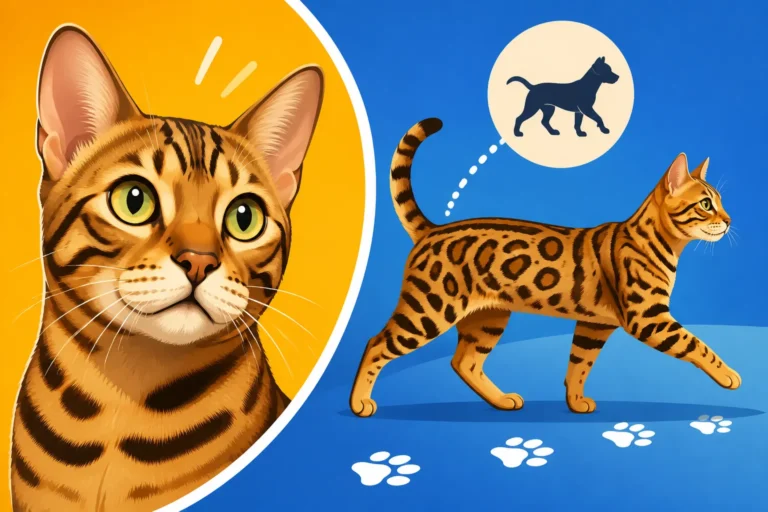
Your beautiful Bengal, with those stunning rosettes and piercing eyes, carries the genes of the Asian Leopard Cat (ALC). It's not just a fancy lineage; it's the key to understanding their activity levels. The ALC is a small, wild predator, constantly on the move, hunting, exploring, and defending its territory. They don't have the luxury of napping for 18 hours a day like many domestic cats. That instinct for constant motion, for chasing, pouncing, and climbing, is hardwired into your Bengal. This means that a casual five-minute flutter of a feather toy simply isn't going to cut it. You're essentially dealing with a mini-hunter who needs to "work" for their living, even if that living is served in a bowl twice a day. This ancestral drive is why The Bengal Cat Is the Most Active Cat You Can Own.
The Metabolism of a Miniature Leopard
Beyond their wild instincts, Bengal cats often boast a higher metabolism than many other domestic breeds. This means they burn through energy at a faster rate, requiring more fuel in the form of high-quality food, and more outlets for that energy. They're built for speed, agility, and endurance, not for languid sunbathing. Think of them as high-performance athletes in a small, sleek package. If you’ve ever wondered Why a Bengal Cat Never Seems to Tire, it’s often because their bodies are primed for sustained activity. This isn't a cat that just needs a quick burst of energy; they need consistent, engaging activity throughout the day to truly feel satisfied and maintain their physical condition.
The Consequences of Underexpression
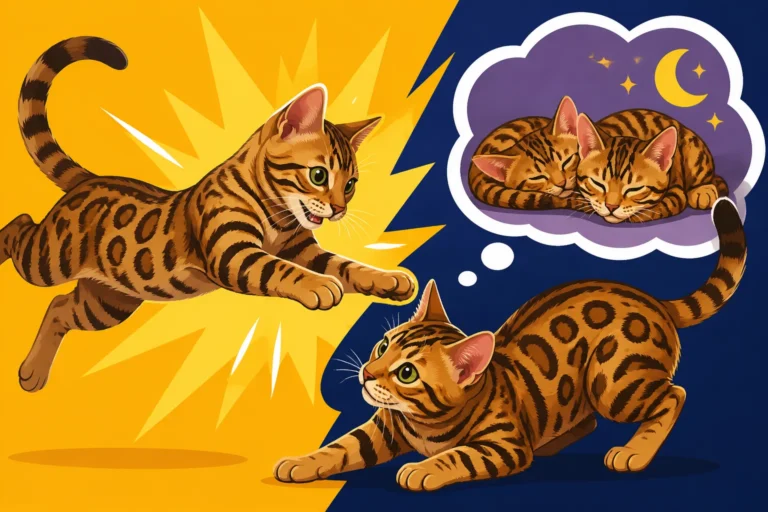
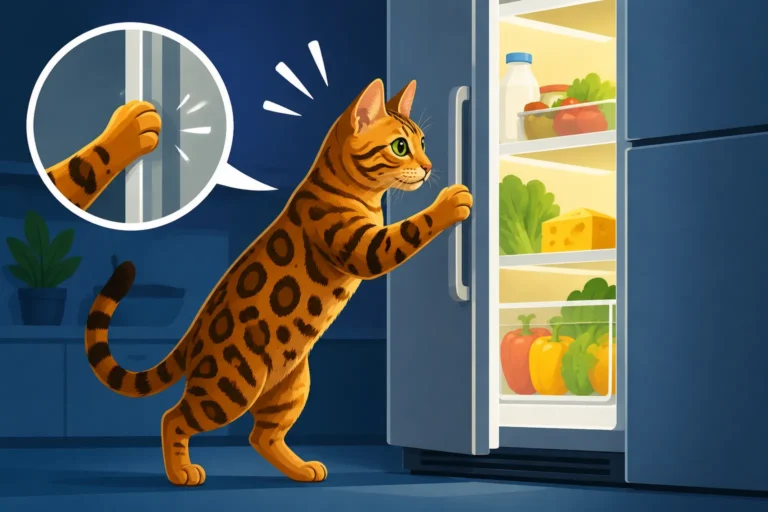
When a Bengal cat's innate need for physical and mental stimulation isn't met, you'll start to see a range of behaviors that can be challenging for owners. This isn't your Bengal being "naughty" or spiteful; it's their natural drive finding an outlet in whatever way they can. This might manifest as excessive vocalization—those characteristic Bengal yowl-demands that can be quite insistent. It could also lead to destructive behaviors, like scratching furniture, tearing up carpets, or attempting to dismantle your kitchen cabinets. They might start "hunting" your feet, hands, or even other pets with a little too much vigor. Ultimately, an under-stimulated Bengal is often a stressed Bengal, and stress can lead to other problems, including litter box avoidance or even health issues. If you're seeing signs like constant meowing, furniture destruction, or persistent attention-seeking, it's often a clear signal that your Bengal needs more interactive play and enrichment. What a Bored Bengal Cat Destroys can be quite extensive, from valuable items to your peace of mind.
What Constitutes an Effective Play Session for a Bengal?
It's not just about how many times you pick up a toy; it's about the quality and structure of those play sessions. For a Bengal, a "play session" needs to mimic the hunting cycle: stalk, chase, pounce, kill, eat. This cycle is deeply satisfying for them and truly depletes their energy in a meaningful way, both physically and mentally.
Quality Over Pure Quantity: The Importance of Engagement
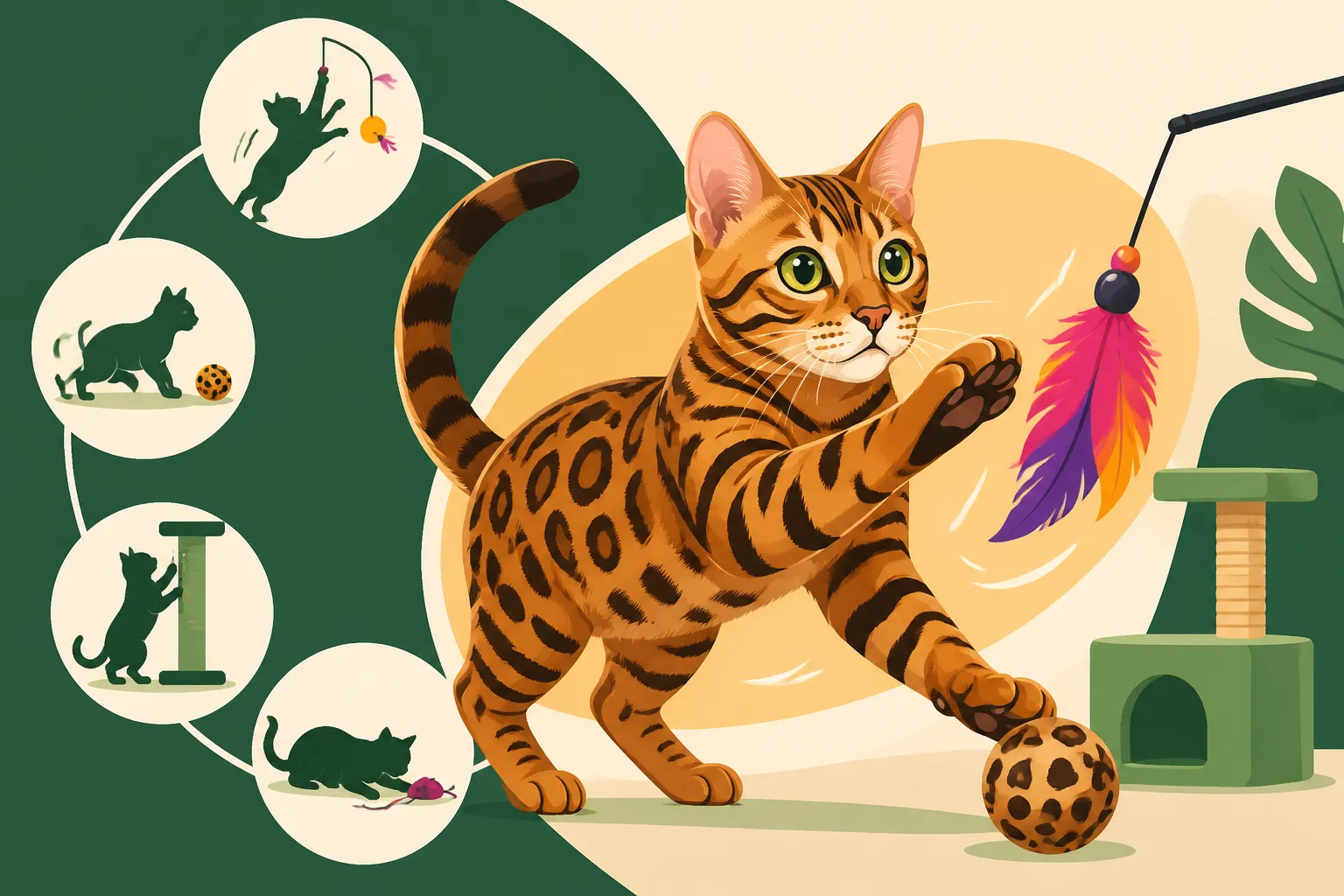
Throwing a toy mouse across the room once or twice isn't a play session for a Bengal; it's barely a warm-up. An effective play session requires your active engagement. You are the "predator," simulating prey movement to trigger their natural hunting instincts. This means manipulating wand toys, hiding treats, or encouraging them to chase a laser pointer (with a physical "kill" at the end, like a treat or a real toy they can capture). It's about mental stimulation as much as physical exertion. A truly engaged Bengal will have dilated pupils, a focused gaze, and a powerful, agile body language as they strategize their "attack." This intense focus is what helps wear them out, making their minds work as hard as their bodies. For more insights into their overall needs, read How Much Enrichment a Bengal Cat Actually Needs.
The Ideal Duration for Peak Bengal Interest
While every cat is an individual, a good benchmark for an effective play session for a Bengal is generally 10-15 minutes, perhaps extending to 20 minutes if they are particularly enthusiastic and you have the stamina! This might sound short, but remember we’re aiming for intense, focused activity. Longer than this, and many cats, even Bengals, can start to lose interest or become overstimulated and frustrated. The key is to keep them engaged for that concentrated period. Think of it like interval training for humans: short bursts of high intensity are often more effective than long, drawn-out, low-intensity workouts.
Here’s a rough guideline:
| Session Type | Recommended Duration | Intensity Level | Key Goal |
|---|---|---|---|
| Morning Blast | 10-15 minutes | High | Burn off overnight energy, simulate hunt |
| Mid-day Mental | 5-10 minutes | Medium-High | Puzzle solving, light chasing, curiosity |
| Evening Wind-down | 15-20 minutes | High | Last big hunt, physically tiring |
| Supplemental | 5 minutes | Medium | Quick chase, treat dispensing, bonding |
Types of Play That Truly Satisfy Their Instincts
To tap into their inner ALC, you need toys and activities that cater to their specific predatory behaviors.
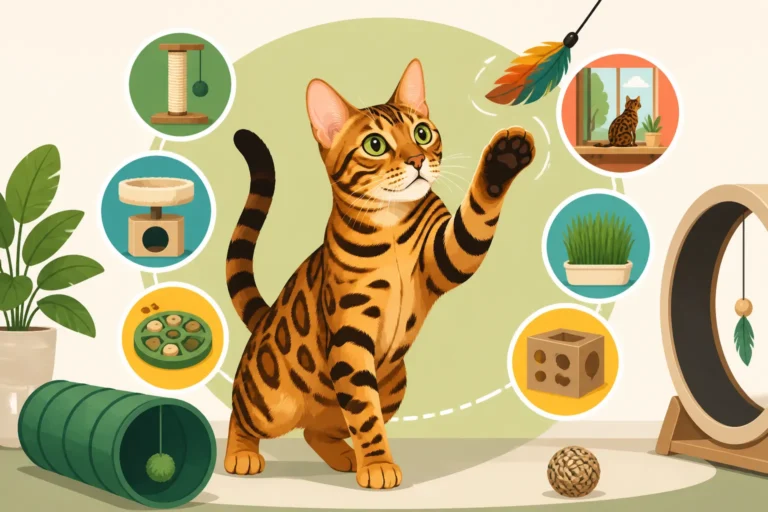
- Wand Toys: These are gold. The long rod and dangling attachment allow you to mimic bird flight, mouse scurrying, or insect buzzing. Vary the speed and direction, hide the "prey" under blankets or around corners, and let them pounce. Investing in durable, high-quality wand toys from places like Amazon is crucial, as Which Wand Toy a Bengal Cat Destroys Fastest will quickly become apparent.
- Chaser Toys: Small, lightweight toys they can bat around and chase are great, especially if they make crinkly sounds or have catnip inside. But make sure these are part of a larger, interactive session.
- Puzzle Feeders: These are fantastic for mental stimulation and slow down mealtime, fulfilling their need to "work" for food. They range from simple treat balls to complex multi-step puzzles. Look for robust options on Amazon that can stand up to a persistent Bengal. You'll be surprised Whether a Puzzle Feeder Tires a Bengal Cat.
- Climbing Structures: Bengals love to be high up, observing their domain. Tall cat trees, wall-mounted shelves, and cat superhighways provide essential vertical territory and exercise.
- Leash Training: For many Bengals, supervised outdoor adventures on a harness and leash can be incredibly enriching, offering new sights, sounds, and smells that indoor environments can't replicate. It taps into their exploration drive.
Crafting Your Bengal Cat's Daily Play Schedule
So, how many of these intense play sessions does a Bengal really need? For most active adult Bengals, you're looking at a minimum of three to five dedicated, interactive play sessions per day. Yes, you read that right! This doesn't mean you need to dedicate hours straight to play, but rather strategically incorporate these bursts of activity throughout their day. This schedule helps to manage their energy, prevent boredom, and ensures they're getting the physical and mental workout they crave.
Morning Rush: Waking Up Their Inner Hunter
Start your day with a bang! Bengals often wake up full of energy, ready to conquer the world (or at least your living room). A 10-15 minute high-intensity play session first thing in the morning can make a huge difference in their demeanor for the rest of the day. This taps into their natural instinct to hunt at dawn. Use a wand toy to simulate a chase, making them run, jump, and pounce until they’re panting lightly. This session helps burn off that initial surge of energy and can even help prevent them from pestering you quite so much while you’re trying to enjoy your morning coffee. Follow this with breakfast, mimicking the "kill-eat" cycle.
Mid-Day Recharge: Keeping Boredom at Bay
If you work from home or have the flexibility, try to fit in one or two shorter, but still engaging, play sessions during the day. This could be a 5-10 minute session with a favorite wand toy, or perhaps setting up a new puzzle feeder filled with a small portion of their daily kibble. The goal here is to break up the monotony of the day and prevent energy from building up to an overwhelming level. If you're out of the house, this is where automatic toys (like those on Amazon that move randomly), puzzle feeders, or simply hiding treats around the house can come into play. These intermittent sessions prevent the "afternoon zoomies" from becoming destructive and help keep their minds active.
Evening Wind-Down: Mimicking Nature's Cycle
The evening is often when Bengals have another peak in energy, mirroring their wild ancestors' dusk hunting patterns. This is arguably the most crucial play session of the day. Aim for a solid 15-20 minute session, again with high intensity, before their dinner. Really let them chase, stalk, and pounce. Get them jumping and running across the room. The goal is to truly tire them out physically and mentally. This big hunt-and-eat cycle at the end of the day signals to their bodies that it's time to settle down. A well-played Bengal is much more likely to curl up and sleep through the night, rather than yowling for attention or exploring forbidden countertops. This helps address How Much Exercise a Bengal Cat Needs a Day.
Adapting to Your Bengal's Unique Rhythm
While these are general guidelines, remember that every Bengal is an individual. Some might thrive on three longer sessions, while others might prefer five shorter, more frequent bursts. Observe your cat's behavior. Are they still restless after a session? Are they seeking out mischief? That's a sign they need more. Are they panting excessively or losing interest quickly? You might be pushing them too hard or the session is too long. Adjust the duration and intensity as needed. Kittens, for example, will need more frequent, shorter play sessions throughout the day, as their energy comes in intense bursts. Senior Bengals, on the other hand, might still have the desire but lack the stamina, so their play should be gentler and shorter.
Beyond Scheduled Play: Continuous Enrichment Strategies
While dedicated play sessions are vital, a Bengal cat's need for stimulation extends beyond these specific times. Providing a rich, dynamic environment that encourages natural behaviors throughout the day is just as important in managing their high energy levels. Think of it as creating a permanent playground for their active minds and bodies.
Interactive Toys and Puzzle Feeders
Don't just rely on human-led play. Stock up on a variety of interactive toys. These can include self-moving toys, puzzle feeders, and treat-dispensing gadgets. Rotate these toys regularly to keep things fresh and exciting. A toy that's always out can quickly become boring. Put a few away for a week or two and then reintroduce them; they'll feel brand new! Puzzle feeders, as mentioned, are incredible for mental stimulation. They make your Bengal use their brains and paws to extract food, mimicking foraging. You can find a huge variety of these on Amazon, from simple balls to complex mazes. Even scattering a portion of their kibble around the house, rather than putting it all in a bowl, can turn mealtime into a mini-hunt. This helps with Whether a Puzzle Feeder Tires a Bengal Cat.
Vertical Space and Exploration Opportunities
Bengals are natural climbers and observers. Providing ample vertical space is not just decorative; it's essential for their well-being. Tall cat trees, wall-mounted shelves, cat "superhighways," and even secure ledges give them places to explore, perch, and feel safe. Being high up satisfies their instinct to survey their territory, and the act of climbing itself is fantastic exercise. Make sure these structures are sturdy and provide good traction, especially for enthusiastic jumpers. Consider setting up different "zones" with various heights and textures to keep them interested. How Much Vertical Space a Bengal Cat Needs is often more than owners initially realize.
Harness Training and Outdoor Adventures
For many Bengals, the greatest enrichment comes from exploring the world beyond the four walls of your home. Harness training can open up a whole new realm of possibilities, allowing them to safely experience new sights, sounds, and smells. Start with short sessions indoors, getting them used to the harness, and gradually introduce a leash. Once they're comfortable, you can venture into a secure backyard, a quiet park, or even a low-traffic hiking trail. This isn't just a walk; it's a sensory feast for them, engaging all their senses in ways an indoor environment cannot. Always prioritize safety, using a secure harness and leash, and ensuring they are up-to-date on vaccinations and flea/tick prevention. How to Leash Train a Bengal Cat can be a rewarding journey for both of you.
Disclaimer
This article is for general informational purposes only and does not constitute professional advice. Laws, prices and regulations vary by location and change over time. Consult a qualified professional for guidance on your specific situation.