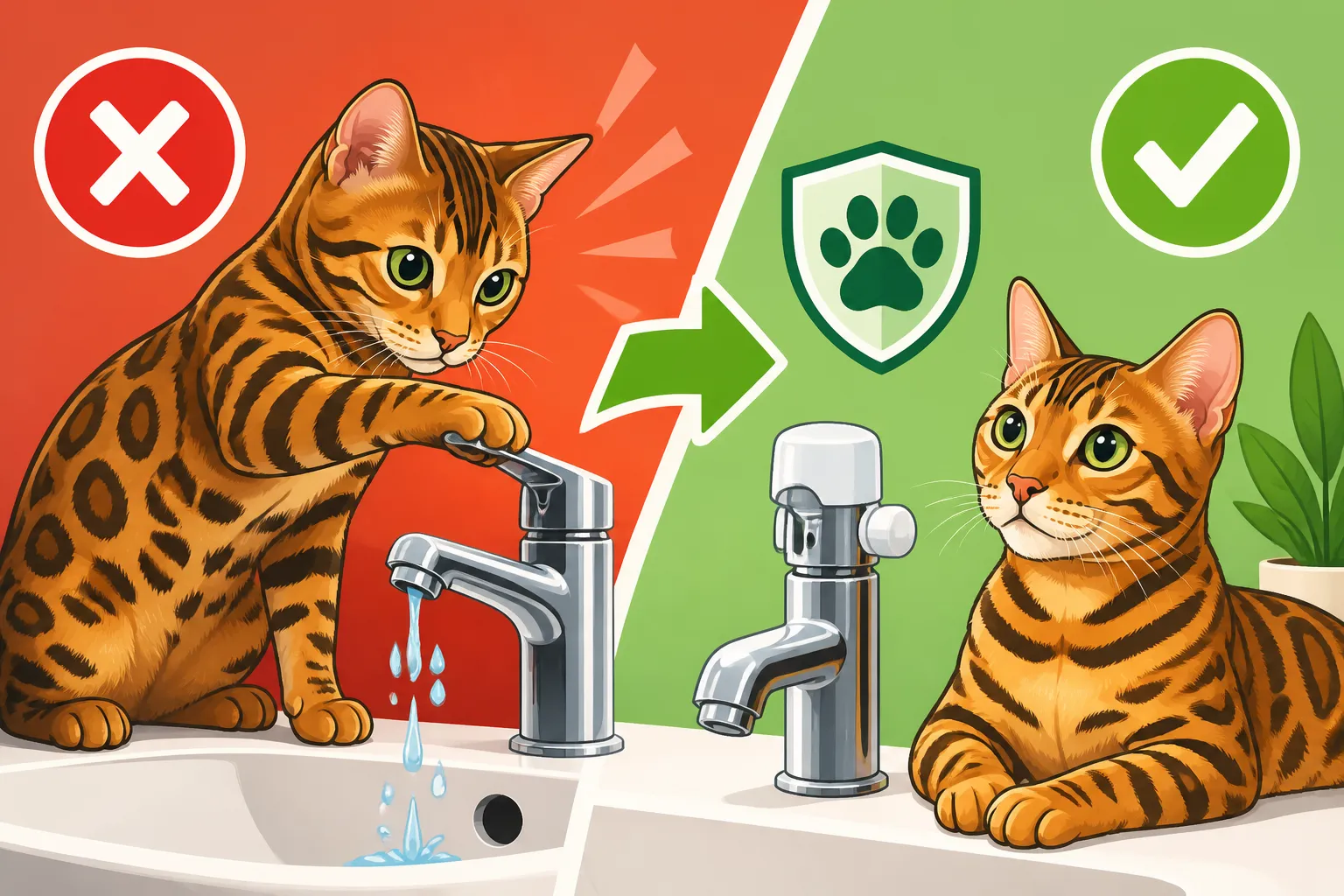
How to Stop a Bengal Cat Turning on Taps
If you've ever woken up to the sound of running water or walked into a bathroom that looks suspiciously like a small flood zone, you're probably the proud, if sometimes bewildered, owner of a Bengal cat. Their intelligence and intense curiosity often lead them to explore, and for many Bengals, that exploration includes figuring out how to operate faucets. This guide will walk you through understanding this unique behavior and offer practical, empathetic strategies to stop your clever Bengal from turning on taps and potentially causing water damage.
Why Your Bengal Cat is Obsessed with Running Water
It’s no secret that Bengal cats have a profound, almost innate, connection to water. Unlike many domestic felines who treat water with suspicion, Bengals often view it as a thrilling plaything or a superior drinking source. This isn't just a quirky habit; it’s deeply rooted in their wild ancestry and unique physiological traits. Understanding why they do it is the first step toward managing the behavior.
The Wild Ancestor's Influence
Think about the Asian Leopard Cat, the wild ancestor from which your Bengal inherited so many striking traits. These magnificent small wildcats often live near water sources, and they aren't afraid to get their paws wet – or even take a full dip – to catch fish or cool off. This genetic predisposition means that your Bengal carries that same instinct. Still, it's a shock for many new owners to discover their cat actively seeking out water, rather than avoiding it. It's truly fascinating to see this behavior manifest in a domestic setting, making them feel less like a typical housecat and more like a miniature jungle explorer. This is one of the many reasons why their love of water (Whether a Bengal Cat's Water Love Comes From the Wild) is a topic so many of us wonder about.
Consider a Bengal observing a dripping faucet. To them, it's not just a leak; it's a dynamic, moving target, a source of intrigue. It engages their hunter's instincts, offering a visual and auditory stimulus that static water in a bowl simply can't match. This play drive, combined with their natural curiosity, makes a running tap an irresistible challenge.
The Appeal of Fresh, Moving Water
From a purely practical standpoint, running water is often perceived as fresher and cleaner by cats. In the wild, still water sources can be stagnant and harbor bacteria, while moving water in streams or rivers is generally safer. This instinct to seek out flowing water translates directly to their preference for taps. Your Bengal might genuinely believe they are getting a healthier drink directly from the faucet, compared to the bowl of water that's been sitting out all day.
This perception is also tied to their sensitive whiskers. When drinking from a narrow bowl, a cat's whiskers can brush against the sides, causing what's known as "whisker fatigue." Running water from a tap allows them to drink without this uncomfortable sensation, making it a more pleasant experience. It's a small detail, but for a creature as finely tuned as a Bengal, it makes all the difference. This preference often leads them to Why a Bengal Cat Plays in Its Water Bowl or explores other unconventional water sources.
Decoding Your Bengal's Tap-Turning Motivation
When your Bengal cat figures out how to twist a knob or push a lever, it’s not just a random act; there's usually a specific motivation behind it. Sometimes it's thirst, other times it's pure mischief or a cry for attention. Pinpointing the why is essential for finding the right solution.
Thirst: The Call of the Wild
One of the most common reasons a Bengal cat turns on a tap is simply that they're thirsty, and they prefer the fresh, running water over what's available in their bowl. Bengals are incredibly active cats, burning a lot of calories and needing ample hydration to match their energetic lifestyle. If their water bowl isn't appealing, a tap becomes their go-to.
Think about it: many cats don't drink enough water, and Bengals are no exception, despite their water affinity. If their primary water source is a stagnant bowl, they might actively seek out alternatives. A tap provides an endless stream of cool, oxygenated water, which is naturally more enticing. If you suspect thirst is the main driver, addressing their hydration needs with more appealing options is crucial. For more insights into their daily needs, check out How Much Water a Bengal Cat Drinks a Day.
Play and Boredom: The Mischievous Mind
Bengals are incredibly intelligent and notoriously playful. A tap, with its moving water, the sound it makes, and the challenge of operating it, provides a mental and physical game. For a bored Bengal, turning on a tap isn't just about drinking; it's about engaging their sharp mind and satisfying their profound need for interaction and stimulation. How Clever a Bengal Cat Is is a topic close to every Bengal owner's heart, and their tap-turning prowess is a prime example.
A Bengal with too much energy and not enough outlets will find ways to entertain themselves, and sometimes that involves destructive or inconvenient behaviors like flooding the bathroom. They enjoy the challenge of figuring out mechanisms, the sensory input of the water, and often, the reaction they get from their human companions. This isn't malicious; it's simply a high-energy, clever animal looking for a job to do.
Attention-Seeking Behavior
Let's be honest, few things get a human's attention faster than the sound of running water where it shouldn't be. Your Bengal is smart enough to quickly learn this connection. If they feel neglected or want playtime, and they've previously seen you rush to the bathroom when the tap is on, they'll use this trick to get your focus.
It’s a classic cat move: "If I do X, I get Y reaction." If X is turning on the tap and Y is you rushing in, talking to them (even if it's to scold gently), and giving them attention, then X becomes a highly reinforced behavior. They might even look at you expectantly after turning it on, anticipating your arrival. It's a testament to their intelligence, but it also means you need to be very strategic in how you respond.
Practical Steps to Outsmart Your Water-Loving Feline
Now that we understand the motivations, let's talk about solutions. The goal isn't to punish your Bengal, but to redirect their cleverness and curiosity into safer, more acceptable channels, while also making the tap an inaccessible or unappealing option.
Securing the Faucets
The most direct approach is to make the taps physically harder for your Bengal to operate. This often requires a bit of creativity, as Bengals are master escape artists and problem solvers.
- Child Safety Locks: These are not just for toddlers! Many lever-style handles can be secured with childproof locks that make it impossible for tiny paws to depress or lift them. For knob-style faucets, special covers or locks designed for stove knobs might offer a solution, although these can be trickier to adapt. You can find a wide variety of these on Amazon.
- Velcro Straps or Zip Ties: For handles that turn, a heavy-duty Velcro strap or even a zip tie (secured in a way that you can still easily undo it when you need the tap) can make it much harder to twist. Just be careful not to overtighten and damage your fixtures.
- Door and Cabinet Locks: Remember, sometimes your Bengal might get to the tap by opening a cabinet door first. If they’re opening vanity doors, How to Cat Proof Cabinets From a Bengal Cat covers many solutions for this. Child safety latches can be a lifesaver here, preventing access to the plumbing beneath the sink, which can lead to even bigger issues than a running tap.
It's important to choose solutions that are durable and Bengal-proof. They are strong and persistent, so a flimsy lock won't last long. Test your chosen method yourself to ensure it can withstand a determined feline assault.
Providing Better Water Alternatives
Since a major motivation can be a desire for fresh, moving water, providing a more appealing alternative can significantly reduce their interest in the tap.
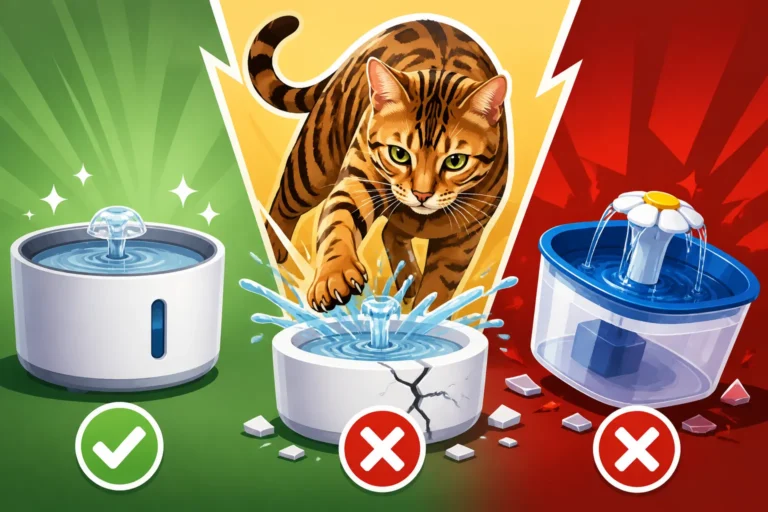
- Cat Water Fountains: This is often the holy grail for water-loving Bengals. A good quality, multi-level cat fountain provides a continuous stream of filtered, circulating water that mimics a natural spring. Look for fountains made of ceramic or stainless steel, as plastic can sometimes retain odors and flavors that cats dislike, and is easier to knock over. Many excellent, durable options can be found on Amazon.
- Placement and Cleanliness: Place the fountain in a quiet, accessible location, away from their food bowl (some cats don't like to drink near where they eat). Crucially, keep it scrupulously clean. Change the water daily and clean the entire fountain, including filters and pump, regularly to prevent slime and bacterial buildup. A dirty fountain quickly becomes as unappealing as a stagnant bowl.
- Multiple Water Stations: Place several heavy, wide ceramic or stainless steel bowls filled with fresh water around your home. Some Bengals prefer wider bowls that don't irritate their whiskers. Consider bowls in different rooms, on different levels, and away from high-traffic areas where they might feel vulnerable. Regularly refilling them with fresh, cool water will make them more enticing.
- Running Water Sessions: If your Bengal simply loves playing with running water, consider scheduling specific "tap time" sessions under supervision. For example, let the water trickle in the sink for a few minutes while you supervise, allowing them to bat at it and drink. This can satisfy their urge without risking a flood when you're not around. However, be cautious; this can also reinforce the idea that taps are for play.
Enrichment and Redirection
A bored Bengal is a mischievous Bengal. Channeling their immense energy and intelligence into appropriate activities is vital for preventing unwanted behaviors.
- Interactive Play: Bengals need a lot of physical and mental stimulation. Schedule several vigorous play sessions throughout the day using wand toys, laser pointers (with a physical "kill" at the end, like a treat or real toy, to prevent frustration), and chase games. The more tired and stimulated they are from appropriate play, the less likely they are to seek out trouble. Check out How Much Exercise a Bengal Cat Needs a Day for more on their activity levels.
- Puzzle Feeders: These are fantastic for engaging a Bengal's brain. Instead of simply eating from a bowl, they have to work to get their kibble or treats, mimicking the hunting process. This mental challenge can be surprisingly tiring and satisfying. There are many inventive puzzle feeders available on Amazon that can keep a clever cat busy.
- Vertical Space and Cat Trees: Bengals love to climb and observe their territory from high vantage points. Providing tall, sturdy cat trees, wall-mounted shelves, and How to Build Shelves for a Bengal Cat allows them to explore vertically and burn off energy. A dedicated "catio" can also be a game-changer, offering safe outdoor exploration and stimulation. Read more on this in Why a Catio Is the Answer to a Bengal Cat.
- Training: Bengals are highly trainable! Use positive reinforcement (treats, praise) to teach them commands or tricks. This not only strengthens your bond but also gives them a constructive outlet for their intelligence. Which Commands a Bengal Cat Learns Fastest can give you ideas to get started.
Here’s a quick overview of strategies:
| Motivation | Primary Solutions | Reinforcement / Prevention |
|---|---|---|
| Thirst | Cat Water Fountains, Multiple Water Bowls | Regular cleaning, fresh water, varied bowl types |
| Play/Boredom | Interactive Toys, Puzzle Feeders, Catio | Scheduled play, vertical space, rotating toys |
| Attention-Seeking | Increased Playtime, Ignore Tap-Turning | Positive reinforcement for desired behaviors, redirect |
| Access to Taps | Child Locks, Velcro Straps, Cabinet Latches | Physically block access, supervise access to water |
Managing Reactions and Consistency
Your reaction to your Bengal turning on the taps is just as important as the preventative measures you put in place. Consistency and a calm approach are key to discouraging this behavior.
The Power of Ignoring (When Appropriate)
If you suspect your Bengal is turning on the tap for attention, the hardest thing to do is often the most effective: ignore the behavior. Rushing in, yelling, or even picking them up and moving them can still be perceived as attention, reinforcing the unwanted action. Of course, you can't truly ignore a running tap due to potential water damage, so this requires a nuanced approach.
Instead of directly engaging with the cat while the tap is on, quickly turn off the water, clean up any mess, and then leave the room without making eye contact or speaking to your Bengal. Only give them attention when they are calm and engaging in desirable behaviors. This breaks the association between tap-turning and getting your focus.
The Importance of a Consistent Environment
Cats thrive on routine and predictability. If the taps are sometimes locked and sometimes not, or if your reactions vary, your Bengal will get mixed signals and continue to test boundaries. Ensure everyone in the household is on the same page regarding securing taps and how to react if a Bengal manages to turn one on.
A stable and enriching environment where your Bengal's needs for play, hydration, and mental stimulation are consistently met will lead to a happier, less destructive cat. This means regular feeding times, consistent play sessions, and always having access to appealing water sources. This consistency contributes to their overall well-being, reducing the likelihood of them seeking out trouble. This is part of the bigger picture of How Much Enrichment a Bengal Cat Actually Needs.
When to Seek Professional Help
Most Bengal cat owners can manage tap-turning with patience and the strategies outlined above. However, there are times when it might be beneficial to consult with a professional.
Persistent or Destructive Behavior
If your Bengal continues to turn on taps despite your best efforts, or if the behavior becomes truly destructive (e.g., they’re damaging fixtures or causing significant floods), it might be time to call in a professional. A certified feline behaviorist can assess your specific situation, observe your cat's behavior in your home, and offer tailored advice. They can help identify underlying issues you might have missed and develop a comprehensive behavior modification plan.
Sometimes, seemingly mischievous behaviors can stem from stress, anxiety, or even an undiagnosed medical issue. While rare, it's always worth ruling out a medical cause with your veterinarian if the behavior is sudden or unusually persistent. A vet can ensure there are no physical reasons for excessive thirst or unusual actions.
Addressing Anxiety or Stress
If the tap-turning is accompanied by other signs of stress, such as excessive vocalization (Why a Bengal Cat Yowls at Night), inappropriate elimination, or changes in eating habits, these could be indicators of underlying anxiety. Bengals, despite their wild appearance, can be sensitive to changes in their environment or routine. A behaviorist can help identify stressors and implement strategies to create a more secure and calming environment for your cat. This might involve pheromone diffusers, specific enrichment items, or adjusting their routine.
Remember, living with a Bengal cat is an adventure! Their intelligence and zest for life are what make them so captivating, even when those traits manifest in slightly inconvenient ways like an affinity for turning on faucets. With understanding, patience, and the right strategies, you can channel their unique energy into positive behaviors and ensure a harmonious home for everyone.
Disclaimer
This article is for general informational purposes only and does not constitute professional advice. Laws, prices and regulations vary by location and change over time. Consult a qualified professional for guidance on your specific situation.