What Size Catio a Bengal Cat Needs
One of the biggest dilemmas Bengal cat owners face is how to safely satisfy their feline's wild instincts without risking their safety or the local wildlife. You love seeing your Bengal revel in the sun, chase a butterfly, or simply breathe fresh air, but the thought of them encountering traffic, predators, or getting lost is absolutely terrifying. This guide will walk you through everything you need to know about determining the ideal catio size for your adventurous Bengal, ensuring they get the enrichment they crave in a secure environment.
Why Your Bengal Cat Absolutely Needs a Catio
Let's be real: owning a Bengal cat is a different ballgame than having a placid domestic shorthair. These magnificent creatures are brimming with energy and intelligence, and trying to contain all that indoors can feel like trying to bottle a lightning storm. A catio isn't just a luxury; for many Bengals, it's a critical component for their well-being.
The Insatiable Energy of a Bengal
If you live with a Bengal, you already know they're not content to simply nap on a windowsill all day. These cats are wired for action, a direct legacy from their Asian Leopard Cat ancestors. They have an almost boundless curiosity, an innate drive to climb, pounce, and explore every nook and cr cranny. This isn't just a playful quirk; it's a fundamental part of The Bengal Cat Is the Most Active Cat You Can Own. They possess incredible jumping abilities, often scaling heights that would make other cats blanch, and their minds are constantly seeking puzzles to solve or "prey" to stalk.
Without adequate outlets for this energy, your Bengal can become bored, and a bored Bengal is often a destructive Bengal. They might start shredding furniture, tearing up carpets, or batting objects off shelves just for the sheer thrill of it. Imagine a world where all your natural instincts are stifled; that's what an indoor-only, unenriched life can feel like for a Bengal. They need challenges, sensory stimulation, and the sheer joy of movement, which indoor living alone often struggles to provide.
The Dangers of Unsupervised Outdoor Access
While we want our Bengals to be happy, letting them roam freely outdoors, especially in urban or suburban areas, comes with a heartbreaking list of risks. It's a gamble with their lives, plain and simple. Traffic accidents are a constant threat, and even in quiet neighborhoods, a quick, darting cat can find itself in danger. Beyond cars, there are larger predators like coyotes, foxes, or even aggressive dogs that see a cat, especially one that looks like a small wild animal, as potential prey.
Diseases are another serious concern. From feline leukemia and FIV to parasites and various infections, outdoor cats are exposed to a myriad of health hazards that can be expensive to treat or, tragically, fatal. And then there's the risk of theft; a beautiful, unique Bengal cat is a tempting target for those looking to re-sell or breed. Plus, let's not forget the impact your little hunter can have on local wildlife. Even the most well-fed Bengal still has strong predatory instincts, and How Much Wildlife a Bengal Cat Kills can be significant. A catio offers the perfect compromise, keeping your beloved pet safe while allowing them to engage with the natural world.
Mental and Physical Health Benefits of a Catio
A well-designed catio transforms your Bengal's life by providing a safe extension of their territory. It allows them to soak up real sunshine, feel the breeze, and experience the changing seasons and outdoor scents. This natural stimulation is incredibly important for their mental health, reducing boredom, stress, and behavioral issues that often stem from a lack of environmental enrichment. Imagine them watching birds, chattering at squirrels, or just observing the world go by from a secure perch – it’s pure bliss for a Bengal.
Physically, a catio encourages more exercise. With climbing structures, shelves, and space to run, it provides an arena for them to burn off that incredible energy. This helps maintain a healthy weight, strengthens muscles, and keeps their joints supple, contributing to their overall longevity and quality of life. Fresh air, natural light, and ample movement are fundamental to a healthy, happy cat, and a catio delivers on all fronts, making it a powerful tool for preventing What a Bored Bengal Cat Destroys.
Factors Influencing Your Bengal's Catio Size
Choosing the right catio isn't a one-size-fits-all situation, especially when it comes to Bengals. Their unique needs mean you need to consider several factors beyond just what's available off the shelf. Think about your cat's personality, your living situation, and how many furry friends will be sharing the space.
How Many Bengals Call It Home?
This might seem obvious, but it's a crucial starting point. A single Bengal cat will require less space than a multi-cat household. Each cat needs enough room to claim its own personal territory, even within a shared space, to avoid squabbles and stress. If you have two Bengals, they'll need areas where they can play together, chase each other, and also retreat for some alone time. This means more vertical and horizontal space to accommodate their individual needs and play styles.
For example, if you have multiple Bengals, you'll want to ensure there are enough high perches and platforms so that each cat can have its own lookout spot without having to compete. This is especially true if one of your Bengals is a bit more dominant. Providing multiple entry/exit points and separate resting areas can also help maintain peace in a multi-Bengal catio, ensuring that the space remains a sanctuary, not a source of conflict.
Activity Levels and Personality
Even among Bengals, there's a spectrum of activity levels. Some are absolute whirlwinds, constantly climbing and performing aerial acrobatics, while others might prefer to stalk bugs on the ground or bask in a sunspot. Observe How Many Hours a Day a Bengal Cat Plays and consider your Bengal's individual quirks. Do they love to climb to the highest point in your house? Then vertical space in the catio is non-negotiable. Do they enjoy long "hunts" of dust bunnies across the floor? Then ample ground space for running and pouncing is essential.
A younger Bengal, especially a kitten, will generally require more space for exuberant play and exploration as they learn and grow. An older Bengal might still appreciate the outdoor access but might prioritize comfortable resting spots over complex climbing routes. Tailoring the catio to your specific cat's personality will ensure it's a space they truly love and utilize, making the investment worthwhile. For Bengals, a catio can be a lifeline for their spirited nature, helping to prevent behavioral issues that arise when their instincts are not met.
Available Space and Budget
Now, for the practical realities. We all dream of a sprawling catio mansion, but the reality is often limited by the space you have available and your budget. Do you have a small balcony, a spacious patio, or a large yard? This will naturally dictate the potential footprint of your catio. Measure your available space meticulously before you even start looking at designs. Remember to consider not just the length and width, but also the height, as vertical space is paramount for a Bengal.
Your budget will also play a significant role. Catios can range from relatively inexpensive DIY kits to custom-built, elaborate structures. While it's tempting to go for the biggest and best, a smaller, well-designed catio that's safe and enriching is far better than no catio at all, or one that sacrifices safety for size. Brands like Amazon offer a variety of pre-fabricated catio kits that can be a good starting point, providing a balance between cost and convenience. Just be sure to read reviews and assess the sturdiness for a powerful Bengal.
Minimum Dimensions for a Happy Bengal Catio
When it comes to your Bengal, "minimum" really means "barely sufficient," but even a smaller, thoughtfully designed catio can make a world of difference. The key is understanding that height and multi-level platforms are often more important than sheer ground footprint for these agile climbers.
Vertical Space is Key
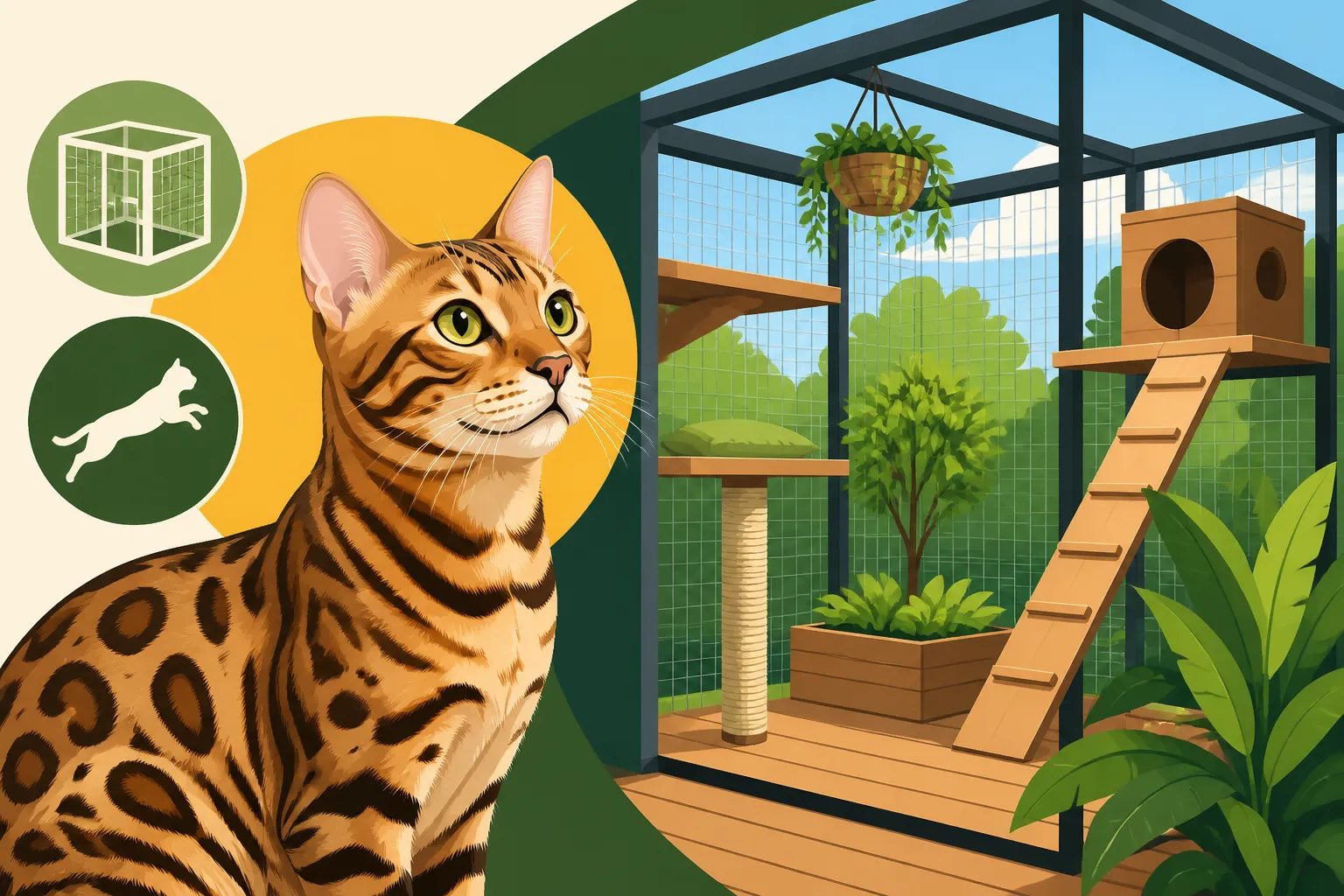
For a Bengal cat, vertical space is not a suggestion; it's a requirement. These cats are natural climbers and feel most secure and stimulated when they can perch high above their surroundings. Think about How High a Bengal Cat Can Jump – it's impressive! A catio needs to accommodate this instinct. Aim for a minimum height of at least 6-8 feet, but honestly, the taller, the better. This allows for multiple levels of shelving, ramps, and platforms that mimic trees and high vantage points.
These vertical elements break up the space and create a dynamic environment. Imagine a series of carpeted shelves leading up to a sturdy hammock or a high, enclosed box perch. This not only gives your Bengal climbing opportunities but also allows them to survey their domain, which is a deeply satisfying behavior for them. Without ample verticality, even a large catio can feel restrictive and boring to a Bengal, failing to meet their fundamental need to ascend.
Ground-Level Exploration
While verticality is king, don't neglect the ground level. Bengals also love to run, pounce, and explore. They'll stalk imaginary prey, roll in the sun, or investigate interesting smells. You need enough floor space for them to stretch out, perform a full-body roll, and have a short dash. A catio that feels like a narrow cage, even if tall, won't cut it for long-term enrichment.
Consider including elements at ground level that engage their natural digging instincts, like a large planter with cat-safe grass or a dedicated "digging box" filled with shredded paper or safe soil. This provides sensory enrichment and helps prevent them from trying to dig in your garden beds. Even in a smaller catio, maximizing the ground area you have, and keeping it clear for movement, is essential.
Recommended Size Guidelines
To help you visualize, here are some general size recommendations. Remember, these are guidelines, and more space is always preferred, especially with multiple Bengals.
| Factor | Single Bengal (Minimum) | Single Bengal (Ideal) | Multiple Bengals (Minimum) | Multiple Bengals (Ideal) |
|---|---|---|---|---|
| Footprint (L x W) | 4 ft x 4 ft (1.2m x 1.2m) | 6 ft x 8 ft (1.8m x 2.4m) | 8 ft x 10 ft (2.4m x 3m) | 10 ft x 12 ft+ (3m x 3.6m+) |
| Height | 6 ft (1.8m) | 8 ft+ (2.4m+) | 8 ft (2.4m) | 10 ft+ (3m+) |
| Vertical Levels | 2-3 perches | 4+ perches, ramps | 4-6 perches, tunnels | 6+ perches, bridges, ramps |
| Enrichment | Basic scratcher, small toy | Large scratcher, diverse toys | Multiple scratchers, interactive | Large wheel, complex structures |
These numbers aren't set in stone, but they give you a tangible goal. For a single Bengal, even a 4×4 foot base with good vertical height can provide a valuable outdoor experience. However, for true enrichment and to allow for zoomies, a larger footprint is always better. When you're dreaming up your catio, think about How Much Vertical Space a Bengal Cat Needs and plan accordingly.
Maximizing a Bengal Catio, Regardless of Size
Even if you're working with limited space, you can still create an incredible catio experience for your Bengal. It's all about smart design, thoughtful enrichment, and unwavering attention to safety. Don't think of it as just an outdoor cage; think of it as an extension of your home, tailored for feline adventure.
Essential Features for Enrichment
Once you have your basic structure, it's time to fill it with items that will truly engage your Bengal. Start with climbing structures: sturdy shelves, ramps, and platforms at varying heights are non-negotiable. Ensure they are wide enough for your Bengal to comfortably lie down and turn around. Sisal-wrapped scratching posts, both vertical and horizontal, are also vital to satisfy their urge to scratch and keep their claws healthy. Remember, a Bengal's claws are formidable, so invest in quality materials that can withstand their vigor.
Beyond climbing, consider sensory elements. A patch of cat-safe grass (oats, wheat, or barley grass) offers a natural treat and a place to nibble. Hanging toys, puzzle feeders, and even a robust cat wheel can provide hours of entertainment and exercise. Don't forget comfortable resting spots – hammocks, soft beds, or even a small enclosed shelter for privacy and protection from the elements. And of course, fresh water access, either via a sturdy bowl that can't be easily knocked over or a pet fountain. A catio provides an amazing opportunity to really embrace What to Put in a Bengal Cat's Catio.
Security and Safety Considerations
A catio is only as good as its security. For a Bengal, known for their intelligence and agility, this means thinking like a tiny, wild escape artist. The mesh or wire you use needs to be strong enough to withstand their claws and determined efforts to chew or bend it. Galvanized wire mesh (often called hardware cloth) with a small grid size (e.g., 1/2 inch by 1/2 inch) is generally recommended, as it prevents escapes and keeps out smaller predators.
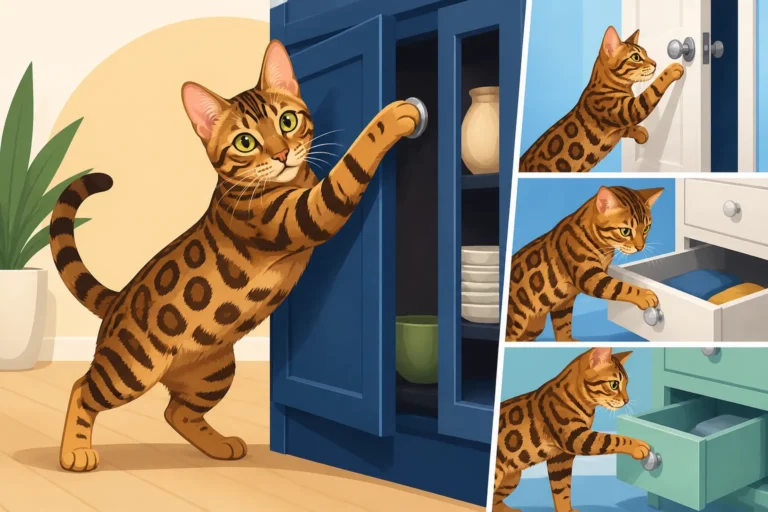
Ensure all connections are secure, with no gaps or weak points where your Bengal could squeeze through. Double-check latches on doors and any access points – Bengals are notoriously clever at opening things. If your catio is directly attached to your house via a window or pet door, ensure that connection is also fully sealed and secure. Finally, consider a solid roof or at least a partial cover to provide shade from the sun and shelter from rain, protecting your cat from the elements and potential aerial predators like large birds. Remember, Why a Catio Is the Answer to a Bengal Cat often boils down to safety first.
Location, Location, Location
Where you place your catio can significantly impact its usability and your Bengal's enjoyment. Ideally, it should be accessible directly from your home, perhaps through a window, a designated cat door, or a patio door. This allows your Bengal the freedom to come and go as they please, giving them agency and choice in their environment. Imagine them popping out for a quick sunbath, then coming inside for a nap, then back out to chase a leaf – it's ideal.
Consider sun exposure throughout the day. You want a balance of sun and shade to prevent overheating, especially in warmer climates. If possible, situate it near interesting natural features like trees or bushes (but far enough away that jumping out isn't an option) to provide visual stimulation. Avoid placing it in an area that gets extremely windy or is prone to flooding. Think about what your Bengal would love to see and experience, and choose a spot that maximizes those opportunities while remaining safe and secure. For many Bengal owners, figuring out the perfect catio is the last puzzle piece to creating a truly harmonious home life, ensuring that Whether a Bengal Cat Can Be an Indoor Only Cat is less of a concern.
Disclaimer
This article is for general informational purposes only and does not constitute professional advice. Laws, prices and regulations vary by location and change over time. Consult a qualified professional for guidance on your specific situation.