Why a Bengal Cat’s Coat Feels Like Nothing Else
If you're a Bengal cat owner, or even just someone who has had the pleasure of petting one of these magnificent felines, you know there's something utterly unique about their coat. It's not just "cat fur" – it's something else entirely, often described as feeling like velvet or silk, a sensation that truly stands apart. This guide will delve into the fascinating reasons behind this distinctive texture, exploring its genetic roots and how it influences everything from grooming to how they feel to the touch.
The Wild Ancestry Behind the Bengal Cat's Distinctive Coat
The secret to the Bengal cat's coat lies deep within its lineage, specifically tracing back to its wild ancestor, the Asian Leopard Cat (ALC). This isn't just a breed that looks exotic; it literally carries the genetic blueprint of a wild cat, and that makes all the difference when it comes to their luxurious pelt.
Tracing the Asian Leopard Cat Connection
The Bengal cat breed began with a cross between a domestic cat and an Asian Leopard Cat. This foundational cross, primarily initiated by Jean Mill in the early 1960s, sought to bring the stunning wild look of the ALC into a domesticated companion. But it wasn't just about the spots; it was about the entire package, including the feel of the coat. The Asian Leopard Cat evolved in varied climates, and its coat is designed for protection and stealth in its natural habitat. It’s dense, short, and incredibly sleek, allowing for quick movements through dense foliage and resilience against weather.
When these wild genes were introduced into the domestic gene pool, they brought with them specific traits that define the Bengal cat's coat today. Think of it as inheriting a very specialized wardrobe from a very successful hunter. These early generations, like the F1 and F2 Bengal cats, exhibited these traits most strongly, and selective breeding then worked to retain them while fostering a more domestic temperament. Understanding A Leopard Cat and a Housecat Made the First Bengal Cat really helps you grasp why their coat is so different.
How Wild Genetics Influence Coat Structure
The Asian Leopard Cat's genetic contribution means the Bengal cat's coat has a fundamentally different structure than that of most domestic shorthairs. While a typical housecat might have a soft, fluffy undercoat providing insulation, the ALC has a much thinner, almost non-existent undercoat. This translates directly to the Bengal cat. Their hair shafts are generally shorter, coarser (though still incredibly soft to the touch), and lie very close to the body, creating that "pelted" feel.
This isn't just a superficial difference; it's a genetic adaptation. The genetic markers that dictate hair length, density, and the presence of an undercoat were passed down, ensuring that the Bengal cat inherited a coat more akin to its wild predecessor than its domestic one. It's a key reason why Why a Bengal Cat's Coat Came From the Asian Leopard Cat is such a critical aspect of their breed identity. This unique genetic endowment makes for a coat that's not only visually stunning but also distinctively tactile.
What "Pelted" Really Means for a Bengal Cat's Feel
When people talk about a Bengal cat having a "pelted" coat, they're not just using fancy jargon. They're describing a genuinely unique tactile experience that differentiates Bengals from almost every other cat breed. It's a sensation that once felt, is hard to forget.
The Lack of Undercoat and Its Impact
One of the primary reasons for the Bengal cat's distinctive feel is its minimal undercoat. Most domestic cats, especially those with short hair, have a double coat: a softer, dense undercoat for insulation, and a tougher outer guard coat. If you run your hand over a typical domestic shorthair, you'll feel that plushness from the undercoat. With a Bengal, that plushness is largely absent.
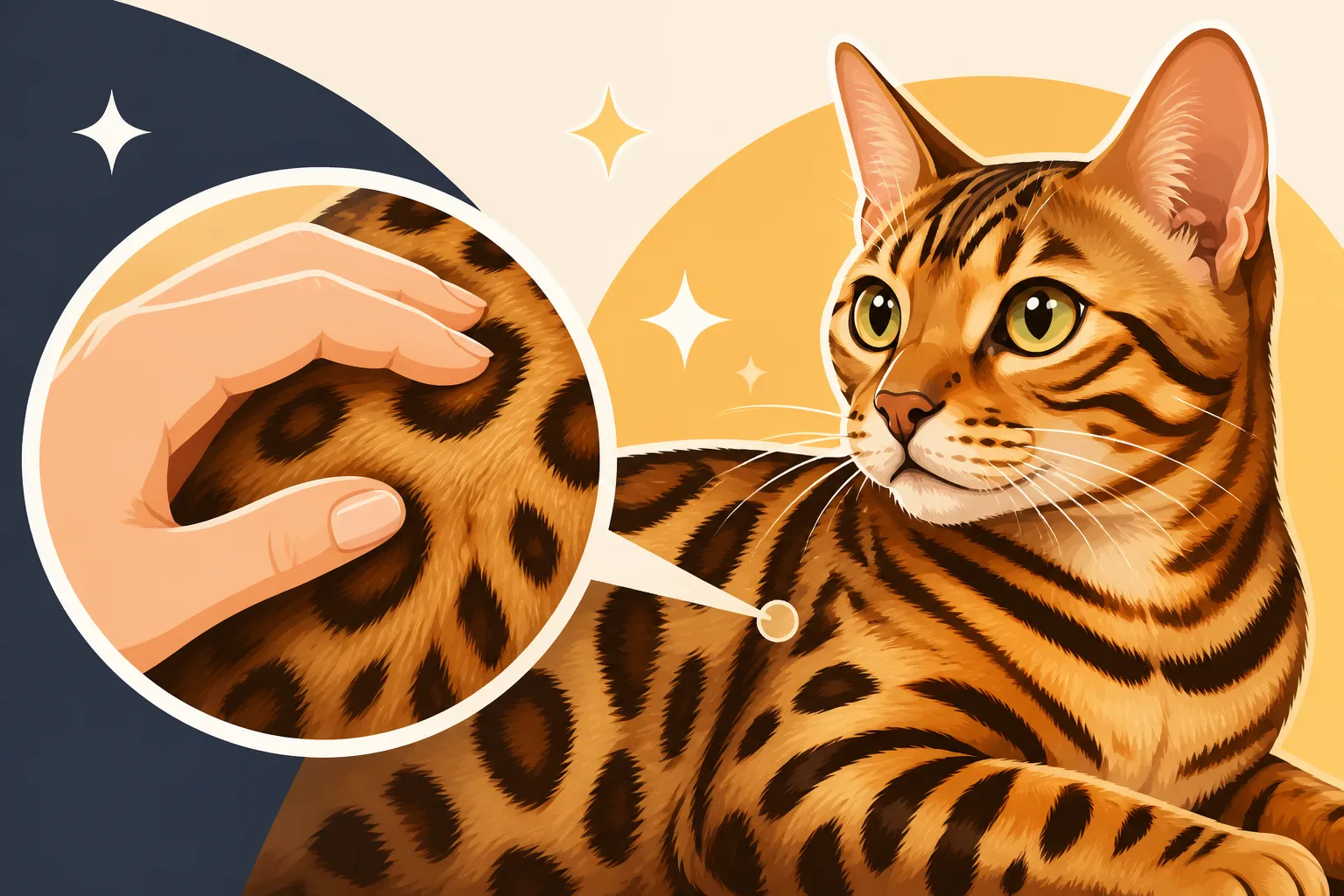
Instead, you feel almost exclusively the outer guard hairs, which are incredibly fine, soft, and lay extremely flat against their muscular bodies. This lack of a thick, insulating undercoat contributes to the smooth, sleek texture that feels like a finely shorn velvet or a silken blanket. It's also why Why a Bengal Cat Has Almost No Undercoat is a significant characteristic, impacting not just the feel but also their shedding patterns and even how they cope with different temperatures. When you pet a Bengal, your hand glides over a smooth, uniform surface rather than sinking into layers of fluff.
The Unique Texture: Silky, Smooth, and Dense
Imagine touching a perfectly smooth river stone, then imagine it covered in the softest silk. That's somewhat close to describing the Bengal cat's coat. It's not just soft; it's densely packed, yet each individual hair is fine, creating a feeling of incredible smoothness and a luxurious "cool" sensation against the skin, similar to silk. This combination of density, fineness, and a close-lying nature gives the Bengal coat its signature "pelted" quality.
Many owners describe it as feeling like a wild animal's hide, albeit a very pampered one. This texture isn't accidental; it’s a direct inheritance that provides a functional benefit in the wild, allowing water to shed off easily and minimizing drag. For us, it simply means an incredibly enjoyable petting experience. This dense, silky feel also contributes to the visual clarity of their patterns, as the hairs don't fluff up to obscure the vibrant rosettes or marbling.
Unveiling the Enigma of Bengal Glitter
Beyond the silky-smooth feel, many Bengal cats possess another truly magical quality: "glitter." This isn't something added or topical; it's an inherent genetic trait that makes their fur shimmer and sparkle, especially in direct sunlight. It's one of those things you have to see to believe, and once you do, you understand why it's so prized.
What Causes the Iridescent Shimmer
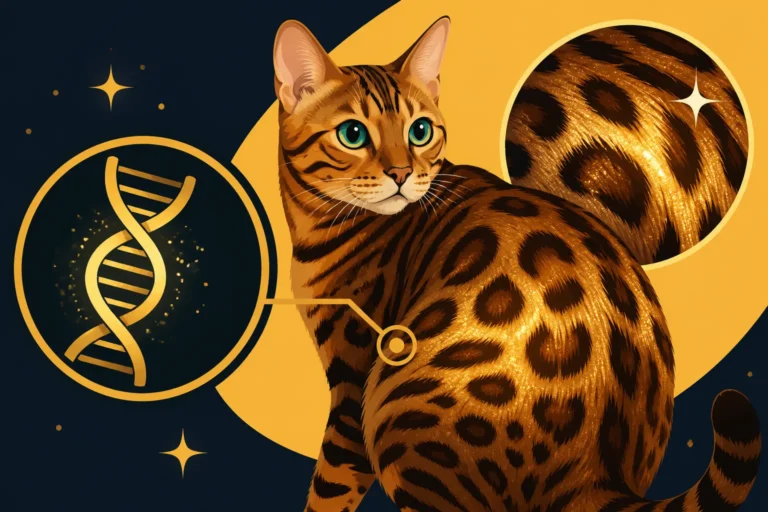
The glitter in a Bengal cat's coat is caused by unique, hollow hair shafts that are somewhat translucent. These hollow shafts catch and refract light, similar to how a prism works, creating an iridescent, golden, or pearlescent shimmer. It's not a superficial dusting; it's part of the hair itself. This genetic trait is thought to have originated from one of the foundational domestic cats used in the early breeding programs, specifically an unrecognized trait that was then selected for. What the Glitter Gene Does to a Bengal Cat is a fascinating read if you want to dive deeper into the science behind this beautiful phenomenon.
Imagine your Bengal sitting by a window, and as they shift, their coat seems to come alive with tiny, shimmering lights. It's truly breathtaking and adds another layer to the exotic allure of the breed. This glitter is typically more noticeable in certain lighting conditions, transforming their appearance from stunning to absolutely captivating.
Why Not Every Bengal Cat Possesses This Trait
While glitter is a highly desirable trait in Bengal cats, not every individual possesses it. It's a recessive genetic trait, meaning a kitten needs to inherit the glitter gene from both parents to exhibit the characteristic shimmer. If a cat only inherits one copy of the gene, they are a "carrier" but won't show the glitter themselves. Breeders often test for this gene, or track it through pedigrees, to ensure they can produce glittered kittens.
Therefore, when you're looking at Bengal cats, some might have that incredible shimmer, while others will have the same short, pelted coat but without the iridescent quality. Both are beautiful, of course, but the glitter adds that extra touch of magic for many enthusiasts. It's just one more way the Bengal coat can surprise and delight.
The Practical Perks: Shedding and Maintenance of a Bengal Coat
Beyond its unique feel and sparkle, the Bengal cat's coat offers some significant practical advantages for owners, especially concerning shedding and overall grooming needs. Many people are drawn to Bengals not just for their looks, but for the relatively low maintenance their coat requires.
Less Hair, Less Hassle: Managing Minimal Shedding
One of the most appreciated aspects of the Bengal cat's unique coat is its significantly reduced shedding compared to many other domestic breeds. Because they have very little to no undercoat, there's simply less loose hair to be shed. This doesn't mean they don't shed at all – every animal with hair sheds – but it's often far less noticeable. You'll likely find fewer stray hairs on your furniture, clothes, and floors.
This minimal shedding is a huge relief for many cat owners who are tired of constantly de-furring their homes. While a quick brush once a week might still be beneficial, it's often more about stimulating the skin and distributing natural oils than removing large amounts of loose hair. This also contributes to the popular, though not entirely accurate, perception that Bengals are "hypoallergenic" – while no cat is truly hypoallergenic, their low shedding can be a plus for some allergy sufferers. Checking out Why Bengal Cat Hair Does Not Show on Furniture explains this benefit further.
Grooming Needs: Simple Care for a Complex Coat
Given their distinctive coat, you might expect Bengals to require extensive grooming, but the opposite is true. Their pelted coat is remarkably self-sufficient. They are meticulous self-groomers, and the sleek nature of their fur means it rarely mats or tangles, even without regular brushing from an owner.
A light weekly brushing with a soft brush or a grooming glove is usually all that's needed to remove any loose hairs and keep their coat looking its best. This can also be a wonderful bonding experience. If your Bengal enjoys water, as many do, an occasional bath might be an option, but it's generally not necessary for coat health. Regular nail trims are a must, of course, and you can easily find good quality clippers on sites like Chewy or Amazon. Ultimately, caring for a Bengal's coat is straightforward, leaving you more time to enjoy their playful personality.
| Feature | Bengal Cat Coat Characteristics | Typical Domestic Shorthair Coat Characteristics |
|---|---|---|
| Feel | Silky, velvet-like, dense, "pelted" | Soft, plush, sometimes fluffy |
| Undercoat | Minimal to none | Present, provides insulation |
| Hair Shafts | Fine, lie flat, sometimes hollow (for glitter) | Varied thickness, often less uniform |
| Shedding | Generally low to moderate | Moderate to high, depending on breed |
| Grooming Needs | Minimal; occasional brushing for shine/bonding | Regular brushing to prevent mats and reduce shedding |
| Special Traits | Glitter (iridescent shimmer) in many individuals | Typically no unique shimmer |
Visual Distinctions: Patterns, Colors, and Clarity
The feel of a Bengal's coat is undeniably unique, but it's intrinsically linked to its stunning visual appeal. The texture and structure of their fur play a crucial role in how their iconic patterns and vibrant colors are displayed, making them truly stand out.
How the Coat's Structure Enhances Rosettes and Marbling
The close-lying, short, and dense nature of the Bengal cat's pelt is paramount to the clarity and sharpness of their patterns, whether they are rosetted or marbled. Unlike cats with longer or fluffier fur, where patterns can appear blurred or less defined, the Bengal's coat allows its markings to pop with incredible contrast and definition. The individual hairs lay flat, almost like painted strokes on a canvas, ensuring that each spot, rosette, or swirl is distinctly visible.
Consider the intricate details of a donut rosette, with its darker outline and lighter center, or the flowing, horizontal stripes of a marbled Bengal. These complex patterns wouldn't be nearly as striking if the fur were to obscure them. The coat's structure acts as the perfect medium, showcasing the artistry of their wild ancestry. This incredible clarity is a key component of What a Rosette Is on a Bengal Cat and What a Marbled Bengal Cat Is, highlighting why their patterns are so celebrated.
The "Fuzzy" Kitten Stage and Its Transformation
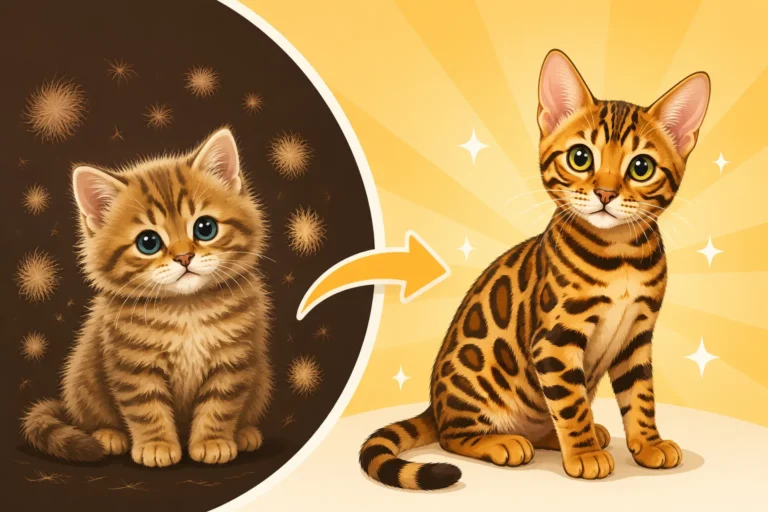
It might surprise new Bengal owners to learn that their stunning, clear-pelted kitten starts life looking a bit… fuzzy. This phenomenon, known as "fuzzies" or "clouding," is a natural part of a Bengal kitten's development. For the first few months, a Bengal kitten's coat may appear duller, with less defined patterns, almost as if a light veil has been cast over their markings. This is believed to be a natural camouflage mechanism inherited from their wild ancestors, helping to protect vulnerable young in the wild.
However, rest assured, this fuzzy stage is temporary. As the kitten matures, typically between 4-8 months of age, this protective “baby fur” begins to clear, revealing the glorious, high-contrast patterns and silky pelt underneath. The transformation is remarkable, and it's always exciting to watch their true colors and patterns emerge. Patience during this phase is key, knowing that the truly magnificent adult coat is just around the corner. While waiting for those fuzzies to clear, ensure your growing kitten is on a high-quality diet.
Disclaimer
This article is for general informational purposes only and does not constitute professional advice. Laws, prices and regulations vary by location and change over time. Consult a qualified professional for guidance on your specific situation.