What Slows a Bengal Cat Down and When
One of the most common questions I hear from new Bengal cat parents, especially those used to more sedate house cats, is if their energetic companion will ever slow down. It's a valid concern when your kitten is scaling curtains and orchestrating midnight zoomies, leaving you wondering if this whirlwind of fur and spots will maintain that pace for life. This guide will walk you through the natural progression of a Bengal cat's energy levels, helping you understand what to expect at different life stages and how to support their evolving needs.
Understanding the Bengal Cat's Innate Energy
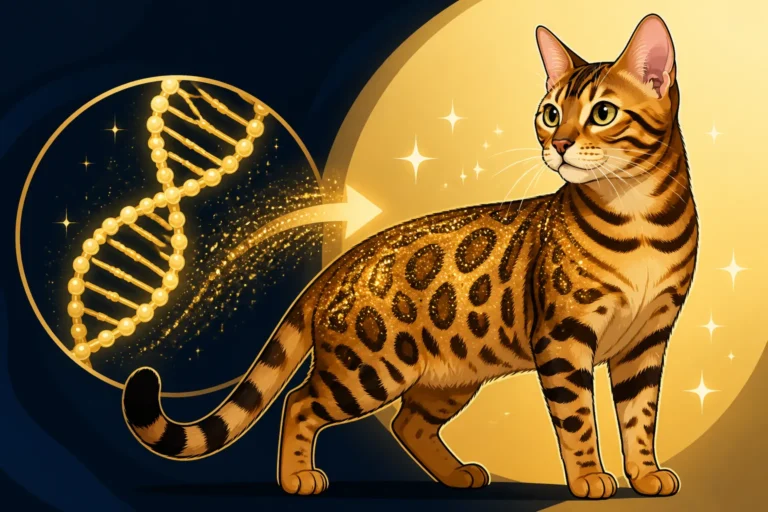
The Bengal cat is truly a breed apart, and much of that distinctiveness comes from their unique genetic heritage. When you bring a Bengal into your home, you're not just getting a cat; you're welcoming a domestic feline with a recent wild ancestor, the Asian Leopard Cat. This wild lineage isn't just a fun fact for trivia night; it profoundly influences their physical characteristics, temperament, and, crucially, their boundless energy.
The Wild Ancestry Connection
Think about their wild cousins in nature – constantly on the move, hunting, exploring, and defending territory. While your Bengal lives a pampered life indoors, those instincts are still deeply embedded. They possess an athletic build, powerful muscles, and an inherent curiosity that drives them to investigate every nook and cranny. This isn't a cat content to merely observe the world from a sunbeam; they want to interact with it, to pounce, to climb, and to discover. It’s why you often see them perched on the highest shelves, surveying their domain, or meticulously stalking a dust bunny as if it were prey.
This wild connection means they thrive on activity and mental stimulation. Without it, a Bengal can become bored, and a bored Bengal is often a destructive Bengal. They might start "redecorating" your home, turning taps on, or demanding attention in very vocal ways. It's not malice; it's simply their instinct for activity manifesting in less-than-ideal behaviors. Understanding this fundamental drive is the first step in appreciating why their energy levels are so high and why their "slowing down" journey is a gradual one.
Unmatched Stamina and Drive
Unlike some domestic breeds that might have short bursts of play followed by long naps, a Bengal often seems to have an inexhaustible supply of energy. They can go from a deep sleep to full-throttle chasing a toy in milliseconds, then keep that pace for extended periods. This stamina is a hallmark of the breed. They love interactive play, whether it's a wand toy that mimics prey, a laser pointer chase, or even a good old game of fetch, which many Bengals adore.
Their drive isn't just physical; it's mental too. They are incredibly intelligent cats, always observing, learning, and problem-solving. This means they need enrichment that challenges their minds as much as their bodies. Puzzle feeders, rotating toys, and even teaching them tricks can help channel this intense mental energy. If you've ever watched a Bengal meticulously figure out how to open a cabinet or operate a doorknob, you've witnessed their impressive cognitive abilities in action. This combination of physical prowess and mental acuity means their "slow down" isn't about becoming a couch potato, but rather a shift in how they express their inherent drive.
The Young and Restless: Kitten and Adolescent Phases
The first couple of years with a Bengal cat are, for many owners, an exhilarating whirlwind. From tiny, adorable fuzzballs to sleek, powerful adolescents, their energy levels during this time are truly legendary. It's a period of intense growth, learning, and exploration, where every waking moment seems to be dedicated to discovery and play.
The Early Energy Explosion
Bengal kittens are notoriously high-energy, often far surpassing the activity levels of a typical domestic kitten. From the moment they can toddle, they are exploring, pouncing on their littermates, and scaling anything they can get their tiny claws into. This early energy is crucial for their development, building muscle, improving coordination, and honing their hunting instincts. You'll likely find them engaging in frantic play sessions, racing across the room, launching themselves off furniture, and generally behaving like tiny, striped rockets.
During this stage, their need for stimulation is insatiable. A single play session often isn't enough; they need multiple, engaging interactions throughout the day. This isn't just about entertainment; it's about channeling their natural behaviors in appropriate ways. Providing plenty of toys, vertical climbing spaces, and interactive play is essential to prevent them from finding their own, potentially destructive, ways to expend that energy. It’s also a fantastic time to start leash training or introducing them to a cat wheel, setting healthy habits early on.
The "Teenage" Years: Peak Zoomies
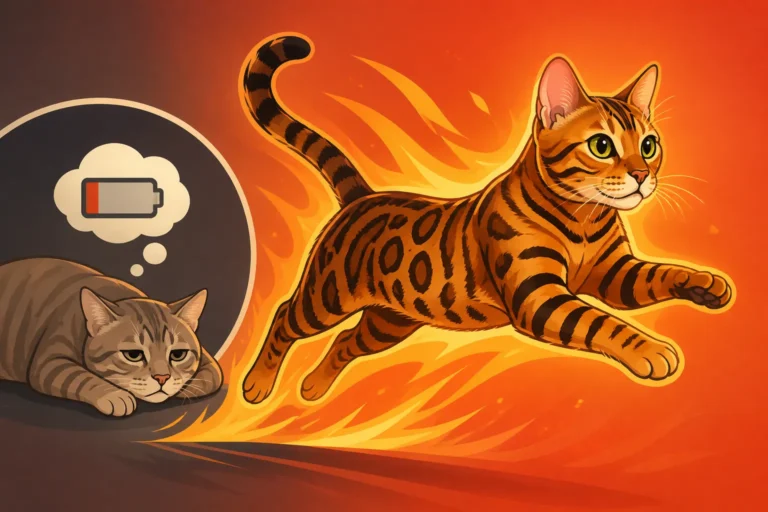
As Bengal kittens transition into adolescence, typically between six months and two years of age, their energy doesn't wane; it often intensifies. This is the period of peak zoomies, where they seem to have an endless battery, capable of running laps around your house at breakneck speeds, often late into the night. They're no longer just learning about the world; they're mastering it, refining their climbing skills, perfecting their pounces, and developing incredible agility.
Many owners describe this phase as both hilarious and utterly exhausting. Your adolescent Bengal might seem to be everywhere at once, demanding attention, playfully ambushing you, and turning everyday objects into elaborate obstacle courses. This is also when their intelligence truly shines, and they might start opening doors, cabinets, or even figuring out how to get into places you thought were impenetrable. This sustained, high-octane energy is a normal part of their development, reflecting their physical prowess and mental curiosity. While it can feel relentless, remember that this incredible drive is what makes a Bengal cat so unique and engaging. Providing them with outlets like robust cat trees (you can find excellent options on Amazon or Chewy), puzzle toys, and consistent interactive play is key to surviving (and enjoying) this vibrant stage.
When Maturity Kicks In: The Adult Bengal
Many Bengal owners breathe a collective sigh of relief as their feline companions transition from their boisterous adolescent phase into adulthood. While the idea of a "calm" Bengal might seem like an oxymoron, there is a noticeable shift in their energy levels and how they express themselves. It's not a dramatic drop-off, but rather a more refined, predictable, and sometimes even more intense, approach to their daily activities.
Subtle Shifts in Play Style
As a Bengal cat matures, typically around two to four years of age, their play style often evolves. Those frantic, seemingly aimless bursts of energy from kittenhood might become a bit more focused and purposeful. Instead of simply running laps around the house for the sheer joy of it, an adult Bengal might engage in more strategic hunting games, meticulously stalking a toy or showing incredible precision in their jumps. They might still have their moments of wild zoomies, especially after a long nap or in the evenings, but these tend to be less frequent and perhaps a little shorter than their youthful escapades.
You might notice they become more adept at challenging puzzle toys or develop a deeper interest in specific interactive games. They're still incredibly active, don't get me wrong, but there's a certain elegance and efficiency to their movements now. It’s less about raw, unbridled chaos and more about channeling their energy into sophisticated forms of play and exploration. A mature Bengal cat often knows exactly what they want and how to get it, whether it's a specific toy, a climb to the highest shelf, or an invitation to a vigorous game of fetch. This doesn't mean less energy, but rather a more refined deployment of it.
Finding a More Predictable Rhythm
One of the biggest changes in an adult Bengal's energy is the emergence of a more predictable rhythm. While kittens and adolescents might have seemingly random bursts of activity throughout the day and night, adult Bengals often settle into a routine. They might have peak activity periods in the morning and evening, coinciding with prime hunting times in the wild, with longer, more relaxed rest periods in between. This isn't to say they'll suddenly become a perfectly scheduled animal, but their energy ebbs and flows become easier to anticipate.
This predictability can be a huge relief for owners, as it allows for better planning of interactive play sessions and enrichment activities. You'll learn when your Bengal is most receptive to play, when they prefer to cuddle, and when they simply need a quiet space to nap. While they will always retain their innate love for activity, this more structured energy expenditure means they can coexist more harmoniously with a human schedule. It’s a testament to their adaptability and intelligence, learning to integrate their wild instincts into the rhythm of domestic life. How Many Hours a Day a Bengal Cat Plays might still be significant, but it will be distributed differently.
Signs of an Aging Bengal: Beyond Just Slowing Down
Watching our beloved Bengals age is a natural part of their lifespan, which for many is The Twelve to Sixteen Years a Bengal Cat Gets. Just like us, as they enter their senior years, their bodies and behaviors begin to change. It's not always a sudden halt to their legendary energy, but a gradual winding down, often accompanied by other subtle indicators that they're entering a new phase of life. Recognizing these signs is crucial for Caring for a Bengal Cat Past Ten and ensuring their comfort and well-being.
Physical Changes to Watch For
The most obvious signs of an aging Bengal often manifest physically. Their once boundless energy might give way to more frequent and longer naps. They might hesitate before leaping onto a high shelf they once scaled with ease, or they might choose a lower perch instead. Their movements might become a little stiffer, a slight reduction in their explosive speed noticeable during play. You might observe a subtle loss of muscle mass, particularly along their spine or hindquarters, even if their overall weight remains stable or even increases if they become less active and their diet isn't adjusted. Why an Old Bengal Cat Loses Muscle First is a common observation.
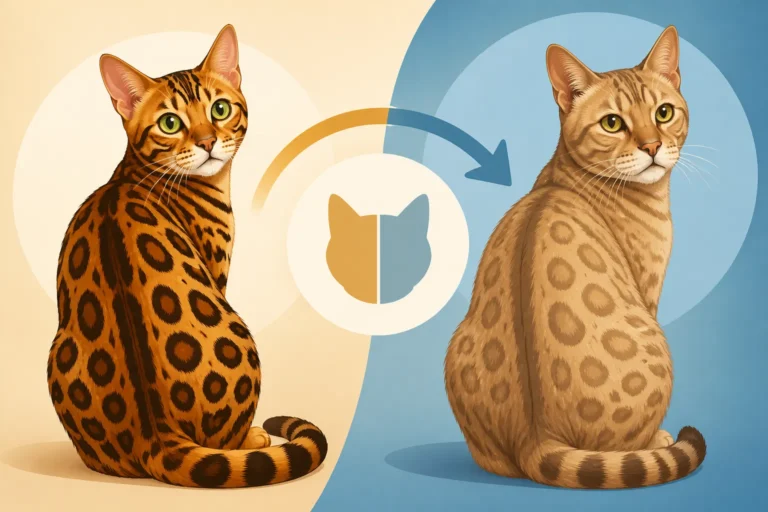
Their coat, which once had that distinctive silken "pelt" feel and brilliant glitter, might start to feel a little coarser, or the glitter could become less prominent. How an Aging Bengal Cat's Rosettes Soften or appear duller is also possible. Their eyes might develop a slight cloudiness, or they might not track toys as quickly as they once did. Sometimes, dental issues become more prevalent, leading to discomfort that can affect their appetite or overall demeanor. It's a collection of small changes that, when observed together, paint a picture of a cat who is gracefully, but surely, entering their golden years.
Behavioral Indicators of Seniority
Beyond the physical, there are often distinct behavioral changes that signal a Bengal cat is aging. They might become less tolerant of boisterous play, preferring gentler interactions. While they'll still enjoy playtime, the sessions might be shorter, and they'll tire more quickly. You might find them seeking out warmer, softer spots for naps, perhaps avoiding drafty areas. Some senior Bengals become more vocal as their senses dull, or perhaps more demanding of attention, seeking comfort and reassurance from their humans.
Their once fierce hunting drive might diminish, making them less interested in chasing after small toys or bugs. They might also become less inclined to engage in their characteristic water play or investigate every new sound. While their intelligence remains, their overall curiosity might lessen slightly, preferring the familiar comforts of their established routine. It's a shift from the relentless explorer to the contented monarch of their home, happy to oversee their domain from a comfortable vantage point. Remembering that The Age a Bengal Cat Is Considered Senior is typically around 8-10 years old helps set expectations for these changes.
Factors That Can Prematurely Slow a Bengal Cat
While it's natural for a Bengal cat to eventually slow down with age, certain factors can cause them to become less active much earlier than expected. If you notice a significant decrease in your Bengal's energy levels before they reach their senior years, it's a red flag that warrants investigation. This isn't just about their playful demeanor; it can be an indicator of underlying health concerns.
Health Conditions
Bengals, like all breeds, are prone to certain genetic and acquired health conditions that can dramatically impact their energy. One of the most serious is HCM Is What Kills Bengal Cats Early (Hypertrophic Cardiomyopathy), a heart condition that can lead to lethargy, difficulty breathing, and a general reduction in activity. Cats with HCM often hide their symptoms, so a sudden decrease in energy might be one of the few visible signs. Pyruvate Kinase Deficiency in a Bengal Cat (PK deficiency) is another inherited condition that affects red blood cells, leading to anemia, weakness, and reduced stamina. A Bengal affected by PK deficiency might have good days and bad days, but overall, their energy will be lower than a healthy cat.
Another condition to be aware of is PRA-b Blinds a Bengal Cat by Two and There Is a DNA Test (Progressive Retinal Atrophy), which causes gradual blindness. While blindness itself might not directly reduce energy, a cat losing its sight can become more hesitant to jump, explore, or engage in active play due to disorientation and fear. Other issues like chronic pain from arthritis (even in younger cats with joint issues), dental disease, or even persistent infections can make a cat feel unwell and lead to a noticeable drop in their usual spirited behavior. Any sudden or significant change in activity without an obvious explanation (like a recent injury) should prompt a visit to your veterinarian.
Environmental or Dietary Deficiencies
Sometimes, a Bengal's premature slowing down isn't due to illness but rather environmental or dietary factors. A lack of sufficient mental and physical stimulation can lead to boredom and even depression, causing a Bengal to become lethargic and less engaged. If they don't have enough appropriate toys, climbing structures, or interactive play sessions, they might simply "give up" and become less active. Imagine a highly intelligent, athletic human cooped up in a tiny room with nothing to do – they'd become listless too.
Diet plays a massive role in a Bengal's energy levels. If their food isn't providing the right balance of nutrients, particularly high-quality protein, they might not have the fuel needed for their characteristic activity. Low-quality foods or those lacking essential vitamins and minerals can lead to nutrient deficiencies that manifest as lethargy and a dull coat. Why a Bengal Cat's Gut Is So Sensitive also means they can develop chronic diarrhea or digestive upset, which can sap their energy and lead to dehydration and nutrient malabsorption. Ensuring your Bengal receives a high-quality, species-appropriate diet is paramount for sustaining their vibrant energy.
Obesity and Its Impact
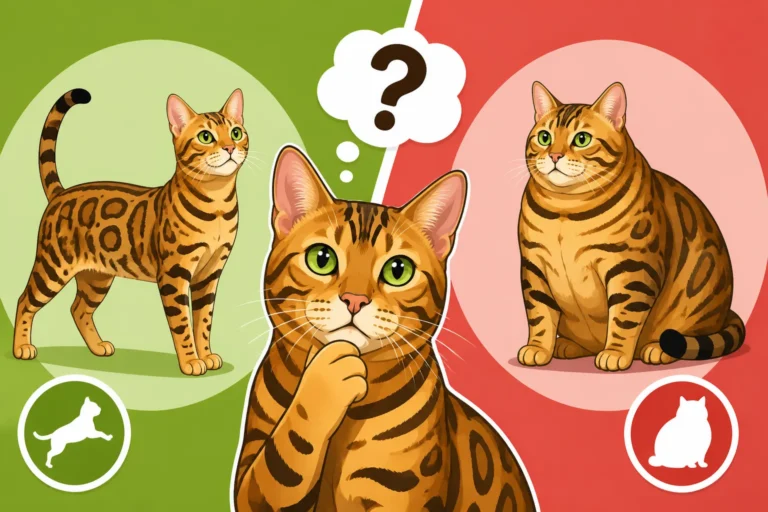
It might seem counterintuitive for such an active breed, but Bengals can and do become overweight, especially if their diet isn't properly managed as their activity levels naturally shift. Whether a Bengal Cat Gets Fat is a real concern, and it can significantly impact their energy and overall health. An overweight Bengal will naturally have less stamina, find it harder to jump and climb, and be less inclined to engage in vigorous play. The extra weight puts strain on their joints, heart, and other organs, making every movement more effortful.
Monitoring What a Healthy Bengal Cat Weighs is crucial, and regular weigh-ins at home or during vet visits can help catch weight gain early. If your Bengal starts to pack on the pounds, it's not just an aesthetic issue; it's a health concern that will directly contribute to them slowing down. Addressing obesity involves a combination of dietary adjustments (often reducing calorie intake while maintaining nutrient density) and encouraging more activity. Sometimes, a cat wheel, robust climbing structures, and consistent interactive play sessions are needed to help them shed those extra ounces and regain their youthful vigor. Your vet can provide guidance on appropriate portion sizes and suitable exercise routines.
Supporting Your Aging Bengal's Activity Levels
Just because your Bengal cat is getting on in years doesn't mean they're ready to retire from all fun and games. Their needs simply change, and as a loving owner, it's our job to adapt and ensure they remain comfortable, engaged, and as active as their bodies allow. Supporting an aging Bengal means a thoughtful approach to their environment, diet, and healthcare.
Adjusting Play and Enrichment
As your Bengal ages, their explosive jumps might become less frequent, and their stamina for long play sessions might diminish. This doesn't mean stopping play entirely! Instead, adjust the type and duration of play. Opt for shorter, more frequent play sessions throughout the day rather than one long, exhausting one. Use wand toys that allow them to "hunt" without requiring extensive running or high jumps. Laser pointers can still be engaging, but ensure there's a tangible reward at the end (like a treat or a pounceable toy) to prevent frustration.
Focus on mental enrichment as well. Puzzle feeders are excellent for stimulating their minds without demanding too much physical exertion. Gentle scent games, where you hide treats around the house, can tap into their natural hunting instincts. Ensure their favorite climbing spots are still accessible, perhaps by adding ramps or steps to help them reach higher perches without strain. Vertical space is still important for an aging Bengal, as it gives them a sense of security and oversight, even if they're not scaling walls like they used to. Whether an Aging Bengal Cat Still Needs a Catio is a resounding yes, though perhaps with fewer extreme climbing elements.
Nutritional Needs for Senior Bengals
An aging Bengal's metabolism often slows down, and their activity levels decrease, meaning their caloric needs change. Continuing to feed them the same amount of food they ate as a vibrant youngster can quickly lead to unwanted weight gain, which exacerbates joint issues and other age-related problems. However, it's not just about less food; it's about the right food. Whether an Aging Bengal Cat Needs Less Protein is a common question, but actually, senior cats often benefit from high-quality, easily digestible protein to maintain muscle mass and support organ function.
Look for senior-specific cat foods that are formulated with appropriate calorie levels, higher protein, and sometimes added supplements like glucosamine for joint health or omega fatty acids for skin and coat. Wet food can be particularly beneficial for older Bengals, as it helps with hydration and is often easier to chew and digest. Portion control becomes even more critical. Consult with your vet or a feline nutritionist to determine the best diet plan for your individual Bengal, taking into account their weight, activity level, and any specific health conditions. Regularly monitoring Why an Old Bengal Cat's Weight Should Be Watched will help you adjust their diet as needed.
Regular Vet Check-ups and Preventative Care
Regular veterinary care becomes even more paramount as your Bengal cat ages. They are masters at hiding pain and illness, so subtle changes that you might miss could be identified by a vet during a thorough examination. Semi-annual check-ups are often recommended for senior cats, allowing your vet to catch potential issues early, such as dental disease, kidney problems, thyroid imbalances, or the onset of arthritis.
These check-ups might include routine blood work, urine analysis, and potentially blood pressure monitoring. Early detection of conditions allows for earlier intervention, which can significantly improve their quality of life and potentially slow the progression of diseases. Discuss any changes you've noticed with your vet, no matter how small. They can offer advice on pain management, dietary adjustments, and supplements that can help your aging Bengal remain comfortable and as active as possible. Remember, How Often a Bengal Cat Needs a Wellness Exam may increase with age.
Debunking Myths About Bengal Cat Energy
When you talk about Bengal cats, their energy is almost always the first thing people mention. This reputation, while largely earned, can sometimes lead to misunderstandings and myths that either overstate or misinterpret their activity levels. It's important to separate fact from fiction to have realistic expectations and provide the best care for these magnificent creatures.
The Myth of Endless Energy
One of the biggest myths surrounding Bengal cats is that they possess truly endless, unceasing energy from kittenhood right through to old age. While it's true they are exceptionally active, this idea can be daunting for prospective owners and frustrating for current ones. The reality is that even Bengals need significant periods of rest and sleep. They might be capable of intense bursts of activity, but they also require deep, restorative naps to recharge. A Bengal cat that is constantly on the go without any downtime might actually be overstimulated, stressed, or even exhibiting signs of an underlying issue rather than simply being "extra Bengal."
The perception of endless energy often comes from their ability to switch from zero to sixty in a heartbeat. They can be sound asleep one moment and, hearing a specific sound or seeing a favored toy, instantly launch into full play mode. This quick recovery time and immediate engagement can make it seem like they never stop, but they do. They just do it very efficiently and often in places where you might not be observing them directly. Understanding that they do rest, and that rest is crucial for their well-being, helps manage expectations and ensures they get the downtime they need.
When "Slow" Doesn't Mean "Lazy"
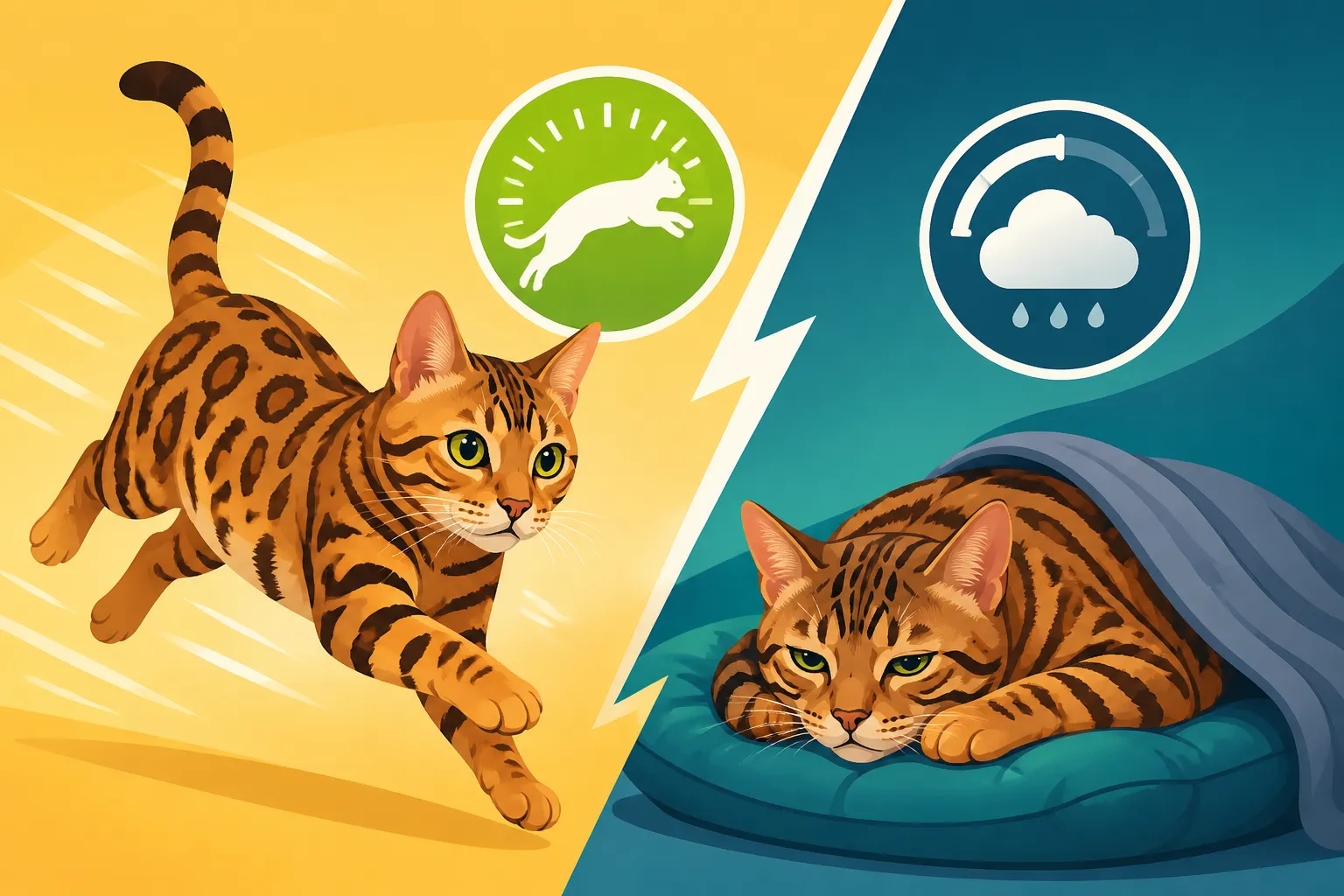
Another misconception is that if a Bengal cat is "slowing down" at all, it means they are becoming lazy or losing their characteristic spark. This simply isn't true. As we've discussed, Bengals naturally mature, and their play style and activity patterns evolve. A more mature Bengal might be less overtly chaotic, but their drive and intelligence are still very much present. They might engage in fewer spontaneous sprints but still demand rigorous interactive play sessions that challenge them both physically and mentally.
A "slowing" Bengal isn't necessarily a lazy one; they might simply be more discerning about how and when they expend their energy. They might prefer a strategic hunt for a hidden treat over a frenzied chase of a feather wand. They might enjoy exploring a new catio (find great supplies for building one on Chewy or Amazon) with careful deliberation rather than wild abandon. This shift often reflects a deeper understanding of their environment and a more refined expression of their predatory instincts. It's about quality of engagement over sheer quantity of movement. If a Bengal truly becomes lazy or unresponsive, it's more likely a sign of a health issue or profound boredom, rather than a natural, healthy decrease in activity.
Recognizing Illness vs. Natural Slowing
It's a common dilemma for Bengal owners: is my cat slowing down because of age, or is something more serious going on? Distinguishing between the natural progression of aging and the onset of illness is vital for providing timely care and maintaining your Bengal's quality of life.
Key Differences in Behavior
When a Bengal cat naturally slows down due to age, the changes are typically gradual and consistent. You might notice them sleeping more, being a bit less agile, and perhaps preferring gentler play. However, they usually maintain their appetite, groom themselves, remain mentally alert, and still show interest in their environment and interactions, albeit at a reduced pace. There might be some stiffness after waking, but it often works out as they move. Their overall demeanor remains positive, and they respond to your affections. They might still use their cat wheel, though for shorter periods.
In contrast, a cat slowing down due to illness often exhibits more abrupt or severe changes. You might observe a sudden decrease in appetite or thirst, or a change in litter box habits. They might vocalize differently, perhaps crying when handled or seeming withdrawn. Lethargy is a common sign of illness, where they seem truly uninterested in play, food, or even your presence. They might hide more, become irritable, or neglect their grooming. Physical symptoms like vomiting, diarrhea (especially chronic issues that require treatments, sometimes found at pet pharmacies or online retailers like Chewy), weight loss despite eating, or difficulty breathing are strong indicators of a medical problem. A Bengal with an illness might seem to 'feel unwell' rather than just 'feel old.'
When to Seek Veterinary Advice
If you observe any of the following signs, it's a strong indication that your Bengal cat needs veterinary attention, regardless of their age:
- Sudden or unexplained drop in activity: If your typically energetic Bengal suddenly becomes unusually quiet, unresponsive, or uninterested in play, food, or interaction.
- Changes in appetite or thirst: A significant increase or decrease in either.
- Weight loss or gain: Unexplained changes can signal various health issues.
- Changes in litter box habits: Diarrhea, constipation, increased urination, or urinating outside the box.
- Difficulty breathing: Open-mouthed breathing, rapid breathing, or coughing.
- Vomiting or frequent regurgitation: More than occasional hairballs.
- Limping, lameness, or visible pain: Hesitation to jump, difficulty getting up, or vocalizing when moving.
- Changes in grooming: Over-grooming in one spot (indicating pain) or neglecting grooming altogether.
- Changes in eye appearance: Squinting, discharge, redness, or cloudiness.
- Behavioral shifts: Sudden aggression, hiding, excessive vocalization, or disorientation.
It's always better to be safe than sorry when it comes to your cat's health. A veterinary check-up can either reassure you that your Bengal is simply aging gracefully or help detect and address a treatable condition early, ensuring they continue to live a happy, comfortable life, whatever their pace.
| Age Stage | Typical Activity Level | Key Characteristics | Considerations |
|---|---|---|---|
| Kitten | Extremely High | Constant play, high curiosity, rapid development, "zoomies" | Needs multiple play sessions, vertical space, early training. |
| Adolescent | Very High | Peak energy, refined climbing/hunting skills, intelligent exploration, can be destructive if bored | Requires extensive mental & physical enrichment, secure environment, continued interactive play. |
| Adult | High to Moderate | More focused play, predictable routines, still active but with more rest, strategic hunting | Consistent play schedule, challenging puzzles, maintain physical and mental stimulation. |
| Senior | Moderate to Low | Increased sleep, gentler play, slower movements, may seek warmth/comfort, appetite/thirst changes possible | Shorter, frequent play, easier access to high spots, senior-specific diet, regular vet check-ups, monitor for pain. |
Disclaimer
This article is for general informational purposes only and does not constitute professional advice. Laws, prices and regulations vary by location and change over time. Consult a qualified professional for guidance on your specific situation.