Why a Bengal Cat Bathes Itself in the Sink
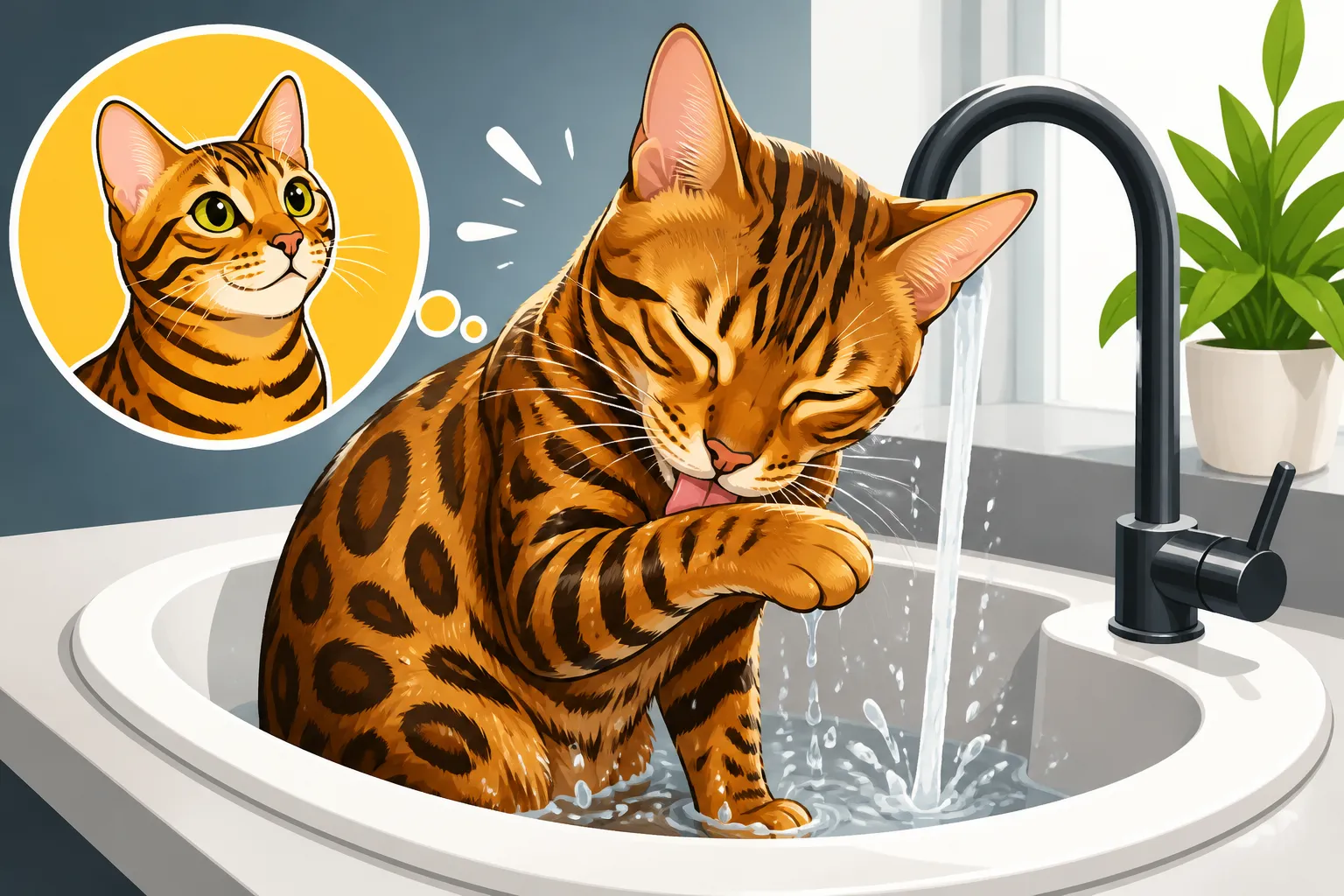
If you've ever walked into your bathroom to find your magnificent Bengal cat perched on the sink, batting playfully at the stream from the faucet or even taking a little dip, you're not alone. It’s a common, if sometimes baffling, sight that leaves many owners wondering why their cat seems to enjoy a bath more than they do! This guide delves deep into the fascinating reasons behind your Bengal's unique aquatic tendencies, offering a comprehensive look at their wild roots and practical advice for navigating their watery antics.
The Wild Ancestry Behind the Water Obsession
It's easy to forget that beneath that luxurious, spotted coat, your Bengal cat carries a strong echo of their wild heritage. Their playful, energetic nature isn't just a quirk; it's a direct link to their ancestors. And when it comes to water, that connection is particularly vivid.
The Asian Leopard Cat Connection
The undeniable truth is that the Bengal cat descends directly from the Asian Leopard Cat (ALC), a small, wild feline native to Southeast Asia. Unlike many domestic cat breeds, which evolved in arid environments or as desert dwellers, the ALC's natural habitat is often lush, near rivers, streams, and dense forests. These wild ancestors are adept swimmers and often hunt in and around water, preying on fish, frogs, and other aquatic creatures.
This isn't just a historical footnote; it's a deeply ingrained behavioral trait. When you see your Bengal dipping a paw into a running faucet or trying to "catch" the water, they're not just being silly; they're channeling millennia of instinct. The sight and sound of moving water can trigger that ancient hunting drive, making the sink a miniature, indoor version of a babbling brook or a small pond. It's a primal call that many domestic cats have long since lost, but which remains strong in the Bengal. The Bengal Cat Is the Hybrid Most Registries Fully Accept speaks volumes about this unique genetic legacy.
Instinctive Behavior, Not Just Play
While it certainly looks like play when your Bengal is splashing around, it's often more profound than simple amusement. For a Bengal, interacting with water is an instinctual activity that satisfies several innate needs. It's a form of environmental enrichment, stimulating their senses and providing an outlet for their high energy levels and natural curiosity.
Consider the sensory experience: the feel of the cool water, the sound of it rushing, the visual distortion of light reflecting off the ripples. All of these engage a Bengal cat's keen senses in a way that dry toys often can't. Furthermore, the act of "hunting" the water, batting at it, and trying to scoop it up, can be a mock hunting exercise. It keeps their predatory instincts sharp, even if their prey is merely a stream from a tap. This isn't just about fun; it’s about maintaining a connection to the fundamental behaviors that ensure survival in the wild. This deep-seated need for activity is why The Bengal Cat Is the Most Active Cat You Can Own.
Why the Sink? Practical Reasons for a Curious Cat
Of all the places in your home, why does the bathroom sink seem to hold such a magnetic appeal for your water-loving Bengal? There are several practical, and rather clever, reasons why this specific fixture becomes their personal water park.
Accessibility and Curiosity
For a highly intelligent and agile cat like a Bengal, the bathroom sink offers a perfect storm of accessibility and intrigue. Most sinks are at an ideal height for a cat to jump onto, giving them a vantage point to survey their watery domain. More importantly, sinks are where the magical, ever-flowing water comes from. The simple act of turning on a tap, which many Bengals quickly learn to do or at least associate with running water, is a huge draw.
Their innate curiosity drives them to explore every nook and cranny of their environment, and a tap that produces a stream of water is an irresistible puzzle. They might start by cautiously sniffing, then perhaps a tentative paw pat, which quickly escalates into full-blown splashing. It's an interactive experience that stimulates their minds and bodies, offering a unique form of entertainment that a still water bowl simply can't compete with. This leads directly to behaviors like Why a Bengal Cat Plays in the Sink.
Temperature Regulation and Comfort
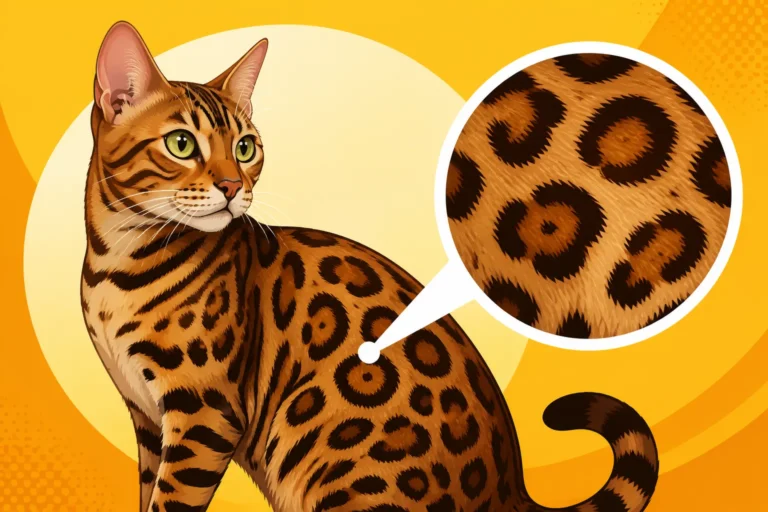
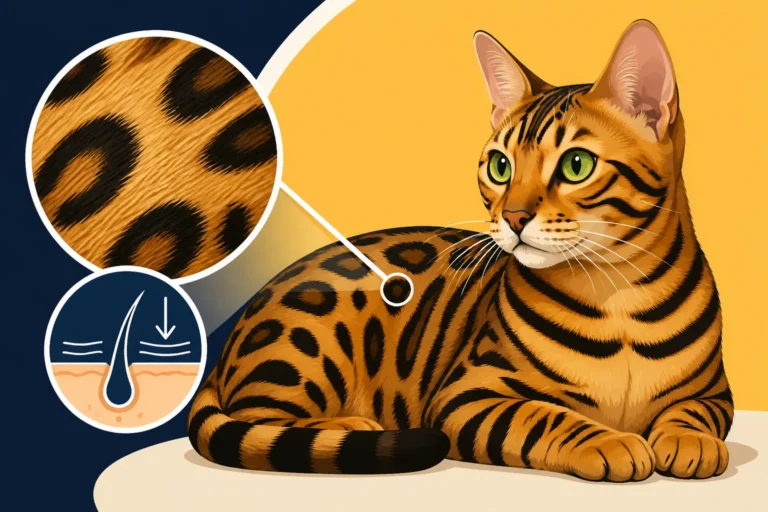
Unlike many traditional domestic cats that have thick undercoats, the Bengal cat's coat is often described as a "pelt" – short, dense, and incredibly soft, with minimal undercoat. A Bengal Cat's Coat Is a Pelt, Not Fur is a key characteristic. This unique coat, inherited from their wild ancestors, is not only beautiful but also functional. It's less prone to matting and, critically, tends to dry faster than the fur of a typical housecat.
This difference in coat structure means Bengals are less bothered by getting wet. In fact, on a warm day or after an intense play session (which Bengals have many of, given How Active a Bengal Cat Is), a cool stream of water from the tap can be incredibly refreshing. They might use it to cool down, just as a wild cat might wade into a shallow stream. They learn quickly that water can provide a sense of comfort and temperature regulation, making the sink a convenient spot for a quick cool-down or a refreshing drink.
A Source of Fresh, Moving Water
It’s a well-known feline preference: many cats prefer to drink moving water over still water. This preference is deeply rooted in their evolutionary history. In the wild, still water sources could be stagnant and contaminated, while moving water, like a stream or river, was generally fresher and safer to drink. Your Bengal carries this instinct.
A running faucet provides that irresistible moving water. The bubbling, swirling stream appears fresh and inviting, far more so than the water sitting in a bowl all day. This is why many Bengal owners invest in pet water fountains, as they tap into this primal desire for flowing hydration. You can find a fantastic array of options on Chewy or Amazon that simulate a natural spring, encouraging your cat to drink more. Your Bengal isn't just playing; they're often seeking what they instinctively perceive as the best, cleanest water source available. Which Water Fountain Survives a Bengal Cat can be a great resource for selecting one for your tenacious feline.
Grooming and Hygiene: A Unique Form of Self-Care
While it might seem counter-intuitive for a cat to use a sink for grooming, a Bengal's relationship with water is far from ordinary. Their unique physical characteristics and innate behaviors combine to make the bathroom sink a surprisingly functional spot for their personal upkeep.
The Bengal Cat's Unique Coat
As we've touched upon, the Bengal cat's coat is quite special. It's often referred to as "pelted" due to its short, dense, and silky texture, which lies flat against their body. This isn't your average fluffy domestic cat fur. It's designed for efficiency in a wild environment, offering protection without becoming waterlogged. This coat also sheds How Little a Bengal Cat Sheds for a Shorthair, making grooming generally quite minimal.
Because their coat lacks a heavy undercoat, it doesn't absorb water in the same way that a long-haired cat's fur might, nor does it typically become matted. This means getting wet is less of a bother and more of a refreshing experience. When your Bengal is splashing in the sink, they aren't necessarily "bathing" in the human sense, but their coat structure makes them far more receptive to the idea of water touching their skin for various purposes, including a quick clean. The water simply runs off, allowing them to dry relatively quickly compared to other breeds.
Water as a Cleaning Tool
For a Bengal, water can be more than just a source of play or hydration; it can also be a unique cleaning tool. You might observe your Bengal dipping their paws into the running water, then using those damp paws to groom their face, ears, or even other parts of their body. This isn't accidental; it's a deliberate act of self-grooming.
Imagine a quick "paw wash" after exploring a dusty corner, or a refreshing cleanse for their whiskers after a meal. The running water helps dislodge any debris or simply provides a damp medium for a more thorough lick-bath. Some Bengals even bring toys to the sink, perhaps instinctively trying to "clean" them before playing, or simply incorporating water into their interactive play with objects. It's a testament to their intelligence and adaptability, finding innovative ways to use their environment to their advantage for personal hygiene.
Managing Your Water-Loving Bengal's Sink Habits
While it's endearing to watch your Bengal's fascination with water, unchecked sink adventures can lead to a perpetually wet bathroom, potential water damage, or even a mischievous cat who learns to turn on faucets themselves. It's all part of the fun of owning a Bengal, but a little proactive management goes a long way.
Providing Safe and Engaging Water Alternatives
The best way to manage their sink obsession is to give them appropriate outlets for their aquatic urges. Instead of fighting their nature, embrace it by providing safe and stimulating alternatives. A pet water fountain is a must-have for any Bengal owner. There are many robust models available that are designed to withstand a Bengal's playful paws and provide a continuous stream of fresh, filtered water. These fountains mimic the running water they love, often drawing them away from the sink.
Beyond drinking, consider setting up a designated "water play" station. This could be a shallow, heavy ceramic bowl or a small, sturdy plastic tub filled with just an inch or two of water. Drop in some floating toys, ping-pong balls, or even a few ice cubes for extra fun. Supervised playtime in this designated area can be a wonderful enrichment activity, satisfying their desire to splash without risking your plumbing or floorboards. Some Bengals even enjoy a very shallow, supervised bath, which can be a fun bonding experience. For more on their love of water, check out Why a Bengal Cat Loves Water.
Protecting Your Home from Water Damage
Bengal cats are incredibly clever, and many quickly learn that a faucet handle means water. To prevent unexpected floods or constantly running taps, you might need to employ some clever deterrents. Childproof cabinet locks can often be adapted to secure lever-style faucet handles, making them harder for your cat to manipulate. For traditional knob faucets, a simple visual cue or a cover might be enough.
Another key strategy is diligence. Always ensure taps are fully off. If your Bengal is particularly persistent and you're worried about them turning on the water when you're not home, consider turning off the water supply to the bathroom sinks at the valve underneath when you leave the house. Placing absorbent mats or towels around the sink area can also catch any overflow from enthusiastic splashing, minimizing damage. Remember, quick clean-up is vital to prevent mold or swelling of cabinetry. For specific strategies on preventing tap incidents, How to Stop a Bengal Cat Turning on Taps offers detailed advice.
Redirecting Excessive or Destructive Behavior
If your Bengal's sink antics become truly destructive or excessively messy, redirection is your best tool. First, ensure they have plenty of other forms of enrichment to burn off their boundless energy, such as interactive toys, a cat wheel, or regular leash walks. A bored Bengal is often a mischievous Bengal. You may find that What a Bengal Cat's Temperament Is Really Like explains a lot about their need for stimulation.
When you catch your Bengal playing in the sink inappropriately, gently interrupt the behavior and immediately redirect them to their designated water play area or a favorite interactive toy. Positive reinforcement, like praise or a treat, when they engage with the alternative, will help them understand what is acceptable. Avoid scolding, as this can create negative associations or simply make them more determined to pursue the behavior when you're not looking. Consistency is key; every time they choose the appropriate water source over the forbidden sink, reinforce that good choice. If the behavior persists and causes significant stress or damage, consulting with a professional feline behaviorist can offer tailored strategies.
Reasons for Bengal Cat Sink Play & Management Solutions
Here's a quick overview of why your Bengal might be drawn to the sink, and what you can do to manage this charming, yet sometimes messy, trait.
| Reason for Sink Play | Management Solution | How it Helps |
|---|---|---|
| Wild Instinct (ALC Ancestry) | Provide a pet water fountain | Satisfies natural preference for moving water and "hunting" instincts. |
| Curiosity & Mental Stimulation | Offer water play bowls with floating toys | Engages their senses and intellect in a controlled environment. |
| Temperature Regulation | Ensure access to fresh, cool drinking water | Helps them cool down without needing to use the sink for splashing. |
| Preference for Moving Water | Invest in a high-quality, sturdy cat water fountain | Mimics natural streams, encouraging hydration and discouraging sink drinking. |
| Grooming Aid | Keep a damp cloth handy for paw/face cleaning after meals | Offers a similar cleaning experience without the running tap. |
| Boredom/Lack of Enrichment | Increase overall play, exercise, and mental puzzles | A tired Bengal is less likely to seek out destructive forms of entertainment. |
| Learned Faucet Operation | Install childproof locks on handles or turn off water | Prevents accidental or intentional flooding when unsupervised. |
Disclaimer
This article is for general informational purposes only and does not constitute professional advice. Laws, prices and regulations vary by location and change over time. Consult a qualified professional for guidance on your specific situation.