How an Old Bengal Cat’s Pattern Changes
It's a common worry for Bengal cat owners, isn't it? You fall head over heels for that stunning, high-contrast pattern on your kitten or young adult Bengal, only to start noticing subtle shifts as they mature. You might wonder if you're imagining it, or if your cat's beautiful rosettes or marbling are truly losing their crispness. This guide is here to reassure you that these changes are a perfectly normal part of the aging process for many Bengals, explaining exactly why and how their magnificent coats evolve over time, and what you can do to support their skin and fur health.
The Fading Tapestry: Understanding Bengal Cat Coat Changes with Age
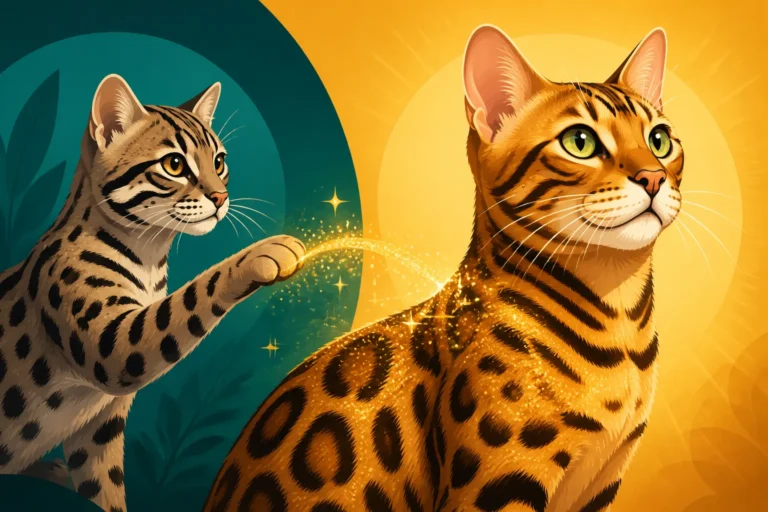
When you first bring home a Bengal, whether they're a tiny, fuzzy kitten or a sleek young adult, their coat is often a masterpiece of nature. Those striking rosettes, vivid marbling, and shimmering glitter are part of what makes the breed so captivating. It’s no wonder we become so attached to that initial appearance. But just like us, our feline companions change as they age, and their coat is one of the most visible indicators of this journey. It's not a dramatic overnight transformation, but a slow, gentle evolution, much like watching a favorite old photograph soften with time.
The Initial Brilliance of a Young Bengal's Coat
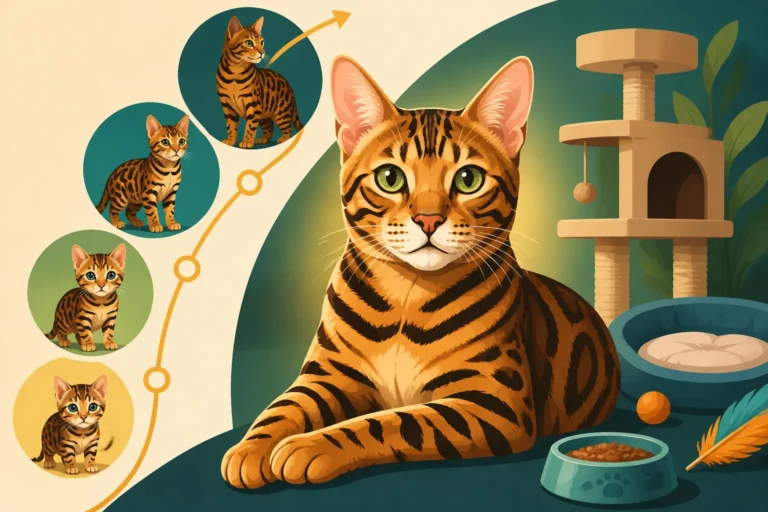
Think back to when your Bengal was in their prime youth. Their spots and rosettes likely had incredible contrast against their ground color. The lines were sharp, the colors vibrant, and if they had glitter, it truly caught the light with every movement. This is typically when their coat is at its most "perfect" by show standards, and it's the image most people have in mind when they think of a Bengal. This period of peak brilliance is fueled by robust cellular activity, optimal melanin production, and the sheer vitality of youth. The hair follicles are working overtime, producing strong, intensely pigmented shafts that contribute to that sharp, defined look we all adore.
The Gradual Softening: What "Fading" Really Means
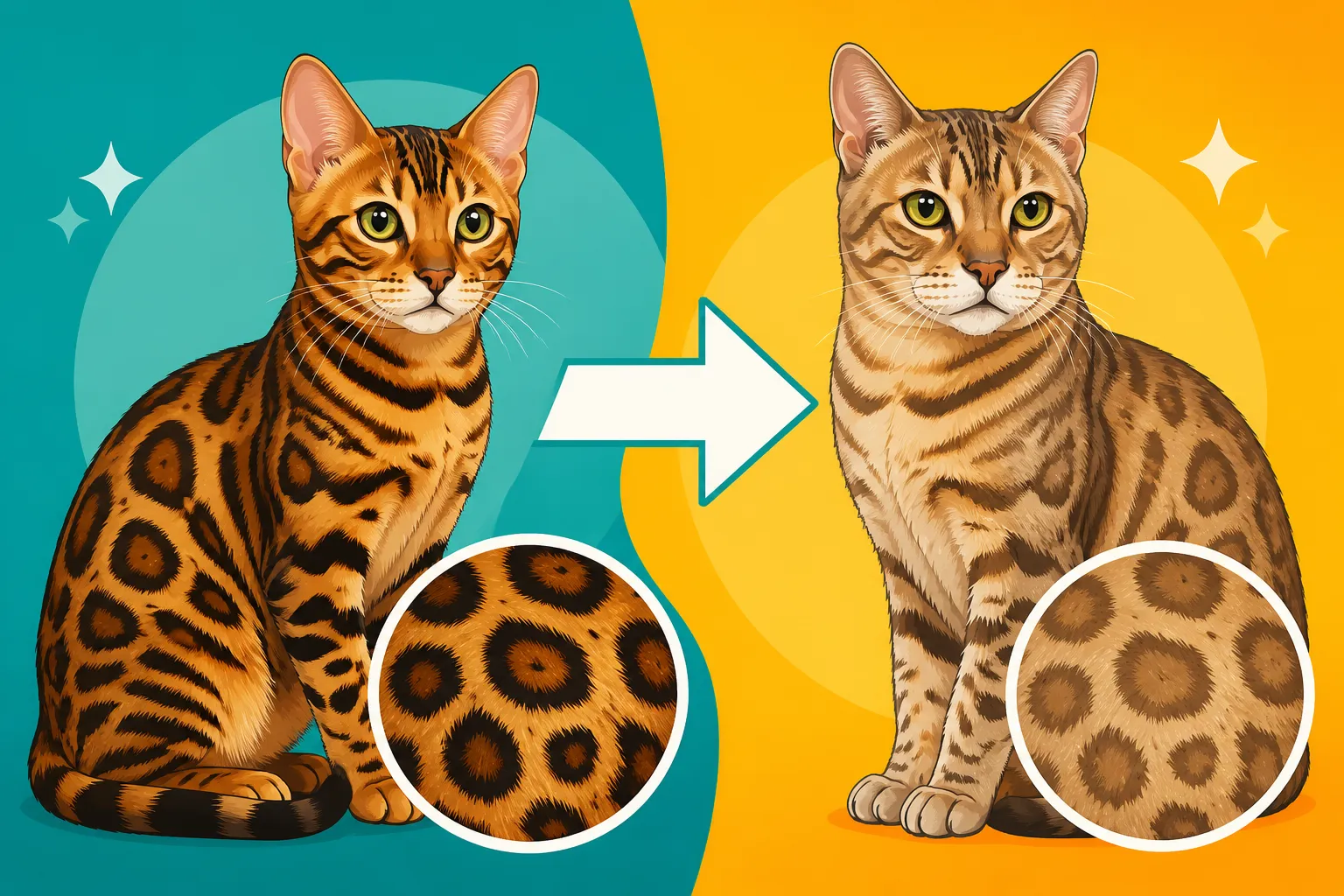
As your Bengal moves into middle age and then becomes a senior, you might start noticing what many owners describe as a "softening" or "fading" of their patterns. This isn't about their coat losing its color entirely, but rather a decrease in the sharpness of the contrast between the markings and the background color. Those crisp rosettes might start to look a little blurrier around the edges, or the intricate swirls of a marbled coat might seem less distinct. The "fading" is less about a loss of pigment in individual hairs and more about how those pigments are distributed and perceived across the coat as a whole. It's a natural phenomenon, influenced by both internal biological factors and environmental exposure over the years. This can sometimes make people worry, especially if they remember the intense vibrancy of their cat's youth, but it’s a perfectly normal and expected part of the aging process.
Managing Expectations: Not Every Bengal Changes Dramatically
It's important to remember that not every Bengal cat will experience the same degree of pattern change. Just like humans, some cats show their age more prominently than others. Genetics play a huge role here; some lines are known for maintaining better contrast into old age, while others tend to soften more noticeably. Environmental factors like sun exposure can also contribute to slight bleaching or dulling over many years. For instance, a Bengal that spends a lot of time basking in sunny windows might show more subtle changes than one living in a shadier environment. Your cat's overall health and diet can also influence the vitality of their coat. So, while some softening is common, the extent of it can vary widely, and it's not always a cause for concern. Observing your own cat's unique journey is key.
The Science Behind the Softening: Why Patterns Evolve
Understanding why your Bengal's coat pattern changes with age requires a peek into the fascinating biology of feline fur. It's not just random; there are specific physiological processes at play that contribute to that gradual softening we observe. It's a testament to the dynamic nature of living things, and how even something as seemingly static as a fur pattern is constantly being renewed and rebuilt.
Melanin Production and Its Role in Coat Color
The magic behind your Bengal's stunning patterns lies in melanin, the pigment responsible for all hair and skin color. There are two main types: eumelanin, which produces black and brown tones, and pheomelanin, which creates red and yellow hues. The distinct patterns on your Bengal's coat, whether they are What a Rosette Is on a Bengal Cat or the flowing lines of a marbled coat, are formed by the precise distribution and concentration of these melanins within individual hair shafts. As a cat ages, their body's ability to produce and distribute melanin can become less efficient. This isn't necessarily a drastic halt, but a subtle tapering off. The cells responsible for pigment production, called melanocytes, can become less active over time, leading to less intense coloration in new hair growth. This slight reduction in pigment density in newer hairs, especially along the edges of markings, contributes significantly to the blurring effect we see.
Cellular Turnover and Hair Follicle Activity Over Time
Our cats are constantly shedding old hair and growing new. This process of cellular turnover is what keeps their coats healthy and vibrant. Every hair follicle on your Bengal's body is essentially a miniature factory, producing hair according to a genetic blueprint. In youth, these factories are running at peak efficiency, creating strong, richly pigmented hairs that adhere perfectly to the pattern. As a Bengal cat ages, just like in any animal, this cellular machinery can slow down. The rate of hair growth might decrease, and the quality of the new hair produced can sometimes be a bit finer or less robust. More importantly, the precision with which the melanocytes deposit pigment into the growing hair shaft might become slightly less accurate. This slight deviation from the perfect genetic pattern with each new hair cycle, accumulating over years, is a major reason why the crisp edges of rosettes or the sharp boundaries of marbled patterns begin to soften and diffuse. It's a natural consequence of the hair follicle's long tenure of continuous work.
Genetic Predisposition vs. Environmental Factors
While aging is the primary driver of these changes, it's also a delicate balance between a cat's inherent genetics and their life experiences. Some Bengal lines are simply predisposed to holding their pattern contrast longer, thanks to specific genetic modifiers that influence melanin production and distribution. These cats might reach a ripe old age with surprisingly distinct markings. On the flip side, some genetic backgrounds might naturally lead to earlier or more pronounced softening. Environmental factors, though generally less impactful than genetics and age, can play a supporting role. Prolonged exposure to sunlight, for example, can cause a natural bleaching effect on fur over time, subtly lightening both the ground color and the markings, further contributing to a diminished contrast. While a good quality diet and minimal stress are always beneficial for overall health, they can't entirely halt the genetically programmed aging process of the coat, but they can certainly help support its vitality.
Specific Pattern Transformations: What to Expect
Let's dive into the nitty-gritty of what these changes actually look like on different Bengal coat types. While the general principle is a softening of contrast, the manifestation can vary depending on whether your Bengal sports rosettes, marbling, or one of the stunning snow, silver, or charcoal variations. These individual changes paint a picture of how the overall pattern evolves.
How Rosettes and Spots Soften and Blur
For many Bengal owners, the magnificent rosettes are the crowning glory of their cat's coat. Whether they're What an Arrowhead Rosette Is on a Bengal Cat or the popular donut rosettes, their sharp definition is what makes them so striking. As a rosetted Bengal ages, the crisp outlines that once separated the darker outer ring from the lighter inner color, and the entire rosette from the ground color, tend to soften. You might notice the "halo" effect around the rosettes becoming less distinct, and the darker pigment of the rosette itself might seem to bleed slightly into the lighter background. It's as if the artist's brushstrokes have blurred a tiny bit over the years. Individual spots, too, can lose their sharp, circular or irregular edges, appearing more like smudges or less defined blobs. This blurring effect is largely due to the subtle changes in melanin distribution in newly growing hairs, making the transition zones between colors less abrupt and more gradual.
The Evolution of the Marbled Pattern
Marbled Bengals, with their flowing, intricate patterns, experience a similar softening, though it manifests differently from rosettes. In their youth, marbled Bengals often have bold, swirling patterns that offer a stark contrast between the darker marble and the lighter ground color. These patterns can look like continuous, unbroken ribbons flowing across their body. As they age, the edges of these marbled patterns tend to lose their sharpness, and the distinction between the dark and light areas can become less pronounced. The "rivers" of darker color might appear wider and less defined, and the lighter "islands" within the marble might seem to blend more into the surrounding dark areas. The overall effect is a more muted, less intensely contrasted pattern that still retains its beautiful structure but with a softer, almost watercolor-like appearance. It's a gentle erosion of the sharp boundaries that defined their youthful splendor.
Changes in Base Coat Color and Contrast
Beyond just the patterns themselves, the underlying base coat color and the overall contrast of your Bengal's coat can also shift. For brown Bengals, the warm golden or tawny tones of their ground color might become slightly lighter or more muted. For snow Bengals, such as a Seal Lynx Point, the creamier tones might deepen slightly or take on a more uniform hue, while the contrasting points (ears, tail, legs) might remain relatively stable but perhaps less dramatically offset. Silver Bengals, known for their dazzling white or light grey ground color, might see a subtle yellowing or a slight dulling of their bright silver sheen. And What a Charcoal Bengal Cat Is, with their distinctive dark mask and cape, might find their charcoal markings blending a bit more into their smokey grey ground color, making the "cape" effect less stark. In all these cases, the overall visual impact is often one of reduced contrast, where the sharp lines and vivid color differences of their youth are replaced by a more blended, softer aesthetic. This collective effect is why many owners notice a general "dulling" of their Bengal's once-vibrant appearance.
Here's a quick overview of how patterns typically evolve with age:
| Characteristic | Young Bengal Cat | Aging Bengal Cat |
|---|---|---|
| Rosette Edges | Sharp, crisp, well-defined | Softer, blurrier, less distinct |
| Marbling Definition | Bold, flowing, high contrast | Muted, diffused, blending |
| Contrast | High, vivid, striking | Lower, softer, more blended |
| Glitter | Intense, shimmering | Duller, less pronounced |
| Base Color | Rich, vibrant, clear | Slightly lighter, more muted, less uniform |
| Overall Appearance | Energetic, sharply defined | Elegant, softened, mature |
Beyond the Pattern: Other Age-Related Coat & Skin Changes
While the pattern softening is a key aesthetic change, your senior Bengal's coat and skin will undergo other, less visible but equally important transformations. These go beyond just how they look and can impact their comfort and grooming needs. Just as The Age a Bengal Cat Is Considered Senior often marks a shift in their overall physiology, their integumentary system (skin and coat) also reflects these internal changes.
The Dimming of the Glitter Gene
One of the most magical features of many Bengal cats is their "glitter" – a unique genetic trait that gives their individual hair shafts a translucent quality, making them shimmer under light. When a young Bengal cat has glitter, it's truly breathtaking. However, as your Bengal ages, you might notice that this enchanting sparkle begins to dim. This isn't a sudden disappearance, but a gradual reduction in its intensity, a phenomenon explored in more detail in How an Old Bengal Cat's Glitter Dulls. The reasons are similar to the pattern changes: the hair shafts might become slightly less translucent, or the way light reflects off them changes due to alterations in hair texture and density. The overall effect is that their coat appears less lustrous, losing some of that signature shimmer that made them look like they'd been dusted with gold or silver. It's a subtle change, but one that many owners, particularly those who cherish the glitter effect, definitely notice.
Skin Elasticity and Thickness
Beyond the fur itself, the skin underneath also undergoes significant changes with age. Young Bengals typically have supple, elastic skin that is relatively thick and resilient. As they transition into their senior years, their skin, much like ours, can lose some of its elasticity. It might become thinner, less pliable, and more prone to minor injuries or dryness. This is due to a natural decrease in collagen and elastin production, which are the building blocks for healthy, flexible skin. This reduced elasticity means the skin might not bounce back as quickly, and it can also affect how well the skin holds moisture, potentially leading to issues like dry, flaky patches, especially if not adequately supported by diet or appropriate grooming. It's a quiet change, often hidden beneath their glorious coat, but it's an important aspect of their aging process to be aware of.
Increased Shedding and Matting Potential
While Bengal cats are often lauded for being How Little a Bengal Cat Sheds for a Shorthair, this can change somewhat as they age. A senior Bengal might experience a slight increase in shedding, or their coat texture might become a little finer or drier, making it more prone to tangling and matting. This isn't usually a dramatic shift to heavy shedding like some longer-haired breeds, but it can be enough to warrant a change in your grooming routine. The reduced skin elasticity and potential for drier skin can contribute to a less healthy coat, making individual hairs weaker and more prone to breaking or falling out. Additionally, older cats might not groom themselves as meticulously as they once did due to arthritis, dental issues, or simply a decrease in overall energy. This combination of factors can mean that even a low-shedding Bengal might start to develop small mats, particularly in areas like behind the ears, under the legs, or around the tail base. Regularly checking their coat, perhaps with a soft brush from a brand like Amazon Basics or Furminator (widely available on platforms like Chewy), can help prevent these issues.
Caring for an Aging Bengal's Coat: Maintaining Health and Vibrancy
Just because your Bengal's coat is changing with age doesn't mean you can't help keep it as healthy and comfortable as possible. In fact, an aging coat often requires more attention, not less. It's all about making mindful adjustments to their care routine to support their overall well-being and maintain their comfort as they enter their golden years. This proactive approach can make a world of difference.
Nutritional Support for Skin and Coat Health
Diet plays an absolutely critical role in the health and appearance of your Bengal's coat at any age, but it becomes even more vital as they get older. An aging body can be less efficient at absorbing nutrients, making high-quality nutrition paramount. Look for cat foods specifically formulated for senior cats or those with excellent protein content and beneficial fats. A diet rich in Omega-3 and Omega-6 fatty acids, often found in fish oils or flaxseed, can significantly contribute to skin hydration and a glossy coat. Which Protein Percentage Suits a Bengal Cat is also important; while they might be less active, they still need quality protein to maintain muscle mass and healthy cellular function, which includes hair growth. If you notice persistent dryness, dullness, or excessive shedding, discuss supplements like fish oil with your veterinarian. Always ensure your Bengal has access to fresh water, perhaps even considering a water fountain, as hydration is key for skin health.
Grooming Adjustments for Senior Bengals
Your Bengal might have been a wash-and-wear cat in their younger years, barely needing a brush, but as they age, your grooming routine might need to evolve. Even a cat that Barely Needs Brushing at All might benefit from gentle, regular brushing sessions as they get older. These sessions do more than just remove loose hair; they stimulate blood circulation to the skin, helping to distribute natural oils, and they offer an opportunity for you to check for any lumps, bumps, or skin irritations that might be harder for you to spot otherwise. Choose a soft brush that won't pull on their delicate skin. If your senior Bengal is less flexible or experiencing joint pain (a common issue as cats age), they might not be able to reach all areas for self-grooming. Pay special attention to their back, hindquarters, and any areas where mats might form. For tips on how to approach this, you might find guidance in How Often a Bengal Cat Should Be Brushed. Brushing can also be a wonderful bonding experience, offering comfort and reassurance.
When to Consult Your Vet About Coat Changes
While some degree of pattern softening, dulling glitter, or slight increases in shedding are normal signs of aging, there are times when coat changes warrant a trip to the vet. If you notice sudden, dramatic changes in coat quality, excessive hair loss that creates bald patches, severe dandruff, persistent skin irritation, or an oily/greasy coat, these could be indicators of underlying health issues. Conditions like thyroid imbalances, kidney disease, diabetes, or even parasitic infections can manifest through poor coat health. Your vet can perform a thorough examination, including blood tests and skin scrapings if necessary, to rule out any medical causes. Sometimes, a change in diet, the addition of a supplement, or medication can significantly improve your senior Bengal's coat health and comfort. It's all part of Caring for a Bengal Cat Past Ten and ensuring their golden years are as healthy and happy as possible. Remember, your vet is your best partner in navigating the nuances of your aging Bengal's health.
Disclaimer
This article is for general informational purposes only and does not constitute professional advice. Laws, prices and regulations vary by location and change over time. Consult a qualified professional for guidance on your specific situation.