Which Treats a Bengal Cat Will Work For
Oh, the quest for the perfect Bengal cat treat! If you're anything like me, you've probably stood in the pet store aisle, overwhelmed by choices, only to bring home a bag of "irresistible" morsels that your gorgeous leopard-print companion sniffs disdainfully before walking away. It's a tale as old as time for Bengal owners. These aren't your average housecats; their wild instincts and boundless energy make them both discerning and demanding when it comes to what they deem worthy of their attention. This guide is here to shed some light on the kinds of treats that truly capture a Bengal's interest, helping you navigate the sometimes frustrating, often amusing world of pleasing your unique feline friend.
Understanding Your Bengal's Treat Motivation
Before we even talk about specific treats, it's crucial to understand why your Bengal cat is so particular. It’s not just about being finicky; it’s deeply rooted in their genetics and their extraordinary personality. These aren't cats that are easily appeased by just anything. They have a certain expectation, an innate drive that influences their preferences.
The Wild Instinct in Their Palate
Let's face it, our Bengal cats carry a piece of the wild in their lineage, and that means their taste buds are often more sophisticated than their domestic cousins. They descend from the Asian Leopard Cat, a magnificent creature of the wild, and while generations separate them, some instincts persist. This often translates into a preference for high-quality, meat-centric treats. They're not looking for fillers or grains; they're looking for protein, the kind of fuel that powers a predator. Imagine a wild cat turning up its nose at a starchy cracker – it just wouldn't happen. Your Bengal often operates on a similar, albeit domesticated, principle. They can often sniff out the good stuff from the bland in a heartbeat. This is why many Bengal owners find success with treats that are essentially dried meat, freeze-dried protein, or even small pieces of cooked meat prepared specifically for them. It’s about appealing to that primal part of them that craves real, substantial nutrition. If you've ever wondered Why a Bengal Cat's Gut Is So Sensitive, this preference for natural, high-quality ingredients is a big part of it; their systems are often geared for what nature intended, not processed foods.
Beyond Just Taste: The Play Factor
For a Bengal cat, a treat isn't just about the flavor; it's also about the experience. These are incredibly intelligent and active animals. If you own one, you know The Bengal Cat Is the Most Active Cat You Can Own. They thrive on mental and physical stimulation. A treat that simply sits in a bowl might be ignored, but one that involves a bit of a challenge or interaction? Now you're speaking their language! Think about the way a wild cat would hunt for its food. There's an entire process involved, a game, a chase. While we're not advocating for live prey, we can replicate that engagement through how we present treats. Puzzle feeders, treat-dispensing toys, or even just hiding treats around the house can turn a mundane snack into an exciting scavenger hunt. This transforms the treat from a mere calorie intake into an enriching activity, satisfying their innate curiosity and problem-solving skills. A treat becomes a reward for effort, not just a handout. It's not uncommon for them to prefer the hunt for the treat more than the treat itself!
Types of Treats That Actually Get a Bengal's Attention
Now that we understand the 'why,' let's dive into the 'what.' Based on their wild ancestry, high energy levels, and keen intelligence, certain types of treats consistently win over the most discerning Bengal.
High-Value Protein: The Gold Standard
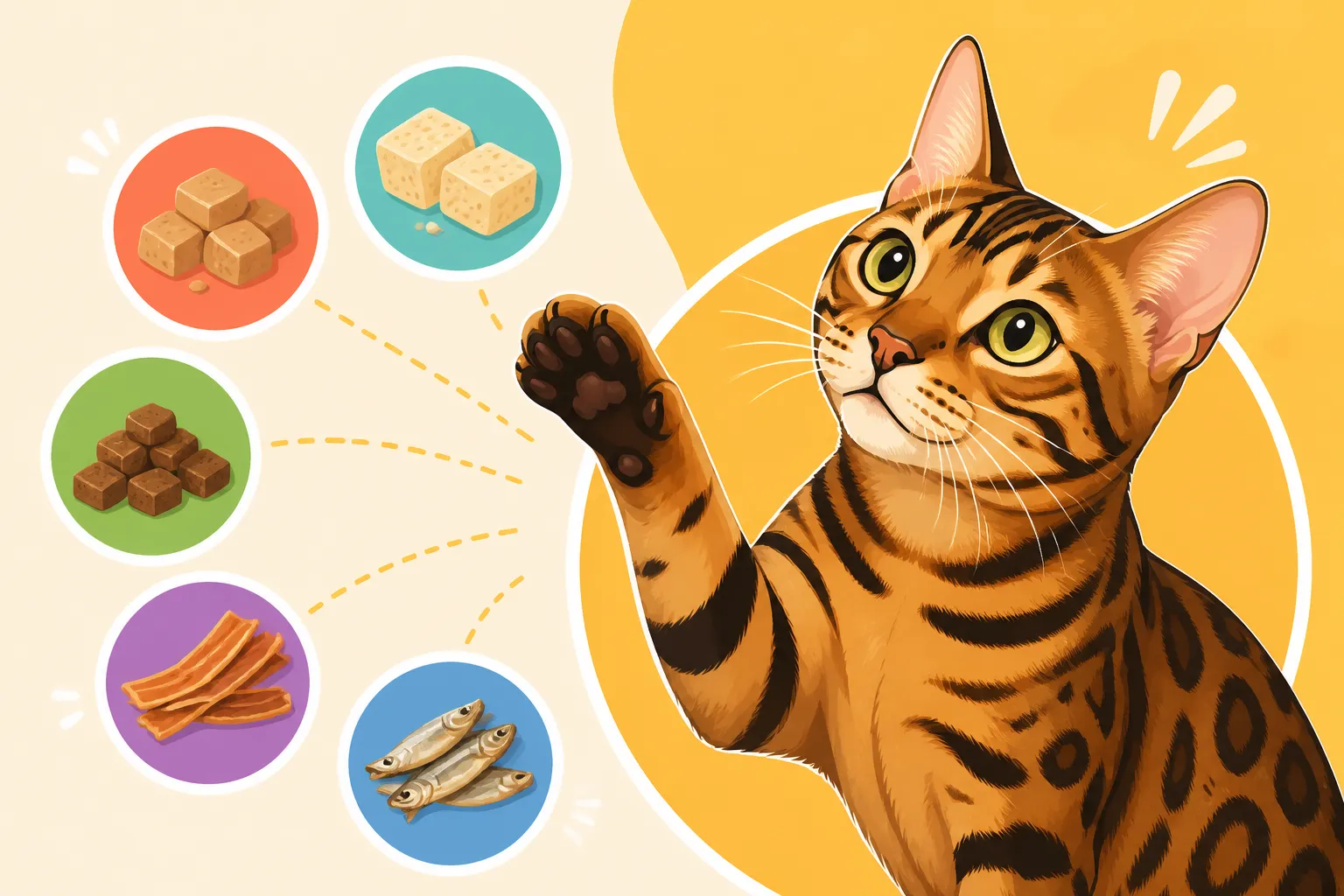
When it comes to treating a Bengal, real meat is almost always going to be your best bet. Forget the brightly colored, crunchy bits that mostly contain corn and wheat. Your Bengal is likely to turn their nose up at them. What they truly crave is concentrated protein, something that speaks to their inner hunter. Think freeze-dried chicken, salmon, or beef. These treats are fantastic because they retain much of the original nutritional value and, crucially, the strong, appealing aroma and taste of real meat. Brands often sell these as single-ingredient treats, which is a huge plus for Bengals with sensitive stomachs. You can find excellent options on platforms like Chewy or Amazon, often in larger bags that last a while. Some owners even have great success with small pieces of cooked, plain chicken breast or turkey, cut into bite-sized morsels. The key here is high value. These are the treats that motivate them, the ones they'll work for, jump for, and maybe even tolerate a nail trim for. They provide the concentrated energy an active cat needs without unnecessary fillers. This also aligns with the discussion around What a Raw Diet Involves for a Bengal Cat, as these freeze-dried options often mimic the nutritional profile of raw food.
Interactive and Puzzle-Friendly Treats
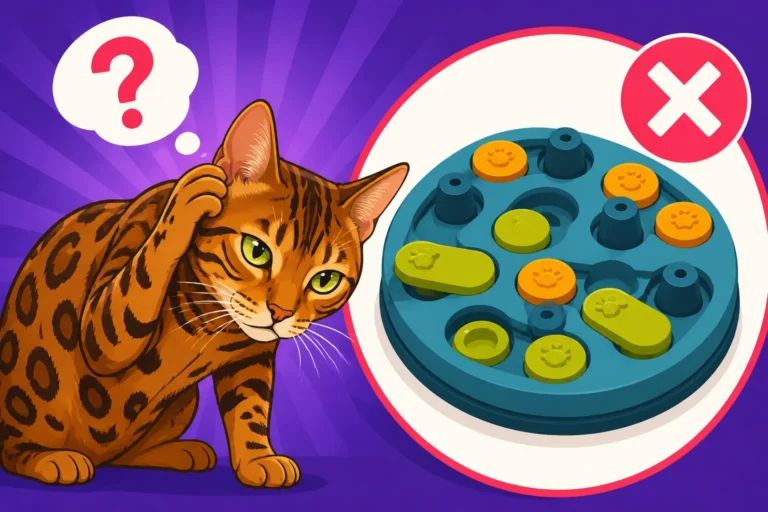
As mentioned, Bengals love a challenge. Simply placing a treat in a bowl is often too easy and boring for their sharp minds. This is where interactive and puzzle treats shine. These treats are designed not just to be eaten, but to be earned. Think about those treat-dispensing balls or more intricate puzzle feeders that require your cat to bat, nudge, or manipulate them to release a reward. Small, dry, and easily dispensed treats work best here. While the treat itself might be a basic kibble, the act of getting it elevates its value. These types of treats are fantastic for mental stimulation, helping to burn off some of that incredible Bengal energy and prevent boredom. Whether a Puzzle Feeder Tires a Bengal Cat is a common question, and yes, it absolutely can! It makes them think, engaging their clever brains in a way that simply chasing a feather toy might not. When you're looking for these, consider the size and durability; a strong Bengal will make short work of flimsy toys. Sometimes, even just hiding a few high-value freeze-dried treats around the house, encouraging them to sniff them out, serves the same purpose.
Novelty and Texture: Keeping Things Fresh
Bengals are incredibly smart, and that also means they can get bored with routine quickly. What was once their absolute favorite treat might be completely ignored next week. This isn't necessarily pickiness; it's often a craving for novelty. They appreciate variety in texture and flavor. Don't be afraid to rotate through different types of treats to keep them engaged. One week it might be crunchy salmon bites, the next week soft, chewy chicken jerky (cut into small pieces, of course), and then perhaps some lickable pureed meat treats (like those popular Churu sticks).
Think about offering a mix:
- Crunchy: Freeze-dried meat, crispy dental treats (ensure they are grain-free and low-filler).
- Chewy: Small bits of cooked, lean meat or specially formulated soft cat treats.
- Lickable: Meat purees in tubes, which can be a fantastic way to bond or distract them for a moment.
- Unique: Some Bengals surprisingly enjoy unusual textures like certain vegetables (e.g., a tiny bit of cooked carrot or green bean – always research first to ensure safety!).
The goal is to keep them guessing and keep their interest piqued. If you find your Bengal suddenly ignoring a once-loved snack, don't fret. It's probably just their sophisticated palate signaling that it's time for something new. This explains why Why a Bengal Cat Refuses a Food It Ate Last Week is such a common occurrence for owners of this breed. Fresh, rotational options can cater to this need for variety and high-quality ingredients, and can be adapted into treat portions.
| Treat Category | Examples | Bengal Appeal | Best Use |
|---|---|---|---|
| High-Value Protein | Freeze-dried chicken/salmon, cooked meat | Primal instinct, strong taste | Training, special rewards, picky eaters |
| Interactive/Puzzle | Treat-dispensing balls, puzzle feeders | Mental stimulation, engagement | Preventing boredom, encouraging activity |
| Novelty/Texture | Lickable purees, soft chews, different proteins | Variety, maintains interest | Rotation to keep things fresh, bonding moments |
How to Introduce and Use Treats Effectively
Simply having the right treats isn't enough; knowing how and when to offer them makes all the difference with a Bengal cat. These intelligent creatures respond best to consistency and positive reinforcement.
Timing is Everything: When to Offer Treats
Timing is crucial, especially if you're using treats for training or specific behavioral reinforcement. Offering treats randomly can diminish their value. Instead, try to tie them to positive experiences or desired actions. For instance, if you're trying to teach your Bengal a new trick, like "sit" or "high five," a high-value treat immediately after they perform the action correctly creates a strong positive association. This is key to success, as Which Commands a Bengal Cat Learns Fastest often depends on clear, immediate rewards.
Also, consider using treats during moments of potential stress, like vet visits or when introducing a new person or pet. A few well-timed, delicious treats can help create a positive memory in challenging situations. Furthermore, you can use treats as part of your daily routine. A small treat before you leave for work, or upon your return, can become a comforting ritual. However, be mindful of portion control. Given How Much Exercise a Bengal Cat Needs a Day, treats shouldn't comprise a significant portion of their diet. They're supplemental rewards, not meal replacements. This is especially true if you are concerned about What a Bengal Cat Weighs and keeping them at a healthy, lean physique.
The Importance of Rotation and Moderation
Even with the most coveted treats, too much of a good thing can lead to diminishing returns, both in terms of their enthusiasm and their health. Regularly rotating the types of treats you offer helps prevent your Bengal from getting bored, as we discussed. It keeps their palate excited and makes each treat feel special. One week, it might be freeze-dried salmon from Chewy; the next, a delicious pureed chicken stick.
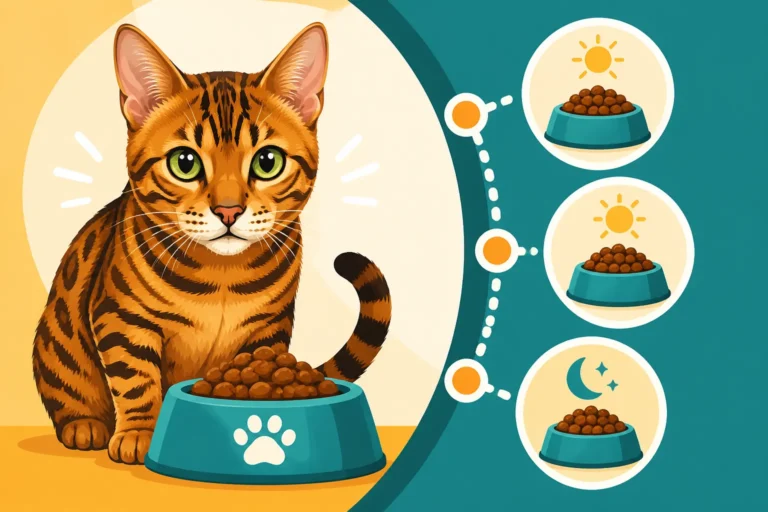
Moderation is equally vital. Treats, by definition, are extras. They should not make up more than 10% of your Bengal's daily caloric intake to prevent weight gain and ensure they're still eating their balanced regular meals. Overfeeding treats can not only lead to an overweight cat, but it can also make them even pickier with their main food, holding out for the "good stuff." Always check the calorie count on treat packaging, if available, and adjust their daily food intake accordingly. This discipline is important for maintaining your Bengal's lean, muscular build and overall health throughout their The Twelve to Sixteen Years a Bengal Cat Gets.
Training and Bonding with Treats
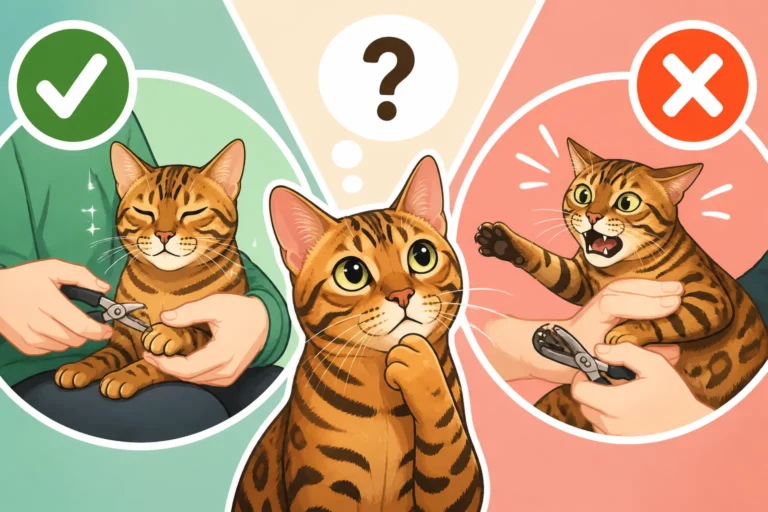
Treats are powerful tools for training and strengthening the bond with your Bengal. Their high intelligence means they are very capable of learning tricks and commands, and treats are often the primary motivator. Beyond formal training, treats can be used to reinforce good behavior, such as allowing you to brush their coat or trim their nails, or simply coming when called.
For bonding, consider hand-feeding treats. This personal interaction builds trust and reinforces your role as a provider of good things. Lickable treats in tubes are particularly good for this, as they require your Bengal to stay close and interact with you for a sustained period. Even playing a simple game of fetch with a soft treat can turn into a delightful bonding experience. Bengals are known for their ability to play fetch, and a small, desirable treat as a reward makes the game even more engaging. This positive reinforcement, combined with their natural cleverness, is why How Intelligent a Bengal Cat Is can be so rewarding for owners willing to put in the effort.
Treats to Approach with Caution
While we want to spoil our Bengals, it's just as important to know which treats might do more harm than good. Their unique physiology and activity levels mean some common cat treats might not be the best choice.
Overly Processed or Grain-Heavy Options
Many commercial cat treats on the market are laden with fillers like corn, wheat, or soy. While these might be cheap to produce, they offer very little nutritional value for a carnivorous animal like a Bengal cat. Not only can they contribute to unnecessary calorie intake without providing real sustenance, but they can also exacerbate digestive issues in a breed already prone to sensitive stomachs. When choosing treats, always read the ingredient list. Look for treats where meat is the first ingredient, and ideally, the only ingredient for freeze-dried options. Avoid anything with artificial colors, flavors, or a long list of unpronounceable chemicals. Your Bengal's system is optimized for protein and fats, not carbohydrates. Offering too many grain-heavy treats can lead to stomach upset, loose stools, or even allergies over time. This is particularly relevant when considering When a Bengal Cat Needs a Special Diet for Its Gut. Opt for natural, minimally processed choices from reliable sources like the ones you find on Amazon with clear ingredient labels.
Human Foods: The Hidden Dangers
It's tempting to share a bite of your meal with your beloved Bengal, especially when they fix you with those pleading, intense eyes. However, many human foods are not safe for cats, or they're safe only in very small, plain quantities. Cooked, unseasoned chicken or turkey, in tiny amounts, is generally fine, but avoid anything with onions, garlic (which are toxic to cats), excessive salt, sugar, or spices. Dairy, despite common misconceptions, is also not ideal, as many cats are lactose intolerant and it can cause digestive upset.
Even seemingly innocent foods like tuna (canned for humans) should be given sparingly, if at all, due to potential mercury levels and the fact that it lacks complete nutrition. Grapes, raisins, chocolate, and avocado are strictly off-limits and can be toxic. If you're ever unsure if a human food is safe, it's always best to err on the side of caution and stick to cat-specific treats. It's not worth risking your Bengal's health for a moment of shared snacking. Plus, if you don't offer it, they won't learn to beg for it, which can be a relief when you consider What a Bengal Cat Steals Most Often and their incredible ability to get into things!
Finding the right treats for your Bengal cat is a journey of understanding, patience, and a little bit of trial and error. By focusing on high-value protein, leveraging their intelligence with interactive options, and keeping things fresh with variety, you'll not only keep your Bengal happy and engaged but also strengthen the incredible bond you share. Remember, every treat is an opportunity for connection and positive reinforcement, so choose wisely and enjoy the unique relationship with your wild at heart companion!
Disclaimer
This article is for general informational purposes only and does not constitute professional advice. Laws, prices and regulations vary by location and change over time. Consult a qualified professional for guidance on your specific situation.