Flat Chested Kitten Syndrome in a Bengal Cat Litter
There's nothing quite as heart-wrenching as watching tiny, vulnerable Bengal kittens struggle, especially when something as debilitating as Flat Chested Kitten Syndrome (FCKS) strikes a litter. This condition can turn the joy of new arrivals into a terrifying ordeal for breeders and owners alike, leaving many feeling helpless and searching for answers. This comprehensive guide aims to shed light on FCKS, exploring its causes, how to spot it early, the treatment options available, and what life might look like for a Bengal cat who has overcome this challenging start.
Understanding Flat Chested Kitten Syndrome What Exactly Is It
Flat Chested Kitten Syndrome, often abbreviated as FCKS, is a perplexing and sometimes devastating developmental abnormality that affects newborn kittens, causing their rib cages to flatten and, in severe cases, constrict their internal organs. It's a condition that can manifest in various degrees, from a subtle dip to a severely compressed chest, and it's a worrying sight for anyone involved in the care of these fragile creatures. Unlike a simple squashed chest from positioning, FCKS involves a structural change in the cartilage and bones of the rib cage itself.
The Physical Manifestation of FCKS
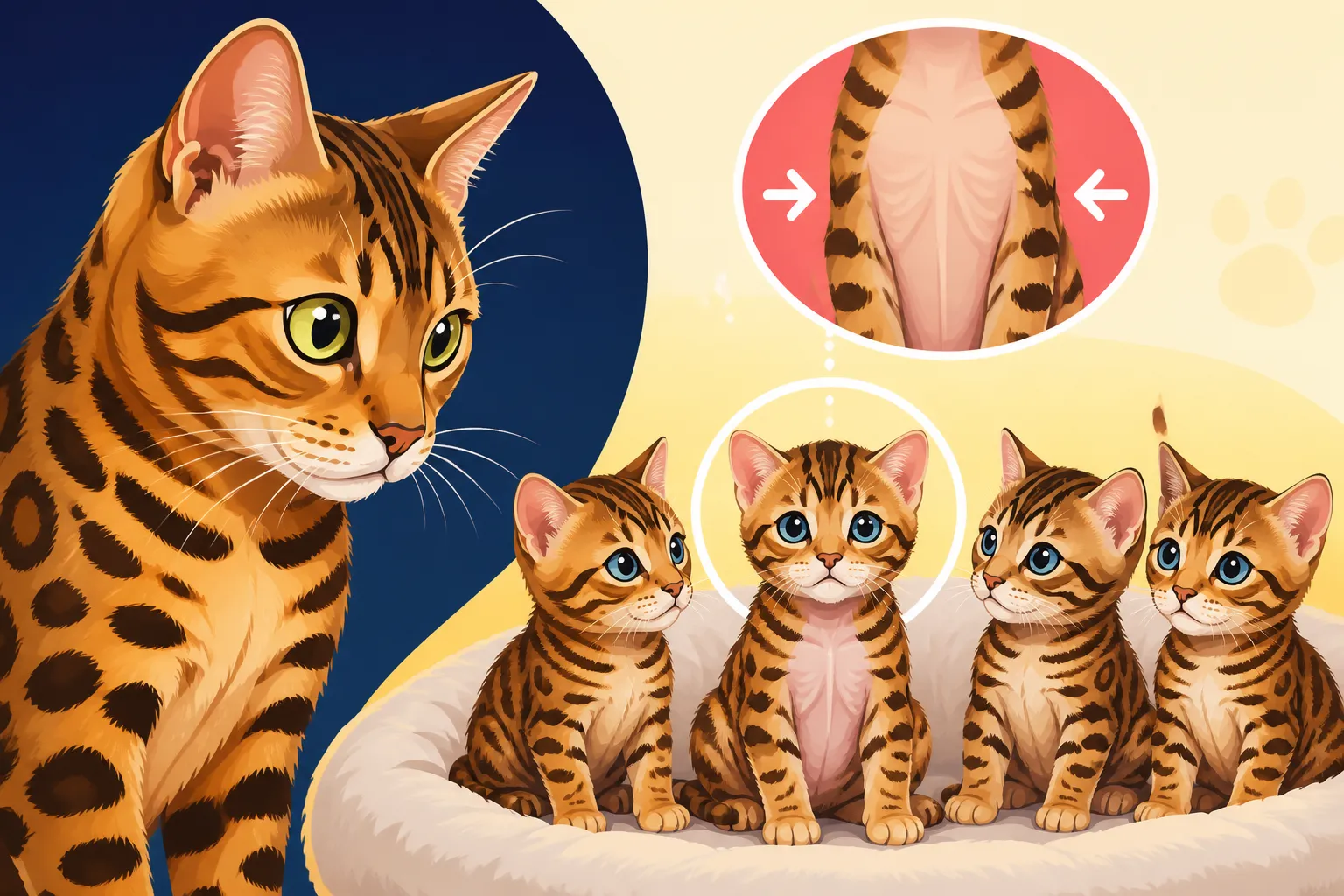
When we talk about a "flat chest" in a kitten, we're not just referring to a slight compression. Imagine gently feeling the rib cage of a healthy kitten – it should feel rounded and springy, allowing for easy inflation of the lungs. Now, picture a kitten where this natural curve is absent. Instead, the chest might feel rigid and flattened, often appearing to be "caved in" or, more commonly, splayed out laterally, giving the kitten a somewhat "crab-like" appearance when viewed from above.
The severity can vary wildly. Some kittens might have a very mild dip, almost unnoticeable unless you know precisely what you're looking for, which might not impede their breathing much at all. Others can have a profoundly flattened chest wall that presses directly onto their heart and lungs. This compression makes it incredibly difficult for the lungs to expand fully with each breath, leading to visible signs of respiratory distress. You might see rapid, shallow breathing, or even labored breathing where the kitten's whole body seems to be working to pull in air. In the most severe instances, the chest wall can be so rigid and flat that it severely limits internal organ development and function, putting immense strain on the heart, and making survival incredibly challenging for these tiny souls. The soft cartilage of a newborn kitten's ribs, which is meant to be flexible and allow for growth, instead hardens or flattens prematurely.
Why It's a Particular Concern for Bengal Cats
While FCKS isn't exclusive to Bengal cats – it can appear in any feline breed, and even in some dog breeds – it is a condition that Bengal breeders and owners discuss with a heightened level of concern. There’s a prevailing anecdotal belief within the Bengal community that the breed might be somewhat predisposed, or perhaps it's simply more observed and reported due to the diligent nature of many Bengal breeders. Other breeds, such as Burmese and Sphynx cats, have also shown higher incidences.
The fear among breeders is palpable because a perfectly healthy litter can suddenly be compromised, and the cause often remains a mystery. It’s a frustration when you've done everything right, from selecting healthy breeding pairs to providing optimal care for the queen, only to have a kitten or two in a litter develop this challenging condition. This uncertainty adds to the stress, as there isn't a simple genetic test or a straightforward "fix" that prevents it every time. The rigorous standards and close community ties within Bengal breeding circles also mean that health concerns like FCKS are often openly discussed, making it seem more prominent, even if the actual incidence rate isn't drastically higher than in some other pedigreed cats. Understanding these challenges is a critical part of being a responsible Bengal cat owner or breeder, and it ties into the broader discussion of What a Bengal Cat Breeder Should Have Tested.
The Unsettling Causes Behind Flat Chested Kitten Syndrome
The truth about Flat Chested Kitten Syndrome is that its exact causes are still not fully understood, making it one of the more frustrating and heartbreaking conditions for breeders and veterinarians. It's often thought to be multifactorial, meaning a combination of different elements likely contribute to its occurrence. This uncertainty is precisely what makes it so difficult to prevent definitively, leading to much speculation and ongoing research in the feline community.
Genetic Predisposition and Heredity Concerns
One of the most frequently discussed theories, especially among pedigreed cat breeders, revolves around genetics. The question "Is it inherited?" is always at the forefront when something like FCKS appears in a lineage. While a definitive "FCKS gene" hasn't been identified in Bengal cats or any other breed, many researchers and breeders suspect a genetic component, possibly involving multiple genes (polygenic inheritance) rather than a simple dominant or recessive trait.
For example, if a queen consistently produces litters with FCKS kittens, or if certain pairings seem to have a higher incidence, it suggests that there might be an underlying genetic susceptibility at play. Breeders become very cautious about repeating such pairings. The challenge lies in pinpointing which genes are responsible. Without a clear genetic marker, breeders rely on careful observation and pedigree analysis, often choosing to retire cats from breeding programs if they are consistently associated with affected litters. This careful monitoring is a testament to the dedication of ethical breeders trying to minimize the risk of such conditions. It's a complex area, and the community constantly seeks answers to questions like Whether Flat Chested Kitten Syndrome Is Inherited in Bengal Cats.
Environmental and Developmental Factors
Beyond genetics, several environmental and developmental factors are believed to play a role in the manifestation of FCKS. The intricate process of kitten development, both in utero and immediately after birth, is incredibly delicate, and various stresses can disrupt it.
One significant factor often considered is the in utero environment. The positioning of kittens within the uterus, the overall health and nutrition of the pregnant queen, and even litter size can potentially contribute. Imagine a large litter where kittens are tightly packed; abnormal pressure or positioning in the womb could theoretically lead to chest flattening, especially if the cartilage is already predisposed to be softer or malformed. Rapid growth post-birth is also a theory, particularly for active, fast-growing breeds like Bengals. If the kitten's musculoskeletal system isn't developing uniformly or strongly enough to support the rapid growth, it could lead to structural issues.
The queen's health and stress levels are also vital. A stressed queen might have complications during pregnancy or neglect to provide adequate care, though this is less directly linked to the physical flattening. Proper nutrition for the pregnant queen ensures the kittens receive all the necessary building blocks for healthy development. If a queen is deficient in certain vitamins or minerals, it could theoretically impact skeletal development. However, these links are often difficult to prove definitively and require more research.
Other Contributing Theories
While genetics and environmental factors are the main suspects, other theories sometimes surface in discussions about FCKS. These might include viral or bacterial infections during pregnancy or in early kittenhood that could somehow interfere with proper development, or specific nutritional deficiencies in the queen's diet that might weaken fetal cartilage.
For instance, some practitioners explore the role of specific nutrient imbalances. However, these are often less substantiated than the genetic or physical development theories. What we do know is that early intervention and supportive care are crucial, regardless of the precise cause. When a Bengal cat breeder is faced with FCKS, they often look at every possible variable – from diet changes for the queen to adjustments in the whelping environment – in a desperate attempt to prevent future occurrences. The quest for understanding is ongoing, driven by a desire to ensure the best possible start for every kitten.
Recognizing the Early Signs of FCKS in Your Bengal Kittens
Early detection of Flat Chested Kitten Syndrome is absolutely critical. The sooner you identify a kitten exhibiting signs of FCKS, the better the chances for effective intervention and improved outcomes. It’s a challenge because newborn kittens are tiny and seem to spend most of their time sleeping, but a keen eye and regular physical checks can make all the difference. This is especially true for Bengal kittens, which are naturally energetic, so any signs of lethargy or difficulty can be a red flag.
Visual Cues and Physical Examination
The most obvious sign of FCKS is, of course, the appearance of the chest itself. When you observe your kittens, gently pick them up and feel their rib cages. A healthy kitten's chest should be nicely rounded, like a small barrel, and you should feel a gentle springiness as you lightly palpate it. If you notice any of the following, it’s time to pay closer attention:
- Lateral Flattening: This is the most common presentation. Instead of being rounded, the sides of the chest appear squashed inwards, making the chest wider than it is deep. When you look down at the kitten from above, it might look almost rectangular or hourglass-shaped, rather than ovular.
- Concave or "Dished In" Chest: In some cases, the sternum (breastbone) might be sunken inwards towards the spine. This creates a visible dip in the chest.
- Rigidity: When you gently press on the chest, does it feel soft and pliable, or rigid and hard? A flat-chested kitten's rib cage often feels much stiffer than normal, sometimes almost like a solid block, especially across the sternum. This rigidity is what restricts lung expansion.
- Breathing Difficulties: This is perhaps the most concerning visual cue. Healthy kittens breathe easily and quietly. A kitten with FCKS might exhibit:
- Rapid, shallow breaths: Their breathing rate might be noticeably faster than their siblings.
- Labored breathing: You might see their belly heaving, or their nostrils flaring with each breath. Their whole body might seem to be working to breathe.
- Open-mouthed breathing: This is an emergency sign in kittens and requires immediate veterinary attention.
- Bluish tinge to gums or tongue (cyanosis): This indicates a severe lack of oxygen and is a dire emergency.
A helpful technique is to gently run your fingers along the kitten's ribs from front to back, noting any abnormal shape or firmness. Compare it to a healthy littermate if possible. Remember, the earlier you catch it, the better the prognosis for Whether a Flat Chested Bengal Cat Kitten Survives.
Behavioral Indicators of Distress
Beyond the physical appearance, the behavior of an FCKS kitten often provides crucial clues. Kittens are generally robust little eating and sleeping machines, so any deviation from this norm should raise an eyebrow.
- Lethargy and Weakness: An affected kitten might appear noticeably less active than its siblings. While all newborns sleep a lot, an FCKS kitten might be perpetually listless, struggling to move or respond to stimuli. They might not crawl or wiggle with the same vigor.
- Poor Suckling and Failure to Thrive: One of the most critical behavioral indicators is difficulty feeding. The effort of breathing with a compromised chest leaves little energy for nursing. An FCKS kitten might struggle to latch onto the queen's nipple, tire quickly during feeds, or simply not compete effectively with stronger littermates for milk. This leads to a failure to gain weight at the same rate as the other kittens, and sometimes even weight loss. Monitoring kitten weights daily is paramount for all breeders, but especially if FCKS is a concern. Kittens should be gaining weight consistently every day, usually around 10-15 grams.
- Weak Vocalization: Their cries might be weaker, more subdued, or even absent compared to the robust squawks of healthy kittens. They might not protest as loudly when picked up or when seeking food.
- Isolation from Littermates: Due to their weakness, FCKS kittens might get pushed away from the warmest spots or the best nipples and end up isolated at the edges of the litter pile.
If you suspect FCKS, keep the kitten warm, provide supplemental feeding if necessary (but only after consulting a vet, as improper feeding can lead to aspiration), and contact your veterinarian immediately. Early, dedicated nursing care can significantly improve the outcome for these fragile little ones.
The Immediate and Long-Term Impact of FCKS on Bengal Kittens
Flat Chested Kitten Syndrome is not just a superficial abnormality; it has profound implications for a kitten's immediate survival and long-term health. The physical compression of the chest wall directly impacts the vital organs housed within, creating a cascade of challenges for these tiny, developing creatures.
Acute Health Risks in Early Life
The first few days and weeks are a critical period for any newborn kitten, and for those with FCKS, this period is fraught with peril. The most immediate and life-threatening risk stems from respiratory distress.
- Respiratory Compromise and Suffocation: With a flattened or rigid chest, the lungs cannot expand properly. This means the kitten struggles to take in enough oxygen and expel carbon dioxide. Imagine trying to breathe deeply while wearing a tight corset – that's what an FCKS kitten faces with every breath. This labored breathing drains their precious energy, leaving them too weak to feed effectively. In severe cases, the inability to get sufficient oxygen leads to cyanosis (blue gums/tongue) and can quickly result in suffocation. The diaphragm, the primary muscle for breathing, works overtime, but the restricted rib cage limits its effectiveness.
- Failure to Thrive: Because breathing is such an arduous task, FCKS kittens burn through calories at an accelerated rate just to survive, leaving little energy for growth. They often cannot nurse strongly enough to get adequate nutrition. This combination of increased energy expenditure and decreased caloric intake leads to a condition known as "failure to thrive." They become progressively weaker, don't gain weight, and can rapidly decline.
- Increased Susceptibility to Secondary Infections: A kitten weakened by FCKS has a compromised immune system. The stress on their tiny bodies makes them much more vulnerable to opportunistic infections, particularly respiratory infections like pneumonia, which can be devastating when their lungs are already struggling. They may also be more prone to gastrointestinal issues if they are not feeding well. This makes diligent hygiene and a sterile environment even more crucial for these vulnerable kittens.
Prognosis and Long-Term Outlook
The prognosis for a kitten with FCKS varies dramatically depending on the severity of the flattening and, crucially, the speed and quality of intervention. It's important to be realistic, as not all kittens survive, particularly those with very severe, rigid chest deformities.
- Survival Rates: Kittens with mild flattening, especially if it's primarily lateral and not severely rigid, have a much better chance of survival, often with supportive care. Many of these mild cases can "grow out" of the condition as their bones and cartilage mature and strengthen. For moderate to severe cases, the survival rate drops significantly without intensive care. Sadly, some kittens with extreme chest deformities may pass away within the first few days or weeks, despite the best efforts of their caregivers. For those asking Whether a Flat Chested Bengal Cat Kitten Grows Out of It, the answer really depends on the initial severity.
- Potential for Long-Term Health Issues: Even for survivors, FCKS can leave a lasting legacy. While many kittens with mild cases go on to live perfectly normal lives with no discernible long-term effects, those with more significant initial flattening might face residual challenges.
- Respiratory Complications: Some may have permanently reduced lung capacity or be more prone to respiratory infections, asthma, or bronchitis throughout their lives. Their airways might be slightly narrower or their lungs less efficient.
- Cardiac Considerations: In very severe cases where the chest flattened acutely, there's a theoretical risk of the heart's development being impacted or its function being compromised due to chronic compression. Regular veterinary check-ups and monitoring of heart sounds are advisable for any FCKS survivor.
- Skeletal Deformities: While the chest might round out considerably, some subtle skeletal abnormalities might persist, though these are rarely debilitating in adult life.
The quality of life for a surviving Bengal cat with a history of FCKS can be excellent. With diligent care in kittenhood and ongoing monitoring, many go on to be active, playful, and affectionate companions. However, potential owners should be fully informed of any past health issues and be prepared for potential increased vet visits or specialized care, which is where having good pet insurance like Healthy Paws can truly provide peace of mind for unexpected medical needs. It's a reminder that caring for a Bengal cat is a journey that requires commitment to their health and well-being.
Navigating Treatment and Supportive Care for Flat Chested Kittens
When a Bengal kitten is diagnosed with Flat Chested Kitten Syndrome, the immediate reaction for any loving caregiver is often a mix of fear and a desperate desire to help. While there's no magic bullet cure, a combination of active management, dedicated nursing care, and appropriate environmental adjustments can significantly improve a kitten's chances of survival and thriving.
Active Management and Nursing Care
The cornerstone of treating FCKS involves supportive care aimed at helping the kitten breathe more easily and ensuring they receive adequate nutrition and warmth. These are labor-intensive efforts, often requiring round-the-clock attention.
- Chest Splinting or "Casting": One of the most recognized active treatments, especially for laterally flattened chests, is the application of a gentle external splint or "cast." This typically involves constructing a small, custom-fitted support device from soft materials like cardboard, flexible plastic, or even medical tape. The goal isn't to force the chest into a round shape, but rather to provide gentle, constant outward pressure to encourage the ribs to expand and round out as the kitten grows. The splint needs to be carefully made, fitted snugly but not too tightly, and monitored continuously to prevent skin irritation or restriction of movement. This method aims to counteract the inward pressure and allow the lungs more space. For instance, a common technique might involve creating a "brace" that sits on the kitten's back and sternum, with side pieces that gently push the ribs outwards. It’s a delicate balance to get it just right, and it often requires adjustments as the kitten grows, usually over several weeks. This hands-on approach directly addresses How a Flat Chested Bengal Cat Kitten Is Treated.
- Supplemental Feeding: As discussed, FCKS kittens often struggle to nurse. Supplemental feeding via syringe or a tiny bottle is frequently necessary. This involves carefully feeding the kitten small, frequent meals of kitten formula. It’s crucial to feed slowly and carefully to prevent aspiration (formula going into the lungs), which can be fatal for an already compromised kitten. Warming the formula to body temperature is also important. The goal is to ensure they get enough calories to support growth and repair, helping them to build vital What a Bengal Cat Kitten Needs to Build Muscle and overcome their initial weakness.
- Warmth and Humidity: Maintaining a consistent, warm environment (around 85-90°F or 29-32°C) is vital, as FCKS kittens struggle to regulate their body temperature. An incubator, a heating pad on a low setting (with a blanket barrier), or even warm water bottles wrapped in towels can help. Additionally, some veterinarians recommend a slightly humid environment, which can help ease respiratory effort and prevent dehydration of the mucous membranes.
- Antibiotics for Secondary Infections: Because FCKS kittens are vulnerable to respiratory infections, veterinarians might prescribe broad-spectrum antibiotics, either preventatively or at the first sign of an infection. Monitoring for signs of pneumonia, such as nasal discharge, coughing, or crackling sounds in the chest, is crucial.
Environmental Adjustments and Gentle Handling
Beyond the direct medical interventions, creating an optimal environment and handling these fragile kittens with extreme care is paramount.
- Stress-Free and Quiet Environment: Stress can exacerbate any health issue in a kitten. Ensure the whelping box is in a quiet, undisturbed area. Minimize loud noises, sudden movements, and unnecessary handling of the queen and litter.
- Careful Handling: When handling an FCKS kitten, always be gentle and support their entire body, especially their chest. Avoid any pressure on the chest area that could further flatten or injure it. Excessive or rough handling can worsen the condition or cause distress, so only handle them when necessary for feeding, cleaning, or examination.
- Monitoring and Observation: Constant monitoring is non-negotiable. This includes daily weight checks (ideally multiple times a day), observing breathing patterns, energy levels, suckling strength, and bowel movements. Any decline in these parameters warrants immediate veterinary consultation. Keeping a detailed log of feeds, weights, and observations can be incredibly helpful for your vet.
When to Seek Veterinary Intervention
Knowing when to call the vet is crucial. Don't hesitate if you observe any of the following:
- Severe Respiratory Distress: If the kitten is open-mouth breathing, gasping, exhibiting significant belly heaving, or has bluish gums or tongue, this is an emergency requiring immediate veterinary attention.
- Lack of Weight Gain or Weight Loss: If a kitten is not gaining weight daily, or worse, is losing weight, it indicates they are not thriving and need professional help.
- Lethargy and Weakness: A kitten that is unresponsive, limp, or unable to move much is in distress.
- Signs of Infection: Fever, nasal discharge, coughing, sneezing, or diarrhea could indicate an infection that needs prompt treatment.
Your veterinarian can confirm the diagnosis with a physical exam and sometimes an X-ray to assess the extent of the flattening and check for any secondary issues like pneumonia or fluid in the lungs. They can also guide you on the best splinting techniques, appropriate feeding methods, and necessary medications. While the initial costs of such intensive care can be daunting, having pet insurance from a provider like Healthy Paws can help cover a significant portion of these unexpected veterinary bills, giving you the freedom to make the best decisions for your kitten's health without financial stress.
Prevention Strategies for Bengal Cat Breeders
For Bengal cat breeders, the appearance of Flat Chested Kitten Syndrome in a litter is more than just a medical emergency; it's a profound concern for the welfare of their animals and the integrity of their breeding program. While a definitive preventative measure remains elusive due to the unknown exact cause, responsible breeders employ various strategies to minimize the risk and ensure the healthiest possible start for their kittens.
Responsible Breeding Practices
The foundation of preventing inherited or congenital conditions lies in meticulous and ethical breeding choices. This isn't just about pairing beautiful cats; it's about pairing healthy cats with known backgrounds.
- Careful Selection of Breeding Pairs: If FCKS is suspected to have a genetic component, then careful selection of parents becomes paramount. Breeders who have experienced FCKS in a particular lineage or with a specific pairing will often make the difficult but responsible decision to avoid repeating that pairing. If a queen or stud consistently produces FCKS kittens, they might be retired from the breeding program, even if they themselves appear perfectly healthy. This often involves detailed record-keeping and open communication within the breeding community to identify any recurring patterns. It's a commitment to ensuring that the traits passed on are those that contribute to health and vitality. This aligns with broader concerns about What a Bengal Cat Breeder Should Have Tested beyond just genetic diseases.
- Maintaining Optimal Health for the Queen: A healthy mother is more likely to produce healthy kittens. This means ensuring the queen receives excellent nutrition, regular veterinary check-ups, appropriate vaccinations, and parasite control before and during pregnancy. Any illness or significant stress experienced by the queen during gestation could potentially impact fetal development. A high-quality diet, specifically formulated for pregnant and lactating queens, provides all the necessary nutrients for the development of strong, healthy kittens. Avoiding unnecessary medications or environmental toxins during pregnancy is also a key consideration.
- Pedigree Analysis and Historical Incidence: Experienced breeders delve deep into pedigrees, looking for any reports or known incidences of FCKS in ancestral lines. While not a foolproof method, understanding the history of a line can help breeders make informed decisions about potential risks. This level of diligence speaks volumes about a breeder's commitment to the welfare of their cats and is a far cry from the practices of a "backyard breeder."
Optimizing the Whelping Environment
The environment in which a queen gives birth and raises her litter plays a crucial role in kitten health and development. While it might not directly prevent a genetic predisposition to FCKS, it can certainly mitigate environmental stressors.
- Ensuring a Comfortable, Warm, and Low-Stress Birthing Area: The whelping box should be a safe, quiet, and private sanctuary for the queen. It needs to be kept scrupulously clean to minimize the risk of infection. Maintaining a consistent temperature is critical for newborn kittens, especially since they cannot regulate their own body heat. A warm but not overheated environment prevents chilling, which can weaken kittens and make them more susceptible to problems. Minimizing disturbances during and after birth helps keep the queen calm, allowing her to focus on caring for her newborns.
- Proper Nutrition for the Queen: We touched on this in responsible breeding, but it bears repeating: the queen's diet during pregnancy and lactation is paramount. She needs ample high-quality protein, fats, and essential vitamins and minerals to support not only her own health but also the rapid growth and development of her fetuses and then the production of nutrient-rich milk. This is particularly important when considering How Many Kittens a Bengal Cat Litter Holds, as a larger litter places a greater demand on the queen's resources.
- Monitoring Litter Size: While breeders don't typically control litter size directly, very large litters can sometimes lead to competition among kittens, both in utero and during nursing. More kittens in the womb could lead to crowding, potentially impacting development or positioning. Post-birth, more kittens mean more competition for the best nipples, potentially leading to some kittens not getting enough food, which could exacerbate any underlying weakness or predisposition to FCKS. While not a direct cause, it's a factor breeders consider.
By combining careful genetic selection with an optimally prepared environment and dedicated care for the queen, Bengal cat breeders strive to give every kitten the best possible chance at a healthy start in life, helping to prevent the heartbreak of FCKS as much as current knowledge allows.
Life with a Survivor: Caring for an Adult Bengal Cat with FCKS History
It’s truly a triumph when a Bengal kitten, having faced the challenges of Flat Chested Kitten Syndrome, pulls through and grows into adulthood. While many will go on to live perfectly normal lives, some may carry subtle reminders of their early struggle. Understanding these potential residual health challenges and how to best support them is key to ensuring they have a long, fulfilling, and happy life.
Potential Residual Health Challenges
The good news is that for many FCKS survivors, especially those with milder cases, residual health problems are minimal or non-existent. The body is remarkably resilient, and the cartilage in a kitten's chest often reshapes and hardens correctly as they mature. However, some Bengal cats might experience lingering issues.
- Ongoing Respiratory Issues: The most common lingering concern relates to the respiratory system. In cases where the chest flattening was moderate to severe and significantly impacted lung development, an adult Bengal cat might have a slightly reduced lung capacity. This could manifest as:
- Increased susceptibility to respiratory infections: They might catch colds or develop bronchitis more easily than other cats.
- Exercise intolerance: While Bengal cats are known for being incredibly active, a survivor with significant lung compromise might tire more quickly during strenuous play sessions. You might notice them panting or needing to rest more frequently. For example, a Bengal that once loved running on a cat wheel for extended periods might now prefer shorter bursts of activity.
- Mild, chronic asthma-like symptoms: Some might develop a subtle, persistent cough or wheeze, especially during periods of high activity or stress.
- Monitoring is key: If you notice any persistent coughing, sneezing, wheezing, or difficulty breathing, a prompt vet visit is essential.
- Cardiac Considerations: While less common than respiratory issues, there is a theoretical risk that prolonged compression of the heart during critical developmental stages could lead to subtle cardiac anomalies. This is usually only a concern in very severe, rigid flattening cases. Your veterinarian might recommend periodic heart checks, such as listening for murmurs or, in rare cases, an echocardiogram, as part of their How Often a Bengal Cat Needs an Echo if there’s any suspicion.
- Limited Physical Activity in Severe Cases: In the rarest and most extreme cases of FCKS where significant chest deformity persists into adulthood despite intervention, a Bengal cat might have some physical limitations. This could affect their ability to climb, jump, or run as vigorously as other Bengals. However, it's crucial to remember that Bengal cats are incredibly adaptable, and even with some limitations, they can still enjoy a rich and interactive life with their human companions.
Ensuring a Full and Happy Life
Even with potential residual challenges, an FCKS survivor can absolutely thrive with thoughtful care and a loving environment. It's all about understanding their individual needs and supporting them.
- Regular Vet Check-ups and Proactive Care: Maintaining a consistent schedule of How Often a Bengal Cat Needs a Wellness Exam is vital. Your vet can monitor their respiratory and cardiac health, address any emerging issues promptly, and advise on appropriate lifestyle adjustments. Be transparent with your vet about their FCKS history, even if it seems resolved.
- Tailored Exercise Routines: For an active breed like the Bengal, exercise is essential. If your Bengal has some limitations, adapt their play. Instead of focusing solely on high-intensity activities like chase or extensive cat wheel running, incorporate more puzzle toys, interactive wand play that allows for breaks, or gentle leash walks if they enjoy them. Watch for signs of fatigue and allow them to rest. The goal is engagement and activity without overexertion. Remember, even Caring for a Bengal Cat Past Ten often involves adjusting activity levels.
- Creating a Safe, Enriching Environment: All Bengal cats benefit from an enriching environment, and this is even more important for a survivor who might have some physical limitations. Provide plenty of vertical space with sturdy, easily accessible cat trees and shelves. A secure catio can offer safe outdoor stimulation without strenuous activity. Puzzle feeders and a variety of toys will keep their intelligent minds stimulated.
- Nutritional Support: Ensure they are on a high-quality diet appropriate for their age and activity level. If they have any ongoing respiratory issues, a healthy diet can support their immune system.
- Considering Pet Insurance: The journey with an FCKS survivor, while often rewarding, can sometimes involve unexpected veterinary costs for monitoring or managing potential long-term issues. This is where pet insurance, like policies offered by Healthy Paws, can be an absolute lifesaver. It helps cover the costs of diagnostics, treatments, and ongoing care, allowing you to prioritize your cat's health without financial worry. Many owners find that the investment in pet insurance provides invaluable peace of mind, especially for cats with a known predisposition to certain health challenges or a history like FCKS. This helps ensure that your beloved Bengal, regardless of their early struggles, can experience the full The Twelve to Sixteen Years a Bengal Cat Gets that is typical for the breed.
Ultimately, a Bengal cat who has survived Flat Chested Kitten Syndrome is a testament to resilience. With your love, vigilance, and proactive care, they can overcome their difficult start and lead a wonderful, full life as an integral part of your family.
FCKS in Bengal Cats: Quick Reference Table
| Feature | Healthy Newborn Kitten | Kitten with FCKS (Mild to Moderate) | Kitten with FCKS (Severe) |
|---|---|---|---|
| Chest Shape | Rounded, barrel-like, springy when gently pressed | Laterally flattened or mildly concave; somewhat rigid | Severely flattened, rigid, often "crab-like" appearance |
| Breathing | Smooth, quiet, unlabored, regular rate | Slightly faster, sometimes shallow, may show belly heaving | Labored, rapid, shallow, open-mouthed, possible gasping |
| Activity/Energy | Vigorous, actively nurses, wiggles, explores | Lethargic, less active, struggles to compete for nipples | Extremely weak, listless, barely moves or responds |
| Weight Gain | Consistent daily weight gain (10-15g/day) | Slow or inconsistent weight gain, may plateau or decline | Little to no weight gain, often loses weight |
| Vocalization | Strong, clear cries | Weak, subdued cries, may be less vocal | Very weak or absent cries |
| Nursing Behavior | Strong suckle reflex, nurses vigorously, full tummy | Tires quickly, struggles to latch, may require assistance | Unable to nurse effectively, requires supplemental feeding |
| Long-term Outlook | Excellent, no known issues | Good with early intervention, may have minor respiratory issues | Guarded, high risk of long-term respiratory/cardiac issues |
| Recommended Action | Continue routine care | Consult vet immediately, consider supportive care/splinting | Emergency vet care, intensive supportive care |
Disclaimer
The information provided in this article is for educational and informational purposes only and does not constitute veterinary advice. Always consult with a qualified veterinarian for any health concerns or before making any decisions about your Bengal cat's health or treatment plan. FCKS is a serious condition that requires professional medical assessment and care.