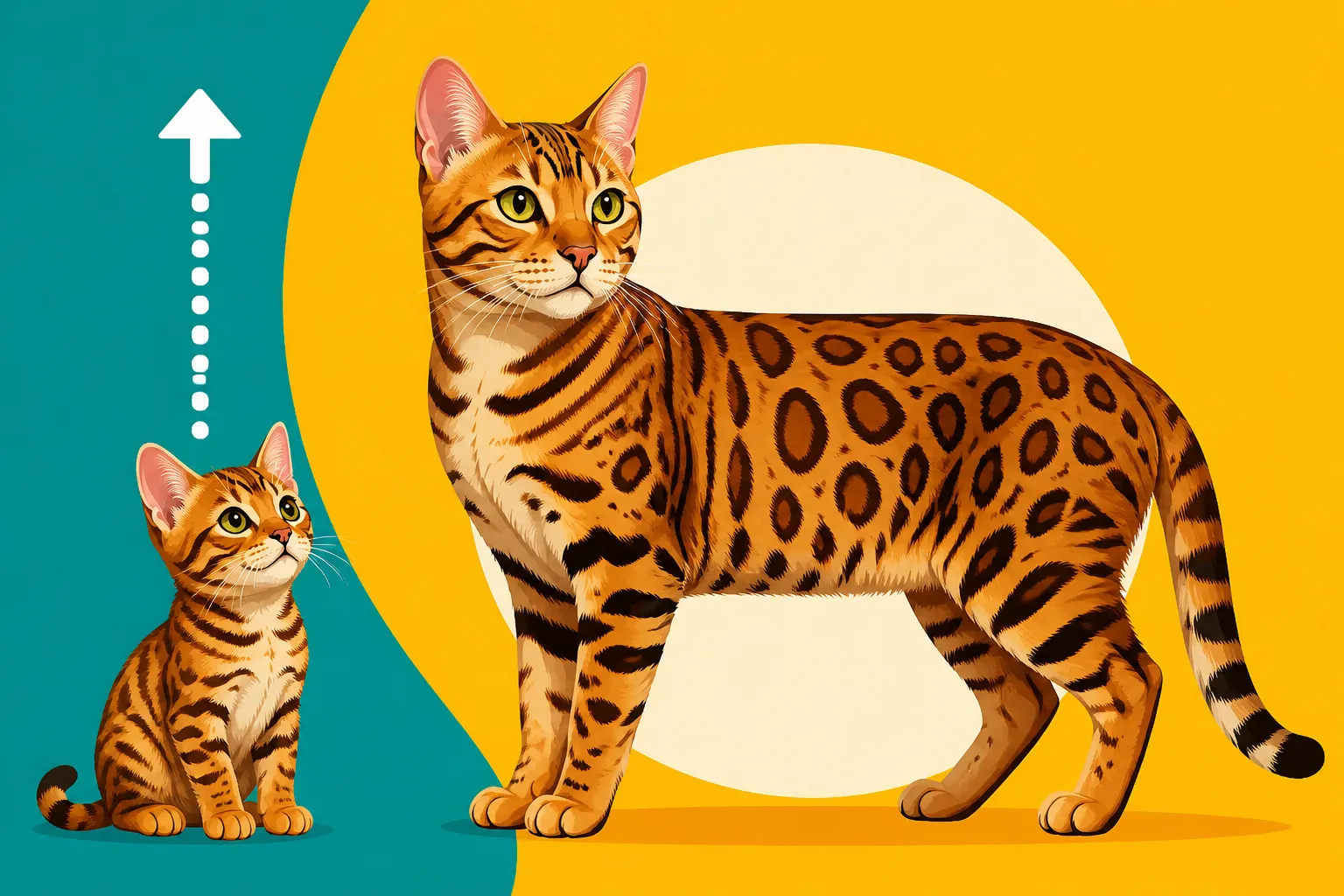
How Big a Bengal Cat Gets
One of the most common questions I hear from folks thinking about bringing a Bengal cat into their home is, "Just how big do these wild-looking beauties get?" It's a completely valid concern, especially when you see their stunning, athletic build and hear tales of their active nature. This guide will walk you through the realistic size expectations for a Bengal, separating myth from reality, and help you understand what truly influences their magnificent stature.
Unpacking the Bengal Cat's Wild Stature: It's More Than Just Size
When you first lay eyes on a Bengal, there's an undeniable sense of their wild ancestry. They carry themselves with a certain grace and power that makes them appear larger than many domestic cats. However, it's not always about sheer bulk; it's often their incredible muscle definition, long body, and athletic build that give this impression. Understanding their lineage helps to demystify why they look the way they do and what contributes to their size.
The Asian Leopard Cat Influence on Bengal Size
At the heart of every Bengal cat is the Asian Leopard Cat (ALC), a small, wild feline native to Southeast Asia. While the ALC itself isn't a massive animal, its lean, muscular physique and agile movements are deeply imprinted in the Bengal breed. Early generation Bengals (F1, F2, F3) tend to retain more of these physical characteristics, often exhibiting a longer, more athletic body and a smaller, more refined head compared to later generations. This genetic blueprint means that even though your Bengal might not be the largest cat in terms of weight, it will certainly look strong and fit.
Think about it: an ALC needs to be incredibly efficient and powerful for hunting and navigating its environment. This translates to a dense, compact musculature rather than heavy bone structure or thick layers of fat. So, when your Bengal is flexing those impressive shoulders, you're seeing generations of carefully preserved athleticism. This isn't just about appearance; it influences their activity levels and dietary needs too, which we'll touch on later.
Generation Matters: F1 to SBT Differences
The "F" number, or filial generation, is a crucial indicator of how recently a Bengal cat's wild ancestor was in their lineage. F1 Bengals are direct offspring of an ALC and a domestic cat. F2 has an F1 parent, F3 has an F2 parent, and so on. SBT (Stud Book Traditional) Bengals are generally F4 and beyond, meaning they are at least four generations removed from their ALC ancestor. This generational distance often has a noticeable impact on their size and overall "wild" look.
Generally, F1 and F2 Bengals tend to be larger, longer, and more powerfully built, reflecting their closer proximity to the Asian Leopard Cat. They might also exhibit more pronounced physical traits like the smaller head and longer body. As you move down to F3 and especially SBT generations, the size often becomes more consistent with that of a large domestic cat. An F4 or later generation Bengal will still be athletic and striking, but their body type will generally be less extreme than their early generation relatives. It’s a spectrum, not a sharp cutoff, and individual cats can always surprise you. Understanding F1 to SBT: How a Bengal Cat's Generation Is Counted is key here.
The Role of Gender in a Bengal Cat's Overall Build
Just like in many other animal species, including us humans, gender plays a significant role in determining a Bengal cat's size. Males typically mature into larger, more robust individuals than females. This is a consistent trend across most cat breeds and is particularly noticeable in Bengals due to their athletic build.
A mature male Bengal will almost always outweigh and be longer than a fully grown female. They tend to have broader shoulders, larger heads, and a more imposing presence. Females, while still muscular and agile, usually maintain a more svelte and elegant appearance. If you're comparing a male and female Bengal from the same litter, or even from similar lines, the male will generally be the "bigger" cat. This difference isn't just about weight; it's about their entire frame and muscle mass. When considering How Much a Male Bengal Cat Weighs versus How Much a Female Bengal Cat Weighs, you'll definitely see a difference.
Demystifying the Numbers: What a Bengal Cat Actually Weighs and Measures
Despite their wild appearance, Bengal cats aren't typically gargantuan felines that will dwarf your furniture. They are certainly larger than many common domestic breeds, but it's important to have realistic expectations regarding their actual weight and length. Their power and agility often create an illusion of greater size than the numbers might suggest.
Average Weight and Length for Male Bengal Cats
Male Bengal cats are generally the larger of the sexes. When fully grown, you can expect a healthy, well-fed male to weigh anywhere from 10 to 15 pounds, sometimes reaching up to 18 pounds in exceptional cases. This isn't a soft, fluffy kind of weight; it's packed into a lean, muscular frame. In terms of length, a male Bengal can measure quite long from the tip of their nose to the base of their tail, often around 15 to 20 inches, with their tail adding another 10-12 inches.
Think of it this way: when a male Bengal stretches out, perhaps after a rigorous play session with a favorite wand toy from Chewy, they can seem incredibly long. This length, combined with their strong musculature, gives them that impressive athletic silhouette. They carry their weight well, appearing powerful and agile rather than stocky. It’s all about proportion and density, not necessarily mass.
Average Weight and Length for Female Bengal Cats
Female Bengal cats, while still strikingly beautiful and athletic, are typically smaller and more slender than their male counterparts. A healthy adult female Bengal will usually weigh between 8 to 12 pounds. Again, this weight is mostly lean muscle, contributing to their lithe and agile movements. Their length, from nose to tail base, often falls in the range of 13 to 17 inches, with their tail contributing another 8-10 inches.
A female Bengal might appear daintier next to a large male, but don't mistake that for fragility. They are just as capable and energetic, often exhibiting incredible bursts of speed and climbing prowess. Their slightly smaller stature can actually make them seem even more graceful as they navigate their environment. When considering What a Bengal Cat Weighs, it’s always helpful to factor in their gender for a more accurate expectation.
When a Bengal Cat Reaches Full Size
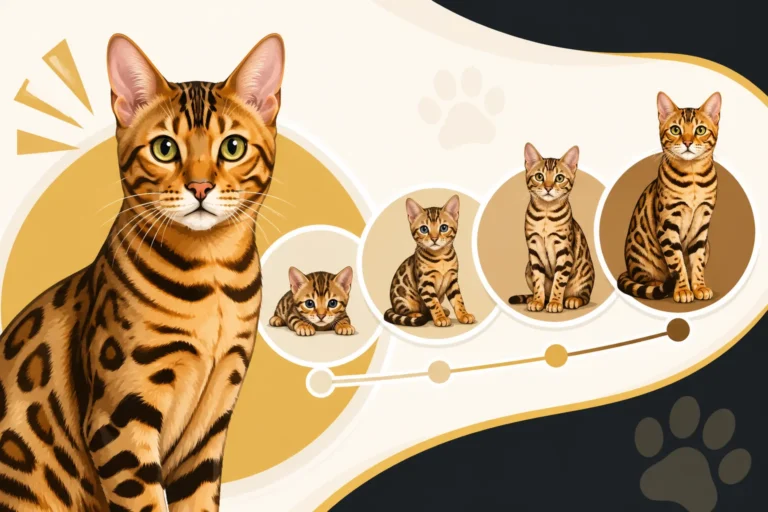
Bengal cats are not quick to mature; they often take a bit longer than your average domestic cat to reach their full adult size and develop their full musculature. Most Bengals will continue to grow and fill out until they are about 18 months to 2 years old. While the majority of their height and length development happens in the first year, those crucial months between 12 and 24 months are when they truly start to gain muscle definition and fill out their frame.
During this period, their growth might seem less about increasing in size and more about refining their physique. They'll transition from a lanky adolescent look to a more powerful, mature build. Patience is key; don't expect your Bengal kitten to transform into a full-sized adult overnight. Their athletic nature means they are constantly building and maintaining muscle, and this takes time. For more on this, you might be interested in When a Bengal Cat Reaches Full Size.
Beyond the Scale: The Illusions of a Bengal Cat's Appearance
Sometimes, what we perceive as "big" isn't just about weight or height. With Bengal cats, their unique physical attributes can make them appear larger, more substantial, and even more formidable than their actual measurements might indicate. It's a combination of their genetics, build, and movement that creates this lasting impression.
Why a Bengal Cat Looks So Muscular
One of the most striking features of a Bengal cat is their incredible musculature. They are undeniably athletic, with a powerful, lean body that is noticeably well-defined. This isn't an illusion; it's a direct inheritance from their wild ancestor and a result of their high activity levels. Unlike some domestic cats that might carry a bit of extra padding, Bengals are built for agility, speed, and climbing.
Their bodies are designed for bursts of energy and intricate movements. You'll notice their strong hind legs, broad shoulders, and a sleek, compact torso. This dense muscle mass makes them feel solid and substantial when you pick them up, even if their weight isn't exceptionally high. It's their strength-to-weight ratio that truly impresses. This muscular build is a hallmark of the breed and contributes significantly to their wild appearance and energetic lifestyle. If you're curious about this specific trait, check out Why a Bengal Cat Looks So Muscular.
The Longer Hind Legs: A Defining Characteristic
Another physical trait that contributes to the Bengal's unique stature is their hind legs, which are typically slightly longer than their front legs. This anatomical feature gives them a distinct, almost crouching stance when at rest and provides incredible power for jumping and launching themselves into action. This isn't just a quirky trait; it's a functional adaptation.
These longer hind legs allow them to achieve impressive vertical leaps, scale tall cat trees, and maneuver with remarkable grace. When they stand, this subtle difference in leg length can make their back appear higher, adding to the impression of a larger cat. It's an elegant aspect of their design, perfectly suited for their active and adventurous personalities. This agility and powerful leap are part of The Bengal Cat Is the Most Active Cat You Can Own. You can dive deeper into this topic with Why a Bengal Cat's Hind Legs Are Longer.
Dispelling the Myth: Bengal Cats Aren't Giants
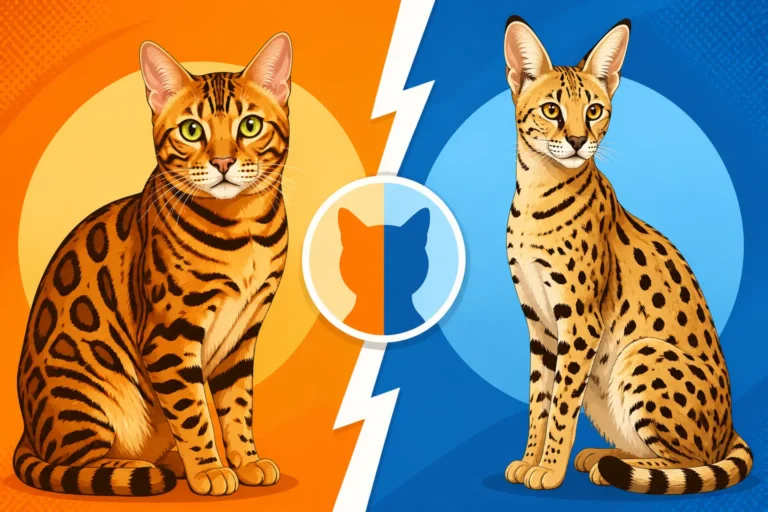
Despite their formidable appearance and impressive athleticism, it's a common misconception that Bengal cats are massive giants among domestic felines. While they are certainly on the larger side when compared to many common housecat breeds, they are not typically as huge as some urban legends or online photos might suggest. They rarely reach the sheer bulk or weight of breeds like Maine Coons or Norwegian Forest Cats.
Many of the photos you see that make Bengals look enormous might be due to perspective, lighting, or simply comparing them to much smaller objects. They are a medium-to-large breed, but it's their lean, athletic build and dynamic presence that often gets misinterpreted as immense size. A Bengal's size is perfectly manageable in most homes, provided they have adequate space and enrichment to express their natural behaviors. They fit comfortably on your lap, even if they often prefer to be exploring the highest shelves!
Nurturing Growth: Nutrition, Health, and Their Impact on Size
A Bengal cat's genetic potential for size is certainly important, but it's not the only factor. How you care for your Bengal from kittenhood through adulthood plays a critical role in how well they grow and develop, ensuring they reach their healthy, intended size and maintain that lean, muscular physique.
Fueling an Active Lifestyle: The Importance of Diet
An active breed like the Bengal requires a diet that supports their high energy levels and muscular build. Providing high-quality nutrition from day one is paramount for healthy growth. This means a diet rich in animal protein to support muscle development, and appropriate levels of fats and carbohydrates for energy. Skimping on quality or feeding an inappropriate diet can lead to stunted growth or, conversely, unhealthy weight gain that isn't muscle.
Many Bengal owners opt for premium kibble, high-quality wet food, or even carefully formulated raw diets, often sourcing specialized foods from pet supply stores like Chewy. The key is consistency and ensuring the food meets the specific needs of an energetic feline. A Bengal kitten, in particular, needs a diet formulated for growth, as they are constantly building muscle and bone. They need appropriate How Much a Bengal Cat Eats to Fuel That Activity, especially since Why a Bengal Cat Burns More Than Other Cats.
Early Health: Preventing Stunted Growth
Beyond nutrition, a healthy start in life is crucial for a Bengal cat to reach its full potential size. Kittens who suffer from severe parasitic infections, chronic illnesses, or significant stress during their crucial developmental stages may experience stunted growth. This isn't just about size; it can impact their overall health and well-being.
Reputable breeders will screen their kittens for common health issues and ensure they receive proper veterinary care, including vaccinations and deworming, before going to their new homes. As a new owner, continuing this preventive care, including regular vet check-ups and prompt treatment for any illnesses, is essential. A healthy kitten is a growing kitten, and preventing early health setbacks helps ensure they develop into strong, full-sized adults.
Watching Weight: Telling Muscle from Fat
While Bengal cats are known for their lean, muscular build, it is entirely possible for them to become overweight or even obese if their diet and exercise aren't properly managed. An overweight Bengal might appear "bigger," but this is unhealthy fat, not desirable muscle mass. It's important for owners to be able to distinguish between a well-muscled cat and one carrying too much weight.
You should be able to feel your Bengal's ribs easily, without them being visibly prominent. They should have a defined waist when viewed from above, and a slight tuck in their abdomen from the side. If your Bengal starts to lose their waistline, or their ribs are hard to find, it might be time to reassess their food portions and activity levels. Regular play, access to vertical spaces, and perhaps a cat wheel are all excellent ways to keep a Bengal in peak physical condition and maintain a healthy What a Healthy Bengal Cat Weighs. Don't be afraid to consult your vet for guidance on ideal body condition.
Here's a quick comparison of average Bengal cat sizes:
| Characteristic | Male Bengal Cat (Adult) | Female Bengal Cat (Adult) |
|---|---|---|
| Weight Range | 10 – 15 lbs (up to 18 lbs) | 8 – 12 lbs |
| Body Length | 15 – 20 inches | 13 – 17 inches |
| Tail Length | 10 – 12 inches | 8 – 10 inches |
| Build | More muscular, broader shoulders | More slender, elegant |
| Full Maturity | 18 months – 2 years | 18 months – 2 years |
Note: These are averages; individual variations can occur based on genetics, diet, and overall health.
Comparing the Bengal to Other Feline Companions
To truly appreciate the Bengal cat's size, it's helpful to put them in context with other popular cat breeds. This can give you a better idea of where they stand on the feline spectrum and why their athletic build is so unique.
Bengal vs. Domestic Shorthair: A Size Contrast
When placed next to an average domestic shorthair cat, a Bengal will typically appear larger and more substantial. While a domestic shorthair might weigh anywhere from 8 to 10 pounds, a male Bengal can easily be 2-5 pounds heavier, and often longer in body. The most noticeable difference, however, isn't just the weight, but the quality of that weight. Domestic shorthairs can vary greatly in build, from sleek to a bit on the chunky side. Bengals, by contrast, almost always exhibit that lean, powerful musculature.
Think of the difference between a casual jogger and a trained sprinter. Both are active, but one has a visibly more defined and powerful build. This difference in muscle density and body length makes the Bengal feel more robust even if the scale doesn't show a dramatic difference in pounds. Their movement is also more fluid and predatory, which further accentuates their larger-than-life presence.
How a Bengal Cat Stacks Up Against Larger Breeds
While impressive, Bengal cats are not generally in the same size category as truly giant breeds like the Maine Coon, Norwegian Forest Cat, or Ragdoll. These breeds can easily weigh 15-25 pounds, with some males reaching well over 20 pounds, and possess a much larger bone structure and thicker coats that add to their bulk.
For example, a male Maine Coon can be truly enormous, often spanning over 3 feet from nose to tail tip and possessing a shaggy, dense coat that makes them appear even bigger. A Bengal, while long and muscular, will typically be shorter, less bulky, and without the heavy coat. They are built for speed and agility, whereas the larger breeds often have a more imposing, robust build designed for colder climates or simply genetic predisposition. So, if you're expecting a Bengal to be Maine Coon-sized, you might be surprised to find them a bit smaller than anticipated, albeit with all the wild charm you could ever want!
The Unique Proportion and Agility of the Bengal
What truly sets the Bengal cat apart in terms of size isn't just their weight or length, but their overall proportions and unparalleled agility. They possess a long, athletic body, muscular legs (especially the hind ones), and a medium-sized head that is proportionate to their powerful frame. This combination results in a cat that is incredibly balanced, capable of breathtaking jumps, rapid changes in direction, and fluid movements.
Their unique body type allows them to explore their environment with an almost acrobatic flair. They can scale tall structures, weave through obstacles, and leap onto high shelves with ease. This active nature is part of their charm and why The Bengal Cat Is the Most Active Cat You Can Own. It's this harmonious blend of physical attributes that defines the Bengal cat's "big" feel – not just raw size, but the dynamic power and grace within their wild-looking form. Providing them with opportunities to express this agility, like a sturdy cat tree or a cat wheel, is essential for their well-being and helps them maintain their magnificent physique.
Disclaimer
This article is for general informational purposes only and does not constitute professional advice. Laws, prices and regulations vary by location and change over time. Consult a qualified professional for guidance on your specific situation.