What Most Bengal Cats Die Of
It's a question that weighs heavily on the hearts of every Bengal cat owner: what are the real risks, and what will likely take our beloved, wild-looking companions from us too soon? We pour so much love, effort, and resources into these incredible creatures, and the thought of them suffering from preventable or common illnesses can be truly heartbreaking. This comprehensive guide aims to shed light on the most common causes of death in Bengal cats, offering you knowledge and actionable steps to help ensure your majestic friend lives the longest, healthiest, and most joyful life possible.
Understanding the Bengal Cat Lifespan
Bringing a Bengal cat into your home means preparing for a vibrant, energetic companion. But it also means being realistic about their lifespan and the factors that play into how many wonderful years you'll share. It’s natural to want to know what to expect, and to worry about the unseen health challenges that might arise.
Average Lifespan and Expectations
On average, a well-cared-for Bengal cat typically lives between 12 and 16 years, aligning closely with the lifespan of many other domestic cat breeds. Some, with excellent genetics and meticulous care, can even push past that, reaching into their late teens. This range, however, isn't a guarantee; it's an average, and many factors can tilt the scales one way or another. Knowing How Long a Bengal Cat Lives on Average is just the first step; understanding the nuances is crucial.
It’s often disheartening to hear stories of Bengals that didn't reach their full potential, and it leaves many new owners wondering if they're doing everything right. While the breed is generally considered robust, they are not immune to the health issues that affect all felines, and some conditions are more prevalent within their specific gene pool. Breeders often share information about the longevity of their lines, which can offer a glimpse into the potential health trajectory of a kitten, but ultimately, responsible ownership plays an enormous role.
Factors Influencing Longevity
Several key elements significantly impact a Bengal cat's potential lifespan. First and foremost, genetics are a massive player. A kitten from a reputable breeder who screens their breeding cats for inherited diseases is far more likely to have a strong start. Environmental factors also loom large; an indoor-only lifestyle dramatically reduces risks from traffic accidents, predation, and exposure to contagious diseases or parasites.
Nutrition is another cornerstone of a long life. A high-quality, species-appropriate diet fuels their incredible energy and supports their immune system, vital organs, and overall well-being. Regular veterinary care, including vaccinations, parasite control, and routine check-ups, is non-negotiable. Finally, enrichment and exercise are particularly critical for Bengals; their active minds and bodies thrive on stimulation, and a bored or under-exercised Bengal can develop stress-related health issues or destructive behaviors. These factors combine to create the tapestry of your cat's health journey.
Common Inherited Health Concerns
While Bengal cats are generally healthy, like all breeds, they do have a predisposition to certain genetic conditions. These inherited diseases can significantly impact their quality of life and, in some cases, shorten their lifespan. It's a sad reality that some of the traits we love can come with unseen risks.
Hypertrophic Cardiomyopathy (HCM)
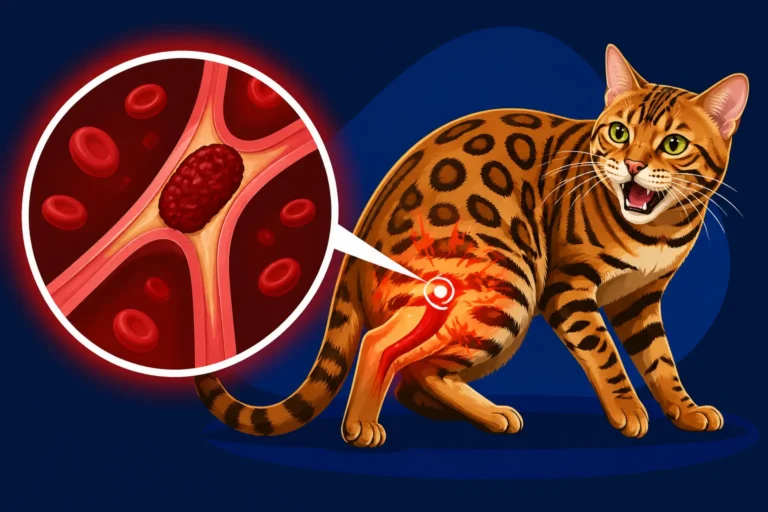
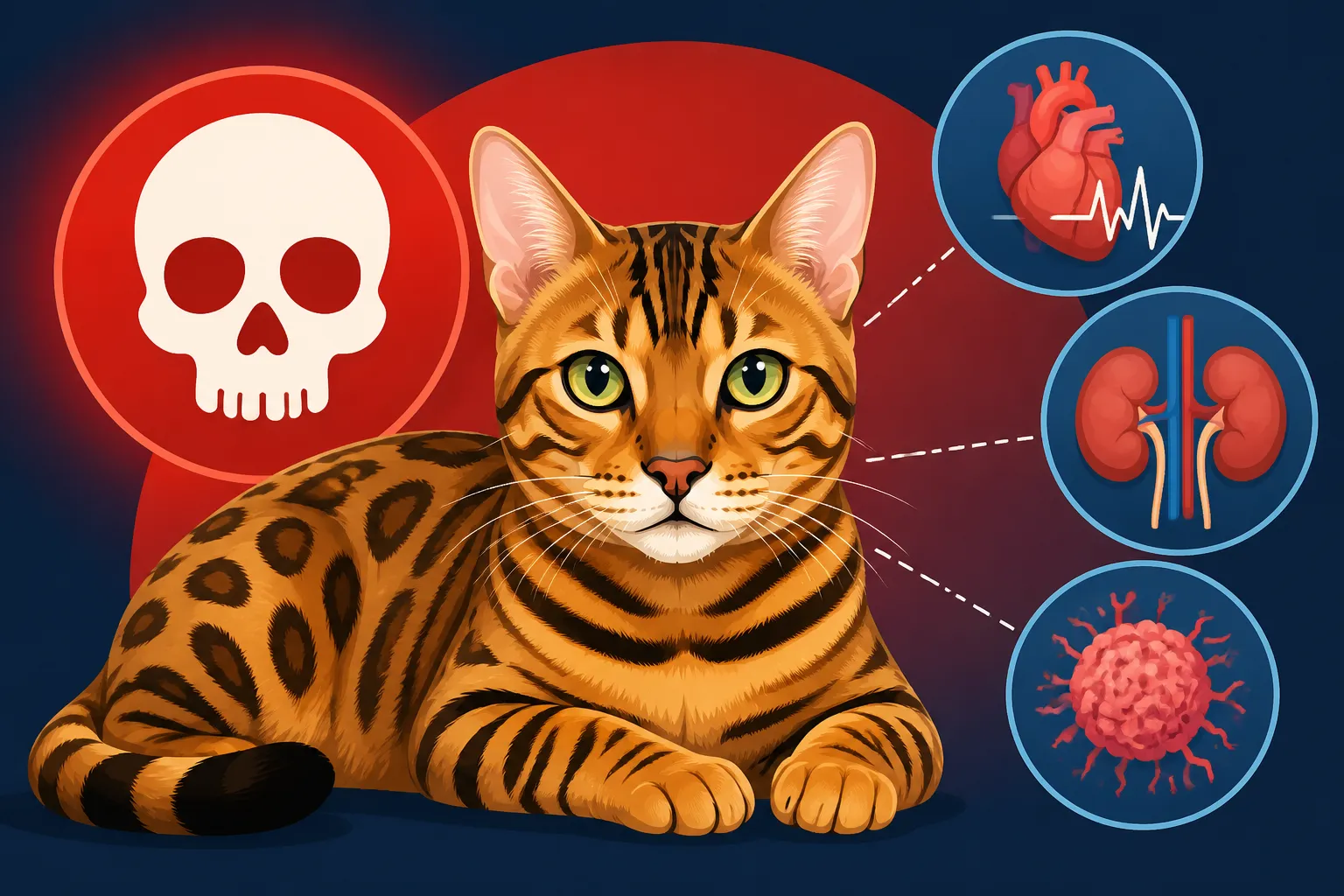
Hypertrophic Cardiomyopathy, or HCM, is arguably the most devastating genetic disease affecting Bengal cats. It's a condition where the muscular walls of the heart thicken, making it harder for the heart to pump blood effectively. This can lead to congestive heart failure, fluid in the lungs, blood clots, and sudden death. It truly is HCM Is What Kills Bengal Cats Early in many cases. The insidious nature of HCM is that often there are no obvious symptoms until the disease is quite advanced, making regular screening absolutely critical.
Many owners are left feeling helpless when faced with an HCM diagnosis, as there's no cure, only management. The genetic basis means it can pop up even in seemingly healthy lines, and unfortunately, Why There Is No Bengal Cat HCM Gene Test makes screening more challenging than for some other conditions. Responsible breeders diligently perform cardiac ultrasounds (echocardiograms) on their breeding cats by a board-certified veterinary cardiologist to screen for the condition. Regular screening, typically starting with When a Bengal Cat Should Have Its First Echo around one year of age and repeated every 1-2 years as part of How Often a Bengal Cat Needs an Echo, is currently the best preventative measure available to detect the disease early.
Pyruvate Kinase Deficiency (PKD)
Pyruvate Kinase Deficiency (PKD) is another inherited condition that Bengal cat owners should be aware of. This genetic disorder affects the cat's red blood cells, causing them to break down prematurely (hemolytic anemia). Cats with PKD often suffer from chronic or intermittent anemia, lethargy, weight loss, and jaundice. It’s a condition that can fluctuate, with good days and bad, making it especially tough on owners. What PK Deficiency Does to a Bengal Cat can be truly debilitating.
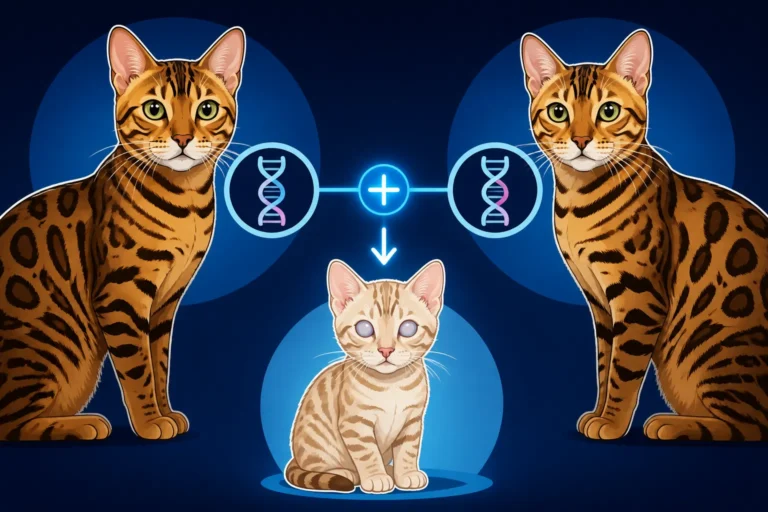
The good news with PKD is that there's a reliable DNA test available. This means responsible breeders can screen their cats to ensure they don't produce affected kittens. A cat can be clear, a carrier, or affected. Carriers won't show symptoms but can pass the gene to their offspring. If two carriers are bred, there's a 25% chance of an affected kitten. For pet owners, understanding the signs, such as Signs a Bengal Cat Has Hemolytic Anemia, is vital for early diagnosis and management, although severe cases can lead to a significantly reduced lifespan.
Progressive Retinal Atrophy (PRA-b)
While not directly a fatal condition, Progressive Retinal Atrophy (PRA-b) is a significant inherited eye disease in Bengal cats that can severely impact their quality of life. It causes the cells in the retina to degenerate over time, ultimately leading to blindness. Many owners find the thought of their active, curious Bengal losing its sight utterly heartbreaking. It’s particularly concerning because PRA-b Blinds a Bengal Cat by Two and There Is a DNA Test, meaning some cats can go blind very young.
A blind Bengal cat can still live a full and happy life with modifications to their environment, but it does introduce new risks and challenges. They may be more prone to accidents if their environment isn't carefully managed, and the stress of blindness can potentially exacerbate other health issues. Thankfully, like PKD, there's a DNA test for PRA-b, allowing breeders to make informed decisions and prevent affected offspring. Choosing a kitten from parents screened clear of PRA-b is a crucial step in preventing this condition.
General Feline Diseases Affecting Bengal Cats
Beyond the specific genetic predispositions, Bengal cats are also susceptible to the same general health issues that can affect any domestic cat. Ignoring these common ailments just because your Bengal is a "wilder" breed would be a mistake. Vigilance and proactive care are essential for avoiding these widespread diseases.
Kidney Disease
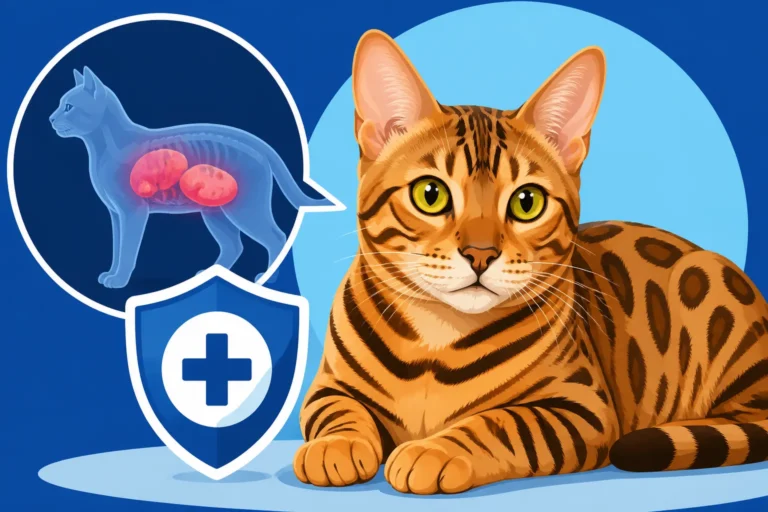
Chronic Kidney Disease (CKD) is a progressive and irreversible condition that is unfortunately quite common in older cats, including Bengals. It's a leading cause of death in senior felines. The kidneys play a vital role in filtering waste from the blood, regulating blood pressure, and producing hormones. As kidney function declines, waste products build up in the bloodstream, making the cat feel unwell. Signs can be subtle at first, like increased thirst and urination, and then progress to weight loss, vomiting, and lethargy.
Detecting kidney disease early is key to managing it and extending a cat's lifespan. Regular veterinary check-ups, especially for The Age a Bengal Cat Is Considered Senior (typically around 8-10 years), should include blood and urine tests to monitor kidney function. While there's no cure, dietary changes, medication, and fluid therapy can significantly slow the progression of the disease and improve quality of life. Owners of older Bengals often become experts at monitoring water intake and appetite to catch any changes early.
Cancer
Cancer, much like in humans, is a significant cause of illness and death in cats, including Bengals, especially as they age. Feline cancers can take many forms, from lymphomas affecting the lymphatic system to various carcinomas and sarcomas affecting organs, skin, or bones. The specific type, location, and aggressiveness of the cancer dictate the prognosis and treatment options. The thought of a beloved pet battling cancer is truly terrifying for any owner.
Symptoms of cancer in cats can be vague and easily missed, often mirroring those of other conditions: unexplained weight loss, loss of appetite, lethargy, new lumps or bumps, vomiting, diarrhea, or difficulty breathing. Early detection is paramount for successful treatment, which can include surgery, chemotherapy, radiation, or palliative care. This is yet another reason why those routine veterinary visits are so important; a vet might notice a subtle change that an owner, however attentive, could miss.
Dental Disease and its Systemic Impact
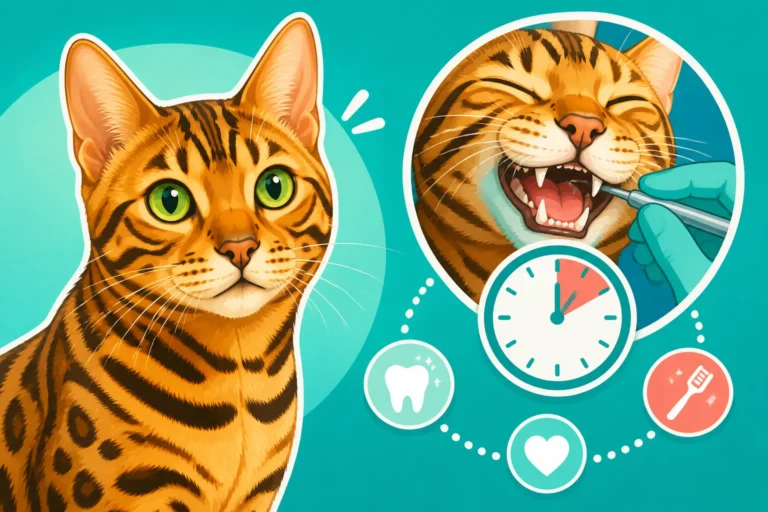
It might sound surprising, but dental disease is a silent killer for many cats. It's not just about bad breath or missing teeth; severe dental disease, particularly periodontal disease, can have profound systemic effects. Bacteria from infected gums can enter the bloodstream and travel to major organs like the heart, kidneys, and liver, causing inflammation and damage over time. This can contribute to or exacerbate other serious health conditions, ultimately shortening a Bengal cat's life.
Many owners underestimate the importance of dental care for their cats, thinking it's just a cosmetic issue. However, ignoring dental health can lead to chronic pain, difficulty eating, and serious health complications that fly under the radar until it's too late. Regular professional dental cleanings under anesthesia, combined with at-home dental care like brushing (if your Bengal tolerates it!) or dental treats, can prevent severe disease. It's an often-overlooked aspect of pet care that truly impacts longevity and quality of life.
Accidents and Environmental Hazards
Bengal cats, with their curious, intelligent, and incredibly active nature, are often more prone to getting themselves into precarious situations than their more laid-back feline cousins. Their energy and adventurous spirit, while endearing, also come with inherent risks that owners must be mindful of.
Outdoor Risks and Trauma
One of the biggest arguments for keeping Bengal cats strictly indoors is the sheer number of dangers they face outside. While a Bengal might crave the stimulation of the outdoors, the risks are significant and contribute to a high percentage of accidental deaths. Traffic accidents are tragically common; a Bengal's speed and agility won't save them from a fast-moving vehicle. They can also fall victim to fights with other animals, including other cats, dogs, or wildlife, which can lead to severe injuries, infections, or transmissible diseases.
Beyond direct trauma, outdoor Bengals are at a much higher risk of exposure to poisons (antifreeze, rodenticides, pesticides), parasites (fleas, ticks, worms), and infectious diseases like Feline Leukemia Virus (FeLV) and Feline Immunodeficiency Virus (FIV) from unvaccinated strays or feral cats. These diseases can dramatically reduce their lifespan and quality of life. For these reasons, many experienced Bengal owners opt for secure catios or supervised leash walks to satisfy their cat's adventurous side safely. Providing a Catio for a Bengal Cat Costs money, but the peace of mind is priceless.
Household Dangers and Toxins
Even within the presumed safety of your home, a Bengal cat's insatiable curiosity and intelligence mean they can uncover dangers that other cats might overlook. They are notorious for opening cabinets, drawers, and even refrigerators, which means owners need to be extra vigilant about securing anything potentially toxic or dangerous. Common household items like cleaning products, human medications (even over-the-counter ones), certain houseplants (lilies are deadly to cats, for example), and even some foods (onions, garlic, chocolate, grapes) can be highly toxic.
Electrical cords, small objects that can be swallowed, and even certain types of string or yarn can pose significant hazards. A Bengal's penchant for playing in water also means unsupervised access to toilets or sinks could lead to drowning if they slip or get stuck. It’s a constant battle of wits with these clever cats, and cat-proofing your home goes far beyond what you might do for a typical domestic shorthair. Think like a toddler and a nimble climber when securing your home for a Bengal.
The Role of Veterinary Care and Prevention
When it comes to extending your Bengal cat's life and ensuring their well-being, consistent and proactive veterinary care is your absolute best defense. It's not just about reacting to illness; it's about prevention, early detection, and ongoing health management. Many owners wish they had known more about preventative care sooner.
Regular Check-ups and Screenings
Annual (or even biannual for seniors) veterinary check-ups are non-negotiable for Bengal cats. These routine visits allow your vet to perform a thorough physical examination, catching subtle changes that might indicate the early stages of a problem. They'll listen to your cat's heart and lungs, check their teeth, palpate their abdomen, and assess their overall condition. These appointments are also when essential vaccinations are boostered and parasite prevention is discussed.
Beyond the physical exam, your vet might recommend routine bloodwork, urinalysis, and fecal exams, especially as your Bengal ages. These diagnostic tests can flag issues like kidney disease, liver problems, diabetes, or internal parasites long before your cat shows obvious symptoms. Remember how HCM can be silent? That's why What a Bengal Cat Breeder Should Have Tested isn't just for breeders; it applies to ongoing pet care, too. Investing in pet insurance, like plans offered by Healthy Paws, can make these crucial screenings and any subsequent treatments much more financially manageable, ensuring you can always provide the best care without undue stress.
The Importance of a Good Diet and Exercise
Nutrition and physical activity are foundational pillars of health for any cat, but they are particularly vital for the high-energy Bengal. A species-appropriate, high-quality diet that is rich in animal protein and moisture supports their lean muscle mass, boosts their immune system, and helps prevent obesity, diabetes, and urinary tract issues. Cheap, filler-laden kibble simply won't cut it for these athletic animals. They need fuel that matches their wild ancestry, even if they're many generations removed from it.
Equally important is ensuring your Bengal gets plenty of mental and physical exercise. A bored Bengal is a destructive Bengal, but also one prone to stress and inactivity-related health problems. Daily interactive play sessions, puzzle feeders, tall cat trees for climbing, and even supervised leash walks or access to a secure catio are crucial. Keeping them active helps maintain a healthy weight, strengthens their cardiovascular system, and keeps their minds sharp. A healthy body and mind contribute directly to a longer, happier life, and this proactive approach can truly make a difference in Whether the Bengal Cat Is a Healthy Breed for your specific pet. Consider the benefits of an active lifestyle backed by a solid pet insurance plan from providers like Healthy Paws, which can cover unexpected injuries from their adventurous escapades.
Summary of Common Causes of Death and Prevention
To help bring everything together, here's a quick overview of the most common causes of death in Bengal cats and the preventative measures you can take. Being informed is the first step towards being empowered as an owner.
| Cause of Death | Common Age Affected | Preventative Measures |
|---|---|---|
| Hypertrophic Cardiomyopathy (HCM) | Young adult to senior | Regular echocardiogram screenings by a board-certified cardiologist, purchasing from breeders who screen their lines. |
| Chronic Kidney Disease | Senior (8+ years) | Annual/biannual veterinary check-ups with bloodwork and urinalysis, high-moisture diet, access to fresh water. |
| Cancer | Middle-aged to senior | Regular veterinary check-ups, monitoring for lumps/bumps, unexplained weight loss, or changes in behavior. |
| Accidents/Trauma (Outdoor) | Any age, especially young | Strict indoor-only lifestyle, secure catios, supervised leash walks. Avoid free-roaming outdoors. |
| Toxins/Household Hazards | Any age, especially curious | Cat-proof your home: secure cabinets, store medications/chemicals safely, remove toxic plants, supervise playtime with string/small objects. |
| Pyruvate Kinase Deficiency (PKD) | Young to middle-aged | DNA testing of breeding cats to prevent affected offspring, early diagnosis through vet visits and DNA test if suspected in a pet. |
| Dental Disease (Systemic) | Middle-aged to senior | Regular professional dental cleanings, at-home dental care (brushing, dental treats), high-quality diet. |
| Infectious Diseases | Any age | Core vaccinations, annual boosters, parasite prevention, avoiding exposure to unvaccinated or feral cats. |
By being proactive about these common issues, you can significantly improve your Bengal's chances of a long and healthy life. Pet insurance, such as plans from Healthy Paws, is an excellent way to prepare for the unexpected costs associated with both routine and emergency veterinary care, ensuring you don't have to make difficult decisions based on finances alone.
Ultimately, while we can't control everything, understanding the potential challenges and proactively addressing them puts us in the best position to care for our beloved Bengal cats. From diligent screening for genetic conditions like HCM and PKD, to ensuring they have a safe environment, a nutritious diet, and plenty of mental and physical stimulation, every step you take contributes to their longevity and happiness. These magnificent creatures deserve nothing less than our very best efforts to keep them healthy and thriving for as many years as possible. Thinking about Caring for a Bengal Cat Past Ten years old is a goal all owners should aspire to.
Disclaimer
This article is for general informational purposes only and does not constitute professional advice. Laws, prices and regulations vary by location and change over time. Consult a qualified professional for guidance on your specific situation.