Whether a Bengal Cat’s PRA-b Can Be Treated
It's absolutely devastating to learn your beloved Bengal cat might be facing a condition like PRA-b, especially when you're desperate to know if there's anything you can do to stop or reverse it. The thought of your vibrant, active companion losing their sight is heartbreaking and frankly, terrifying. This guide aims to thoroughly explore whether a Bengal cat's PRA-b can be treated, what the current veterinary landscape offers, and how best to support your feline friend through this challenging journey.
Understanding PRA-b in Bengal Cats
Progressive Retinal Atrophy (PRA-b) is a topic that stirs a lot of anxiety among Bengal cat owners and breeders alike. It’s a genetic condition that, unfortunately, leads to a slow, irreversible loss of vision.
What is PRA-b and How it Affects Vision
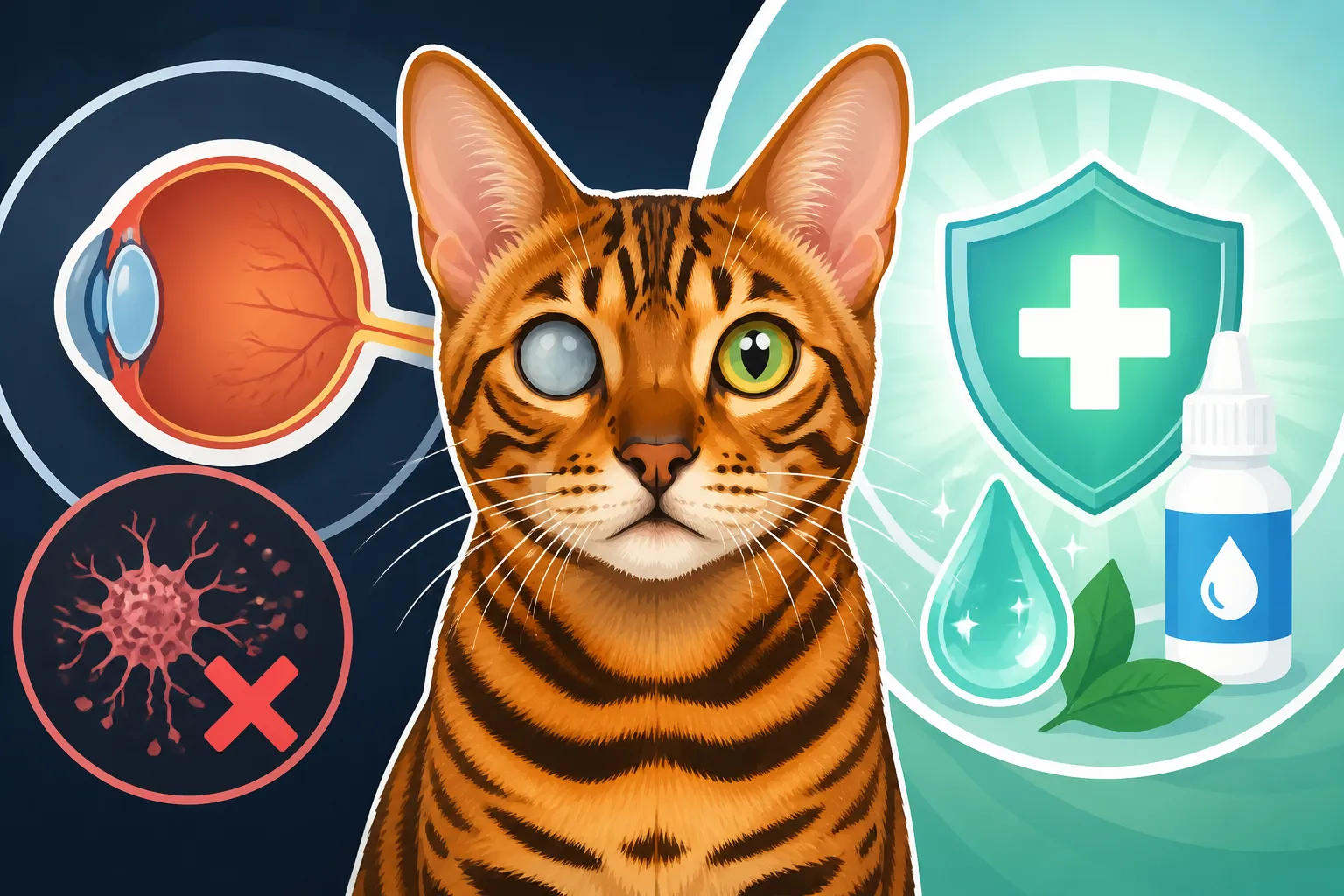
At its core, PRA-b is a hereditary eye disease specific to the Bengal cat breed. It's caused by a mutation in a particular gene, which is why we often hear about genetic testing in this context. If you've ever wondered Which Gene Causes PRA-b in a Bengal Cat, it's generally understood to be related to the CEP290 gene. This mutation specifically affects the photoreceptor cells in the retina – those incredible light-sensitive cells that detect light and color and send signals to the brain. Over time, these cells begin to degenerate and die off.
The heartbreaking part is that this isn't a sudden event. It's a progressive disease. Typically, the first thing owners notice is a gradual loss of night vision, because the rod cells, which are responsible for low-light vision, are usually affected first. Imagine stumbling in the dark or constantly bumping into furniture; that's what your Bengal might be experiencing. As the condition advances, the cone cells, which handle daytime and color vision, also start to degrade, leading to complete blindness. This slow progression can make it difficult to pinpoint exactly when vision loss begins, but signs often become noticeable in young adulthood.
The Untreatable Nature of PRA-b
This is the hardest truth to deliver, and I truly wish I had better news. As of right now, there is no known treatment, cure, or way to reverse the effects of PRA-b in Bengal cats. The degeneration of the photoreceptor cells, once it begins, is irreversible. Vets and researchers worldwide are dedicated to understanding these genetic conditions better, but we haven't reached a point where we can restore or halt this specific type of retinal decay.
This lack of treatment is incredibly frustrating for owners. When you're faced with a diagnosis, the immediate human instinct is to fix it, to find a solution. With PRA-b, the "solution" shifts from medical intervention to compassionate care and environmental adaptation. It's not about what medicine to give, but how you can create the safest, most enriching world for your visually impaired cat. The science isn't there yet to regenerate those delicate retinal cells or correct the genetic flaw once the damage has started. It's important to understand this isn't a condition that can be treated with eye drops, surgery, or medication like some other eye ailments. The damage is fundamental and progressive.
Managing Life with a Bengal Cat Diagnosed with PRA-b
While the news about treatability might be disheartening, it doesn't mean a PRA-b affected Bengal cat can't live a full, happy life. It simply means our focus shifts from treating the disease to empowering the cat and supporting the owner.
Early Detection and Monitoring
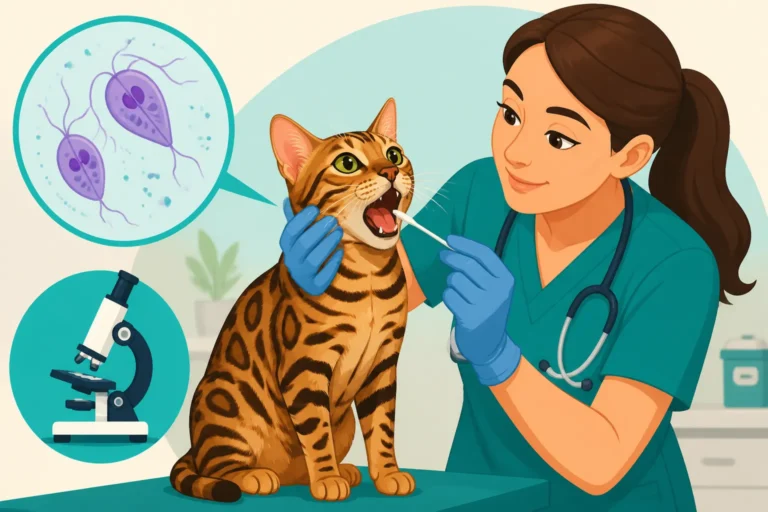
The most effective "treatment" for PRA-b currently lies in prevention through responsible breeding and early detection for pet owners. For breeders, genetic testing is paramount. There's a specific DNA test available that can identify if a Bengal cat is clear, a carrier, or affected by PRA-b. Reputable breeders will always provide documentation showing that their breeding cats have been tested and are clear of the PRA-b gene. This is why it's crucial that PRA-b Blinds a Bengal Cat by Two and There Is a DNA Test, and this test is a vital tool. Knowing How a Bengal Cat's PRA-b Swab Is Taken usually involves a simple, non-invasive buccal swab, making it easy to screen.
For pet owners, while a pet Bengal might not need the genetic test unless they are showing symptoms, regular veterinary check-ups are key. Your vet can perform basic eye exams, but a definitive diagnosis often requires a visit to a veterinary ophthalmologist who can conduct specialized tests like an electroretinogram (ERG). This test measures the electrical activity of the retina. The earliest signs might be subtle, such as Signs a Bengal Cat Kitten Is Losing Night Vision, like hesitation in dimly lit rooms or bumping into familiar objects at dusk. Understanding The Age a Bengal Cat Is Fully Blind From PRA-b can vary, but it often manifests between one and three years of age, progressing to full blindness by three to five years old. If you suspect any vision changes, don't hesitate to consult your vet.
Adapting the Home Environment
Once a Bengal cat is diagnosed with PRA-b and vision loss begins, adapting their living space becomes crucial. Cats are incredibly resilient and adaptable, often relying more on their other senses than we realize. The key is consistency and safety.
Here are some actionable steps:
- Maintain Consistency: This is perhaps the most important rule. Keep furniture, litter boxes, food, and water bowls in the same place. Your cat builds a mental map of their environment based on memory and scent cues. Moving things around can cause anxiety and confusion. How to Rearrange a Home for a Blind Bengal Cat isn't about constant changes, but rather setting up a safe, predictable layout from the start and sticking to it.
- Safety First: Block off dangerous areas like open stairwells or fireplaces. Whether a Blind Bengal Cat Should Climb is a common concern. While they might still attempt it, ensure climbing structures are stable and perhaps lower, or add ramps if possible. Consider softer landings around their favorite perches. Remove any sharp objects or tripping hazards.
- Sensory Cues: Cats rely heavily on scent and sound. You can use distinct scents (like a drop of essential oil diluted in water, used on a specific blanket or toy) to mark certain areas, or even use different textures of mats for feeding vs. litter areas. Soft chimes or consistent verbal cues can also help them locate you.
- Litter Box and Food Stations: Ensure these are easily accessible and, again, never moved. If you have multiple floors, consider having a litter box on each level. How a Blind Bengal Cat Finds the Litter Box is usually by scent and memory of its consistent location.
Enrichment and Quality of Life
A blind Bengal cat can still enjoy a wonderfully rich and active life. Their playful nature doesn't disappear with their sight. It simply means you need to get creative with how you engage their other senses.
- Sound-Based Toys: Jingle balls, crinkle toys, and toys with bells are excellent. Consider electronic toys that make random noises or movements. The goal is to stimulate their hunting instincts without relying on sight.
- Scent Work: Hide treats around the house for them to sniff out. This is a fantastic way to engage their powerful sense of smell and provide mental stimulation. Catnip-filled toys or those infused with different, safe scents can also be stimulating.
- Interactive Play: Use wand toys, but focus on keeping the toy within their reach and making sounds to indicate its location. Drag it along the floor to create vibrations they can feel. Many blind Bengals still love to "hunt" and play.
- Leash Walking: Believe it or not, Whether a Blind Bengal Cat Can Still Be Leash Walked is often yes! With patience and a familiar, safe outdoor space (like a quiet garden), many blind cats still enjoy exploring on a harness and leash. They'll use their hearing and sense of smell to navigate, and your presence provides security. Start slowly in a known area.
- Companionship: A constant companion, whether another cat or a human, can provide comfort and cues. Many blind cats thrive with a calm, understanding feline friend. Ultimately, Whether a Bengal Cat With PRA-b Lives a Normal Life is largely dependent on the owner's commitment to providing a safe, consistent, and enriching environment.
| Aspect of Home Life | Do's for a Blind Bengal Cat | Don'ts for a Blind Bengal Cat |
|---|---|---|
| Environment Layout | Keep furniture and key items in fixed positions. | Rearrange furniture frequently or unpredictably. |
| Safety | Secure stairways, balconies, and other hazards. | Leave open access to potential fall risks or dangers. |
| Food & Water | Use distinct bowls in consistent, easy-to-reach locations. | Move food/water bowls around daily. |
| Litter Box | Place multiple boxes, if needed, in predictable spots. | Change litter box type or location abruptly. |
| Playtime | Offer sound-emitting toys (jingle balls, crinkles). | Rely solely on visual toys like laser pointers. |
| Interaction | Use verbal cues, gentle touch, and consistent routines. | Startle them or approach too silently. |
| Outdoor Access | Supervised leash walks in safe, familiar areas. | Allow unsupervised free-roaming outdoors. |
The Future of PRA-b Research and Support
While the present reality for PRA-b treatment is limited, the scientific community is always advancing. There is hope on the horizon, and strong support networks exist for owners.
Current Research and Potential Breakthroughs
Veterinary medicine is a rapidly evolving field, especially in genetics and ophthalmology. While a direct cure for Bengal cat PRA-b isn't available now, research into similar conditions in humans and other animals often provides insights. For instance, gene therapy holds immense promise for various genetic diseases, and some forms of retinal degeneration are being targeted with experimental gene therapies in clinical trials for other species. These are complex, expensive, and often species-specific endeavors, but the advancements offer a glimmer of hope that one day, similar breakthroughs might benefit Bengal cats.
Scientists are continuously working to understand the intricate mechanisms of these genetic diseases, and every new piece of information brings us closer to potential preventive measures or even treatments further down the line. Supporting feline health research, even if indirectly, contributes to this progress. For instance, understanding The Twelve to Sixteen Years a Bengal Cat Gets means researching how to keep them healthier for longer, including managing genetic predispositions.
Finding Support and Resources
Living with a visually impaired cat can be challenging, but you are not alone. There are numerous resources available to help you and your Bengal cat thrive.
- Veterinary Ophthalmologists: These specialists are your best resource for diagnosing eye conditions, monitoring progression, and offering tailored advice for managing your cat's specific needs. They can offer insights into
How a Bengal Cat Copeswith blindness and provide guidance on creating an optimal environment. - Online Communities and Support Groups: Many online forums and social media groups are dedicated to owners of blind or visually impaired cats. These communities offer invaluable emotional support, practical tips, and shared experiences that can make a huge difference. You can connect with others who truly understand what you're going through.
- Pet Insurance: Having robust pet insurance can offer significant peace of mind. Companies like Healthy Paws can help offset the costs of diagnostic tests, specialized veterinary consultations, and any secondary health issues that might arise. While they won't cover a genetic condition known at the time of policy purchase (always check policy specifics!), having coverage for unexpected accidents or illnesses ensures you can always provide the best care without financial strain. Comprehensive plans often help with routine check-ups too, which ties into managing your cat's overall health as they age.
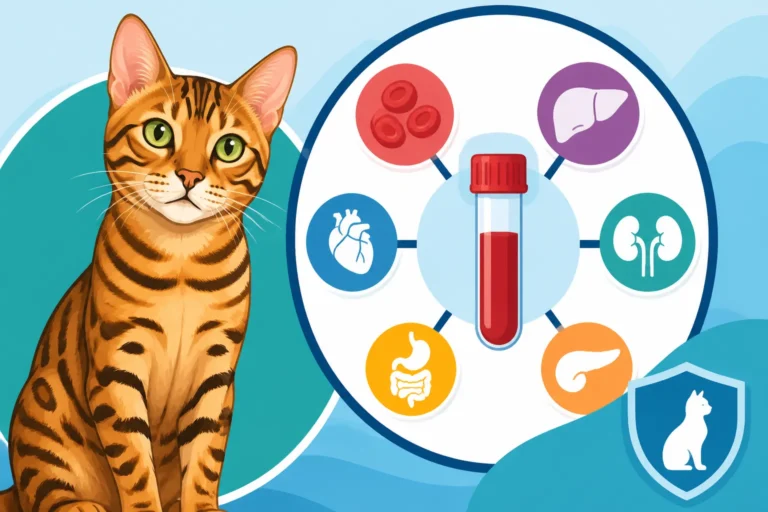
- Regular Wellness Exams: Even without vision issues, keeping up with routine veterinary care is essential. Your vet will perform a comprehensive physical exam and potentially recommend What a Bengal Cat's Yearly Bloodwork Should Cover to catch any other health concerns early. A healthy body helps a blind cat navigate their world more effectively. Remember, ensuring
Whether a Bengal Cat Is a Healthy Breedoverall means addressing all aspects of their well-being, not just their eyes.
Ultimately, while PRA-b cannot be treated with a cure in Bengal cats right now, the love, patience, and dedication of their human companions can ensure they live incredibly happy, fulfilling lives.
Disclaimer
The information provided in this guide is for general informational purposes only and does not constitute veterinary medical advice. Always consult with a qualified veterinarian or veterinary ophthalmologist for any health concerns or before making any decisions about your pet's medical care.