The Age PK Deficiency Shows in a Bengal Cat
It’s a heartbreaking worry for any Bengal cat parent: the thought of a genetic health condition silently lurking, waiting to manifest and potentially steal away precious years. You might have heard about Pyruvate Kinase Deficiency (PK Deficiency) and wondered, when exactly do symptoms typically show up? It's a valid concern, because understanding the timeline can make all the difference in early detection and giving your beloved spotted companion the best chance at a full life. This guide will walk you through the usual age of onset for PK deficiency in Bengal cats, what signs to watch for, and how you can be proactive.
Understanding the Onset of PK Deficiency in Bengal Cats
Pyruvate Kinase Deficiency (PK Deficiency) isn't just a scary term; it's a real, inherited condition that affects our adventurous Bengals. It's a genetic mutation that impacts the pyruvate kinase enzyme, which is crucial for the survival of red blood cells. Without enough of this enzyme, red blood cells become fragile and break down prematurely, leading to a type of anemia. The frustrating part for many owners is that it's not always immediately obvious, leading to a lot of anxiety and confusion.
The Typical Age Range for Symptom Appearance
One of the most challenging aspects of PK Deficiency is that its presentation can be quite variable. While some severe cases might show signs in very young kittens, the most common age range for symptoms to first become noticeable in Bengal cats is between six months and five years of age. That's a pretty wide window, isn't it? It means you could bring home a seemingly healthy, energetic kitten, only for signs to emerge months or even years later.
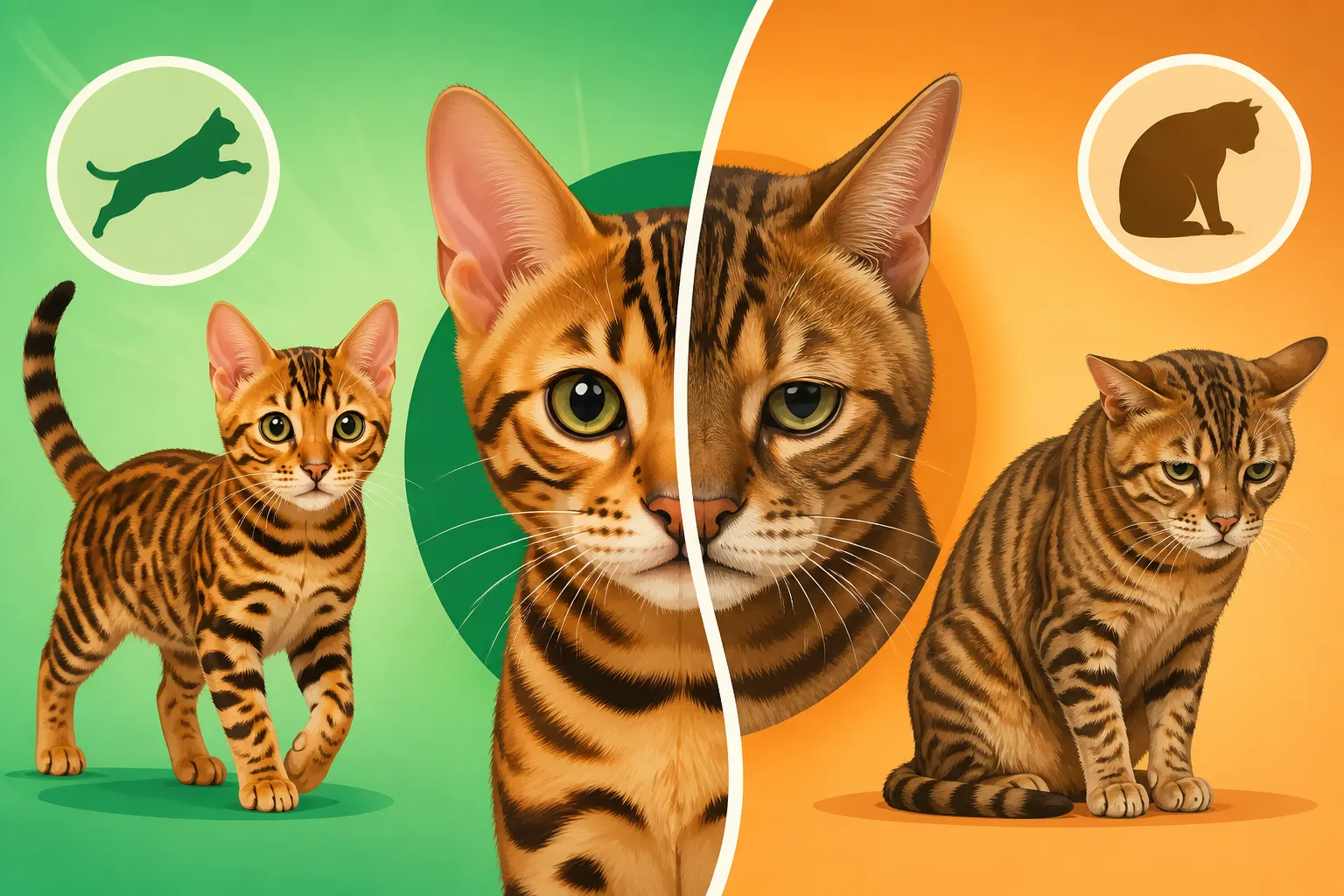
Imagine your lively Bengal, "Zara," a year and a half old, usually tearing around the house, chasing laser pointers, and demanding attention. One day, you might notice she's not quite as enthusiastic. She might seem a bit more tired after play, or perhaps not jump as high as she used to. This subtle change in stamina is often one of the first things people pick up on. It's rarely a sudden, dramatic collapse. Instead, it's a gradual, insidious progression that can be easily dismissed as "just a lazy day" or "growing up."
It's important to remember that this isn't a hard and fast rule. We've seen cases where kittens barely past weaning show very clear signs of weakness and lethargy. Conversely, some Bengals don't start exhibiting issues until they're closer to their middle age, around four or five years old, completely baffling their unsuspecting families. This variability is precisely why understanding What PK Deficiency Does to a Bengal Cat and being vigilant throughout their younger years is so critical.
Why the Symptoms Aren't Always Obvious at Birth
The reason PK Deficiency isn't typically glaringly obvious at birth or in the immediate weeks after is tied to the body's compensatory mechanisms. Kittens, especially, have a remarkable ability to produce new red blood cells to try and keep up with the destruction. The disease causes chronic, intermittent hemolytic anemia, meaning red blood cells are constantly being destroyed, but the bone marrow is trying its best to replace them.
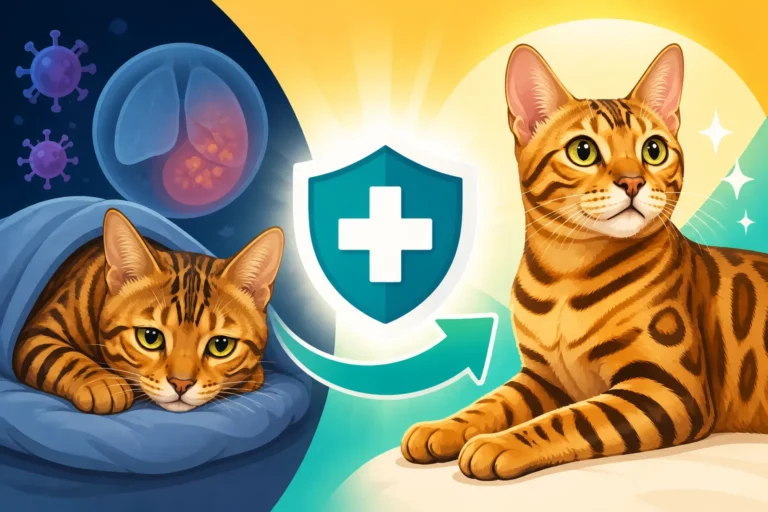
In the early stages, a Bengal cat's bone marrow might be able to crank out enough new red blood cells to largely mask the problem. They might have a slightly lower red blood cell count than normal, but not low enough to cause overt symptoms. It's like a leaky bucket being constantly refilled – as long as the refilling keeps pace, the water level doesn't drop too much. However, as the cat grows, its activity levels increase, and its body's demands for oxygen become greater. The bone marrow might eventually struggle to keep up with the rate of red blood cell destruction, or an external stressor (like another illness or even intense play) could tip the balance, leading to a more pronounced anemic crisis.
This delayed onset is a common source of frustration and confusion for new owners who might assume that if their kitten passed its initial vet checks, it must be completely healthy. It highlights why genetic testing is so invaluable, offering peace of mind long before any symptoms even think about showing their face.
Recognizing the Early Warning Signs and Fluctuations
Living with a Bengal cat is an adventure, but it also means being highly attuned to their often subtle communications, especially when it comes to their health. PK Deficiency symptoms can be tricky because they often mimic other common ailments or can simply appear as "off" days.
Subtle Indicators in Kittens and Young Adults
When it comes to Signs a Bengal Cat Is Anemic, there are several key things to look out for. In kittens and young adult Bengals, the initial signs of PK Deficiency can be quite subtle and easily missed if you're not paying close attention.
- Pale Gums and Mucous Membranes: This is often one of the most consistent indicators of anemia. Gently lift your Bengal's lip and look at their gums. Are they a healthy pink, or do they appear paler, almost whitish or a very light pink? Check their inner eyelids too. Healthy cats have a rich, vibrant pink color. If you notice a persistent paleness, it's a huge red flag and warrants a vet visit immediately.
- Lethargy and Reduced Stamina: Bengals are famously energetic creatures. If your usually boisterous cat is suddenly less interested in play, tires quickly, or seems to sleep more than usual, this isn't just a sign of them "calming down." It could be a sign their red blood cells aren't carrying enough oxygen to fuel their usual high-octane activities. They might not be able to climb their beloved tall cat tree for a Bengal cat with the same gusto.
- Weight Loss and Poor Growth: In severe cases, especially in kittens, failure to thrive or unexplained weight loss can be a symptom. If a kitten isn't growing at the expected rate or an adult Bengal starts to lose weight despite a good appetite, anemia could be a contributing factor.
- Jaundice (Yellowing of Skin/Eyes): While less common than paleness, some cats with PK Deficiency can develop a yellowish tinge to their skin, gums, or the whites of their eyes. This is due to the rapid breakdown of red blood cells releasing bilirubin faster than the liver can process it. This is a clear sign of hemolytic anemia, which is explored further in Signs a Bengal Cat Has Hemolytic Anemia.
- Dark Urine: Again, linked to the breakdown of red blood cells, if you notice unusually dark or brownish urine, it could indicate the presence of hemoglobin in the urine, another symptom of red blood cell destruction.
It's crucial not to dismiss these signs, especially if they are recurrent or worsening. Many dedicated pet parents, especially those with Healthy Paws pet insurance, appreciate getting these early symptoms checked out, knowing they're covered for diagnostic tests.
The "Good Days and Bad Days" Phenomenon
One of the most frustrating and often misleading aspects of PK Deficiency is its episodic nature. Many Bengal cats affected by this condition will experience what owners often describe as "good days and bad days." On a good day, your cat might seem almost completely normal, full of energy, and bright-eyed. Then, seemingly out of nowhere, a "bad day" hits, bringing on profound lethargy, extreme paleness, and a noticeable dip in their usual playful demeanor.
This fluctuation is directly related to the disease's mechanism, where How PK Deficiency Destroys a Bengal Cat's Red Cells creates a cycle of destruction and regeneration. The bone marrow attempts to compensate for the lost red blood cells by producing more. When the bone marrow is successfully keeping up, the cat feels relatively normal. However, if the rate of destruction outpaces the production, or if there's an increased demand on the system (perhaps due to stress, illness, or even just a particularly active play session), the cat becomes acutely anemic, leading to a "bad day."
This makes diagnosis incredibly challenging sometimes. A vet might see your cat on a "good day" when their blood work looks relatively stable, making it harder to pinpoint the problem. Owners often second-guess themselves, thinking "Maybe I imagined it" or "They're fine now." This is why a detailed history of your cat's symptoms, including when they occur and how long they last, is vital for your veterinarian. Keeping a journal of your cat's energy levels, gum color, and appetite can provide invaluable data. This inconsistency is also why genetic testing is so powerful, as it offers a definitive answer regardless of current symptoms.
Diagnostic Steps and Proactive Measures
The thought of your cat having a serious genetic condition is daunting, but the good news is that we have reliable ways to diagnose PK Deficiency and manage it. Knowing the options for diagnosis and what preventative steps to take can empower you as a Bengal cat owner.
Confirming PK Deficiency at Any Age
If you've noticed any of the subtle signs we've discussed, or if you're simply being a responsible breeder or owner, getting a definitive diagnosis for PK Deficiency involves a few steps:
- Veterinary Examination and Blood Work: Your vet will conduct a thorough physical exam, looking for signs of anemia, jaundice, and other indicators. They will almost certainly recommend blood tests, including a complete blood count (CBC) and a biochemistry panel. A CBC can reveal the severity of anemia, characterized by a low red blood cell count, hematocrit, and hemoglobin. However, as we discussed, Whether a Blood Test Alone Diagnoses a Bengal Cat definitively is often debated. While blood tests can indicate anemia, they don't confirm the cause of the anemia. PK Deficiency specifically causes a regenerative anemia, meaning the body is trying to make new red blood cells, which can sometimes skew results. This makes it hard to distinguish from other causes of anemia.
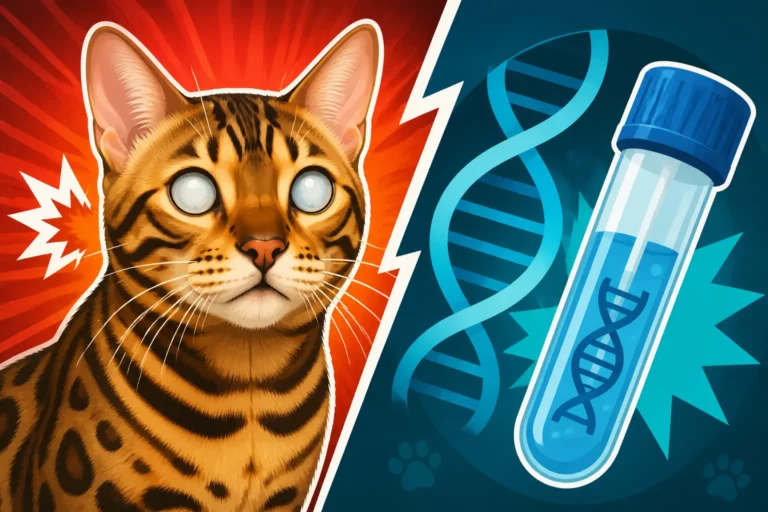
- DNA Test: This is the gold standard for diagnosing PK Deficiency in Bengal cats. The genetic test looks for the specific mutation in the PKLR gene that causes the condition. This test can be performed at any age, even on tiny kittens, and only requires a simple cheek swab. Leading veterinary genetics labs offer this test. A positive result means your cat has two copies of the mutated gene and is affected by the disease. A "carrier" result means they have one copy and won't get sick themselves (as explained in Whether a PK Carrier Bengal Cat Gets Sick), but could pass it on to offspring if bred with another carrier. This makes the DNA test invaluable for breeders, helping to prevent affected kittens. For many concerned owners, especially those looking ahead at potential health issues, understanding What a Bengal Cat's Yearly Bloodwork Should Cover often leads them to consider adding a PK Deficiency DNA test to their routine.
Many reputable breeders will perform this DNA test on their breeding cats and even on kittens before they go to their new homes. If you're acquiring a kitten, always ask the breeder for proof of PK Deficiency testing for both parents, and ideally for the kitten itself. This is why it’s so important to ask Whether a Bengal Cat Kitten Comes PK Tested.
| Diagnostic Method | What it Shows | Age of Use | Pros | Cons |
|---|---|---|---|---|
| Physical Exam | Visible signs of illness (e.g., pale gums) | Any age | Non-invasive, quick first assessment | Non-specific, symptoms can be subtle or intermittent |
| Blood Work (CBC) | Presence and severity of anemia | Any age | Quantifies red blood cell health, reveals regeneration | Doesn't identify the cause of anemia; results fluctuate on "good days" |
| DNA Test (Cheek Swab) | Presence of PKLR gene mutation | Any age (even newborn) | Definitive diagnosis of PK Deficiency (affected or carrier) | Does not indicate symptom severity or onset; only confirms genetic predisposition, not active disease |
Importance of Early Detection and Management
While the actual symptoms of PK Deficiency might not show up until your Bengal is a young adult, understanding their genetic status as early as possible is incredibly important. If you know your cat is genetically affected, you and your vet can be proactive.
Early detection allows for:
- Closer Monitoring: You'll know what signs to specifically look for and can react quickly to any changes in your cat's health.
- Preventative Care: While there's no cure for PK Deficiency, knowing about it early can help you work with your vet to create a management plan. This might involve dietary considerations, avoiding certain medications that could worsen anemia, and generally trying to minimize stress on their system.
- Informed Decisions: For breeders, knowing which cats are carriers or affected is vital for making responsible breeding choices and reducing the prevalence of the disease. It helps ensure that future generations of Bengal cats are healthier. You can delve into How Many Bengal Cats Carry PK Deficiency to understand the scope of this issue within the breed.
- Peace of Mind (or Preparedness): As an owner, a genetic test provides certainty. If your cat tests clear, you can breathe a sigh of relief regarding this specific condition. If they are affected, you're prepared to face it head-on, working with your vet to manage symptoms as they arise. Many owners appreciate the foresight offered by a simple DNA test, often covered by pet insurance plans like Healthy Paws, allowing them to proactively manage their cat's health journey. This leads many to consider Whether an Owner Should PK Test an Adult Bengal Cat even if they're not breeders.
Living with a Bengal Cat Affected by PK Deficiency
Discovering your beloved Bengal has PK Deficiency can be frightening, but it's not necessarily a death sentence. With informed care and a good relationship with your veterinarian, many affected cats can still lead fulfilling lives.
Long-Term Outlook and Quality of Life
The good news, if there can be any in such a diagnosis, is that PK Deficiency in Bengal cats is not always uniformly severe. Some affected cats will experience only mild, intermittent anemia, living long, relatively normal lives with minimal intervention. Others might have more severe, frequent anemic episodes requiring more intensive care. Generally, the average lifespan for a PK deficient Bengal cat varies greatly depending on the severity of the disease and how well it's managed. Some affected cats pass away young, while others can live into their senior years, though often with careful management.
The key to a good quality of life is supportive care and careful management of symptoms. Your vet will focus on managing the anemia, especially during acute crises. This might involve:
- Nutritional Support: A high-quality, easily digestible diet is crucial. Your vet might recommend specific supplements.
- Medication: During severe anemic episodes, corticosteroids might be used to suppress red blood cell destruction, or other medications to support bone marrow function.
- Blood Transfusions: In life-threatening crises, a blood transfusion might be necessary to stabilize your cat. How a Bengal Cat With PK Deficiency Is Treated typically involves a multi-faceted approach, tailored to the individual cat's needs.
- Minimizing Stress: Stress can trigger or worsen anemic episodes, so maintaining a calm, consistent environment is important.
It’s about understanding your cat's unique presentation of the disease and working closely with your vet. Many families successfully navigate this journey, ensuring their Bengals continue to enjoy their favorite activities, albeit perhaps at a slightly reduced intensity. If you are concerned about How Long a PK Deficient Bengal Cat Lives, know that proactive management and regular veterinary check-ups can significantly impact their longevity and happiness.
Financial and Emotional Considerations for Owners
Let's be realistic: managing a chronic health condition like PK Deficiency can come with significant financial and emotional costs.
- Financial Strain: Regular vet visits, blood tests (especially if monitoring crises), potential medications, and possibly even emergency transfusions can quickly add up. A single emergency visit for severe anemia, including diagnostics and supportive care, can easily run into hundreds or even thousands of dollars. This is where a robust pet insurance plan can be a lifesaver. Many owners find that a comprehensive policy from providers like Healthy Paws offers immense relief, covering a significant portion of unexpected veterinary bills. Having that financial safety net allows you to make decisions based on your cat's health, not just your wallet.
- Emotional Toll: Watching your beloved cat struggle, even intermittently, is incredibly hard. The "good days and bad days" cycle can be emotionally draining, filled with worry and uncertainty. You might find yourself constantly monitoring their energy levels, checking their gums, and fretting over every slight change in their behavior. It’s okay to acknowledge this emotional burden. Connecting with other Bengal cat owners who have experience with chronic conditions, or even joining breed-specific online communities, can provide much-needed support and shared understanding. Remember, you're not alone in these struggles.
Ultimately, choosing to care for a Bengal cat affected by PK Deficiency is a commitment, but it’s also a profound act of love. With the right information, a strong partnership with your veterinary team, and possibly the support of pet insurance like Healthy Paws, you can ensure your Bengal enjoys the best possible quality of life, no matter what challenges come your way.
Disclaimer
This article is for general informational purposes only and does not constitute professional advice. Laws, prices and regulations vary by location and change over time. Consult a qualified professional for guidance on your specific situation.