When a Bengal Cat Needs Knee Surgery
It's truly heartbreaking to see our energetic Bengal cats suddenly struggling with something as fundamental as walking or jumping. You might notice a strange skip in their step, an unexpected limp, or a reluctance to engage in their usual acrobatic antics, leaving you worried and wondering if a serious problem is brewing. This guide is here to shed light on those worrisome knee issues, specifically patellar luxation, and help you understand when veterinary intervention, particularly surgery, becomes not just an option, but a vital necessity for your beloved feline friend.
Understanding Patellar Luxation in Bengal Cats
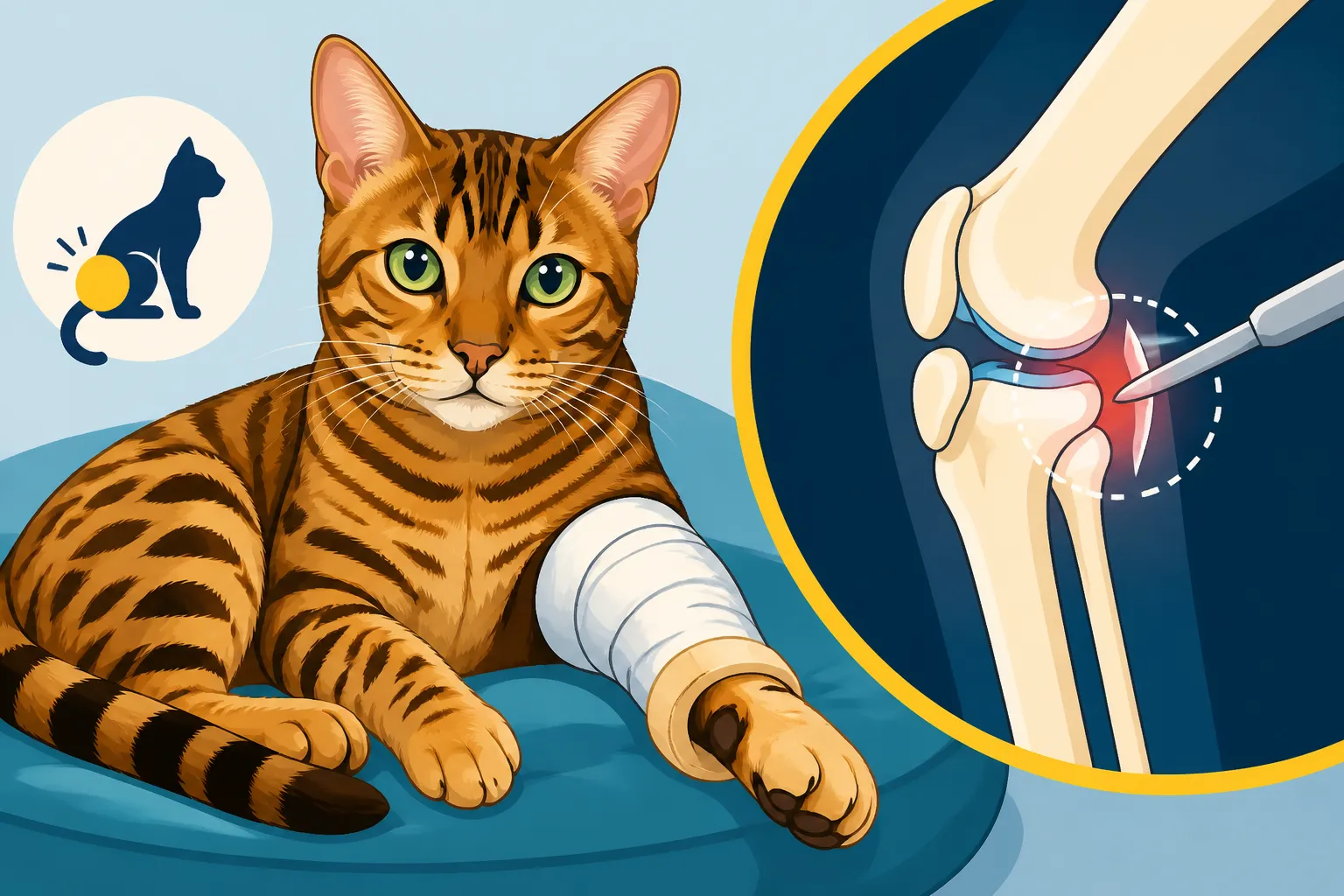
Patellar luxation, often simply called a "slipped kneecap," is a common orthopedic problem that can affect many cat breeds, including our agile Bengal cats. It occurs when the patella, or kneecap, moves out of its normal groove on the femur (thigh bone). For a breed known for its incredible athleticism, jumping prowess, and endless energy, a compromised knee can be particularly devastating, affecting their quality of life profoundly.
How a Bengal Cat's Kneecap Slips
Imagine the kneecap as a small bone that slides smoothly up and down a specific groove at the end of the femur. This movement is essential for the knee to bend and straighten correctly. In patellar luxation, this kneecap dislocates, either to the inside of the leg (medial luxation, which is more common in cats) or to the outside (lateral luxation). When the kneecap slips out, it can cause immediate pain, lameness, and an inability to extend the leg fully.
The causes can be varied, but in Bengal cats, it's often linked to genetic predispositions that lead to anatomical abnormalities. This might include a shallow femoral groove, weak ligaments, or an abnormal alignment of the leg bones. Sometimes, a trauma or injury can precipitate the condition, but underlying conformational issues are frequently present, just waiting for the right stressor to manifest the problem. You might notice your Bengal suddenly holding up a leg for a few steps, shaking it, and then putting it back down as if nothing happened – this is often the kneecap popping back into place on its own, a tell-tale sign of a slip. If you've ever wondered about the specific Signs a Bengal Cat's Kneecap Slips, paying close attention to these subtle behaviors is key.
Grading the Severity of Patellar Luxation
Vets typically use a grading system from I to IV to describe the severity of patellar luxation. This system helps determine the best course of action and what kind of prognosis you can expect for your Bengal. It’s not just about if the kneecap slips, but how often, how easily, and what kind of damage it’s causing.
- Grade I: This is the mildest form. The kneecap can be manually luxated (pushed out of place) by a vet, but it spontaneously returns to its normal position. Your Bengal might show very few, if any, symptoms. You might only notice an occasional skip or a slight awkwardness in their gait that resolves quickly. Often, it's an incidental finding during a routine wellness exam.
- Grade II: The kneecap frequently luxates, either spontaneously or with slight manipulation, and may remain luxated for a short period before returning to its groove. Your Bengal might exhibit more noticeable limping, especially after activity, and you may see them "hopping" on three legs more often. This is where the signs become more consistent and concerning for owners.
- Grade III: The kneecap is luxated most of the time, though it can still be manually reduced (pushed back into place). However, it immediately luxates again once pressure is released. This means your Bengal is experiencing chronic discomfort, and their gait is significantly altered. The bones and soft tissues around the knee might start to show deformities due to the constant abnormal alignment.
- Grade IV: This is the most severe grade. The kneecap is permanently luxated and cannot be manually reduced. The limb often remains bent or twisted, and the joint itself may have significant bone and soft tissue changes. Your Bengal will likely be in chronic pain and have severe lameness, struggling with even basic movements.
Understanding these grades is crucial because they directly impact the decision-making process for treatment. A cat with a Grade I might manage with conservative care, while a Grade IV almost invariably requires surgical intervention to restore any semblance of normal function.
When is Surgery Absolutely Necessary for a Bengal Cat's Knee?
Deciding to put your beloved Bengal through surgery is never an easy choice. It comes with anxieties about the procedure itself, the recovery, and the financial implications. However, there are clear indicators and situations where knee surgery moves from being an option to a critical necessity for your cat's long-term comfort and mobility.
Factors Influencing the Surgical Decision
The decision to proceed with surgery is a complex one, made in close consultation with your veterinarian and, ideally, a board-certified veterinary orthopedic surgeon. They will consider several factors beyond just the luxation grade.
Firstly, the severity of clinical signs is paramount. Is your Bengal consistently limping, showing pain, reluctant to jump, or struggling with their usual activities? A cat that occasionally skips a step but otherwise lives a full, active life might be managed differently from one that can barely walk. Our Bengals are known for their boundless energy and love for vertical spaces, so a significant reduction in these behaviors is a huge red flag.
Secondly, the impact on their quality of life cannot be overstated. Bengals are typically very active and playful. If patellar luxation prevents them from running, climbing their cat tree, chasing toys, or even just getting around comfortably, then surgery should be strongly considered. We want them to live their best, most fulfilling lives, and pain or severe mobility issues stand directly in the way of that. If your Bengal is one of those who has lived a long, active life and you're thinking about Caring for a Bengal Cat Past Ten, maintaining their mobility becomes even more vital in their senior years.
Thirdly, the progression of the condition is important. Is the luxation getting worse over time? Even if it started as a Grade I, if it quickly progresses to a Grade II or III, early surgical intervention might prevent more severe joint damage and arthritis down the line. Regular check-ups and monitoring by your vet are crucial here.
Lastly, the presence of other orthopedic issues can influence the decision. Sometimes, patellar luxation occurs alongside other problems like hip dysplasia. Addressing one issue might alleviate strain on another, but the overall orthopedic health needs to be assessed holistically.
Here's a quick overview of how severity often dictates treatment:
| Patellar Luxation Grade | Typical Symptoms | Recommended Treatment Approach |
|---|---|---|
| Grade I | Occasional skip, minimal pain. May be incidental. | Conservative management (pain relief, weight management, muscle strengthening) |
| Grade II | Frequent limping, intermittent lameness, occasional holding up of leg. | Conservative management initially, but surgery often recommended if symptoms persist or worsen. |
| Grade III | Consistent lameness, kneecap mostly out of groove, noticeable gait changes. | Surgery is generally recommended to prevent further damage and improve function. |
| Grade IV | Severe, permanent lameness, kneecap fixed out of groove, significant pain. | Surgery is almost always necessary to attempt to restore function and alleviate pain. |
When Conservative Treatment Isn't Enough
For milder cases, specifically Grade I and sometimes Grade II patellar luxation, veterinarians might first suggest conservative management. This typically involves:
- Pain management: Anti-inflammatory medications (NSAIDs) to reduce pain and swelling.
- Weight management: Keeping your Bengal at a healthy weight to reduce stress on their joints. As we know, What a Healthy Bengal Cat Weighs is important for their overall health, but especially so when joint issues are present.
- Controlled exercise: Avoiding activities that exacerbate the luxation and focusing on gentle, strengthening exercises recommended by a vet or physical therapist.
- Joint supplements: Glucosamine and chondroitin supplements to support cartilage health, though their efficacy in cats for this specific condition can vary.
However, there comes a point where conservative methods simply aren't enough. If your Bengal's pain isn't adequately controlled, if the limping becomes more frequent or severe, if they stop engaging in activities they once loved, or if the luxation progresses to a higher grade despite your best efforts, then surgery becomes the most humane and effective option. Delaying surgery in such cases can lead to more significant arthritis, cartilage erosion, and irreversible damage to the joint, making future surgical repairs more complicated and potentially less successful.
Moreover, if your vet suspects your Bengal's kneecap slips are causing significant wear and tear on the cartilage inside the joint, leading to early onset arthritis, they will likely recommend surgical correction to slow down or prevent this degenerative process.
Preparing for and Recovering from Knee Surgery
Deciding on surgery is a big step, but understanding what to expect before, during, and after the procedure can help ease your mind and prepare you for the journey ahead. Bengal cats are resilient, but they still need our full support to navigate recovery successfully.
The Surgical Procedure Itself
The primary goal of patellar luxation surgery is to realign the kneecap within its groove and stabilize the joint to prevent future dislocations. There are several surgical techniques, and often a combination of procedures is used, tailored to your Bengal's specific anatomy and the severity of their luxation.
Common surgical techniques include:
- Trochlear Groove Deepening (Trochleoplasty): This involves surgically deepening the groove in the femur where the kneecap sits, creating a more stable channel for it to glide in.
- Tibial Tuberosity Transposition: The tibial tuberosity, where the patellar ligament attaches, is cut and then reattached in a new position to correct the alignment of the quadriceps muscle and patellar ligament. This helps pull the kneecap into the correct alignment.
- Lateral Imbrication: This involves tightening the soft tissues on the side of the knee opposite to the luxation and/or releasing tissues on the side of the luxation to help pull the kneecap into place and keep it there.
Your Bengal will need to be under general anesthesia for the procedure. It's perfectly natural to worry about this, especially since some owners ask Whether a Bengal Cat Reacts Badly to Anesthesia. However, modern veterinary anesthesia is very safe, and your vet will perform pre-surgical bloodwork and a thorough physical exam to ensure your cat is a good candidate. They’ll monitor your cat closely throughout the surgery. The surgery itself can take anywhere from 1 to 3 hours, depending on the complexity.
Post-Surgery Care and Rehabilitation
The recovery period is crucial for a successful outcome and will require your diligent attention. Immediately after surgery, your Bengal will likely be kept overnight at the vet clinic for pain management and close monitoring. When they come home, the real work begins.
Confinement: This is paramount. Your Bengal will need strict rest and restricted activity for several weeks, often 4-8 weeks. This means no jumping, running, or strenuous play. A small room or a large dog crate can serve as a safe, confined space. It's difficult to keep an active Bengal cat still, but it's vital for healing. You might even have to modify their access to How High a Bengal Cat Climbs temporarily!
Pain Management: Your vet will prescribe pain medications and possibly anti-inflammatory drugs to keep your Bengal comfortable. Administer these exactly as directed. Keeping pain under control is essential not only for comfort but also to encourage gentle movement without overdoing it.
Wound Care: You'll need to monitor the surgical incision for any signs of infection (redness, swelling, discharge) and ensure your Bengal doesn't lick or chew at it. An Elizabethan collar (cone) will likely be necessary, which can be an adventure with a Bengal, but it's non-negotiable!
Physical Rehabilitation: Often, guided physical therapy or rehabilitation exercises are recommended after the initial healing period. This can include passive range of motion exercises, gentle stretches, and controlled leash walks to rebuild muscle strength and flexibility. Your vet or a certified veterinary rehabilitation therapist will provide specific instructions.
Follow-up Appointments: Regular check-ups with your vet are essential to monitor healing, assess progress, and adjust pain medication or rehabilitation plans. X-rays may be taken at intervals to ensure proper bone healing and alignment.
The full recovery process can take several months, and it's a marathon, not a sprint. Patience and consistency are key.
Understanding the Costs Involved
Let's be realistic – knee surgery for a Bengal cat is a significant financial investment. The costs can vary widely depending on your geographic location, the veterinary clinic, the surgeon's experience, the complexity of the luxation, and the post-operative care required.
Typically, you can expect the total cost to range from $2,000 to $6,000 per knee, and sometimes even higher. This usually includes:
- Pre-surgical exams, bloodwork, and X-rays.
- Anesthesia and monitoring fees.
- The surgical procedure itself.
- Hospitalization for initial recovery.
- Post-operative medications (painkillers, antibiotics).
- Follow-up appointments and potential re-check X-rays.
- Rehabilitation therapy sessions.
It's highly advisable to get a detailed estimate from your veterinary surgeon beforehand. Many owners find that pet insurance, such as through providers like Healthy Paws, can be an absolute lifesaver in these situations. If you've been putting off getting a policy, a major surgery like this certainly highlights What a Bengal Cat Costs Over Its Lifetime and how quickly medical expenses can add up. Even with insurance, there will typically be deductibles and co-pays, so it’s wise to have some savings set aside. Discussing payment options with your clinic, such as payment plans, is also a good idea.
Alternative Treatments and Prevention
While surgery is often the most definitive solution for significant patellar luxation, it's natural to explore all avenues. Additionally, understanding preventative measures can help support your Bengal's joint health, especially if they have a predisposition to such issues.
Non-Surgical Options and Their Limitations
For mild cases (Grade I) or for cats where surgery isn't an option due to age, concurrent health issues, or financial constraints, non-surgical management can be pursued. However, it's crucial to understand its limitations.
As mentioned, conservative treatment focuses on pain management, weight control, and maintaining muscle mass. Joint supplements like glucosamine, chondroitin, and sometimes omega-3 fatty acids, are commonly used. Brands like Cosequin or Dasuquin are popular choices in veterinary medicine for their joint-supportive ingredients. These supplements aim to support cartilage health and reduce inflammation, potentially slowing the progression of arthritis.
Physical therapy, even without surgery, can also play a role. Therapeutic exercises can strengthen the muscles surrounding the knee, which might help stabilize the kneecap. Techniques like laser therapy, acupuncture, or hydrotherapy might also be recommended by some vets to manage pain and inflammation.
The key limitation of non-surgical options is that they do not correct the underlying anatomical problem. They manage symptoms and slow progression but do not fix the mechanical issue of the slipping kneecap. For Grades II, III, and IV, the long-term effectiveness of conservative management is generally poor, often leading to chronic pain and significant degenerative joint disease over time.
Supporting Joint Health and Preventing Issues
While you can't entirely prevent a genetic predisposition to patellar luxation, there are certainly things you can do to support your Bengal cat's overall joint health and potentially mitigate the severity or delay the onset of symptoms.
Maintain a Healthy Weight: This cannot be stressed enough. Excess weight puts significant strain on all joints, including the knees. Keeping your Bengal lean and muscular, which is their natural physique, is one of the best preventative measures. If you're concerned about Whether a Bengal Cat Gets Fat, consult your vet about an appropriate diet and exercise regimen. High-quality, protein-rich food is essential for our active Bengals, and paying attention to Which Protein Percentage Suits a Bengal Cat can make a big difference.
Regular, Appropriate Exercise: Bengal cats are naturally highly active, but ensuring they get consistent, controlled exercise helps maintain strong muscles that support their joints. Avoid extreme activities that involve sudden twists or high-impact jumps, especially if you know they have a mild luxation. Instead, focus on games that encourage linear movement and climbing on stable, secure surfaces. Activities like leash walking can be excellent, and if you haven't considered it, our guide on How to Leash Train a Bengal Cat might be helpful.
Provide Safe Environments: Ensure your home environment is safe for jumping and climbing. Provide sturdy cat trees with good traction and secure shelves. Minimize slippery surfaces, which can lead to awkward landings and injuries.
Early Detection through Wellness Exams: Regular veterinary check-ups are crucial. A vet can often detect mild patellar luxation during a routine physical exam before it becomes a major problem. Discussing What a Bengal Cat's Yearly Bloodwork Should Cover with your vet can also ensure they’re checking for any underlying issues that might affect joint health. The sooner an issue is identified, the more options you have for management.
Consider Pet Insurance: As mentioned, a good pet insurance policy, like those offered by Healthy Paws, can provide immense peace of mind. Knowing that you have financial support for unexpected surgical costs can make the difficult decision much easier. It allows you to prioritize your cat's health without the overwhelming burden of the full expense. Many policies, especially those bought when your cat is young, will cover hereditary conditions like patellar luxation, provided symptoms didn't appear before the policy started.
By being proactive, observant, and working closely with your veterinarian, you can give your Bengal cat the best chance at a long, healthy, and active life, even if knee surgery becomes part of their journey.
Disclaimer
This article is intended for informational purposes only and does not constitute medical advice. Always consult with a qualified veterinarian for any health concerns or before making any decisions about your Bengal cat's care, diet, or treatment plans.