Whether an Indoor Bengal Cat Needs Every Vaccine
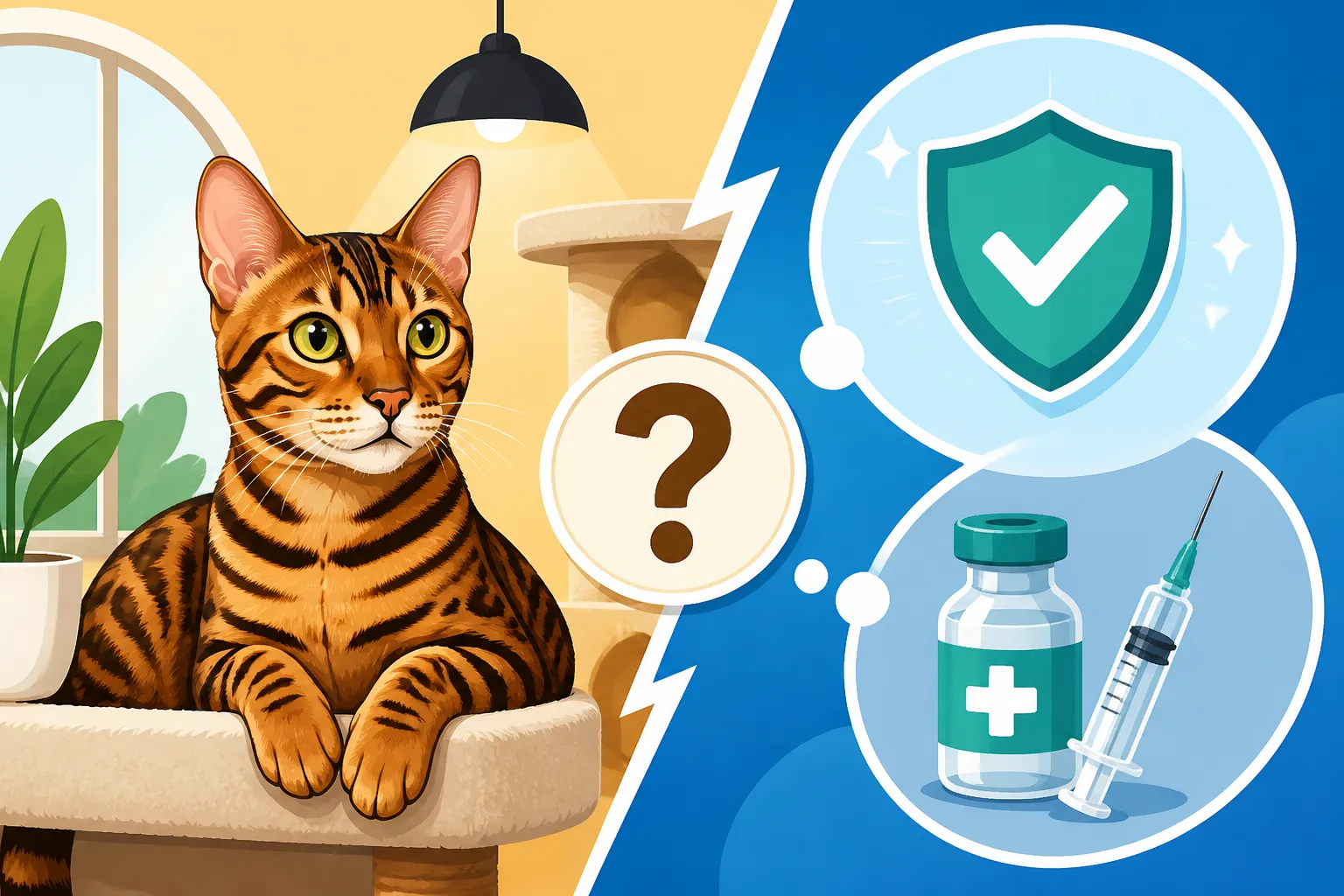
It's a common dilemma for so many dedicated Bengal cat parents: if your adventurous little leopard lives safely indoors, climbing your cat trees and chasing toys through the house, do they really need every single vaccine your vet recommends? It feels counterintuitive, right? You go to such lengths to keep them safe, secure, and away from outdoor dangers, only to be told they still need protection against diseases that seem to lurk outside. This guide is here to untangle that confusion, explain the true risks your indoor Bengal faces, and help you make informed decisions about their vaccination schedule.
The Reality of Risks for Even the Most Dedicated Indoor Bengal
You’ve created a feline paradise indoors, complete with climbing walls, puzzle feeders, and plenty of interactive play. Your Bengal cat rarely, if ever, sets a paw outside, and you pride yourself on their safety. So, the thought of vaccinating them against diseases primarily associated with outdoor exposure can feel like an unnecessary burden or even a potential stressor on their system. But here’s the thing: "indoor only" isn't a hermetically sealed bubble, and pathogens have a sneaky way of finding their way into our homes, often riding in on things you'd least suspect.
Exposure to Pathogens Isn't Just an Outdoor Problem
It’s easy to think that if your Bengal never roams the neighborhood, they're completely safe from infectious diseases. Unfortunately, that's not quite the case. Even the most diligent indoor cat can be exposed to harmful pathogens through a surprising number of routes:
- Your Shoes and Clothes: Think about it. You walk through parks, grocery stores, and even just your front yard. You can unwittingly track in all sorts of bacteria and viruses on the soles of your shoes or even your clothing. A curious Bengal, known for their inquisitive nature, might sniff your shoes or rub against your pants, picking up microscopic threats.
- Other Pets: Do you have a dog that goes outside? Or another cat that occasionally ventures into the backyard? They can easily bring pathogens into the house, which can then be transferred to your indoor Bengal. Even if your other pets are vaccinated, they can still be carriers.
- Accidental Escapes: Let's be real, Bengal cats are escape artists. Their intelligence and agility mean that a momentarily open door, a loose screen, or even a determined effort through a slightly ajar window can lead to a quick dash outdoors. A short burst of freedom, even a few minutes, is enough time for them to encounter an infected stray cat, step in contaminated soil, or brush against a surface carrying viral particles. Given that Bengal cats are incredibly active and curious, the chances of an accidental escape are higher than with some more sedate breeds. You might also find your active Bengal is perfectly capable of figuring out How a Bengal Cat Opens a Door or How to Keep a Bengal Cat Out of the Trash, implying they're clever enough to find outdoor opportunities too.
- Vet Visits: While essential for their health, veterinary clinics are places where sick animals congregate. Even with stringent cleaning protocols, there's always a slight risk of exposure to airborne particles or contaminated surfaces when your Bengal is in the waiting room or exam room.
- Fomites: These are inanimate objects that can carry infection. Think about visiting a friend who has a cat, then returning home. If that friend's cat was shedding a virus, you could inadvertently bring it back on your purse or jacket.
These scenarios highlight that the "indoor cat" label doesn't equate to "zero risk." Diseases like Feline Panleukopenia, for example, are incredibly hardy and can survive in the environment for a long time, making transmission without direct cat-to-cat contact a very real possibility.
Understanding Zoonotic Risks and Community Health
Beyond the direct threat to your own beloved Bengal, there's a broader responsibility we have as pet owners: community health. Some feline diseases, most notably Rabies, are zoonotic, meaning they can be transmitted from animals to humans. This is a critical factor in understanding why certain vaccines are not just recommended, but often legally mandated, regardless of your cat's indoor status.
Rabies is a devastating, fatal disease for both animals and humans. While rare in many developed countries due to widespread vaccination efforts, the virus is still present in wildlife populations (bats, raccoons, foxes, skunks). If an infected bat were to get into your home, for instance, and interact with your unvaccinated Bengal, the risk to your cat – and potentially your family – becomes very real. In the unfortunate event of a bite from an unvaccinated cat, even an indoor one, the legal implications and required quarantines can be incredibly stressful and costly. Most municipalities won't take "my cat is indoor only" as an excuse when dealing with a potential Rabies exposure.
Furthermore, contributing to the overall vaccinated pet population helps create "herd immunity," which indirectly protects even those pets who might not mount a strong immune response to a vaccine or those who are too young or ill to be vaccinated. This collective protection is a cornerstone of public health, extending to our furry family members too. Even if you're only concerned about The Twelve to Sixteen Years a Bengal Cat Gets, ensuring their contribution to herd immunity helps protect other cats in the wider community.
Differentiating Core and Non-Core Vaccines for Your Bengal
So, with the understanding that "indoor" doesn't mean "invincible," how do we decide which vaccines are truly necessary? This is where the distinction between "core" and "non-core" vaccines comes in. It's not about giving your Bengal every shot under the sun, but about strategically protecting them against the most prevalent and dangerous threats.
The Absolutely Essential Core Vaccines
Core vaccines are those recommended for all cats, regardless of their lifestyle, due to the ubiquity and severity of the diseases they protect against. For your Bengal cat, these are non-negotiable for a healthy, long life.
-
FVRCP (Feline Viral Rhinotracheitis, Calicivirus, Panleukopenia): This combination vaccine protects against three distinct, highly contagious, and potentially deadly feline diseases:
- Feline Viral Rhinotracheitis (FVR): Also known as Feline Herpesvirus, this causes a severe upper respiratory infection with symptoms like sneezing, nasal discharge, conjunctivitis, and fever. It can be incredibly debilitating, especially for kittens, and often leads to lifelong flare-ups.
- Feline Calicivirus (FCV): Another common cause of upper respiratory infections, FCV can also cause oral ulcers, lameness, and in severe cases, a virulent systemic form that is often fatal.
- Feline Panleukopenia (FPV): Commonly referred to as feline distemper, this is a highly contagious and often fatal viral disease that attacks rapidly dividing cells, particularly in the bone marrow and intestines. It causes severe vomiting, diarrhea, dehydration, and a drastically lowered white blood cell count, leaving the cat vulnerable to secondary infections. This virus is incredibly stable in the environment and can survive for a year or more at room temperature, making it a very real threat to indoor cats even without direct contact with another infected cat.
- Why it's Critical for Indoor Bengals: The highly contagious nature of FVR, FCV, and FPV, combined with their ability to survive in the environment or be carried in on fomites, means that even a strictly indoor Bengal is at risk. A single spore or viral particle tracked in on your shoes is all it takes to expose them.
-
Rabies Vaccine: As discussed earlier, Rabies is a fatal viral disease that affects the central nervous system of mammals, including humans. It is almost always transmitted through the bite of an infected animal.
- Why it's Critical for Indoor Bengals: Beyond the devastating impact of the disease itself, Rabies vaccination is legally required for cats in most states and municipalities across the United States, irrespective of their indoor or outdoor status. This legal mandate isn't just about protecting your pet; it's about safeguarding public health. If your unvaccinated indoor Bengal were to bite someone, or if you found a bat in your home that potentially exposed your cat, the legal ramifications and mandatory quarantine periods could be severe, not to mention the emotional distress. This vaccine is your best defense and legal compliance.
Evaluating Non-Core Vaccines: Is FeLV Necessary for Your Indoor Explorer?
Non-core vaccines are those recommended based on a cat's individual risk factors, lifestyle, and geographical location. This is where your veterinarian's expertise, combined with your honest assessment of your Bengal's habits, becomes invaluable.
-
Feline Leukemia Virus (FeLV) Vaccine: FeLV is a serious and often fatal retrovirus that suppresses the immune system, leaving cats vulnerable to various cancers and secondary infections. It is primarily spread through direct contact with infected cats, usually via saliva (grooming, shared food/water bowls), blood, or urine, and can also be transmitted from mother to kitten.
- Is it Necessary for Your Indoor Bengal? This is the biggest "it depends" vaccine. For a truly strictly indoor Bengal who lives alone or with other FeLV-negative, indoor-only cats, the risk of exposure is incredibly low. In such a scenario, your vet might agree that the FeLV vaccine isn't necessary. However, if any of the following apply, you absolutely should consider it:
- Multi-Cat Household with Outdoor Access: If you have other cats that go outside, even occasionally, your indoor Bengal is at risk.
- Potential for Accidental Escapes: As we discussed, Bengals are clever. If your cat is prone to escaping or you live in an area where this is a higher risk, the FeLV vaccine offers crucial protection. This is especially true for an adventurous cat known to seek out new experiences, even if it's just a quick dart out the door.
- New Cat Introduction: If you plan to introduce a new cat into your household, especially one with an unknown history or a rescue cat that might have been exposed, your existing Bengal should be vaccinated for FeLV (after ensuring the new cat is tested negative, of course).
- Frequent Vet Visits/Boarding: While less common for FeLV transmission, any scenario where your cat might have direct contact with other cats (e.g., at a busy boarding facility if you go on vacation) warrants consideration.
- For a deeper dive, you might find it helpful to read about Whether a Bengal Cat Should Be Vaccinated for FeLV.
- Is it Necessary for Your Indoor Bengal? This is the biggest "it depends" vaccine. For a truly strictly indoor Bengal who lives alone or with other FeLV-negative, indoor-only cats, the risk of exposure is incredibly low. In such a scenario, your vet might agree that the FeLV vaccine isn't necessary. However, if any of the following apply, you absolutely should consider it:
-
Other Non-Core Vaccines (e.g., Feline Immunodeficiency Virus (FIV), Chlamydophila felis): These are even more specific. The FIV vaccine is generally not recommended as it can interfere with FIV testing and is primarily for cats at high risk of fighting with FIV-positive cats. The Chlamydophila felis vaccine is for specific situations where a cat is at high risk for chlamydial conjunctivitis (e.g., in multi-cat breeding facilities or shelters with outbreaks). For the vast majority of indoor Bengal cats, these vaccines are not considered necessary.
Here's a quick overview to help clarify:
| Vaccine Type | Vaccine Name | Protection Against | Recommendation for Indoor Bengal | Key Considerations |
|---|---|---|---|---|
| Core (Essential) | FVRCP (Distemper) | Feline Viral Rhinotracheitis, Calicivirus, Panleukopenia | Highly Recommended/Essential | These viruses are highly contagious, hardy in the environment, and can be tracked into the home on clothing, shoes, or other pets. Fatal if contracted. |
| Core (Essential) | Rabies | Rabies Virus | Legally Mandated/Essential | Fatal, zoonotic disease. Legally required in most areas regardless of indoor status. Protects public health and prevents legal complications in case of bite or wildlife exposure. |
| Non-Core (Situational) | FeLV (Feline Leukemia Virus) | Feline Leukemia Virus | Discuss with Vet | Recommended for cats with potential exposure risk: multi-cat households with outdoor cats, history of escape, living with FeLV+ cats, or if you plan to introduce a new cat. Not typically needed for strictly solo indoor Bengals. |
| Non-Core (Situational) | FIV (Feline Immunodeficiency Virus) | Feline Immunodeficiency Virus | Generally Not Recommended | Primarily for cats at high risk of fighting with FIV+ cats. Can interfere with diagnostic testing. Rare for indoor Bengals. |
| Non-Core (Situational) | Chlamydophila felis | Chlamydia Bacteria (conjunctivitis) | Rarely Recommended | For specific situations like multi-cat environments with known outbreaks. Not for typical indoor pets. |
Partnering with Your Veterinarian for a Tailored Vaccine Plan
Deciding on the right vaccination schedule for your Bengal cat isn't a one-size-fits-all situation. While the core vaccines are almost universally recommended, the non-core ones require a personalized approach. The best way to navigate this is by developing a strong, trusting relationship with your veterinarian. They are your most valuable resource in making these health decisions.
The Importance of Individual Risk Assessment
Your vet will take into account a number of factors to create a vaccine protocol specifically for your Bengal. This isn't just about what's medically available; it's about what makes the most sense for your cat's unique life.
- Lifestyle Assessment: Be honest with your vet about your Bengal's habits. Do they truly never go outside? Is there a screened-in "catio" that offers limited outdoor exposure? Are there other pets in the house that go outdoors? Do you foster animals, even temporarily? This information helps your vet gauge their real-world risk.
- Geographical Location: The prevalence of certain diseases can vary by region. For instance, areas with higher rates of rabies in wildlife might warrant a stricter approach to vaccine boosters. Your vet will be aware of local epidemiological data.
- Age and Health Status: Kittens require an initial series of vaccinations, while older cats might have different needs. A cat with a compromised immune system or a pre-existing condition might need a modified vaccine schedule. For example, if your Bengal is diagnosed with a condition that makes them more fragile, your vet might re-evaluate certain non-core vaccines. Learning about Whether a Bengal Cat Is a Healthy Breed can give you a better idea of common health challenges for the breed, which might influence decisions.
- Breed Specifics: While not directly impacting vaccine requirements, understanding your Bengal's energetic and often curious nature might sway decisions regarding diseases they could pick up during an accidental escape.
Some owners also inquire about antibody titers, which measure the level of antibodies in a cat's blood to determine if they still have protective immunity from previous vaccines. While titers can be an option for some core vaccines (especially Panleukopenia) to potentially extend the interval between boosters, they aren't commonly used for Rabies due to legal requirements, and they can be more expensive than just getting the booster. It's a conversation worth having with your vet if you're concerned about over-vaccination.
Navigating Vaccine Schedules and Booster Shots
Vaccine protocols aren't static. They involve an initial series for kittens and then regular boosters throughout your cat's life.
- Kitten Series: Kittens typically receive a series of FVRCP vaccines, usually starting around 6-8 weeks of age and continuing every 3-4 weeks until they are 16 weeks old. This series is crucial because maternal antibodies (passed from the mother cat) can interfere with a kitten's immune response to vaccines, so multiple doses ensure effective protection once those maternal antibodies wane. Rabies is usually given as a single shot around 12-16 weeks of age.
- Adult Boosters: Once the initial kitten series is complete, adult Bengals will require booster shots. For FVRCP, many modern vaccines provide protection for three years, so many vets recommend triennial (every three years) boosters after the initial annual booster. Rabies vaccination frequency can vary depending on the vaccine type and local laws (e.g., annual vs. triennial). Your vet will advise you on the specific schedule for your area.
- Regular Wellness Exams: Regardless of the vaccine schedule, How Often a Bengal Cat Needs a Wellness Exam is typically annually, even for perfectly healthy indoor cats. These appointments are vital. They allow your vet to perform a thorough physical examination, catch any subtle changes in health early (like Signs a Bengal Cat Has Heart Disease), and discuss any updates to your Bengal's lifestyle or health status that might warrant a change in their vaccination or preventative care plan.
When considering the long-term health and costs associated with your Bengal, it's also smart to think about pet insurance. Companies like Healthy Paws can provide peace of mind by helping cover unexpected veterinary costs, including emergencies, illnesses, and even some diagnostic tests. While insurance usually doesn't cover routine vaccines directly, it can be a lifesaver if your cat develops a vaccine-preventable illness (due to a rare vaccine failure or skipped booster) or any other health issue. Understanding What Insuring a Bengal Cat Costs a Month can help you budget for comprehensive care.
Beyond the Needle: Holistic Health for Your Indoor Bengal
While vaccines are a cornerstone of preventative health, they're just one piece of the puzzle. Ensuring your indoor Bengal lives a long, healthy, and happy life involves a broader commitment to their overall well-being, from parasite control to mental enrichment.
Preventative Care and Parasite Control
It’s easy to assume that an indoor cat is immune to parasites, but unfortunately, that’s another common misconception. Fleas, ticks, and even heartworm can all affect indoor Bengals.
- Fleas: These tiny pests can hitch a ride into your home on your clothing, shoes, or even other pets that venture outdoors. Once inside, they can rapidly establish an infestation, causing intense itching, skin irritation, and even tapeworm transmission if ingested by your cat. Monthly flea prevention is highly recommended for all cats, even indoor ones, especially if you live in an area with a high flea burden or have other pets.
- Ticks: While less common for strictly indoor cats, ticks can still find their way in, often on other pets or even clinging to you after a walk in a wooded area. They can transmit serious diseases.
- Heartworm: This potentially fatal parasite is transmitted by mosquitoes. Since mosquitoes can easily get into houses through open doors or windows, even indoor cats are at risk. A single mosquito bite from an infected insect can transmit heartworm larvae. While there's no treatment for heartworm in cats, prevention is simple and effective with monthly oral or topical medication.
Regular deworming, as advised by your vet, is also important. Even indoor cats can pick up intestinal parasites from eating fleas (which carry tapeworms), consuming contaminated prey (like a mouse that found its way inside), or even from microscopic eggs tracked in from outside. Your vet might recommend regular fecal exams, part of What a Bengal Cat's Yearly Bloodwork Should Cover, to check for these hidden threats.
Dental Health and Regular Check-ups
Just like humans, cats need good dental care. Dental disease is incredibly common in felines, and it can lead to pain, infection, and even impact overall organ health if bacteria from infected gums enter the bloodstream.
- Why Dental Care Matters: Without proper care, plaque and tartar can build up on your Bengal’s teeth, leading to gingivitis, periodontal disease, and tooth loss. This can be incredibly painful and affect their ability to eat. Plus, the bacteria from severe dental infections can travel to other parts of the body, potentially affecting the heart, kidneys, and liver. For more information, consider reading Whether a Bengal Cat Gets Dental Disease.
- Routine Care: Regular dental check-ups during your Bengal’s annual wellness exam are crucial. Your vet can assess their oral health and recommend professional dental cleanings under anesthesia when necessary. Daily tooth brushing at home, if your cat tolerates it, is the gold standard for preventative dental care.
These annual or bi-annual wellness exams are so much more than just vaccine appointments. They are opportunities for your vet to thoroughly assess your Bengal's overall health, address any subtle concerns, and keep them on track for a long and vibrant life.
Nutritional and Environmental Enrichment
A healthy Bengal cat isn't just about preventing disease; it's about fostering an environment that allows them to thrive physically and mentally. These cats are incredibly intelligent and energetic, a trait passed down from their wild ancestors.
- Balanced Nutrition: A high-quality, balanced diet is fundamental to your Bengal's health. Work with your vet to choose a food that meets their specific nutritional needs, especially given their high activity levels. Good nutrition supports a strong immune system, which in turn helps them respond effectively to vaccines and resist illness.
- Mental and Physical Stimulation: A bored Bengal cat can become a destructive or stressed Bengal cat. Provide ample opportunities for climbing, playing, and mental challenges. This could include tall cat trees, interactive toys, puzzle feeders, and regular dedicated playtime with you. An enriched environment reduces stress, which can indirectly impact immune function. Also, a bored Bengal is more likely to engage in unwanted behaviors, including attempts to escape, which, as we've discussed, directly increases their risk of exposure to diseases for which they might need non-core vaccines.
By integrating robust vaccination protocols with comprehensive preventative care, excellent nutrition, and stimulating enrichment, you're not just protecting your indoor Bengal; you're setting them up for a lifetime of health, happiness, and adventures, even if those adventures are mostly within the confines of your loving home.
Disclaimer
This article is intended for informational purposes only and does not constitute medical advice. Always consult with a qualified veterinarian for any health concerns or before making any decisions about your pet's medical care, including vaccination protocols. Each cat is an individual, and specific recommendations may vary based on their health, lifestyle, and local regulations.