Whether a Bengal Cat Gets Dental Disease
It's a common misconception that because Bengal cats have a wild ancestry, their teeth must be naturally stronger or somehow immune to the dental problems that plague our more sedentary domestic felines. Many of us fall into this trap, thinking their robust nature extends to their oral health. The frustrating reality is that, just like any other cat, Bengal cats are highly susceptible to dental disease, and ignoring it can lead to serious health issues, pain, and hefty vet bills. This guide will walk you through everything you need to know about dental disease in your Bengal, from identifying the subtle signs to proactive prevention and understanding treatment options.
The Reality of Dental Disease in Bengal Cats
Let's cut right to the chase: yes, Bengal cats absolutely get dental disease. While their genetics are unique, their oral anatomy and susceptibility to bacterial plaque and tartar buildup are very much in line with other domestic cats. That wild look doesn't grant them immunity to gingivitis or periodontal disease, unfortunately. In fact, due to their active nature and sometimes high-strung personalities, getting them to tolerate regular at-home dental care can be even more of a challenge, inadvertently increasing their risk.
Why Dental Health Is Often Overlooked
It's easy to overlook dental issues in cats, especially a high-energy breed like the Bengal. They are masters at hiding pain, a trait inherited from their wild ancestors where showing weakness could mean becoming a target. A Bengal might still be zooming around the house, playing fetch, and demanding attention, even if a painful tooth is festering in their mouth. This stoicism makes it incredibly difficult for owners to spot problems until they are quite advanced. We might assume their slightly less enthusiastic crunching is just a preference for softer food, or their less-than-fresh breath is just "cat breath," when in reality, these are often red flags. Owners often feel a pang of guilt when a vet uncovers a significant dental issue during a routine check-up, realizing their beloved companion has been silently enduring discomfort. It's truly not your fault; cats are just that good at concealing their suffering.
The Link Between Oral Health and Overall Health
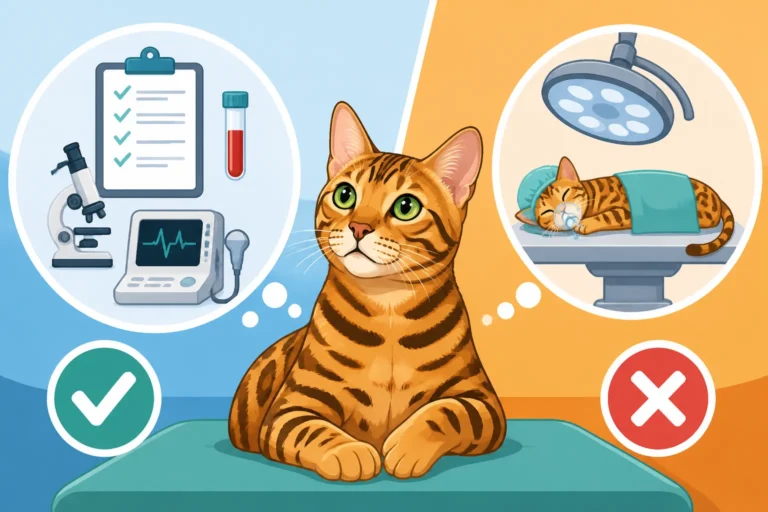
Dental disease isn't just about bad breath or a chipped tooth; it's a gateway to systemic health problems. When bacteria from plaque and tartar accumulate on the teeth and under the gumline, they don't just stay there. These bacteria can enter the bloodstream, traveling to vital organs like the heart, kidneys, and liver, causing secondary infections and inflammation. This is why a vet might recommend bloodwork before a dental procedure – to ensure these organs are healthy enough to handle anesthesia and to rule out any existing organ damage from long-term dental disease. For an active breed like a Bengal, maintaining peak physical condition is crucial for their quality of life, and neglecting oral health can undermine that entirely. Regular professional dental cleanings are not just cosmetic; they are a critical component of their overall wellness and can significantly contribute to The Twelve to Sixteen Years a Bengal Cat Gets Keep this in mind when you're weighing the importance of a dental check-up or cleaning.
Common Dental Issues Bengal Cats Face
Bengal cats, despite their athletic build and vibrant personality, face a range of common dental problems that can significantly impact their health and comfort. These issues often start subtly and, if left unaddressed, can escalate into painful and serious conditions. Understanding what these conditions are can help you be a more vigilant advocate for your Bengal's oral health.
Gingivitis and Periodontal Disease
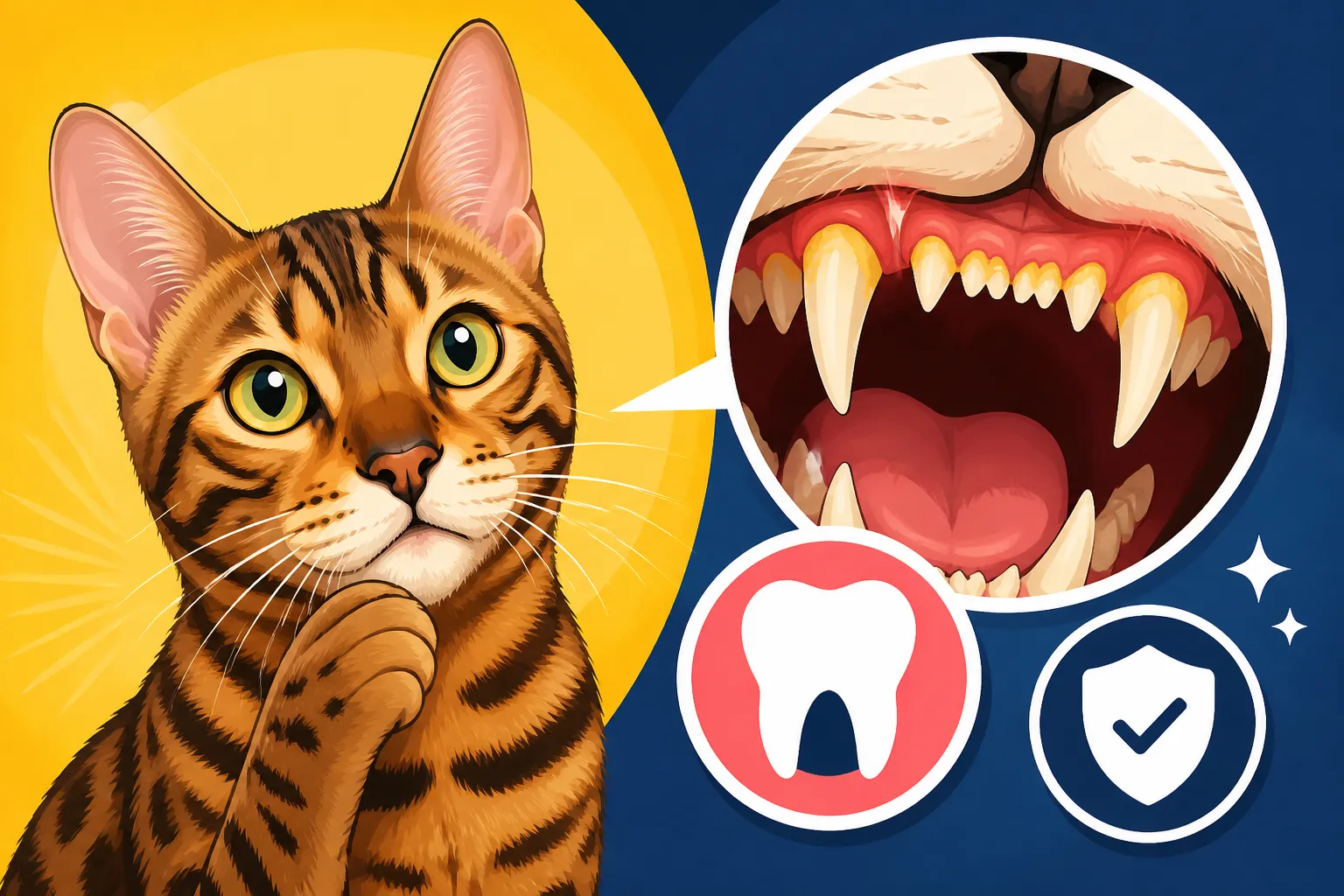
The most common dental issue in all cats, including Bengals, is gingivitis. This is the initial stage of periodontal disease and involves inflammation of the gums, typically caused by plaque buildup. You might notice redness along the gumline, a bit of swelling, or even slight bleeding when your cat chews on a toy. If caught early, gingivitis is reversible with professional cleaning and improved home care. However, if that plaque isn't removed, it hardens into tartar, which is far more stubborn.
Once tartar forms, it creates a rough surface that attracts even more bacteria and pushes the gumline away from the tooth, creating pockets. These pockets are perfect breeding grounds for bacteria, leading to the progression into periodontal disease. This deeper infection attacks the supporting structures of the tooth – the bone and ligaments. At this stage, it's no longer just an inflamed gum; the damage to bone is irreversible, leading to pain, loose teeth, and eventually tooth loss. It can be heartbreaking to discover advanced periodontal disease during a routine check, knowing your beloved cat has been suffering silently. This is why proactive care, including regular vet visits where How Often a Bengal Cat Needs an Echo or their teeth are checked, is so important.
Tooth Resorption
This is a particularly frustrating and painful condition because it's not always visible on the surface. Tooth resorption involves the gradual destruction of one or more teeth, starting from the inside out. The body's own cells begin to break down the tooth structure, often at the gumline. Imagine a cavity, but instead of bacteria causing it, it's the cat's own cells. While the exact cause isn't fully understood, genetics, diet, and inflammation are all suspected factors.
For a Bengal cat, the insidious nature of tooth resorption means they might not show obvious signs until the tooth is severely damaged and excruciatingly painful. You might only notice a sudden change in chewing habits, drooling, or a reluctance to eat certain foods. In many cases, the only way to accurately diagnose tooth resorption is through dental X-rays, which show the extent of the damage beneath the gumline. Sadly, once a tooth is affected by resorption, extraction is typically the only effective treatment to alleviate pain and prevent further complications. This highlights the importance of thorough veterinary dental exams under anesthesia, where every tooth can be properly assessed and X-rayed.
Fractured and Worn Teeth
Given the Bengal's active and adventurous nature, they are perhaps more prone to dental trauma than some other breeds. Their penchant for climbing, exploring, and playing vigorously can sometimes lead to accidents. Jumping from heights, chewing on inappropriate hard objects like plastic toys, or even roughhousing with other pets can result in fractured teeth. A fractured tooth can expose the sensitive pulp, leading to extreme pain and infection.
Similarly, Bengals can suffer from worn teeth, especially if they have a habit of chewing on abrasive surfaces or playing with toys that are too hard. Over time, this constant wear can thin the enamel and eventually expose the dentin or pulp. It's not uncommon for a Bengal to try and chew through a wire or an obstacle, only to chip a molar or canine. These types of injuries often go unnoticed by owners because the cat continues their usual activities, masking the pain. A routine dental exam is crucial to spot these issues, as they can quickly lead to abscesses if bacteria enter the exposed pulp chamber.
Spotting the Signs: How to Tell Your Bengal Has Dental Woes
One of the biggest challenges of being a Bengal cat owner is their incredible ability to mask discomfort. This is an evolutionary survival trait, but it means you, their devoted human, have to be extra vigilant. Dental pain can be severe, impacting their quality of life, but your Bengal might still greet you with enthusiasm, chase a laser pointer, and generally act like nothing's wrong. It’s up to us to become detectives, looking for the subtle clues.
Behavioral Clues and Subtle Changes
While your Bengal might not cry out in pain, they will often exhibit subtle behavioral shifts when dealing with dental discomfort. Pay close attention to their eating habits. Are they suddenly shying away from their favorite crunchy kibble? Are they chewing on one side of their mouth more than the other, or dropping food frequently? Maybe they're approaching the food bowl but then walking away, only to return later and nibble cautiously. Sometimes, you might notice Why a Bengal Cat Refuses a Food It Ate Last Week and dental pain could very well be the culprit, not just pickiness.
Beyond eating, look for changes in grooming. Cats are fastidious creatures, but painful teeth can make grooming difficult, especially around their face. You might notice a neglected patch of fur, or even matted areas if they're struggling. Some cats might become more irritable or withdrawn, flinching if you touch their face or head. Others might start drooling more than usual, particularly if the pain is severe or there's an oral infection. These aren't always dramatic shifts, but consistent small changes in behavior are often your Bengal's quiet way of saying something is amiss. It reminds me of how Why a Bengal Cat Hides Heart Failure – they are just so good at not letting on they're hurting.
Physical Indicators in and Around the Mouth
This is where you'll need to get a little brave and try to take a peek, even if your Bengal isn't thrilled about it. The most obvious sign is bad breath, or halitosis. It's not just "cat breath"; it's a truly foul, often sickly sweet or putrid odor caused by bacterial overgrowth. Another clear indicator is visible plaque and tartar buildup, which looks like yellowish-brown crust on the surface of the teeth, especially the molars.
Examine their gums. Healthy gums should be a pale pink. Red, swollen, or bleeding gums are classic signs of gingivitis. You might also notice ulcers or sores in their mouth, or a noticeable asymmetry in their face due to swelling. In severe cases of infection, there might even be discharge from the nose or swelling below the eye, indicating a tooth root abscess that has spread. If you ever see a loose or missing tooth, that's a clear sign of advanced disease. While your Bengal might still be playing with Which Wand Toy a Bengal Cat Destroys Fastest with gusto, these physical signs are undeniable warnings that professional veterinary intervention is needed.
When to See the Vet
Any of the above signs warrant a trip to the veterinarian. Don't wait until your Bengal is obviously in distress; by then, the problem is likely severe. Even if you're just unsure, a quick check-up is always better than letting a problem fester. Annual wellness exams are crucial, as your vet can perform a preliminary oral examination. However, a truly thorough dental exam often requires sedation, as most cats won't tolerate a full mouth inspection while awake. If your vet recommends a professional dental cleaning under anesthesia, it's not just an upsell; it's an opportunity for them to properly probe under the gumline, take full mouth X-rays, and identify any hidden problems like tooth resorption or bone loss.
Consider preventative care seriously. Dental problems can lead to significant pain and expensive treatments. Many pet insurance providers, like Healthy Paws, offer plans that can help mitigate the costs of unexpected dental procedures, especially if they are related to illness or injury. Investing in regular check-ups and cleanings is an investment in your Bengal's long-term health and comfort. Early detection truly makes all the difference when it comes to keeping your energetic companion healthy and happy for years to come.
Prevention and Professional Care: Keeping Your Bengal's Teeth Healthy
When it comes to your Bengal cat's dental health, an ounce of prevention truly is worth a pound of cure. Because they are so adept at hiding pain, by the time you notice an issue, it might be quite advanced. This makes proactive steps and regular professional care not just beneficial, but absolutely essential for their well-being and longevity.
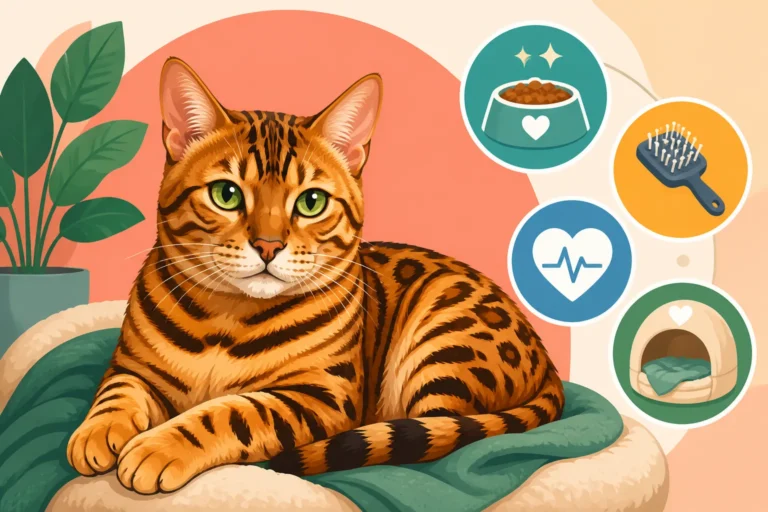
At-Home Dental Care Strategies
Let’s be realistic: convincing a Bengal cat to let you brush their teeth daily can feel like an Olympic sport. Their intelligence and agility mean they often outmaneuver even the most determined owner. However, starting early and making it a positive experience can significantly increase your chances of success.
- Tooth Brushing: This is the gold standard for at-home dental care. Start when your Bengal is a kitten, if possible. Use a cat-specific toothbrush or a finger brush and enzymatic cat toothpaste (never human toothpaste). Begin by simply letting them lick the toothpaste off your finger, then gradually introduce the brush for short periods. Focus on the outside surfaces of the upper teeth, as these are most prone to plaque buildup. Even a few seconds a day can make a difference. Consistency is key, and patience is a virtue. Remember, Why a Bengal Cat Learns From Watching You – they're smart, so make it a positive ritual.
- Dental Chews and Treats: While not a substitute for brushing, certain dental chews and treats can help scrape away some plaque. Look for products that are approved by the Veterinary Oral Health Council (VOHC), as these have been scientifically proven to be effective. Be mindful of your Bengal's diet and caloric intake when adding treats, as their high energy metabolism still requires careful monitoring of How Much a Bengal Cat Eats to Fuel That Activity.
- Dental Diets: Prescription dental diets are formulated with special kibble shapes and textures designed to clean teeth as the cat chews. Some also contain ingredients that prevent plaque from adhering to the tooth surface. These can be a fantastic option, particularly for Bengals who absolutely refuse to have their teeth brushed. Discuss with your vet if a dental diet, combined with other strategies, could be beneficial. If your Bengal has a sensitive stomach, you might also be looking into Which Food Firms Up a Bengal Cat's Stool and some dental diets can actually help with overall gut health too.
- Water Additives: These products contain ingredients that help reduce bacteria in the mouth. Simply add them to your Bengal’s drinking water. While convenient, they are generally considered the least effective standalone method and are best used in conjunction with other preventative measures.
The Importance of Professional Dental Cleanings
Even with the best at-home care, professional dental cleanings are almost always necessary at some point in a Bengal cat’s life. These procedures are performed under general anesthesia, which allows your veterinarian to conduct a thorough examination, including:
- Comprehensive Oral Exam: Every tooth is inspected, probed for pockets, and checked for mobility.
- Dental X-rays: This is perhaps the most critical part, as it reveals issues hidden beneath the gumline, such as tooth resorption, abscesses, or bone loss. Without X-rays, up to 60% of dental disease can be missed.
- Scaling and Polishing: Specialized ultrasonic scalers remove plaque and tartar from above and below the gumline. The teeth are then polished to create a smooth surface, making it harder for plaque to adhere.
- Extractions: If severely diseased, fractured, or resorbed teeth are found, they will be extracted to eliminate sources of pain and infection.
Many owners worry about anesthesia, especially for an active and seemingly healthy cat. However, modern veterinary anesthesia protocols are very safe, especially with a thorough pre-anesthetic blood panel and careful monitoring during the procedure. Your vet will discuss these risks and What a Bengal Cat's Yearly Bloodwork Should Cover to ensure your cat is a good candidate. For senior Bengals, these considerations become even more important when Caring for a Bengal Cat Past Ten. The benefits of eliminating chronic pain and infection far outweigh the minimal risks for most cats.
| Dental Care Aspect | Description | Benefits | Considerations |
|---|---|---|---|
| Daily Tooth Brushing | Using a cat-specific brush and enzymatic toothpaste to mechanically remove plaque. | Most effective at-home method, prevents plaque hardening. | Requires patience, consistency, and early training; not all Bengals tolerate it. |
| Dental Chews/Treats | Specially formulated chews or treats designed to scrape teeth or contain plaque-inhibiting ingredients. Look for VOHC seal. | Easy to administer, provides mental stimulation, some plaque reduction. | Not a substitute for brushing; must be VOHC approved to be effective; monitor caloric intake. |
| Dental Diets | Prescription kibble with unique texture or additives to clean teeth during chewing. | Effective for cats who resist brushing; can provide continuous benefits. | Requires commitment to specific food; may not be suitable for all dietary needs. |
| Water Additives | Solutions added to drinking water to reduce oral bacteria. | Convenient, passive approach. | Least effective standalone; does not remove existing plaque/tartar. |
| Professional Cleanings | Veterinary procedure under anesthesia involving full oral exam, X-rays, scaling, polishing, and potential extractions. | Essential for removing hardened tartar, addressing subgingival issues, and diagnosing hidden problems. | Requires anesthesia (which carries minimal risks); cost involved. |
Managing Costs and Long-Term Care
Professional dental care, especially when extractions are necessary, can be a significant expense. This is where pet insurance can be a real lifesaver. Companies like Healthy Paws often cover a portion of unexpected dental procedures caused by illness or injury, helping to ease the financial burden and ensure your Bengal receives the best possible care without delay. It's an investment in their health that pays off in peace of mind.
Ultimately, maintaining your Bengal cat’s dental health is an ongoing commitment. Regular at-home care, combined with routine veterinary dental examinations and cleanings, forms the backbone of a healthy mouth. By taking these steps, you’re not just preventing bad breath; you’re preventing pain, discomfort, and potentially serious systemic health issues, ensuring your vibrant Bengal can live their fullest, happiest, and healthiest life.
Disclaimer
This article is for general informational purposes only and does not constitute professional advice. Laws, prices and regulations vary by location and change over time. Consult a qualified professional for guidance on your specific situation.