Why a Bengal Cat Hides Your Keys
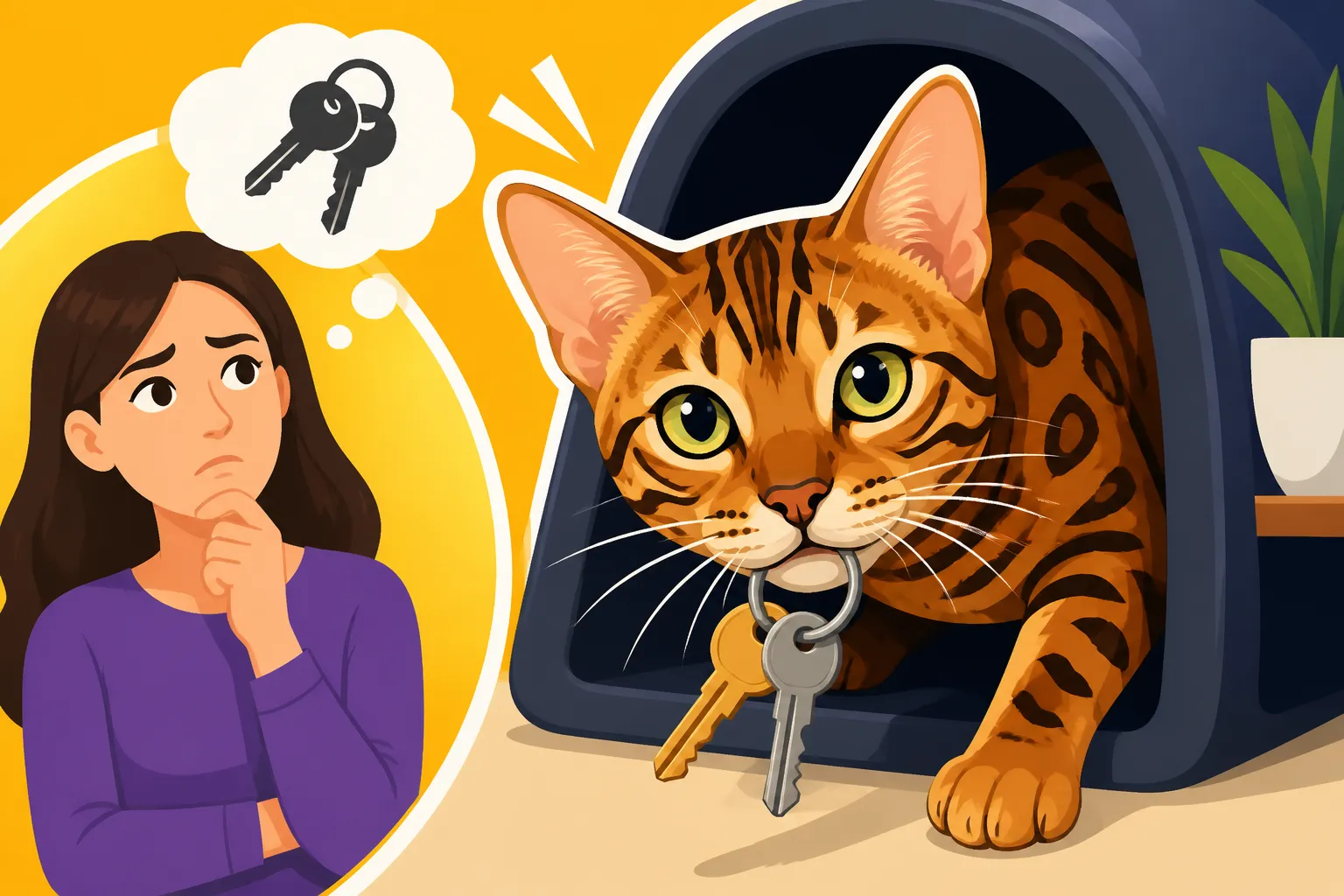
If you've ever frantically searched for your car keys, only to find them tucked neatly under a rug, inside a shoe, or even in the empty food bowl, you're likely the proud, if sometimes bewildered, owner of a Bengal cat. It's a common, infuriating, and often hilarious frustration among us Bengal parents: these clever, mischievous felines seem to take a special delight in making our most essential small items vanish. This guide will delve into the fascinating reasons behind your Bengal's peculiar penchant for pilfering and offer realistic strategies to manage their thieving tendencies, ensuring your prized possessions (and your sanity) remain intact.
Why Bengal Cats Are Master Thieves
Bengals aren't just playing a game of "hide and seek" with your belongings; their propensity for pilfering is deeply rooted in their genetics, high intelligence, and innate behaviors. Understanding this "why" is the first step toward managing the chaotic joy they bring into our lives.
The Hunter's Instinct: Prey Drive at Play
Let's not forget that a Bengal cat has a wild ancestor, the Asian Leopard Cat, flowing through its veins, even if it's many generations removed. This lineage gives them an incredibly strong prey drive, which manifests in various ways, including their fascination with small, movable objects. Your keys, your pen, that hair tie on the counter – to a Bengal, these aren't just everyday items; they're tantalizing "prey."
When they snatch your keys and bolt, they're not necessarily trying to be naughty. They're engaging in a natural hunting sequence: stalk, pounce, capture, and "kill" (which, in a domestic setting, translates to carrying it off to a secret lair). This instinct is incredibly powerful, and it’s why a Bengal will often prefer a tiny, seemingly insignificant item over an expensive toy. They're honing their skills, practicing for the wild hunt that their ancestors once performed. It's a deeply satisfying activity for them, tapping into primal urges that other domestic breeds might not feel as intensely. This is why you'll often see them carrying their "prey" around in their mouths, sometimes even vocalizing with a triumphant chirp or growl.
Attention Seekers and Play Partners
Bengals are incredibly social and intelligent creatures. They thrive on interaction and can get bored quickly if not adequately stimulated. Sometimes, the act of "stealing" an item is a direct bid for your attention. Think about it: when your Bengal snatches your phone charger and darts away, what's your immediate reaction? You chase them, you talk to them, you engage! From their perspective, they've successfully initiated a high-stakes game of chase, and they've got your undivided focus.
They learn very quickly what gets a rise out of you. If grabbing your car keys elicits a frantic search and a lot of interaction, they'll associate that action with positive reinforcement (your attention, even if it's exasperated!). They see you scrambling, hear your voice, and feel the thrill of the chase, cementing the behavior. This isn't malicious; it's simply a clever cat using its problem-solving skills to get what it wants most: engagement with its favorite human. They genuinely enjoy being your play partner, and sometimes, playing "keep-away" with your wallet is just another form of that bond.
Boredom: The Root of All Mischief
An under-stimulated Bengal cat is a destructive and mischievous one. If they're not getting enough mental and physical exercise, they'll invent their own entertainment, and often, that involves your belongings. A Bengal needs a lot of interaction and enrichment to stay happy and out of trouble. Without it, their boundless energy and sharp minds can quickly turn to activities like opening cabinets, raiding drawers, or, yes, stealing your stuff.
Imagine being stuck in a house all day with nothing to do. You'd probably find creative ways to keep yourself busy, too! For a Bengal, a lack of engaging toys, challenging puzzle feeders, or dedicated play sessions with you can directly lead to them seeking out "forbidden" objects. These items, precisely because they're not supposed to be played with, hold a certain novelty and challenge that a regular cat toy might lack. They offer different textures, smells, and the satisfying thrill of illicit discovery. The saying "a tired Bengal is a good Bengal" rings particularly true when it comes to keeping your small valuables where they belong. How Much Exercise a Bengal Cat Needs a Day and What a Bengal Cat Does All Day are crucial topics for any Bengal owner to understand to combat this boredom.
The Art of the Bengal Cat Heist: How They Do It
You might wonder how such a small creature manages to swipe your glasses off the nightstand or pull a whole sock out of a drawer. It's not magic; it's a combination of incredible agility, keen observation, and startling problem-solving abilities.
Surprising Dexterity and Problem-Solving Skills
Bengal cats are renowned for their intelligence and physical prowess. They aren't just jumpers; they're agile climbers, skilled manipulators, and persistent problem-solvers. They watch you. They learn how you open doors, pull out drawers, and even how you retrieve things from shelves. Their paws are incredibly dexterous, almost like tiny hands, capable of hooking, pulling, and batting objects. It's not uncommon to hear tales of Bengals figuring out how to open child-proof latches on cabinets, or even twisting a lever door handle to make a grand escape. How a Bengal Cat Learns to Open a Cabinet and How a Bengal Cat Opens a Door detail just how cunning these cats can be.
They're also incredibly persistent. If they see something they want, they'll keep trying different angles and methods until they succeed. This isn't just about bat-and-pounce; it's calculated mischief. They might nudge an object off a surface to see if it falls, or bat at it repeatedly until it's within reach. Once they have it, their powerful jaws and natural agility allow them to carry surprisingly large or awkward items, like a TV remote or a chunky set of keys, to their chosen stash spot.
The 'Collection' and the Hiding Spots
Every good thief has a hideout, and your Bengal is no exception. They don't just steal items; they collect them. These aren't random acts; they often involve a concerted effort to accumulate a "treasure trove" in a favorite, secret location. This could be under your bed, inside a laundry hamper, behind the sofa, or even within a specific drawer they've managed to pry open. The key is that these spots are usually secluded, offering a sense of security and control over their loot.
The items in their collection often reflect their 'prey' preferences: shiny things, crinkly things, things with dangly bits (like keychains or shoelaces), and anything small enough to be carried easily. One day you might find your missing pen, a bottle cap, a hair clip, and three of your socks all nestled together in their "nest." Discovering your Bengal's secret stash can be both infuriating and strangely endearing, a testament to their cleverness and unique personality. Knowing What a Bengal Cat Steals Most Often might help you identify potential targets.
The Joy of the Chase
For many Bengals, the thrill isn't just in the capture, but in the ensuing chase. They know that when they swipe something important, you're likely to pursue them. This transforms the theft into an interactive game, complete with sprinting, weaving, and perhaps a dramatic pounce on their part. The "game" often culminates with them dropping the item just out of reach, or presenting it to you with a proud chirp before darting away again, ready for the next round.
This isn't just about attention; it's about channeling their immense energy and physical capabilities. They are incredibly fast and agile, and a good chase session is a fantastic way for them to burn off steam. It provides both physical exercise and mental stimulation, challenging them to evade you and predict your movements. It's their version of a high-octane sport, and you, dear human, are their enthusiastic (if sometimes unwilling) teammate.
Dealing with Your Feline Kleptomaniac: Practical Solutions
So, your Bengal has a natural inclination to collect your belongings. What's a frustrated owner to do? The good news is that with a bit of understanding and a lot of patience, you can manage this behavior effectively.
Redirection: Providing Appropriate Outlets
The core principle here is to give your Bengal something better to steal and play with. Their prey drive and need for mental stimulation won't disappear, so you need to redirect it towards acceptable targets. This means investing in a variety of toys that mimic the thrill of catching small prey. Think crinkly balls, plush mice, wand toys with feathers, and anything that can be batted, carried, and "killed." The more enticing and available these acceptable toys are, the less appealing your keys become.
Rotate their toys frequently to keep things novel and exciting. A toy that's been out for a week might be ignored, but one that reappears after a few days in the "toy box" can feel brand new. Engage in active play sessions with wand toys that allow them to stalk, pounce, and "catch" the "prey." This fulfills their hunting instinct in a safe and appropriate way. You can find a huge variety of engaging cat toys on sites like Amazon that are specifically designed for active, intelligent breeds.
Enrichment: Satisfying Their Clever Minds
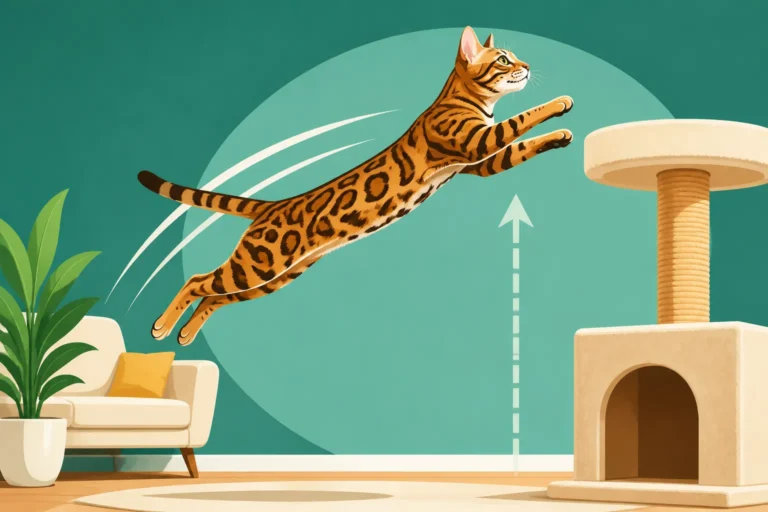
Boredom is a huge driver for kleptomania in Bengals. They need constant mental challenges to prevent them from creating their own, often destructive, fun. Environmental enrichment is key. This includes vertical space, like tall cat trees and shelves, where they can climb, observe, and feel safe. How Much Vertical Space a Bengal Cat Needs is often underestimated by new owners.
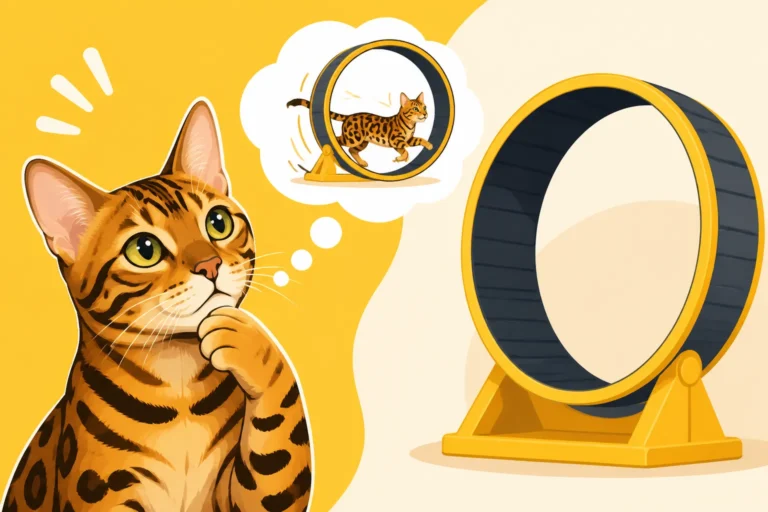
Puzzle feeders are another excellent tool. Instead of simply putting food in a bowl, make them work for it. These feeders challenge their problem-solving skills and provide a satisfying "hunt" for their meals. There are many different types available, from simple treat balls to more complex multi-stage puzzles that can keep them engrossed for a good while. You might need to experiment to find Which Puzzle Feeder Beats a Bengal Cat. For endless hours of fun, consider a cat wheel. Many Bengals adore running on a wheel, burning off excess energy and stimulating their minds. While it's an investment, a good quality cat wheel from a reputable vendor on Amazon can provide years of entertainment.
Training and Boundaries
Yes, you can train a Bengal! While you might not entirely stop their stealing habits, you can teach them boundaries and reinforce positive behavior. Clicker training can be incredibly effective. You can teach them "drop it" or "leave it" commands, rewarding them with a high-value treat when they comply. This transforms a potential confrontation into a training opportunity.
Another strategy is to make desirable items less appealing or harder to get. If your Bengal consistently goes for your phone charger, make it taste bad (pet-safe bitter spray can work) or simply put it away when not in use. Consistency is vital. Everyone in the household needs to be on the same page about what is acceptable for the cat to play with and what is strictly off-limits. If your Bengal brings you a "stolen" item and you immediately provide a fun, alternative toy, they begin to associate dropping the forbidden item with getting a better, sanctioned toy to play with.
Preventative Measures: Keeping Your Valuables Safe
Even with the best redirection and enrichment, a Bengal's opportunistic nature means you need to be proactive about securing your valuables. Prevention is often easier than constant retrieval.
Securing Small, Tempting Objects
The simplest solution is often the best: put tempting items away. This sounds obvious, but in the rush of daily life, it's easy to leave keys, wallets, phones, and jewelry sitting out. Get into the habit of immediately putting these items in drawers, on high shelves, or in closed containers where your Bengal cannot access them.
Consider a dedicated "landing strip" by your door for keys, phones, and mail—a small basket or box that closes. This not only keeps items safe from your clever cat but also helps you stay organized. Remember, if it's small, shiny, crinkly, or dangly, your Bengal will see it as a potential toy or trophy. This applies to everything from hair ties to bottle caps to small children's toys. The less access they have to these "illicit" items, the less opportunity they have to develop and practice their thieving skills.
Investing in Cat-Proof Storage
For items that can't simply be put in a drawer, consider more robust cat-proofing solutions.
How to Cat Proof Cabinets From a Bengal Cat often involves more than just a simple latch. Child locks, especially the magnetic or adhesive strap varieties, can be effective on cabinets and drawers that hold items you want to keep secure. Stronger locks might be needed for particularly persistent Bengals. Remember that Bengals are incredibly strong for their size, so flimsy plastic won't cut it.
For open shelves, consider decorative boxes or containers with lids to store smaller items. If you have open bookshelves, you might need to reconsider leaving precious trinkets on lower shelves. The goal is to make it as difficult as possible for your Bengal to access items without completely restricting their movement or exploring nature. Websites like Amazon offer a plethora of storage solutions, from stylish lidded baskets to secure drawer latches that can withstand even the most determined feline burglar.
Managing the Environment
Beyond specific items, consider the overall layout and safety of your home from a Bengal's perspective. Are there areas they shouldn't be in when unsupervised? Can you create "Bengal-free zones" with baby gates (though remember, many Bengals can jump impressive heights!) or secure doors? This might be especially important for an office or craft room where small, intricate items are often left out.
Ensure your Bengal has plenty of appropriate outlets for their energy, which will naturally reduce their inclination to go after your things. A rich environment means more than just toys; it includes vertical climbing structures, scratching posts (tall ones they can stretch on!), and perhaps even a catio for safe outdoor exploration. Why a Catio Is the Answer to a Bengal Cat isn't just about safety, it's about providing an expansive, stimulating world that reduces boredom indoors. The more engaged and fulfilled your Bengal is with their sanctioned environment, the less they'll feel the need to "borrow" your possessions for entertainment.
Enrichment vs. Storage Solutions
Here's a quick overview of approaches to manage a Bengal cat's thieving tendencies:
| Strategy Category | Description | Example Solutions | Benefits |
|---|---|---|---|
| Redirection | Guiding behavior towards acceptable alternatives. | Rotating selection of interactive toys (wand toys, crinkle balls, plush mice), catnip-filled toys, fishing pole toys. | Satisfies prey drive, reduces target on forbidden items, encourages active play. |
| Enrichment | Providing mental and physical stimulation to prevent boredom. | Puzzle feeders, cat wheels, tall cat trees, wall-mounted shelves, secure catios. | Burns energy, challenges intelligence, promotes overall well-being, reduces mischief. |
| Prevention | Physically restricting access to tempting items. | Secure drawers, lidded boxes, child locks on cabinets, high shelves, "Bengal-free" rooms. | Protects valuables, removes temptation, reduces frustration for owners. |
| Training | Teaching commands and reinforcing desired behaviors. | Clicker training for "drop it" or "leave it," rewarding with treats/play, consistent boundary setting. | Builds communication, strengthens bond, can modify specific behaviors over time. |
Remember, managing a Bengal's natural instincts is an ongoing process, but with a little creativity and a lot of love, you can coexist peacefully with your clever, thieving companion.
Disclaimer
This article is for general informational purposes only and does not constitute professional advice. Laws, prices and regulations vary by location and change over time. Consult a qualified professional for guidance on your specific situation.