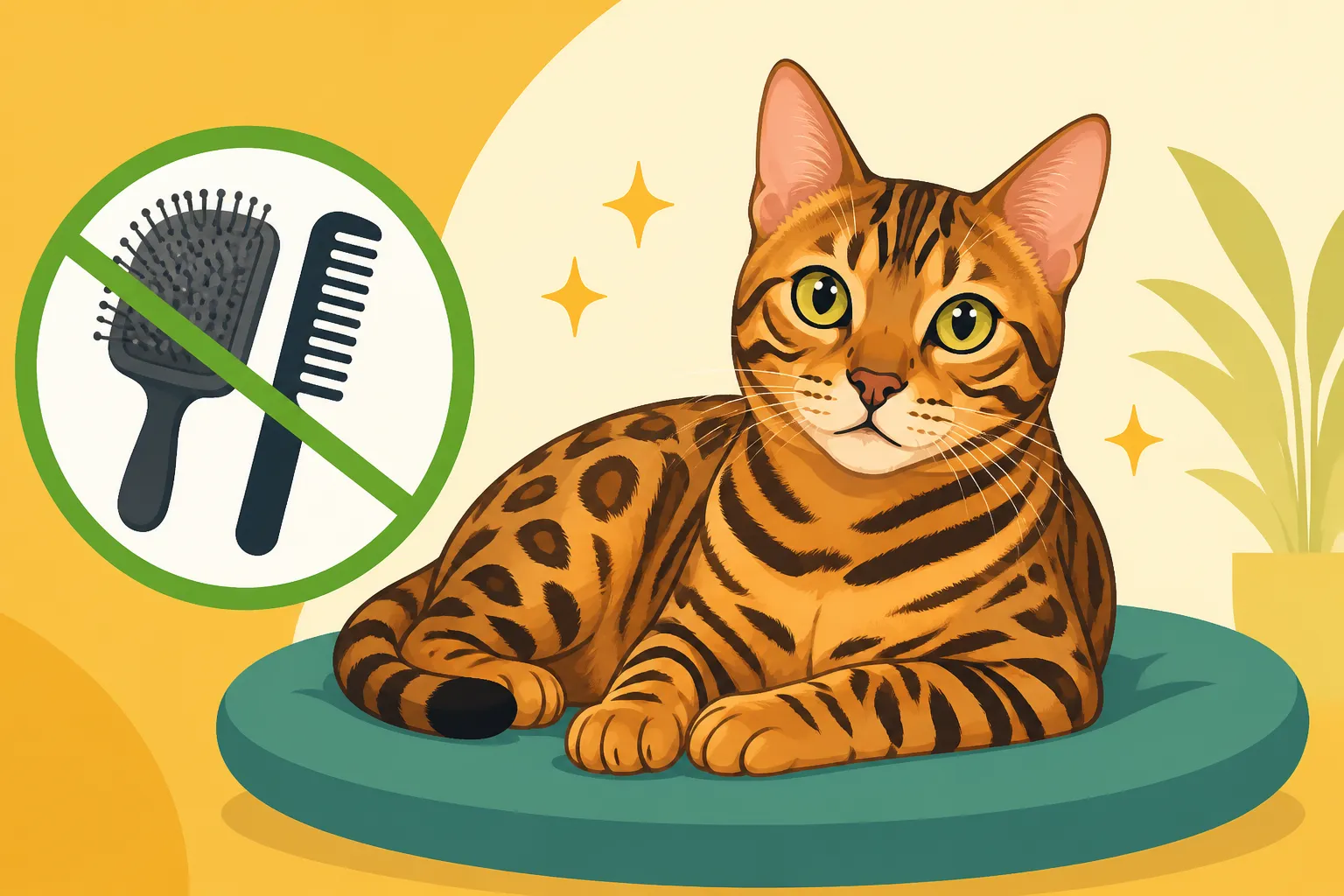
A Bengal Cat Needs Almost No Grooming
Let's talk about Bengal cat grooming. If you've ever imagined that owning a cat with such a wild, exotic appearance would mean endless hours of brushing and bathing, you're not alone. Many potential Bengal parents worry about maintaining that gorgeous coat, often struggling with ideas of complex grooming routines. But here's the surprising truth: Bengal cats are remarkably low-maintenance when it comes to grooming, often taking care of most of it themselves. This guide is here to walk you through exactly why that is, and how to approach the few areas where your stunning spotted companion might appreciate a little human assistance, making the process a joy rather than a chore.
The Marvel of the Bengal Coat: Why It's So Low-Maintenance
One of the most striking features of a Bengal cat is, without a doubt, their coat. It's truly unlike that of many other domestic cats, and understanding its unique properties is key to grasping why their grooming needs are so minimal. This isn't just about good looks; it's about a coat designed for efficiency.
Understanding the "Pelt" vs. Fur
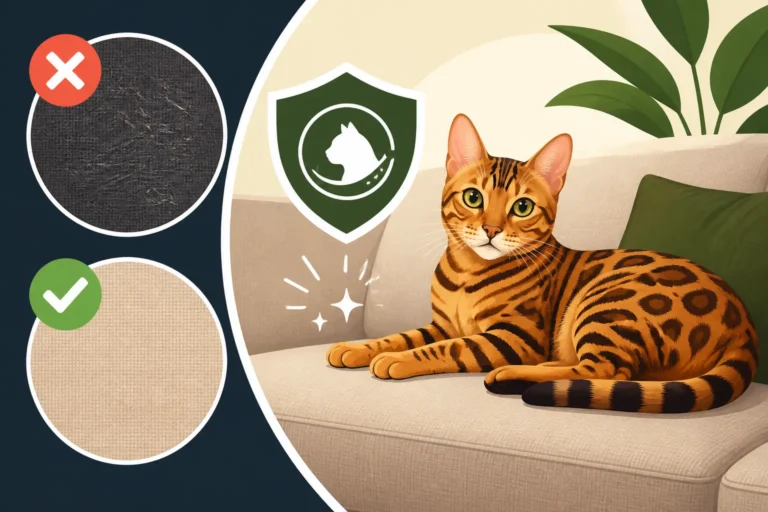
When we talk about a Bengal's coat, we often use the term "pelt" rather than "fur." This isn't just fancy terminology; it describes a fundamental difference in texture and structure. Most domestic cats have a multi-layered coat consisting of an outer guard coat, awn hairs, and a dense, fluffy undercoat. This undercoat is what often leads to significant shedding, matting, and requires regular brushing to keep tidy.
A Bengal cat, however, inherits its coat characteristics from its wild ancestor, the Asian Leopard Cat. This results in a coat that is incredibly soft, short, and lies close to the body, feeling almost like silk or velvet to the touch. It’s dense but lacks the thick, woolly undercoat that causes so many grooming headaches for owners of other breeds. Think of it like a fine, luxurious blanket rather than a shaggy rug. This distinctive texture is why their coat is often referred to as a "pelt," emphasizing its sleek, tight-lying quality. Because of this structure, their hair is less prone to tangling and matting, significantly reducing the need for daily brushing. You'll truly appreciate running your hand over it; it's quite an experience! A Bengal Cat's Coat Is a Pelt, Not Fur delves deeper into this unique characteristic.
The Magic of Glitter and Minimal Undercoat
Beyond the sleekness, many Bengal cats possess another incredible trait: "glitter." This isn't actual sparkle, but rather a unique translucent quality to the tips of their hair shafts that makes their coats shimmer under light, as if dusted with gold or silver. It's a gorgeous aesthetic feature, but it also ties into their low-maintenance nature. This glitter is a hallmark of the breed and adds to the illusion of a perpetually clean and vibrant coat, even when they've just had a nap in a dusty sunbeam.
The minimal undercoat is perhaps the most significant factor in their easy grooming. A thick undercoat is often responsible for trapping dirt, loose hairs, and dander, leading to mats and requiring diligent removal. Bengals simply don't have that problem to the same degree. Without a dense underlayer, their skin can breathe better, and dirt and debris are far less likely to become embedded. This means less work for you, and more time for play! Their natural self-grooming is highly effective on this type of coat, keeping it pristine with very little intervention. The Glitter Gene and What It Does to a Bengal Cat's Coat explains more about this captivating trait.
Debunking the Shedding Myth: What to Expect
When you hear "low-maintenance grooming," you might immediately think "no shedding." While it's true that Bengal cats are often lauded for their minimal shedding, it's important to approach this realistically. All cats shed to some degree; it's a natural process of hair renewal. However, Bengals genuinely shed far less than many other breeds, which is a huge relief for allergy sufferers and those who dread finding cat hair everywhere.
Seasonal Changes and "Fuzzies"
Even with their short, sleek coats, Bengal cats do experience some seasonal changes, though it's typically far less dramatic than in breeds with thick undercoats. You might notice a slight increase in shedding during spring and fall as they adjust their coat density for the upcoming temperatures. This shedding is usually light, consisting of fine hairs that are easily managed. It's not the tumbleweeds of fur you might be used to with a Maine Coon or a Persian.
Another unique aspect of Bengal coat development, especially for kittens, is what breeders lovingly call "fuzzies." This is a period during kittenhood, typically between 8 weeks and 6 months of age, where their pattern becomes temporarily obscured by a slightly longer, duller coat. This is a natural camouflage mechanism inherited from their wild ancestors, designed to help them blend into tall grasses. During this fuzzy stage, you might notice a little more shedding than usual as the kitten sheds this camouflage to reveal their vibrant adult pattern underneath. It's a temporary phase, and once it passes, their true low-shedding nature becomes fully apparent.
Managing Loose Hair (Even If There Isn't Much)
Even though Bengals shed minimally, there will still be some loose hairs around your home. The good news is that these short, fine hairs are often less noticeable and easier to clean up than the long, wispy strands from other cats. Regular vacuuming and dusting will go a long way in keeping your home tidy.
For the cat itself, a weekly, light brushing session is usually more than enough. This isn't about preventing mats; it's about gently removing any loose hairs before they have a chance to land on your furniture. It also offers a wonderful opportunity for bonding with your Bengal. You might find a rubber curry brush or a fine-toothed comb to be highly effective without causing any discomfort. Products like those found on Chewy or Amazon can provide excellent options for these gentle grooming tools. Even with their activity levels, these few minutes a week can make a difference. How Little a Bengal Cat Sheds for a Shorthair provides more insight into their shedding habits.
Brushing a Bengal: When and How to Bribe Them
Given their low-shedding, non-matting coats, you might think brushing is entirely optional for a Bengal. While they can certainly keep themselves quite tidy, a little regular brushing offers benefits beyond just hair removal, especially when done correctly. It's more about connection and comfort than necessity for preventing tangles.
Choosing the Right Tools for a Slick Coat
Forget the deshedding rakes and dematting combs you might use for other breeds; a Bengal's coat simply doesn't need them. What you're looking for are tools that can gently remove loose hairs and massage the skin, promoting healthy circulation and distributing natural oils. A soft rubber curry brush or a grooming mitt is often the best choice. These tools are gentle, many cats enjoy the massaging sensation, and they effectively pick up those short, fine hairs. A fine-toothed comb or a slicker brush with very soft bristles can also work, but always err on the side of gentleness.
When you're shopping, look for products specifically designed for short-haired cats. You can find a wide variety of these brushes on sites like Chewy or Amazon. Experiment to see what your individual Bengal prefers. Some might tolerate a slicker brush for a quick pass, while others will purr enthusiastically for a rubber mitt session. The key is comfort for your cat. Why a Bengal Cat Barely Needs Brushing at All elaborates on the minimal brushing requirements.
Making Brushing a Positive Experience
Since brushing isn't a critical necessity for preventing mats, you have the luxury of making it a completely positive, bonding experience. Start when your Bengal is a kitten, if possible, introducing the brush gently and for very short periods. Always associate it with treats, praise, and gentle petting. Make it part of your cuddle time, not a chore.
Choose a quiet moment when your cat is relaxed, perhaps after a play session or when they're dozing on your lap. Keep sessions brief—just a few minutes—and stop before your cat gets antsy. If they resist, don't force it. Try again later or the next day. The goal is for them to see the brush as a tool for massage and affection, not something to be endured. Some Bengals might even learn to enjoy it so much they'll bring you the brush! Remember, a positive association is worth far more than getting every single loose hair off in one go. Which Brush a Bengal Cat Will Tolerate offers specific recommendations.
Bathing Your Water-Loving Wildcat
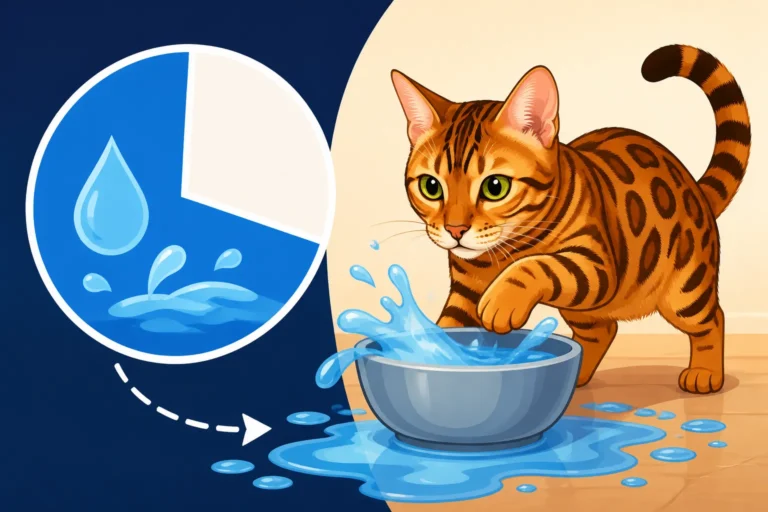
Unlike many domestic cats who view bath time as a cruel and unusual punishment, Bengal cats often have a fascination, and sometimes even a genuine love, for water. This trait, again, harks back to their Asian Leopard Cat ancestry, which are known to be comfortable around water in the wild. This unique predisposition can make bathing a Bengal a far less traumatic experience than you might imagine.
When a Bath Is Truly Necessary
Despite their love for water, your Bengal rarely needs a full bath. Their short, dense coats are excellent at repelling dirt and their self-grooming is incredibly effective. Most of the time, they'll keep themselves immaculately clean. However, there are a few scenarios where a bath becomes necessary:
- They've gotten into something truly messy: Think mud, grease, something sticky, or anything toxic that they shouldn't ingest while self-grooming.
- Allergies or Skin Conditions: Your vet might recommend therapeutic baths for certain skin issues.
- Show Preparation: If you're showing your Bengal, a bath is part of the grooming routine to ensure their coat is sparkling clean and vibrant.
- Odor: While rare for Bengals, if they develop a persistent odor that can't be explained by a medical issue, a bath might be in order.
Don't feel pressured to bathe your Bengal regularly just because they like water. Over-bathing can strip their skin of natural oils, leading to dryness and irritation. Why a Bengal Cat Loves Water explores this fascinating aspect of their personality.
Techniques for a Stress-Free (or Less Stressful) Wash
If a bath is indeed needed, leverage their natural curiosity and comfort with water.
Preparation is Key:
- Gather everything first: Cat-specific shampoo (never human shampoo!), towels, a small jug or cup for rinsing, and a non-slip mat for the tub or sink.
- Trim nails: Do this beforehand to minimize scratches if they do get a bit frisky. Why a Bengal Cat's Claws Outrun the Clippers is a must-read for this.
- Warm water: Ensure the water is comfortably warm, not hot or cold.
- A calm environment: Close the bathroom door, speak in a soothing voice.
The Bathing Process:
- Introduce water slowly: Start with shallow water in the sink or tub. Let them investigate. Many Bengals will even jump in on their own if you have a running faucet.
- Gentle wetting: Use a cup or your hand to slowly wet their coat, avoiding their face initially. Some Bengals might even tolerate a low-pressure showerhead.
- Shampoo sparingly: Apply a small amount of cat-specific shampoo and gently massage it into their coat. Focus on dirty areas.
- Thorough rinsing: This is crucial. Residue can irritate the skin. Rinse until the water runs clear and their coat feels squeaky clean.
- Towel dry: Wrap them in a towel and rub gently. Most Bengals will then take over with vigorous self-grooming. Avoid blow dryers unless your cat is completely accustomed to them, as the noise can be frightening.
Always have a treat ready for after the bath! The goal is to make it as positive an experience as possible, so your Bengal doesn't dread the occasional necessary wash.
Keeping Claws in Check: Nail Trimming for the Agile Bengal
While your Bengal might be a grooming minimalist in other areas, regular nail trims are non-negotiable. Bengal cats are incredibly active, agile, and love to climb. Their claws are essential tools for scaling cat trees, furniture, and even your leg if you're not careful! Keeping them trimmed not only protects your belongings but, more importantly, keeps your Bengal comfortable and prevents painful snags and ingrown nails.
Why Regular Trims Are Essential
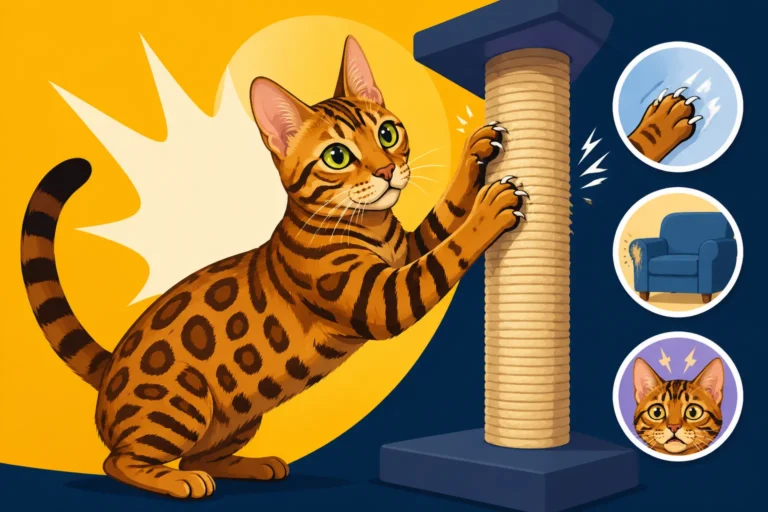
Bengal cats use their claws constantly for climbing, playing, and marking territory through scratching. While providing ample Which Scratching Post a Bengal Cat Needs will help, it won't prevent their claws from growing. Overgrown claws can curl and grow into their paw pads, causing severe pain, infection, and making it difficult for them to walk or jump. They can also get snagged on carpets, blankets, or furniture, leading to painful tears or even broken toes.
Think of it as preventive maintenance for your feline athlete. Regular trimming keeps their claws at a healthy length, ensuring they can grip surfaces without getting stuck and that their paws remain comfortable. It also significantly reduces the damage to your home and, let's be honest, to your skin during enthusiastic play sessions. Why a Bengal Cat's Claws Outrun the Clippers truly highlights how fast these claws can grow.
Best Practices for Clipping Energetic Paws
Trimming a Bengal's nails requires patience, a gentle touch, and often, a strategy. They are intelligent and often resist restraint, so making this a calm routine from kittenhood is ideal.
The Right Tools:
- Sharp, sturdy clippers: Spring-loaded scissor-style clippers or guillotine clippers work well. Dull clippers can crush the nail, causing pain. You can find excellent options on Amazon or Chewy.
- Styptic powder: Always have this on hand in case you accidentally cut into the quick (the pink part of the nail that contains blood vessels and nerves).
The Trimming Process:
- Choose a calm moment: Again, after a play session or when they're sleepy is best.
- Positioning: Sit your Bengal on your lap, facing away from you, or cradle them gently. Some cats prefer to be standing on a surface like a table with you behind them.
- Gentle paw handling: Gently hold a paw and press lightly on the top and bottom of a toe to extend the claw.
- Identify the quick: Look for the pink quick in the nail. On clear nails, it's easy to see. On darker nails, only snip the very tip, where the nail starts to curve. If in doubt, just take off a tiny bit at a time.
- Snip quickly and confidently: Cut just the sharp, clear tip, avoiding the quick.
- Reward: Immediately give praise and a high-value treat after each paw, or even each nail if your cat is particularly resistant.
If your Bengal is highly agitated, don't try to do all nails at once. Do one paw, or even just one nail, and try again later. Consistency is more important than speed. Over time, they'll learn to tolerate it, especially if it's always followed by a reward. If you're unsure or nervous, ask your vet or a professional groomer to demonstrate the technique. Which Clippers Suit a Bengal Cat can help you select the best clippers.
Oral Health for a Long, Happy Bengal Life
This might be the least "glamorous" part of grooming, but it's arguably one of the most critical for your Bengal's long-term health. Dental disease is rampant in domestic cats, and Bengals are no exception. Ignoring oral hygiene can lead to painful infections, tooth loss, and even systemic health issues affecting organs like the heart and kidneys. Don't let their wild looks fool you; they need just as much dental care as any housecat.
The Importance of Dental Care Beyond Bad Breath
Bad breath is often the first, most obvious sign of dental disease, but it's just the tip of the iceberg. Beneath that foul odor can lurk gingivitis (inflammation of the gums), periodontitis (infection of the tissues supporting the teeth), and painful tooth resorption. Bacteria from dental disease can enter the bloodstream and travel to major organs, causing serious health complications. Many cats suffer silently because they are masters at hiding pain, especially mouth pain.
Regular dental care, whether at home or through professional cleanings, prevents the buildup of plaque and tartar, which are the main culprits behind these issues. Investing time in your Bengal's oral health now can save you significant veterinary bills and, more importantly, prevent a lot of discomfort for your beloved companion down the line. How Often a Bengal Cat Needs a Dental provides a timeline for professional cleanings.
Practical Ways to Incorporate Tooth Brushing
Okay, brushing a cat's teeth sounds like a nightmare, right? Especially an active Bengal! But it's far more achievable than you might think, and even a little effort goes a long way.
Start Small and Slowly:
- Introduce gradually: Begin by simply touching your Bengal's mouth and gums, rewarding with treats.
- Finger brush: Once they tolerate touch, try putting a tiny bit of pet-specific toothpaste (never human toothpaste, as it contains xylitol which is toxic to cats) on your finger and letting them lick it. The taste is often a good motivator.
- Gauze or finger brush: Wrap a piece of gauze around your finger or use a finger brush (available at pet stores or online at Chewy/Amazon) with toothpaste. Gently rub it along their gum line and teeth for a few seconds.
- Cat toothbrush: Once comfortable, transition to a small, soft-bristled cat toothbrush. Focus on the outside surfaces of the teeth, as this is where plaque tends to accumulate most.
Consistency is Key: Aim for a few times a week, if not daily. Even brushing for 30 seconds a few times a week is better than nothing.
Alternatives:
- Dental diets: Some prescription diets are specially formulated to help scrape plaque off teeth as your cat chews. Discuss this with your vet.
- Dental treats/water additives: While not as effective as brushing, some treats and water additives can help reduce plaque buildup. Look for products with the Veterinary Oral Health Council (VOHC) seal of acceptance, ensuring they've met certain efficacy standards.
Remember, patience and positive reinforcement are your best friends here. Many Bengals, especially if started young, can learn to tolerate or even enjoy their dental routine.
Essential Health Checks: Ears and Eyes
Compared to their claws and teeth, a Bengal cat's ears and eyes usually require very little hands-on grooming. Their natural cleanliness and short hair mean these areas typically stay clear on their own. However, regular quick visual checks are an important part of their overall health routine, helping you catch potential issues before they become serious.
Quick Checks for Healthy Ears
Bengal cats tend to have relatively large, upright ears, which can sometimes make them prone to collecting a bit of dust or debris. However, they are also very good at cleaning themselves. Your role is primarily observational.
What to Look For (and When to Act):
- Cleanliness: A healthy Bengal ear canal should look clean, free of excessive wax, dirt, or debris. A small amount of light brown waxy buildup is normal.
- Odor: There should be no strong or foul odor coming from their ears.
- Appearance: The skin inside the ear flap should be pink and healthy, not red, swollen, or crusty.
- Behavior: Watch for excessive head shaking, scratching at the ears, or holding one ear down. These are definite red flags.
If you do notice a small amount of dark, crumbly debris, it could indicate ear mites. A foul smell, redness, or swelling usually points to a bacterial or yeast infection. In these cases, it's crucial to consult your veterinarian. They can properly diagnose the issue and prescribe appropriate treatment. Never attempt to put anything deep into your cat's ear canal without veterinary guidance, as you could cause damage. For very mild, occasional cleaning of the outer ear flap, a soft damp cloth can be used.
Keeping Those Striking Eyes Clear
A Bengal's bright, intelligent eyes are one of their most captivating features. Thankfully, they generally require very little attention. Their short facial fur means there's rarely hair to irritate their eyes or collect discharge.
What to Look For:
- Clarity: Their eyes should be clear and bright, free of redness or cloudiness.
- Discharge: A healthy Bengal's eyes should have minimal to no discharge. A tiny bit of clear or slightly brownish "sleep" in the corner of the eye, easily wiped away with a damp tissue, is usually normal.
- Behavior: Watch for squinting, pawing at the eyes, excessive tearing, or sensitivity to light.
If you notice persistent watery eyes, thick yellow or green discharge, redness, swelling, or if your Bengal seems to be in discomfort, it's time for a vet visit. These can be signs of allergies, conjunctivitis, an injury, or a more serious eye condition. For routine cleaning of minor, normal eye gunk, gently wipe with a soft, clean cloth dampened with warm water, wiping away from the eye. Always use a fresh part of the cloth for each eye to prevent cross-contamination if there's an infection.
Adjusting Grooming for the Senior Bengal Cat
Just like us, our feline friends experience changes as they age, and your once-spry, self-sufficient Bengal might need a little more help with their grooming routine as they enter their golden years. Caring for a Bengal Cat Past Ten is a valuable resource as your cat gets older. Recognizing these changes and adjusting your care can significantly improve their comfort and quality of life.
Recognizing Changes in Coat and Mobility
As Bengal cats age, you might notice subtle shifts in their physical capabilities and even their stunning coat.
- Stiffness and Arthritis: Older Bengals can develop arthritis or general joint stiffness, making it harder for them to contort into positions needed for thorough self-grooming. Reaching their backs, hips, or tails might become challenging.
- Decreased Flexibility: This reduced flexibility means they might miss spots, leading to matted or greasy patches, particularly around the hindquarters or tail base.
- Changes in Coat Quality: While a Bengal's coat is typically very low-maintenance, in old age, it might become a bit duller, drier, or even slightly greasier if they're not able to groom themselves effectively. You might also notice their once vibrant rosettes softening or blurring slightly. What Changes in a Bengal Cat After Ten further explains these transformations.
- Weight Fluctuations: Older cats can sometimes gain or lose weight, which can also affect their ability to groom certain areas. Overweight cats often struggle to reach their lower back or hindquarters.
Paying close attention to these subtle cues will help you anticipate their needs and step in with assistance before problems arise.
Gentle Care for Older Bengals
Your senior Bengal will appreciate your gentle grooming assistance more than ever. This isn't just about cleanliness; it's about comfort and showing them love.
- More Frequent Gentle Brushing: Even though they have minimal shedding, those soft rubber brushes or grooming mitts become crucial for removing loose hairs and stimulating circulation, which can feel lovely on stiff joints. Daily, short sessions are ideal, using light strokes.
- Spot Cleaning: If you notice greasy patches or dirt that they can't reach, a warm, damp cloth or a pet-specific grooming wipe can be used for spot cleaning. Pay extra attention to the areas around their hindquarters, under their chin, and along their spine.
- Nail Checks and Trims: Older cats often have thicker, more brittle nails that can become sharper and more prone to snagging. They also might not scratch as much. Regular, gentle nail trims are paramount. Be extra careful as older cats' quicks can sometimes extend further.
- Dental Care: Dental disease often worsens with age. Continue with gentle tooth brushing if tolerated, and be vigilant about professional dental check-ups as recommended by your vet.
- Warmth and Comfort: After any grooming, ensure your senior Bengal is warm and comfortable. A soft blanket or a heated cat bed can be a wonderful comfort for aging joints.
Grooming your senior Bengal is an act of love and care. It keeps them clean, comfortable, and provides an excellent opportunity to regularly check them over for any lumps, bumps, or areas of tenderness that might indicate a health issue. Your gentle touch will be a huge comfort to them in their twilight years.
| Grooming Task | Frequency | Tools Needed | Benefits for Bengal Cat |
|---|---|---|---|
| Brushing | Weekly | Soft rubber brush, grooming mitt | Removes loose hair, stimulates skin, bonding |
| Bathing | As needed (rarely) | Cat-specific shampoo, towels | Cleans excessive mess, therapeutic for skin issues |
| Nail Trimming | Every 2-4 weeks | Sharp cat clippers, styptic powder | Prevents overgrowth, snags, pain, protects furniture |
| Dental Care | Daily/Few times a week | Cat toothbrush, pet toothpaste, dental treats | Prevents plaque, tartar, gum disease, bad breath |
| Ear Checks | Weekly/Bi-weekly | (Visual inspection primarily) | Early detection of mites, infections, debris |
| Eye Checks | Daily | (Visual inspection primarily) | Early detection of irritation, discharge, infection |
Disclaimer
This article is for general informational purposes only and does not constitute professional advice. Laws, prices and regulations vary by location and change over time. Consult a qualified professional for guidance on your specific situation.