How Many Calories a Cat as Active as a Bengal Burns
It's a common dilemma when you bring a Bengal cat into your home: they're not just a pet; they're a tiny, furry bundle of perpetual motion. You feed them what seems like a normal amount for a cat, but they're still acting like they're starving or seem to be losing weight. The truth is, a Bengal cat's energy expenditure is on an entirely different level than your average domestic feline, and understanding how many calories they truly burn is key to keeping them healthy, happy, and well-fed without constantly worrying if you're doing it right. This guide will dive deep into the unique metabolic demands of these incredible felines, helping you decipher their caloric needs and ensure they're getting the right fuel for their boundless adventures.
The Bengal Cat's Metabolism: A High-Octane Engine
When you talk about a Bengal cat, you're not just talking about a pretty pattern; you're talking about a cat with an internal motor that just doesn't quit. Their ancestry plays a significant role in their physiology, giving them a metabolism that is finely tuned for intense activity and efficient energy use. It's a stark contrast to the couch-potato stereotype many people associate with domestic cats, and it directly impacts their caloric requirements.
Why Bengal Cats Are So Active
The foundation of the Bengal cat breed is the Asian Leopard Cat (ALC), a small, wild feline known for its agility, hunting prowess, and incredibly active nature in its native habitats. While generations of breeding have softened some of the wilder edges, that inherent drive for activity is still deeply ingrained in our domestic Bengals. They retain a keen predatory instinct, a love for climbing, exploring, and playing that demands a significant amount of energy.
This isn't just a quirky personality trait; it's a physiological characteristic. A Bengal cat's muscles are often lean and well-defined, built for bursts of speed and sustained play. They are constantly on the go, whether it's scaling your tallest cat tree, chasing a wand toy with unparalleled ferocity, or simply patrolling their territory with a watchful intensity. This constant motion, this inherent need to interact with their environment at full throttle, means their bodies are constantly burning through calories at an accelerated rate. They're not just moving; they're expending. The Bengal Cat Is the Most Active Cat You Can Own truly encapsulates this reality for owners.
Beyond "Normal" Cat Activity Levels
Let's be honest: most domestic shorthairs are content with a few good play sessions a day, interspersed with long naps in sunbeams. And that's perfectly fine! But a Bengal cat often operates on a different schedule. They might require multiple intensive play sessions throughout the day, often for extended periods. We're talking about an hour or more of solid, heart-pounding activity, not just a casual batting at a toy.
Think about the difference in caloric output between a leisurely stroll and a marathon. Your average housecat might be on the stroll, while your Bengal is training for the next feline Olympics. This sustained high-energy output means their bodies need a constant, reliable source of fuel. They're not just burning calories for basic bodily functions; they're burning them to maintain their lean muscle mass, power their acrobatics, and sustain their incredible mental engagement. Many owners are genuinely surprised by How Many Hours a Day a Bengal Cat Plays, realizing it's far more than they ever expected.
Understanding the Basal Metabolic Rate (BMR) for an Active Cat
The Basal Metabolic Rate (BMR) is the number of calories your cat's body needs to perform basic, life-sustaining functions while at rest. This includes breathing, circulation, maintaining body temperature, and cell production. Even when your Bengal is asleep, their body is working, and given their generally more muscular build and higher baseline energy needs, their BMR might already be slightly higher than a more sedentary cat of the same weight.
However, the BMR is just the starting point. For a Bengal, the real caloric expenditure comes from their activity level. They have a higher resting metabolism simply because their bodies are designed for power and agility. When you then add in their relentless play, climbing, and exploring, you realize why they seem to be constantly hungry. Their bodies are incredibly efficient at turning food into kinetic energy, and if that energy isn't supplied adequately, they'll tap into their own reserves, leading to weight loss and muscle degradation, which is something we absolutely want to avoid in these vibrant animals.
Factors Influencing Calorie Burn in a Bengal Cat
While Bengals as a breed tend to be high-energy, their individual caloric needs aren't a one-size-fits-all equation. Several key factors can significantly influence just how many calories your specific Bengal cat burns in a day. Understanding these nuances helps you tailor their diet more effectively and ensure they're always getting the right amount of fuel.
Age and Life Stage
A Bengal cat's caloric needs fluctuate dramatically throughout their life.
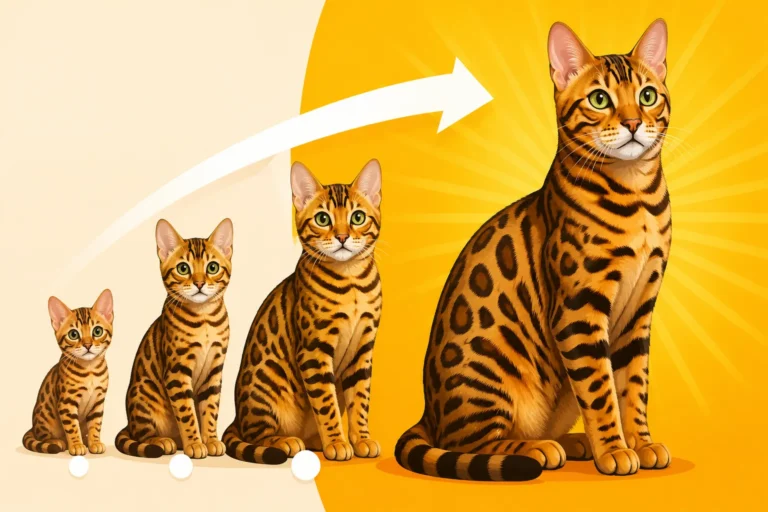
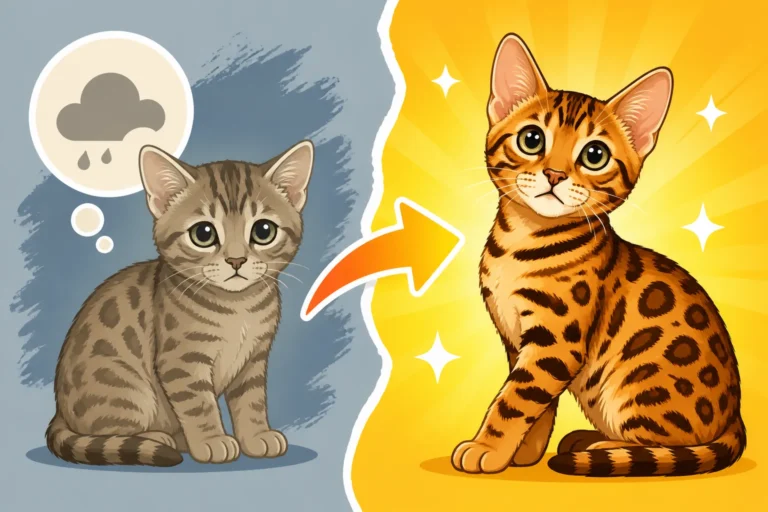
- Kittens: Bengal kittens are veritable whirlwinds of energy, growing at an astonishing rate while simultaneously being incredibly playful. Their bodies are building muscle, bone, and developing rapidly. This intense growth and activity demand a huge caloric intake per pound of body weight. You'll often find yourself feeding a Bengal kitten seemingly massive amounts of food, only for them to burn it off instantly. It's not uncommon for them to still have "fuzzies" – that dull, fuzzy coat kittens often have – while being insatiably hungry as their bodies develop their incredible adult patterns and lean physiques.
- Adults: Once they reach maturity, usually around 12-18 months, their growth slows, but their activity levels often remain high for many years. An adult Bengal will still need a substantial amount of calories to maintain their athletic build and adventurous spirit. This is the stage where maintaining an ideal body condition is crucial, balancing their high activity with appropriate food intake.
- Seniors: As a Bengal cat enters their senior years, typically around The Age a Bengal Cat Is Considered Senior, their metabolism may begin to slow down, and their activity levels might decrease. They might not jump quite as high or play for as long. At this point, their caloric needs will likely reduce, and it becomes important to monitor their weight closely to prevent unwanted gain. However, some Bengals retain their youthful exuberance well into old age, so a careful, individualized approach is always best. Caring for a Bengal Cat Past Ten often involves careful dietary adjustments.
Activity Level and Lifestyle
This is perhaps the most significant differentiator for a Bengal cat's calorie burn.
- Indoor vs. Outdoor Access: An indoor-only Bengal, while still active, may burn slightly fewer calories than one with supervised outdoor access or a secure catio. Outdoor exploration, hunting (even if just bugs), and navigating varied terrain demand more energy.
- Enrichment and Play Duration: How much dedicated play time does your Bengal get? Do you use interactive toys, laser pointers (responsibly, of course), or puzzle feeders? A cat that receives consistent, high-quality enrichment and play will burn more calories than one left to entertain themselves with less stimulating options. If you're consistently playing for 30-60 minutes multiple times a day, their caloric expenditure will be significantly higher.
- Environmental Complexity: Does your home offer ample vertical space, cat trees, and shelves for climbing and exploring? A more stimulating environment encourages more movement and, consequently, more calorie burning. Cats in less enriched environments might become bored and less active, burning fewer calories.
Genetics and Individual Variation
Just like people, not every Bengal cat is exactly the same. While the breed tends towards high activity, there can be individual differences. Some Bengals are simply more intense, more vocal, and more demanding of play than others. These individuals will naturally burn more calories.
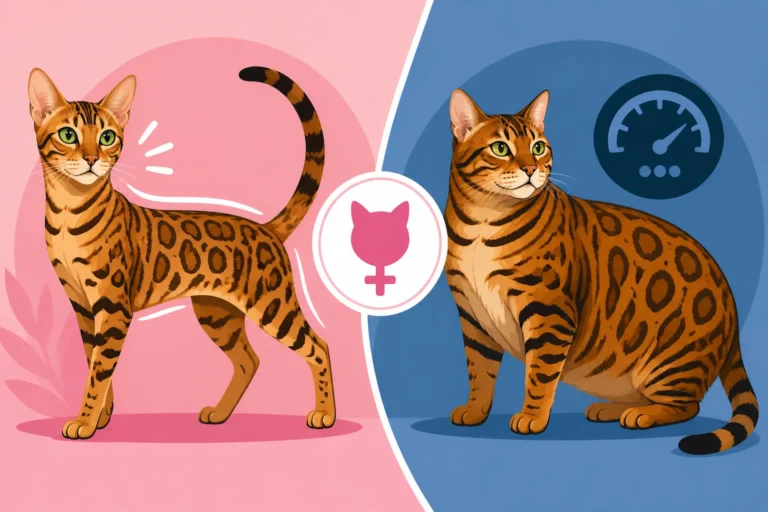
Factors like sex also play a role. Male Bengals tend to be larger and often more muscular than females, which can mean a higher overall metabolic rate and greater caloric needs to maintain their larger frame. Similarly, the specific lineage within the Bengal breed can influence temperament and activity level, with some lines being known for producing particularly energetic cats. These genetic predispositions mean that even two Bengals of the same age and weight might have slightly different caloric requirements.
Environmental Factors
Even subtle environmental factors can play a role in calorie expenditure.
- Temperature: Cats burn more calories to regulate their body temperature in colder environments. While most indoor Bengals live in climate-controlled homes, a slightly cooler house might necessitate a minor increase in caloric intake, especially if they are already lean. Conversely, in very warm climates, a cat might be less active and potentially require slightly fewer calories.
- Stress: While stress isn't a healthy way to burn calories, a stressed or anxious cat might pace, hide, or exhibit other behaviors that can expend energy. However, this isn't a sustainable or desirable form of calorie burn and usually indicates an underlying welfare issue that needs to be addressed, not simply fed. A happy, content Bengal will engage in healthy, playful activity.
Calculating Caloric Needs: The Formulas and the Reality
Determining the exact number of calories your Bengal cat needs can feel like a complex math problem, but thankfully, there are established formulas that give us a solid starting point. However, it's crucial to remember that these are guidelines, and the reality of your individual cat's needs will always require observation and adjustment.
The Resting Energy Requirement (RER) and Daily Energy Requirement (DER)
Veterinarians and pet nutritionists often use two main calculations:
-
Resting Energy Requirement (RER): This is the baseline number of calories your cat needs to simply exist, to keep their heart beating, lungs breathing, and organs functioning when at rest. It's essentially their BMR. The most common formula for RER is:
RER (kcal/day) = 70 * (Body Weight in kg)^0.75- To use this, you'll need your cat's weight in kilograms. For example, a 5 kg (approx. 11 lb) cat would have an RER of roughly
70 * (5)^0.75which is about70 * 2.99 = 209 kcal/day.
- To use this, you'll need your cat's weight in kilograms. For example, a 5 kg (approx. 11 lb) cat would have an RER of roughly
-
Daily Energy Requirement (DER): This takes the RER and multiplies it by an "activity factor" or "life stage factor" to account for their actual daily activities, growth, reproduction, or other metabolic demands. This is where the Bengal's unique nature truly comes into play. The general formula is:
DER (kcal/day) = RER * Activity FactorThis DER is what we're really aiming for when feeding our cats.
Activity Multipliers for Hyperactive Breeds
Here's a simplified look at typical activity factors for cats, and where a Bengal usually lands:
| Cat's Status | Activity Factor | Example RER (209 kcal) -> DER |
|---|---|---|
| Neutered/Spayed Adult | 1.2 | 251 kcal |
| Intact Adult | 1.4 | 293 kcal |
| Weight Loss (Obese) | 0.8 – 1.0 | 167 – 209 kcal |
| Weight Gain (Underweight) | 1.4 | 293 kcal |
| Senior (less active) | 1.1 | 230 kcal |
| Kitten (0-4 months) | 2.5 – 3.0 | 522 – 627 kcal |
| Kitten (4-12 months) | 2.0 | 418 kcal |
| Highly Active / Bengal | 1.6 – 2.0 | 334 – 418 kcal |
As you can see, for a highly active Bengal cat, that multiplier can be significantly higher than for an average neutered adult cat. For our 5 kg (11 lb) Bengal, using a factor of 1.8 (a reasonable mid-range for a highly active individual) would mean a DER of 209 * 1.8 = 376 kcal/day. That's a considerable difference from the 251 kcal/day for a sedentary cat!
It’s important to note that these multipliers are often used for general 'active' cats. For an exceptionally high-energy Bengal, especially a young adult male, some nutritionists might even lean towards the higher end of the range, or even slightly above, for certain periods. The sheer volume of energy they put out during their intense play sessions needs to be matched.
Why Online Calculators Are a Starting Point, Not the Final Word
You'll find many excellent online calorie calculators for cats, often provided by veterinary sites or reputable pet food brands. These are fantastic tools to get an initial estimate. You plug in your cat's weight, age, and activity level, and they'll spit out a number.
However, relying solely on these calculators without observation can lead you astray. Why? Because:
- Generalized Data: The "activity level" options are often broad (e.g., "inactive," "moderately active," "active"), and a Bengal cat's "active" is likely another breed's "hyperactive." The calculators might not fully capture the extreme end of the Bengal's energy spectrum.
- Individual Metabolism: Every cat's metabolism is unique. Some individuals burn calories faster than others, even within the same breed and activity level.
- Product Variation: The calorie density of different foods varies wildly. A "cup" of one brand's kibble might have 350 calories, while another has 500. Always check the specific calorie count (kcal/cup or kcal/kg) on your chosen food packaging.
Therefore, use these calculators as a very good starting point. Then, critically observe your Bengal. Is their weight stable? Are they maintaining good muscle tone? Are they still begging for food after meals? Do they seem satisfied? This ongoing observation, combined with regular weight checks, is the real key to fine-tuning their diet. If you’re ever unsure, a quick search on Chewy or Amazon for high-energy cat food can give you an idea of specialized diets.
Signs Your Bengal Cat Isn't Getting Enough Calories
It's disheartening when you suspect your beloved Bengal isn't thriving, especially when you're trying your best to meet their unique needs. Because they are such active, resilient creatures, a Bengal cat can sometimes mask initial signs of underfeeding. However, if you know what to look for, their body and behavior will often provide clear clues that their caloric intake isn't matching their high energy output.
Weight Loss and Muscle Wasting
This is often the most obvious and concerning sign. While a healthy Bengal cat is naturally lean and muscular, significant weight loss, especially if it's rapid, is a red flag. Don't confuse "lean" with "scrawny." You should be able to feel their ribs easily, but they shouldn't protrude sharply. You should also feel good muscle mass over their spine and hindquarters, not just bone.
Muscle wasting means they're losing that powerful, athletic build that defines the breed. Their hind legs might look thinner, and their top line (the line along their back) might appear more angular or bony than usual. If you feel less "padding" or firmness when gently running your hands over their back and hips, and see a noticeable indentation behind their ribs when viewed from above (the "waist"), they might be losing muscle. This indicates their body is breaking down its own tissues for energy because their diet isn't providing enough. Learning How to Tell Muscle From Fat on a Bengal Cat can be really helpful here.
Lethargy and Reduced Play Drive
This is a particularly strong indicator in a Bengal cat because their natural state is one of boundless energy. If your typically vivacious Bengal suddenly seems less interested in playing, less responsive to toys, or is spending more time sleeping than usual, it could be a sign of insufficient energy. They might still get up and move, but the intensity, duration, and frequency of their play could noticeably decrease.
Think about it: if a high-performance sports car isn't getting enough fuel, it won't run at peak capacity. Similarly, a Bengal cat that's underfed will conserve energy. They might still follow you around, but they might not initiate play as often or chase the laser pointer with the same frantic enthusiasm. This isn't just about their mood; it's their body telling them they don't have the reserves for their usual antics.
Dull Coat and Poor Skin Health
A healthy Bengal cat is known for its incredibly soft, pelt-like coat, often with a distinct "glitter." This luxurious coat is a great indicator of their overall health and nutrition. If your Bengal's coat starts to look dull, dry, flaky, or lacks its usual sheen, it could point to a nutritional deficiency, including insufficient caloric intake. The body prioritizes vital organ function over non-essential features like a shiny coat, so a compromised coat can be an early warning sign.
You might also notice increased shedding (though Bengals shed very little naturally) or dry, flaky skin. A lack of essential fatty acids, which are crucial for skin and coat health, can happen if a cat isn't getting enough calories from a balanced diet, as their body might not be absorbing or utilizing nutrients efficiently.
Increased Vocalization or Begging
Bengals are known for being vocal, but if your cat's meows and chirps become excessively demanding, frequent, or take on a desperate tone around meal times or even after eating, it could be their way of signaling persistent hunger. They might follow you into the kitchen constantly, try to snatch food off counters (more than usual, that is!), or stare intently at their empty bowl.
This behavior, combined with other physical signs, suggests they're genuinely still hungry and their body's energy demands haven't been met. While some Bengals are just naturally pushy about food, a sudden increase in this behavior warrants a closer look at their portion sizes and the caloric density of their food. It's their clever way of telling you, "Hey, I'm still running on empty here!"
Optimizing Your Bengal Cat's Diet for Energy Needs
Fueling a high-octane Bengal cat isn't just about throwing more food in the bowl; it's about providing the right kind of fuel. Their unique metabolism and activity levels demand a diet rich in specific nutrients to maintain their lean muscle, vibrant energy, and overall health. Let's break down how to optimize their meals.
High-Quality Protein: The Fuel for Muscle
For an athletic breed like the Bengal, high-quality animal-based protein is absolutely paramount. Protein is made up of amino acids, the building blocks for muscle tissue, enzymes, hormones, and antibodies. Since Bengals are constantly building and maintaining lean muscle through their extensive activity, they need a robust supply of these building blocks.
Look for cat foods where animal protein sources (like chicken, turkey, beef, fish) are listed as the first few ingredients. Avoid foods with excessive plant-based proteins as primary sources, as cats are obligate carnivores and their bodies are designed to derive nutrients from animal sources. A diet with a protein percentage often in the range of 35-50% (on a dry matter basis) is frequently recommended for active cats. The High Protein Argument for a Bengal Cat goes into this in more detail. This doesn't mean all protein, but a substantial amount that ensures they have the resources for muscle repair and growth after intense play sessions.
Fats and Carbohydrates: Balanced Energy Sources
While protein is king, fats and carbohydrates play crucial supporting roles in providing energy and essential nutrients.
- Healthy Fats: Fats are incredibly calorie-dense, providing concentrated energy without needing to eat a huge volume of food. They also supply essential fatty acids (like Omega-3 and Omega-6), which are vital for skin health, a shiny coat, and overall cellular function. Look for sources like chicken fat, salmon oil, or flaxseed. A healthy fat content is usually between 18-30% on a dry matter basis for active cats. These fats help sustain energy levels during longer play sessions and contribute to that luxurious Bengal pelt.
- Appropriate Carbohydrates: While cats don't have a dietary need for carbohydrates in the same way omnivores do, easily digestible carbs from sources like peas, sweet potatoes, or tapioca can provide a quick and readily available energy source. The key is "easily digestible" and in appropriate amounts. Overly high carbohydrate diets can lead to digestive upset in some Bengals. The focus should be on complex carbs that offer sustained energy rather than simple sugars that lead to energy crashes.
Meal Frequency and Portion Control
Given their high metabolism, free-feeding (leaving food out all day) isn't always the best approach for Bengals, paradoxically. While some can regulate themselves, others might overeat or, conversely, not eat enough at once to sustain their energy.
- Multiple Small Meals: Many Bengal owners find success feeding 2-3 (or even 4 for kittens and highly active adults) smaller meals throughout the day. This provides a steady supply of energy, keeps their metabolism humming, and can help prevent excessive hunger between meals. It mimics their natural hunting patterns of eating smaller prey more frequently.
- Portion Control: Once you've calculated a target DER, divide that total daily caloric intake into your chosen number of meals. Always measure food accurately using a kitchen scale or a standard measuring cup. Don't just "eyeball it." This consistency helps you monitor intake and adjust as needed. Remember that How Much a Bengal Cat Eats to Fuel That Activity means these portions might look larger than you expect for a cat of their size!
Supplementation and Hydration
Sometimes, even a perfectly balanced diet can benefit from a little boost, and proper hydration is non-negotiable for active cats.
- Supplements: While a high-quality complete and balanced cat food should provide all necessary nutrients, some owners consider supplements for specific needs. For example, joint supplements might be considered for very active, agile Bengals as they age to support joint health. Probiotics can be beneficial for supporting gut health, which is particularly sensitive in many Bengals. Always consult your veterinarian before adding any supplements.
- Hydration: Active cats burn through water faster, and adequate hydration is critical for all bodily functions, including metabolism. Wet food is an excellent way to increase water intake, as it can be up to 70-80% water. If feeding dry kibble, ensure multiple fresh water sources are available throughout the house, including water fountains (many Bengals love playing with and drinking from fountains!) and bowls. Encourage drinking by making water fun and accessible. A dehydrated cat simply cannot perform at its best, metabolically or physically.
Addressing Common Misconceptions About Bengal Cat Feeding
When it comes to feeding a Bengal cat, there are a lot of ideas floating around, some helpful, some well-intentioned but misguided, and others downright dangerous. It's easy to fall prey to myths, especially with a breed as unique as the Bengal. Let's debunk some common misconceptions.
"They Can Eat Anything, They Burn It Off!"
This is one of the most dangerous myths for any active pet, including Bengals. While it's true that a Bengal cat has an incredibly high metabolism and burns a lot of calories, this does not mean their diet can consist of low-quality fillers, human food scraps, or an imbalanced nutritional profile.
- Quality over Quantity (and Vice Versa): A Bengal needs both high quality and sufficient quantity. Feeding them cheap, filler-laden food, even in large amounts, will not provide the dense, bioavailable nutrients they require. They might get the caloric number, but they won't get the nutrition. This can lead to deficiencies, poor coat quality, compromised immune systems, and long-term health issues despite their apparent energy. Their bodies need proper protein, fats, vitamins, and minerals, not just empty calories.
- Digestive Sensitivity: Many Bengal cats have sensitive digestive systems. Feeding them inappropriate foods can lead to chronic diarrhea, vomiting, and discomfort, which then impacts nutrient absorption and overall health. Why a Bengal Cat's Gut Is So Sensitive is a common topic among owners. Just because they burn calories doesn't mean their stomachs are invincible.
The Raw Diet Debate for Active Bengals
The idea of feeding a raw diet often comes up when discussing Bengal cats, largely due to their wild ancestry. Proponents argue it's the most "natural" way to feed an obligate carnivore, providing highly digestible protein and moisture.
- Potential Benefits: For some Bengals, a carefully balanced raw diet can provide excellent nutrient absorption, high protein, and moisture, which can support their active lifestyle and sensitive digestion. Owners often report shinier coats and improved stool quality.
- Significant Risks: However, raw feeding comes with substantial risks, primarily bacterial contamination (Salmonella, E. coli) for both the cat and human household members. It's also extremely difficult to formulate a nutritionally complete and balanced raw diet at home without expert guidance. Imbalances can lead to severe health problems over time.
- Commercial Raw vs. DIY: If considering raw, commercially prepared, AAFCO-compliant raw foods are generally safer and more balanced than homemade versions. If you do choose a raw diet, rigorous hygiene practices are essential. Whether a Raw Diet Suits a Bengal Cat's Gut is a deeply debated topic, and it's essential to weigh the pros and cons carefully and consult your vet. Many Bengal owners find high-quality canned (wet) food offers many of the benefits of raw (high protein, moisture) with fewer risks.
Overfeeding an Active Cat: Is It Possible?
While less common than underfeeding, it is absolutely possible for an active Bengal cat to become overweight or even obese. The misconception that "they burn everything off" can lead owners to constantly top up the bowl without truly measuring or monitoring.
- Sedentary Spells: Even the most active Bengal has periods of lower activity. A rainy day, a minor injury, or even just a period of less engaging toys can mean they're burning fewer calories. If feeding habits don't adjust, weight gain can creep up.
- Age-Related Slowdown: As mentioned earlier, senior Bengals often become less active. Continuing to feed them the same high-calorie diet they needed in their prime will inevitably lead to weight gain. Whether a Bengal Cat Gets Fat is a real concern for many owners as their cat ages or if their activity dips.
- Individual Metabolism: Some Bengals, despite their breed reputation, might simply have a slightly slower metabolism or be less intensely active than their counterparts. Their individual needs must be considered.
- Health Risks: An overweight Bengal cat faces the same health risks as any other overweight cat: diabetes, joint problems, heart issues, and reduced mobility. It hinders their natural athleticism and reduces their quality of life. Regular monitoring of What a Healthy Bengal Cat Weighs is crucial.
The key takeaway here is that while Bengals are calorie-burning machines, their diet needs to be thoughtfully planned, balanced, and adjusted based on individual needs and careful observation.
Practical Strategies for Monitoring and Adjusting Feeding
Once you have a good understanding of your Bengal's caloric needs and an optimized feeding plan, the next step is continuous monitoring and adjustment. A cat's body is not static; their needs can change with age, season, or even a subtle shift in their activity levels. Being proactive and observant will ensure your Bengal stays in peak condition.
Regular Weight Checks and Body Condition Scoring
This is arguably the most crucial ongoing strategy for any pet owner, but especially for an active breed like the Bengal where "lean" can easily tip into "underweight" or, less commonly, "overweight."
- Weekly or Bi-Weekly Weight Checks (Kittens): For Bengal kittens, weighing them once or twice a week on a small kitchen scale (if they fit) or a baby scale is ideal. Their growth rate is fast, and rapid weight loss or lack of gain is a serious concern.
- Monthly Weight Checks (Adults): For adult Bengals, a monthly weight check is usually sufficient. You can do this by weighing yourself, then weighing yourself holding your cat, and subtracting the difference. Look for trends. A gradual, consistent decline or increase needs attention.
- Body Condition Scoring (BCS): This is a visual and tactile assessment that complements weight checks. It's a fantastic tool because it accounts for muscle mass and build, which pure weight doesn't always reflect.
- Ribs: Gently feel for their ribs. You should be able to feel them easily, like knuckles under a thin blanket, but they shouldn't protrude or feel sharp.
- Waist: From above, look for a distinct waistline behind their ribs. It should curve inwards slightly.
- Tummy Tuck: From the side, their abdomen should tuck up behind their ribcage, not sag or hang low.
- A good BCS for a Bengal is typically around 4 or 5 out of 9, indicating a lean, athletic build. If you find yourself consistently seeing a BCS below 4 or above 5, it's time to adjust their feeding.
Observing Energy Levels and Stool Quality
Your Bengal cat's behavior and waste can tell you a lot about how well their diet is meeting their energy needs.
- Energy Levels: Is your Bengal still playing with their usual gusto? Are they seeking out interaction and climbing opportunities? A sustained drop in their characteristic high energy and play drive might indicate they're not getting enough fuel. Conversely, if they're gaining weight but their activity hasn't dropped, you might be slightly overfeeding. Consider how How Active a Bengal Cat Is aligns with their current behavior.
- Stool Quality: This is a vital but often overlooked indicator. Healthy Bengal stools should be well-formed, firm but not hard, and consistent in color and odor. Loose stools or chronic diarrhea can mean they're not absorbing nutrients properly, regardless of how much you're feeding them. This would lead to insufficient caloric intake, even if the food quantity seems adequate. Why a Bengal Cat Gets Chronic Diarrhea is a common complaint and often diet-related, sometimes requiring a When a Bengal Cat Needs a Special Diet for Its Gut. Poor stool quality indicates a problem with the food itself, the amount, or their digestive health.
Consulting Your Veterinarian
While online resources and personal observation are incredibly helpful, your veterinarian is your best partner in ensuring your Bengal cat's nutritional needs are met.
- Regular Check-ups: Annual wellness exams are essential. Your vet will perform a thorough physical, including a weight check and BCS, and can identify any underlying health issues that might affect metabolism or appetite.
- Nutritional Guidance: If you're struggling to find the right balance, if your cat is losing or gaining weight unexpectedly, or if they have persistent digestive issues, your vet can provide tailored nutritional advice. They can recommend specific food brands, discuss different diet types, and even refer you to a veterinary nutritionist if needed.
- Rule Out Medical Issues: Sometimes, changes in appetite, weight, or energy aren't just about calories; they can signal an underlying medical condition like hyperthyroidism, dental problems, or digestive diseases. Your vet can run tests to rule these out and ensure your Bengal's issues aren't more serious than simply needing a diet adjustment. Remember, the journey to a healthy Bengal is a team effort!
Disclaimer
This article is for general informational purposes only and does not constitute professional advice. Laws, prices and regulations vary by location and change over time. Consult a qualified professional for guidance on your specific situation.