How to Stop a Bengal Cat Raiding the Counter
It's a familiar scene for many Bengal cat owners: you walk into the kitchen, perhaps just for a moment, and there they are – perched regally on the counter, surveying their domain, or worse, making off with a rogue piece of cheese or a half-eaten sandwich. The frustration is real, and you're certainly not alone in battling this incredibly common, and often maddening, Bengal cat behavior. This guide will dive deep into understanding why your wild-at-heart companion seems so drawn to your kitchen surfaces and, more importantly, equip you with actionable, realistic strategies to reclaim your counters and ensure your furry friend's safety.
Understanding Why Your Bengal Cat Becomes a Counter Raider
Before we can even begin to tackle the "how to stop it" part, we really need to get into the head of our Bengal cats. It’s not about them being "naughty" or deliberately trying to annoy you; it’s rooted in their unique instincts and incredibly intelligent nature. Trying to curb a behavior without understanding its origin is like trying to fix a leaky faucet without knowing where the pipe burst – you might temporarily patch it, but the underlying issue will persist.
The Instinctual Drive for High Places
Let’s face it, Bengal cats are not your average couch potato housecats. They carry a strong genetic legacy from their wild ancestor, the Asian Leopard Cat, and this lineage comes with a deeply ingrained drive to climb and seek out high vantage points. In the wild, height offers safety from predators, a superior hunting perch, and a better view of their territory. Your kitchen counter, with its elevated position, wide surface, and often a window view, checks all those boxes for a Bengal.
For them, a counter isn't just a place where you prepare food; it's a prime piece of real estate in their perceived territory. Imagine being a small, agile predator – where would you want to be to best observe your surroundings and feel secure? Up high, of course! This isn't personal, it's primal. They’re simply acting on instinct, leveraging their incredible athleticism and agility to get to where they feel most comfortable and commanding.
It’s crucial to understand that this isn't a behavior you can simply "train out" in the way you might teach a dog to sit. Their very essence calls them to climb. The key is to redirect this powerful instinct rather than trying to suppress it entirely, which can lead to other behavioral issues borne of frustration. They need vertical space, and if you don't provide it in acceptable ways, they will find their own, which often includes your countertops, refrigerators, and the tops of your bookshelves. How High a Bengal Cat Can Jump
The Allure of Food and Curiosity
Beyond the instinct to climb, let's talk about the irresistible draw of food. Bengal cats are incredibly clever, with keen senses of smell and a natural curiosity that can rival any toddler. If there's a scent of freshly cooked chicken, a lingering aroma of a sandwich, or even just crumbs from breakfast, your Bengal cat's nose will lead the way. They learn very quickly that the counter is often where the good stuff happens, or at least where it was happening.
Their intelligence means they aren't just sniffing around; they're actively problem-solving. They watch you. They see you placing food there. They understand that doors and cabinets are barriers that can be opened. A Bengal cat isn't just a cat; they're a miniature detective with impressive dexterity. If they see a bag of treats or an open container, they will plot, scheme, and often succeed in accessing it. This isn't just a theory; I've had Bengals learn to open cabinets and even turn on faucets just out of sheer curiosity and a desire for engagement.
This insatiable curiosity, combined with a strong food drive, creates a powerful incentive to explore every inch of your kitchen, especially those elevated surfaces. It’s not just about eating the food; it’s about the adventure of getting it, the triumph of the hunt, and the mental stimulation of figuring out how to bypass your defenses. Ignoring this aspect of their personality means you’re fighting an uphill battle against a highly motivated and very clever opponent. How Clever a Bengal Cat Is
Seeking Attention or Stimulation
Sometimes, counter surfing isn't about the height or the food at all. It's a blatant, if annoying, cry for attention or a desperate attempt to alleviate boredom. Bengal cats are incredibly active and demand a significant amount of mental and physical stimulation. If they're not getting enough interactive play, if they're left alone for long periods without adequate enrichment, they will find ways to entertain themselves. And often, those ways involve doing something they know will get a reaction from you.
Think about it: when your Bengal jumps on the counter, what do you usually do? You react, right? You might shout, clap, pick them up, or chase them away. To a bored Bengal, any reaction is better than no reaction at all. It becomes a game, a way to engage with you, even if it's a negative interaction. They're smart enough to connect the action (jumping on the counter) with the consequence (you suddenly paying attention to them). This can inadvertently reinforce the very behavior you're trying to stop.
If your Bengal cat seems to have boundless energy and is constantly seeking mischief, consider if their daily routine provides enough outlets for their unique personality. A bored Bengal is a destructive Bengal, and counter raiding is just one item on their potential list of "things to do when I'm under-stimulated." What a Bored Bengal Cat Destroys Providing sufficient play and mental challenges is absolutely essential to keeping them off your surfaces and out of trouble.
Immediate Deterrents and Environmental Management
Once you understand why your Bengal cat is drawn to the counter, you can start implementing strategies to make it far less appealing and accessible. This isn't about punishment, but rather about making the desired behavior (staying off the counter) more rewarding and the undesired behavior (jumping on the counter) less so, or even mildly unpleasant. Consistency is key here; a sporadic approach will only teach your clever cat when it's "safe" to jump up.
Making Counters Unappealing
One of the most effective immediate strategies is to make the counter surface itself uncomfortable or startling, without actually harming your cat. We want to associate the counter with something negative, so they learn to avoid it on their own.
-
Tactile Deterrents:
- Double-sided tape: Products like Sticky Paws are excellent because cats generally hate the sticky feeling on their paws. Apply strips to the edges of your counters. It's harmless but sufficiently annoying. The moment they jump up, their paws encounter the tape, and they'll usually jump right back down. Over time, the association forms, and they'll avoid the area. You can find these easily on Amazon.
- Aluminum foil: This is a classic for a reason! Lay sheets of crinkly aluminum foil across your counters. The sound and feel of the foil under their paws are often enough to startle them and send them packing. It's cheap, readily available, and very effective for many cats.
- Plastic mats with nubs: Some pet stores offer plastic mats with blunt, upright nubs that are uncomfortable to walk on. These can be placed on counters when you're not actively using them. The goal is to make the surface feel unwelcoming.
-
Motion-Activated Deterrents:
- These devices, like Ssscat, use a motion sensor to detect when your cat jumps onto the counter. They then emit a harmless, startling hiss of compressed air. It's incredibly effective because the cat associates the unpleasant blast with the counter itself, not with you. This is crucial; you want them to think the counter is the problem, not you yelling at them. Place them strategically so they cover the main entry points to your counters. The unexpected nature of the deterrent is what makes it so powerful.
The trick with all these deterrents is consistency. Leave them out or activated whenever you're not in the kitchen or actively using the counter. If your cat learns that the counter is only unpleasant sometimes, they'll simply wait for those times when it's "safe" to jump up. The aim is to make the counter a consistently unwelcoming zone.
Removing Temptation Entirely
This might sound obvious, but it's often the hardest rule to adhere to, especially in a busy household. If there is absolutely nothing appealing on the counter, the incentive for your Bengal cat to jump up dramatically decreases. They are driven by their senses, and if there's no scent of food, no interesting object to bat around, then half the battle is won.
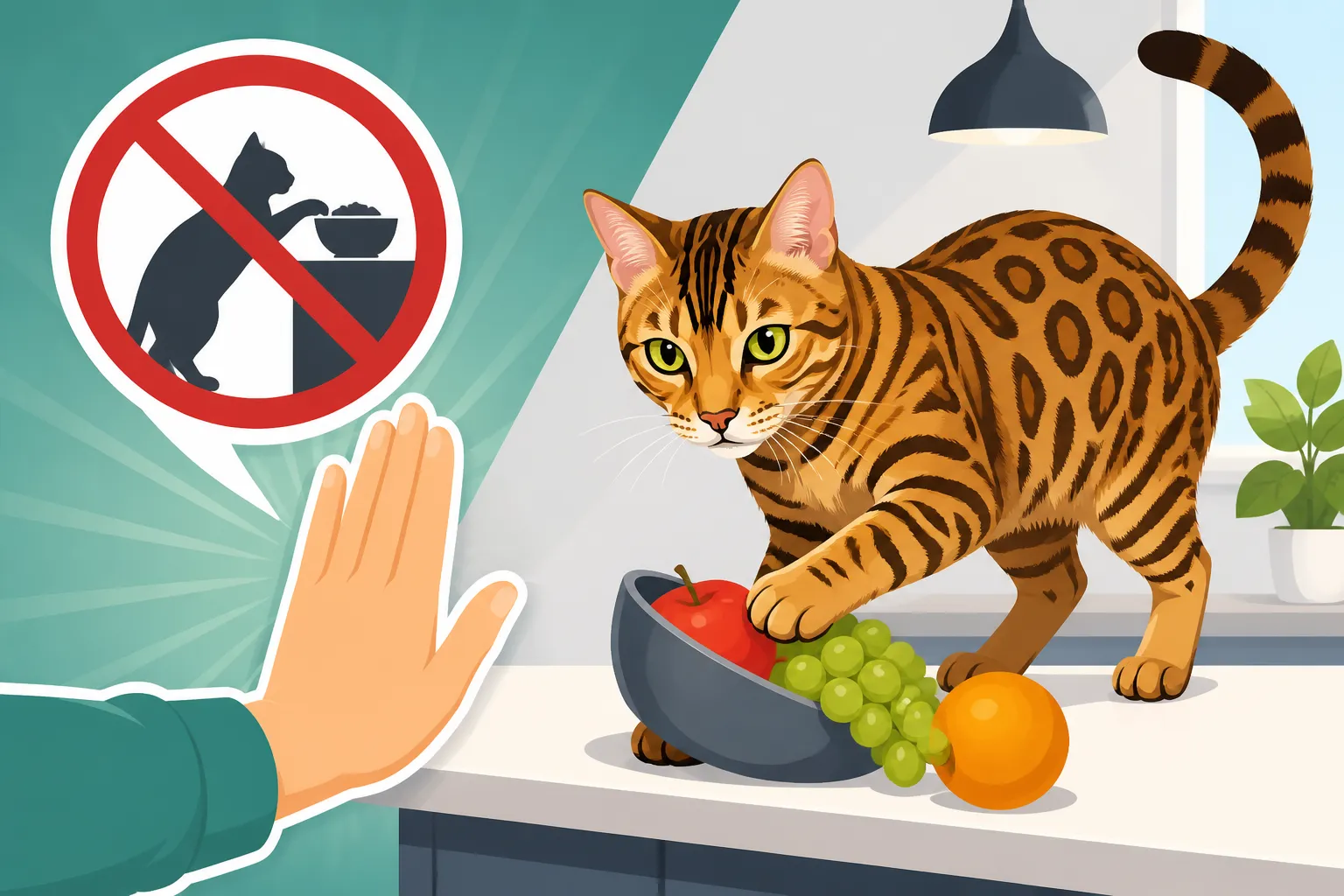
- No Food Left Out, Ever: This means no dirty dishes in the sink, no cooling baked goods, no fruit bowls, no bread on the counter, not even crumbs. If you've just prepared a meal, wipe down the counters immediately. A single rogue crumb can be a beacon for a determined Bengal. Think like a cat: what smells interesting, even if it's tiny? Put all food away in cabinets or the refrigerator.
- Secure Trash Cans: Many Bengals are adept at opening cabinets and lids. Invest in a heavy, pedal-operated trash can with a secure lid that your cat can't easily manipulate. Even better, keep the trash can inside a pantry or a locked cabinet. The scent of discarded food is a huge draw.
- Put Away Dishes Immediately: Don't let dirty plates or pots sit on the counter or in the sink, even for a few minutes. Scrape and rinse them, and put them straight into the dishwasher or wash them by hand right away. Lingering food particles are an open invitation.
This "zero tolerance" policy for counter-level temptations needs to be adopted by everyone in the household. One slip-up can reinforce the behavior your Bengal cat is so diligently trying to learn to avoid. It’s about being more consistent and smarter than your clever companion.
Creating a "No-Go Zone" in the Kitchen
For some Bengal cats, especially the more determined ones, or if you're dealing with early generations, completely restricting access to the kitchen might be necessary, at least temporarily. This can be challenging given their agility and intelligence, but it's an option for containment when you're unable to supervise.
- Physical Barriers: Baby gates can work for some cats, particularly if they are taller, pressure-mounted ones. However, be warned: many Bengal cats can leap impressive heights, and they might see a baby gate as an invitation to practice their Olympic-level jumping skills. Some owners have had success with stacked baby gates or gates specifically designed to be taller for pets.
- Closed Doors: The simplest and most effective physical barrier is a closed door. If you can manage it, keep your Bengal cat out of the kitchen entirely when you're not in there to supervise. This requires diligence, as Bengals can be surprisingly adept at nudging doors open or scratching at them.
- Temporary Confinement: If you absolutely must leave food out to cool or are hosting and can't maintain a spotless kitchen, consider temporarily confining your Bengal to another cat-proofed room with plenty of enrichment, food, and water. This isn't a long-term solution, but it can be a lifesaver in specific situations.
The goal here is prevention. It's much easier to prevent the behavior from happening in the first place than to try and correct it after your Bengal has already learned that the kitchen is a fun and rewarding place to be. Every time they successfully counter surf, that behavior is reinforced, making it harder to break. How to Cat Proof Cabinets From a Bengal Cat
Long-Term Strategies for a Well-Adjusted Bengal Cat
While deterrents and immediate management can provide quick relief, true success in stopping counter raiding comes from a holistic approach that caters to your Bengal cat's inherent needs. This means providing ample alternative outlets for their energy and instincts, making the "right" choices more appealing than the "wrong" ones.
Increasing Vertical Space Elsewhere
Remember that primal urge to climb? The best way to combat counter surfing is to satisfy that urge in appropriate places. If your Bengal has better, more interesting places to climb and survey their territory, the appeal of your kitchen counter diminishes significantly.
- Tall Cat Trees: This is a non-negotiable for a Bengal cat owner. Invest in the tallest, most stable cat tree you can find. Look for multi-level structures with scratching surfaces, enclosed nooks, and platforms at varying heights. Place it in a high-traffic area, or near a window where they can watch the world go by. Many durable options are available from retailers like Chewy or Amazon. Consider something sturdy enough to withstand their powerful leaps and bounds. What a Tall Cat Tree for a Bengal Cat Costs
- Wall Shelves and Perches: Bengals absolutely thrive on vertical real estate. Install cat shelves or "cat highways" on your walls, especially in rooms where you spend a lot of time. These allow them to climb, explore, and observe from above without being on your furniture or counters. Ensure they are securely mounted and can handle your Bengal's weight and energetic movements.
- Catios: For indoor Bengals, a catio (an enclosed outdoor patio for cats) is a fantastic way to provide safe outdoor vertical space and mental stimulation. They can climb, bask in the sun, watch birds, and get fresh air without any risk of escape or harm from predators. This satisfies so many of their natural instincts that often manifest as mischief indoors. Why a Bengal Cat Needs a Catio
By providing superior alternatives, you're not just telling them "no" to the counter; you're saying "yes" to a much more exciting and fulfilling climbing experience elsewhere. These dedicated spaces become their preferred perches, making your kitchen counters a less attractive option by comparison.
Redirecting Energy with Enrichment and Play
A tired Bengal is a well-behaved Bengal – or at least, a less mischievous one! These cats have incredible energy levels and sharp minds that need constant engagement. If they're not getting enough mental and physical exercise, they will invent their own entertainment, which often involves things you'd rather they didn't do, like raiding your counters. The Bengal Cat Is the Most Active Cat You Can Own
- Intensive Play Sessions: Dedicate specific times each day for interactive play. We're talking 15-20 minute sessions, several times a day, where you actively engage them with wand toys that mimic prey. Let them stalk, pounce, and "catch" the toy. Laser pointers can be fun, but always end with a physical toy they can capture to prevent frustration. These sessions should leave them panting and satisfied. How Many Play Sessions a Bengal Cat Needs
- Puzzle Feeders and Foraging Toys: Make them work for their food! Instead of simply putting their meals in a bowl, use puzzle feeders that require them to problem-solve to get their kibble or treats. This provides crucial mental stimulation and slows down their eating. You can find a huge variety of these toys at pet stores and online retailers like Chewy. Even hiding treats around the house for them to "hunt" can be highly enriching.
- Clicker Training: Bengals are intelligent and highly trainable. Use positive reinforcement (like clicker training) to teach them commands and tricks. This isn't just for fun; it's a fantastic way to engage their minds and strengthen your bond. Teaching them "sit," "stay," or even to go to a designated "place" can give them a sense of purpose and tire them out mentally.
- Cat Wheels: For Bengals with truly boundless energy, a cat wheel can be a game-changer. It allows them to run and burn off steam safely indoors, mimicking the vast distances they might cover in the wild. Many Bengals take to them naturally and will use them for significant periods, especially if introduced early.
The more you can proactively provide outlets for their natural energy and intelligence, the less likely they are to seek it out by jumping on your counters. A well-exercised and mentally stimulated Bengal is a much happier and less destructive companion.
Rethinking Feeding Practices
How and what you feed your Bengal can also play a significant role in their desire to counter surf for extra snacks. Addressing their nutritional needs can reduce their drive to seek out food in inappropriate places.
- Multiple Small Meals: Instead of one or two large meals a day, consider feeding your Bengal cat three to four smaller meals. This keeps their hunger at bay throughout the day and might reduce the feeling of needing to "hunt" for more food. Automatic feeders can be great for this, ensuring consistent meal times even when you're busy. How Much a Bengal Cat Eats to Fuel That Activity
- High-Protein, High-Quality Diet: Bengal cats, being closely related to wild felines, thrive on a diet rich in animal protein. Ensure their food is high quality and meets their caloric and nutritional needs. If they are not feeling satisfied by their regular meals, they might be more prone to seeking out supplementary snacks on the counter. Many owners choose premium wet food brands or even a carefully balanced raw diet. Fresh, high-quality ingredients can contribute to satiety. The High Protein Argument for a Bengal Cat
- Feeding Location: Always feed your Bengal cat in a designated spot, away from the kitchen counters. This reinforces that food comes from their bowl, in their area, not from your countertops. Make their feeding area a positive, predictable space.
- Avoid Free-Feeding: While convenient, free-feeding (leaving food out all the time) can sometimes make cats less appreciative of their actual meals and more prone to scavenging. Scheduled meal times can help regulate their appetite and make them more satisfied with what they're given. If they have a sensitive stomach, a specific diet might also be needed to ensure they're feeling their best. Which Food Firms Up a Bengal Cat's Stool
By optimizing their feeding routine and ensuring they are nutritionally satisfied, you can decrease the motivation behind their counter-raiding escapades. It’s about meeting their needs so they don't feel compelled to fulfill them in ways you don't approve of.
When Professional Help Might Be Needed
Most counter-surfing issues with Bengal cats can be managed with consistent application of the strategies above. However, there are times when the behavior becomes so persistent, destructive, or dangerous that seeking external expertise is not just helpful, but necessary. Recognizing these signs is crucial for both your sanity and your cat's well-being.
Persistent and Destructive Counter Surfing
If you've tried all the deterrents, ramped up the enrichment, perfected the feeding schedule, and your Bengal cat is still consistently raiding your counters, it might be time to admit you need a bit more specialized assistance. This is especially true if the behavior is escalating or leading to dangerous situations.
Consider seeking help if:
- They are getting into truly dangerous items: If your Bengal is managing to get at knives, cleaning supplies, hot stovetops, or other items that pose a serious risk of injury or poisoning, the stakes are too high to continue with trial-and-error. Their safety is paramount.
- The behavior is highly destructive: Are they not just jumping, but actively tearing up items, knocking things over consistently, or damaging your kitchen? This goes beyond mere annoyance and indicates a deeper level of frustration or an unmet need that you haven't been able to pinpoint.
- Your own patience is wearing thin: Living with a constantly mischievous cat can be incredibly stressful. If you're feeling overwhelmed, frustrated, or like you're constantly battling your cat, it's okay to ask for help. A strained relationship with your pet isn't good for either of you.
- They seem anxious or overly stressed: Sometimes, excessive or frantic counter surfing can be a symptom of underlying anxiety or stress. If you notice other behavioral changes like increased vocalization, inappropriate urination, or aggression, it's a sign that something more complex might be going on.
It's important to remember that asking for help isn't a sign of failure; it's a sign of a responsible pet owner who wants the best for their animal.
Consulting a Vet or Cat Behaviorist
When the problem seems intractable, there are two main avenues for professional support: your veterinarian and a certified cat behaviorist.
- Consulting Your Veterinarian: The first step should always be a trip to your vet. They can rule out any underlying medical conditions that might be contributing to increased hunger, anxiety, or hyperactivity. Certain conditions, like hyperthyroidism or gastrointestinal issues, can make a cat feel constantly hungry or anxious, driving them to seek food or act out. Your vet can perform a thorough examination and necessary tests to ensure your Bengal cat is physically healthy. This is a critical first step before assuming the problem is purely behavioral. What a Bengal Cat's Yearly Bloodwork Should Cover
- Engaging a Certified Cat Behaviorist: If medical issues are ruled out, a certified cat behaviorist is your best resource. These professionals specialize in understanding feline behavior and can assess your specific situation, your cat's personality, and your home environment. They can:
- Identify triggers you might have missed.
- Develop a customized behavior modification plan.
- Help you implement deterrents and enrichment strategies effectively.
- Provide guidance on positive reinforcement techniques.
- Address any underlying anxiety or stress that might be fueling the counter surfing.
A good behaviorist won't just tell you what to do; they'll explain why it works, empowering you to better understand and manage your Bengal cat's unique personality. It’s an investment in a more harmonious household and a happier, safer cat.
Here's a quick look at common deterrents and their characteristics:
| Deterrent Type | How It Works | Pros | Cons | Best Use |
|---|---|---|---|---|
| Aluminum Foil | Crinkly sound and unfamiliar texture on paws | Inexpensive, readily available, easy to deploy | Can look messy, easily removed by determined cats, some cats aren't bothered | Quick fix, testing sensitivity, temporary solution |
| Double-Sided Tape | Sticky sensation on paws | Harmless, generally disliked by cats, good for consistent discouragement | Can be visible, may need frequent replacement, can collect dust/fur | Consistent training, long-term deterrence on specific spots |
| Motion-Activated Sprays | Hissing sound and harmless air blast | Cat associates counter with spray, not you; very effective and startling | Can be expensive, requires batteries, accidental sprays possible, some cats habituate or become desensitized | High-value areas, when unsupervised, for very determined cats |
| Plastic Scat Mats | Uncomfortable, spiky (but harmless) surface | Clear, relatively durable, covers larger areas | Can be expensive, some cats learn to navigate around them, may be moved by cat | When you want a less visible, consistent deterrent across a surface |
| Physical Barriers | Blocks access to the counter/kitchen entirely | Highly effective if cat cannot bypass | Many Bengal cats can jump or open gates/doors, can be inconvenient for humans | While cooking, for highly food-motivated or destructive cats |
Disclaimer
This article is for general informational purposes only and does not constitute professional advice. Laws, prices and regulations vary by location and change over time. Consult a qualified professional for guidance on your specific situation.