What an Asian Leopard Cat Is Behind Every Bengal Cat
Many prospective Bengal cat owners wonder about the true impact of their beloved cat's wild ancestry, often feeling a mix of fascination and apprehension about what "wild blood" truly means for their furry companion. It's a common concern, thinking that a cat descended from a wild animal might be untameable or difficult. This guide is here to demystify the origins of the Bengal cat, shedding light on the Asian Leopard Cat's significant, yet often misunderstood, role in creating the incredible breed we know and love today.
The Wild Ancestry of the Bengal Cat: The Asian Leopard Cat's Legacy
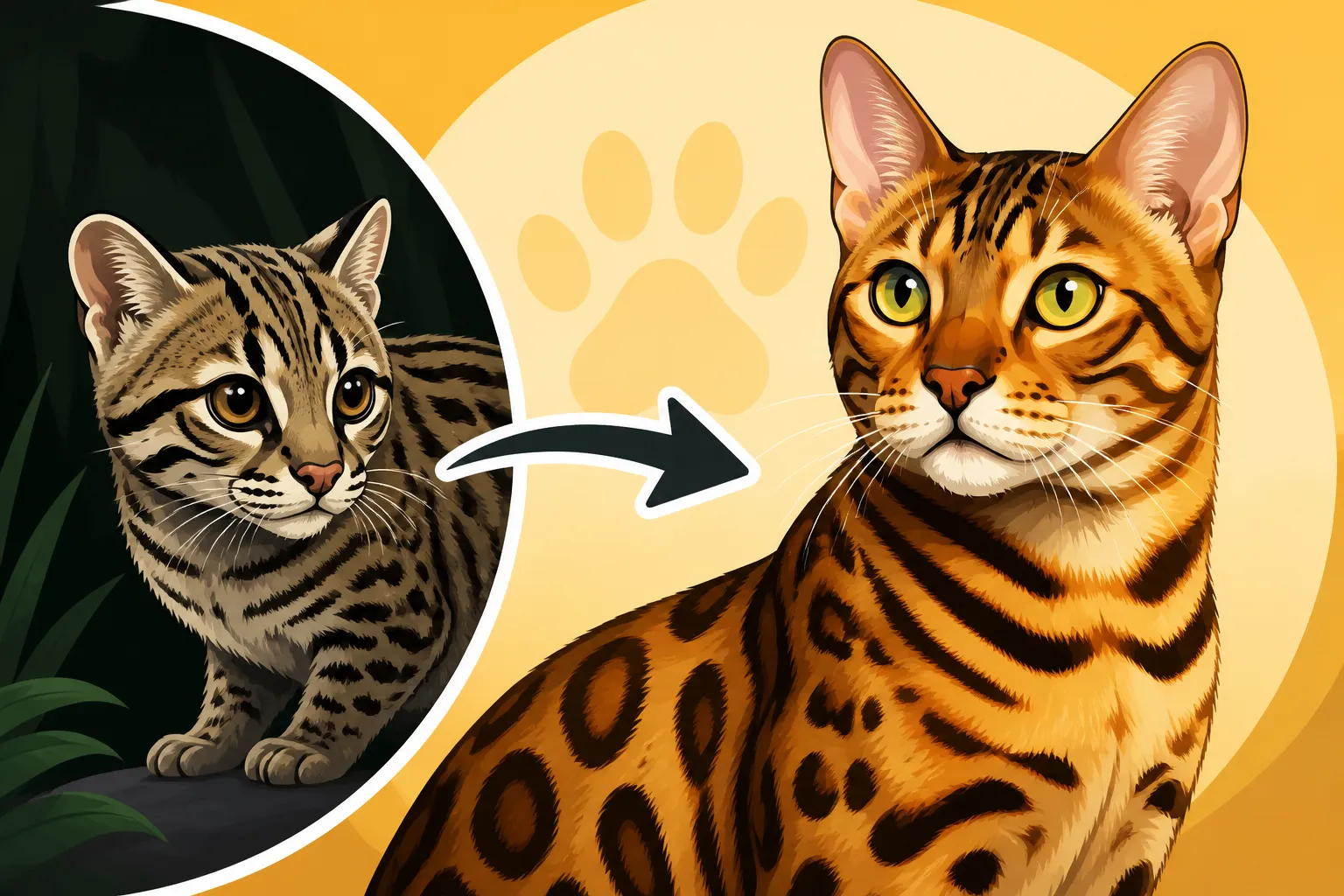
When you look at a Bengal cat, that unmistakable wild beauty – those striking rosettes, the confident gaze, the athletic build – all point back to one incredible creature: the Asian Leopard Cat (ALC). It's not just a fancy name; it's the actual wild ancestor that gave the Bengal its signature look and much of its vibrant personality. Understanding the ALC is truly the first step to understanding your Bengal, because its traits are woven deep into the fabric of the breed.
Origins of the Asian Leopard Cat (ALC)
The Asian Leopard Cat, Prionailurus bengalensis, is a small, solitary wild feline native to a vast range across South, Southeast, and East Asia. Imagine a miniature leopard, no bigger than a domestic cat, gracefully moving through forests, grasslands, and even agricultural areas. These aren't the giant leopards you see on African safaris; they're much smaller, typically weighing anywhere from 5 to 15 pounds, with the males usually being a bit larger than the females. Their habitat diversity speaks volumes about their adaptability, thriving in environments from tropical rainforests to cool, temperate woodlands. This broad range means there are actually several subspecies of ALCs, each with slight variations in appearance and size adapted to their specific locale. It's this natural hardiness and stunning beauty that captivated early breeders, seeing the potential to bring a piece of the wild, responsibly, into our homes.
They are incredibly efficient predators in their natural environment, primarily nocturnal hunters who stalk small prey like rodents, birds, insects, and even reptiles. While they might occasionally scale a tree, they are primarily ground dwellers, masters of stealth and agility. This instinctual hunting prowess is something that many Bengal owners recognize in their own cats, who possess an uncanny ability to spot a dust bunny from across the room and pounce with pinpoint accuracy. The ALC's diet in the wild is purely carnivorous, a detail that has significant implications for how we choose to feed our domestic Bengals today, emphasizing a high-protein, meat-rich diet that mirrors their ancestral needs.
Interestingly, ALCs are known to be quite comfortable around water, a trait that famously passed down to many Bengals. While most domestic cats will go to great lengths to avoid getting wet, it's not uncommon to find a Bengal splashing in their water bowl, batting at a running faucet, or even joining their human companions in the shower! This love for water is a direct echo of their wild ancestors, who would hunt small fish and amphibians or simply enjoy a dip on a hot day. This is one of those fun, quirky characteristics that really connects your domestic Bengal to its wild roots.
Physical Characteristics of the ALC
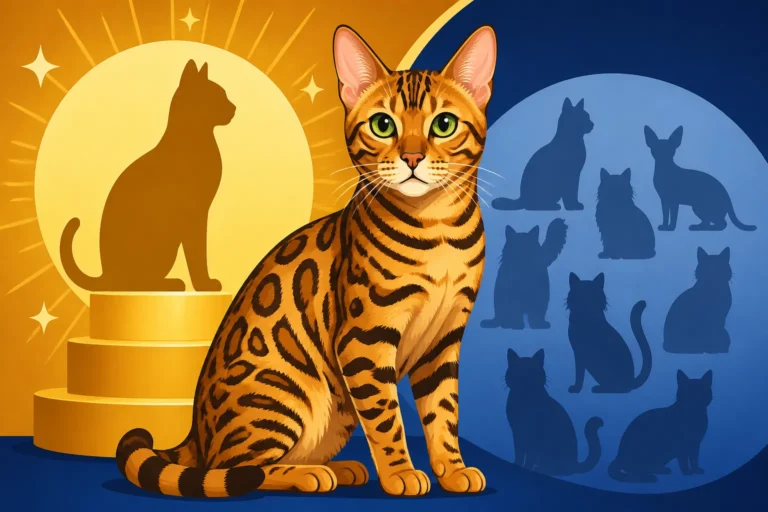
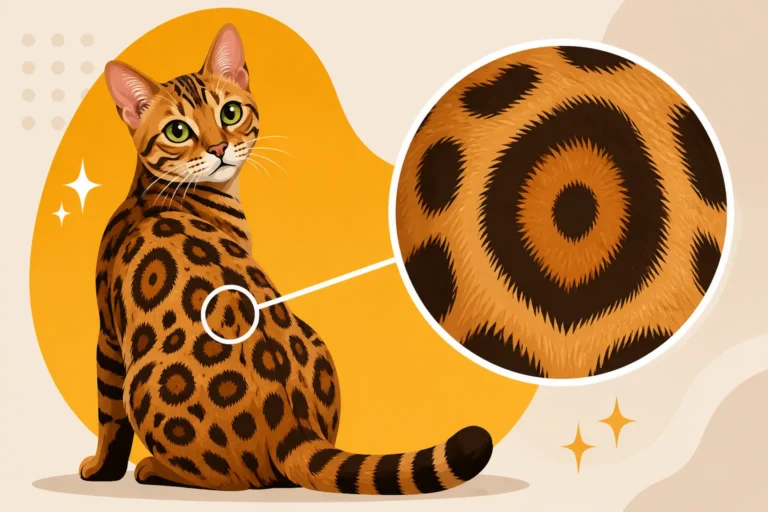
The Asian Leopard Cat's appearance is what initially drew breeders to it, hoping to replicate its stunning aesthetics in a domestic companion. Their coats are a masterpiece of nature, typically light brown or tawny with distinctive dark spots, stripes, or rosettes. These patterns provide excellent camouflage in their natural habitat, helping them blend seamlessly into dappled sunlight and shadows. The spots aren't just random; they vary in size and shape, often aligning into beautiful rosettes that are a hallmark of the Bengal breed. It's this intricate patterning that gives the Bengal its signature "wild look." What a Rosette Is on a Bengal Cat delves deeper into these specific patterns.
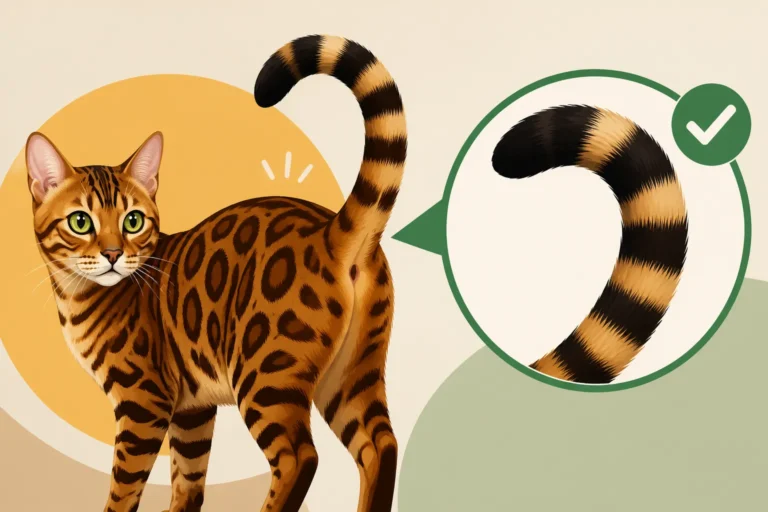
Beyond the spots, ALCs have a sleek, muscular build that speaks to their agility and strength. They possess strong hind legs, slightly longer than their front legs, which gives them a powerful jump – another trait you'll see in your high-flying Bengal! Their heads are typically small in proportion to their bodies, with prominent, widely set eyes that are usually a striking amber or green. They have medium-sized ears, often rounded, and a relatively short, thick tail that acts as a counterbalance when they're running or climbing. These physical attributes aren't just for show; they're functional adaptations for survival in the wild, and they contribute to the Bengal's athletic grace.
One fascinating feature that sometimes shows up in Bengals is the "ocelli" markings on the back of their ears. These are lighter, distinct spots that look like "false eyes," thought to deter predators from behind. While not always pronounced in every Bengal, it's a subtle nod to their wild heritage and another reminder of the ALC's careful evolutionary design. When you see your Bengal's coat shimmering under the light, often with a unique "glitter" effect, remember that this captivating appearance is a direct gift from their wild Asian Leopard Cat ancestors.
Behavioral Traits of the ALC
Understanding the behavior of the Asian Leopard Cat helps us grasp why Bengal cats are so unique and often require a different approach to care and enrichment compared to typical domestic breeds. ALCs are generally solitary animals, fiercely independent and territorial in the wild. While they might tolerate a mate during breeding season, their primary mode is self-reliance. This independence can sometimes be seen in Bengal cats, who, while affectionate, often retain a certain self-possessed quality. They might enjoy interaction on their own terms, seeking out attention when they desire it rather than constantly demanding it.
Their wild hunting instincts are incredibly strong. As crepuscular or nocturnal predators, they are wired for stalking, pouncing, and exploring their environment with keen senses. This translates directly into the Bengal's intense play drive and need for mental and physical stimulation. A bored Bengal is often a destructive Bengal, as their natural instincts compel them to find "prey" – which might unfortunately be your curtains, houseplants, or treasured trinkets. This isn't naughtiness; it's instinct. Providing ample opportunities for hunting simulations, like interactive wand toys, puzzle feeders from Chewy, and regular play sessions, is crucial for their well-being. The Bengal Cat Is the Most Active Cat You Can Own explores this further.
ALCs are also known for their intelligence and problem-solving skills, necessary for survival in the wild. They learn quickly, adapt to new situations, and are incredibly observant. These traits are amplified in the Bengal cat, making them highly trainable and adept at learning tricks, but also notoriously clever at opening cabinets, figuring out child locks, and generally getting into places you thought were impossible. They thrive on intellectual challenges and can become frustrated if their sharp minds aren't adequately stimulated. This means owners often need to be one step ahead, creatively designing their homes and playtime to keep their Bengal engaged and out of mischief.
The Dawn of the Bengal Breed: A Human-Initiated Cross
The Bengal cat didn't just appear by magic; it was the result of deliberate and thoughtful breeding, primarily driven by a remarkable individual with a clear vision. The idea was audacious: to combine the exotic beauty and robust health of a wild feline with the gentle, loving nature of a domestic cat. It was a pioneering effort that truly shaped the breed.
The Visionary Behind the Breed: Jean Mill
The story of the Bengal cat truly begins with Jean S. Mill, a geneticist and passionate cat breeder living in California. Her work with the Bengal cat started in the early 1960s, long before most people even conceived of hybrid cat breeds. Jean wasn't just interested in creating a pretty cat; she was deeply fascinated by genetics and had a profound respect for the natural world. She believed it was possible to preserve the stunning wild appearance of the Asian Leopard Cat without sacrificing the cherished temperament of a domestic pet. Her initial crosses were experimental, driven by curiosity and a scientific approach to breeding.
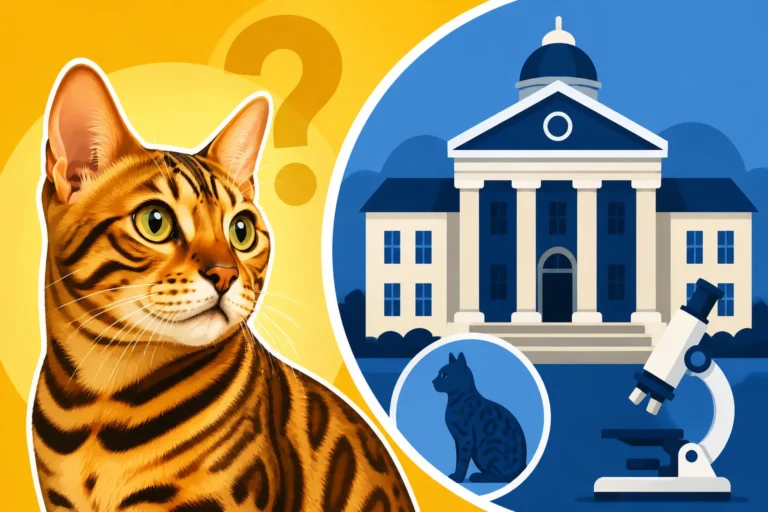
Jean Mill’s early efforts weren't purely for pet breeding. She made her first deliberate cross between an Asian Leopard Cat and a domestic cat in 1963, initially for a university study. This groundbreaking work laid the foundation, but it was years later that she truly focused on developing the breed we know today. After a hiatus, she restarted her program in the 1980s, driven by a new purpose: to produce a healthy, domesticated cat with the ALC's captivating pattern and robust constitution. Her dedication, meticulous record-keeping, and understanding of feline genetics were paramount in stabilizing the breed and ensuring desirable traits were passed down, while undesirable ones were bred out.
Her vision was not without its challenges, as working with early-generation hybrids required immense patience and a deep understanding of feline behavior. Jean Mill’s influence is undeniable, and she is widely considered the "mother" of the modern Bengal cat. Her cattery, Millwood, produced many of the foundation Bengals from which today's pedigrees are traced. Without her foresight and perseverance, the Bengal cat as we know it simply wouldn't exist, and we owe a great deal to her pioneering spirit in the world of hybrid cat breeding. Who Jean Mill Was to the Bengal Cat offers more insight into her remarkable journey.
Early Breeding Goals and Challenges
The primary goal of early Bengal breeding was multi-faceted: to create a domestic cat with the distinct spotted or rosetted pattern of the Asian Leopard Cat, while simultaneously ensuring a stable, affectionate temperament suitable for a family home. This wasn't as simple as just breeding the two species and hoping for the best. The first generation (F1) cats, direct offspring of an ALC and a domestic cat, often retained many wild traits, including shyness, high energy, and sometimes an aversion to the litter box. They were beautiful, yes, but not always suitable for the average pet owner.
One of the significant challenges involved fertility. F1 and F2 males are almost always sterile, a common issue with many hybrid animals. This meant that only F1 and F2 females could be bred back to domestic males to continue the lineage. This biological hurdle made the breeding process much slower and more complex, requiring careful selection of breeding cats to ensure the ongoing health and genetic diversity of the emerging breed. Breeders had to wait until the F3 and F4 generations to produce fertile males, which were essential for establishing stable, self-perpetuating lines. Why F1 to F3 Bengal Cat Males Cannot Breed explains this phenomenon in greater detail.
Another hurdle was managing the temperament. While the goal was domesticity, the wild instincts of the ALC were strong. Early breeders had to work diligently to select for friendly, curious, and adaptable kittens, slowly breeding out the excessive shyness or aggression that might manifest in earlier generations. This process required careful socialization of kittens from a very young age, exposing them to human interaction and domestic environments to ensure they grew into confident, well-adjusted companions. It was a long game, played with careful observation and a deep commitment to the welfare of the cats.
The Role of Medical Research
Beyond Jean Mill’s personal breeding endeavors, there was another crucial, albeit lesser-known, origin point for some of the Bengal's foundation lines: a medical research program. In the 1970s, Dr. Willard Centerwall at Loma Linda University was conducting research into feline leukemia virus (FeLV). He discovered that Asian Leopard Cats appeared to be immune to FeLV, and he initiated a breeding program to cross ALCs with domestic cats to study this apparent immunity. This was a fascinating scientific pursuit, attempting to understand if the immunity could be passed on to hybrids.
The hybrids produced in this research program were, essentially, early Bengal cats. While the primary goal was medical research, these cats possessed the striking appearance that Jean Mill was also striving for. When Dr. Centerwall's research project concluded, these hybrid cats, which were well-socialized and accustomed to human interaction, needed homes. Some of them, notably a male named Millwood Toby of Delhi, were acquired by Jean Mill and became integral to her breeding program. These cats brought valuable genetic diversity and health advantages to the nascent Bengal breed.
This convergence of independent breeding efforts – Jean Mill’s visionary passion and Dr. Centerwall’s scientific inquiry – strengthened the Bengal breed's foundation. It wasn't just about creating a beautiful cat; it was also, in part, about exploring feline health and genetics. The hardiness and general good health often attributed to Bengal cats today can, in part, be traced back to these early endeavors. It's a testament to how diverse motivations can contribute to the development of a unique and cherished animal companion.
Understanding Filial Generations: F1 to SBT
When you're looking into Bengal cats, you'll inevitably hear terms like "F1," "F2," "F3," and "SBT." These aren't just arbitrary labels; they represent the filial generations, indicating how many steps removed a Bengal is from its wild Asian Leopard Cat ancestor. Understanding these generations is crucial, not just for legal reasons in some areas, but also for knowing what to expect in terms of temperament, energy levels, and care requirements.
F1 Bengal Cats: The First Cross
An F1 Bengal cat is a first-generation hybrid, meaning it is the direct offspring of an Asian Leopard Cat (ALC) and a domestic cat. Think of it as 50% ALC and 50% domestic cat genetically. These cats are striking, incredibly beautiful, and possess the most pronounced "wild" traits among all Bengals. Their appearance is exceptionally close to that of a wild ALC, with vivid markings, a lean, muscular body, and often a distinctive gait. However, their temperament can also be quite different from what most people expect from a domestic cat.
F1 Bengals often exhibit behaviors closer to their wild parent. They can be shyer, more aloof, and sometimes require a specific type of environment and handler. They are incredibly intelligent, highly energetic, and their instincts for hunting and climbing are extremely strong. Litter box habits can sometimes be a challenge if not properly managed from a young age, as their wild ancestors wouldn't naturally "bury" waste in a designated area. Because of these unique characteristics, F1 Bengals are generally not recommended for first-time cat owners or families with young children. They require an experienced owner who understands their specific needs and can provide a dedicated, enriching environment, often including secure outdoor access like a large catio. How an Early Generation Bengal Cat Behaves Differently delves into these nuances.
Furthermore, legal restrictions often apply to F1 Bengals. In many states, counties, or cities, F1 cats are classified as wild animals or hybrids and may be restricted, require special permits, or even be outright banned. This is why it's absolutely vital to research local laws before considering an F1 Bengal. Reputable breeders will always inform you of these regulations and ensure you understand the commitment involved. Owning an F1 is a significant responsibility, demanding a deep understanding of feline behavior and a willingness to adapt your lifestyle to meet their ancestral needs.
F2 and F3 Generations: Bridging the Gap
Moving along the generational ladder, F2 and F3 Bengals represent the subsequent steps away from the direct wild cross. An F2 Bengal has an F1 parent and a domestic cat parent, making them approximately 25% ALC. An F3 Bengal has an F2 parent and a domestic cat parent, bringing their ALC percentage down to around 12.5%. As you can imagine, with each generation, the wild traits become less pronounced, and the domestic cat characteristics become more dominant.
F2 Bengals still often display a robust athleticism and intelligence, coupled with stunning patterns. Their personalities are generally a step closer to domesticity than F1s, being more outgoing and affectionate, but they still retain a higher energy level and curiosity than many purebred domestic cats. They might still have a powerful prey drive and require significant mental and physical stimulation. The male F2 Bengals remain sterile, meaning only the females can be part of a breeding program. These cats often find homes with experienced Bengal enthusiasts who appreciate the strong connection to the wild look and activity without the intensity of an F1.
F3 Bengals are another step closer to a fully domesticated temperament. They are typically playful, intelligent, and affectionate, making them more suitable for families who have experience with active cat breeds. While they still possess the distinctive wild appearance and energy of the Bengal, their behavior is generally more predictable and manageable than their F1 or F2 counterparts. Like F2s, male F3 Bengals are often sterile, necessitating careful breeding strategies. These middle generations are a beautiful bridge, offering a glimpse of the wild without being quite as demanding as the very first crosses. They represent the breeder's dedication to slowly but surely domesticating the unique traits of the ALC.
SBT Bengal Cats: Fully Domesticated
SBT stands for "Stud Book Tradition," and these are the Bengals that are at least four generations (F4 or later) removed from their Asian Leopard Cat ancestor. This means an SBT Bengal has an F3 parent and a domestic cat parent, or two SBT parents. By the time a Bengal reaches the SBT designation, they are considered fully domestic, both in terms of temperament and fertility. They are eligible for championship status in cat registries like The International Cat Association (TICA), which is crucial for showing and further breeding. What SBT Means in a Bengal Cat clarifies this important distinction.
SBT Bengals are the most common type of Bengal cat found in pet homes, and for good reason. They combine the exotic, wild look – those beautiful rosettes, glitter, and athletic build – with the loving, playful, and intelligent personality of a domestic cat. While they are still famously active, curious, and vocal, their behaviors are generally well-suited to living indoors as part of a family. They are reliable with litter box usage, enjoy interaction with their human companions, and can often get along well with children and other pets, given proper introductions. This is the Bengal most people envision when they think of the breed.
These cats still require plenty of enrichment, playtime, and mental stimulation. They thrive on interactive toys, climbing structures, and often enjoy walks on a leash or time in a secure outdoor enclosure (catio). While they are fully domestic, they still carry that inherent Bengal spark. However, the unpredictability and extreme wild traits seen in earlier generations have largely been bred out, making the SBT Bengal a fantastic choice for those who want an exotic-looking companion with a manageable, albeit lively, domestic personality. They are the culmination of Jean Mill's vision: a wild look with a wonderful home cat heart.
Genetic Contributions from the Asian Leopard Cat
Beyond the obvious visual impact, the Asian Leopard Cat's genetics contribute to much more than just the Bengal's stunning good looks. Their DNA has imprinted characteristics related to health, physical attributes, and even subtle behavioral nuances that make the Bengal truly unique among domestic felines.
The Signature Coat: Rosettes and Glitter
The most striking and sought-after genetic contribution from the Asian Leopard Cat is undoubtedly the Bengal's coat. That luxurious "pelted" feel, the incredible patterns, and the shimmering "glitter" are all direct gifts from their wild ancestor. Unlike the fur of most domestic cats, a Bengal's coat often feels short, dense, and incredibly soft, almost like velvet or silk. This is because many Bengal cats have a single coat with little to no undercoat, a trait inherited from the ALC, which helps them regulate temperature in diverse climates. Why a Bengal Cat's Coat Feels Like Nothing Else details this unique texture.
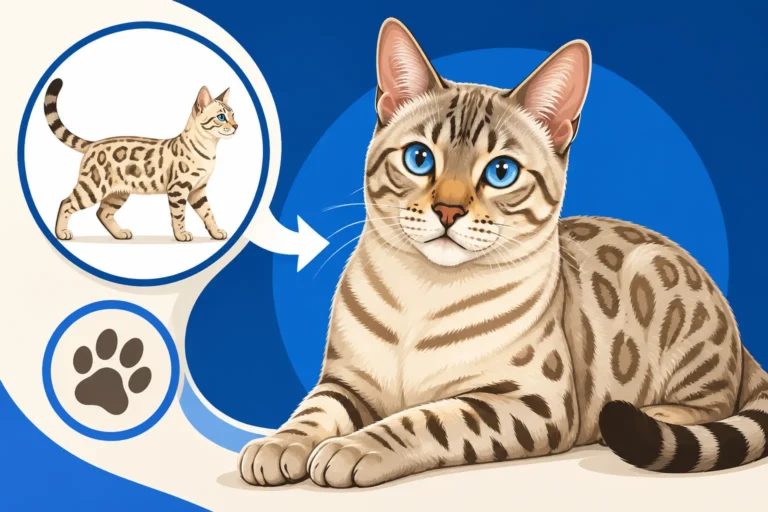
The patterns are where the ALC's genetic artistry truly shines. While some domestic cats can have spots or stripes, the Bengal's rosettes are distinctly wild. These aren't just solid spots; they are spots that are darker in outline with a lighter center, creating a complex, multi-tonal pattern that mimics the markings of leopards, jaguars, and of course, the Asian Leopard Cat. There are various types of rosettes, from arrowhead to paw print to clouded, each adding to the exotic appeal. This intricate patterning is why a truly well-marked Bengal stands out so dramatically.
And then there's the glitter. Many Bengal cats possess a genetic trait that causes their individual hair shafts to be hollow and translucent, catching and reflecting light in a way that makes their coat appear to sparkle, as if dusted with gold or silver. This "glitter" is not present in all Bengals, but when it is, it adds an ethereal quality to their already magnificent appearance. It's a subtle yet captivating feature, and it's another unique genetic quirk passed down from the ALC. The combination of the pelted texture, the wild rosettes, and the shimmering glitter creates a coat that is truly unlike any other domestic cat breed.
Beyond the Looks: Health and Vigor
While the beauty of the Bengal cat is undeniable, the Asian Leopard Cat's genetic contribution extends to its overall health and vigor. Wild animals, through natural selection, develop robust immune systems and physical resilience necessary for survival. Early breeders hoped to infuse some of this natural hardiness into the domestic cat gene pool, and to a significant extent, they succeeded. Bengals are generally considered a healthy and robust breed, often exhibiting a keen alertness and a strong constitution.
One area where this genetic hardiness was explicitly studied was resistance to certain diseases. As mentioned earlier, the initial medical research involving ALCs explored their apparent immunity to feline leukemia virus (FeLV). While the precise extent of this immunity in the Bengal breed is complex and not a guarantee, it contributed to the early understanding of feline health and the potential benefits of hybrid vigor. This doesn't mean Bengals are immune to everything, of course, and responsible breeders still screen for common feline health issues like Hypertrophic Cardiomyopathy (HCM) and Pyruvate Kinase Deficiency (PK Deficiency). What a Bengal Cat Breeder Should Have Tested provides a comprehensive look at these essential health screenings.
The ALC's active lifestyle also contributes to the Bengal's naturally lean and muscular physique. This isn't a breed prone to being sedentary; their bodies are built for movement, agility, and strength. This vigor, while requiring significant exercise and mental stimulation, generally leads to a healthier metabolism and less propensity for obesity compared to some less active domestic breeds, provided they are fed an appropriate diet. The physical strength and athleticism are direct echoes of their wild ancestors, allowing them to jump to impressive heights and navigate their environments with incredible grace.
Temperamental Echoes of the Wild
While extensive breeding efforts have focused on domesticating the Bengal cat's temperament, subtle echoes of the Asian Leopard Cat's personality remain, contributing to the breed's distinct character. This isn't about aggression or wildness in the negative sense, but rather a set of traits that make Bengals different from your average house cat. Their boundless energy, high intelligence, and insatiable curiosity are all rooted in their wild heritage.
Bengal cats are famously active and playful, often maintaining kitten-like energy levels well into adulthood. This isn't just a quirk; it's a reflection of the ALC's need to hunt, explore, and defend territory. They require significant mental and physical engagement to prevent boredom, which can lead to destructive behaviors. Providing tall climbing structures, interactive toys, and even teaching tricks can help channel this energy productively. Chewy offers a fantastic selection of enrichment toys perfect for a high-energy Bengal. How Much Enrichment a Bengal Cat Actually Needs is a great resource for ideas.
Their intelligence is another direct inheritance. ALCs are clever survivors, and Bengals carry that problem-solving prowess. This means they can learn quickly, but also figure out how to open doors, cabinets, and even operate light switches. This makes them incredibly engaging companions, but also necessitates a "cat-proofed" home environment to prevent them from getting into trouble or accessing dangerous items. Owners often marvel at their Bengal's ability to observe and mimic human actions, a sign of their ancestral intelligence at play.
Finally, their vocalizations can sometimes carry a touch of the wild. While they can purr and meow like any domestic cat, Bengals often produce a wider range of sounds, including chirps, chortles, and even a distinctive "yowl" that some owners describe as more primal than a typical meow. This varied vocal repertoire is another subtle link to their wild communication patterns. These temperamental echoes, while requiring understanding and appropriate outlets, are part of what makes living with a Bengal such a rich and fascinating experience.
Ethical Considerations and the Future of the Breed
The creation and ongoing breeding of Bengal cats raise important ethical considerations, not just for the well-being of the domestic breed, but also for the Asian Leopard Cat itself and the broader implications of hybrid animal breeding. Responsible breeding practices and thoughtful ownership are paramount to ensuring a positive future for these magnificent felines.
Preservation of the Wild Ancestor
One crucial ethical consideration centers on the Asian Leopard Cat itself. While the Bengal breed was established decades ago, there are still ongoing debates about the use of ALCs in new crosses. Most reputable cat registries, like TICA (The International Cat Association), and responsible breeders advocate for breeding "Bengal to Bengal" to expand the existing gene pool, rather than constantly introducing new ALC bloodlines. This helps to protect wild ALC populations by reducing demand for them as breeding animals. It also ensures that the domestic Bengal lines continue to progress towards stable temperament and health.
The legal status of ALCs and early-generation Bengals is another aspect of preservation. Restricting or banning the ownership of F1 and F2 Bengals in many regions is often an effort to prevent inexperienced owners from acquiring cats that retain strong wild instincts and may not thrive in a typical domestic setting. Such restrictions ultimately aim to protect both the cats and public safety, while also signaling that wild animals belong in the wild, not as pets. Education is key here, ensuring potential owners understand the distinctions between the generations.
Ultimately, the best way to honor the Asian Leopard Cat's legacy in the Bengal breed is through responsible stewardship of the domestic Bengal. This means supporting breeders who prioritize health, temperament, and genetic diversity within established Bengal lines, and who do not exploit wild ALCs. It also means educating the public about the importance of conservation for all wild felines, including the beautiful ancestor of our beloved Bengals. Whether the Bengal Cat Threatens Wild Leopard Cats explores these complex issues.
Responsible Breeding Practices
The ethical responsibility of Bengal cat breeders cannot be overstated, especially given the breed's wild origins. A truly responsible breeder goes far beyond simply producing pretty kittens; they are stewards of the breed, committed to health, temperament, and the long-term well-being of every cat they bring into the world. This involves extensive health screening for genetic conditions known to affect Bengals. For example, reputable breeders perform regular echocardiograms (heart scans) to screen for Hypertrophic Cardiomyopathy (HCM), a common heart condition in many cat breeds, including Bengals. They also conduct DNA tests for Pyruvate Kinase Deficiency (PK-Def) and Progressive Retinal Atrophy (PRA-b).
Beyond health, temperament is a cornerstone of responsible breeding. Early generations of Bengals had a wider range of temperaments, but responsible breeders have worked tirelessly to select for friendly, confident, and outgoing personalities, aiming for the SBT standard of a domestic companion. This means thoroughly socializing kittens from birth, exposing them to household sounds, people, and other pets, and ensuring they are confident and well-adjusted before going to their new homes. A kitten that is fearful or undersocialized often reflects a lack of responsible breeding and early care.
Responsible breeders also adhere to strict ethical guidelines regarding their catteries, ensuring clean, safe, and enriching environments for their breeding cats and kittens. They provide proper nutrition, veterinary care, and opportunities for mental and physical stimulation. They are transparent with potential buyers, providing pedigrees, health certificates, and clear contracts. They prioritize finding suitable, lifelong homes for their kittens and are often available for support and advice long after a sale. Avoiding backyard breeders who cut corners on health, socialization, and ethical practices is crucial for the future of the breed and the welfare of individual cats.
Ensuring the Well-being of Bengal Cats
For owners, ensuring the well-being of a Bengal cat means understanding and embracing their unique needs, which are rooted in their wild ancestry. This isn't a breed for the faint of heart or for those who prefer a purely ornamental pet. Bengals thrive on interaction, challenge, and engagement. Their high energy levels demand ample opportunities for play and exercise, whether through interactive toys, climbing structures, cat wheels, or supervised outdoor time in a catio or on a leash. A bored Bengal can quickly become a destructive one, not out of malice, but from a desperate need to channel their innate instincts. How Much Exercise a Bengal Cat Needs a Day is an essential read for potential owners.
Mental stimulation is just as important as physical exercise. Bengals are highly intelligent and enjoy puzzle feeders, learning tricks, and exploring new environments. They are often social cats who enjoy being involved in household activities and can become quite attached to their human families. This strong bond means they can be prone to separation anxiety if left alone for extended periods without adequate enrichment. Some owners find that a second, equally playful cat can be a good companion for a Bengal, especially if the humans are away during the day.
Proper nutrition is also vital. Given their athletic build and high metabolism, Bengals typically thrive on a high-protein diet that reflects their carnivorous ancestry. Choosing high-quality cat food, wet food often being preferred for its moisture content, can help support their energy levels and overall health. Monitoring their weight and activity is important to ensure they remain lean and muscular. Ensuring a Bengal's well-being is a commitment to providing an environment that respects their unique heritage, allowing them to thrive as cherished, active members of the family.
Living with a Bengal: Embracing the Wild Within
Bringing a Bengal cat into your home is an adventure, a commitment to embracing a pet that carries a spark of the wild. It’s a truly rewarding experience, but it’s one that asks you to adjust your expectations of what a "cat" traditionally is. They aren't just decorative; they are dynamic, intelligent, and utterly captivating creatures that will enrich your life in countless ways.
Meeting Their Needs: Enrichment and Activity
One of the biggest lessons you'll learn as a Bengal owner is that their need for enrichment and activity is paramount. This isn't a cat content to lounge on the sofa all day; they demand engagement. Providing vertical space is non-negotiable. Think tall cat trees that reach the ceiling, wall-mounted shelves, and perches where they can survey their kingdom from above. These allow them to exercise their natural climbing instincts, a direct nod to their Asian Leopard Cat ancestors who would climb trees for safety or to spot prey. Without adequate vertical space, your Bengal might decide your bookshelves, curtains, or even your refrigerator are fair game.
Interactive play sessions are a daily requirement, not an occasional treat. Forget the static mouse toy; Bengals thrive on wand toys that mimic the erratic movements of prey. They love to chase, pounce, and "kill" their quarry. Rotate toys frequently to keep things novel and exciting. Puzzle feeders are also excellent for mental stimulation, forcing them to "hunt" for their food rather than just eating from a bowl. Brands like Chewy offer a wide array of puzzle toys that can challenge even the cleverest Bengal. Some owners even invest in a cat wheel, which allows these energetic felines to burn off steam safely indoors, often running for impressive lengths of time. How Often a Bengal Cat Uses a Cat Wheel explores this unique enrichment option.
Many Bengal owners also find great success with leash training and catios. Leash training can be a wonderful way to provide safe outdoor exploration, allowing them to experience new sights and smells under supervision. Catios, secure outdoor enclosures, offer a protected way for Bengals to enjoy fresh air and sunshine without the dangers of free-roaming, tapping into their wild desire for outdoor adventure. Meeting these needs isn't just about preventing boredom; it's about honoring their inherent nature and allowing them to live a fulfilling, stimulated life.
Diet Considerations Reflecting Ancestry
When it comes to feeding your Bengal cat, their Asian Leopard Cat ancestry is a key consideration. Wild felines are obligate carnivores, meaning their diet consists almost entirely of meat, and they require high levels of animal protein to thrive. This translates directly to the dietary needs of your domestic Bengal. While they are fully domesticated, their digestive systems are still best suited for a meat-rich diet.
Many Bengal owners opt for high-quality, grain-free wet food, or even a balanced raw diet, though the latter requires careful research and veterinary guidance to ensure it's nutritionally complete and safe. The emphasis should always be on animal protein as the first ingredient, with minimal fillers like corn, wheat, or soy. Dry kibble alone, even high-quality varieties, can sometimes contribute to chronic diarrhea in Bengals due to their sensitive digestive systems, a common complaint among owners. When a Bengal Cat Needs a Special Diet for Its Gut provides further details.
Because Bengals are so active, they often have a higher caloric need than many other domestic cats. However, it's crucial to balance this with portion control to prevent them from becoming overweight, even with their high metabolism. Feeding multiple small meals throughout the day can also mimic their natural hunting patterns and keep their digestive system working efficiently. Regular consultations with your veterinarian will help you tailor the best diet for your individual Bengal, ensuring they receive all the nutrients they need to fuel their active, vibrant lives, reflecting the robust health passed down from their wild ancestor.
Training and Socialization
Training and socialization are critical components of raising a well-adjusted Bengal cat, precisely because of their intelligence and inherent wild traits. These aren't cats you can simply ignore; they thrive on interaction and mental challenges. Early socialization is key: exposing kittens to a variety of sights, sounds, people, and gentle handling from a young age helps them grow into confident, friendly adults. A reputable breeder will start this process, but it's vital for new owners to continue it consistently.
Thanks to their high intelligence, Bengals are highly trainable. They often respond exceptionally well to positive reinforcement methods like clicker training. You can teach them a wide array of commands, from "sit" and "stay" to fetching toys, coming when called, and even walking on a leash. This isn't just for show; it's another form of mental enrichment that strengthens the bond between you and your cat. Teaching them boundaries and appropriate behaviors through consistent training can prevent undesirable habits before they start. How Clever a Bengal Cat Is delves into their remarkable intelligence.
Socialization also extends to their interactions with other pets and children. While Bengals can get along famously with respectful children and even dog-friendly dogs, careful and supervised introductions are essential. Their strong prey drive means that small, caged pets like hamsters or birds might not be safe around a Bengal. Understanding and managing these instincts is part of responsible Bengal ownership. Embracing their intelligence and wild spirit through consistent training and positive socialization allows your Bengal to truly flourish as an integrated, cherished member of your household, a testament to the remarkable blend of wild and domestic that defines this extraordinary breed.
| Trait | Asian Leopard Cat (Wild Ancestor) | SBT Bengal Cat (Domesticated) |
|---|---|---|
| Appearance | Vivid rosettes, lean, muscular build, short tail, large eyes | Vivid rosettes, sleek/muscular, "glitter" coat, all accepted colors |
| Temperament | Solitary, fiercely independent, nocturnal, strong prey drive | Highly active, intelligent, curious, playful, affectionate (on own terms) |
| Activity Level | Extremely high, constant hunting/foraging for survival | Extremely high, requires significant daily play & enrichment |
| Vocalization | Varied, chirps, growls, hisses, limited "meows" | Varied, chirps, chortles, sometimes loud "yowls," more vocal with humans |
| Water Affinity | Comfortable, hunts in shallow water | Often loves water, plays in sinks/showers, drinks from taps |
| Litter Habits | Does not naturally bury waste in a box | Generally reliable with litter box, but needs large, clean box |
| Health & Vigor | Naturally robust, strong immune system | Generally healthy, but specific genetic screenings are crucial |
| Trainability | Highly adaptable, quick learner for survival | Highly intelligent, trainable with positive reinforcement |
| Social Needs | Solitary, avoids humans | Enjoys human interaction, can bond strongly, may seek out other pets |
Disclaimer
This article is for general informational purposes only and does not constitute professional advice. Laws, prices and regulations vary by location and change over time. Consult a qualified professional for guidance on your specific situation.