Whether the Bengal Cat Is a Healthy Breed
There's a common misconception swirling around the Bengal cat breed, isn't there? People often assume that because they have a wild ancestor, the Asian Leopard Cat, they must either be incredibly robust and immune to common ailments, or conversely, prone to a host of exotic, untreatable conditions. The reality, as any Bengal owner quickly learns, is far more nuanced and, frankly, often quite frustrating to navigate. Getting clear, honest information about their health can feel like searching for a needle in a haystack of half-truths and breeder marketing. This guide aims to cut through that noise, offering a realistic look at whether the Bengal cat is truly a healthy breed, outlining the specific health issues they face, and empowering you with the knowledge to give your beautiful feline companion the best possible life.
Understanding the Bengal Cat's Unique Health Profile
When we talk about whether a Bengal cat is a "healthy breed," it's not a simple yes or no answer. Like all purebred cats, Bengals have a specific genetic blueprint that comes with its own set of strengths and vulnerabilities. That wild ancestry, while giving them their stunning looks and incredible athleticism, also contributed to certain predispositions that modern breeding efforts are constantly working to manage. It's less about them being "sickly" and more about having a distinct health profile that requires proactive understanding and care.
The Myth of Invincible Hybrid Vigor
Many people hear "hybrid" and immediately think "hybrid vigor," assuming it means Bengals are naturally stronger and healthier than purely domestic breeds. While hybrid vigor can sometimes contribute to a more robust immune system in the initial cross-breeds (F1, F2 generations), it’s not a magic shield against all health problems. As generations progress and breeders work to domesticate the traits and standardize the breed, specific genetic markers for certain diseases can become more concentrated. It's a trade-off: you get the stunning rosettes and active personality, but you also inherit some potential genetic baggage.
Moreover, the initial outcrosses used to create the Bengal breed often involved domestic shorthairs. If these initial domestic cats carried genetic predispositions to certain diseases, those could also be woven into the Bengal gene pool. So, while the wild blood might offer some benefits, it doesn't make them immune to the common ailments of the domestic cat world, nor does it guarantee freedom from new genetic issues that arise within the developing breed. It’s crucial to look beyond the "wild" appeal and understand the specific health challenges.
Understanding Genetic Predispositions
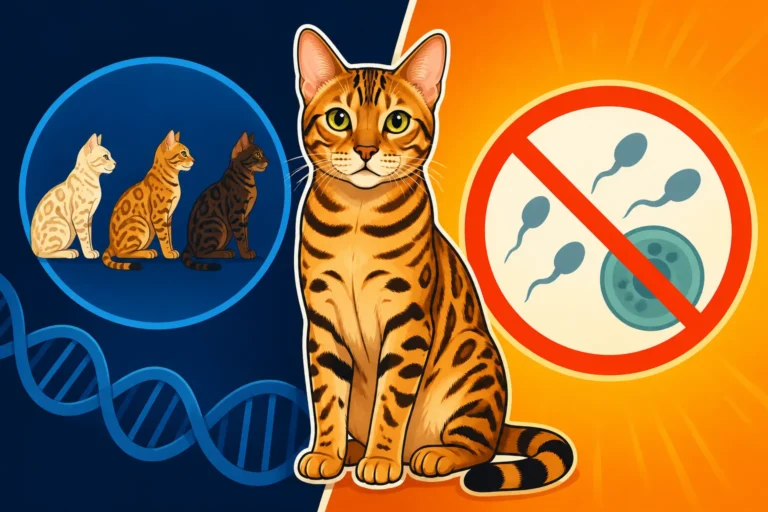
The key to navigating Bengal cat health lies in understanding their specific genetic predispositions. Reputable breeders diligently test for these, but even with testing, vigilance is required. These are not necessarily diseases that every Bengal will get, but rather conditions they are statistically more likely to develop than other breeds due to specific genes passed down through their lineage. These can range from eye conditions that lead to blindness to heart conditions that can shorten their lifespan dramatically.
Knowing these predispositions allows you, as an owner, to be proactive. It means choosing a breeder who performs comprehensive health screenings, understanding what those screenings mean, and working with your veterinarian to monitor for early signs. It’s also why services like Healthy Paws, offering comprehensive pet insurance, can be invaluable for Bengal owners, as treatments for these specific conditions can sometimes be costly. Being informed helps you ensure your Bengal has the best chance at a full, healthy life, rather than just hoping for the best.
Common Inherited Conditions Affecting Bengal Cats
One of the most significant aspects of Bengal cat health revolves around a handful of inherited conditions. These are diseases that are passed down through genetics, and understanding them is paramount for any prospective or current Bengal owner. Responsible breeding practices, including genetic testing, are the best defense against their prevalence.
Progressive Retinal Atrophy PRA-b
Progressive Retinal Atrophy (PRA-b) is a genetic eye disease that, unfortunately, can lead to blindness in Bengal cats. It’s a recessive genetic condition, meaning a cat must inherit two copies of the affected gene (one from each parent) to develop the disease. If a cat inherits only one copy, it's considered a carrier and will not go blind itself, but can pass the gene on to its offspring. This condition specifically targets the photoreceptor cells in the retina, causing them to degenerate over time.
The progression of PRA-b can vary, but typically, affected Bengal kittens may start showing signs of night blindness as early as a few months old, perhaps struggling to navigate in dim light or bumping into things in the dark. As the disease advances, their daytime vision also deteriorates, leading to complete blindness. Thankfully, there is a DNA test available now that can definitively identify cats who are clear, carriers, or affected. This is why it’s absolutely vital for breeders to test their breeding stock. Knowing How the Bengal Cat PRA-b DNA Test Works is crucial for any potential owner to verify their kitten's lineage. While there's no cure for PRA-b, a blind Bengal cat can still live a wonderfully full life with some adaptations, and knowing How a Blind Bengal Cat Copes can offer immense comfort and guidance to owners.
Pyruvate Kinase Deficiency PK-Def
Another significant inherited condition in Bengal cats is Pyruvate Kinase Deficiency (PK-Def). This is also a recessive genetic disorder, similar to PRA-b, where a cat needs two copies of the affected gene to show symptoms. PK-Def causes a defect in the enzyme pyruvate kinase, which is essential for the survival of red blood cells. Without proper function, these red blood cells break down prematurely, leading to a chronic, regenerative anemia. This means the cat's body is constantly trying to produce new red blood cells to compensate for the ones being destroyed.
The symptoms of PK-Def can be quite varied and might appear intermittently, often with good days and bad days. Owners might notice their cat is lethargic, weak, has pale gums (a classic sign of anemia), or experiences loss of appetite and weight. The severity can differ greatly, with some cats showing mild signs and living for years, while others have more severe anemia and a shorter lifespan. A DNA test is available for PK-Def, allowing breeders to screen their cats and avoid breeding two carriers together, which would produce affected kittens. Understanding What PK Deficiency Does to a Bengal Cat can help owners recognize the early warning signs, and knowing Signs a Bengal Cat Has Hemolytic Anemia is vital for seeking prompt veterinary attention. Treatment often involves supportive care, and sometimes even blood transfusions in severe cases, as outlined in How a Bengal Cat With PK Deficiency Is Treated. Pet insurance from providers like Healthy Paws can be a real lifesaver when dealing with the ongoing costs of managing such a chronic condition.
Hypertrophic Cardiomyopathy HCM
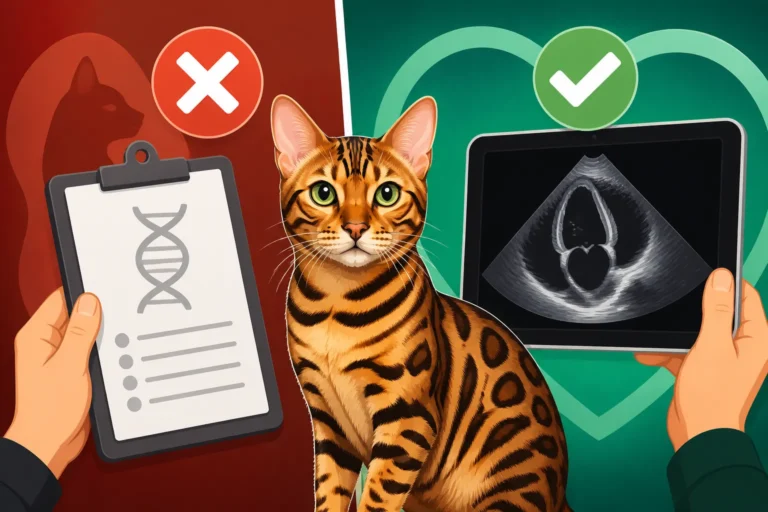
Hypertrophic Cardiomyopathy (HCM) is the most common heart disease in cats, and unfortunately, Bengals are among the breeds genetically predisposed to it. HCM is characterized by the thickening of the muscular walls of the heart, particularly the left ventricle. This thickening makes the heart less efficient at pumping blood, leading to potential complications such as blood clots, fluid in the lungs (congestive heart failure), and sudden cardiac death. Unlike PRA-b or PK-Def, there isn't a simple DNA test for HCM in Bengal cats, which adds a layer of complexity to screening and management.
Because there's no gene test (as detailed in Why There Is No Bengal Cat HCM Gene Test), the primary screening method for HCM is a cardiac ultrasound, or echocardiogram, performed by a board-certified veterinary cardiologist. These screenings are recommended annually or biannually for breeding cats, and it's essential for owners of pet Bengals to be aware of the need for regular check-ups. The age HCM appears in a Bengal cat can vary widely, from kittenhood to old age, making consistent screening throughout their lives important. Owners should also be vigilant for subtle signs like increased respiratory rate, lethargy, or decreased appetite. Learning Signs a Bengal Cat Has Heart Disease can help you identify problems early. If your Bengal is diagnosed with HCM, treatments often include medications to improve heart function and manage symptoms, highlighting once more the financial support that pet insurance, such as policies from Healthy Paws, can provide.
Gastrointestinal Sensitivities in Bengal Cats
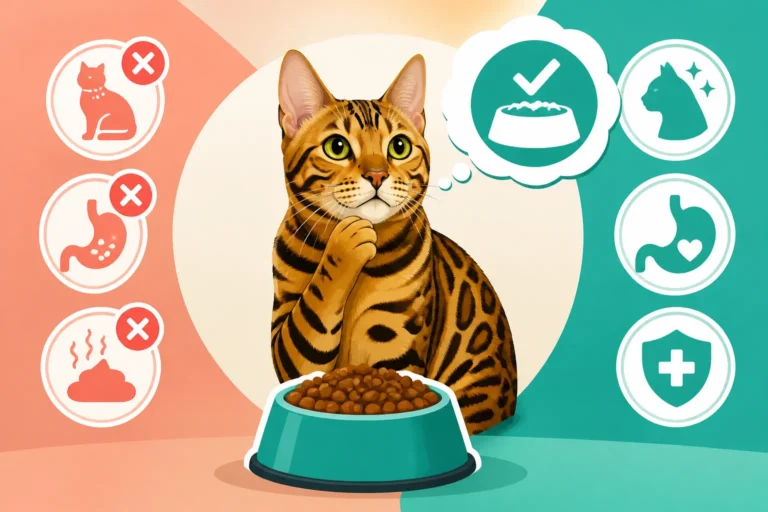
If you've spent any time around Bengal cat enthusiasts, you've likely heard whispers, or perhaps outright laments, about their sensitive stomachs. This isn't just anecdotal; many Bengals do seem to have a more delicate digestive system compared to some other domestic breeds. This predisposition can lead to a range of frustrating issues for both the cat and their owner, from intermittent loose stools to persistent chronic diarrhea.
Why Bengal Guts Are Delicate
The exact reasons why many Bengal cats have such sensitive digestive tracts aren't fully understood, but it's likely a combination of factors related to their unique genetic makeup and rapid domestication from their wild ancestor. The Asian Leopard Cat's diet in the wild would have been very specific, primarily fresh prey, and their digestive systems were optimized for that. The transition to a domestic diet, even a high-quality one, can be a challenge for some Bengals. Their gut microbiome, the complex community of bacteria living in their digestive system, might be particularly susceptible to imbalances or specific pathogens.
This sensitivity often means they don't tolerate sudden dietary changes well, or certain ingredients that other cats might easily digest. It can also make them more prone to inflammatory bowel disease (IBD) or other gastrointestinal disorders. The fast pace of their metabolism, inherited from their active lineage, might also play a role, as food moves through their system more quickly, allowing less time for digestion and nutrient absorption if the food isn't ideal for them. Understanding Why a Bengal Cat's Gut Is So Sensitive is the first step in finding solutions.
Dealing with Chronic Diarrhea
Chronic diarrhea is, unfortunately, a complaint nobody warns you about when considering a Bengal cat. It can be incredibly frustrating for owners, leading to messy litter boxes, unpleasant odors, and constant worry about their cat's comfort and nutrient absorption. If your Bengal experiences persistent loose stools, it's crucial not to dismiss it as "just a Bengal thing." Chronic diarrhea can be a sign of underlying issues that require veterinary attention.
Your vet will likely recommend a thorough workup, which might include fecal tests to check for parasites and bacterial imbalances, blood tests, and potentially even dietary trials. Sometimes, a simple change to a high-quality, easily digestible food, or even a specialized prescription diet, can make a world of difference. For cases where common parasites are ruled out, exploring a When a Bengal Cat Needs a Special Diet for Its Gut can be really beneficial. It’s a process of elimination and patience, but finding the right approach can significantly improve your Bengal's quality of life and your home's cleanliness.
Addressing Parasitic Concerns
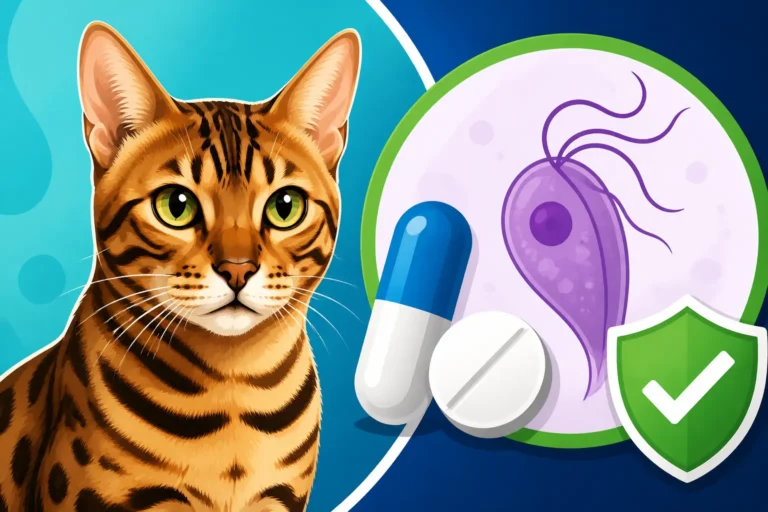
Because of their sensitive systems and sometimes adventurous natures (even indoor Bengals can pick things up), Bengal cats can be particularly susceptible to certain parasitic infections that manifest as gastrointestinal distress. Two common culprits that often plague Bengal cat households are Tritrichomonas foetus and Giardia. These aren't your typical worms; they're microscopic protozoan parasites that can cause chronic, watery, often foul-smelling diarrhea.
Tritrichomonas foetus is especially notorious in catteries and multi-cat households because it can be incredibly difficult to eradicate and can cause persistent, unresolving diarrhea, sometimes even without other obvious signs of illness. Getting a definitive diagnosis requires specialized fecal testing. Learning What Tritrichomonas Does to a Bengal Cat highlights the importance of proper testing. Similarly, Giardia, while common in many species, can cause severe and prolonged diarrhea in Bengals, particularly kittens. Effective treatment is available for both, but it often requires specific medications and strict hygiene protocols to prevent re-infection. Knowing How a Bengal Cat's Giardia Is Treated can give you an idea of the vet's approach. This is another area where prompt vet visits are essential, and pet insurance can certainly ease the financial burden of repeated testing and medication.
Other Noteworthy Health Challenges
Beyond the widely discussed genetic conditions and gut sensitivities, Bengal cats can, like any breed, be susceptible to a few other health issues that are worth being aware of. These might not be as prevalent as HCM or PRA-b, but they can certainly impact an individual cat's well-being and an owner's peace of mind.
Flat Chested Kitten Syndrome FCKS
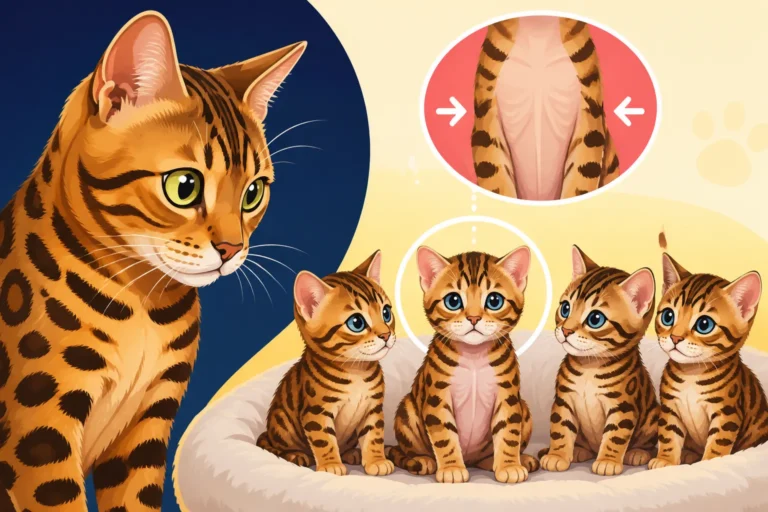
Flat Chested Kitten Syndrome (FCKS) is a developmental condition that primarily affects young kittens, including Bengal cats. It’s a condition where the kitten’s rib cage fails to develop properly, leading to a flattened appearance of the chest. The severity can range from mild, where the kitten recovers completely with no lasting effects, to severe, where respiratory function is compromised, often leading to difficulty breathing and a higher mortality rate.
The exact cause of FCKS isn't fully understood, but it's believed to be multifactorial, possibly involving genetics, developmental issues in utero, environmental factors, or even rapid growth spurts in kittens. Some breeders suspect a genetic component, while others point to positional factors in the womb or during early nursing. Affected kittens often struggle to breathe, feed, and grow at the same rate as their littermates. While some severe cases may not survive, many kittens with mild to moderate FCKS can recover with supportive care, sometimes involving special splinting or physical therapy to help reshape the chest as they grow. Knowing What Flat Chested Kitten Syndrome Does to a Bengal Cat can help you understand the gravity of the condition, and it's something responsible breeders are vigilant about monitoring in their litters.
Patellar Luxation and Other Orthopedic Issues
While perhaps not as widely recognized as a Bengal-specific issue as some other conditions, Patellar Luxation can occur in Bengal cats, as it does in many other active breeds. Patellar luxation refers to the kneecap (patella) slipping out of its normal groove in the thigh bone (femur). This can happen either towards the inside (medial luxation) or the outside (lateral luxation) of the leg.
Symptoms can range from a subtle skip in their step or an occasional limp to more persistent lameness or difficulty bearing weight on the affected leg. The severity is graded from 1 (mild) to 4 (severe). In milder cases, it might not require intervention, but more severe cases can lead to pain, arthritis, and may require surgical correction to prevent further joint damage and improve mobility. Given the Bengal's athletic nature and love for jumping and climbing, healthy joints are paramount for their quality of life. Owners should be observant of any changes in their cat's gait or reluctance to jump, and discuss these with their vet. While there's no specific genetic test for patellar luxation in Bengals, good breeding practices aim to select against it.
Distal Neuropathy
Distal Neuropathy is another, albeit rarer, neurological condition that can affect Bengal cats. It's a progressive disease that impacts the peripheral nerves, particularly those in the limbs, leading to weakness and muscle wasting. The onset typically occurs in young adult Bengals, often between 12 to 18 months of age, though it can manifest earlier or later.
Cats affected by distal neuropathy may initially show subtle signs like mild hind leg weakness, difficulty jumping, or an altered gait. Over time, these symptoms can progress to more severe weakness, muscle atrophy, and even paralysis in some cases. The condition is believed to have a genetic basis, though the specific gene or mode of inheritance isn't fully characterized. Diagnosis usually involves a neurological examination by a vet, nerve conduction studies, and muscle biopsies. While there's currently no specific cure for distal neuropathy, supportive care and rehabilitation therapies can help manage symptoms and maintain quality of life. It’s one of those lesser-known conditions that highlight why being generally observant of your Bengal's physical capabilities is so important. Learning What Distal Neuropathy Does to a Bengal Cat can help you identify these subtle but concerning changes early.
The Importance of Responsible Breeding and Testing
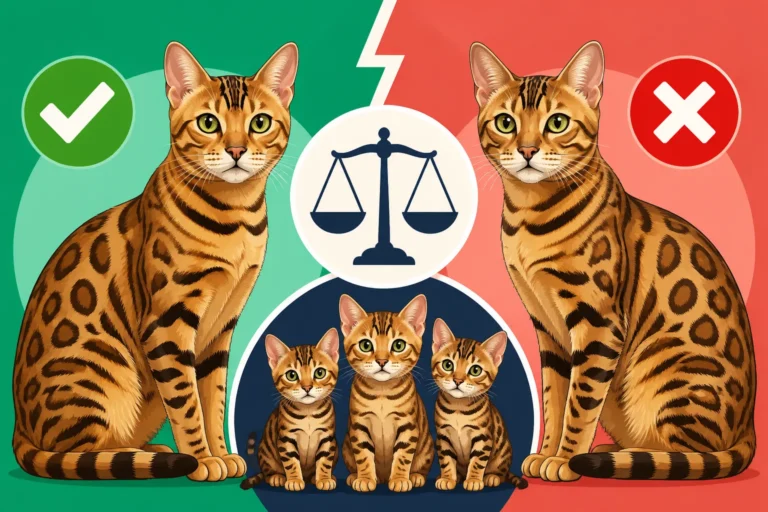
When you're bringing a Bengal cat into your home, whether as a beloved pet or a future show champion, the single most impactful decision you'll make regarding their long-term health is choosing a reputable breeder. A good breeder isn't just selling you a kitten; they're providing a lifetime companion whose health journey has been carefully considered from the very beginning. This means going far beyond basic vaccinations and focusing on extensive genetic testing and transparent health records.
Decoding DNA Panels and Health Certificates
Responsible Bengal breeders invest heavily in the health of their lines. This includes performing a comprehensive DNA health panel on their breeding cats. These panels screen for the aforementioned recessive genetic conditions like PRA-b and PK-Def. When you inquire about a kitten, a reputable breeder should be eager and able to show you the health certificates for both the kitten's parents. These certificates will clearly state whether the parents are "Clear," "Carrier," or "Affected" for each tested condition.
For conditions like PRA-b and PK-Def, it is vital that at least one parent is "Clear." If one parent is a carrier, the other must be clear to ensure no affected kittens are produced. Breeding two carriers together, even if both parents appear healthy, will result in some affected kittens. For HCM, since there's no DNA test, breeders should provide recent echocardiogram results from a board-certified veterinary cardiologist, indicating a clear heart status. Knowing What a Bengal Cat Breeder Should Have Tested gives you a clear checklist, and you should always insist on seeing the actual certificates, not just being told they've been tested. This due diligence on your part protects you, and more importantly, the kitten you're bringing home. This kind of upfront transparency is often the first sign of a breeder committed to the breed's health.
The Role of Regular Vet Checks and Screenings
Even with the most meticulously bred kitten, regular veterinary care throughout your Bengal's life is non-negotiable. An annual wellness exam isn't just about shots; it's a chance for your vet to perform a thorough physical examination, listen to their heart and lungs, palpate their abdomen, and check their overall condition. These routine visits can catch subtle changes early, before they become major problems.
For Bengals, specifically, these check-ups are even more important. Your vet will be on the lookout for early signs of heart disease, even if the kitten's parents were screened, because HCM can develop later in life. They might recommend repeat echocardiograms at certain ages, especially if a murmur is detected. Additionally, open communication with your vet about any changes in appetite, activity level, litter box habits, or behavior is crucial. They can help interpret these signs and recommend further diagnostics if needed. Building a strong relationship with a vet who is knowledgeable about the Bengal breed can be incredibly beneficial. And, should any health issues arise, having a robust pet insurance plan, perhaps from Healthy Paws, can make difficult medical decisions much easier to manage financially.
Choosing a Reputable Breeder
This point cannot be stressed enough. Choosing a responsible, ethical breeder is the single most important step in ensuring you bring home a healthy Bengal cat. A reputable breeder will do more than just show you cute kittens; they will be a wealth of information and support, and they will prioritize the health and temperament of their cats above all else. They screen extensively for genetic diseases, maintain clean and stimulating environments, and socialize their kittens thoroughly.
Here’s what to look for:
- Health Testing Transparency: They should freely offer to show you official, certified health test results for both parents (PRA-b, PK-Def DNA tests, and recent HCM echocardiograms). Don't settle for "Oh, they're tested," demand proof. For example, ensuring Whether a Breeder Must Show a Bengal Cat's PRA-b Result is crucial.
- Registration: Their cats should be registered with a recognized cat association like TICA (The International Cat Association).
- Environment: Kittens should be raised in a clean, stimulating home environment, not in cages or isolated areas. They should be well-socialized, friendly, and outgoing.
- Contract: A clear, written contract outlining health guarantees, spay/neuter requirements, and return policies.
- Knowledge and Support: A good breeder will be highly knowledgeable about the breed's health, temperament, and care requirements, and they'll be available to answer your questions long after you take your kitten home.
- Waitlists: Reputable breeders often have waitlists because they prioritize quality over quantity. Be wary of breeders who always have kittens available on demand.
Taking the time to research and select a truly ethical breeder might mean waiting a bit longer for your kitten, and potentially paying a higher upfront price, but it’s an investment that significantly reduces the likelihood of heartbreaking and expensive health issues down the line.
Living a Long, Healthy Life with Your Bengal
Owning a Bengal cat is an adventure, isn't it? Their boundless energy, inquisitive nature, and striking beauty truly make them one-of-a-kind companions. But ensuring they live a long, vibrant life goes beyond just initial health screenings; it involves a continuous commitment to their well-being through diet, exercise, attentive observation, and preparing for the unexpected.
Tailoring Diet and Exercise for Optimal Health
Bengals are athletes in cat form, and their diet and exercise needs reflect this. They burn more calories than your average house cat, and their muscular build thrives on high-quality nutrition. While every cat is an individual, many Bengal owners find success with a diet rich in animal protein, whether that's a high-quality commercial wet food, a carefully balanced raw diet, or a combination. Avoid foods with excessive fillers or grains if your Bengal shows signs of gastrointestinal sensitivity. Keeping an eye on Which Food Settles a Bengal Cat's Stomach can be a journey of trial and error.
Exercise for a Bengal isn't just about preventing obesity; it's about mental and physical stimulation. A bored Bengal is often a destructive Bengal. They need daily, interactive play sessions, challenging puzzle toys, and plenty of vertical space to climb and explore. A cat wheel can be an excellent investment for an energetic Bengal, allowing them to burn off steam safely indoors. Leash training can also provide a fantastic outlet for their adventurous spirit, allowing them to safely explore the outdoors under your supervision. The more you cater to their need for activity, the healthier and happier your Bengal will be.
Recognizing Subtle Signs of Illness
One of the greatest challenges of cat ownership, especially with an active and independent breed like the Bengal, is that cats are masters at hiding pain and illness. It's an evolutionary survival instinct, but it means owners need to be highly observant of subtle changes in behavior that might signal a problem. A slight decrease in appetite, a little less enthusiasm for play, a change in litter box habits, or a new hiding spot could all be early indicators that something is amiss.
Don't wait until your Bengal is clearly unwell to seek veterinary attention. Trust your gut; if something feels "off," it probably is. Pay close attention to their breathing rate while at rest, the color of their gums, and any changes in their coat quality or weight. Regular at-home physical checks, like gently feeling their body for lumps or tender spots, can also be beneficial. Being proactive in recognizing these subtle signs can make a significant difference in early diagnosis and successful treatment, potentially saving your cat from unnecessary suffering or a worsened prognosis.
The Value of Pet Insurance
Let's face it, veterinary care, especially for chronic or emergency conditions, can be incredibly expensive. This is where pet insurance truly shines as an essential part of responsible Bengal cat ownership. Given the breed's predispositions to conditions like HCM, PRA-b, and PK-Def, and their tendency for gastrointestinal issues, having a good insurance policy can provide immense peace of mind and prevent you from having to make agonizing financial decisions about your cat's health.
Companies like Healthy Paws offer comprehensive coverage that can help with the costs of diagnostics, treatments, medications, and even emergency care for illnesses and accidents. While it's an added monthly expense, comparing it to the potential cost of managing a chronic heart condition or treating severe anemia really puts its value into perspective. It allows you to prioritize your Bengal's health without the immediate burden of a massive vet bill. Investing in pet insurance is investing in your Bengal's future and your ability to provide them with the best possible care, no matter what challenges come their way.
Disclaimer
The information provided in this guide is for general informational purposes only and does not constitute veterinary advice. Always consult with a qualified veterinarian for any health concerns or before making any decisions related to your Bengal cat's care.