Which Bengal Cat First Showed Rosettes
When you first lay eyes on a Bengal cat, it's often those mesmerizing rosettes that steal your breath away. They're not just spots; they're intricate, multi-toned patterns that scream "wild," even as a purring domestic companion rubs against your leg. Many prospective owners and enthusiasts wonder about the origin of these stunning markings – specifically, which pioneering Bengal cat first showcased these iconic rosettes that define the breed today. This guide will delve into the fascinating history, focusing on the early days of the Bengal breed and the individual feline that first brought this captivating pattern to light.
The Asian Leopard Cat's Legacy: The Blueprint for Rosettes
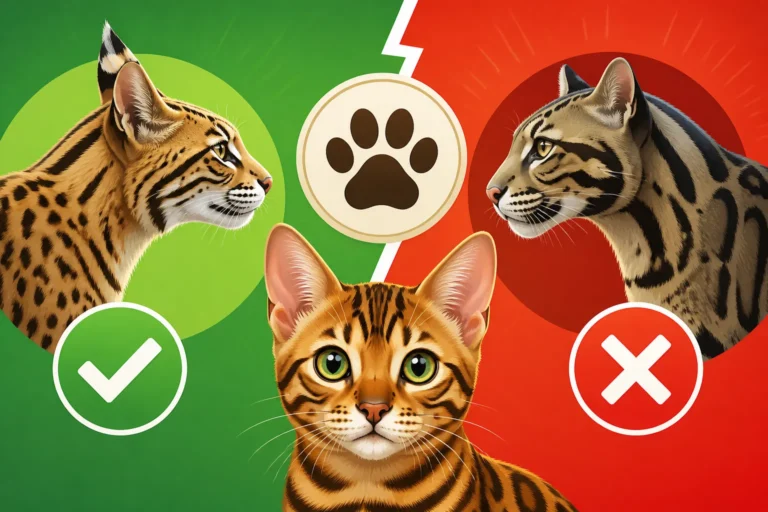
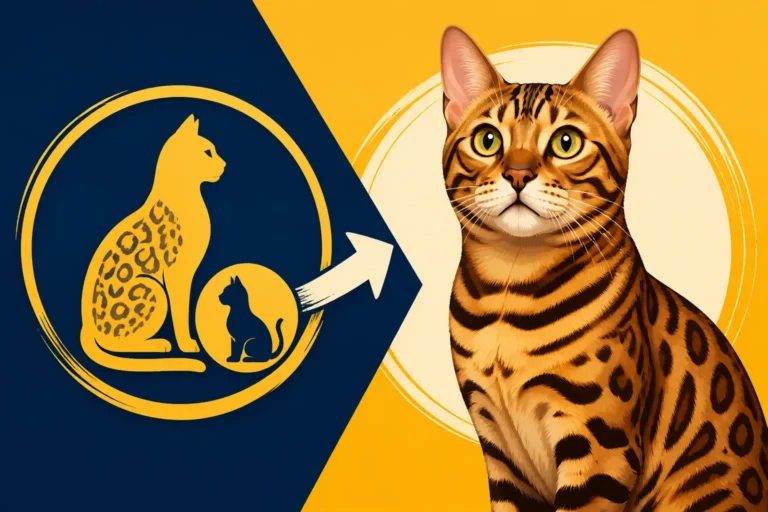
To truly understand where the Bengal cat's rosettes came from, we need to look back at its wild ancestor, the Asian Leopard Cat (ALC). These magnificent small wild cats are the literal blueprints for the Bengal's signature look, carrying a coat pattern that is far removed from the simple spots or stripes of most domestic breeds. Their fur is adorned with bold, contrasting markings that provide incredible camouflage in their natural habitats, whether it's dense jungle or rocky terrain.
The Allure of the Wild Spotting
The Asian Leopard Cat’s spotting isn't just a random scattering. It's often characterized by irregular, horizontal patterns that can range from solid spots to more complex, ring-like shapes. This is the genetic wellspring from which the Bengal cat's beauty flows. Breeders like the breed's founder, Jean Mill, were captivated by this wild beauty and sought to reproduce it in a domestic companion. It wasn't just about breeding a spotted cat; it was about replicating the quality and complexity of the ALC's markings. You see this connection directly in their luxurious feel; a Bengal's coat feels like a pelt, not just ordinary fur, echoing its wild ancestry. Why a Bengal Cat's Coat Came From the Asian Leopard Cat explores this fascinating genetic inheritance in more detail.
Defining a Rosette: More Than Just a Dot
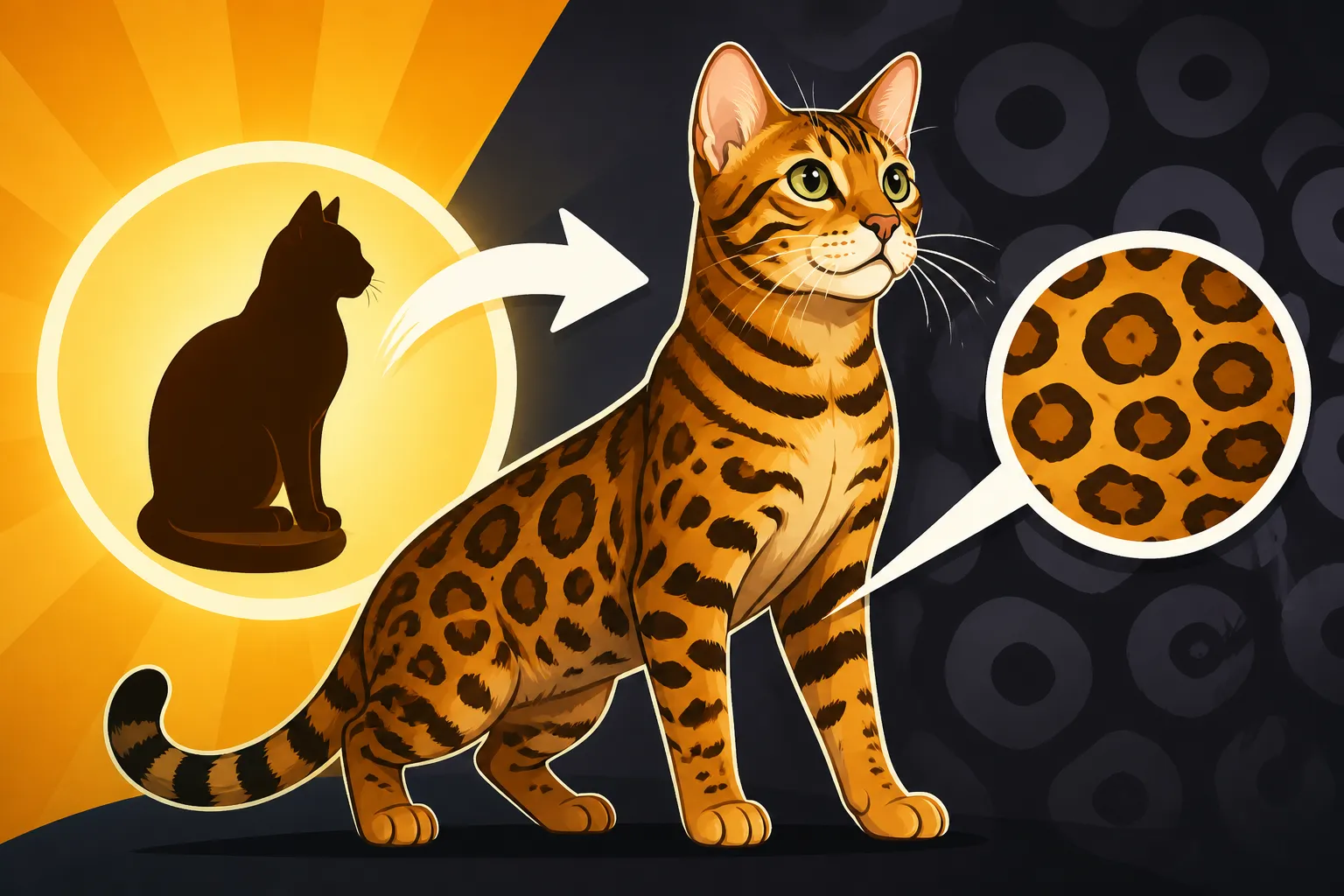
When we talk about rosettes on a Bengal cat, we're not just talking about simple, single-color spots. A true rosette is a two-toned spot, often with a darker outline and a lighter, reddish-brown or ochre-colored center. This creates a striking contrast and a sense of depth on the coat that a plain spot simply can't achieve. Think of it like a miniature leopard print, perfectly distributed across a domestic cat's athletic frame. This intricate detail is what separates a truly outstanding Bengal pattern from merely a spotted one, and it's a trait that breeders meticulously work to enhance. The distinction is crucial, and it's why What a Rosette Is on a Bengal Cat is a common point of discussion among enthusiasts.
Jean Mill's Vision and the Birth of the Rosetted Bengal
The journey to establish the Bengal breed and cultivate these breathtaking patterns was largely spearheaded by Jean S. Mill, a visionary breeder who dedicated decades to the development of this unique hybrid. Her goal was ambitious: to create a domestic cat with the striking appearance of its wild ancestor, but with the gentle, loving temperament of a household companion. This wasn't an easy task, as early generations of hybrids, known as "Leopardettes," often carried more of the wild cat's temperament.
Early Breeding Challenges and Breakthroughs
The very first crosses between Asian Leopard Cats and domestic cats, which began in the 1960s, didn't immediately yield the consistent, rosetted patterns we admire today. Initially, the offspring were a mix of patterns, including solid spots, marbling, and some less defined rosettes. It took careful selection and subsequent breeding generations to stabilize the desired traits. Jean Mill’s dedication to selective breeding was paramount in sifting through these early generations to find the cats that carried the genes for the most stunning patterns. It was a true labor of love, requiring patience and a keen eye for genetics. You can learn more about these early stages by reading about What a Leopardette Was Before It Was a Bengal Cat.
The Unveiling of Millwood Toby of Delhi
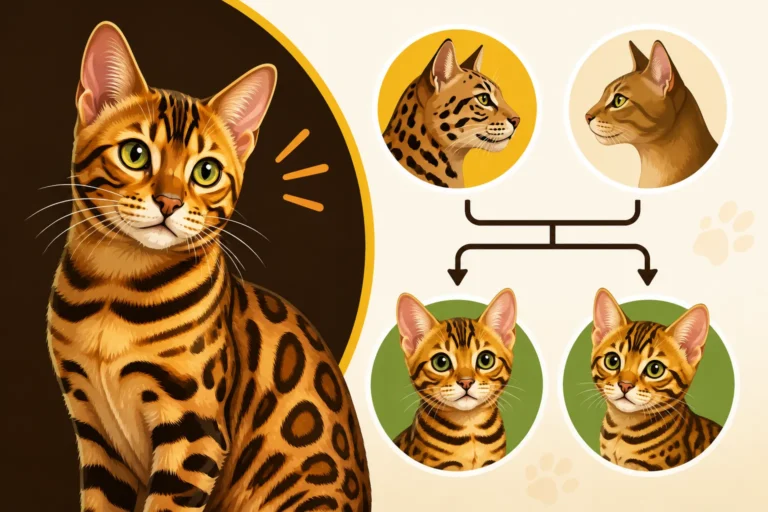
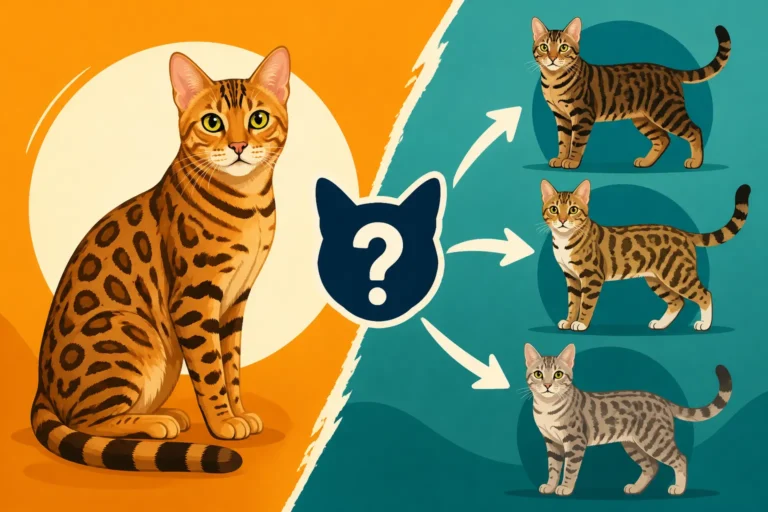
The question of which Bengal cat first showed rosettes brings us directly to a pivotal feline named Millwood Toby of Delhi. Bred by Jean Mill, Toby is widely recognized as the first Bengal cat to display truly distinctive, well-defined rosettes. He wasn't just spotted; his coat carried those characteristic two-toned markings with a clear contrast, setting a new standard for the breed's visual appeal. Born in the early 1980s, Toby's appearance was a breakthrough, a clear demonstration that the desired wild look, specifically the rosettes, could indeed be achieved and reproduced in a domestic cat. His existence proved the viability of Jean Mill's ambitious breeding program and ignited the passion for developing the breed further. Toby's impact was so significant that his name is etched in Bengal cat history, making him a legend. To understand the full scope of his legacy, check out What Millwood Toby of Delhi Was to the Bengal Cat.
Jean Mill's Role in Establishing the Rosetted Standard
Jean Mill didn't just stumble upon Toby's magnificent coat; she actively worked to select for and propagate these traits. Her efforts were instrumental in shaping the breed's aesthetic. She meticulously documented her breeding lines and understood the importance of genetic inheritance in achieving her vision. Without her foresight and persistence, the rosetted Bengal as we know it might not exist. It's a testament to her dedication that many of the rosetted patterns we see today can trace their lineage back to her foundational work. It truly makes you appreciate the thought and effort behind these incredible animals, especially when you consider Whether Jean Mill Bred the First Rosetted Bengal Cat.
The Evolution of Rosette Patterns and Genetic Diversity
Once Millwood Toby of Delhi demonstrated that clear rosettes were attainable, the focus shifted to refining and diversifying these patterns. Breeders worked diligently to enhance the contrast, shape, and distribution of the rosettes, leading to the array of beautiful patterns we see in Bengal cats today. This wasn't just about aesthetic preference; it was about solidifying the genetic traits responsible for these unique markings.
From Simple Spots to Intricate Designs
Following Toby's groundbreaking appearance, breeders aimed to produce rosettes that were not only present but also vibrant and well-defined. This involved careful selection of breeding pairs, looking for cats that exhibited strong contrast and good rosette formation. Over time, this led to the development of various rosette types, each with its own charm and appeal. The evolution was a gradual process of enhancing nature's design through thoughtful breeding. It’s truly amazing to see how far the patterns have come from those early F1 and F2 generations.
The Different Faces of Rosettes
Today, when you look at a Bengal cat, you might notice several types of rosettes, each contributing to the breed's wild allure. While all rosettes share the characteristic of being two-toned, their shapes can vary significantly:
| Rosette Type | Description | Ideal Placement |
|---|---|---|
| Arrowhead | Teardrop or arrow-shaped spots, often arranged horizontally along the cat's body. | Shoulders, flanks |
| Paw-Print | A cluster of small spots forming a larger, somewhat irregular "paw print" shape, usually with fuzzy edges. | Chest, lower flanks |
| Donut | Circular or oval spots with a distinct, darker outline and a lighter, often reddish-brown, interior. | Main body, sides |
| Clouded | Large, irregular, often elongated rosettes that appear to flow together, resembling clouded leopard markings. | Back, upper flanks |
Each type is beautiful in its own right, but certain styles, like the donut and clouded rosettes, are highly prized for their striking appearance and strong resemblance to wild cat markings. Understanding these differences helps you appreciate the artistry of Bengal breeding, and Which Rosette Type Judges Prefer in a Bengal Cat delves into what makes a pattern truly "show-quality." The subtle shimmer known as "glitter" also often accompanies these patterns, enhancing their depth and richness, a topic explored in The Glitter Gene and What It Does to a Bengal Cat's Coat.
Rosettes Today: A Breeder's Pride and Owner's Delight
The development of distinct rosettes was a monumental achievement in the Bengal cat breed's history. Today, these patterns are a hallmark of the breed, a source of pride for breeders, and a constant delight for owners. They are a living testament to the dedication of pioneers like Jean Mill and the ongoing efforts of the Bengal cat community.
The Standard of Perfection in Rosettes
In the world of cat shows and breed standards, rosettes are a key feature. Organizations like The International Cat Association (TICA) provide detailed guidelines on what constitutes an ideal Bengal coat pattern. Judges look for clarity, contrast, and the distinctive two-toned nature of the rosettes. They want to see those patterns clearly defined against the lighter background, creating a "random" pattern that flows across the body. A well-patterned Bengal isn't just visually stunning; it's a reflection of generations of careful breeding and genetic selection. What a Bengal Cat Looks Like by the Standard offers a deep dive into all the aspects that make up a perfect Bengal.
Supporting Your Rosetted Bengal's Health and Coat
While genetics lay the foundation for those gorgeous rosettes, proper care and nutrition play a significant role in keeping your Bengal cat's coat healthy and vibrant. A diet rich in high-quality protein and essential fatty acids will contribute to a shiny, luxurious pelt that truly showcases its pattern. Many Bengal owners opt for specialized cat foods designed for active breeds, often found at places like Chewy, to ensure their feline friends get all the necessary nutrients.
Good overall health, including a settled gut, also impacts coat quality. If your Bengal struggles with a sensitive stomach, which some do, finding the right food is paramount. Brands available on Chewy often offer limited-ingredient diets or those specifically formulated for digestive health, which can make a world of difference. Proper hydration, often encouraged by water fountains (also available through retailers like Chewy), is another factor that keeps their unique pelt-like coat in peak condition, allowing those rosettes to truly pop. Maintaining your Bengal's health is crucial, and articles like Feeding a Bengal Cat Four Generations From a Wild Ancestor and Which Food Firms Up a Bengal Cat's Stool can offer valuable insights into their specific dietary needs.
The rosettes on your Bengal cat are more than just pretty markings; they are a direct link to the breed's wild heritage and a testament to the visionary breeders who brought this magnificent cat into our homes. Each rosette tells a story of careful cultivation, genetic marvel, and the enduring appeal of the wild.
Disclaimer
This article is for general informational purposes only and does not constitute professional advice. Laws, prices and regulations vary by location and change over time. Consult a qualified professional for guidance on your specific situation.