Which Bengal Cat Generation Suits a Family
Choosing a Bengal kitten by generation can feel confusing when every breeder describes their cats differently. F1, F2, F3, and SBT refer to ancestry, but they don’t guarantee a particular personality or family fit. This guide explains what those labels mean, which generations are generally easier to live with, and what to check before bringing a Bengal into a busy home.
What Bengal cat generations mean
F1, F2, and F3 Bengals
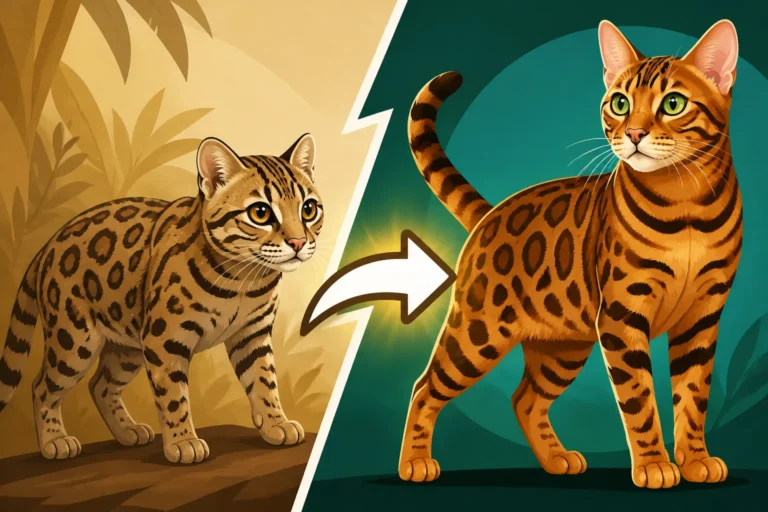
A Bengal generation number describes how many generations separate a cat from its Asian leopard cat ancestor. An F1 Bengal is the first-generation offspring of an Asian leopard cat and a domestic cat. F2 and F3 Bengals are further removed, with each generation descended from a Bengal parent and a domestic cat or another Bengal, depending on the pedigree.
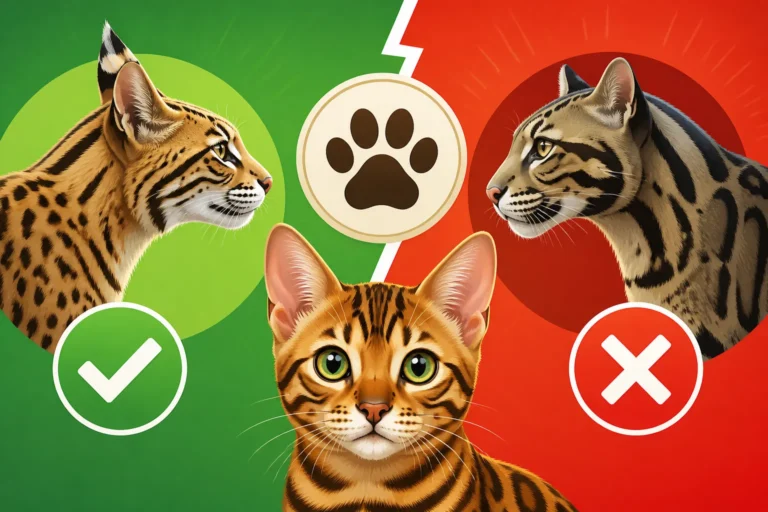
These early-generation cats are not simply ordinary house cats with particularly striking coats. Their behavior, care needs, and legal status can differ from those of later-generation Bengals. That doesn’t mean every F1, F2, or F3 is difficult to handle, but it does mean a family should be prepared for a more complex ownership experience. For the basics, see What F1 Means in a Bengal Cat and What F2 and F3 Mean in a Bengal Cat.
Early-generation males are often sterile, while females may be fertile. This matters for breeding, but it also highlights that generation labels describe ancestry and biology—not a simple scale of “good pet” to “bad pet.” A breeder should explain the individual cat’s pedigree, temperament, and needs rather than expecting the generation number to answer every question.
Later generations and SBT Bengals
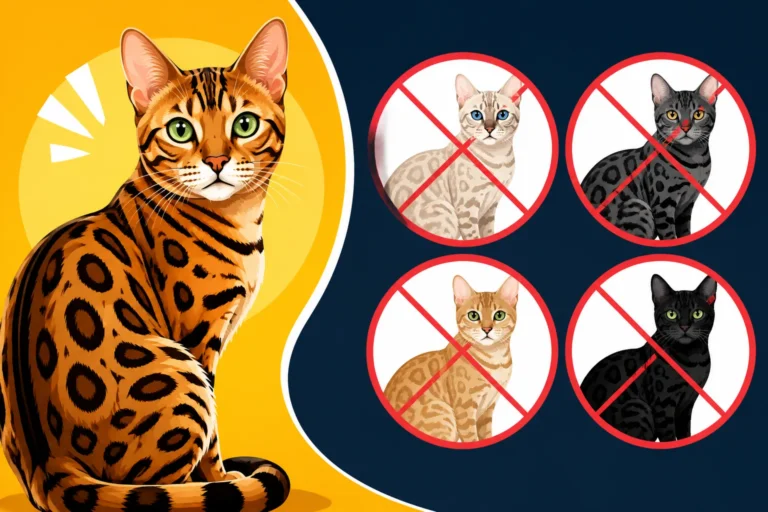
As Bengal lines move further from the wild ancestor, cats are generally more suited to life as domestic companions. Many families looking for a pet Bengal focus on later-generation cats, especially those registered as SBT. SBT stands for Stud Book Tradition and is a pedigree classification; it does not mean a cat has no Asian leopard cat ancestry. It generally indicates that the cat’s recent lineage meets the registry’s requirements for Bengal-to-Bengal breeding across several generations.
An SBT label is useful context, but it is not a personality certificate. A high-energy SBT Bengal can still be demanding, clever, vocal, and determined to investigate cupboards. A calm, well-socialized cat may be an easier match than a poorly socialized cat from the same generation. Learn more in What SBT Means in a Bengal Cat.
When comparing generations, ask the breeder to show how the cat’s pedigree supports the label. Registration papers can help document lineage, but families should also ask about the parents’ temperaments, the kitten’s early experiences, and the breeder’s expectations for the home. For a deeper look at how the family tree is counted, read How a Bengal Cat's Generation Is Counted.
| Generation label | What it generally describes | Family considerations |
|---|---|---|
| F1 | First generation from an Asian leopard cat and a domestic cat | Often a specialist placement; check local rules and care requirements carefully |
| F2 | A second-generation descendant | Still an early-generation hybrid; may not suit a typical first-time cat household |
| F3 | A third-generation descendant | Further removed, but still requires careful research into behavior, housing, and local laws |
| Later generation or SBT | A Bengal from a more established domestic breeding line | Commonly the more practical place for families to begin, though individual temperament still matters |
Which generation is usually the best fit for a family
Why later-generation Bengals are often easier to place
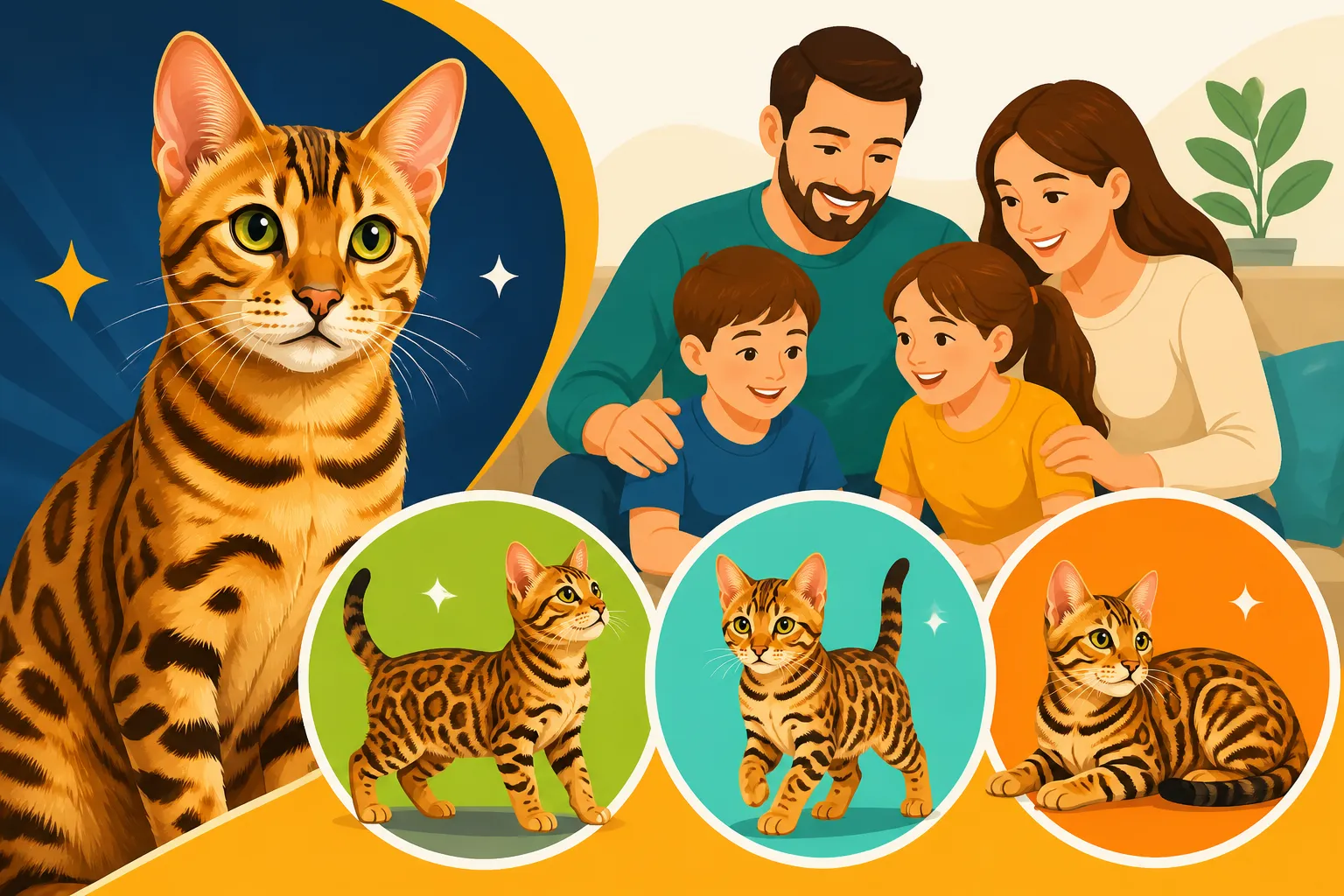
For most families seeking a companion, a later-generation Bengal—often an SBT—is usually the more practical starting point. These cats are bred as domestic pets, and breeders can select for traits that make life in a household more manageable. They still tend to be energetic and bright, but their needs are generally more familiar than those of an early-generation hybrid.
That distinction matters in everyday situations. Imagine a household with children, work schedules, visitors, and the usual noise of a busy home. A cat accustomed to domestic life and gently introduced to different people and sounds is more likely to adapt than a cat whose needs require specialist handling. No generation guarantees an easy adjustment, but a later-generation kitten from a thoughtful breeder is typically a more realistic choice for an ordinary family.
A Bengal also needs more interaction than a family may expect from a typical, low-key house cat. If your household wants a pet who is content to nap alone for most of the day, a Bengal may not be the right match at any generation. For a fuller picture of the breed’s behavior, see What a Bengal Cat's Temperament Is Really Like and How Much Enrichment a Bengal Cat Actually Needs.
When an early-generation Bengal might be considered
An early-generation Bengal may suit a household with relevant experience, time, and a clear understanding of local ownership rules. It is important not to choose one simply because its ancestry sounds unusual or its appearance seems especially wild. The decision should account for the cat’s welfare and the family’s ability to provide suitable housing, handling, and enrichment over the long term.
Before considering an F1, F2, or F3, ask the breeder what daily care looks like, what kind of home the cat has lived in, and what support they provide after placement. Ask how the cat responds to handling, unfamiliar people, household sounds, and other animals. A breeder who gives concrete, candid answers is more helpful than one who treats the generation label as proof that the cat will fit any home.
Legal requirements can also vary by location, and rules may apply at the state, city, or other local level. Check the rules where you live before committing, and confirm whether your landlord or housing association has restrictions. Which Bengal Cat Generation Most States Draw the Line At is a useful starting point for understanding why generation can matter legally, but check the rules that apply to your own address.
Match the cat to your household, not just its pedigree
Families with children
A Bengal can live successfully with children when both the cat and the children are given patience, supervision, and space. A kitten should never be expected to tolerate being chased, grabbed, cornered, or woken from sleep. Teach children to let the cat approach, use toys rather than hands during play, and leave the cat alone when it retreats to a safe resting place.
Think through the rhythm of your home before choosing a kitten. A quiet household with older children who understand animal boundaries may be a different fit from a home with toddlers and frequent visitors. In either case, ask the breeder how the kittens have been socialized and how they react to ordinary household activity. You can also review How a Bengal Cat Behaves With Children before making a decision.
The kitten’s individual temperament is important, but so is your plan for everyday care. Set up a quiet room for the first days, provide tall and stable climbing options, and give the cat places to hide or rest away from busy areas. When you are organizing toys, scratching surfaces, or feeding puzzles, a practical shopping list can help you compare options from a local pet shop or a retailer such as Chewy without buying items that don’t suit your home.
Homes with other pets or limited space
If you already have a cat, dog, or small animal, consider how you will manage introductions and separation. A Bengal’s hunting instincts can make small pets such as hamsters, birds, and rodents unsafe housemates, even if the cat seems curious rather than aggressive. Dogs and resident cats may be compatible with a Bengal, but compatibility depends on the individuals, their past experiences, and the way they are introduced.
Plan for a gradual introduction rather than putting the animals together on the first day. Begin with separate spaces, exchange scents, and allow brief, supervised contact only when the animals appear calm. Each pet should have access to food, water, litter, resting places, and escape routes without having to pass the other. For more on planning a cat-to-cat introduction, see How to Introduce a Bengal Cat to a Resident Cat. If a dog is part of the household, How a Bengal Cat Gets On With a Dog may help you prepare.
A small home is not automatically unsuitable, but a Bengal needs space to climb, play, and explore safely. Vertical shelves, secure window perches, play sessions, and food puzzles can make an apartment more engaging. You’ll need to consider whether your layout gives the cat safe places to retreat and whether you can protect windows, balconies, and doors from escape attempts. For more detail, read Whether a Bengal Cat Suits an Apartment. Puzzle feeders and durable interactive toys may be easier to source when you know what features you need; Chewy is one place some owners check, alongside local shops and independent retailers.
Questions to ask before choosing a Bengal
Ask about the kitten and its parents
Ask the breeder how each kitten behaves, rather than asking only which one has the boldest markings or the most striking coat. Does the kitten approach people readily? How does it respond to handling, noise, and changes in routine? Has it spent time around children, dogs, or other cats? The answers can help you picture the cat’s needs, although kitten behavior can change as it matures.
Ask about the parents too. A breeder who knows their cats well should be able to describe their activity level, sociability, and comfort with household life. Ask what the breeder does when a kitten seems timid or unusually intense, and what kind of home they think would be appropriate. A responsible breeder may advise you to wait for a different litter or choose another breed if the match does not seem right.
Also ask what support is available after the kitten comes home and what happens if your circumstances change. A written contract should explain the breeder’s expectations and the process for returning or rehoming the cat if needed. Before paying a deposit, make sure you understand the kitten’s generation, registration details, health history, and the practical commitments that come with Bengal ownership.
Plan for the cat’s daily needs
A Bengal needs more than an impressive cat tree. Build a routine that includes interactive play, safe climbing opportunities, scratching surfaces, and time with people. Many households find it easier to schedule play at predictable times—such as before breakfast and in the evening—than to wait until the cat invents its own entertainment by opening drawers or knocking objects from shelves.
Consider what will happen when everyone is out. Some Bengals cope poorly with long stretches without company or activity, while others settle more comfortably when their environment is thoughtfully arranged. A second cat is not an automatic fix: animals may not become friends, and they still need individual attention. For guidance on workdays and time alone, see How Long a Bengal Cat Can Be Left Alone.
Finally, budget and prepare for ordinary cat-care responsibilities, not just breed-specific equipment. Arrange veterinary care, safe transport, litter areas, and a plan for keeping the cat indoors or within a secure outdoor enclosure. If you are comparing supplies, focus on sturdiness, safety, and suitability for your particular cat rather than buying every product marketed for Bengals. Chewy may be one convenient place to compare basic supplies, but checking dimensions and materials matters more than the retailer.
Disclaimer
This article is for general informational purposes only and does not constitute professional advice. Laws, prices and regulations vary by location and change over time. Consult a qualified professional for guidance on your specific situation.