What Whited Tummy Means in a Bengal Cat
A pale or “whited” tummy can make a Bengal’s coat look surprisingly different from its dark back and rosettes. That contrast is usually a normal part of the breed’s appearance, not a sign that the cat has white spotting or a health problem. This guide explains what a Bengal’s light belly means, what to look for, and when a change deserves attention.
What a whited tummy means on a Bengal cat
A pale belly is part of the coat pattern
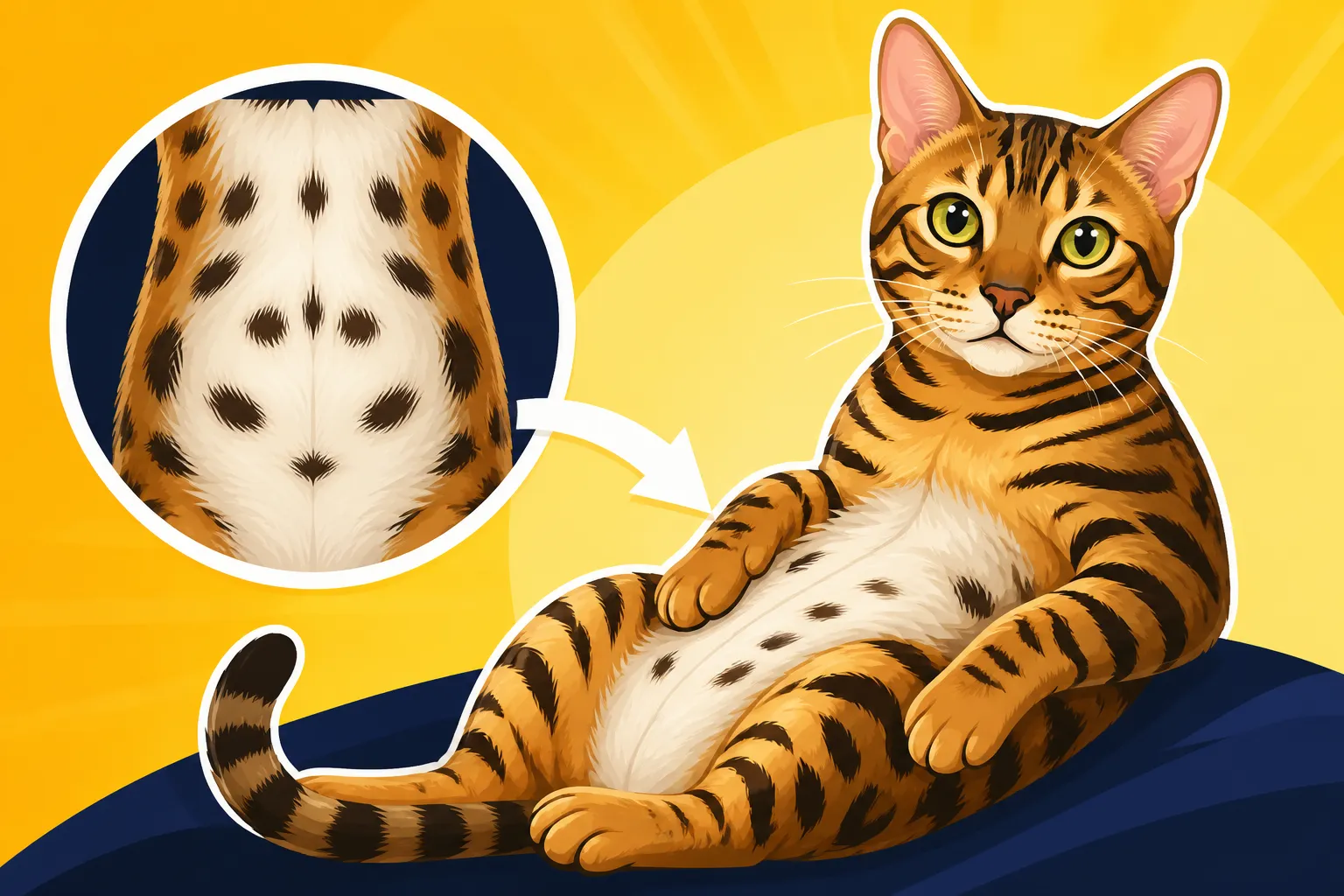
Bengals are known for bold contrast: darker markings over a lighter ground color, with the belly often among the palest areas of the coat. A “whited tummy” usually means the underside is noticeably lighter than the cat’s back and sides. Depending on the cat, that color may look ivory, cream, pale tan, or nearly white.
A light belly is not necessarily a sharply defined white patch. It can blend gradually into the surrounding coat, and its appearance depends on the cat’s color and pattern. The key feature is the contrast between the underside and the darker markings elsewhere, rather than a perfectly snow-white patch with a crisp outline.
The underside should still be considered with the whole coat in mind. Bengal standards describe an overall pattern and appearance, not a single feature that proves a cat’s breed or quality. For the broader context, see What a Bengal Cat Standard Asks For and What a Bengal Cat Looks Like by the Standard.
The belly should have its own pattern
A Bengal’s belly is not simply a blank, pale area beneath a patterned back. It commonly has spots or other markings, though they may be smaller, softer in contrast, or less easy to see than the rosettes along the cat’s sides. Looking closely in good light can help you tell whether the belly is lightly marked rather than solid white.
This is one reason people can disagree about whether a Bengal has a “white tummy.” One person may mean that the belly’s background color is very pale; another may mean there is a distinct white area without visible spots. Those descriptions point to different appearances, so it helps to check the coat in natural light and describe what you actually see.
If you are comparing a cat’s appearance with a breed description, avoid judging from one photograph. Flash, shadows, warm indoor bulbs, and a pale floor can all make fur appear lighter or darker. A short coat can also lie close to the skin, changing how the same color looks from different angles.
Color changes how white the belly appears
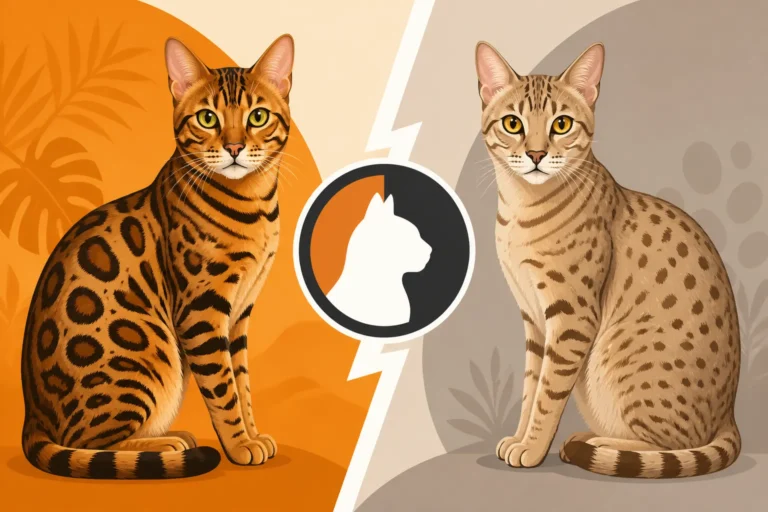
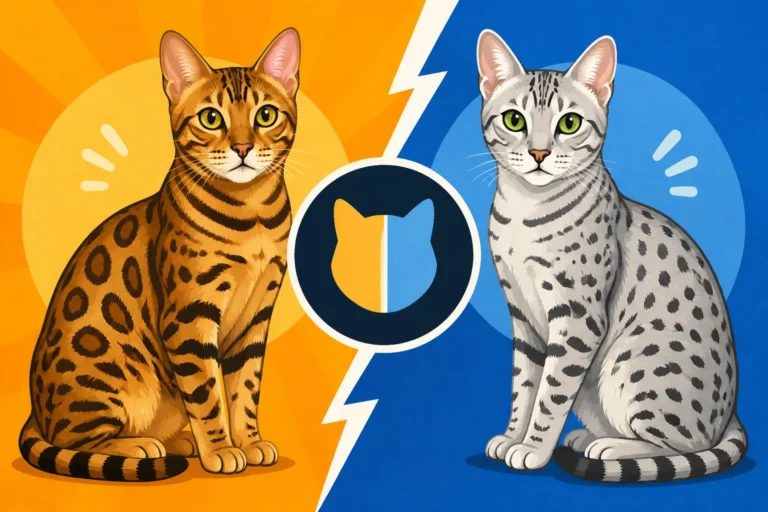
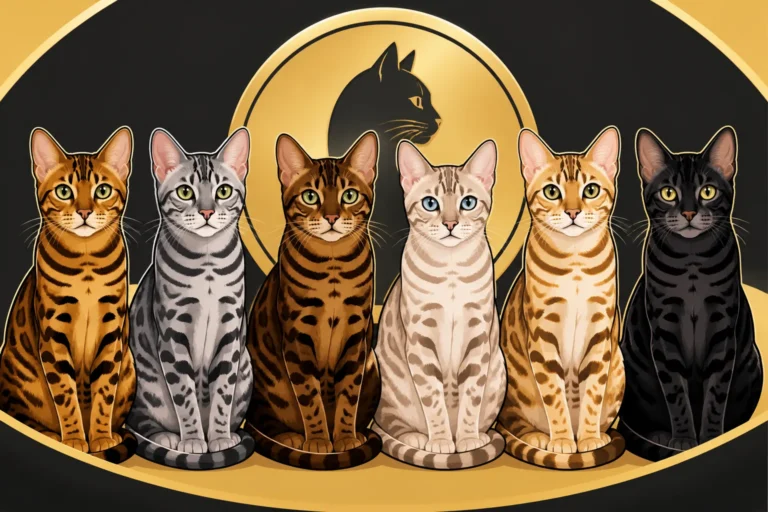
The base coat makes a big difference. A brown Bengal may have a warm cream or ivory underside that looks striking beside a rich brown back. A silver Bengal can have a much cooler-looking pale belly, while a snow Bengal may appear especially light overall. Each color affects the contrast your eye notices.
For that reason, “white” is often an everyday description rather than a precise color label. A belly that looks white beside a dark brown coat may look beige next to a very pale coat. To compare the recognized color families, see Which Colors a Bengal Cat Comes In, What a Snow Bengal Cat Is, and What a Silver Bengal Cat Is.
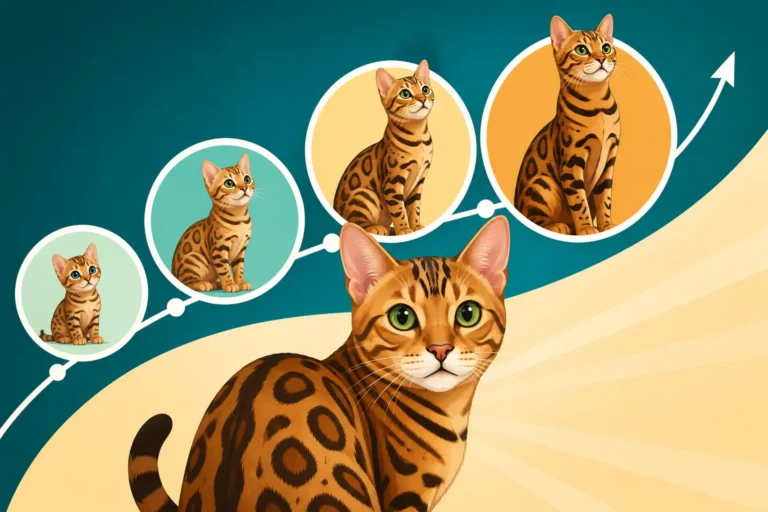
It is also normal for photos of kittens and adults to look different. Young Bengals can have a softer or less defined pattern as their coat develops. If a kitten’s markings seem muted, Why a Bengal Cat Kitten Looks Dull for Months and When a Bengal Cat's Adult Pattern Comes Through explain why appearance can shift as the coat matures.
How to tell a pale belly from a white patch
Look at the edges and the surrounding coat
A naturally light underside tends to look like part of the overall coat: its color blends into neighboring fur, and markings may continue across it. A distinct white patch, by contrast, can have a clearer boundary where white fur meets the cat’s usual coat color. There is no single visual test that settles every case, but the shape and edges are useful clues.
Check more than one area. A light belly with a few pale hairs is different from a sharply outlined white area on the chest, paw, or face. White toes or a small white mark may be described as a locket or a white marking. These features are not the same thing as the pale underside many people mean by a whited tummy.
A cat’s coat can also look different when it is parted. If you are unsure whether the lightness comes from pale fur or exposed skin, gently move the hair aside without pulling or rubbing. Healthy skin should not look sore, scaly, swollen, or irritated. If the area seems uncomfortable or has changed suddenly, ask a veterinarian rather than relying on color alone.
White markings do not confirm or disprove breed
A light belly by itself cannot confirm that a cat is a Bengal. Many domestic cats have pale undersides, spots, or tabby-like patterns. Equally, a white mark does not automatically tell you a cat’s ancestry. Coat appearance can offer clues, but pedigree information and a cat’s overall characteristics matter more than any single patch.
If you are trying to identify a rescue cat, compare its full appearance and background rather than focusing only on its tummy. Whether a Spotted Domestic Shorthair Is a Bengal Cat explains why a spotted coat is not enough to establish breed. A Bengal’s rosettes, body type, coat texture, and other features are part of a larger picture; What a Rosette Is on a Bengal Cat offers more detail on one of the pattern features people often notice first.
For a kitten from a breeder, ask to see the pedigree and the registration information, and ask how the breeder describes the coat. A photograph can help document what you see, but it cannot replace records. If the kitten’s markings are still developing, ask whether the breeder can show photos of older kittens or adult cats from the same lines.
| What you see | What it may mean | What to check |
|---|---|---|
| Gradually lighter fur across the underside | Normal pale belly coloring | Whether the coat blends into the sides and has markings |
| Pale belly with small spots | A light underside with visible pattern | The markings in natural light |
| A sharply outlined white area | A separate white marking may be present | Other white areas and the cat’s records |
| A new pale area with irritated skin | A possible skin or coat change | Redness, scaling, discomfort, or spreading |
| A belly that looks different in photos | Lighting or camera effects may be involved | Compare photos taken in consistent natural light |
Photos and handling can make comparison easier
If you want a reliable visual record, take a few photos in indirect daylight. Use the same room, similar distance, and similar angle each time. Include one image of the whole cat and another of the belly, and avoid using a flash that washes out pale fur. A quick photo log is especially helpful if you are watching a change over time.
Keep the experience calm. Many cats dislike being rolled onto their backs, even if they are relaxed in other situations. Let your Bengal stand or lie in a comfortable position, and do not restrain them just to get a picture. If the belly is difficult to see, wait for a moment when the cat stretches naturally.
For basic coat care, a soft grooming brush can help separate the fur enough to see the underlying color without tugging. If you are already shopping for ordinary cat-care supplies, Chewy is one place owners may compare grooming tools, but a special product is not needed to assess a pale belly. A phone camera and good light are usually enough.
When a light belly may need attention
A lifelong pale underside is usually different from a new change
If your Bengal has always had a light belly and the fur and skin look healthy, that appearance is commonly just part of the coat. The same goes for small differences in shade that become noticeable as you see the cat in new lighting or after a seasonal coat change. A stable appearance is generally less concerning than a sudden change.
Pay closer attention if a previously dark or patterned area becomes pale over a short period, if fur starts falling out, or if the skin looks red, crusty, scaly, or sore. Persistent licking or scratching can also be a clue that something is bothering the cat. Those signs do not identify a particular cause, but they are good reasons to contact a veterinarian.
Do not try to diagnose a skin condition based on a photo or a coat-color description. A veterinarian can examine the skin and coat, ask when the change began, and decide whether further evaluation is needed. If you can, bring clear photographs showing how the area has changed and note whether your cat has been scratching, grooming more, or acting differently.
Seek help for discomfort or sudden symptoms
A color difference alone is usually not an emergency. A sore, painful-looking area, swelling, bleeding, or a sudden and extensive change deserves prompt veterinary advice, especially if your cat seems uncomfortable. If your Bengal is also eating less, hiding, or acting unusually tired, mention those changes when you call the clinic.
Avoid applying human creams, dyes, whitening products, or household remedies to your cat’s belly. Cats groom themselves, so anything placed on the coat may be swallowed. Even a product marketed for pets should only be used for the purpose and in the way its label describes; when the skin looks abnormal, ask the veterinarian first.
If you need to get your cat to an appointment, use a secure carrier and bring the photo log or any relevant records. Chewy carries general pet supplies such as carriers, but the important thing is choosing one that closes securely and gives your cat enough room to travel safely. If your cat becomes stressed during handling, tell the clinic before the visit so staff can help plan a calmer checkup.
What to ask a breeder or veterinarian
Questions for a breeder about coat color
If you are choosing a Bengal kitten and the belly color matters to you, ask the breeder how they describe the kitten’s underside and whether its pattern is still changing. Request natural-light photos rather than heavily edited images. A breeder should be able to explain the kitten’s color and pattern in clear terms without suggesting that a single white-looking area proves show quality or breed identity.
Ask whether the pale color is present on both sides of the belly and whether spots are visible there. It is also reasonable to ask how the kitten’s coat compares with those of its parents or older relatives. Family photos can provide context, though kittens do not necessarily look exactly like their parents as they mature.
You may also want to understand what the breeder means by “whited.” Some people use the word for a light underside; others mean a distinct white marking. Clarifying the description before you make a decision can prevent disappointment, especially if you are looking at photos where lighting makes the belly appear much brighter than it does in person.
Questions for a veterinarian about a coat change
For a routine checkup, mention a pale belly if you are unsure whether it has changed or if the skin seems irritated. Try to describe when you first noticed it, whether the area is getting larger, and whether your cat has been licking or scratching. These details are often more useful than simply saying that the tummy looks white.
If your veterinarian finds no signs of a skin problem, you can ask whether the color is consistent with your Bengal’s coat and whether it is worth monitoring. Keep the answer practical: ask what specific changes should prompt another call, such as spreading discoloration, hair loss, redness, or discomfort. Chewy may be useful for ordinary items such as a brush or secure carrier, but those supplies do not replace an examination when symptoms are present.
For a final check on appearance, remember that the belly is only one part of a Bengal’s coat. Pattern, contrast, color, and overall build belong together. What People Get Wrong About the Bengal Cat is a helpful reminder not to turn one striking feature into a complete breed assessment.
Disclaimer
This article is for general informational purposes only and does not constitute professional advice. Laws, prices and regulations vary by location and change over time. Consult a qualified professional for guidance on your specific situation.