How a Bengal Cat With PK Deficiency Is Treated
Dealing with a diagnosis of Pyruvate Kinase Deficiency (PKD) in your beloved Bengal cat can feel incredibly overwhelming, bringing a mix of fear and uncertainty about their future. This genetic condition can lead to unpredictable health crises, leaving you wondering how best to support your feline friend. This comprehensive guide aims to demystify PK Deficiency, offering practical insights and detailed strategies for its treatment and long-term management, empowering you to provide the best care possible.
Understanding Pyruvate Kinase Deficiency in Bengal Cats
Pyruvate Kinase Deficiency is a serious hereditary blood disorder that, while not unique to Bengals, is certainly a significant concern within the breed. It’s an autosomal recessive condition, meaning a cat must inherit two copies of the defective gene – one from each parent – to be affected. If a cat only inherits one copy, they are considered a carrier and will not show symptoms themselves, but can pass the gene on. Understanding this genetic foundation is crucial for both breeders and pet owners.
What PK Deficiency Means for Your Cat's Body
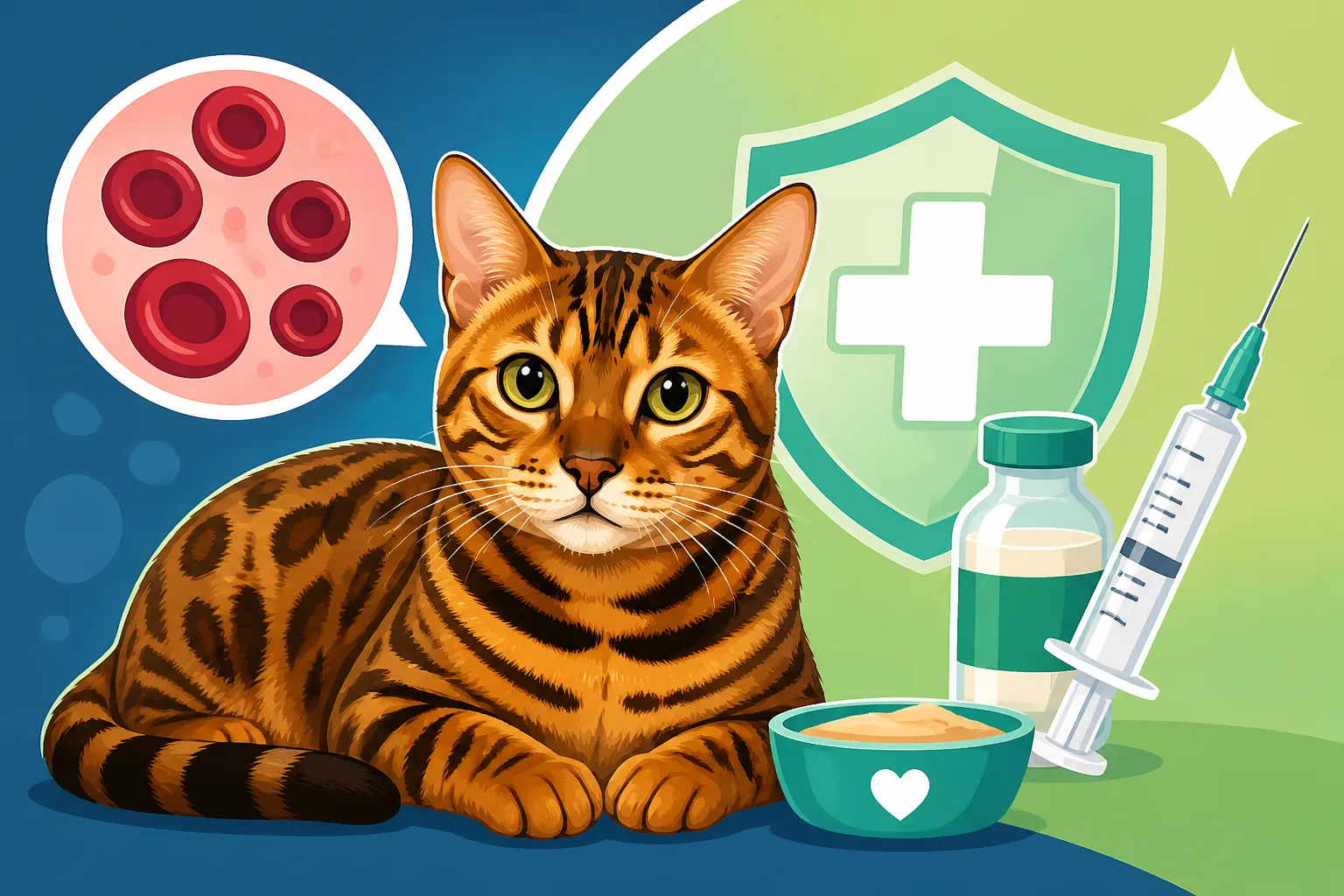
At its core, PK Deficiency is all about red blood cells. Pyruvate kinase is a vital enzyme responsible for a crucial step in the metabolic pathway that provides energy for red blood cells. Without enough functional pyruvate kinase, these red blood cells become fragile and don't last as long as they should. Think of it like a car running on old, faulty spark plugs – it just can't keep going efficiently. This premature destruction of red blood cells leads to chronic regenerative hemolytic anemia, which is a fancy way of saying the body is constantly trying to make new red blood cells to replace the ones being destroyed, but can't quite keep up. This consistent battle leaves your cat’s system under immense strain, impacting their overall vitality. For more detail on this, you might want to read about How PK Deficiency Destroys a Bengal Cat's Red Cells.
Recognizing the Signs and Symptoms
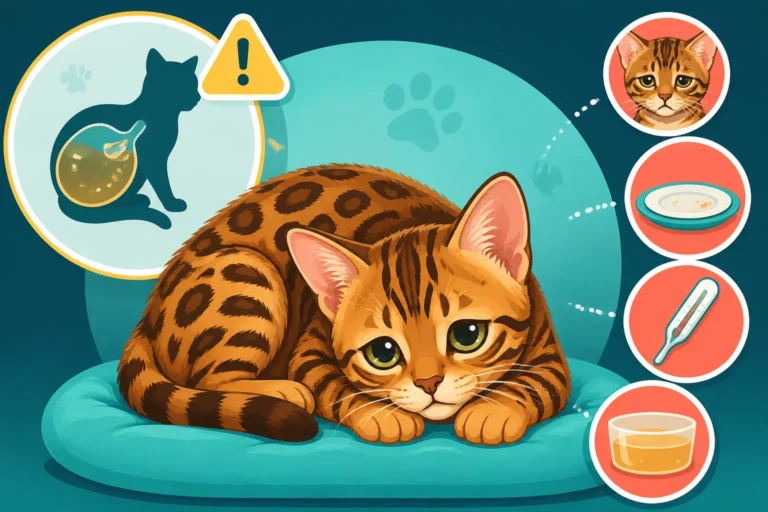
The signs of PK Deficiency can be quite varied and often appear in cycles, making them tricky to pinpoint definitively without veterinary intervention. One of the most common indicators is persistent lethargy and a noticeable decrease in energy levels. Your usually boisterous Bengal might become unusually quiet, preferring to rest rather than play. You might also observe pale gums, especially when you gently lift their lip, which is a classic sign of anemia. Weight loss can occur, as can a reduced appetite, and in more severe cases, jaundice (yellowing of the skin or whites of the eyes) may be present due to the breakdown of red blood cells.
What makes PK Deficiency particularly challenging is its episodic nature. Cats can experience periods of relative normalcy, where they seem to feel quite well, interspersed with sudden, severe anemic crises. One day your Bengal might be chasing toys with gusto, and the next they could be weak and unwilling to move. These "good days and bad days" are a hallmark of the condition and can be incredibly frustrating for owners who are trying to manage their pet's health. Keeping a close eye on your cat's behavior and physical state, and knowing Signs a Bengal Cat Is Anemic, is paramount. If you notice your Bengal's gums are looking pale, this could be a significant red flag, as detailed in Why a PK Deficient Bengal Cat's Gums Look Pale.
The Cornerstone of Diagnosis and Monitoring
When it comes to Pyruvate Kinase Deficiency, early and accurate diagnosis is absolutely key. There's no room for guesswork here, as the symptoms can sometimes mimic other conditions. Once a diagnosis is made, consistent and thorough monitoring becomes a lifelong commitment, ensuring you can react promptly to any changes in your Bengal's health. This proactive approach is what truly makes a difference in managing this challenging condition.
Confirming PK Deficiency
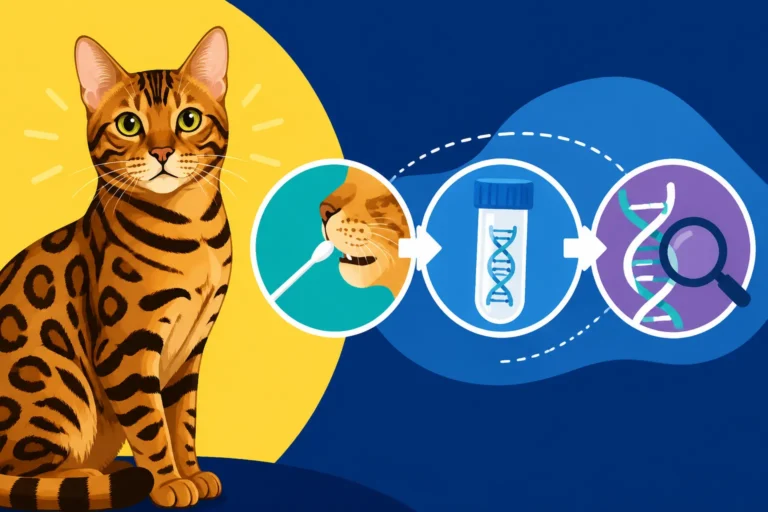
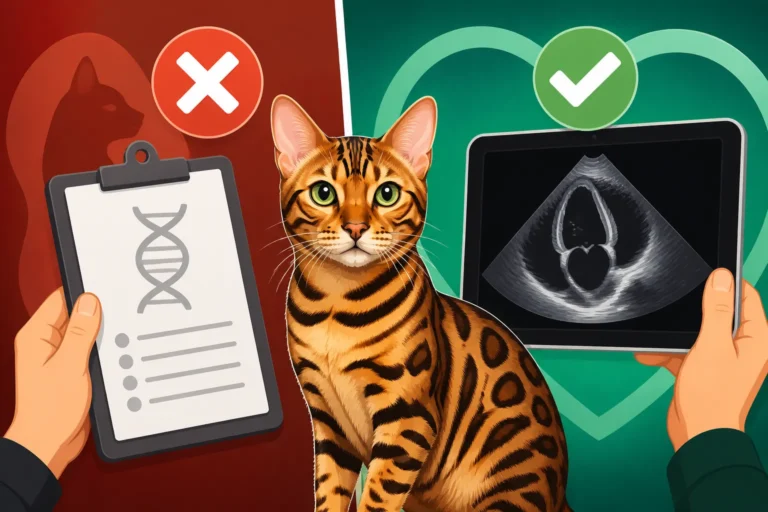
The most definitive way to confirm PK Deficiency in a Bengal cat is through a genetic DNA test. This test identifies the specific mutation in the PKLR gene responsible for the condition. It’s usually done via a simple cheek swab or a blood sample, which is then sent to a specialized laboratory. A positive result from this genetic test unequivocally confirms the diagnosis, whether the cat is affected or merely a carrier. This genetic testing is far more reliable than just relying on blood work for a definitive diagnosis of the genetic disease itself, though blood work is crucial for monitoring the effects of the disease.
While genetic testing confirms the presence of the gene, regular blood tests, particularly a complete blood count (CBC), are essential for monitoring the severity of the anemia and your cat's overall health. A packed cell volume (PCV) or hematocrit measurement will tell your vet the percentage of red blood cells in your cat's blood, which is a direct indicator of anemia. These blood tests help track the progression of the disease and inform treatment decisions during symptomatic episodes. Understanding How a Vet Confirms PK Deficiency in a Bengal Cat is vital for any owner facing this possibility, and it's important to remember Whether a Blood Test Alone Diagnoses a Bengal Cat for this specific genetic condition.
Regular Veterinary Check-ups and Bloodwork
Living with a PK-deficient Bengal means building a strong, ongoing relationship with your veterinarian. Even when your cat seems to be having a good stretch and isn't showing overt symptoms, regular check-ups are non-negotiable. These routine visits allow your vet to perform physical examinations, listen to your cat's heart, assess their mucous membranes, and discuss any subtle changes you might have observed at home. These consistent evaluations help establish a baseline for your cat’s health, making it easier to spot deviations quickly.
Beyond the physical exam, routine bloodwork is a critical part of monitoring PK Deficiency. Your vet will likely recommend periodic CBCs to keep a close eye on your Bengal's red blood cell count, PCV, and other relevant blood parameters. The frequency of these blood draws might vary depending on your cat's current condition – perhaps every few months during stable periods, or more frequently during active crises. Tracking these trends over time helps your veterinary team understand the pattern of your cat’s disease and anticipate potential issues. It's a bit like keeping a detailed logbook; every piece of data contributes to a clearer picture of your cat’s health journey and helps in making informed management decisions.
Managing Anemia and Symptomatic Care
When a Bengal cat with PK Deficiency experiences an anemic crisis, the primary focus shifts to immediate, symptomatic care. This often means addressing the acute anemia and ensuring your cat is as comfortable and stable as possible. It's a situation that can be incredibly frightening for owners, but knowing the available interventions can provide some peace of mind.
Blood Transfusions: When and Why
In cases of severe, life-threatening anemia where the packed cell volume (PCV) drops to dangerously low levels, a blood transfusion can be a true lifeline for a PK-deficient Bengal cat. This procedure involves administering donated red blood cells directly into your cat's bloodstream, providing a temporary but immediate boost to their oxygen-carrying capacity. It's not a cure for PK Deficiency, but it can stabilize your cat during a crisis, buying time for their body to regenerate its own red blood cells or for other supportive treatments to take effect.
The decision to perform a blood transfusion is not taken lightly and involves careful consideration of the risks and benefits. While transfusions can be life-saving, there’s always a risk of transfusion reactions, although these are relatively uncommon in cats. Your vet will typically perform a cross-match to ensure compatibility if possible, and monitor your cat closely during and after the transfusion. It's an intensive procedure that often requires hospitalization. Understanding Whether a PK Deficient Bengal Cat Needs a Transfusion is crucial, especially given the potential costs involved, as explored in What a Bengal Cat's Blood Transfusion Costs.
Supportive Care and Medications
Beyond transfusions, a range of supportive care measures and medications can help manage the symptoms of PK Deficiency. Corticosteroids, such as prednisolone, are sometimes used. While their effectiveness in directly combating the red blood cell destruction specific to PK Deficiency isn't as robust as in immune-mediated hemolytic anemia, some vets may prescribe them to potentially reduce the immune system's attack on red blood cells, or simply for their general anti-inflammatory benefits that can help a critically ill animal feel better. However, it's vital to have a frank discussion with your vet about the expected outcomes and potential side effects of such medications.
Nutritional supplements play a supportive role in many chronic illnesses, and PK Deficiency is no exception. Iron supplements may be recommended to help the body produce new red blood cells, though careful dosing is required to avoid iron toxicity. B vitamins, particularly folate and B12, are also essential for red blood cell production and can be given to support the bone marrow's efforts. Beyond specific medications and supplements, ensuring your cat receives adequate nutrition and hydration is paramount, especially during periods of low appetite. Offering highly palatable wet food, warming it slightly to enhance its aroma, or even hand-feeding small amounts can make a big difference. This ongoing care can lead to significant financial demands over time, and a good pet insurance plan, such as one from Healthy Paws, can be invaluable in helping cover the unexpected treatment costs for these often acute flare-ups.
Environmental Adjustments for Comfort
A Bengal cat suffering from PK Deficiency, especially during an anemic episode, will likely experience periods of extreme fatigue and weakness. Creating a calm, predictable, and stress-free environment is not just helpful, it's essential for their well-being and recovery. Imagine trying to recover from an illness in a chaotic household; it's just not conducive to healing. Your Bengal needs a safe haven where they can rest undisturbed, with all their essential resources easily accessible.
This might mean placing their food and water bowls, as well as their litter box, on the same floor where they spend most of their time, eliminating the need for stairs or long walks. Providing soft, comfortable beds in quiet, warm spots will encourage rest. Minimizing sudden loud noises or boisterous play from other pets or children is also crucial. The goal is to conserve their energy and reduce any physiological stress that could potentially exacerbate their anemia. For a cat experiencing a "bad day," even simple activities can be exhausting, so reducing their workload in every possible way significantly contributes to their comfort and helps them conserve what little energy they have.
Nutritional Strategies for PK-Deficient Bengals
Nutrition plays a pivotal, albeit supportive, role in managing a Bengal cat with Pyruvate Kinase Deficiency. While no diet can cure the genetic defect, the right nutritional approach can help optimize their body’s ability to produce new red blood cells, maintain muscle mass, and support their overall health, especially during periods of anemia. It’s about giving their system the best possible building blocks to work with.
High-Quality, Easily Digestible Diets
For a Bengal cat dealing with the chronic stress of PK Deficiency, their diet needs to be top-notch. The focus should be on high-quality, highly digestible protein sources to support muscle maintenance and overall bodily function. Protein is also crucial for many metabolic processes, including the production of new cells. Look for foods where meat is the primary ingredient, and avoid excessive fillers or artificial additives that offer little nutritional value and might even irritate a sensitive digestive system.
Wet food is often recommended over dry kibble for cats with chronic health issues, including PK Deficiency. Wet food generally has higher moisture content, which is excellent for overall hydration, and often contains fewer carbohydrates, aligning better with a cat’s natural carnivorous diet. If your Bengal is struggling with appetite, a prescription diet specifically formulated for convalescing or anemic cats might be suggested by your vet, as these are typically very nutrient-dense and highly palatable. Remember, the goal is to provide maximum nutrition with minimal digestive effort, ensuring that every calorie counts towards their recovery and maintenance.
Meal Frequency and Appetite Stimulation
Cats, especially those with underlying health conditions, often do better with smaller, more frequent meals throughout the day rather than one or two large ones. This approach can help prevent nausea, keep their energy levels more stable, and make it less daunting for a cat with a reduced appetite to finish a meal. Instead of two large servings, try offering three or four smaller portions. This constant availability of nutrition can be particularly beneficial for a body constantly working to replenish blood cells.
When appetite becomes an issue, which is common during anemic episodes, you might need to get creative to encourage your Bengal to eat. Warming wet food slightly can enhance its aroma and make it more appealing. You can also try adding a tiny amount of low-sodium chicken broth or tuna water (packed in water, not oil) to their regular food. Sometimes, simply offering a different texture or flavor of food can pique their interest. Monitoring their food intake and weight is vital; if your cat is consistently refusing food or losing weight, it’s a red flag that warrants immediate veterinary attention. Your vet might also suggest appetite stimulants if needed. Staying proactive and ensuring consistent caloric intake is paramount.
Exploring Advanced and Experimental Treatments
While the primary treatment for PK Deficiency currently revolves around supportive care and managing symptoms, medical science is always advancing. For owners looking for every possible option, it’s worth exploring some of the more advanced, albeit sometimes controversial, interventions and staying informed about ongoing research.
Splenectomy: A Controversial Option
The spleen plays a significant role in filtering old and damaged red blood cells from the bloodstream. In cats with PK Deficiency, the spleen often works overtime, prematurely removing the fragile, enzyme-deficient red blood cells. Because of this, splenectomy – the surgical removal of the spleen – has been considered as a potential treatment to reduce the destruction of red blood cells and thus alleviate anemia. The rationale is that by removing the "red blood cell graveyard," more cells will remain in circulation for longer.
However, splenectomy for PK Deficiency is a highly controversial procedure with significant considerations. While some anecdotal reports suggest a temporary improvement in red blood cell counts post-surgery, it is not a cure for the underlying genetic defect. The bone marrow still produces faulty red blood cells, and eventually, other organs like the liver can take over the role of red blood cell destruction, negating the long-term benefits of the splenectomy. Furthermore, any major surgery carries risks, including anesthesia complications, infection, and hemorrhage, especially in an already anemic cat. It’s a drastic measure that should only be considered after a thorough discussion with a board-certified veterinary internal medicine specialist or surgeon, weighing the potential, often temporary, benefits against the significant risks and costs. For those considering this path, delving into Whether a Spleen Removal Helps a Bengal Cat could offer further perspective.
Future Directions and Research
The good news is that veterinary medicine is constantly evolving, and research into genetic diseases like PK Deficiency is ongoing. Scientists are always looking for better ways to diagnose, treat, and ultimately cure these conditions. One promising area of research is gene therapy, which aims to correct the defective gene responsible for PK Deficiency. While still largely experimental and not widely available for clinical use in pets, successful gene therapy could theoretically offer a definitive cure by enabling the cat's body to produce functional pyruvate kinase.
Beyond gene therapy, other research avenues include developing new pharmacological agents that might improve red blood cell survival or stimulate more efficient red blood cell production in affected cats. The collaborative efforts of veterinary geneticists, researchers, and breeders are crucial in this journey. Breeders who responsibly screen their breeding cats for the PKLR gene mutation and make informed breeding decisions play a huge role in reducing the incidence of PK Deficiency in future generations of Bengal cats. Learning Pyruvate Kinase Deficiency in a Bengal Cat in its entirety and understanding How Many Bengal Cats Carry PK Deficiency can emphasize the importance of genetic screening for the long-term health of the breed.
Living with a PK Deficient Bengal Cat
Caring for a Bengal cat with Pyruvate Kinase Deficiency is a journey that requires dedication, resilience, and a deep well of love. It’s not always easy, but understanding what to expect and knowing how to navigate the challenges can make a world of difference for both you and your feline companion. This lifelong commitment focuses on maximizing comfort and maintaining the highest possible quality of life.
Prognosis and Quality of Life
The prognosis for Bengal cats with PK Deficiency can vary significantly from one individual to another. Some cats may experience mild, infrequent anemic episodes and live relatively normal lifespans, while others face severe, debilitating crises that drastically shorten their lives. It's truly a spectrum. The "good days and bad days" cycle is a reality that owners must come to terms with, managing each episode as it arises. The key is to celebrate the good days and provide extra comfort and care during the challenging ones.
Focusing on quality of life is paramount. This means closely monitoring your cat for signs of discomfort or pain, ensuring they have a low-stress environment, and providing consistent, loving attention. While the disease can be unpredictable, many PK-deficient Bengals, with diligent care, can still enjoy periods of joy and engagement with their families. The average lifespan can be anywhere from a few years to their early teens, highlighting the variability, as discussed in How Long a PK Deficient Bengal Cat Lives. It’s about ensuring that whatever time you have together is filled with the best possible care and happiness.
Financial Considerations and Pet Insurance
Let's be real: chronic health conditions like PK Deficiency come with a significant financial burden. The ongoing veterinary costs for diagnostic tests, bloodwork, potential emergency transfusions, medications, and specialized diets can quickly add up, creating considerable stress for pet owners. It’s not just the initial diagnosis; it’s the cumulative expense over years that can truly challenge a family's budget.
This is where pet insurance becomes more than just a convenience; it can be a lifesaver. Companies like Healthy Paws offer comprehensive plans that can help mitigate the financial strain of managing a chronic illness. When considering pet insurance for a Bengal, it's crucial to understand the policy details, particularly regarding pre-existing and inherited conditions. While many policies won't cover conditions diagnosed before enrollment, a good plan purchased early in your cat's life can provide invaluable support for future illnesses, including PK Deficiency if it develops after the policy is active. Carefully researching Whether Insurance Excludes a Bengal Cat's Inherited Disease is a critical step, as is understanding What a Bengal Cat Costs Over Its Lifetime when factoring in potential health issues. Having that safety net can allow you to make medical decisions based on what’s best for your cat, rather than solely on what you can afford out-of-pocket.
Support for Owners
Caring for a chronically ill pet can be emotionally exhausting. The worry, the financial stress, the sleepless nights, and the constant vigilance can take a toll on even the most dedicated owner. It’s important to acknowledge these feelings and recognize that you don’t have to go through this alone. Connecting with other owners of PK-deficient Bengals, perhaps through online forums or local support groups, can provide a sense of community and shared understanding. Sharing experiences and tips, or simply finding a sympathetic ear, can be incredibly validating and helpful.
Maintaining open and honest communication with your veterinary team is also crucial. They are your partners in your cat's care, and don’t hesitate to ask questions, express concerns, or seek clarification on treatment plans. They can also offer guidance on what to expect, helping you prepare for potential challenges. Remember, you are doing an incredible job providing care and comfort for your special Bengal, and taking care of your own well-being is just as important in this journey.
Disclaimer
This article is intended for informational purposes only and does not constitute veterinary medical advice. Always consult with a qualified veterinarian for any health concerns or before making any decisions related to your pet's medical care.