Signs a Bengal Cat Has Heart Disease
One of the most heart-wrenching concerns for any Bengal cat parent is the thought of their vibrant, energetic companion facing a serious illness. Heart disease, especially Hypertrophic Cardiomyopathy (HCM), can be particularly insidious in these athletic felines, often progressing silently before showing obvious signs. This comprehensive guide will walk you through the subtle and more overt indicators of heart disease in Bengal cats, helping you recognize these crucial signals and act swiftly for your beloved pet.
The Sneaky Nature of Feline Heart Disease in Bengal Cats
Bengal cats are known for their incredible energy, intelligence, and a seemingly boundless zest for life. This very nature, however, can make detecting illness, particularly something as complex as heart disease, incredibly challenging for even the most observant owner.
Why Cats Hide Illness So Well
It’s an instinctual trait, deeply rooted in their wild ancestry, for cats to conceal weakness or pain. In the wild, showing any sign of vulnerability can make a feline an easy target for predators or a rival for resources. Our domestic cats, even those generations removed from their wild counterparts like the Asian Leopard Cat, retain this innate behavior. A Bengal cat, with its striking wild looks and robust physical capabilities, is especially adept at masking discomfort, often until a condition has advanced significantly. They'll push through pain, maintain their routine, and generally carry on as if nothing is amiss, making it incredibly difficult for owners to spot trouble brewing.
The Most Common Culprit: HCM in Bengals
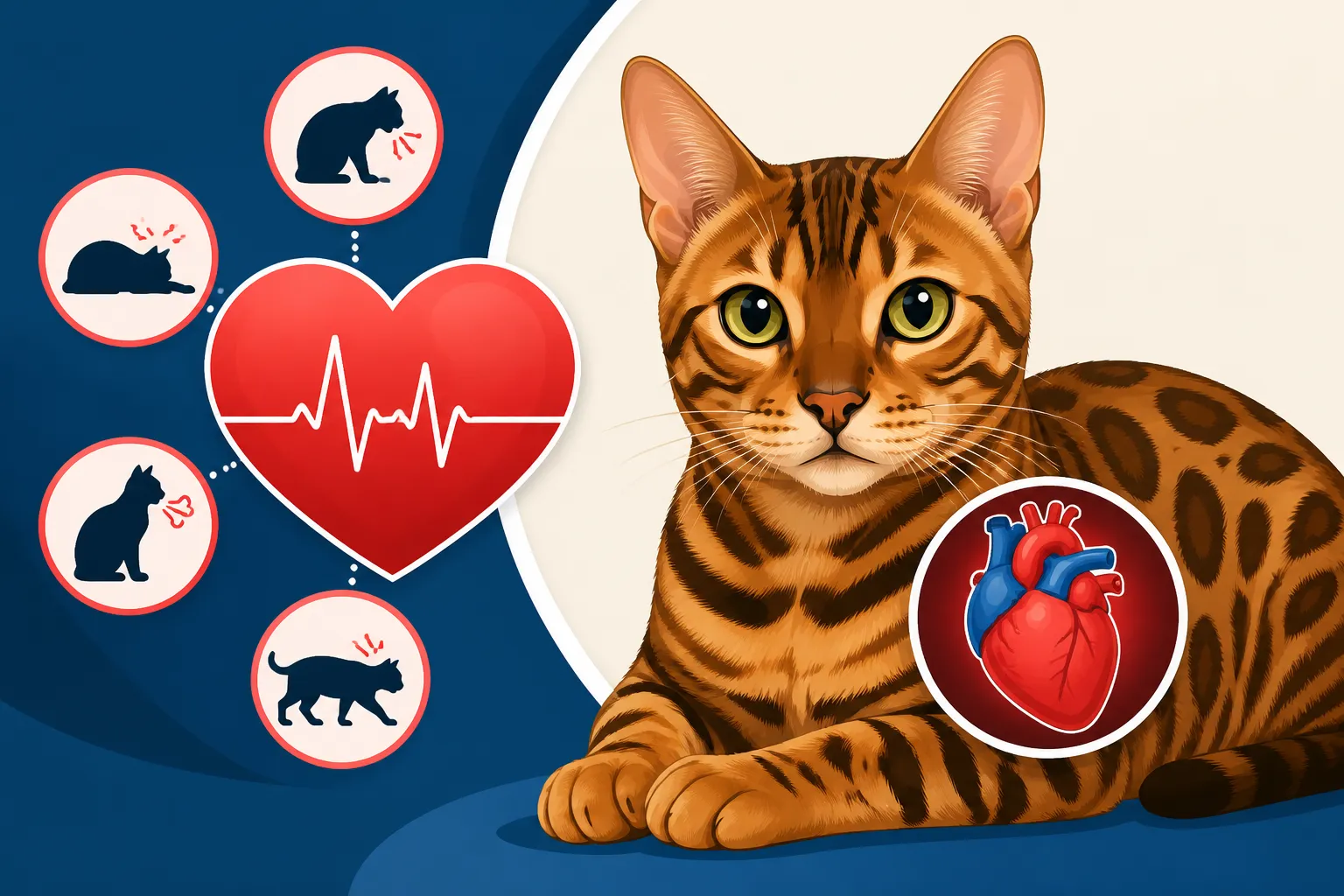
When we talk about heart disease in Bengal cats, we're almost always referring to Hypertrophic Cardiomyopathy (HCM). This isn't just a Bengal cat issue; it's the most common feline heart disease across all breeds. However, Bengals, along with Maine Coons and Ragdolls, are genetically predisposed to it, meaning it's unfortunately more prevalent in our spotted friends. HCM is a progressive disease where the muscular walls of the heart, particularly the left ventricle, become abnormally thickened. This thickening makes it harder for the heart to pump blood effectively, restricting the flow and putting immense strain on the entire cardiovascular system. Over time, this can lead to congestive heart failure, blood clots, or sudden cardiac death. The insidious part is that a cat can have quite advanced HCM without displaying any outward symptoms, hence the critical need for proactive awareness.
Early and Subtle Signs That Often Go Unnoticed
Because Bengal cats are masters of disguise when it comes to illness, recognizing the initial, often subtle, signs of heart disease requires a keen eye and an understanding of your cat's normal behavior. These early indicators can easily be mistaken for normal aging or just a "lazy day," but in a Bengal, they warrant closer attention.
Changes in Activity Levels and Energy
A healthy Bengal cat is a whirlwind of activity. They are jumpers, climbers, explorers, and often demand interactive play sessions multiple times a day. They might chase laser pointers with unbridled enthusiasm, scale cat trees in a single bound, or engage in vigorous games of fetch. If you start to notice a gradual decrease in these typical behaviors, it could be an early warning sign. Perhaps your Bengal is less interested in their favorite wand toy, opting for a nap instead of a romp. They might seem to tire more quickly during play, cutting sessions short or needing longer breaks. You might also observe them being less inclined to climb to their usual high perches or hesitating before making a jump they used to effortlessly clear. These aren't necessarily dramatic changes, but rather a slow dimming of their usual spark.
Altered Breathing Patterns
Monitoring your Bengal's breathing can provide vital clues, even before other symptoms emerge. A normal, resting cat's breathing should be calm, quiet, and barely noticeable. They'll typically take 20-30 breaths per minute when relaxed or sleeping, moving their chest and abdomen gently. Any deviation from this relaxed rhythm can be a cause for concern. Subtle changes might include a slightly increased respiratory rate even when your cat is sound asleep, or a shallower breathing pattern. You might notice their flanks moving more vigorously than usual. While an occasional sniffle or sneeze is normal, any persistent, quiet "wheezing" or an audible sigh could indicate trouble. It's crucial to differentiate this from purring, which can sometimes mask respiratory effort. The key is to observe your Bengal when they are truly at rest, ideally sleeping soundly, and count their breaths. If you notice your Bengal is taking Signs a Bengal Cat Is Breathing Hard more frequently or with more effort, it's a sign to pay attention.
Reduced Appetite or Weight Loss
Bengal cats, with their high metabolism and active lifestyles, are usually robust eaters. A sudden or gradual decline in appetite is rarely a good sign in any cat, and Bengals are no exception. They might start leaving food in their bowl, showing less enthusiasm at meal times, or even completely refusing certain foods they once loved. This can be particularly concerning if accompanied by unexplained weight loss. While a decrease in appetite can stem from various issues, including dental problems or digestive upset, when coupled with other subtle changes in behavior, it could point towards an underlying heart condition. The body uses a lot of energy to keep a failing heart working, which can suppress appetite or lead to muscle wasting even if the cat is eating "enough." Keep a close eye on their weight and eating habits, as these small changes can be significant.
More Overt Symptoms Indicating Progression
As heart disease progresses, the subtle signs may become more pronounced, evolving into symptoms that are harder to ignore. These indicators usually suggest that the heart's function is significantly compromised, and immediate veterinary attention is critical.
Lethargy and Weakness
Beyond the subtle decline in activity, a Bengal cat with progressing heart disease may exhibit profound lethargy and weakness. This isn't just taking more naps; it's a noticeable lack of energy, a disinterest in their surroundings, and an unwillingness to engage in even the simplest activities. They might become unresponsive to calls or attempts to play, choosing to remain curled up in a quiet corner. This weakness can manifest as difficulty moving, a wobbly gait, or even periods of collapse, especially after exertion. A cat in this state is not just tired; their body is struggling to maintain basic functions due to inadequate blood circulation and oxygen delivery. It’s a clear indication that something serious is happening internally and warrants an urgent vet visit.
Coughing or Gagging
While coughing is a common symptom in dogs with heart disease, it's far less typical in cats. When a cat does cough, it’s usually a dry, hacking sound that can often be mistaken for an attempt to dislodge a hairball. However, if your Bengal cat begins to cough persistently, especially without producing a hairball, it's a significant red flag for potential heart or lung issues. In the context of heart disease, coughing can occur when fluid backs up into the lungs (pulmonary edema) or when an enlarged heart presses on the airways. This symptom means the heart failure is likely affecting the respiratory system, leading to fluid accumulation that irritates the lungs and triggers the coughing reflex. It's a distressing symptom that points to a serious stage of heart failure, signaling an emergency.
Hind Limb Weakness or Paralysis (Saddle Thrombus)
One of the most devastating and acute complications of advanced HCM in Bengal cats is the formation of an arterial thromboembolism, commonly known as a "saddle thrombus." This occurs when a blood clot, often forming in the heart due to turbulent blood flow caused by HCM, breaks off and travels through the bloodstream. It typically lodges at the bifurcation of the aorta, where it splits to supply blood to the hind legs, effectively blocking blood flow. The result is a sudden onset of extreme pain, paralysis, or severe weakness in one or both hind limbs. The affected leg(s) will feel cold to the touch, and the paw pads may appear pale or even bluish. This is an excruciating and life-threatening emergency that requires immediate veterinary intervention. Knowing What Saddle Thrombus Does to a Bengal Cat and recognizing these signs can be the difference between a chance at recovery and a tragic outcome.
Recognizing Respiratory Distress: A Critical Emergency
Respiratory distress is arguably the most urgent symptom of severe heart disease in cats. It indicates that the lungs are likely filling with fluid (pulmonary edema) due to the heart's inability to pump blood effectively, leading to a desperate struggle for oxygen. This is an immediate, life-threatening emergency.
Rapid or Labored Breathing
When a cat enters respiratory distress, their breathing becomes rapid, shallow, and overtly labored. This isn't subtle; it's usually very apparent. Normal resting respiratory rates are between 20-30 breaths per minute, taken quietly and gently. In distress, your Bengal might be taking 40, 50, or even 60+ breaths per minute, often with visible effort from their chest and abdomen. You might see their belly heaving with each breath, or their nostrils flaring. This condition, known as tachypnea (rapid breathing) and dyspnea (difficulty breathing), demands immediate veterinary care. To check your cat's breathing at home, it's best to count breaths when they are calm or sleeping. One breath includes both an inhale and an exhale. Place your hand gently on their side or watch their chest rise and fall. Any sustained increase in this rate, especially combined with audible breathing or visible effort, means your cat needs help right away.
Open-Mouth Breathing and Blue Gums
Few signs are as universally alarming in a cat as open-mouth breathing. Unlike dogs, cats rarely pant, and open-mouth breathing, especially when not overheated or extremely stressed from vigorous play, is a critical sign of severe respiratory distress. It means your Bengal is trying desperately to get enough oxygen into their lungs. Coupled with open-mouth breathing, you might also observe changes in the color of their gums and tongue. Instead of their usual healthy pink, they might appear pale, grayish, or, most alarmingly, bluish. This bluish discoloration, called cyanosis, signifies a severe lack of oxygen in the blood. If your Bengal cat is breathing with an open mouth or has bluish gums, do not delay. This is an extreme emergency that requires immediate transport to the nearest veterinary emergency clinic.
Hiding and Reluctance to Move
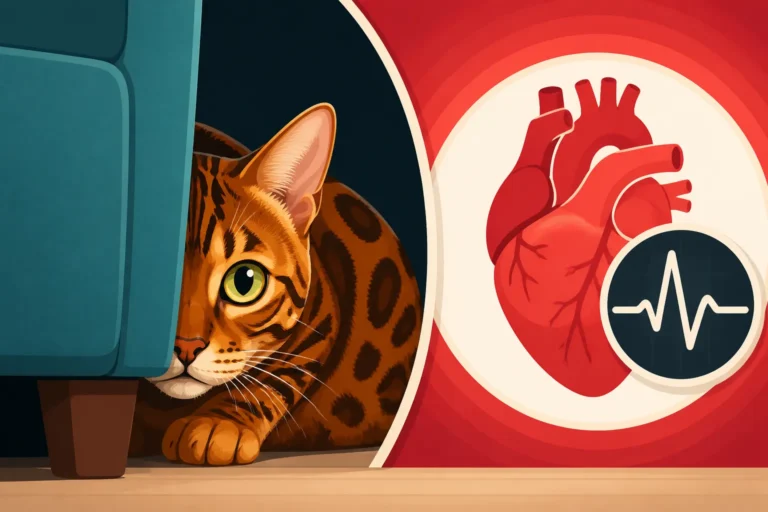
While hiding can be a subtle sign in earlier stages, in severe respiratory distress, it takes on a different meaning. A cat struggling to breathe will often seek out quiet, dark, isolated places to hide. This isn't just about their instinct to conceal illness; it's also an attempt to conserve every last ounce of energy. Moving, or even being approached, can exacerbate their breathing difficulties, so they will often become completely still and resistant to any interaction. They may lie in unusual positions, perhaps with their head and neck extended to try and open their airways as much as possible. If your usually outgoing Bengal is suddenly hiding, is very still, and you notice any of the aforementioned breathing changes, it’s a critical moment for intervention. Remember, for a Bengal cat with heart disease, How a Bengal Cat Hides Pain can sometimes be manifested through these behavioral changes.
The Importance of Regular Vet Checks and Proactive Screening
Given the silent progression of feline heart disease, proactive measures and regular veterinary care are truly your Bengal cat's best defense. Early detection can lead to better management and potentially a longer, more comfortable life.
Why Routine Exams are Crucial
Even if your Bengal cat appears to be the picture of health, routine veterinary examinations are non-negotiable. During these annual or bi-annual check-ups, your veterinarian performs a thorough physical exam, which includes listening to your cat's heart with a stethoscope. They're listening for several things: heart rate, rhythm, and crucially, the presence of a heart murmur. A heart murmur is an abnormal whooshing sound caused by turbulent blood flow within the heart. While not every murmur indicates HCM (some are "innocent" or benign), any murmur, particularly in a predisposed breed like a Bengal, should prompt further investigation. Your vet might also note changes in lung sounds, blood pressure, or overall body condition that could hint at an underlying cardiac issue. Don't underestimate the power of these regular visits; they're often the first line of defense in catching problems before they become crises. Knowing What a Bengal Cat's Murmur Means can help you understand your vet's concerns.
Understanding Echocardiograms
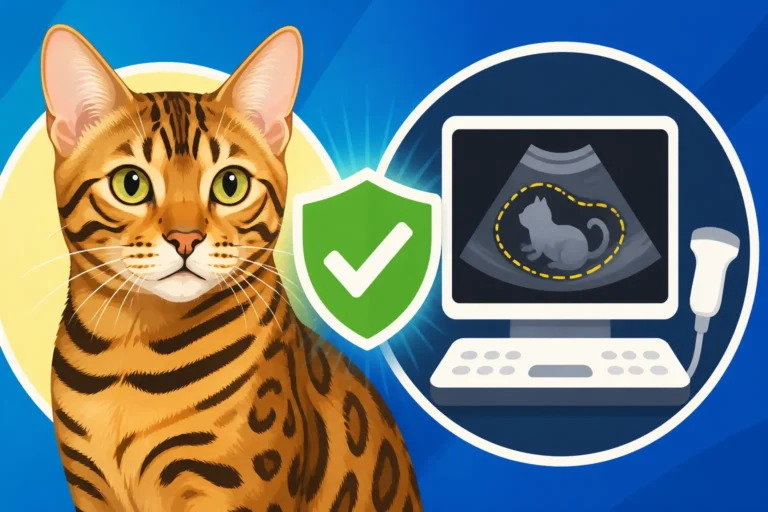
The gold standard for diagnosing HCM in cats is an echocardiogram, often referred to simply as an "echo." This is a non-invasive ultrasound of the heart that allows a veterinary cardiologist to visualize the heart's structures in real-time. They can measure the thickness of the heart walls, assess the size of the chambers, and observe how well the heart valves are functioning and how blood is flowing. Unlike a simple stethoscope check, an echo provides a definitive diagnosis of HCM and helps stage the severity of the disease. For Bengal cats, especially those intended for breeding or those from lines with a history of HCM, regular echocardiograms by a board-certified veterinary cardiologist are highly recommended. Many breeders will get an initial echo done when a Bengal is around 1 year old, then annually or every two years, depending on the cat's health and the breeder's protocol. Understanding When a Bengal Cat Should Have Its First Echo and How Often a Bengal Cat Needs an Echo is crucial for responsible ownership and breeding. Reputable pet insurance providers like Healthy Paws offer policies that can help cover the costs of these critical diagnostic tests and ongoing care, making it easier for owners to provide the best possible preventative and reactive care.
Genetic Testing and Breeder Responsibility
While genetic tests exist for HCM in some breeds, like the Maine Coon, there isn't a reliable, single gene test currently available for HCM in Bengal cats. This means that DNA tests alone cannot definitively rule out the disease in Bengals. This highlights the immense responsibility of Bengal breeders to screen their breeding cats rigorously with regular echocardiograms. A responsible breeder will be transparent about their screening practices, provide documentation of recent cardiac evaluations by a veterinary cardiologist, and be open about the cardiac health history of their breeding lines. They understand that Why There Is No Bengal Cat HCM Gene Test is a reality, and therefore, regular echoes are paramount. Asking a breeder to see the echo results of both parent cats is a vital step in ensuring you're bringing home a kitten with the best possible start in life. If you're serious about ensuring your Bengal comes from healthy lines, always ask Why a Bengal Cat Breeder Must Show an Echo, Not a Gene Test and insist on seeing the documentation.
Living with a Bengal Cat Diagnosed with Heart Disease
Receiving a diagnosis of heart disease for your Bengal cat can be incredibly daunting, but it's not a death sentence. With appropriate management, many Bengals with heart conditions can lead comfortable and fulfilling lives for an extended period.
Management and Medication
Treatment for feline heart disease, particularly HCM, is primarily focused on managing symptoms and slowing the progression of the disease. The specific medications prescribed will depend on the stage and severity of your Bengal's condition. Your vet might prescribe diuretics, such as Furosemide, to help remove excess fluid from the lungs if congestive heart failure is present. ACE inhibitors, like Benazepril or Enalapril, can help relax blood vessels and reduce the heart's workload. Beta-blockers, such as Atenolol, may be used to slow the heart rate and improve ventricular filling. In some cases, anti-clotting medications like Clopidogrel (Plavix) might be prescribed to reduce the risk of saddle thrombus formation. It is absolutely crucial to adhere strictly to your veterinarian's instructions regarding medication dosage and frequency. Never adjust or stop medication without consulting your vet. Ongoing medication costs can add up, but with pet insurance from providers like Healthy Paws, many of these expenses can be mitigated, allowing you to focus on your cat's health without undue financial stress.
Lifestyle Adjustments for Comfort
Beyond medication, making certain lifestyle adjustments can significantly improve your Bengal's quality of life after a heart disease diagnosis. Reducing stress is paramount; a calm, predictable environment is key. Avoid sudden loud noises or overly boisterous activities. While Bengals are known for their energy, exercise might need to be carefully managed. Your vet will advise on appropriate activity levels, but generally, short, gentle play sessions are preferable to intense, prolonged exertion. Ensure easy access to food, water, and litter boxes to minimize strain, especially if your cat is experiencing weakness or breathing difficulties. Elevated food and water bowls can also make eating more comfortable. Monitoring their breathing rate at home, particularly when they're sleeping, can become a routine part of their care, helping you identify any worsening of their condition early. It's all about making their daily life as easy and comfortable as possible.
The Emotional Toll on Owners
Caring for a Bengal cat with a chronic and potentially life-limiting condition like heart disease takes an immense emotional toll. It's perfectly normal to feel overwhelmed, stressed, sad, or even guilty. The constant vigilance, the worry about medication, the fear of an acute crisis – it's a heavy burden. Many owners find solace in support groups or by openly discussing their feelings with their veterinary team. Remember, you're not alone in this journey. Your vet is not just there to treat your cat but also to support you through the process. They can offer advice, reassurance, and practical strategies for managing your cat's condition. Understanding How Long a Bengal Cat Lives After an HCM Diagnosis can help set realistic expectations, but focusing on the quality of life you can provide your cat is most important. While it’s challenging, the bond you share with your Bengal cat is incredibly strong, and providing them with love and care through this difficult time is a testament to that bond.
Subtle vs. Urgent Signs of Heart Disease in Bengal Cats
To help you quickly discern the severity of a symptom, here's a table comparing subtle, early signs with more urgent indicators that demand immediate veterinary attention.
| Symptom Category | Subtle/Early Signs (Monitor & Discuss with Vet) | Urgent/Emergency Signs (Seek Immediate Vet Care) |
|---|---|---|
| Activity/Energy | Less enthusiastic play, shorter play sessions, less climbing, longer naps than usual. | Profound lethargy, weakness, unwillingness to move, collapse, inability to jump. |
| Breathing | Slightly increased resting respiratory rate (e.g., 30-40 breaths/min), shallow breathing. | Rapid and labored breathing (40+ breaths/min at rest with effort), open-mouth breathing, loud breathing, coughing. |
| Appetite/Weight | Decreased interest in food, leaving food in bowl, gradual unexplained weight loss. | Complete refusal of food for an extended period, rapid and significant weight loss. |
| Physical | No obvious physical changes. | Blue or pale gums/tongue (cyanosis), cold hind limbs, sudden hind limb paralysis/weakness, severe pain. |
| Behavior | Increased hiding, less interaction, seeming "off." | Extreme hiding and unresponsiveness, disorientation, distress, inability to settle. |
Disclaimer
The information provided in this article is for educational purposes only and should not be considered a substitute for professional veterinary advice. Always consult with a qualified veterinarian for any health concerns or before making any decisions related to your Bengal cat's care.