The Age a Bengal Cat Is Considered Senior
Many Bengal cat owners cherish the vibrant energy and playful antics that define this incredible breed. Yet, as time marches on, a common concern quietly settles in: when will my high-spirited Bengal truly start to show their age? It’s often a subtle transition, leaving owners wondering when to shift from boundless play to a more gentle approach. This guide is here to shed light on what "senior" really means for a Bengal cat, helping you understand the tell-tale signs and how to support them through their golden years.
Understanding the Senior Years for a Bengal Cat
The term "senior" for a cat isn't just about blowing a certain number of candles on a birthday cake; it's a phase marked by physiological and behavioral changes that necessitate adjusted care. For a breed as active and spirited as the Bengal, this transition can sometimes be less obvious than with other, more placid felines.
When Age-Related Changes Typically Begin
Most veterinarians broadly define a cat as "senior" when they reach around 11 years of age, with "mature" or "middle-aged" often applying to cats between 7 and 10 years old. However, for an energetic and athletic breed like the Bengal, these timelines can feel a bit fluid. Their natural zest for life and incredible physical prowess often mean they maintain a youthful appearance and energy level well past what you might expect from a typical domestic shorthair. It's not uncommon to see a 10-year-old Bengal still scaling cat trees with impressive agility or engaging in intense play sessions that would exhaust a younger, less active cat.
This inherent vitality can, paradoxically, make it challenging for owners to pinpoint the exact onset of their Bengal's senior years. You might overlook subtle shifts because your cat still seems so full of beans. However, even if they're still lively, their body is undergoing internal changes. Collagen production slows, joints start to experience more wear, and organ function might become less efficient. These processes are at play even if your Bengal isn't showing outward signs of slowing down. The real senior phase, where these changes become more noticeable and might begin to impact their daily life, typically solidifies closer to 12 or 13 years of age.
It’s important to adopt a proactive mindset rather than waiting for obvious signs of frailty. By observing your Bengal closely from around age seven onwards, you can catch the earliest, most subtle indicators of aging. This might be a slight hesitation before a jump, a preference for a lower sleeping spot, or a minor increase in nap times. These aren't necessarily signs of a problem, but rather gentle nudges that your Bengal is transitioning and will soon need a slightly different approach to their care.
Why "Senior" Isn't Just a Number
Labeling your Bengal "senior" isn't merely an administrative age milestone; it's an acknowledgement of a complex shift in their physical and mental landscape. It signifies the point where the body's natural resilience begins to wane, and the likelihood of age-related health issues increases. An 11-year-old Bengal who has lived a relatively quiet life might show more signs of aging than a genetically robust 13-year-old who has been incredibly active and well-cared for. Each Bengal cat is an individual, and their journey into seniority will be uniquely their own.
For many owners, the concept of their Bengal entering their senior years can evoke a mix of emotions. These cats are known for their distinct personalities and often bond deeply with their families, so witnessing their aging can be a bittersweet experience. It's about recognizing that while they might not be as acrobatic or boisterous as they once were, their capacity for affection and companionship remains as strong as ever. Your role transitions from managing their endless energy to providing comfort, stability, and vigilant care.
This transition underscores the critical importance of routine veterinary care. While annual check-ups are standard for younger cats, senior Bengals often benefit significantly from bi-annual vet visits. These more frequent appointments allow your veterinarian to closely monitor their health, detect any emerging conditions in their earliest stages, and make timely interventions. Considering pet insurance options like Healthy Paws earlier in your Bengal's life can provide peace of mind, making it easier to afford these crucial senior wellness exams and any subsequent treatments. This proactive and empathetic approach ensures that your Bengal can enjoy a high quality of life throughout their golden years.
Physical Transformations in an Aging Bengal
As your Bengal cat matures, their physical appearance and capabilities will naturally change. Understanding these transformations is key to providing appropriate support and recognizing potential health issues early.
Coat and Skin Transformations
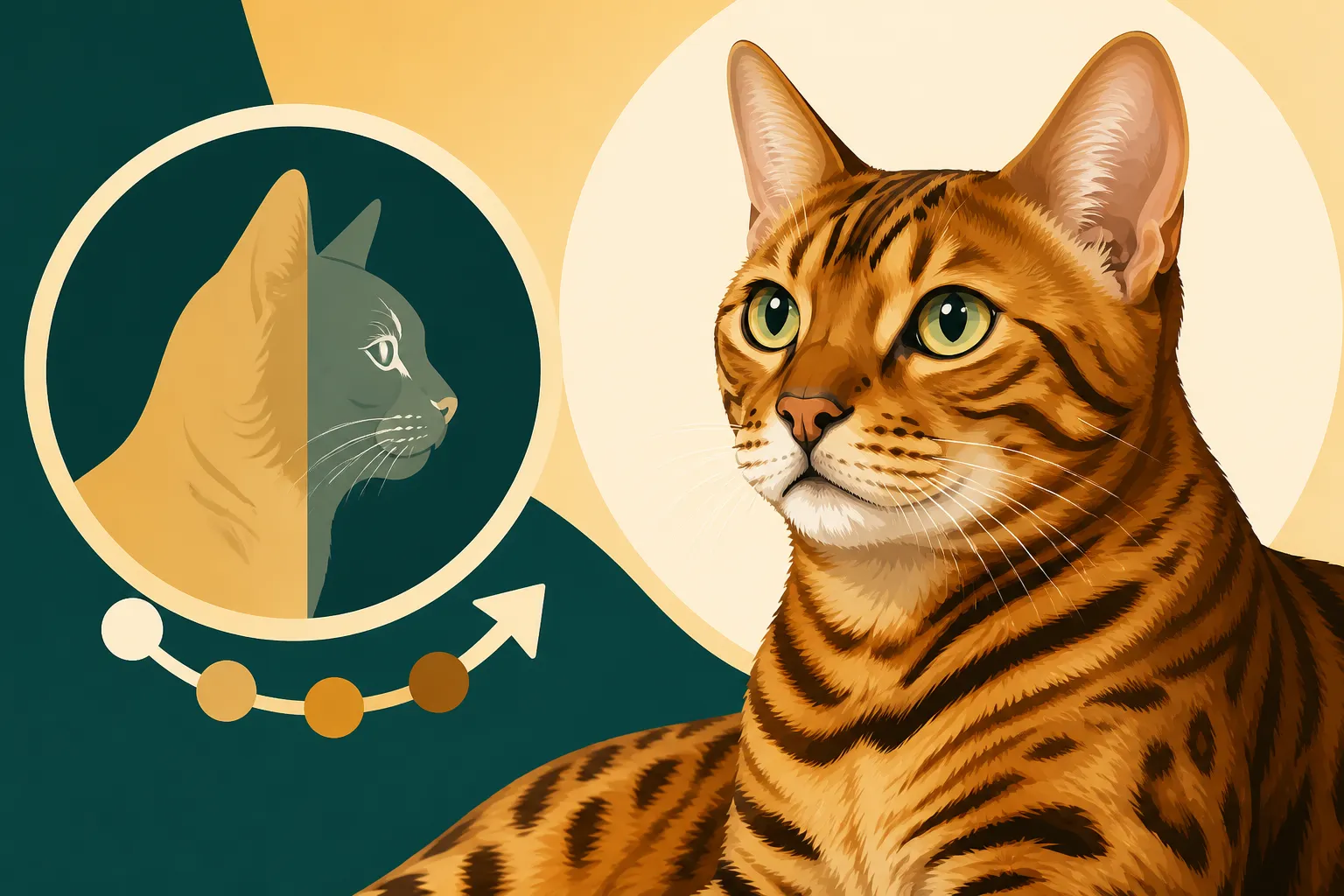
Your Bengal cat's coat is one of their most striking features, famed for its incredibly soft, "pelted" texture and often adorned with shimmering "glitter." As they age, you might notice some subtle, yet distinct, transformations in this magnificent coat. The vibrant contrast between their spots or marbling, which was so sharp in their younger days, might gradually soften, appearing a little less defined. The famous glitter, which gives their fur a unique shimmer, may also become somewhat duller or less pronounced. These aren't signs of neglect but simply the natural progression of time on their unique genetic makeup.
Beyond aesthetics, the health of their skin can also change. Older cats, Bengals included, tend to have drier skin that is less elastic, which can sometimes lead to increased flakiness or minor irritations. You might also notice that your senior Bengal isn't quite as meticulous with their self-grooming as they once were. This can be due to a decrease in flexibility from developing arthritis, making it painful to twist and reach certain areas, or a general reduction in energy. This reduced grooming can lead to a less pristine coat, potentially resulting in greasy patches, dander buildup, or even matted fur, especially around their hindquarters or underarms. If you’ve wondered How an Old Bengal Cat's Pattern Changes, it's not just the pattern itself, but the overall vibrancy and condition of the fur that shifts.
It's vital for you to step in and assist with grooming during this stage. Gentle, regular brushing sessions not only help maintain their coat health but also serve as an excellent opportunity to bond and to perform a tactile check for any new lumps, bumps, or skin lesions that might emerge with age. While most new growths are benign, any unexplained change in their skin or coat should always be brought to your veterinarian's attention. Paying close attention to these subtle changes ensures that you can address any discomfort or underlying health issues promptly.
Mobility and Joint Health
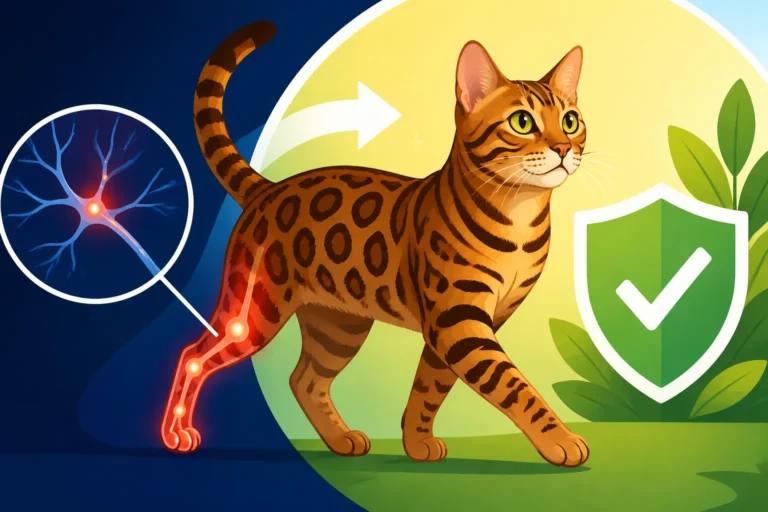
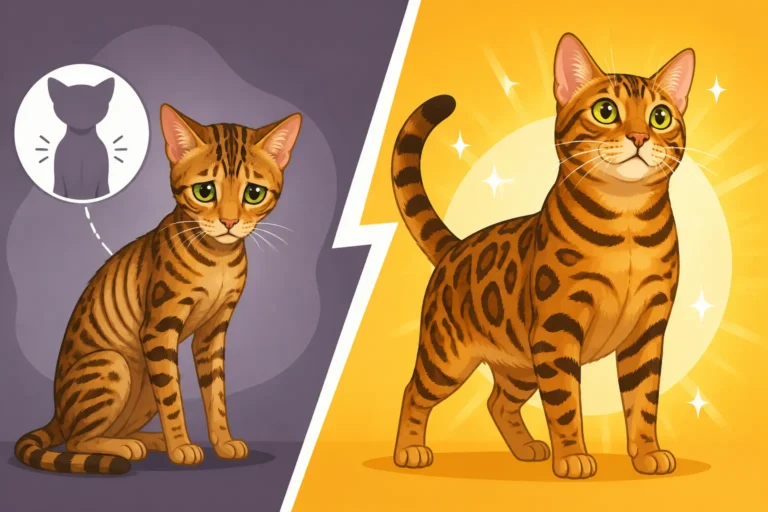
The hallmark of a young Bengal cat is their astonishing agility, their ability to leap onto high surfaces, and their lightning-fast sprints. However, as they enter their senior years, their once effortless movements may become more measured. One of the most common age-related physical challenges for cats is the onset of arthritis, or degenerative joint disease. Cats are incredibly adept at hiding pain, so you might not see obvious limping initially. Instead, you might notice subtle shifts in behavior: a slight hesitation before jumping, choosing a lower perch, or taking a moment longer to stretch out before getting up from a nap.
Their impressive bursts of speed might shorten, and they may opt for a more sedate walk rather than a full-out sprint. Reaching the litter box, climbing stairs, or even getting onto their favorite couch might require a more deliberate effort. These aren't necessarily signs of laziness or defiance, but often indicators of discomfort or pain in their joints. Owners often ask Whether an Aging Bengal Cat Gets Stiff, and the answer is that joint stiffness and discomfort are very common as they age, affecting their once-fluid movements.
Recognizing these subtle cues is paramount. Once identified, there are many ways to support their joint health. Your veterinarian can recommend supplements like glucosamine and chondroitin, pain management medications, or even alternative therapies like acupuncture. Equally important is adapting their environment: providing ramps or steps for access to elevated areas, ensuring comfortable, supportive beds, and keeping food, water, and litter boxes easily accessible without requiring high jumps or difficult maneuvers. Gentle, regular play that encourages movement without strain can also help maintain muscle mass and joint flexibility, contributing significantly to their comfort and overall well-being.
Weight and Muscle Mass Shifts
Maintaining an optimal body weight and healthy muscle mass can become a delicate balancing act for senior Bengal cats. Many older felines experience sarcopenia, a gradual loss of muscle mass that occurs with aging. This can happen even if their overall body weight remains stable or even increases due to a build-up of fat, particularly around the belly. You might notice that your Bengal’s spine or hips feel more prominent, even if their middle feels softer, indicating a loss of lean muscle. This muscle loss contributes to general weakness, reduced agility, and a decreased ability to perform once-easy tasks.
Conversely, some senior Bengals might experience significant and concerning weight loss. This can be attributed to various factors, including a decreased appetite due to a diminished sense of smell or taste, dental pain making eating uncomfortable, or underlying medical conditions. Diseases such as hyperthyroidism (an overactive thyroid) or chronic kidney disease can cause calories to be burned more rapidly or nutrients to be poorly absorbed, leading to a noticeable decline in weight. Understanding Why an Old Bengal Cat Loses Muscle First highlights the importance of monitoring these changes closely, as muscle is vital for overall health and mobility.
Regularly weighing your Bengal and performing a weekly "body condition score" (feeling their ribs, spine, and waist) can help you detect these changes early. Any unexplained weight loss or gain should prompt an immediate visit to your veterinarian. Dietary adjustments are often necessary, focusing on highly digestible, protein-rich foods to help counteract muscle loss and support their changing metabolic needs. Your vet can provide tailored nutritional advice, and early intervention through diagnostic tests can help identify any medical causes for weight fluctuations, ensuring your Bengal receives the targeted support they need.
Behavioral Shifts in Senior Bengals
As your Bengal cat journeys into their senior years, you might observe shifts not just in their physical demeanor but also in their daily routines, interactions, and even their cognitive function.
Changes in Activity Levels and Sleep Patterns
The boundless, almost relentless energy of a young Bengal cat is one of their most captivating traits. However, as they reach their senior years, this extraordinary vigor will naturally begin to temper. You'll likely notice your Bengal spending more time in peaceful repose, perhaps curled up in a sunbeam or nestled in a soft bed, rather than constantly patrolling the house or initiating frantic play. The marathon play sessions of their youth will probably become shorter, more frequent bursts of enthusiasm, followed by longer recovery periods. If you've ever wondered Whether an Aging Bengal Cat Slows Down, the answer is a resounding yes, though their version of "slow" might still be quite active compared to other breeds.
Their sleep patterns are also prone to shifting. While cats are natural nappers, senior Bengals might sleep even more deeply and for extended durations. You might also observe a disruption in their typical day-night cycle. They might nap more extensively during daylight hours, leading to periods of restlessness or increased vocalization during the night. This altered rhythm can sometimes be an early indicator of cognitive changes, or simply a reflection of their diminished physical stamina and altered hormonal balances. It's crucial to provide them with an abundance of comfortable, quiet, and secure sleeping spots, away from household commotion, to support their need for rest.
Despite the natural reduction in overall activity, it remains incredibly important to encourage your senior Bengal to engage in gentle, appropriate play. Short, interactive sessions using a favorite wand toy or a laser pointer (used carefully to avoid frustration) can help maintain their mental sharpness and physical mobility without overexerting them. The goal is to keep them engaged and active within their comfort zone, allowing them to enjoy their golden years without becoming stagnant.
Vocalization and Social Interactions
Bengal cats are renowned for their distinctive, often complex vocalizations – from chirps and trills to demanding meows and even conversational chattering. As they age, these vocal patterns might change in noticeable ways. Some senior Bengals might become more vocal, perhaps due to disorientation, seeking comfort, expressing pain, or even as a symptom of cognitive decline. You might find them wandering through the house, emitting louder or more frequent meows, particularly during the nighttime hours, which can be unsettling for owners who are trying to understand their cat's needs.
Conversely, a previously chatty and demanding Bengal might become notably quieter. A sudden decrease in vocalization can sometimes be a subtle, yet significant, indicator of discomfort, illness, or a shift in their cognitive function. Similarly, their social interactions can evolve. A Bengal who was once the life of the party might become more withdrawn, preferring quiet solitude to bustling family activities. They might become pickier about who they interact with, seeking comfort from one specific family member, or becoming less tolerant of handling by strangers or even small children.
These shifts in vocalization and social behavior warrant careful attention. They can sometimes signal underlying medical issues, such as pain making them irritable, or declining sensory abilities (like hearing or vision) that make social situations overwhelming or frightening. If your Bengal exhibits sudden aggression, excessive fear, or prolonged withdrawal, it is always wise to consult your veterinarian to rule out any medical causes. Adapting your interaction style, offering gentle and predictable affection on their terms, and ensuring they have safe, quiet retreats can help your senior Bengal feel more secure and loved through these changes.
Litter Box Habits and Cognitive Decline
Few things are as frustrating for a cat owner as unexpected changes in litter box habits. For senior Bengals, these changes can be a significant indicator of aging or underlying health concerns. As their mobility declines due to conditions like arthritis, simply getting in and out of a high-sided litter box can become a painful or difficult ordeal. This often leads to accidents outside the box, not out of spite, but due to physical limitations or discomfort. Arthritis can make squatting to urinate or defecate uncomfortable, and older cats may also have reduced bladder or bowel control.
Beyond physical limitations, feline cognitive dysfunction (FCD), often likened to dementia in humans, can profoundly impact a senior Bengal’s litter box habits. They might forget where their litter box is located, become disoriented while inside it, or simply eliminate in inappropriate places due to confusion. Other signs of FCD can include general disorientation, staring blankly at walls, altered sleep-wake cycles (sleeping more during the day, being restless at night), changes in activity levels, and a reduced engagement with their environment or family members. It can be heartbreaking to witness your once-sharp and engaging Bengal become confused, but understanding FCD helps you approach the situation with patience and empathy.
Addressing litter box issues in senior Bengals often requires a multi-pronged approach. This includes making the litter box more accessible by providing boxes with lower sides, increasing the number of litter boxes available in various easy-to-reach locations, and ensuring they are meticulously cleaned. For cognitive decline, your veterinarian can offer guidance, and in some cases, prescribe medications or supplements that might help manage the symptoms and improve their quality of life. For digestive issues, this guide on Chronic Diarrhea Is the Bengal Cat Complaint Nobody Warns About might offer insights, as chronic digestive issues can also impact litter box habits and require careful management.
Tailoring Care and Nutrition for Senior Bengals
As your Bengal cat transitions into their senior years, their needs will shift considerably, particularly concerning their diet and daily routines. Adapting your care to these evolving requirements is crucial for their continued health and comfort.
Dietary Needs for the Golden Years
Just like humans, a Bengal cat's nutritional requirements undergo significant changes as they age. Their metabolism typically slows down, and their overall activity levels decrease, meaning they often require fewer calories than their younger, more active selves to prevent unwanted weight gain. However, the quality of those calories becomes even more critical. Senior Bengals benefit immensely from highly digestible diets that are rich in high-quality protein. This is essential for maintaining precious muscle mass, which often begins to decline with age, and for supporting vital organ function. You might initially assume Whether an Aging Bengal Cat Needs Less Protein, but often it's about needing different protein—specifically, easily digestible sources that their aging bodies can process efficiently.
Many commercially available senior cat foods are meticulously formulated with adjusted levels of key nutrients. For instance, they often contain controlled phosphorus and sodium levels to support kidney health, a common concern in older cats. These diets frequently include beneficial additives such as antioxidants to combat cellular aging, omega-3 fatty acids for cognitive and joint support, and joint-supporting supplements like glucosamine and chondroitin to alleviate discomfort. If your Bengal develops specific age-related health conditions, such as kidney disease, hyperthyroidism, or diabetes, your veterinarian will likely recommend a prescription diet specifically tailored to manage these conditions effectively, with brands like Hill's Science Diet and Royal Canin offering specialized lines.
Palatability is another important consideration. Older cats can experience a diminished sense of smell or taste, or they may develop dental issues that make eating hard, dry kibble uncomfortable or painful. Offering wet food, or rehydrating dry food with warm water to enhance its aroma and texture, can often encourage a reluctant eater. Feeding multiple small meals throughout the day can also be gentler on their aging digestive system than one or two large ones. Any significant changes in appetite, whether an increase or decrease, should always be discussed with your veterinarian to rule out underlying health problems.
Grooming and Dental Care for Older Bengals
While Bengal cats are generally known for their fastidious self-grooming habits, their efficiency in this area can decline significantly in their senior years. As mentioned, conditions like arthritis can make it difficult or painful for them to reach all areas of their body, particularly their backs, hindquarters, and tails. This reduced grooming can lead to a duller coat, the development of mats, or even skin issues due to inadequate cleaning. Gentle, regular brushing sessions from you become not just a grooming necessity but also a wonderful opportunity for bonding and to conduct a physical check for any new lumps, bumps, or skin problems. You might find more specific advice on Whether an Aging Bengal Cat Needs More Grooming helpful for this stage.
Dental care takes on even greater importance as your Bengal ages. Periodontal disease, which involves inflammation and infection of the structures supporting the teeth, is incredibly common in older cats. If left untreated, it can lead to severe pain, tooth loss, and even systemic infections as bacteria from the mouth can travel to other vital organs like the heart, kidneys, and liver. Signs of dental issues include bad breath, drooling, pawing at the mouth, reluctance to eat dry food, or a noticeable decrease in appetite. Routine professional dental cleanings under anesthesia, as recommended by your veterinarian, are often crucial for maintaining oral health.
Between professional cleanings, daily tooth brushing with a vet-approved feline toothpaste is the gold standard for at-home care, though it can be a challenge with some Bengals. Dental treats, water additives designed to reduce plaque, or specialized dental diets can offer some benefit, but they do not replace the efficacy of brushing or professional veterinary care. Neglecting dental health can severely compromise your senior Bengal's quality of life, making eating painful and contributing to other health problems. Regular vet check-ups will include a thorough dental assessment, and having pet insurance, such as a plan from Healthy Paws, in place can help mitigate the costs associated with How Often a Bengal Cat Needs a Dental as they age, ensuring consistent care.
Home Modifications for Comfort and Safety
Just as you might make adjustments for an aging human family member, modifying your home for a senior Bengal cat is a thoughtful way to enhance their comfort, maintain their independence, and reduce the risk of injury. The primary goal is to minimize physical strain and ensure easy access to all their essential resources. This could be as simple as strategically placing soft, orthopedic beds in quiet, warm corners where your Bengal feels secure and can rest undisturbed.
Consider vertical access points throughout your home. If your Bengal still loves to observe the world from a high window perch, a tall cat tree, or your bed, provide ramps or sturdy steps. This allows them to continue enjoying their favorite elevated spots without having to perform strenuous jumps that could aggravate arthritic joints or lead to falls. Ensure that litter boxes are easily accessible, perhaps by replacing high-sided models with lower-entry versions, and strategically place multiple boxes around the house to minimize travel distance, especially if mobility is compromised or if they experience urgency. You can gain insights from How to Rearrange a Home for a Blind Bengal Cat on how environmental adjustments can significantly improve quality of life for a cat with special needs, many of which apply to aging felines.
Food and water bowls should also be easily reachable. Elevated bowls can be beneficial for reducing neck strain, making eating and drinking more comfortable for a cat with arthritis. For homes with slippery hard floors, consider placing non-slip rugs or runners in high-traffic areas to provide better traction for a senior Bengal who might be a bit wobbly on their feet. If your cat experiences vision impairment or cognitive disorientation, especially at night, adding nightlights can help them navigate their familiar environment more safely. These seemingly small, thoughtful modifications can collectively make a profound difference in your senior Bengal’s daily comfort, autonomy, and overall sense of well-being, allowing them to age gracefully within the loving familiarity of their home.
Common Health Concerns in Older Bengal Cats
As your Bengal cat enters their senior years, vigilance for emerging health issues becomes even more paramount. Early detection and intervention are key to managing these conditions effectively and preserving their quality of life.
Kidney and Thyroid Issues
Two of the most prevalent and often insidious health problems affecting senior Bengal cats are chronic kidney disease (CKD) and hyperthyroidism. Chronic kidney disease is a progressive and irreversible condition where the kidneys gradually lose their ability to efficiently filter waste products from the blood. The early signs can be incredibly subtle, often manifesting as increased thirst, more frequent urination, a gradual loss of weight, a decreased appetite, and a dulling of their once vibrant coat. Unfortunately, by the time obvious clinical symptoms appear, the disease is often quite advanced. This underscores the critical importance of What a Bengal Cat's Yearly Bloodwork Should Cover, as these routine tests can reveal early indicators before overt signs appear.
Hyperthyroidism, characterized by an overactive thyroid gland, is another common endocrine disorder in older felines. This condition accelerates a cat's metabolism, leading to a cluster of symptoms such as significant weight loss despite a ravenous appetite, increased thirst and urination, restlessness, and sometimes vomiting or diarrhea. If left unaddressed, both CKD and hyperthyroidism can severely compromise a cat's health, drastically diminishing their quality of life and shortening their lifespan. The good news is that both conditions are highly manageable with appropriate veterinary care, which typically involves specialized diets, medication, and, in some cases for hyperthyroidism, other treatment modalities like radioactive iodine therapy.
Early diagnosis, primarily through routine blood and urine tests conducted during senior wellness examinations, is the most crucial factor in effectively managing these conditions. For instance, How Often a Bengal Cat Needs a Wellness Exam often increases to twice a year for senior cats, precisely to facilitate this early detection. This proactive approach can significantly slow the progression of kidney disease or bring hyperthyroidism under control, enabling your Bengal to live comfortably for an extended period. Discussing these potential health challenges with your veterinarian and understanding the coverage options for diagnostic tests and long-term medication provided by pet insurance, such as Healthy Paws, is a pragmatic step for any Bengal owner.
Cardiac Health and Other Chronic Conditions
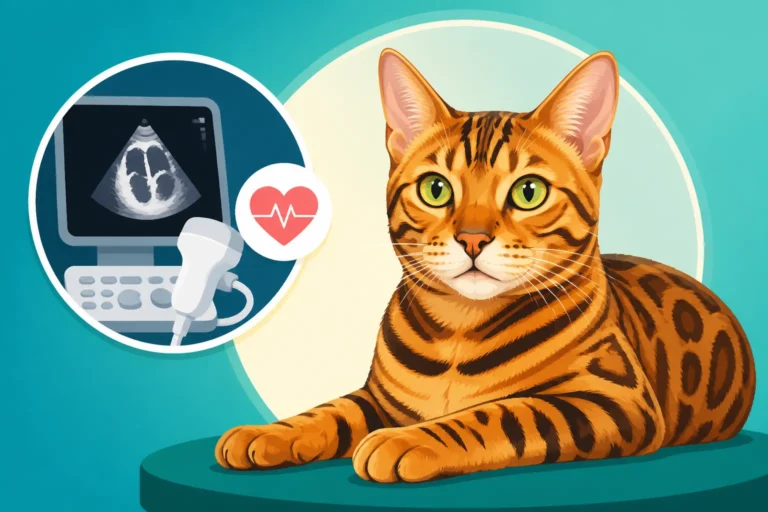
While hypertrophic cardiomyopathy (HCM) is a concern for Bengal cats throughout their lives, and tragically, HCM Is What Kills Bengal Cats Early in some cases, cardiac health can certainly manifest or worsen in their senior years. HCM causes the muscular walls of the heart to thicken, reducing its efficiency. Even if your Bengal had clear echoes in their youth, their heart health should continue to be monitored as they age. Signs of heart disease in older cats can include difficulty breathing, lethargy, a persistent cough, or a reduced tolerance for activity. Any of these symptoms should be considered serious and warrant immediate veterinary attention.
Beyond kidney, thyroid, and heart issues, senior Bengals are susceptible to a broader range of other chronic conditions that can emerge with age. Diabetes Mellitus, various forms of cancer, and inflammatory bowel disease are unfortunately seen with increased frequency in older felines. The symptoms of these conditions can often be vague and overlap, making routine veterinary examinations and diagnostic testing even more indispensable for accurate diagnosis. For example, persistent changes in bowel habits, such as chronic diarrhea, might indicate Why a Bengal Cat Gets Chronic Diarrhea, a common and often frustrating complaint that requires thorough investigation and tailored treatment.
The advancements in modern veterinary medicine offer significant hope. Many chronic conditions can be effectively managed, allowing your senior Bengal to maintain a good quality of life for months or even years post-diagnosis. This typically involves a combination of prescribed medications, carefully tailored dietary changes, and regular veterinary monitoring. Being prepared for these possibilities, both emotionally and practically, empowers you to provide the best possible care for your cherished aging companion.
Importance of Regular Vet Check-ups
The cornerstone of exceptional senior Bengal cat care is undeniably regular, proactive veterinary check-ups. While younger, healthy cats generally benefit from an annual physical examination, once your Bengal reaches approximately 7 to 10 years of age, most veterinarians strongly recommend transitioning to bi-annual (twice yearly) appointments. This increased frequency is not an arbitrary measure; it’s a critical strategy that allows your veterinarian to detect the subtle physiological changes or the very earliest stages of diseases that might not yet be apparent to you at home.
During these vital visits, your vet will conduct a comprehensive physical examination, meticulously checking their weight, listening to their heart and lungs for any murmurs or abnormal sounds, assessing their dental health, palpating their abdomen for any abnormalities, and evaluating their overall body condition and mobility. Crucially, routine blood tests and urine analysis are integral components of senior wellness panels. These diagnostic tools can unveil early indicators of common age-related conditions such as kidney disease, hyperthyroidism, diabetes, and other metabolic imbalances, often long before your cat displays any outward clinical symptoms.
Consider these regular appointments as a vital form of preventative medicine. Early detection of any health conditions allows for earlier intervention, which can dramatically improve the prognosis and extend your Bengal’s comfortable lifespan. These consistent visits also enable your veterinarian to establish a baseline for your cat's health and track trends over time, making it easier to identify when something is truly amiss. Never hesitate to discuss any concerns, no matter how minor they may seem, with your vet. They are your most valuable partner in navigating the unique health challenges of your aging Bengal, and proactively considering how pet insurance, like a comprehensive plan from Healthy Paws, can cover these essential diagnostic tests and treatments can significantly ease the financial burden, allowing you to prioritize your cat's health without added stress.
Maintaining a High Quality of Life for Senior Bengals
Aging does not signify an end to joy or engagement for your Bengal cat; rather, it calls for an adaptation in how you provide stimulation and comfort. Thoughtful adjustments can ensure their golden years are as fulfilling as possible.
Adapting Playtime for Senior Bengals
The very essence of a Bengal cat is often defined by their incredible energy, speed, and almost acrobatic agility. While your senior Bengal may no longer be scaling curtains to the ceiling or performing breathtaking aerial maneuvers, playtime remains an incredibly vital component of their daily life, benefiting both their physical and mental well-being. The crucial element here is adaptation. Instead of expecting intense, prolonged chase sessions, shift towards shorter, more frequent bursts of gentle activity. A senior Bengal might find immense joy in batting at a laser pointer dot from a comfortable, seated position, or slowly chasing a crinkly ball across the floor, rather than being coaxed into high jumps or exhaustive sprints.
Wand toys adorned with feathers or small, lightweight plush attachments continue to be excellent tools for engaging their innate predatory instincts. However, adjust the pace: drag the toy slowly, allow them frequent "catches" to build their confidence and satisfaction, and keep individual play sessions brief to avoid overexertion. Puzzle feeders, which require a bit of mental effort to extract treats, can also be a fantastic form of enrichment, stimulating their cognitive abilities without demanding strenuous physical activity. This intellectual engagement helps to keep their minds sharp and prevents boredom, which can sometimes lead to anxiety or even destructive behaviors, even in older cats.
It’s important to remember that play, especially for a senior cat, is not solely about burning calories; it’s profoundly about interaction, stimulating their senses, maintaining their motor skills, and strengthening the cherished bond they share with you. Even a few minutes of gentle, interactive play several times a day can make a significant difference in their mood and overall quality of life. Always observe their cues: if they seem tired, uninterested, or show signs of discomfort, it’s time to switch to a quiet cuddle or allow them to retreat for a nap. The primary goal is their enjoyment and well-being, not exhaustion.
Mental Stimulation and Comfort
Just as with humans, senior cats benefit tremendously from continued mental stimulation to keep their minds actively engaged and potentially slow the progression of feline cognitive dysfunction. Beyond adapted playtime, think about environmental enrichment that is less physically demanding but still highly stimulating. Regularly rotating their existing toys, introducing new and safe scents to investigate (such as catnip, silvervine, or novel bedding), or simply spending quiet, focused time talking to them and offering gentle petting and massage can provide significant mental stimulation. Observational activities, like bird-watching from a secure window perch, also remain highly enriching.
Comfort is an absolute paramount consideration for an aging Bengal. Ensure they have multiple soft, warm, and easily accessible resting spots throughout your home. Raised beds can be particularly helpful for cats with joint pain, and orthopedic memory foam beds provide superior cushioning and support. Pay attention to the placement of these comfort zones – older cats often prefer quiet, predictable spots away from high-traffic areas, where they can retreat and feel secure. This is a core aspect of Caring for a Bengal Cat Past Ten, ensuring their environment is a haven of peace.
Maintaining a consistent daily routine can also provide immense comfort and security for a senior Bengal, especially if they are experiencing any disorientation due to cognitive changes. Predictable feeding times, scheduled play sessions, and consistent bedtime routines can help reduce anxiety and enable them to navigate their day with greater ease and confidence. While your Bengal’s legendary wild spirit may mellow with age, their fundamental need for a stimulating, safe, and deeply loving environment remains an enduring constant throughout their lives.
Recognizing and Managing Pain
Cats, with their deep-seated evolutionary instincts, are masters of concealment, particularly when it comes to pain or discomfort. Bengal cats, owing to their wild ancestry, can be exceptionally adept at hiding any signs of suffering, making it challenging for even the most observant owners to realize when their beloved companion is hurting. Instead of overt limping, vocalizations of distress, or obvious lameness, pain in senior Bengals often manifests as subtle, gradual behavioral changes. This could include a noticeable reduction in their usual activity levels, reluctance to jump or use stairs, difficulty or hesitation when using the litter box, changes in their appetite or grooming habits, increased irritability or withdrawal, or even seeking out more secluded hiding spots.
Any persistent or unexplained change in your Bengal's typical behavior, no matter how minor it may seem, should be considered a potential indicator of pain or an underlying medical issue, and it warrants a prompt veterinary examination. Your veterinarian can perform a thorough physical assessment, conduct a comprehensive orthopedic and neurological evaluation, and may recommend diagnostic imaging (such as X-rays) or blood tests to pinpoint the precise cause of discomfort. Knowing How a Bengal Cat Hides Pain is the first crucial step for diligent owners in identifying and addressing their cat’s suffering.
Once pain is identified and its cause understood, a wide array of management options becomes available. This can range from veterinary-prescribed anti-inflammatory medications and pain relievers to joint supplements, therapeutic diets, acupuncture, or even physical therapy techniques. The overarching goal is to significantly improve your Bengal's quality of life, allowing them to move more comfortably, maintain a healthy appetite, and continue to enjoy their senior years with dignity and happiness. Never allow your Bengal to suffer in silence; be their dedicated advocate and seek professional veterinary help immediately if you suspect they are experiencing pain. Proactively investing in pet insurance, such as a robust plan from Healthy Paws, throughout their life can help ensure that you can always afford the best possible pain management and treatment options available for your aging Bengal.
| Feature | Young Bengal Cat (1-6 years) | Senior Bengal Cat (11+ years) |
|---|---|---|
| Activity Level | Hyperactive, constant play, high jumps | Reduced energy, shorter play, prefers lounging |
| Coat Appearance | Vibrant rosettes/marbling, strong glitter | Mellowed contrast, duller glitter, potential mats |
| Mobility | Agile, fluid movements, effortless leaps | Slower, hesitant jumps, stiffness, possible limp |
| Sleep Patterns | Active bursts followed by deep naps | More frequent and longer naps, altered sleep cycle |
| Appetite/Weight | Voracious appetite, lean muscle mass | Variable appetite, muscle loss, weight fluctuations |
| Vocalization | Demanding chirps and meows | Potentially more or less vocal, disoriented meows |
| Grooming | Meticulous self-groomer | Less thorough, needs assistance, prone to mats |
| Litter Habits | Consistently uses box | Potential accidents, difficulty entering high boxes |
| Health Focus | Preventative, genetic screening | Managing chronic diseases, bi-annual check-ups |
Disclaimer
As a friendly lifestyle blogger, I aim to provide helpful and informative content. However, I am not a veterinarian or a certified animal health professional. The information in this article is for general guidance and educational purposes only, and should not be considered a substitute for professional veterinary advice, diagnosis, or treatment. Always consult with a qualified veterinarian regarding any health concerns or before making any decisions about your Bengal cat's care or treatment plan.