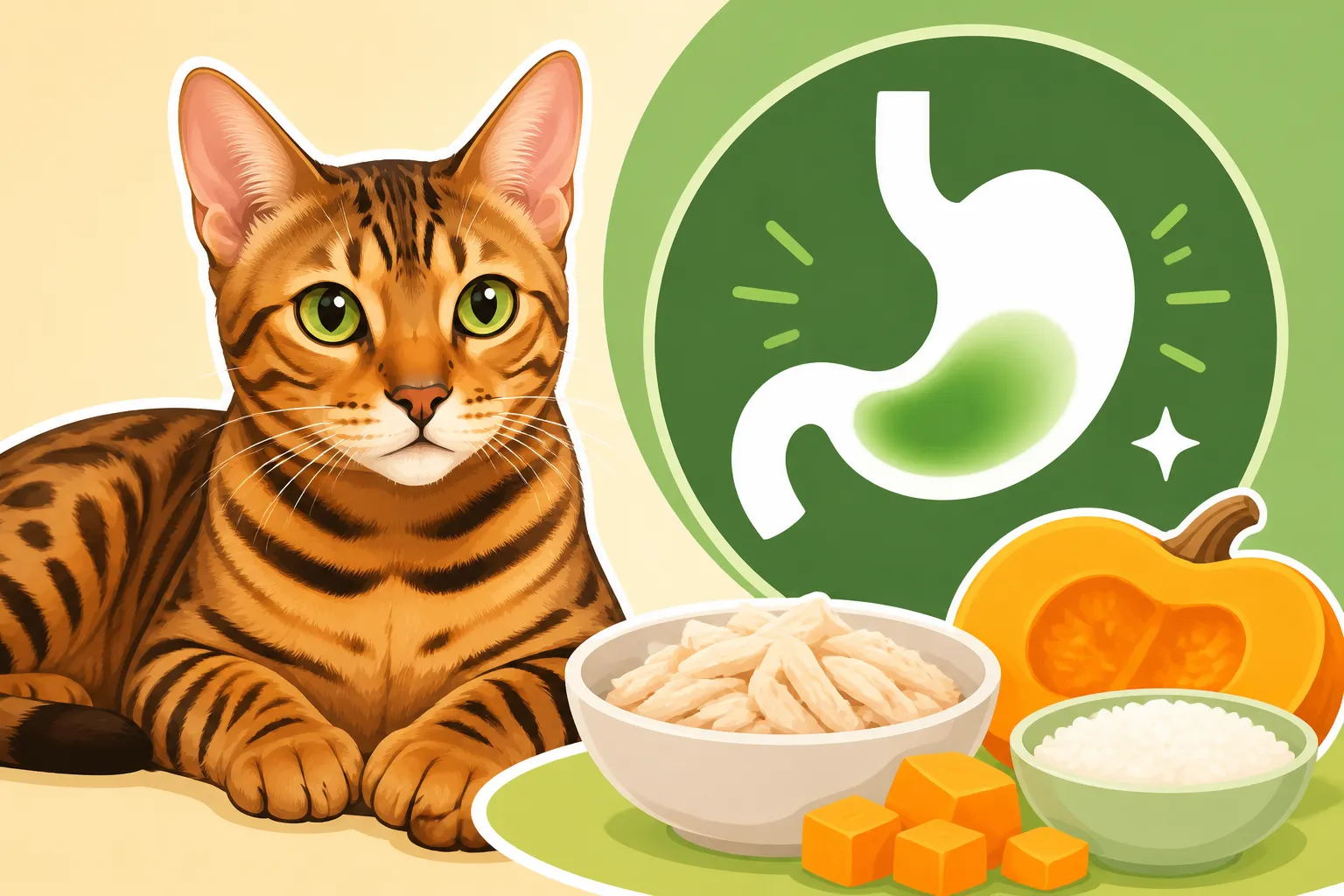
Which Food Settles a Bengal Cat’s Stomach
If you're a Bengal cat owner, you know the frustration of dealing with a sensitive stomach. One day your gorgeous cat is fine, the next you're cleaning up loose stools, or worse, dealing with outright diarrhea. It feels like a constant battle to find a food that agrees with their unique digestive system, leaving you constantly worried about their comfort and overall well-being. This comprehensive guide is here to unravel the complexities of your Bengal’s delicate gut, offering practical, empathetic advice on how to choose and transition to a diet that can finally bring them, and you, some much-needed relief.
Unpacking the Bengal Cat's Sensitive Digestive System
Many Bengal cat owners find themselves scratching their heads, wondering why their seemingly robust, energetic companions frequently struggle with digestive issues. It's not just "bad luck"; there are underlying reasons rooted in their breed's unique genetics and characteristics that often contribute to their sensitive tummies. Understanding these factors is the first step toward finding a lasting solution.
The Wild Ancestry's Influence on Digestion
The Bengal cat's direct lineage from the Asian Leopard Cat (ALC) isn't just responsible for their stunning wild looks; it also plays a significant role in their physiology, including their digestive tract. These are not your average domestic shorthairs. Their bodies are, in many ways, still wired for a more "wild" diet, which typically consists of small, frequent meals of fresh prey, rich in moisture and animal protein, and very low in carbohydrates.
This wild heritage means that many Bengals have a gut that is inherently sensitive to certain ingredients, especially those commonly found in commercial kibbles that are packed with fillers, grains, and plant-based proteins. Their digestive enzymes are primarily geared towards breaking down animal tissue, not complex carbohydrates or plant matter. When they consume foods that deviate significantly from this ancestral diet, their systems can react with inflammation, poor nutrient absorption, and, predictably, upset stomachs. It's a bit like trying to run a high-performance sports car on regular fuel – it might run, but not optimally, and eventually, you'll see problems. This is a big part of Why a Bengal Cat's Gut Is So Sensitive
Common Culprits Behind Bengal Tummy Troubles
Beyond their wild ancestry, several common issues can trigger or exacerbate digestive problems in Bengal cats. It’s not always the food itself, but sometimes specific pathogens or sensitivities. One of the most common, and most frustrating, issues is chronic diarrhea. Chronic Diarrhea Is the Bengal Cat Complaint Nobody Warns About.
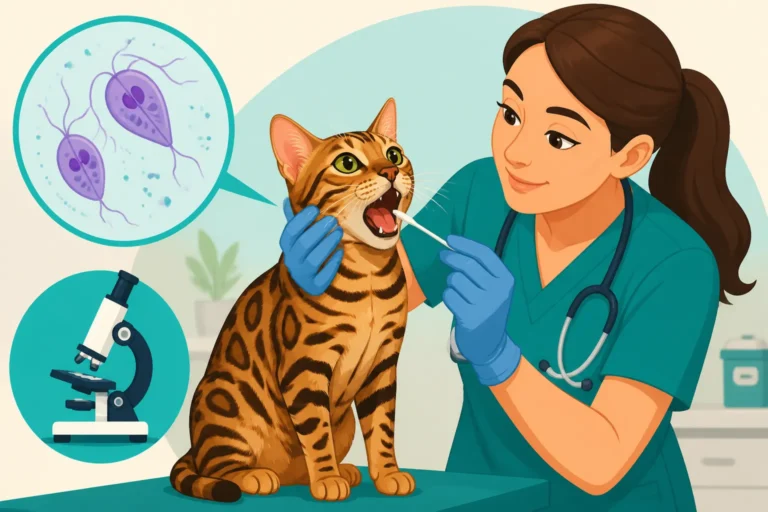
For instance, parasitic infections are rampant, especially in Bengal kittens. Two notorious culprits are Tritrichomonas foetus and Giardia. Tritrichomonas is a single-celled protozoan that causes persistent, often smelly, diarrhea that doesn't always respond to typical dewormers. It’s incredibly frustrating because affected cats can look otherwise healthy and active, yet their stools remain persistently loose. What Tritrichomonas Does to a Bengal Cat. Similarly, Giardia is another protozoan parasite that can cause chronic, watery, or greasy diarrhea. While often treatable, it can be stubborn and re-occur, especially in multi-cat households or catteries. How a Bengal Cat's Giardia Is Treated. These parasites disrupt the delicate balance of the gut flora, leading to inflammation and malabsorption, regardless of the food being eaten.
Food sensitivities and allergies are also increasingly common. Unlike a true allergy which involves an immune response, a food sensitivity might just be an intolerance to a particular ingredient that their system struggles to process. Common triggers include beef, dairy, fish, and certain grains, though any ingredient can potentially cause a reaction. The sheer complexity of ingredients in many commercial cat foods makes identifying the specific culprit a true detective mission, leaving many owners feeling overwhelmed and their Bengals suffering through trial-and-error diet changes.
Recognizing the Signs of Digestive Distress
It’s crucial for us as Bengal owners to become expert observers of our cat’s health, especially when it comes to their digestive system. They are masters at hiding discomfort, a trait passed down from their wild ancestors who wouldn't show weakness to predators. Subtle changes can indicate a problem long before it becomes obvious.
Beyond the obvious signs like diarrhea or vomiting, look for more nuanced indicators. Is your Bengal eating less enthusiastically than usual, or perhaps skipping meals altogether? Are their stools consistently softer than normal, even if not outright liquid? Changes in stool color, mucus, or the presence of fresh blood are red flags that warrant immediate attention. Increased flatulence, a distended or tender abdomen, or audible gut rumblings can also point to discomfort.
Behavioral changes are equally important. A Bengal in digestive distress might become lethargic, less playful, or more irritable. They might seek out unusual places to hide, or groom excessively around their hindquarters due to irritation. Some Bengals might even start going outside the litter box if they associate the box with pain or discomfort, or if their urgent need makes it difficult to reach in time. Documenting these observations, including frequency and severity, will be incredibly helpful for your vet in diagnosing and treating the issue.
Tailoring Nutritional Approaches for a Settled Stomach
Once you suspect digestive issues, adjusting your Bengal's diet is often the most impactful first step. But with so many options out there, how do you choose? It's about finding foods that align with their natural carnivorous needs while being gentle on a sensitive system.
The Role of Protein and Fat in a Bengal's Diet
Bengal cats, like all felines, are obligate carnivores. This means their bodies are designed to derive nutrients primarily from animal sources. High-quality animal protein is paramount, not just for building and maintaining their incredible musculature but also for proper organ function and energy. When a Bengal has a sensitive stomach, the source and digestibility of that protein become even more critical.
Look for foods where the first few ingredients are clearly named animal proteins like chicken, turkey, duck, or rabbit. Avoid "meat by-products" or generic "animal protein" unless the brand explicitly states they are human-grade and sourced ethically. For sensitive stomachs, single-source protein diets can be incredibly helpful. If chicken seems to be an issue, switching to a novel protein like venison, quail, or rabbit can make a huge difference.
Fat is also a vital energy source for cats and helps in the absorption of fat-soluble vitamins. However, too much fat, or low-quality fats, can sometimes be irritating to an already sensitive gut. A moderate amount of easily digestible animal fat is usually best. Many premium foods strike this balance, offering enough fat for energy without overwhelming the digestive system. You'll often find that Which Food Firms Up a Bengal Cat's Stool. The key is finding a food with a good balance of high-quality ingredients, rather than simply looking for a "low fat" option, which might strip them of essential energy.
Exploring Limited Ingredient and Novel Protein Diets
When faced with ongoing digestive upset, especially if food sensitivities are suspected, two dietary approaches often come to the forefront: Limited Ingredient Diets (LID) and Novel Protein Diets. These are designed to simplify the ingredient list, reducing the chances of encountering a trigger food.
A Limited Ingredient Diet focuses on minimizing the number of ingredients, often containing a single source of animal protein and one or two carbohydrate sources. The fewer ingredients, the easier it is to pinpoint what might be causing a reaction. For example, instead of a food with chicken, beef, corn, and soy, an LID might feature only duck and sweet potato. This reduction in complexity gives the gut a chance to rest and heal from constant exposure to potential irritants.
Novel protein diets take this a step further by utilizing protein sources that your cat has likely never encountered before. Think venison, rabbit, duck, or even kangaroo. Since the immune system hasn't been exposed to these proteins, it's less likely to mount an inflammatory response. This can be a game-changer for Bengals who have developed sensitivities to common proteins like chicken or beef over time. It’s a good idea to consider When a Bengal Cat Needs a Limited Ingredient Diet. Both LIDs and novel protein diets are usually implemented as part of an elimination trial under veterinary guidance, where you feed the new diet exclusively for several weeks to see if symptoms resolve.
The Debate Around Grain-Free and Raw Feeding
The pet food industry is full of debates, and few are as fervent as those surrounding grain-free and raw diets for cats. For Bengal owners trying to settle a sensitive stomach, these options often come up.
The appeal of grain-free diets for Bengals stems from their carnivorous nature. Grains like corn, wheat, and soy are not typically part of a wild cat's diet and can be difficult for some Bengals to digest, potentially leading to inflammation and digestive upset. While some cats tolerate grains perfectly fine, many sensitive Bengals show significant improvement on a grain-free diet, especially if their issues were exacerbated by cheap fillers. However, it's crucial to remember that "grain-free" doesn't mean "carb-free"; potatoes, peas, and legumes are often used as substitutes, and these can also cause issues for some cats. Always read labels carefully.
Raw feeding, on the other hand, aims to mimic the ancestral diet more closely. Proponents argue that a raw diet, consisting of raw muscle meat, organs, and bones, provides superior nutrition and digestibility for obligate carnivores like Bengals. Many owners report a dramatic improvement in stool quality, coat health, and energy levels for their Bengals on raw diets. However, raw feeding comes with its own set of challenges, including ensuring nutritional completeness, handling safety to prevent bacterial contamination, and the practicalities of storage and preparation. It's a significant commitment and requires careful research and often consultation with a vet or a raw feeding nutritionist. It's a big question Whether a Raw Diet Suits a Bengal Cat's Gut. While it can be highly beneficial for some sensitive Bengals, it's not a decision to be taken lightly.
Navigating Diet Changes and Supportive Care
Changing your Bengal's diet isn't always a straightforward swap. Their sensitive systems, and sometimes their picky palates, require a thoughtful approach. Beyond just the food itself, supportive care can make a huge difference in achieving a settled stomach.
Implementing a Gradual Food Transition
One of the biggest mistakes owners make when changing a cat's food, especially one with a sensitive stomach, is doing it too quickly. A sudden switch can often cause digestive upset, even if the new food is ultimately better for them. The key is a slow, gradual transition over 7-10 days, or even longer if your Bengal is particularly sensitive.
Start by mixing a very small amount of the new food (about 10-25%) with their old food. Feed this mixture for 2-3 days. If all goes well and there are no signs of upset (vomiting, diarrhea, refusal to eat), gradually increase the proportion of the new food while decreasing the old. For example, after a few days, move to a 50/50 mix, then 75% new and 25% old, until you're feeding 100% new food.
During this transition period, monitor your Bengal's stools closely. If you notice any signs of digestive upset, slow down the transition. Go back to the previous ratio for a few more days until their system adjusts. Patience is truly a virtue here. Remember, even the best food in the world won't work if their system gets shocked by a sudden change. Also, don't forget that Why Wet Food Suits a Bengal Cat's Gut. Wet food often provides much-needed moisture and can be easier to digest for some Bengals, especially during a transition.
The Benefits of Probiotics and Digestive Supplements
Sometimes, even with the right food, a Bengal's sensitive gut needs a little extra help. This is where probiotics and other digestive supplements can come into play, working to restore balance and support healthy digestion.
Probiotics are beneficial bacteria that help maintain a healthy gut microbiome. A balanced microbiome is essential for digestion, nutrient absorption, and even immune function. When a Bengal's gut is out of whack – perhaps due to stress, antibiotic use, or chronic diarrhea – supplementing with probiotics can help replenish these good bacteria and crowd out harmful ones. Look for veterinary-specific probiotics, as human probiotics are formulated for a different digestive system and may not be effective. Brands like Purina FortiFlora or Proviable are often recommended by vets. You might be wondering Whether Probiotics Help a Bengal Cat, and for many, they truly do.
Other supplements can also offer support. Digestive enzymes can help break down food more efficiently, especially if your Bengal struggles with maldigestion. Slippery elm bark is a natural demulcent that can soothe an inflamed digestive tract and help firm up stools. Always discuss any supplements with your veterinarian before introducing them, as they can interact with medications or not be appropriate for all conditions.
Hydration and Environmental Considerations
Diet isn't just about what's in the bowl; it's also about how your Bengal consumes it and their overall environment. Hydration is absolutely critical for digestive health. Cats, by nature, don't have a strong thirst drive, often relying on the moisture from their prey. Dry kibble diets can leave them chronically dehydrated, which can contribute to constipation or harder stools, further irritating a sensitive gut.
Encourage water intake by offering multiple water bowls around the house, using ceramic or stainless steel bowls (some cats dislike plastic), and consider a flowing water fountain, as many Bengals are fascinated by moving water. Incorporating wet food into their diet, even if it's just a small amount, significantly boosts their daily moisture intake.
Beyond hydration, stress plays a huge role in feline digestive health. Changes in routine, new pets, household moves, or even loud noises can trigger stress-related digestive upset in sensitive Bengals. Ensure your cat has safe, quiet spaces to retreat to, maintain a consistent routine, and provide plenty of enrichment to keep them mentally stimulated and happy. A relaxed cat is more likely to have a relaxed gut.
When to Consult Your Veterinarian for Persistent Issues
While dietary changes can work wonders, it's vital to recognize when your Bengal's stomach issues warrant professional medical attention. Self-diagnosing and endless dietary trials can delay proper treatment for underlying conditions, potentially leading to more severe health problems. Your vet is your most important partner in this journey.
Understanding Diagnostic Testing for Chronic Diarrhea
If your Bengal cat's digestive issues, especially chronic diarrhea, persist despite initial dietary adjustments, it's time for a thorough veterinary investigation. Your vet will likely start with a comprehensive physical exam and discuss your cat's history, including diet, environment, and specific symptoms. Don’t be shy about detailing everything you’ve observed; the more information, the better.
Diagnostic testing often begins with a fecal panel, which checks for parasites, bacterial overgrowth, and other abnormalities. This might involve collecting samples over several days to ensure accuracy. What a Bengal Cat's Fecal Panel Costs, but it’s a crucial first step. If parasites like Tritrichomonas or Giardia are suspected, specific tests for these pathogens will be recommended. Sometimes, blood work (such as a full chemistry panel, complete blood count, and specific GI panels measuring folate and cobalamin levels) is needed to check for systemic inflammation, organ function, and nutrient deficiencies that might be contributing to the problem.
In some cases, especially with ongoing issues that don't respond to initial treatments, your vet might suggest more advanced diagnostics like abdominal X-rays or ultrasound to visualize the digestive organs, or even endoscopy with biopsies to get a definitive diagnosis of conditions like Inflammatory Bowel Disease (IBD) or certain cancers. It can be a long road, but these tests are essential to rule out serious conditions and create a targeted treatment plan. Having pet insurance, like a plan from Healthy Paws, can be incredibly helpful in managing the costs of these often expensive diagnostic procedures, allowing you to focus on your cat's health without undue financial stress.
Discussing Prescription Diets and Medical Management
Once a diagnosis is established, or if sensitivities are severe, your vet might recommend a prescription diet. These diets are not just "fancy food" – they are scientifically formulated to manage specific health conditions. For digestive issues, common prescription diets include:
- Hydrolyzed Protein Diets: These diets contain proteins that have been broken down into very small components, making them less likely to trigger an immune response in cats with severe food allergies. Brands like Royal Canin or Purina Pro Plan Veterinary Diets offer these.
- Highly Digestible Diets: Formulated with easily digestible ingredients and often a specific balance of fiber and prebiotics to support gut health and reduce workload on the digestive system.
- Novel Protein Prescription Diets: Similar to over-the-counter novel protein diets but often with stricter quality control and sometimes with ingredients not commonly found in regular pet food.
In addition to prescription diets, your vet might prescribe medications to manage symptoms or treat underlying conditions. This could include anti-inflammatories for IBD, anti-parasitic drugs (like metronidazole for Giardia or ronidazole for Tritrichomonas), or motility modifiers to help regulate gut movement. For severe cases of Tritrichomonas, Which Drug Clears Tritrichomonas in a Bengal Cat, but it has to be prescribed by a vet.
The combination of a targeted diet and appropriate medication often yields the best results for Bengals with persistent or severe digestive problems. Don't be afraid to ask detailed questions about the rationale behind each recommendation and what you can expect in terms of timeline and outcome.
The Importance of Long-Term Veterinary Partnership
Managing a Bengal cat with a sensitive stomach is rarely a one-time fix. It often requires an ongoing partnership with your veterinarian. Think of them as your cat’s health coach, helping you navigate the ups and downs of their digestive journey. This long-term relationship is vital for several reasons.
First, your vet can help you monitor your Bengal's progress, adjust diets or medications as needed, and identify any new symptoms that arise. Regular follow-up appointments allow them to assess your cat's overall health, ensuring they are thriving, not just surviving. Second, chronic conditions like IBD or persistent food allergies may require lifelong management, and your vet will be instrumental in developing a sustainable plan that keeps your Bengal comfortable and healthy. Third, they can provide guidance on When a Bengal Cat Needs a Special Diet for Its Gut, beyond just settling acute issues. They can also help interpret how your Bengal is responding to treatments, for example, if What Treating Tritrichomonas Costs a Bengal Cat Owner, it's important to weigh the long-term benefits against the cost and potential side effects.
Don't hesitate to reach out to your vet with questions or concerns. Building a strong, trusting relationship with a veterinary practice that understands the unique needs of Bengal cats will be invaluable for ensuring your energetic, wild-looking companion lives a long, happy life with a settled stomach. Again, having a robust pet insurance policy from a provider like Healthy Paws can truly empower you to make the best long-term care decisions without the added burden of prohibitive costs.
Disclaimer
This article is intended for informational purposes only and does not constitute veterinary advice. Always consult with a qualified veterinarian for any health concerns or before making any changes to your Bengal cat's diet or treatment plan.