Which Health Results a Bengal Cat Breeder Must Show
Bringing a new Bengal cat into your home is an incredibly exciting time, full of dreams of playful antics and purrs. But the joy can quickly turn to heartbreak, and your wallet to an empty void, if you end up with a kitten carrying a serious genetic illness or a persistent infection that a responsible breeder should have screened for. This guide is here to cut through the confusion and empower you with the knowledge of exactly which health results a Bengal cat breeder must show you, so you can choose a healthy companion with confidence.
Why Health Testing is Non-Negotiable for Bengal Cats
It's a tough truth, but not all breeders are created equal. Some are truly dedicated to the health and betterment of the breed, while others might cut corners to save money or simply lack the in-depth knowledge required. When you're looking at those stunning rosettes and glittering coats, it's easy to get swept away, but the health of your future feline friend should be your absolute top priority. Reputable breeders understand this and invest significantly in comprehensive health testing. This isn't just about preventing heartache for you; it's about ethical breeding practices that reduce the prevalence of devastating diseases within the Bengal breed as a whole.
Protecting the Breed's Future
Every time a breeder skips essential health screening, they're playing a dangerous game with the future of the Bengal cat. Genetic conditions, in particular, can be silently passed down for generations, only to manifest tragically in offspring. By testing their breeding cats, responsible breeders can make informed decisions, ensuring they don't unwittingly perpetuate diseases that cause suffering. Think of it as a quality control process that safeguards the health reputation of the entire breed, and ensures that the next generation of Bengals is as robust and vibrant as possible.
Saving You From Future Heartbreak and Huge Vet Bills
Let's be brutally honest: nobody wants to fall in love with a kitten only to face a diagnosis of a painful, debilitating, or fatal condition shortly after bringing them home. Beyond the emotional toll, the financial strain of managing chronic or severe health issues can be astronomical. We're talking about specialist vet visits, ongoing medications, potential surgeries, and emergency care. While pet insurance from providers like Healthy Paws can certainly help mitigate some of these costs, preventative screening by the breeder is the first and best line of defense. It means you can focus on enjoying your cat, rather than worrying about the next vet bill or desperately searching for treatments.
Essential Genetic Health Tests Every Bengal Breeder Must Perform
There are a few genetic conditions that are particularly prevalent and problematic in the Bengal breed. A responsible breeder will not only be aware of these but will have actively tested their breeding cats to ensure they are not passing them on. These aren't just "nice-to-haves"; they are fundamental pillars of ethical Bengal breeding. Any breeder who cannot provide clear, recent documentation for these tests should raise an immediate red flag.
PRA-b: Progressive Retinal Atrophy
Progressive Retinal Atrophy, specifically the PRA-b variant common in Bengals, is a nasty genetic condition that leads to blindness. It's truly heartbreaking to watch a vibrant cat slowly lose their sight, bumping into furniture and becoming disoriented. The good news is that there's a reliable DNA test for PRA-b. This test can identify if a cat is clear, a carrier, or affected. A "clear" cat has two healthy genes, while a "carrier" has one healthy gene and one affected gene. An "affected" cat has two copies of the affected gene and will eventually go blind. PRA-b Blinds a Bengal Cat by Two and There Is a DNA Test is a good read on this.
A responsible breeder will always test their breeding cats for PRA-b and only breed "clear" cats to "clear" cats, or "clear" cats to "carrier" cats. They should never breed two carriers together, as this carries a 25% chance of producing an affected kitten who will go blind. You should ask to see the official laboratory results from both parents, clearly stating their PRA-b status. Don't accept a verbal assurance; the paper documentation is crucial. Knowing How the Bengal Cat PRA-b DNA Test Works can help you understand the results you're looking at.
PK Deficiency: Pyruvate Kinase Deficiency
Another significant genetic concern in Bengals is Pyruvate Kinase Deficiency (PK Deficiency). This condition affects red blood cells, leading to chronic anemia, weakness, and fatigue. Cats with PK Deficiency often have fluctuating energy levels, with good days and bad days, and may require blood transfusions in severe cases. It can significantly impact a cat's quality of life and lifespan. Pyruvate Kinase Deficiency in a Bengal Cat delves deeper into this.
Just like PRA-b, PK Deficiency has a reliable DNA test that identifies clear, carrier, and affected cats. Breeders should follow the same responsible breeding practices: "clear" to "clear," or "clear" to "carrier," but never two carriers together. A kitten from two carriers has a 25% chance of being affected and developing the disease. It’s essential to see the official lab results for PK Deficiency from both parents. These tests are relatively inexpensive and widely available, so there's really no excuse for a breeder not to have them done. It’s not just about knowing What PK Deficiency Does to a Bengal Cat, but ensuring your kitten won't face it.
Cardiac Health Screening: Hypertrophic Cardiomyopathy (HCM)
When it comes to the Bengal cat, heart health is paramount. Hypertrophic Cardiomyopathy (HCM) is a heartbreaking disease where the heart muscle thickens, making it harder for the heart to pump blood effectively. It can lead to heart failure, blood clots (which can cause paralysis), and sudden death, often at a young age. This is a condition that tragically claims many Bengal cats too early. HCM Is What Kills Bengal Cats Early covers the severity of this.
Why Echocardiograms are Paramount
Unlike PRA-b and PK Deficiency, there is currently no reliable DNA test for HCM in Bengal cats. This is a crucial point that many potential owners miss. Because of this, the only way to screen breeding cats for HCM is through regular echocardiograms (heart ultrasounds) performed by a board-certified veterinary cardiologist. A reputable breeder will have their breeding cats scanned annually or biennially, depending on the cardiologist's recommendation, up until they are retired from breeding.
You should insist on seeing current, official echocardiogram reports from both parents. These reports should be signed by a veterinary cardiologist and state that the cat is "normal" or "clear" for HCM. Be wary of breeders who claim a cat has "passed" an HCM gene test, as this test does not exist for Bengals. It's vital to understand Why a Bengal Cat Breeder Must Show an Echo, Not a Gene Test. Ask for the date of the last scan and the cardiologist's name. A healthy cat can develop HCM later in life, so recent scans are crucial. How Common HCM Is in Bengal Cats highlights why this screening is so important.
Frequency of HCM Screening
It's not enough to have just one clear echo result from a young cat. HCM can develop over time. Therefore, breeders should be performing regular screenings throughout a cat's breeding career. A breeder showing you a single echo from a cat that is now several years old isn't providing a complete picture. You want to see a consistent history of clear scans. If you are ever unsure, don't hesitate to contact the veterinary cardiologist directly (with the breeder's permission, of course) to verify the results. This level of diligence ensures the breeder is committed to preventing the disease from entering their lines.
Addressing Common Infectious Diseases
While genetic diseases get a lot of attention, common infectious diseases can also cause immense suffering for kittens and massive headaches for new owners. A responsible breeder will maintain a clean cattery and take proactive steps to prevent and screen for these issues, particularly those that cause persistent digestive problems.
Tritrichomonas Foetus (T. Foetus)
One of the most insidious causes of chronic diarrhea in Bengal cats, especially kittens, is Tritrichomonas foetus. This microscopic parasite can be incredibly difficult to get rid of and can cause ongoing loose, foul-smelling stools, sometimes with blood or mucus, for months or even years. It’s highly contagious and can spread like wildfire in a multi-cat environment if not managed. Chronic Diarrhea Is the Bengal Cat Complaint Nobody Warns About will tell you more about this particular nightmare.
A breeder should test their breeding cats, and especially any kitten showing signs of diarrhea, for T. foetus. The most reliable test is a PCR test on a fresh fecal sample. Breeders should be able to show you negative test results for their cattery, or at least for the parents of your kitten, if there have been any concerns. If a kitten has been treated, you should see documentation of the treatment and follow-up negative tests to confirm clearance. It's a huge relief for new owners to know their kitten comes from a T. foetus-free environment, or has been thoroughly cleared if exposed. Getting a Bengal cat from a breeder who ignores gut issues is a recipe for disaster. What Tritrichomonas Does to a Bengal Cat makes it clear why this is so important.
Giardia and Other Common Parasites
While T. foetus is a particularly tricky foe, other common intestinal parasites like Giardia, coccidia, and various worms can also cause significant issues. While many kittens might carry some level of these, a responsible breeder will have a regular deworming schedule and will test for and treat any active infections before a kitten goes to their new home. You should ask about their parasite prevention protocol and whether they perform routine fecal examinations.
While not as devastating as some genetic conditions, persistent parasite issues can cause stunted growth, poor coat condition, and ongoing digestive upset, leading to multiple vet visits for you. If a breeder orders regular dewormers or specialized foods for sensitive stomachs, they should be transparent about their protocols and supply records of preventative care. You want a kitten whose gut has been well-managed from the start.
Understanding Test Results and What They Mean for Your Kitten
You've asked for the health records, and now you have a pile of paperwork. What exactly are you looking at, and what questions should you be asking to ensure you're getting a clear picture of your kitten's health? This is where your preparedness really pays off.
Deciphering Laboratory Reports
Official lab reports for DNA tests (like PRA-b and PK Deficiency) will typically come from specialized veterinary genetic testing laboratories. They will clearly state the cat's registered name, microchip number, the test performed, and the result (e.g., "N/N Clear," "N/P Carrier," or "P/P Affected"). It's important that the cat's identification on the report matches the cat you are considering, or its parents. Whether a Bengal Cat Kitten Comes PK Tested is a valid question, as reputable breeders often test kittens or ensure parents are clear.
For echocardiogram reports, look for the date of the scan, the name and qualifications of the cardiologist, and a clear statement regarding the presence or absence of HCM. Terms like "no evidence of HCM" or "normal cardiac findings" are what you want to see. Don't be afraid to ask for clarification on any jargon or abbreviations you don't understand. A good breeder will be happy to walk you through every detail.
What to Ask the Breeder About the Results
Beyond simply presenting the papers, a reputable breeder should be able to discuss the results intelligently and explain their breeding decisions. Ask them:
- "Can you show me the official lab results for PRA-b and PK Deficiency for both parents?"
- "When was the last echocardiogram performed on the parents, and can I see the cardiologist's reports?"
- "What is your cattery's protocol for screening for Tritrichomonas foetus and other parasites?"
- "Have any of your breeding cats ever tested as a carrier for PRA-b or PK Deficiency? If so, how do you manage that in your breeding program?"
- "Are the kittens themselves tested, or only the parents?" Whether a Bengal Cat Kitten Comes With Test Certificates is a perfectly reasonable question to ask, especially for genetic tests.
A breeder who fumbles, gets defensive, or refuses to provide documentation is a huge warning sign. Transparency is key.
Red Flags When Reviewing Breeder Health Claims
Sometimes it’s not just about what a breeder shows you, but what they don’t show you, or how they present the information. Learning to spot these red flags can save you a lot of trouble down the line. It’s an unfortunate reality that some individuals will try to mislead potential buyers.
Vague or Non-Existent Documentation
The biggest red flag is a breeder who can't or won't provide official, verifiable documentation for health testing. If they say, "Oh, we've had them all tested, they're fine," without showing you the actual papers, that's simply not good enough. Similarly, if they offer "pictures of the results" that look like blurry phone snaps, or documents that seem incomplete or tampered with, proceed with extreme caution. Professional veterinary lab reports and cardiologist statements have specific formats and official letterheads.
Another red flag is a breeder who only tests some of their cats, or only tests for certain conditions. A truly responsible breeder commits to comprehensive testing for all their breeding animals, across all known breed-specific health concerns. Any gaps in testing indicate either ignorance or corner-cutting.
Misinterpreting or Downplaying Risks
Be wary of breeders who downplay the severity of genetic conditions or tell you that "most Bengals are carriers, it's nothing to worry about." While it's true that carriers themselves don't typically develop the disease, breeding two carriers will produce affected kittens. A responsible breeder understands the risks and actively works to avoid producing affected offspring.
Also, be suspicious if a breeder claims to have a "gene test for HCM." As mentioned, this does not exist for Bengals, so this is a clear sign that they are either misinformed or intentionally misleading you. This kind of misinformation demonstrates a lack of understanding of fundamental Bengal health protocols.
Lack of Follow-Up or Support
A good breeder doesn't just sell you a kitten and disappear. They should be a resource for you for the lifetime of your cat. If you ask about how they handle health guarantees, what support they offer if a genetic condition emerges, or how they assist new owners with transitioning their kitten to a new home, and they seem uninterested or unresponsive, that's a problem. Their commitment to their cats extends beyond the sale.
Furthermore, a breeder should be transparent about their cattery practices, including hygiene and how they manage any health issues that arise in their kittens. If they refuse to let you see where the kittens are raised (virtually or in person, respecting biosecurity), or are secretive about their veterinary care, those are significant warning signs that they may be hiding something.
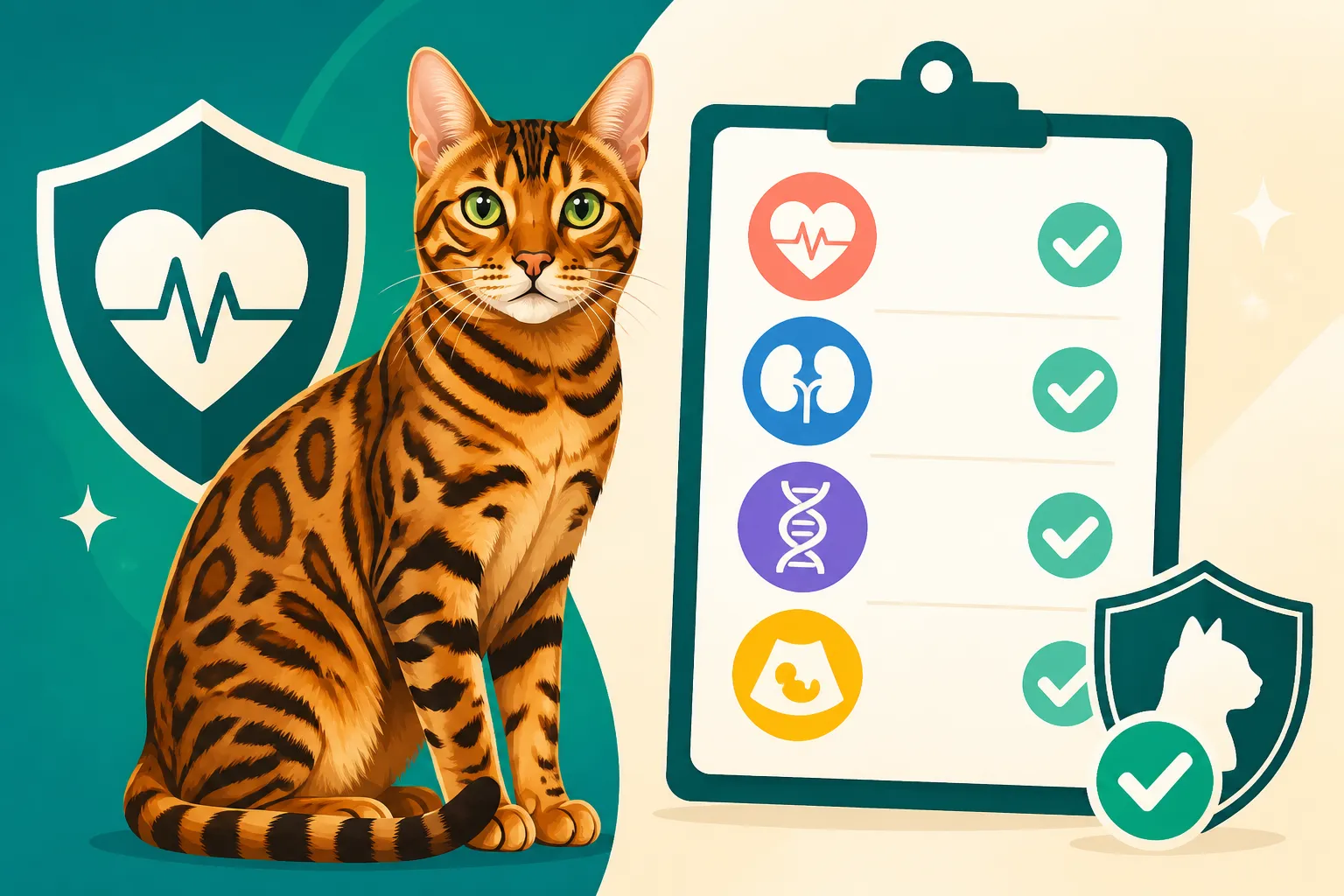
| Health Test | What It Screens For | Test Type | Key Outcome to Look For | Importance |
|---|---|---|---|---|
| PRA-b DNA Test | Progressive Retinal Atrophy (genetic blindness) | Genetic DNA Swab | N/N Clear (from both parents) | Prevents blindness in offspring. |
| PK Deficiency DNA Test | Pyruvate Kinase Deficiency (genetic anemia) | Genetic DNA Swab | N/N Clear (from both parents) | Prevents severe, chronic anemia. |
| HCM Echocardiogram | Hypertrophic Cardiomyopathy (heart muscle thickening) | Cardiac Ultrasound | "Normal" or "Clear" by Cardiologist | Prevents heart failure, clots, sudden death. No gene test. |
| Tritrichomonas PCR | Tritrichomonas foetus (persistent diarrhea parasite) | Fecal PCR | Negative | Prevents chronic, debilitating diarrhea. |
| Fecal Parasite Screen | Giardia, Coccidia, various worms | Fecal Sample | Negative or successfully treated | Prevents digestive upset and poor health. |
Remember, you are interviewing the breeder just as much as they might be vetting you. Don't feel pressured to make a quick decision. Take your time, ask all your questions, and insist on seeing all the necessary documentation. A truly dedicated and ethical Bengal breeder will appreciate your thoroughness because it shows you're serious about providing a loving and healthy home for one of their precious kittens. Knowing What a Bengal Cat Breeder Should Have Tested equips you to make the right choice.
Disclaimer
This article is for general informational purposes only and does not constitute professional advice. Laws, prices and regulations vary by location and change over time. Consult a qualified professional for guidance on your specific situation.